The Real Reason Owls Are Hooting Outside Your Maryland Home After Dark
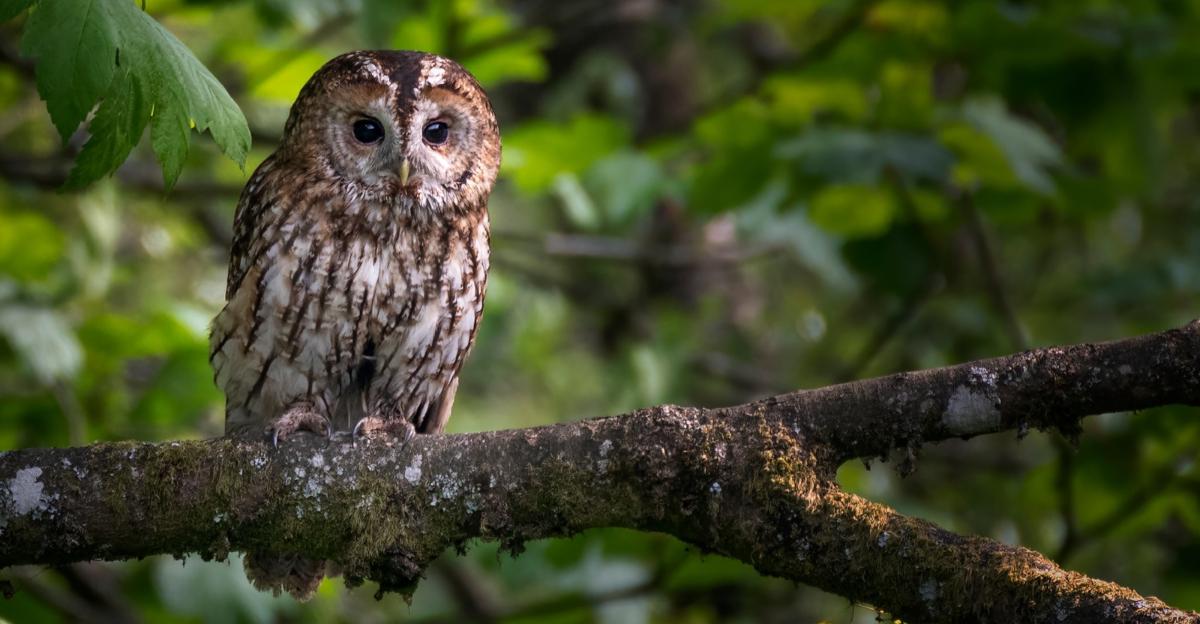
Midnight. Your phone says 2:14 AM, and something outside just made a sound that crawled straight under your skin. Not a car alarm, not a neighbor’s dog. Something older.
You lie there, staring at the ceiling, and it happens again: a long, resonant call rolling through the dark like it owns the night. Maybe it came from the oak tree in your backyard.
Maybe it came from the rooftop directly above your bedroom window. In Maryland, this is not a ghost story. It is biology, and honestly, it is stranger than any ghost story you have heard.
Owls have been using Maryland neighborhoods as their personal hunting grounds for centuries, long before the subdivisions and the streetlights showed up uninvited.
What you just heard is part communication, part territorial warning, part something researchers are still trying to fully decode. Pull the blanket up. This is worth knowing.
You Have An Active Predator Patrolling Your Yard
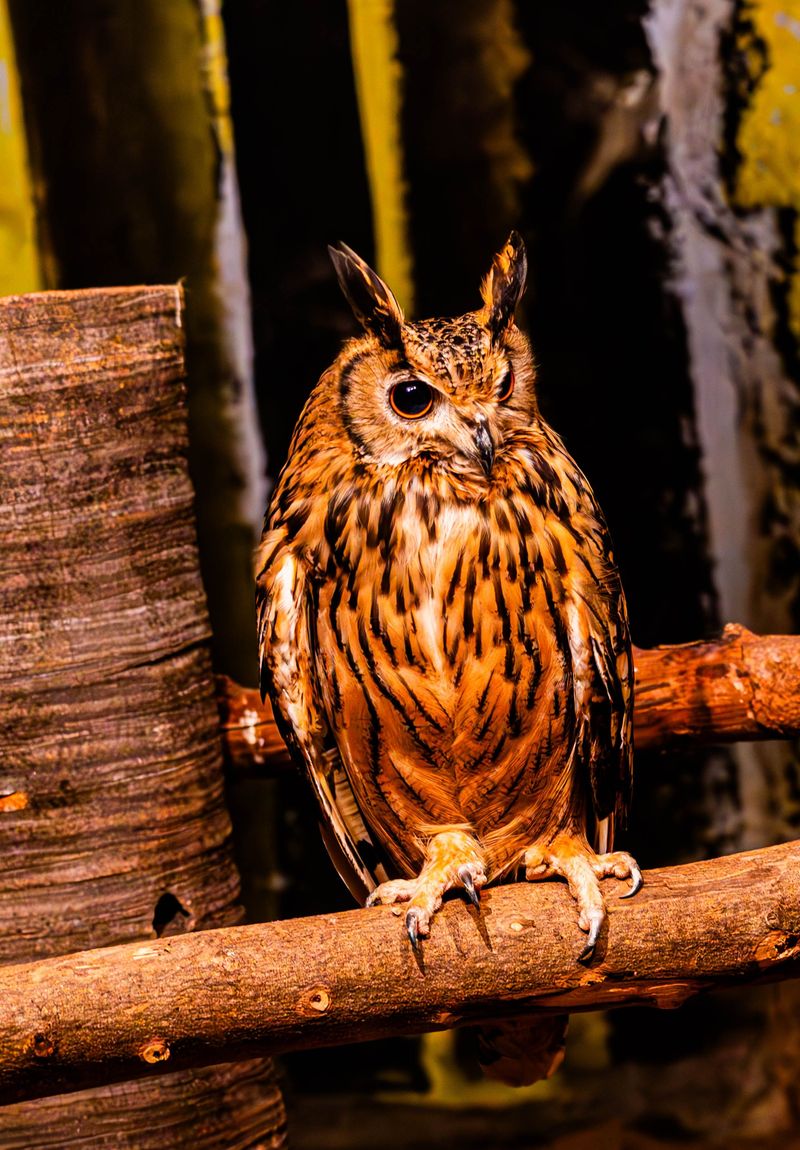
Something may be hunting in your yard right now. A silent, feathered predator is scanning your lawn with eyes built for darkness.
Owls are apex hunters of the night sky, and your property is likely offering several conditions owls look for.
Mice, voles, and rabbits often shelter near homes, making suburban yards surprisingly rich feeding zones.
An owl does not hoot randomly while hunting. Calls serve a different purpose, often territorial or communicative, while the actual hunt happens in near-total silence.
Owls can rotate their heads nearly 270 degrees, giving them a massive field of vision. Their dish-shaped faces funnel sound directly to their ears with incredible precision.
If you hear hooting outside your Maryland home after dark, an owl has identified your yard as part of its home range. That reflects well on your local habitat.
Regular owl activity often suggests a healthy prey population and sufficient habitat nearby. Fewer rodents, healthier gardens, and a thriving food web all benefit when these birds take up residence nearby.
Common Owl Species You Will Encounter In Maryland And Their Distinctive Calls
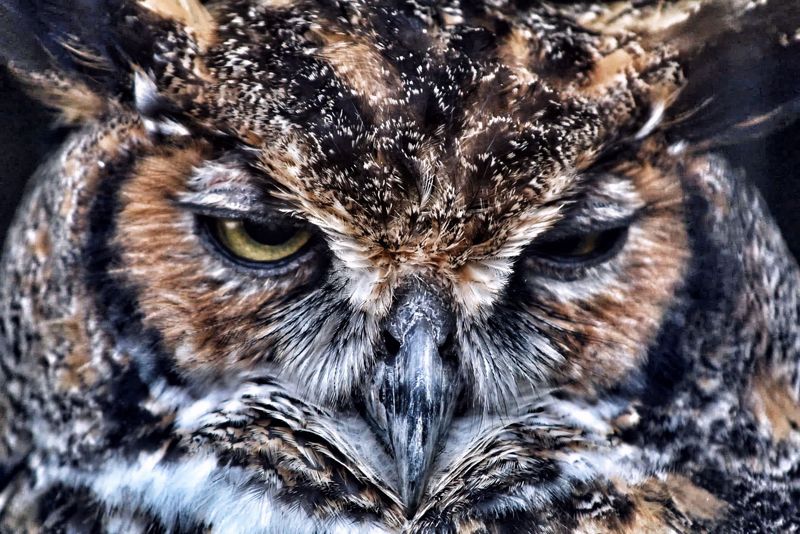
Not every hoot sounds the same, and that difference matters. Maryland is home to several owl species, each with a call as unique as a fingerprint.
The Great Horned Owl delivers a deep, rhythmic series of hoots that sounds almost like a distant foghorn. Many people describe it as “who’s awake, me too” when they hear it for the first time.
Barred Owls are famous for their wild, almost laughing call. Locals often describe it as “who cooks for you, who cooks for you-all,” which makes it instantly recognizable.
Eastern Screech-Owls do not actually screech most of the time. Their signature sound is a haunting, descending whinny or a long trembling trill that carries far on still nights.
Barn Owls produce a raspy, hissing shriek that can genuinely startle people. If you hear something that sounds like a ghost near your Maryland home after dark, blame the Barn Owl.
Long-eared and Short-eared Owls occasionally pass through during migration. Knowing which species is calling helps you understand what behavior to expect from your nocturnal neighbor.
Your Maryland Garden Changes Every Week. Your Plan Should Too.
Gardening in Maryland changes quickly throughout the season. Every Friday you’ll receive a simple weekly plan showing exactly what to plant, prune, fertilize, harvest, and protect so you never miss the right timing.
Why Owls Hoot At Night And What Different Calls Actually Signal
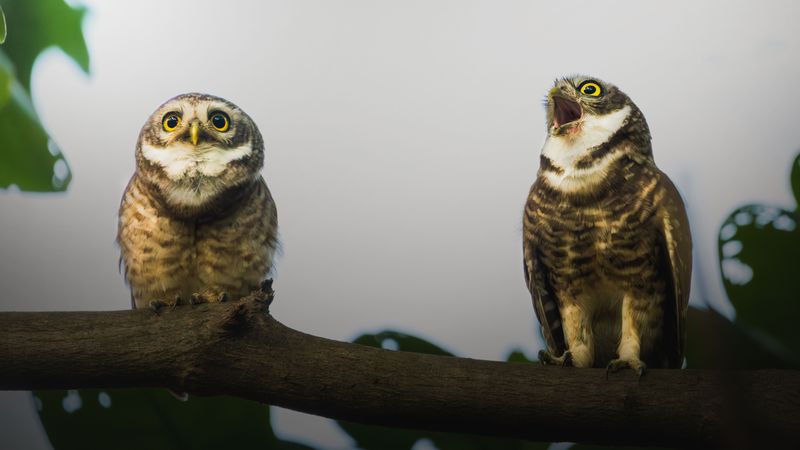
Owls hoot for reasons that are surprisingly specific. Each call carries a message, and once you learn the code, the nighttime chorus starts making sense.
Territorial calls are the most common sounds you will hear near homes. A male owl hoots to announce ownership of an area and warn rivals to stay away.
Female owls also call, often in response to their mate. Paired owls will perform duets that sound like a conversation bouncing back and forth through the trees.
Juvenile owls make rasping, begging calls when they want food from a parent. If you hear an odd scraping sound mixed with hoots, a young owl might be nearby.
Alarm calls are shorter and more urgent than territorial hoots. An owl that feels threatened will shift to a rapid, sharp series of notes to signal danger.
Hearing owls hooting outside your Maryland home after dark during late winter often means breeding season has started. Males call aggressively to attract females and secure nesting spots.
Understanding owl communication turns a spooky nighttime sound into something genuinely engaging. You are basically eavesdropping on a very dramatic neighborhood conversation.
What Attracts Owls To Residential Areas In Maryland
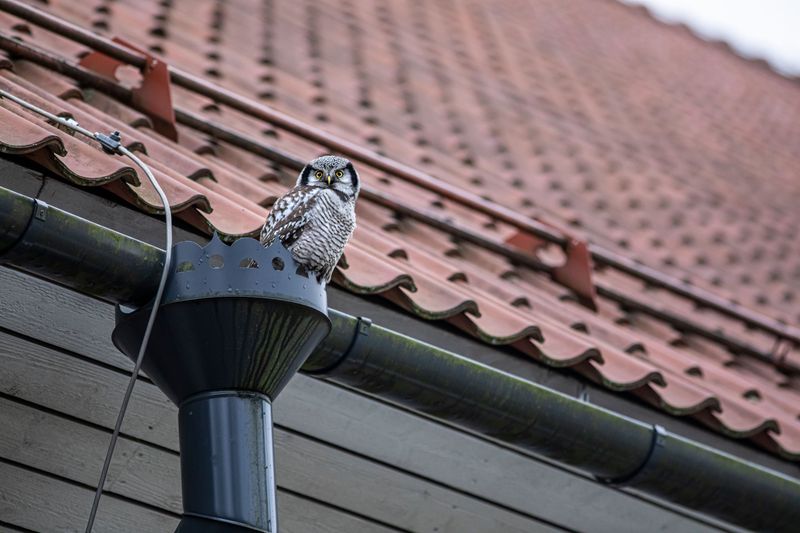
Your yard is more attractive to owls than you probably realize. Several features of typical Maryland residential properties create ideal owl habitat without homeowners even knowing it.
Mature trees are the single biggest draw. Owls need large, sturdy branches for roosting and hunting perches, and older neighborhoods with tall oaks or pines are prime real estate.
Rodent populations near homes are a powerful magnet. Bird feeders, compost bins, and unsecured trash attract mice, which in turn attract the owls that hunt them.
Open lawn space is surprisingly important. Owls need clear sightlines to spot prey moving across the ground, so a mix of trees and open grass suits them perfectly.
Water sources like ponds, birdbaths, or streams also increase appeal. Owls will occasionally visit water features, and prey animals congregate near water as well.
Low levels of artificial light help too. Neighborhoods with darker skies, less streetlight glare, and minimal nighttime activity give owls the quiet, dim conditions they strongly prefer.
If owls are hooting outside your Maryland home after dark regularly, your property is likely offering several conditions owls look for.
Seasonal Patterns When And Why Owl Activity Increases Near Homes
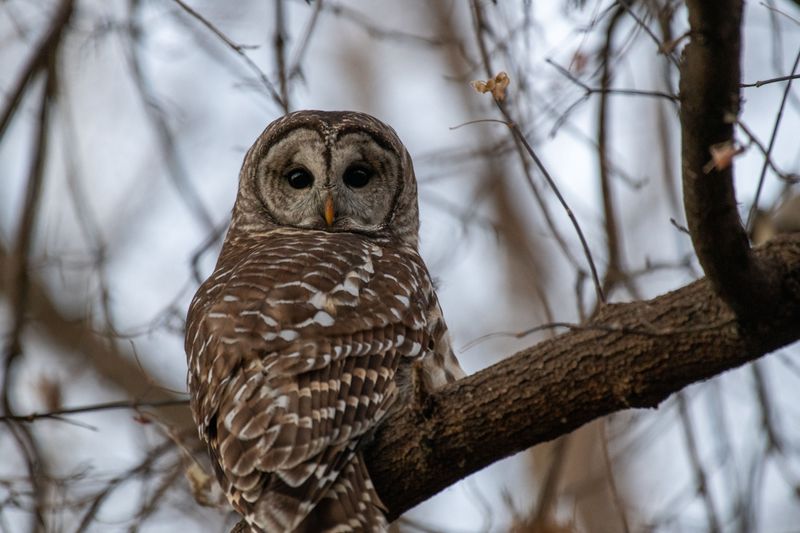
Owls do not follow a random schedule. Their activity near homes shifts dramatically depending on the season, and winter is when owl vocal activity peaks.
Great Horned Owls begin their breeding season in January and February, earlier than almost any other bird in North America. Cold nights fill with hooting as males compete for mates.
Spring brings a second wave of noise as young owls leave the nest and begin exploring nearby trees. Fledglings are loud, clumsy, and vocal, often ending up in backyards while learning to fend for themselves.
Summer is quieter overall, but activity picks up again in late summer. Juvenile owls establishing their own territories start calling more frequently as they mature.
Fall migration brings transient species through Maryland. Owls that do not normally nest locally may pass through and briefly vocalize near neighborhoods on their way south.
Winter nights near your Maryland home after dark may feel the most active because cold air carries sound farther. A hoot that sounds close might actually come from a tree two blocks away.
Tracking the seasonal rhythm of owl calls near your home becomes genuinely addictive. You will start looking forward to January nights just to hear the chorus begin again.
Is It Good Or Bad To Have Owls Hooting Near Your House
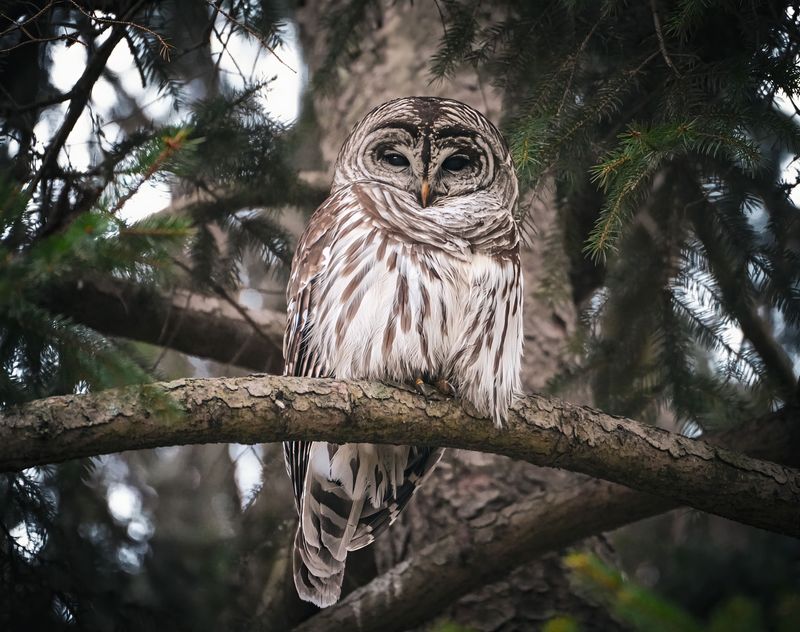
Spoiler alert: it is almost entirely good. Having owls hoot near your home is one of the clearest signs of a healthy local environment.
Some owl species, particularly Barn Owls, can consume hundreds of rodents in a year. That means fewer mice in your walls, fewer voles in your garden, and less need for traps or chemical deterrents.
Owls pose essentially no threat to adult humans. They are wild animals that deserve space and respect, but they are not aggressive toward people going about their daily lives.
Small pets are a different story. Large owl species such as the Great Horned Owl have occasionally taken very small pets left outside at night; the risk is real but rare.
Chickens and backyard poultry require protection. A secure coop with a solid roof is the simplest and most effective way to coexist with owls hooting nearby.
Noise is the only real complaint most homeowners raise. Some owl calls, particularly the Barred Owl, can carry considerable distance and repeat for hours on calm spring nights.
Overall, owls hooting outside your Maryland home after dark are a net positive for your property. They are free pest control with an incredible soundtrack included.
How To Encourage Or Discourage Owls Around Your Maryland Property
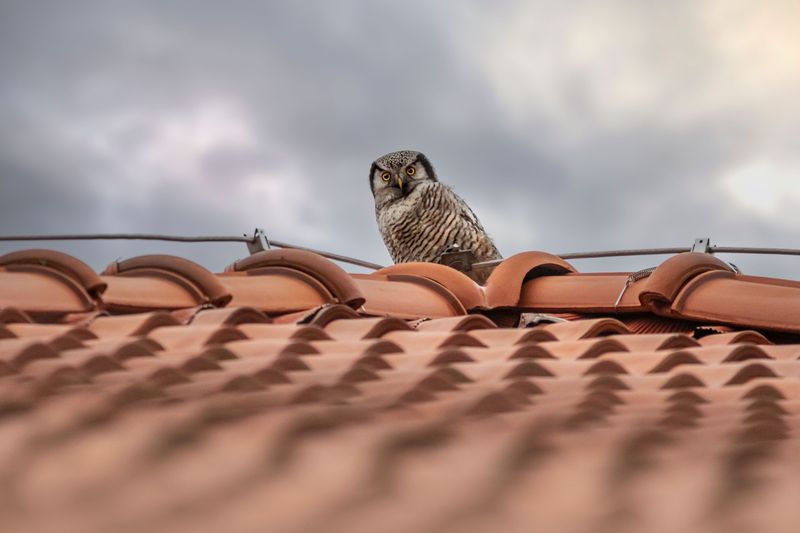
You get to choose your level of owl involvement. Whether you want more of them or fewer, there are practical steps that actually work.
To attract owls, start by installing a nest box sized for your target species. Eastern Screech-Owls readily accept boxes mounted 10 to 30 feet high on a tree or post.
Reducing outdoor lighting helps significantly. Bright floodlights disrupt owl hunting patterns, so switching to motion-activated or lower-wattage fixtures makes your yard more welcoming.
Keeping some natural brush and leaf litter around the yard encourages the rodent populations that owls hunt. A slightly wilder garden edge benefits the entire food chain.
To discourage owls, the approach shifts toward habitat modification. Removing large perch trees, installing bright perimeter lighting, and reducing rodent food sources will make your yard less appealing.
Netting over garden beds and covered poultry coops protect vulnerable animals without harming owls. Harassment or interference with owls is federally illegal under the Migratory Bird Treaty Act.
Either way, owls hooting outside your Maryland home after dark are responding to real conditions in your yard. Change the conditions, and you change the relationship with these remarkable birds.