8 Yard Habits Quietly Inviting Ticks Into Your Maryland Home
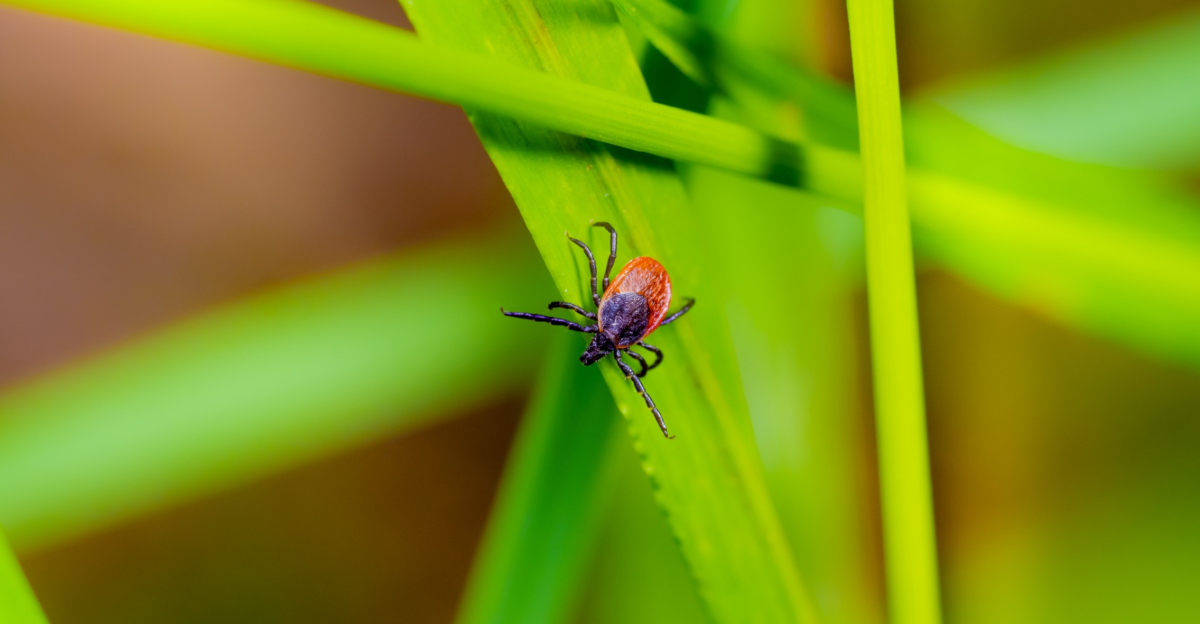
You’re pulling off your hiking boots when you spot it crawling up your calf, unhurried, like it owns the place.
You’ve just spent two hours on a Maryland trail that felt perfectly safe, and somehow this thing found you anyway.
That unsettled, itchy paranoia you feel right now? It’s not the trail that put it there. It’s your yard. Your habits.
The totally normal things you do every week without thinking, quietly rolling out a welcome mat for every tick within a hundred feet of your back door.
So what exactly are you doing that makes your property this irresistible? Maryland yards are basically tick paradise, and most homeowners are the ones building it. The culprit is probably something you did yesterday.
1. Letting Grass Grow Too Long

Tall grass is basically a five-star hotel for ticks. They love cool, shaded, moist environments, and a lawn that hasn’t been mowed in two weeks gives them exactly that.
Ticks don’t jump or fly to reach you. They practice a behavior called questing, where they climb to the tips of grass blades and wait with their front legs outstretched for a host to brush past.
The longer your grass, the more questing real estate you’re handing them. Keeping your lawn trimmed to three inches or shorter removes that prime hunting ground almost entirely.
Mowing regularly is one of the simplest, most effective things you can do. It sounds basic, but it genuinely changes how many ticks survive and thrive near your home.
In Maryland, tick activity peaks from April through September, though deer ticks can remain active on mild winter days above freezing. During peak months, aim to mow every seven to ten days without skipping.
Pay close attention to edges near fences, garden beds, and tree lines. Those spots tend to get missed and become dense tick corridors leading straight toward your patio.
Bag your grass clippings after mowing instead of leaving them on the lawn. Decomposing clippings add moisture and organic matter that ticks find incredibly attractive.
A well-maintained lawn won’t eliminate every tick on your property, but it will dramatically reduce the population. Think of it as the first and easiest line of defense against tick problems worsening in your yard.
2. Leaving Leaf Litter Piled Up

Few things attract ticks faster than a thick, damp pile of leaves. Leaf litter holds moisture beautifully, stays shaded, and stays cool, which is everything a tick needs to survive between hosts.
Deer ticks, the primary carriers of Lyme disease in Maryland, are especially fond of leaf piles. They overwinter in leaf debris and emerge in spring ready to find a host.
Raking and removing leaves seems like a chore people put off, but delaying it is genuinely risky. Every week a pile sits against your house or near a play area, tick populations can grow and spread.
Don’t just rake leaves into a corner of the yard either. That just moves the problem a few feet. Bag them, compost them far from the house, or have them hauled away entirely.
Your Maryland Garden Changes Every Week. Your Plan Should Too.
Gardening in Maryland changes quickly throughout the season. Every Friday you’ll receive a simple weekly plan showing exactly what to plant, prune, fertilize, harvest, and protect so you never miss the right timing.
Wet leaves under trees or shrubs are another overlooked hotspot. Even thin layers of decomposing leaves on garden beds create cozy microhabitats for ticks to shelter in.
Fall cleanup matters, but spring cleanup is just as critical. Leaves that blew in over winter and packed down near foundations are prime spots where ticks hatch and develop in early spring.
Adding a layer of cedar mulch to garden beds after clearing them can help deter ticks naturally. Cedar contains oils that ticks find repellent, making it a smart landscaping swap.
Staying consistent with seasonal cleanups keeps tick populations from getting comfortable and establishing themselves close to where your family spends time outside.
3. Stacking Brush Piles Near The House

Brush piles feel like a practical solution after trimming trees or clearing overgrowth. But stacking them near your home creates a dense, sheltered tick haven just steps from your back door.
Brush piles do more than harbor ticks directly. They attract mice, chipmunks, and other small rodents that carry ticks from one part of the yard to another.
White-footed mice are especially problematic in Maryland. They are the primary reservoir for Lyme disease bacteria, and they love nesting in brush piles all year long.
When rodents move through your yard, ticks hitch rides on them and drop off near your home. That brush pile next to the porch is one of the most reliable ways to bring tick-carrying rodents directly into your outdoor living space.
Moving brush piles at least 20 feet from the house makes a meaningful difference. Distance reduces the chance that ticks traveling on rodents will end up in high-traffic human zones.
Better yet, chip or dispose of yard debris quickly rather than letting it accumulate. Many Maryland counties offer yard waste pickup or composting drop-off programs for exactly this reason.
If you must keep a brush pile, place it in the far corner of your property on dry, sunny ground. Sunlight and low moisture make it a less appealing environment for ticks to thrive.
Brush management is one of those yard habits that feels minor but has an outsized impact on tick pressure near your home. Small changes in where you stack debris pay off all season long.
4. No Barrier Between Lawn And Wooded Areas
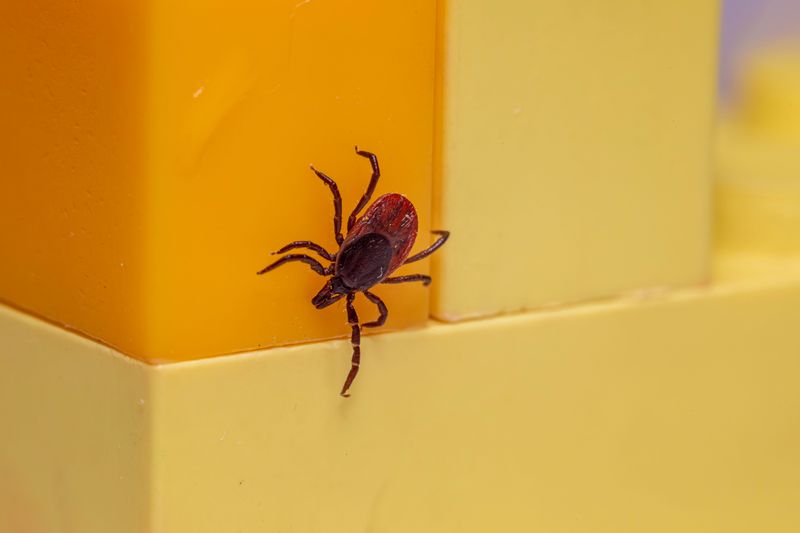
That soft green lawn meeting the shadowy tree line looks peaceful. But without a physical barrier between them, ticks migrate freely from the woods into your yard every single day.
Ticks don’t originate in your lawn. They come from wooded areas, tall brush, and wildlife corridors. Your open lawn is just the bridge they cross to reach you.
Creating a three-foot-wide border of wood chips or gravel between your lawn and any wooded edge is one of the most recommended tick control strategies available. Ticks avoid crossing dry, exposed surfaces.
That simple strip of mulch acts like a moat. It interrupts the moisture gradient ticks depend on and makes them far less likely to venture into your open lawn areas.
Cedar mulch works especially well for this purpose. It repels ticks naturally and stays dry faster than other organic materials after rain.
Gravel or stone borders work too, and they require almost no maintenance. They stay dry, offer no shade, and give ticks no reason to cross into your yard.
Fencing can add another layer of protection, especially for keeping deer out. Deer are major tick carriers, and any barrier that reduces deer traffic near your home reduces tick pressure too.
Think of this border as a permanent investment in your yard’s safety. Once installed, it works quietly every season, cutting off one of the most reliable tick highways into your outdoor living space.
5. Welcoming Deer Into The Yard

Deer look magical wandering through a yard. But every deer that visits your property can introduce dozens of ticks into your yard, dropping them off as it grazes or rests.
A single adult deer can carry hundreds to thousands of ticks at once, depending on the season and local tick density.
Female black-legged ticks use deer almost exclusively as their primary host for feeding and reproducing.
When deer graze near your garden or rest in shady spots, ticks fall off and find new hosts in your grass, on your pets, or on your kids. The connection between deer traffic and tick counts is direct and well-documented.
Planting deer-resistant species around your yard’s perimeter is a smart first step. Plants like lavender, Russian sage, and catmint are less appealing to deer and can reduce visits.
They won’t reliably stop a hungry deer the way physical fencing can.
Removing deer attractants is just as important. Bird feeders, fallen fruit, and vegetable gardens all draw deer in. Cleaning up those food sources sends them elsewhere.
Tall fencing is the most reliable physical barrier. An eight-foot fence is often recommended because deer are athletic jumpers and can clear shorter barriers with ease.
Motion-activated sprinklers are another option for yards where full fencing isn’t practical. They startle deer and train them to avoid the area over time without harming them.
Reducing deer visits won’t eliminate every tick in your yard, but it will dramatically cut the number being introduced each week. Fewer deer means fewer ticks, and that math is hard to argue with.
6. Leaving Food Sources That Attract Wildlife
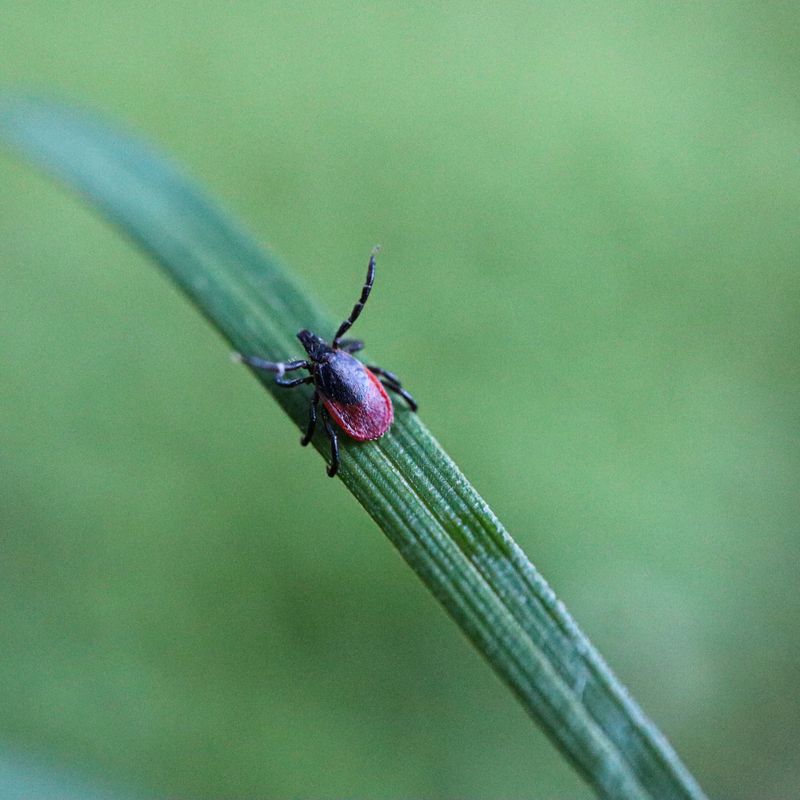
Bird feeders are beloved by homeowners across Maryland. But fallen seed on the ground attracts mice, squirrels, and chipmunks, which are some of the most efficient tick carriers in existence.
Small rodents don’t just carry ticks. They actually infect ticks with Lyme disease bacteria during feeding.
A tick that feeds on an infected mouse becomes a carrier for the rest of its life.
That seemingly harmless feeder near your porch could be driving a steady increase in tick numbers close to your home. The more rodents your yard attracts, the more infected ticks end up in your lawn.
Switching to feeders with catch trays reduces seed spillage significantly. Cleaning up fallen seed daily also keeps rodent visits shorter and less frequent near your home.
Outdoor pet food bowls left overnight are another major attractant. Raccoons, opossums, and foxes all carry ticks and will return nightly if food is reliably available.
Compost bins without lids attract wildlife too. Securing compost with a tight cover or using a closed bin system removes another invitation for tick-carrying animals.
Fruit trees and vegetable gardens left unmanaged become feeding stations for deer and rodents alike. Picking up fallen fruit regularly and using garden netting helps reduce that wildlife traffic.
Every food source you eliminate is one fewer reason for tick-carrying animals to spend time near your home. Tightening up these small habits can shift your yard’s tick pressure noticeably over just one season.
7. Ignoring Overgrown Edges And Fence Lines

Fence lines are easy to ignore during regular yard maintenance. But those strips of overgrown weeds and wild plants running along your fence are prime tick territory all season long.
Ticks thrive in transitional zones between mowed lawn and taller vegetation. Fence lines, property edges, and the bases of hedges create exactly those kinds of in-between environments.
Keeping a clear, trimmed strip along every fence line removes that transitional habitat. Even a foot of cleared ground along a fence makes that corridor far less tick-friendly.
Weeds growing along fence bases also hold moisture longer than open lawn. That extra dampness creates the cool, humid microclimate ticks need to survive between feeding on hosts.
Pulling or spraying weeds along fence lines before they get established saves a lot of effort later. Letting them go through spring and summer means they become thick and nearly impossible to clear by hand.
Ornamental grasses and ground covers planted along fences can look attractive but create dense tick habitats. If you love those plants, keep them trimmed tightly and away from high-traffic areas.
Stone edging or gravel borders along fence lines serve double duty. They define a clean edge and dry out quickly after rain, making them far less hospitable to ticks than overgrown soil.
Neglected fence lines are one of the most overlooked tick problems in Maryland yards. Giving them attention just a few times per season can cut down tick encounters along your property’s perimeter significantly.
8. Placing Play Areas Near Yard Edges Or Shade

Swing sets and sandboxes near the tree line look idyllic in a backyard. But placing play equipment close to shaded edges or wooded borders puts kids in the highest tick-risk zones of the yard.
Children spend a lot of time at ground level, crawling through grass, sitting in leaves, and pressing against shaded structures.
That behavior increases tick contact dramatically compared to adults who mostly walk through yards.
Ticks are most active in shaded, moist areas with leaf cover. Placing a playset directly under a large tree or near a shrub border means kids are playing right in a tick’s preferred environment.
Moving play equipment to the sunniest, most open part of the yard is one of the smartest protective moves a parent can make. Ticks avoid hot, dry, exposed areas whenever possible.
Installing play areas on top of rubber mulch or wood chips also helps. Those materials drain quickly, stay dry, and create a less hospitable surface for ticks compared to soil or grass.
Creating a wood chip border around the perimeter of the play zone adds another layer of protection. That dry buffer zone interrupts the path ticks would take to reach kids playing nearby.
Doing a quick tick check on kids after outdoor play is still essential regardless of placement. But reducing exposure through smart positioning makes those checks far less likely to turn up unwanted findings.
Protecting the spaces where children play most is central to managing tick problems in Maryland yards, and location truly makes all the difference.