7 Volunteer Plants Worth Keeping In Your Minnesota Garden This Summer
Walk through any Minnesota garden in early spring and you’ll notice them. Small, stubborn, unplanned.
Seedlings that nobody put there, pushing up between your carefully arranged beds like they own the place. Some gardeners reach for the trowel immediately. That’s a reflex worth reconsidering.
Volunteer plants are persistent. They overwintered in frozen ground, navigated bird digestive systems, rode gusts across three neighboring yards.
Natural selection already ran its course before they ever broke the soil surface. The weaklings didn’t make it.
These ones did. Here’s what most people get wrong: they assume a mystery seedling is a weed because it wasn’t invited.
But some of the most reliable and genuinely beautiful plants in your garden show up exactly this way, without a price tag, without a trip to the nursery.
Before you pull it, you might want to know what you’re actually dealing with. Minnesota gardeners who learned that lesson early rarely looked back.
1. Black-Eyed Susan
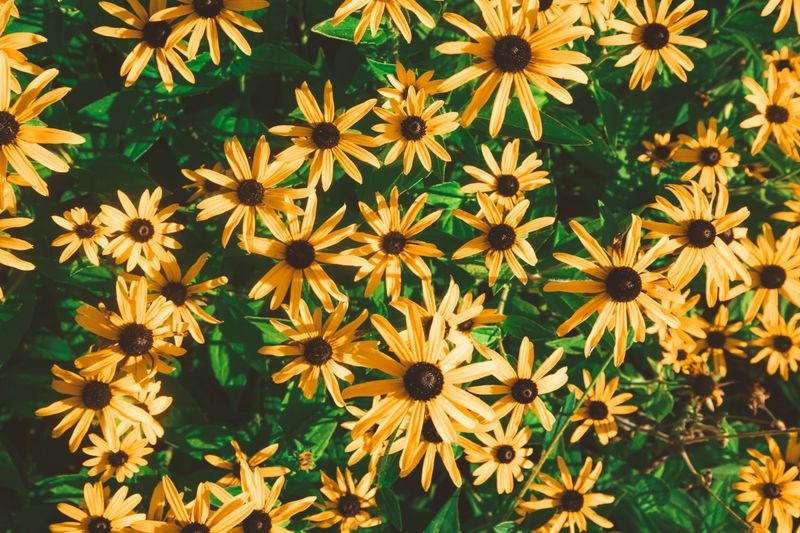
Few flowers say summer quite like a big patch of golden black-eyed Susans. These cheerful blooms practically glow in afternoon sun, and they spread through a garden with an ease that makes the whole yard feel effortless.
Black-eyed Susan is a native prairie plant that self-seeds reliably. Once you have one plant, you are very likely to find its offspring popping up nearby each new season, filling gaps you never thought to plant.
Pollinators find these flowers irresistible. Bees, butterflies, and beetles flock to the golden petals and dark centers from midsummer straight through to early fall, giving your garden weeks of quiet, buzzing activity.
The plants are drought-tolerant once established, which is a significant advantage during hot, dry stretches. They hold their own without extra watering, making them one of the most low-maintenance choices you can have in a sunny bed.
Black-eyed Susan grows well in full sun and tolerates poor soil remarkably well. That means it can thrive in spots where other plants would simply give up, along gravel edges, dry slopes, or neglected corners that rarely get attention.
When seedlings appear in spring, they often look like small, fuzzy rosettes of oval leaves. Learning to recognize them early helps you decide which ones to keep and where, before they get pulled by mistake during a weeding session.
These plants bloom from July through September, giving you color long after spring flowers have faded. That extended bloom time is genuinely valuable in a Minnesota garden, where the window for bold color feels short.
Let those seedlings grow, and your yard will reward you with weeks of brilliant, sun-soaked color without asking much in return.
2. Purple Coneflower
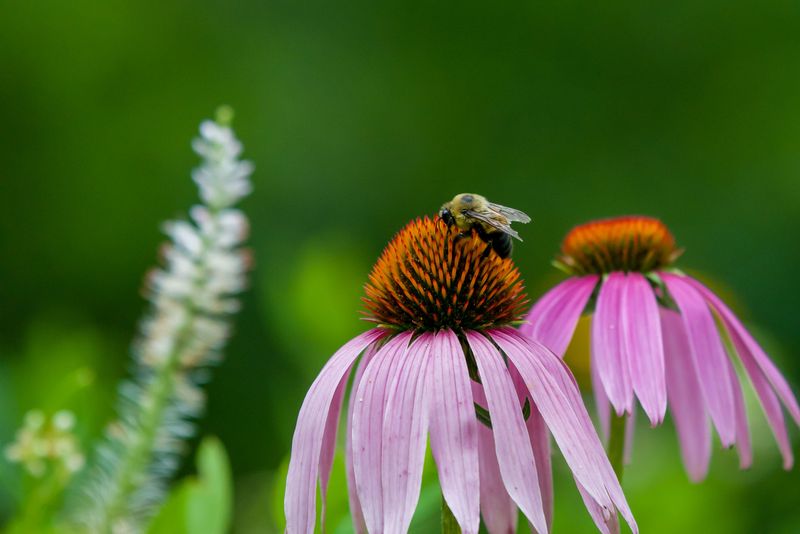
Walk past a purple coneflower on a warm July afternoon, and you will almost certainly see a bumblebee clinging to its spiky center like it owns the place. This native prairie powerhouse is one of the most beloved wildflowers across the Midwest.
Coneflower, also called echinacea, self-seeds readily after its first season. The dried seed heads from fall drop seeds right at the base of the parent plant, and new seedlings emerge the following spring.
Your Minnesota Garden Changes Every Week. Your Plan Should Too.
Gardening in Minnesota changes quickly throughout the season. Every Friday you’ll receive a simple weekly plan showing exactly what to plant, prune, fertilize, harvest, and protect so you never miss the right timing.
Finches are strongly drawn to the seed heads. If you leave them standing through winter, goldfinches will cling to them and pick out seeds for months, turning your garden into a tiny wildlife refuge.
The blooms are tough and long-lasting, holding up through heat, humidity, and even a bit of drought. That resilience makes coneflower one of the most reliable summer bloomers in the upper Midwest.
Purple coneflower prefers full sun and well-drained soil, but it adapts surprisingly well to average garden conditions. A volunteer seedling in a decent sunny spot has an excellent chance of thriving.
The plant reaches two to four feet tall at maturity, providing nice vertical interest. It works beautifully alongside grasses, black-eyed Susans, and other prairie-style plantings.
Removing spent blooms encourages more flowers, but leaving a few heads to mature feeds the birds and produces next year’s volunteers. It is a generous, self-sustaining cycle.
As a volunteer plant worth keeping in your Minnesota garden, purple coneflower delivers color, wildlife habitat, and bold beauty from July through September with almost no effort on your part.
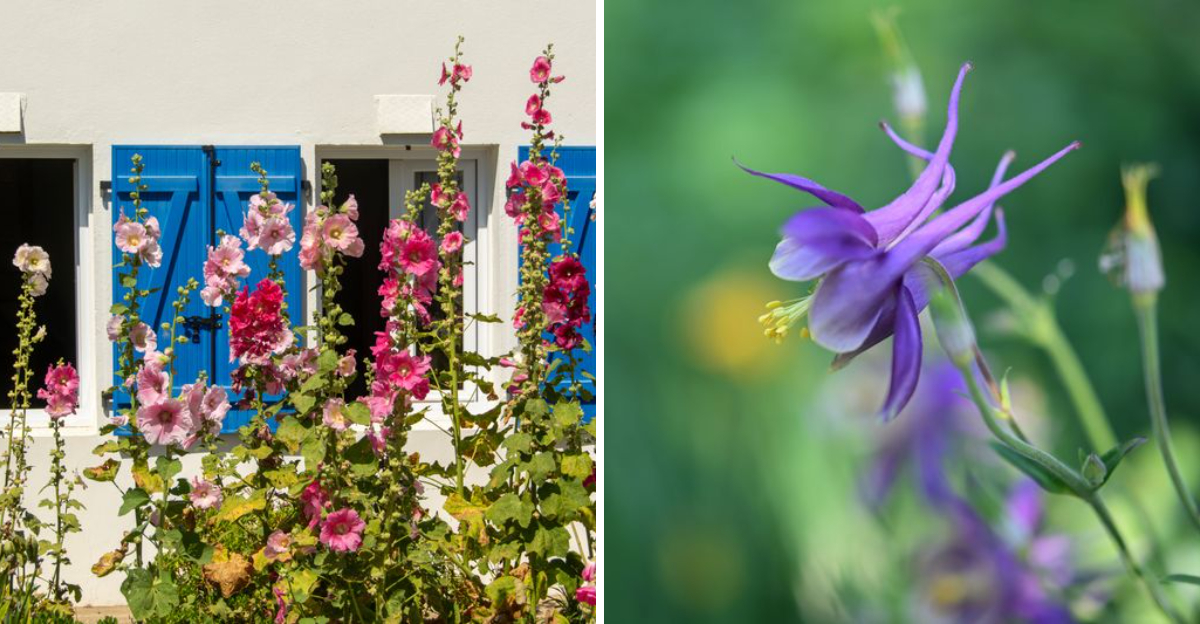
3. Columbine
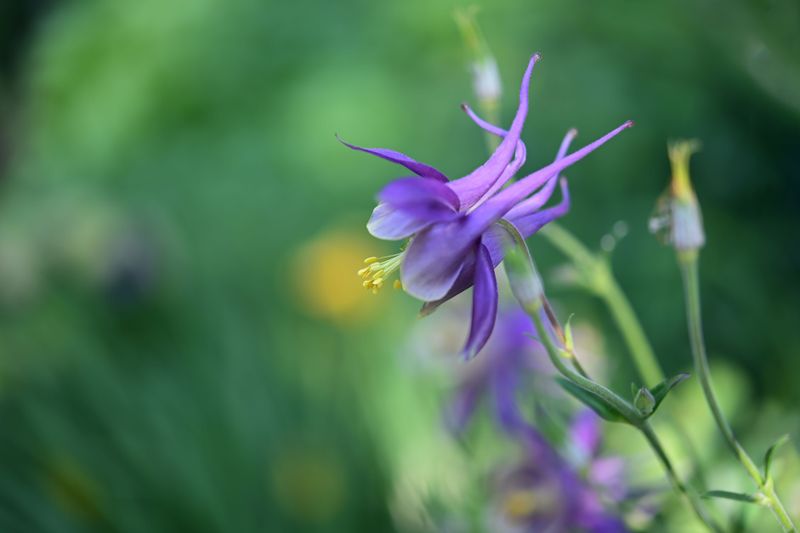
Picture a fairy tale flower that actually grows itself. Columbine has a way of appearing exactly where it belongs, tucking itself into shaded corners and rocky edges without any help from you.
This plant is a native wildflower that thrives across the upper Midwest. Its nodding, spurred blooms in shades of red, purple, yellow, and bi-color are almost too pretty to be real, arriving in spring when the garden needs color most.
Hummingbirds go absolutely wild for columbine. The long spurs on each bloom are shaped perfectly for hummingbird beaks, making your garden a reliable pit stop all spring and early summer. Plant enough of it and the visits become a daily event.
Once columbine finishes blooming, it drops seeds generously. Those seeds overwinter in the soil and pop up fresh the following spring, often in new spots that feel almost intentional, as if the plant has its own ideas about garden design.
The foliage is also lovely, with soft blue-green leaves that stay attractive even after blooms fade. It pairs well with hostas, ferns, and other shade-tolerant neighbors without ever overwhelming them.
One volunteer columbine can become a small colony in just two or three seasons. You never have to buy another packet of seeds once this one moves in.
It handles both sun and partial shade without complaint. If a seedling pops up in a tough spot, give it a chance.
Columbine has a habit of thriving exactly where you least expect it. Let it spread, and your yard becomes a hummingbird magnet every single year.
4. Wild Bergamot
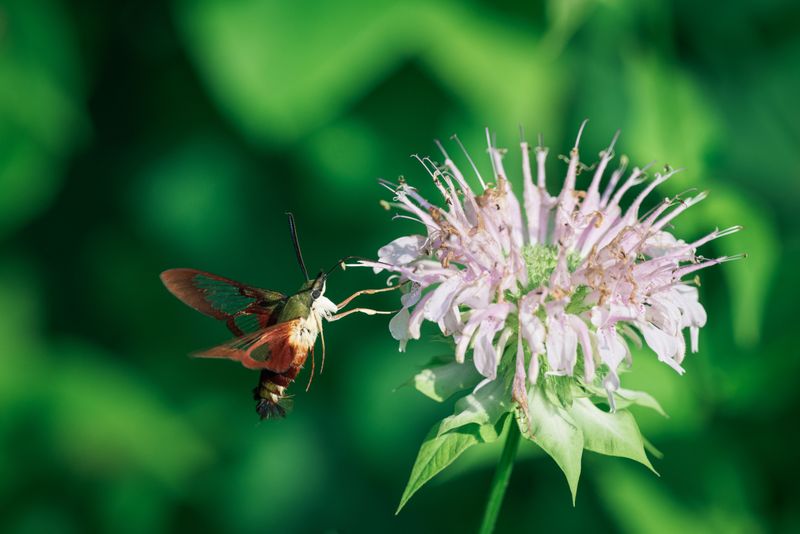
Crush a leaf of wild bergamot between your fingers, and you get an instant hit of oregano-meets-lavender that stops you in your tracks. This native plant is one of the most aromatic volunteers that can show up in a sunny garden bed.
Wild bergamot is a member of the mint family, and it spreads with the same quiet confidence. Seedlings can appear a few feet from the parent plant, slowly filling in sunny, dry areas over time.
Monarch butterflies are particularly drawn to the lavender-pink flower clusters. During peak migration season, a patch of wild bergamot can host dozens of butterflies in a single afternoon.
The plant blooms in July and August, bridging the gap between early summer and late-season flowers. That timing makes it especially valuable for pollinators searching for nectar mid-season.
Wild bergamot handles drought like a champion. Its deep roots tap into soil moisture that shallower plants cannot reach, keeping it green and blooming even during dry spells.
It grows two to four feet tall with square stems and opposite leaves, typical of the mint family. The clumping growth habit makes it easy to manage if it spreads beyond where you want it.
The dried seed heads add winter interest and feed small birds looking for a snack. Leaving them standing through the cold months benefits your local ecosystem in quiet but meaningful ways.
Among the volunteer plants worth keeping in your Minnesota garden, wild bergamot is a true native gem that attracts pollinators, smells incredible, and basically takes care of itself all summer long.
5. Hollyhock
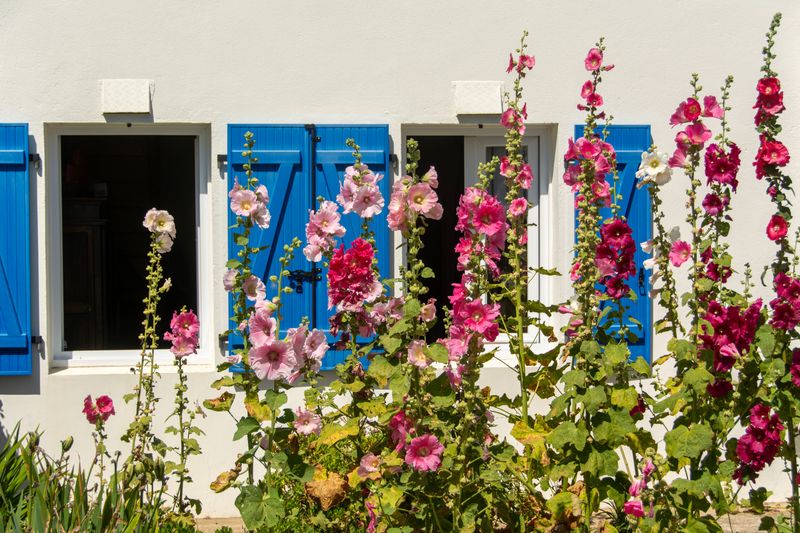
There is something deeply nostalgic about hollyhocks growing tall against a wooden fence on a summer afternoon. These old-fashioned beauties have been gracing American gardens for centuries, and they are not shy about spreading themselves around.
Hollyhocks are biennials or short-lived perennials that self-seed with impressive generosity. One established plant can produce dozens of offspring, creating a towering colony over just a few seasons.
The flowers come in an almost unbelievable range of colors: deep burgundy, soft pink, white, pale yellow, and nearly black. Each bloom is wide and silky, arranged in tall spikes that can reach six feet or more.
Painted lady butterflies and bumblebees adore the large, open flowers. The blooms occasionally attract hummingbirds too, making hollyhocks a valuable stop for wildlife gardeners who want variety in one spot.
Hollyhocks prefer full sun and decent drainage. A volunteer seedling that pops up along a sunny fence line or garage wall is in an ideal location and should absolutely be left to grow.
Rust fungus is a common challenge with hollyhocks, causing orange spots on the lower leaves. Removing affected foliage early and spacing plants for airflow keeps the problem manageable without chemicals.
The seeds ripen in papery, disc-shaped pods that are fun to collect and share with neighbors. Scattering them in fall often produces a fresh flush of seedlings come spring.
Hollyhocks are volunteer plants worth keeping in your Minnesota garden because they bring old-world charm, serious height, and a pollinator party to any sunny spot they choose to call home.
6. Volunteer Tomatoes
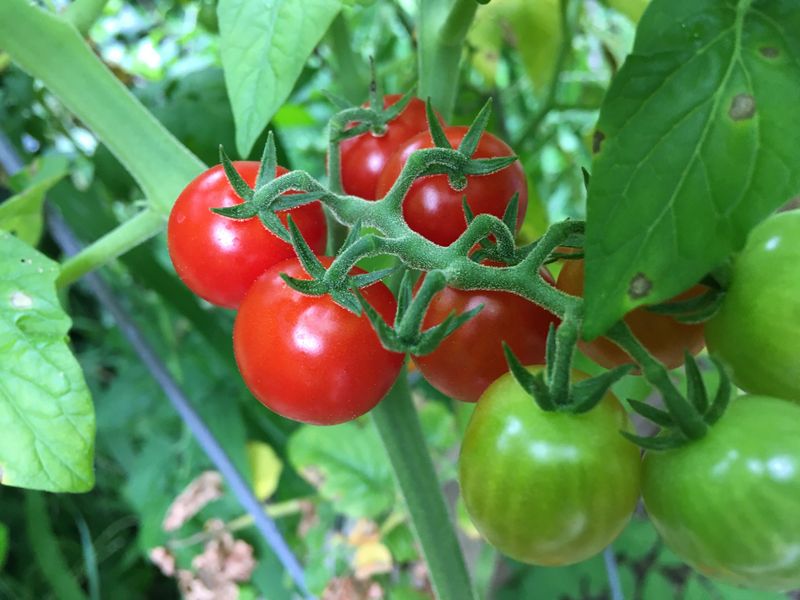
Finding a tomato seedling growing from last year’s dropped fruit feels like winning a small garden lottery. These tough little pioneers germinated on their own, weathered the cold, and decided your garden was worth sticking around for.
Volunteer tomatoes sprout from seeds in overripe or rotting fruit that was left in the garden or added to compost. When that compost gets spread in spring, surprise seedlings often follow a few weeks later.
The plants tend to be vigorous and surprisingly productive. Because they germinated in place without transplant stress, they often establish faster than seedlings started indoors and moved outside.
One important thing to know: volunteer tomatoes may not grow true to the parent variety. If the original plant was a hybrid, the seedling could produce something quite different, which is either exciting or frustrating depending on your perspective.
Open-pollinated or heirloom tomatoes are much more likely to produce volunteers that resemble their parents. Keeping heirloom varieties in your garden increases the odds of getting useful, predictable volunteers each season.
Transplanting a volunteer is simple if it pops up in an inconvenient spot. Dig it up carefully while it is small, move it to a sunnier location, and water it in well.
Watch for signs of disease in volunteer plants, since pathogens can linger in soil from the previous season. Rotating where you allow them to grow reduces that risk considerably.
Volunteer tomatoes are among the most rewarding plants worth keeping in your Minnesota garden: free food growing exactly where nature decided it should.
7. Dill
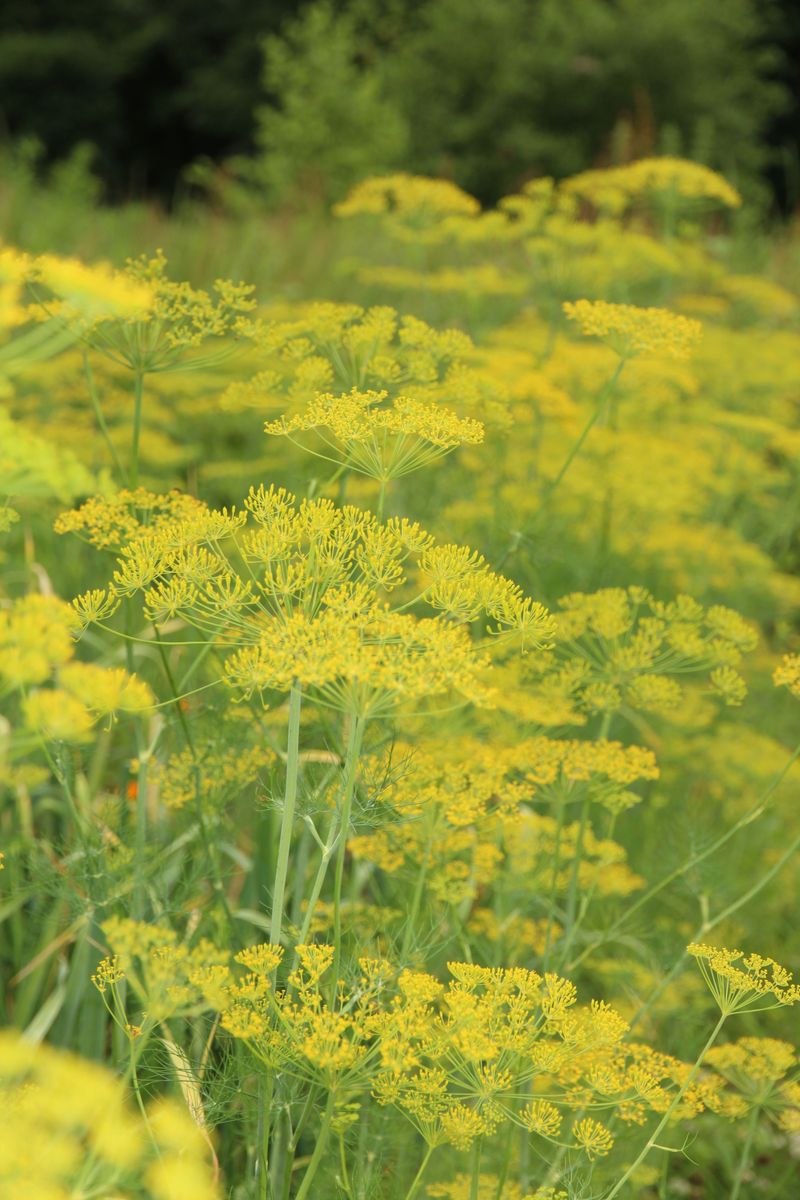
Dill has a talent for showing up uninvited and making itself completely indispensable. One plant going to seed in late summer can produce hundreds of seedlings the following spring, turning a single herb into a garden staple you never have to buy again.
The feathery, aromatic foliage is ready to harvest almost as soon as the plant emerges. Fresh dill on eggs, fish, or cucumber salad tastes nothing like the dried stuff from a jar.
Black swallowtail butterfly caterpillars use dill as a host plant. Those bold yellow-and-black striped caterpillars munching on your herb are actually future butterflies, so sharing a few stems is a worthwhile trade.
Dill grows quickly in full sun and loose, well-drained soil. It bolts to flower in hot weather, but that is not necessarily a problem since the yellow flower clusters are attractive and beloved by beneficial insects.
Parasitic wasps, hoverflies, and predatory beetles all flock to dill flowers. Those insects then go on to control aphids and other garden pests, making dill a natural form of pest management.
The seeds that form after flowering can be harvested for pickling or left to fall naturally. Seeds left on the ground will germinate the following spring, starting the whole generous cycle again.
Dill does not transplant well once established, so leave volunteers where they sprout if possible. Moving them when they are tiny seedlings is the only reliable way to relocate them successfully.
As one of the most useful volunteer plants worth keeping in your Minnesota garden, dill feeds your kitchen, shelters butterflies, and attracts beneficial bugs all summer with no effort required from you.