This Mulching Move Is The Reason Virginia Lawns Stay Moist When Everything Else Dries Up
Most gardeners wait too long. By the time the soil cracks and the flower beds start drooping, the window has already closed.
No amount of watering fixes what proper mulching would have prevented in the first place. In Virginia, where summer can swing from comfortable to relentless inside a week, timing is everything.
A single layer of organic mulch, applied correctly before the heat locks in, does more for your garden’s health than any irrigation schedule you could set up. It holds moisture.
It cools roots. It shuts out the weeds that would steal what little water remains. But done wrong, it creates rot, harbors pests, and gives you a false sense of security right when your plants need you paying attention.
What follows cuts straight to what works, what does not, and exactly how to get it right before Virginia turns the heat all the way up.
Applying 3 To 4 Inches Of Organic Mulch Before Drought Season
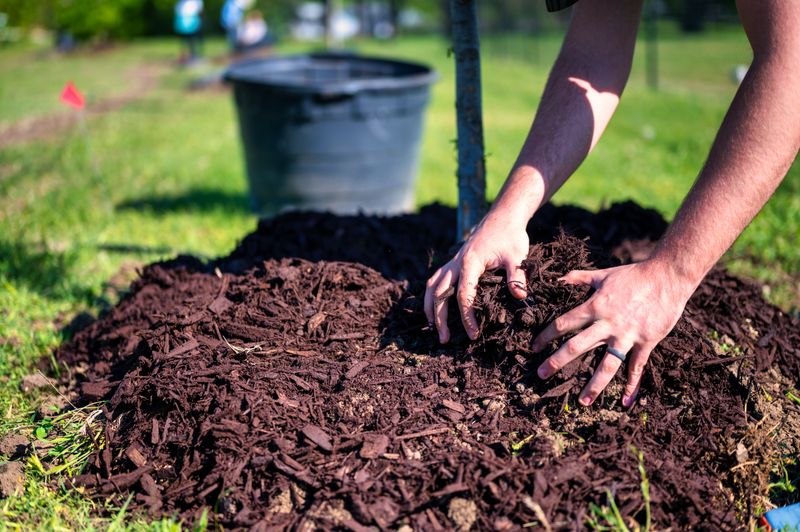
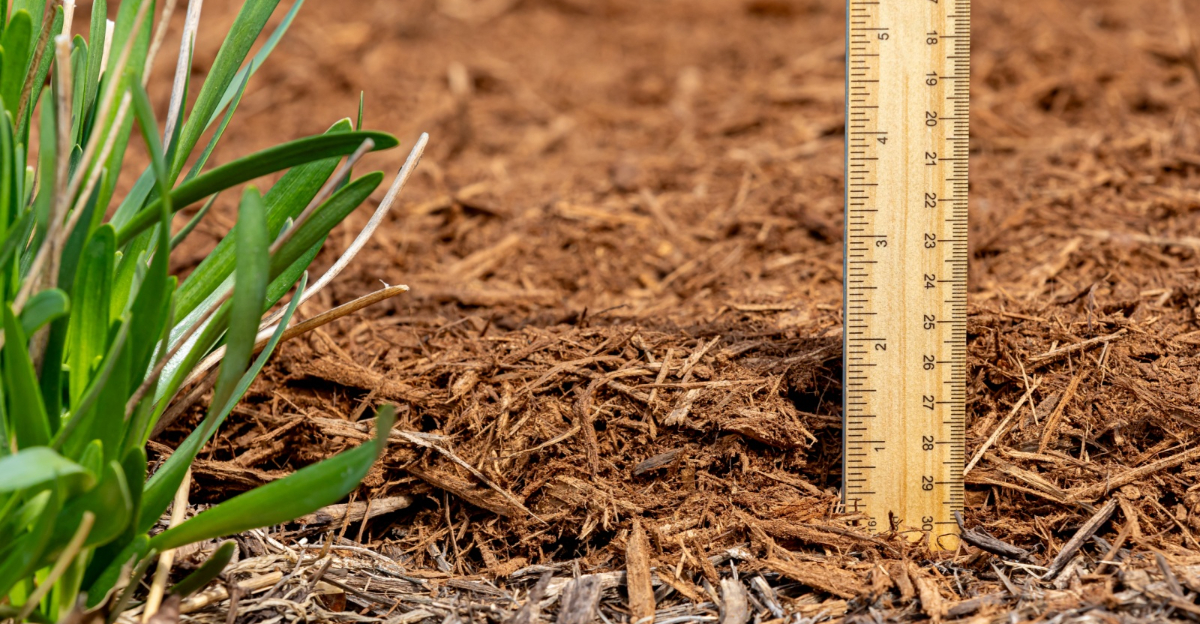
Nothing protects your soil from summer heat quite like a thick blanket of organic mulch. Applying a proper 3 to 4 inch layer of organic mulch is the foundation of every moisture-smart yard in the region.
Mulch works like insulation for your soil. It traps water underneath and slows evaporation dramatically on hot summer afternoons.
A thin layer of one inch does almost nothing against intense heat. You need the full depth to create a real barrier between the sun and your soil.
Think of it like wearing a winter coat versus a t-shirt in the cold. Only one of those options actually does the job.
Horticultural experts widely agree that a 3 to 4 inch mulch layer can cut soil moisture loss by up to 70 percent. That number is hard to ignore when your water bill spikes every July.
Start by clearing away old, compacted mulch before adding fresh material. Compacted mulch can actually block water from reaching roots, which defeats the whole purpose.
Loosen the soil lightly with a garden fork before spreading your new layer. This small extra step helps water move freely down to where roots actually need it.
Applying a proper 3 to 4 inch layer of organic mulch before the heat arrives is the smartest prep move you can make for a resilient summer garden.
Why Virginia Summers Make Mulching A Smart Default Garden Strategy
Virginia summers are genuinely demanding, and the numbers back that up. Temperatures regularly climb above 95 degrees Fahrenheit for weeks straight, with humidity that makes the heat feel even heavier.
That combination of heat and humidity tricks gardeners into thinking their plants are fine. In reality, surface soil can dry out within hours of watering on a hot afternoon.
The clay-heavy soils common across the Piedmont and Northern regions lose surface moisture fast. Without a protective layer on top, that moisture simply evaporates before roots can absorb it.
Sandy coastal soils face the opposite problem. They drain so quickly that water passes through before plants can use it, making mulch even more critical there.
Your Virginia Garden Changes Every Week. Your Plan Should Too.
Gardening in Virginia changes quickly throughout the season. Every Friday you’ll receive a simple weekly plan showing exactly what to plant, prune, fertilize, harvest, and protect so you never miss the right timing.
Applying a proper 3 to 4 inch layer of organic mulch addresses both soil types effectively. It slows drainage in sandy soils and reduces evaporation in clay-heavy ground.
Rainfall patterns here are also unpredictable. A wet May can be followed by an unusually dry June, leaving plants stressed right when they need to be strong.
Mulch acts as a buffer during those dry gaps. It holds onto the moisture from the last rain and releases it slowly over the following days.
Skipping mulch in this climate is not a minor oversight. It is one of the main reasons so many gardens lose ground from June through September every single year.
Pine Straw, Shredded Bark, And Shredded Leaves Work Best In Virginia
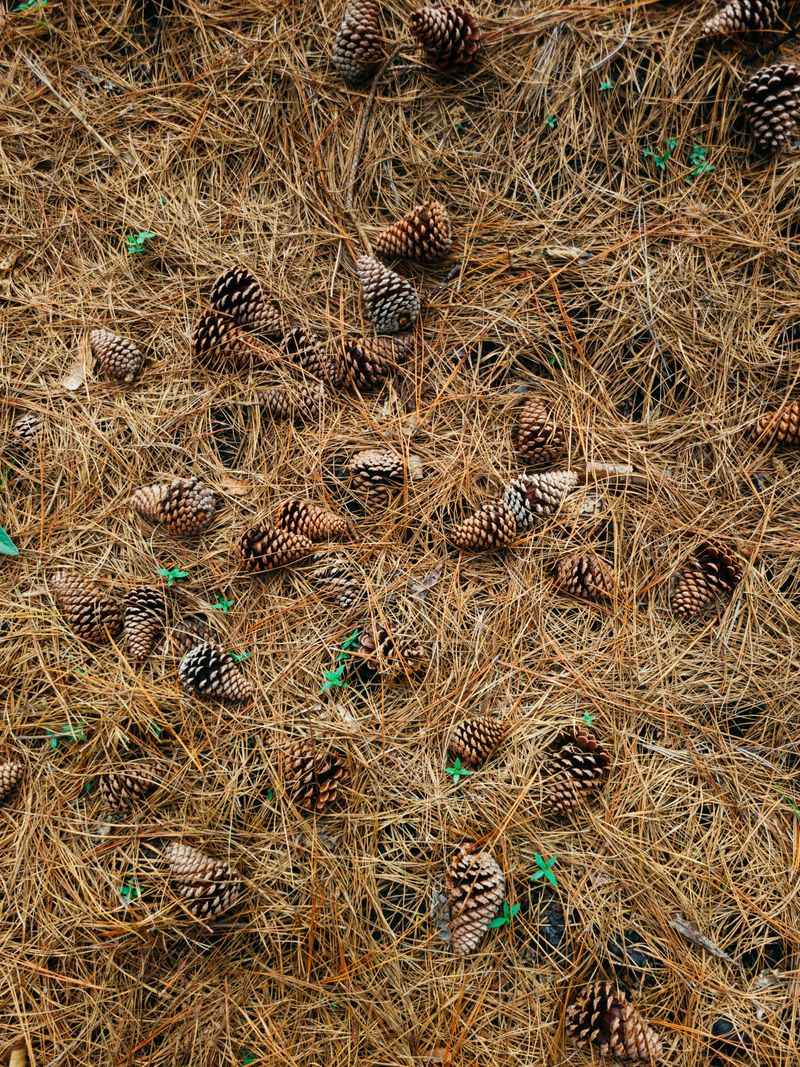
Not all mulch materials perform the same way, and choosing the right one matters more than most people realize. Pine straw, shredded bark, and shredded leaves are the top three performers for mid-Atlantic gardens.
Pine straw is incredibly popular across the Southeast and for good reason. It locks together naturally, resists washing away during heavy rains, and breaks down slowly to feed the soil.
Shredded bark, often sold as hardwood mulch, is dense and long-lasting. It holds moisture exceptionally well and gives garden beds a clean, finished appearance that homeowners love.
Shredded leaves are the budget-friendly champion of the group. If you have mature trees on your property, you are sitting on a free supply of some of the best mulch available.
Run dry leaves through a lawn mower or leaf shredder before applying them. Whole leaves can mat together and actually block water from reaching the soil below.
Avoid using fresh wood chips from recently cut trees. They can temporarily reduce nitrogen availability at the soil surface as they break down, which may affect younger or shallow-rooted plants.
Rubber mulch and dyed wood products look attractive but offer far less moisture retention than organic options. They also do not improve soil quality over time the way natural materials do.
Stick with organic materials, and applying a proper 3 to 4 inch layer will pay off all season long.
Apply Mulch In Late March Or Early April Before Summer Heat Sets In
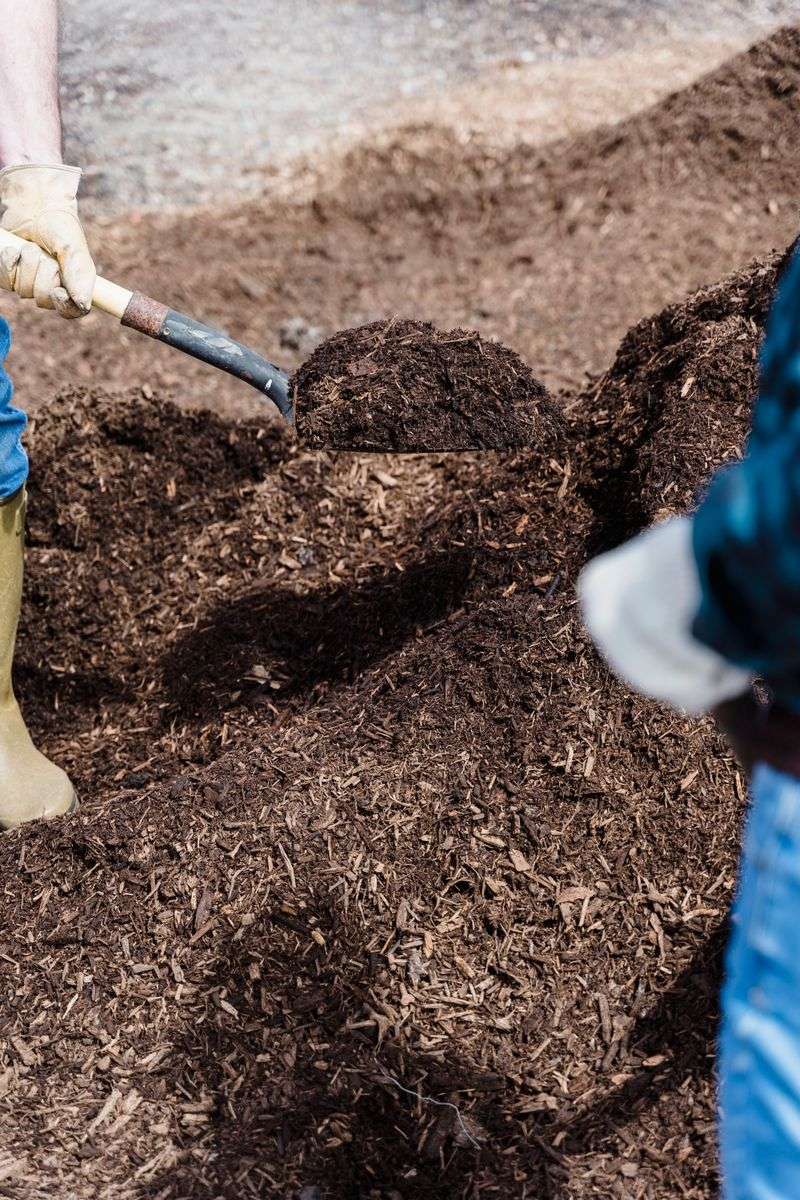
Timing is everything with mulch, and most people get it wrong by waiting too long. Late March to early April is the sweet spot for laying down your protective layer before summer heat arrives.
Soil needs to warm up slightly after winter before you mulch over it. If you trap cold soil under mulch too early, you slow down root activity and delay plant growth.
By late March, soil temperatures in most parts of the state have climbed enough for roots to be active. Covering the ground at this point locks in warmth and moisture at exactly the right moment.
Waiting until May or June means the soil has already started losing moisture. You are playing catch-up at that point, and catch-up rarely works against a Virginia summer.
Think of early spring mulching as setting up a savings account before expenses hit. You are building up a moisture reserve before the heat starts making withdrawals.
Weeds are also much easier to manage when mulch goes down early. A thick spring layer smothers weed seeds before they germinate, saving you hours of pulling later in the season.
Mark your calendar now if spring feels far away. Setting a reminder for late March keeps this task from slipping through the cracks during a busy season.
Applying a proper 3 to 4 inch layer at the right time makes every other gardening effort more effective all summer.
Keep Mulch 2 Inches Away From Stems And Spread To The Drip Line
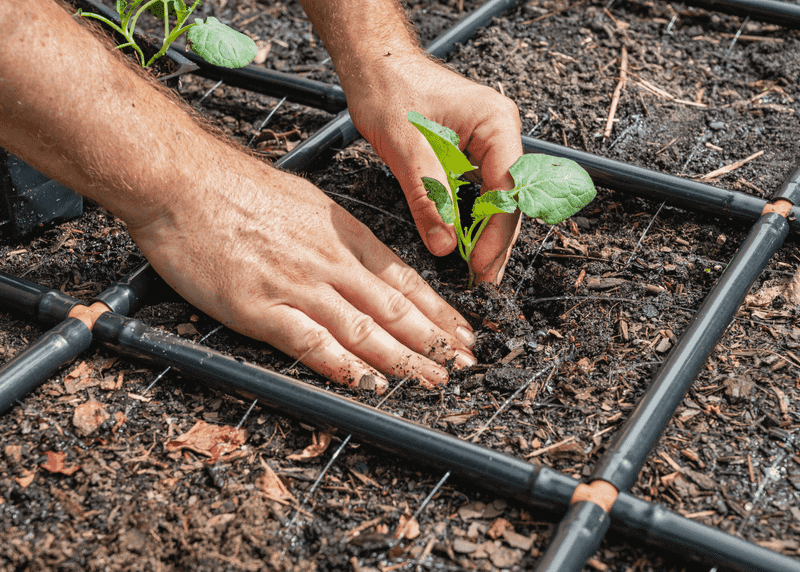
Where you put the mulch matters just as much as how much you use. Piling mulch directly against plant stems is one of the most common and damaging mistakes in home gardening.
Stems and trunks need airflow to stay healthy. When mulch presses against them, moisture builds up and creates the perfect environment for rot and fungal problems.
Always leave a gap of at least 2 inches between the mulch and any stem or trunk. This small buffer makes a surprisingly big difference in long-term plant health.
On the other end, spreading mulch too close to the plant base without reaching outward is equally wasteful. Roots extend far beyond what you see above ground, often reaching out as far as the canopy spreads.
The drip line is the outer edge of a plant’s canopy, where rain drips off the leaves. Spreading mulch out to this line ensures the entire root zone benefits from moisture retention.
For trees, this can mean mulching a wide circle several feet in diameter. It looks intentional and neat while protecting the roots that matter most for stability and growth.
Use a tape measure or garden hose to mark the area before you start spreading. A little planning upfront saves time and keeps the finished result looking sharp.
Correct placement turns a good mulching effort into a truly great one that protects every part of the plant.
Mulch Volcanoes, Thin Layers, And Late Timing Undermine Soil Moisture
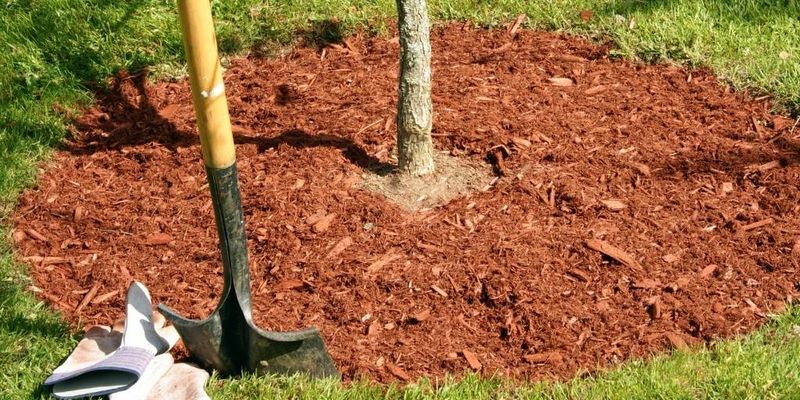
Some mulching mistakes are so common they have their own nickname. Mulch volcanoes, those dramatic mounds piled high against tree trunks, look tidy but gradually affect tree health over time.
The trunk tissue buried under a volcano stays constantly moist. That persistent moisture softens bark, invites pests, and puts long-term pressure on the tree’s base.
Thin layers are the second big offender. A half-inch of mulch does almost nothing to retain moisture or regulate soil temperature during a heat wave.
You need the full 3 to 4 inch depth to see real results. Anything less and you are essentially decorating the soil rather than protecting it.
Late timing rounds out the trio of common errors. Spreading mulch in late June or July after the heat has already set in means your soil has already lost weeks of moisture.
At that point, the ground may be so dry that even a good layer struggles to help. You are locking in a deficit instead of a reserve.
Compacted old mulch is another hidden problem. When last year’s layer forms a crust, fresh water bounces off instead of soaking through to the roots below.
Always break up old mulch before adding new material on top. Avoiding these three mistakes turns an average mulching effort into the kind that keeps gardens thriving all season long.
Refresh Mulch Every 6 To 9 Months Or When It Drops Below 2 Inches
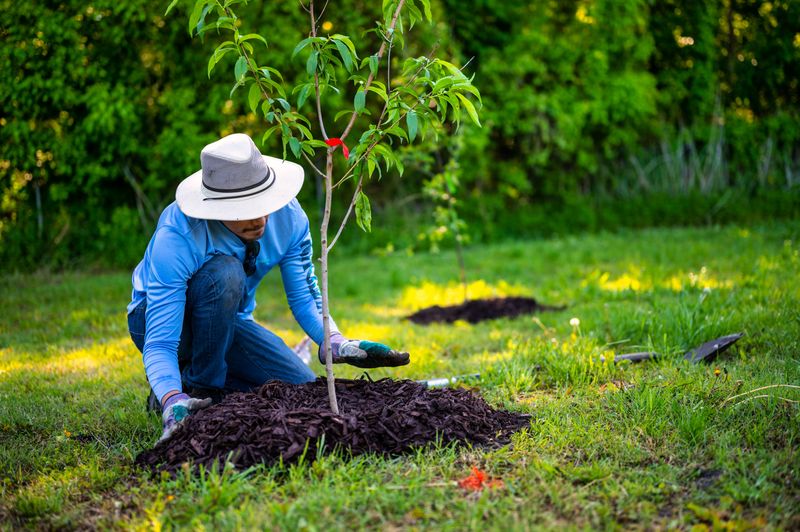
Mulch does not last forever, and that is actually a good thing. As organic mulch breaks down, it feeds the soil with nutrients that synthetic fertilizers simply cannot replicate.
But as it decomposes, the layer gets thinner. Once it drops below 2 inches, it loses most of its ability to retain moisture and regulate temperature.
Checking your mulch depth twice a year takes about five minutes and saves you from a lot of summer frustration. A simple ruler or even your finger pressed into the layer tells you what you need to know.
Plan to refresh in early spring before heat arrives and again in early fall before the ground cools. These two windows align perfectly with the natural rhythm of the growing season.
Fall refreshing does double duty. It protects roots from freeze-thaw cycles in winter and gives the new layer time to settle before spring planting begins.
When topping off, always check for compaction first. Scratch the surface with a rake to open it up before adding fresh material on top.
You do not always need to remove old mulch completely. If the existing layer is loose and not compacted, simply add enough fresh material to bring the depth back to 3 or 4 inches.
Applying a proper 3 to 4 inch layer consistently, season after season, is the mulching move that keeps your yard thriving long after everything around it dries up.