What Georgia Gardeners Should Do Before Tomato Hornworms Appear
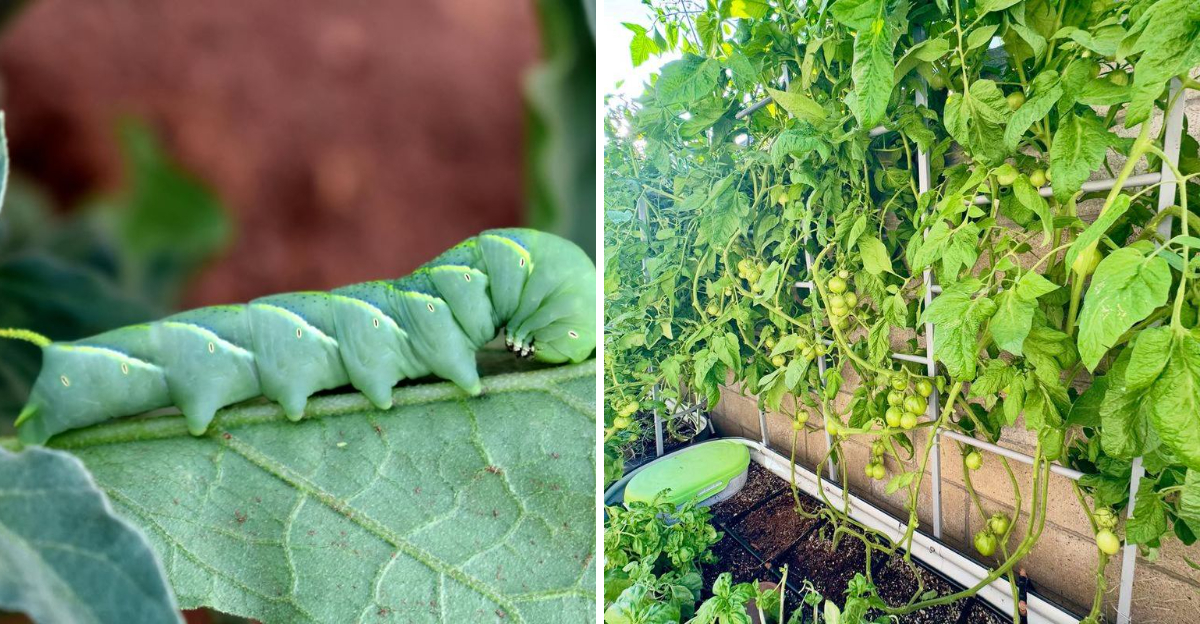
Few things are more frustrating than walking outside to admire your tomato plants and finding that something has been chewing through the leaves overnight.
The damage often seems to appear all at once, leaving gardeners wondering how they missed the warning signs.
By the time the problem is easy to spot, the plants may already be under a lot of stress.
That is why experienced gardeners spend more time preventing problems than reacting to them. A few simple habits early in the season can make a surprising difference before pests have a chance to settle in.
Paying attention now is usually much easier than trying to fix damage later.
For gardeners in Georgia, a little preparation before tomato hornworms become active can go a long way.
Knowing what to do ahead of time helps protect your plants and keeps them growing strong through the heart of summer.
1. Check Tomato Leaves For Eggs Every Week
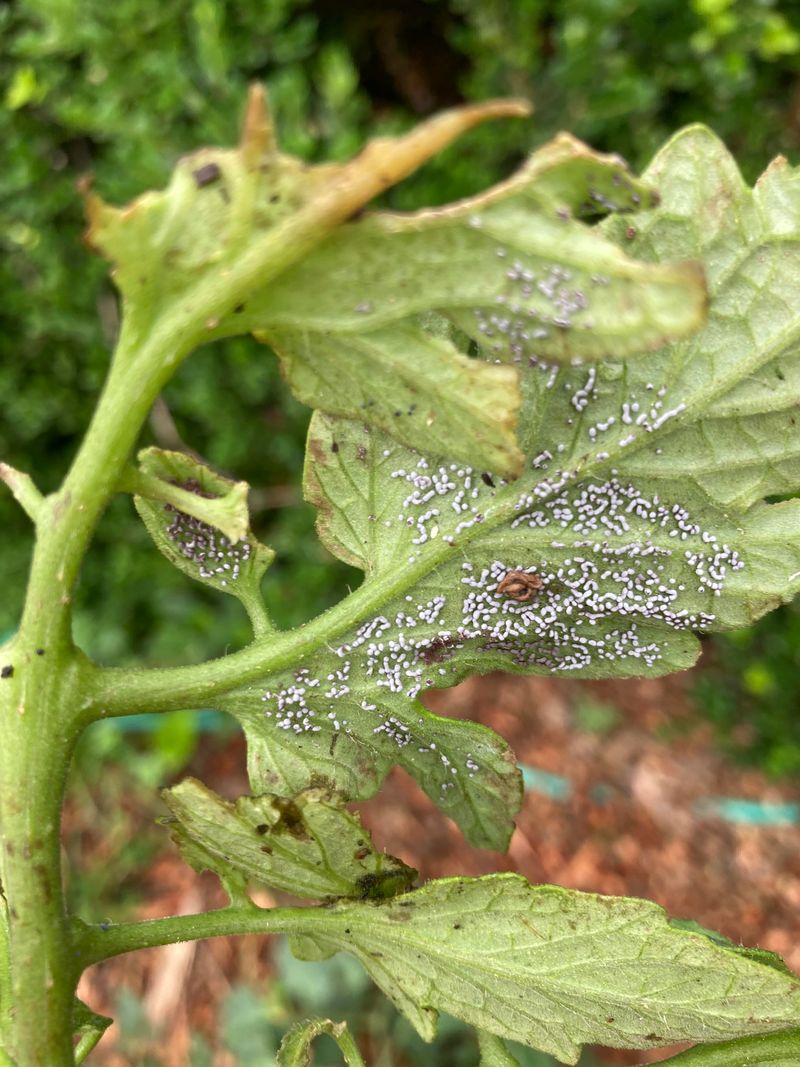
Spotting hornworm eggs before they hatch is one of the most effective moves you can make all season. Female sphinx moths lay their eggs on the undersides of tomato leaves, and the eggs are tiny, round, and pale green.
Easy to miss if you are not looking.
Start checking every week once your plants go in the ground. Flip leaves gently and scan the surface with your eyes, not just a glance from above.
Pay extra attention to newer growth at the top of the plant, since moths tend to target young, tender leaves.
Carry a small container when you inspect. If you find eggs, remove the leaf and drop it in the container to take away from the garden.
Do not just toss it on the ground nearby.
Weekly checks take only a few minutes per plant. Building this into your routine early in the season means fewer caterpillars later.
Catching eggs means you stop the problem before it ever becomes visible damage.
Gardens in warm, humid climates tend to see moth activity ramp up quickly once temperatures settle above 70 degrees at night.
2. Remove Weeds Around Tomato Plants
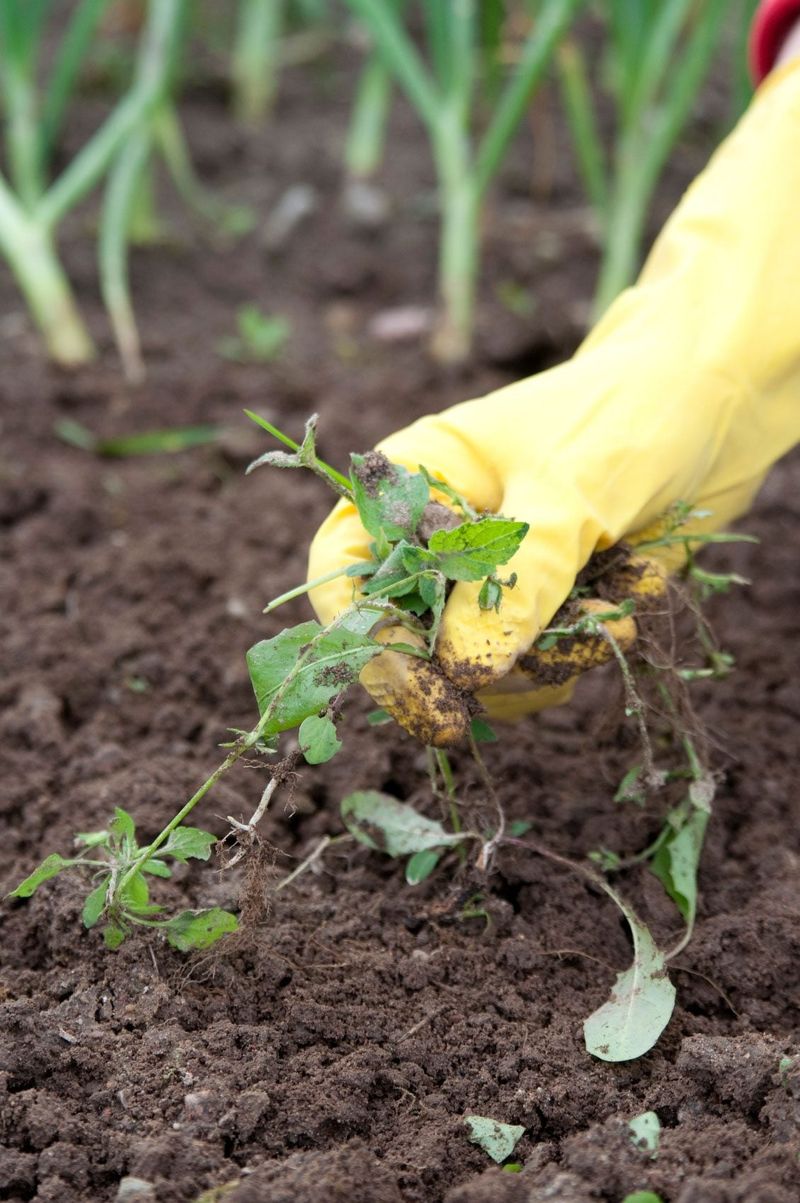
Weeds are not just an eyesore. Around tomato plants, they create hiding spots and shelter that make life easier for pests, including hornworm moths looking for a place to rest and lay eggs.
Dense weed growth near your plants also traps moisture at the soil surface. That kind of environment encourages all sorts of insect activity, and not the kind that helps your garden.
Pull weeds by hand close to the base of plants. Avoid hoeing too aggressively near tomato roots, since shallow roots can be disturbed easily.
A hand weeder or a simple trowel works well for getting roots out cleanly.
Mulching around plants after weeding helps slow regrowth significantly. A two to three inch layer of straw or wood chips keeps the soil cooler and blocks weed seeds from getting the sunlight they need to sprout.
Keeping a clean perimeter around your tomatoes also makes it much easier to spot early pest activity. When there is no clutter around the base of the plant, you notice changes quickly.
Your Georgia Garden Changes Every Week. Your Plan Should Too.
Gardening in Georgia changes quickly throughout the season. Every Friday you’ll receive a simple weekly plan showing exactly what to plant, prune, fertilize, harvest, and protect so you never miss the right timing.
Clear ground means fewer surprises.
Weed removal is simple, low-cost, and takes minimal time when done consistently.
3. Cover Young Plants With Insect Netting
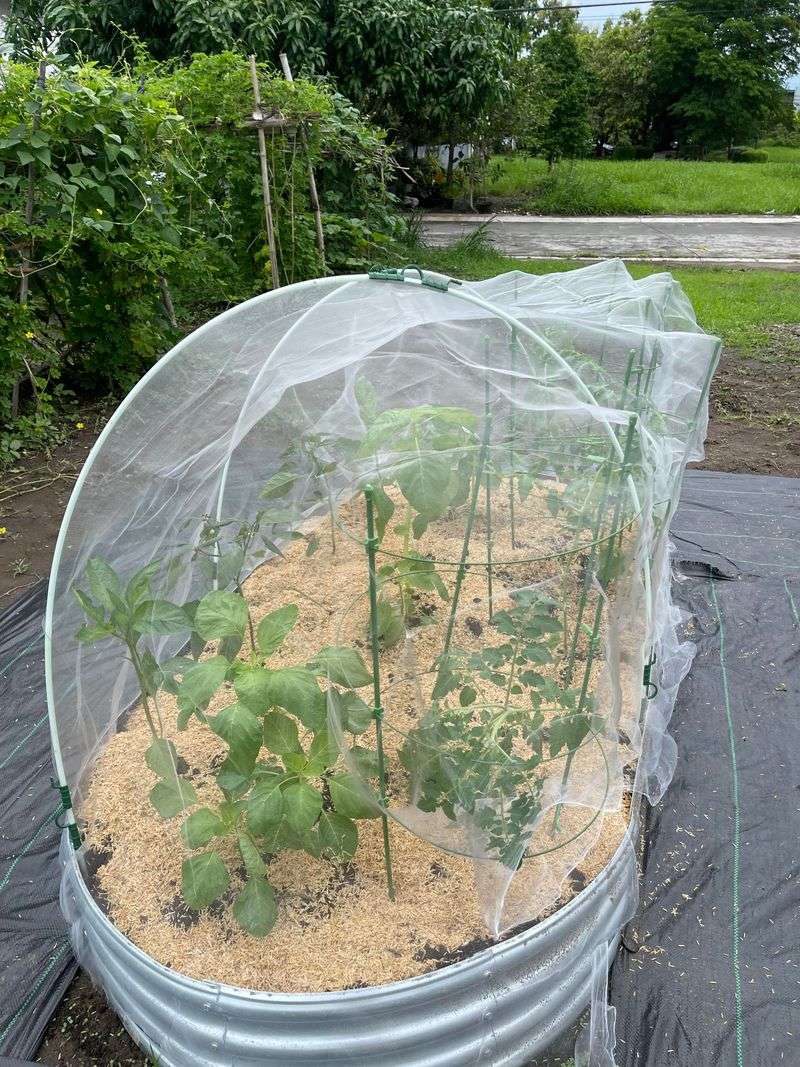
Insect netting is one of the most underused tools in home vegetable gardening. A lightweight row cover draped over young tomato plants creates a physical barrier that sphinx moths simply cannot get through to lay eggs.
Set up netting right after transplanting seedlings into the ground. Use stakes or hoops to keep the fabric off the leaves so air can still circulate.
Netting that sits directly on leaves can trap heat and cause its own problems in warm weather.
Make sure the edges are secured at ground level. Gaps at the base are where most insects find their way in.
Rocks, garden staples, or sandbags work well to hold edges down without damaging the fabric.
Remove netting when flowers begin to form. Tomatoes need pollinators to produce fruit, and netting will block bees from reaching the blooms.
The goal is protection during the early growth stage, not permanent coverage.
Reusable netting lasts several seasons if stored properly after use. Rinse it off, let it dry completely, and fold it loosely before storing in a dry space.
Keeping it in good shape means it is ready to go next year without buying new material.
Physical barriers like netting work best as part of a broader prevention routine rather than a single solution. Combined with regular inspection, they reduce pressure on young plants substantially.
4. Encourage Birds And Beneficial Wasps
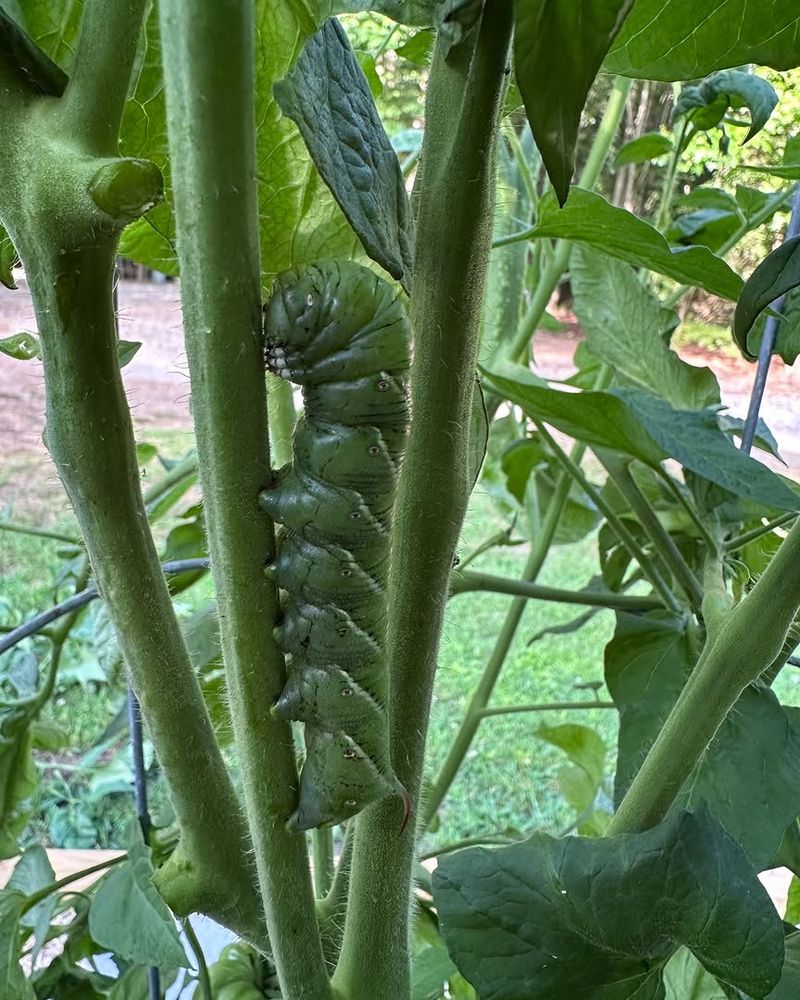
Natural predators do a lot of the heavy lifting in a well-balanced garden. Birds like Carolina wrens, mockingbirds, and brown thrashers actively feed on large caterpillars, including hornworms, when they are available.
Attracting birds is straightforward. A birdbath near the garden gives them a water source.
Avoiding pesticide use keeps the environment safe for them to forage. Planting native shrubs nearby gives birds a place to perch and nest close to the garden.
Braconid wasps are another major ally. These tiny parasitic wasps lay their eggs inside hornworm caterpillars, and the larvae feed on the hornworm from within.
You can spot an infected hornworm by the small white cocoons attached to its back.
Planting flowers that support beneficial insects helps keep wasp populations active near your garden. Dill, fennel, Queen Anne’s lace, and yarrow are all good choices.
These plants provide nectar and habitat for adult wasps.
Avoid broad-spectrum insecticides during the growing season. Even products labeled as organic can harm beneficial insects if applied carelessly.
Targeted, minimal intervention keeps your garden’s natural balance intact.
Encouraging a diverse mix of wildlife in and around the garden takes time to build, but the payoff is real.
5. Avoid Overfeeding Plants With Nitrogen
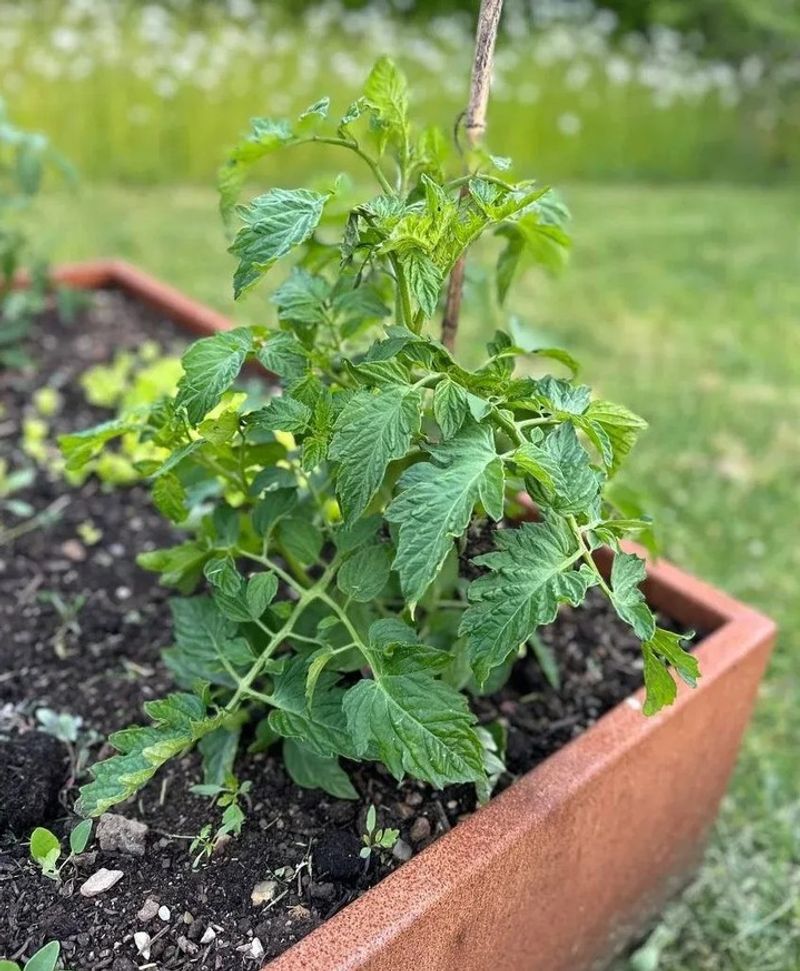
Heavy nitrogen feeding pushes tomato plants into rapid, lush green growth. That thick, soft foliage is exactly what hornworm moths look for when choosing where to lay eggs.
Nitrogen is not the enemy, but too much of it at the wrong time creates problems. Overfed plants grow fast and look impressive, but that soft tissue is easier for caterpillars to consume and digest.
It can actually increase pest pressure rather than reduce it.
Use a balanced fertilizer that includes phosphorus and potassium alongside nitrogen. Something like a 10-10-10 formula supports overall plant health without pushing excessive leafy growth.
Always follow label rates and do not apply more than recommended.
Soil tests give you real data before you add anything. Many cooperative extension offices across the state offer affordable testing.
Knowing what your soil already has prevents over-application from the start.
Once plants begin flowering, shift focus away from nitrogen-heavy feeding. Phosphorus supports root development and flower production.
Potassium helps with fruit quality and stress resistance. Adjusting your feeding schedule by growth stage keeps the plant balanced.
Healthy, moderately fed plants are also more resilient overall. They recover from minor pest damage more effectively than plants that have been pushed into soft, rapid growth.
6. Inspect Plants More Often As Summer Begins
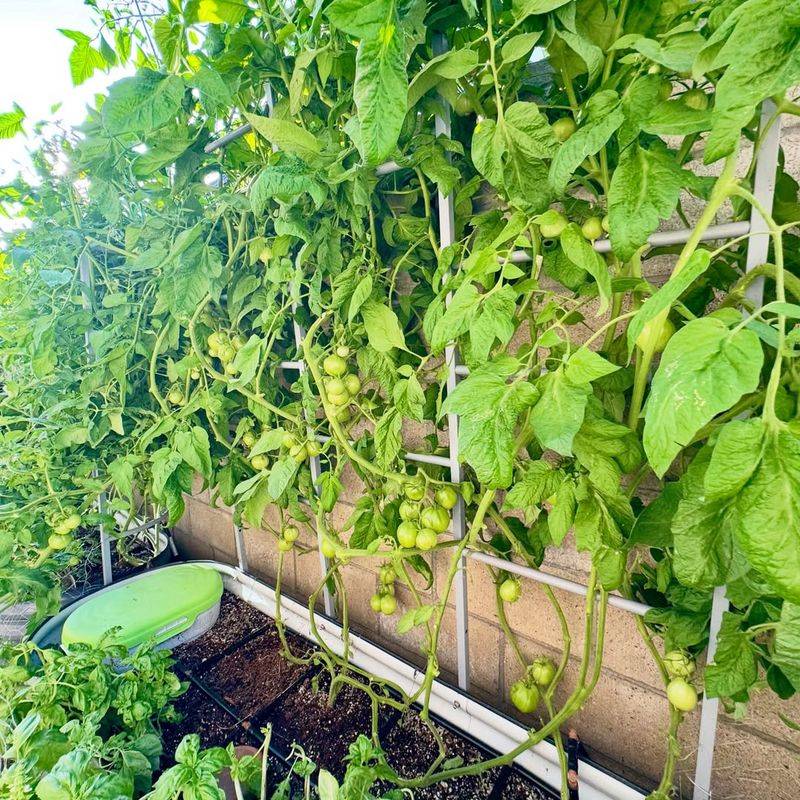
Once temperatures climb and stay warm overnight, hornworm activity accelerates fast. Sphinx moths are most active during warm nights, and egg-laying ramps up quickly once conditions are right.
Bump your inspection schedule from weekly to every three to four days as summer begins. Early-stage caterpillars are much smaller and harder to spot, but catching them young means far less damage.
A small hornworm is manageable. A fully grown one is not.
Morning inspections tend to work best. Caterpillars feed at night, so early morning is when evidence of feeding is freshest.
Look for dark green or black droppings on leaves and at the base of plants. Frass is often easier to spot than the caterpillar itself.
Use a flashlight during evening checks if you want to catch caterpillars mid-feed. Hornworms glow faintly under UV light, which makes a blacklight flashlight a surprisingly useful tool for after-dark garden scouting.
Focus extra attention on the middle and upper sections of the plant. Hornworms tend to start feeding near the top and work their way down as growth is consumed.
Bare stems with a few chewed leaves nearby are a reliable sign something is already feeding.
7. Handpick Hornworms As Soon As They Appear
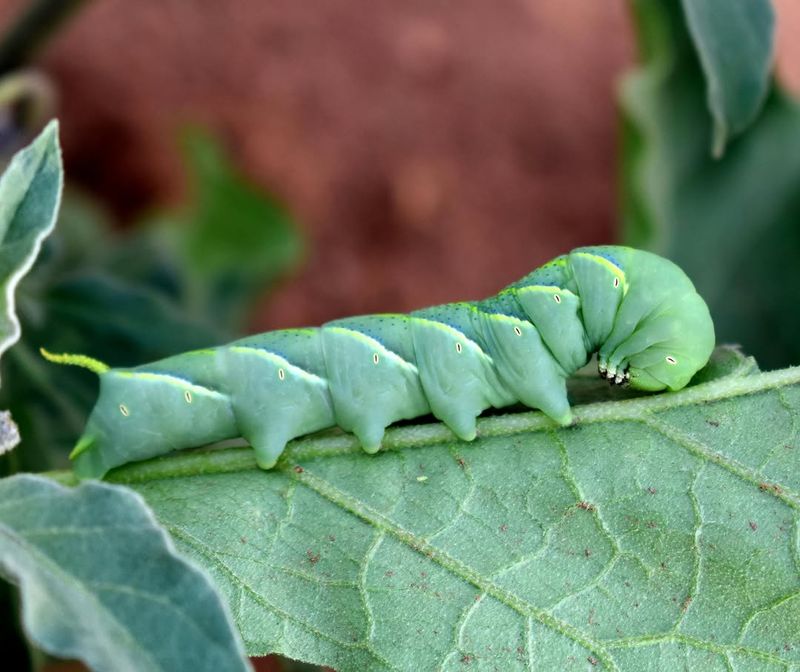
Handpicking works. It sounds old-fashioned, but removing hornworms by hand is one of the most reliable and immediate ways to stop damage the moment you spot it.
Wear gloves if the texture bothers you. Hornworms are large, firm, and surprisingly strong for a caterpillar.
They grip stems tightly, so a gentle but firm pull is needed to remove them cleanly. Drop them into a bucket of soapy water or relocate them far from the garden.
Check carefully before pulling. If you see white rice-like cocoons attached to the hornworm’s back, leave it in place.
Those are braconid wasp eggs. Removing that caterpillar would eliminate an entire generation of beneficial wasps before they emerge.
Hornworms can be hard to see despite their size. Their green color matches tomato foliage almost perfectly.
Look for stems that have been stripped of leaves and follow the bare stem upward to find the caterpillar.
Work through the plant methodically. Check each branch from base to tip.
Hornworms often rest motionless during daylight hours, pressed against stems to blend in. Slow, deliberate searching is more effective than a quick scan.
Gardeners across the South who handpick consistently report far fewer problems by mid-summer.