How To Keep Potted Citrus Trees Healthy In Arizona Summer
Some plants make it through summer with very little fuss. Others seem to need constant attention the moment temperatures start climbing.
Potted citrus trees often fall into the second group. One week they look full of healthy green leaves, and the next they seem to lose some of their energy without much warning.
That is enough to leave even experienced gardeners wondering what changed.
The biggest challenge is that life inside a container changes quickly during hot weather. Soil dries faster, roots heat up sooner, and small problems can become noticeable in only a few days.
What works during spring may not be enough once summer settles in.
Growing citrus in Arizona can still be incredibly rewarding. Knowing what your tree needs during the hottest weeks makes it much easier to keep it looking healthy all season long.
1. Water Deeply Before The Potting Mix Dries Out
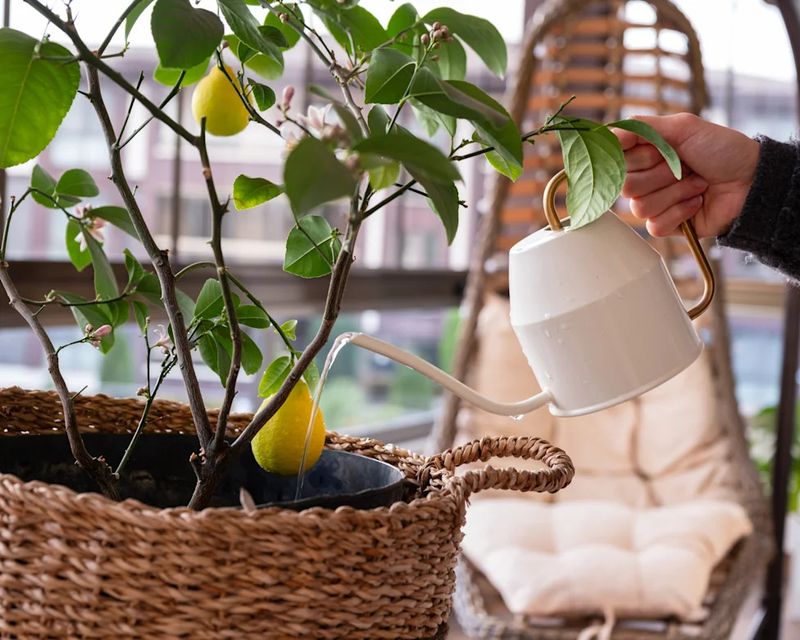
Shallow watering is one of the fastest ways to weaken a potted citrus tree in summer. When you only wet the top inch or two of soil, the roots never get what they actually need.
Deep watering means soaking the entire root zone until water drains freely from the bottom of the pot. Aim to water slowly so the soil absorbs moisture instead of letting it run straight through.
In peak summer heat, most potted citrus trees need deep watering every one to two days. Smaller pots dry out faster than large ones, so check your specific container often.
Press your finger two inches into the soil. If it feels dry at that depth, it is time to water again.
Do not wait until the leaves start drooping to act.
Terracotta pots lose moisture through their walls, which speeds up drying significantly. Plastic or glazed ceramic containers hold water longer and can work better during extreme heat stretches.
Watering in the early morning gives roots time to absorb moisture before afternoon heat peaks. Evening watering also works, though it can sometimes encourage fungal issues in humid conditions.
Consistency matters more than volume.
2. Morning Sun Helps Reduce Heat Stress
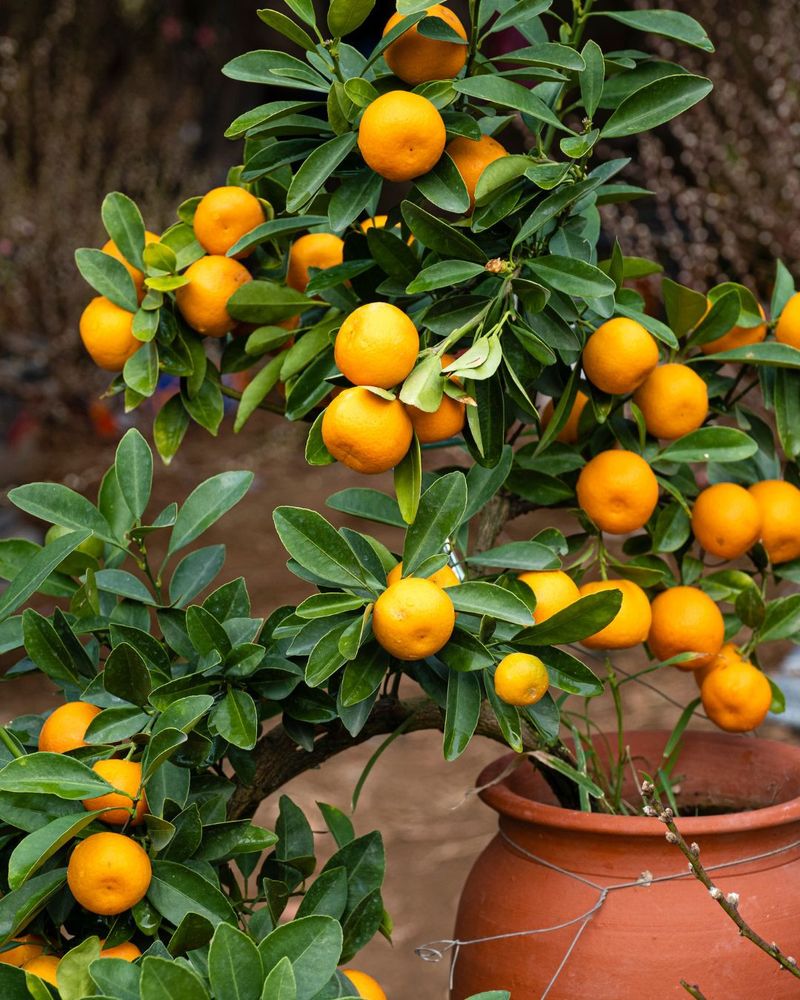
Placement can save your citrus tree more than almost any other single decision you make. Where a pot sits determines how much punishment the tree takes during peak summer hours.
East-facing spots are ideal in hot desert climates. Your tree gets several hours of gentle morning light and avoids the brutal afternoon sun that can scorch leaves and overheat roots.
West-facing patios tend to be the hardest spots for potted citrus in summer. Direct afternoon exposure from two to six in the evening can push leaf temperatures dangerously high.
South-facing locations receive intense sun all day, which works well in cooler months but becomes overwhelming in July and August. A shade cloth rated at thirty to forty percent can help filter that intensity.
North-facing spots may offer relief from heat but often lack enough light for good fruit production. Citrus needs at least six hours of sun daily to stay productive and healthy.
Your Arizona Garden Changes Every Week. Your Plan Should Too.
Gardening in Arizona changes quickly throughout the season. Every Friday you’ll receive a simple weekly plan showing exactly what to plant, prune, fertilize, harvest, and protect so you never miss the right timing.
Pay attention to how your specific patio heats up throughout the day. Reflected heat from walls, concrete, and pavers adds extra stress beyond what direct sun alone creates.
Moving a pot a few feet to a better spot can make a noticeable difference within days.
3. Mulch Helps Keep Container Roots Cooler
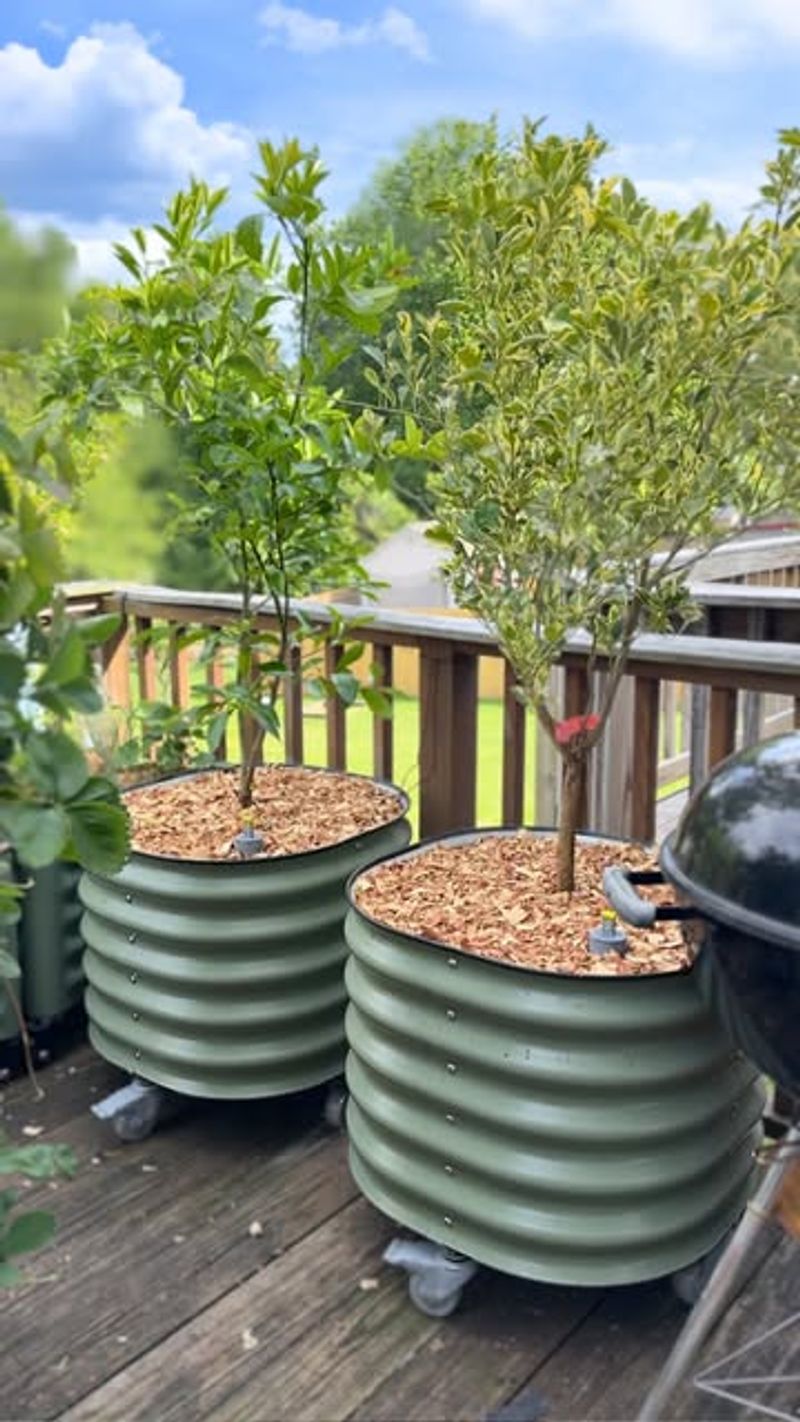
Bare soil in a pot absorbs heat fast, especially in full sun. Adding a layer of mulch on top of the potting mix is a simple way to protect roots from temperature spikes.
Wood chips, straw, or shredded bark all work well as container mulch. Apply a two to three inch layer across the entire soil surface, keeping it slightly away from the trunk.
Mulch acts as insulation. It slows down moisture evaporation, which means you may not need to water quite as frequently during moderate summer stretches.
Soil temperatures inside an unprotected black plastic pot can exceed 120 degrees on a hot afternoon. Mulch can reduce that number by ten degrees or more, depending on thickness and material.
Light-colored mulch reflects more heat than dark mulch. In extreme desert heat, choosing a lighter material like straw or pale gravel gives you a slight advantage over darker wood products.
Refresh your mulch layer every few weeks as it breaks down or gets displaced by watering. Thin mulch loses its insulating effect quickly and stops protecting roots the way it should.
Combining mulch with smart pot placement gives your citrus a real buffer against heat.
4. Check Drainage After Every Deep Watering
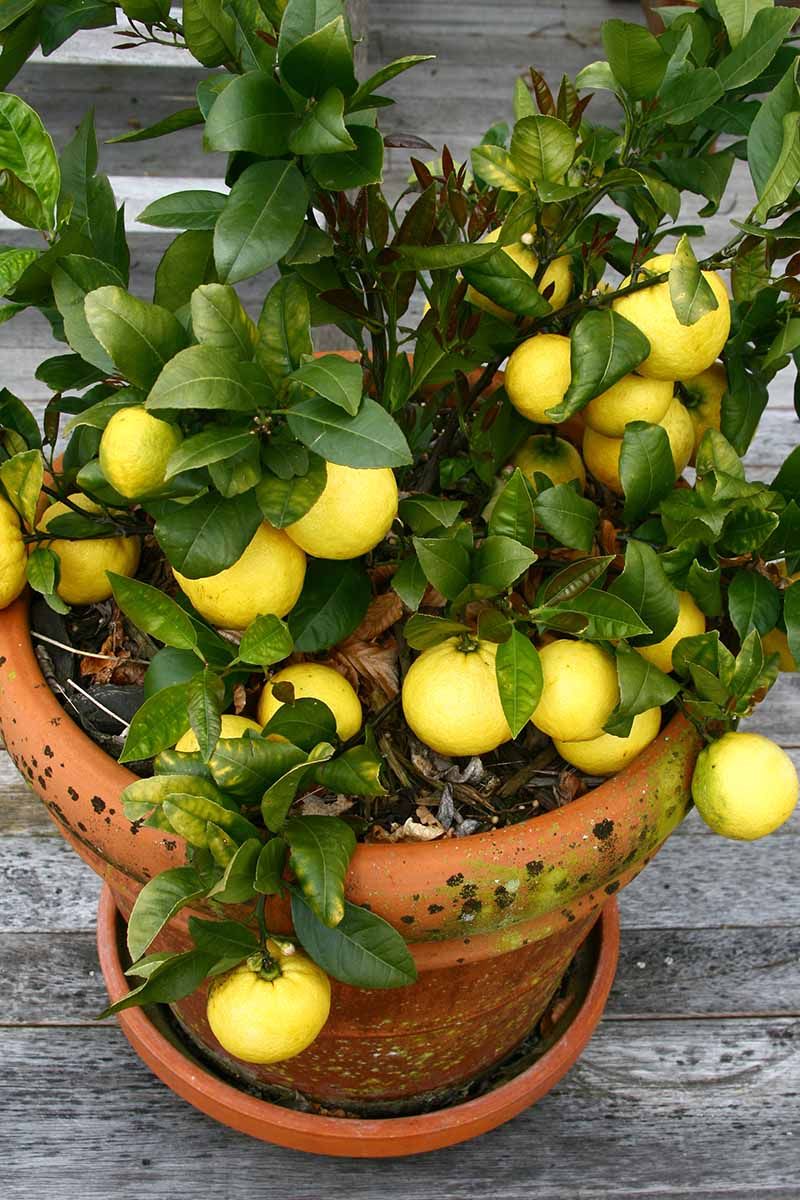
Standing water at the bottom of a pot is a silent threat to citrus roots. Roots sitting in soggy soil lose oxygen quickly, which leads to rot and serious long-term damage.
After every deep watering session, check that water is actually moving through the pot and draining out the bottom. If it pools inside the container, something is blocking the flow.
Drainage holes can get clogged over time with compacted soil, roots, or mineral deposits. Use a chopstick or thin rod to gently clear blockages without disturbing the root system too much.
Drainage trays are useful for protecting patios, but they need to be emptied after each watering. Water sitting in a tray keeps the pot bottom wet and creates the same soggy root problem.
Potting mix matters here too. A well-draining citrus or cactus blend allows water to move through quickly.
Dense, heavy mixes hold too much moisture and increase the risk of root problems.
Adding a layer of coarse gravel or perlite to the bottom inch of the pot can help improve drainage. This is especially useful if your current mix seems to hold water too long.
Good drainage and consistent deep watering work together. Neither one alone solves the problem.
5. Watch Leaves For Early Signs Of Heat Stress
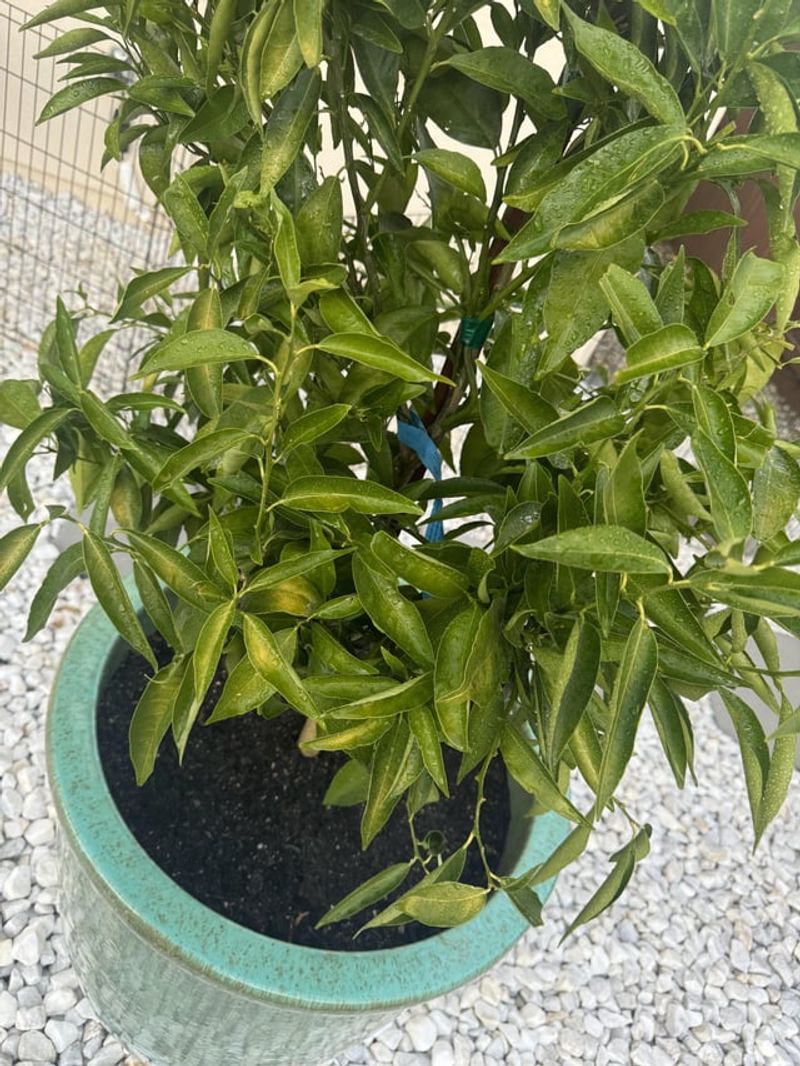
Leaves tell you everything. Before any serious damage sets in, your citrus tree will show early warning signs that are easy to catch if you know what to look for.
Leaf curling is often the first signal. When leaves curl inward along their edges, the tree is conserving moisture.
It does not always mean the soil is dry, but it is worth investigating immediately.
Yellowing leaves can point to heat stress, overwatering, or nutrient issues. Context matters here.
Check the soil moisture and recent watering history before assuming heat is the only cause.
Crispy brown leaf edges usually mean the tree has been exposed to intense reflected heat or has gone too long without water. This kind of damage does not reverse, but new growth can still come in healthy.
Sudden leaf drop in summer is another red flag. Citrus sometimes sheds leaves as a stress response.
Losing a few leaves is normal, but dropping large amounts quickly signals a bigger problem.
Check your tree every morning during peak summer months. A quick look at the leaves takes thirty seconds and can help you catch problems before they escalate into something harder to manage.
Keep a simple log of what you notice each week.
6. Skip Heavy Fertilizing During Extreme Heat
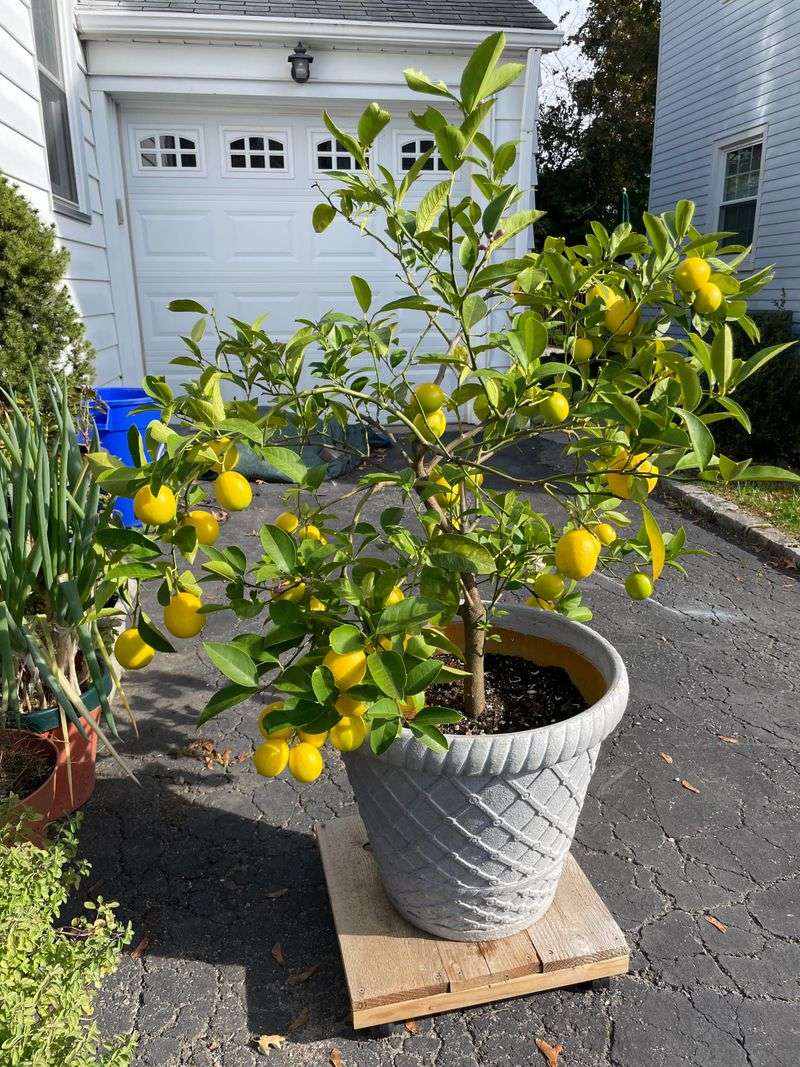
Fertilizing during a heat wave sounds productive, but it can actually backfire quickly.
Roots under heat stress are not actively growing, and pushing nutrients at the wrong time causes more harm than good.
High nitrogen fertilizers force new growth. That fresh growth is soft and vulnerable, making it far more susceptible to heat damage than established leaves and stems already on the tree.
Fertilizer salts also build up faster in hot, dry conditions. When soil moisture evaporates quickly, salt concentrations rise and can scorch roots from the inside out, even with normal application rates.
A good rule of thumb is to skip heavy feeding when temperatures are consistently above 100 degrees. Focus on keeping your tree alive and stable rather than pushing growth during the hardest weeks.
Light applications of a slow-release granular fertilizer in early spring and early fall work better for desert climates. Timing feeds around moderate temperatures gives the tree time to actually use the nutrients.
If your tree shows yellowing between leaf veins during summer, that could be an iron or zinc deficiency rather than a nitrogen issue. A chelated micronutrient spray can address that without overloading stressed roots.
7. Move Containers During Heat Waves When Possible
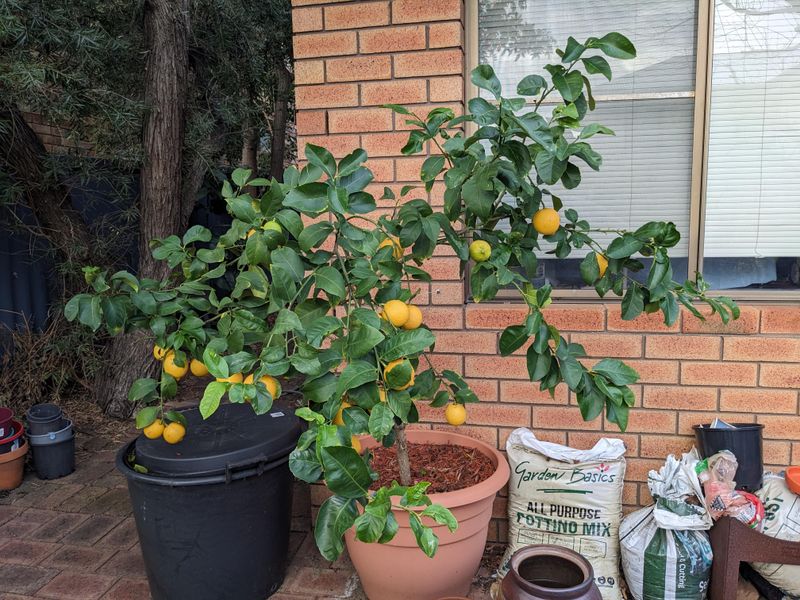
One of the biggest advantages of container growing is mobility. When a brutal heat wave rolls through, you can actually move your tree instead of watching it bake in place.
Invest in a heavy-duty wheeled plant caddy before summer starts. A good caddy makes moving large pots manageable for one person without risking back strain or tipping the container.
During extreme stretches, moving your citrus to a covered patio, garage entry, or shaded north-facing wall gives it a real break from the worst afternoon heat. Even a few hours of shade helps.
Garages can work as temporary shelter during peak heat days, but make sure there is still some indirect light available. Total darkness for more than a day or two stresses the tree in a different way.
Watch for forecasted multi-day heat events above 110 degrees. Those stretches are when container citrus is most vulnerable, especially in low-humidity desert conditions where heat is relentless and dry.
After a heat wave passes, move the tree back gradually rather than returning it to full sun immediately. A day or two of partial shade helps it readjust without shock.
Consistent repositioning based on seasonal and weekly weather patterns is a habit that experienced desert gardeners develop over time.