This Is The California Native Flower That Looks Too Dramatic To Be Real
Most flowers ask for your attention politely. The Matilija poppy does not ask. It commands.
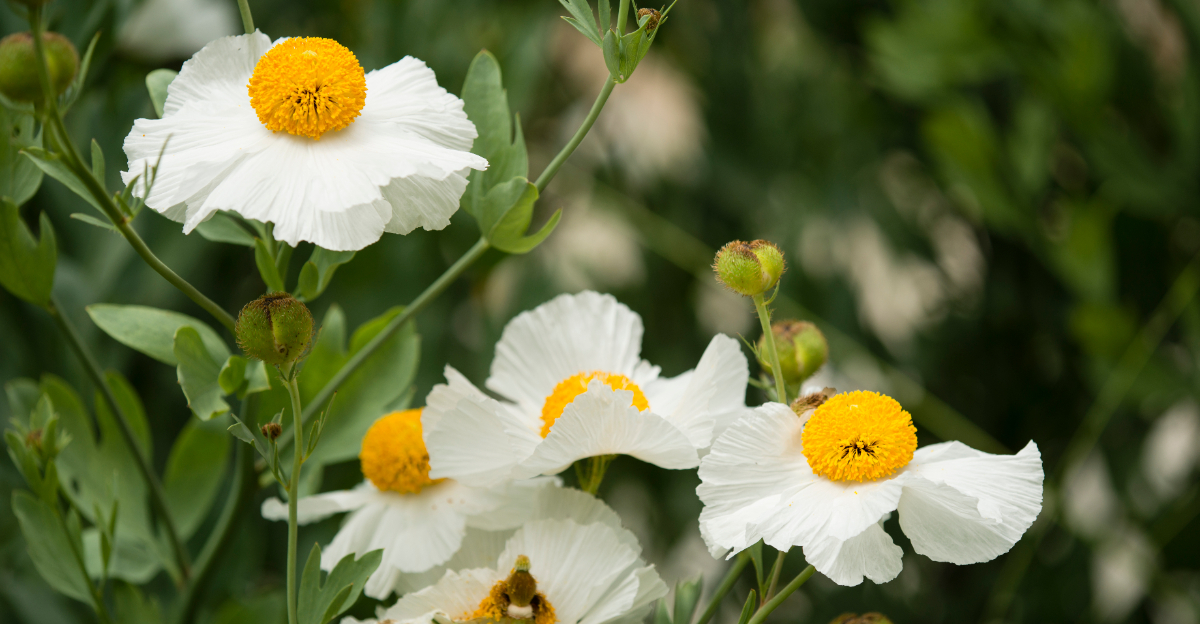
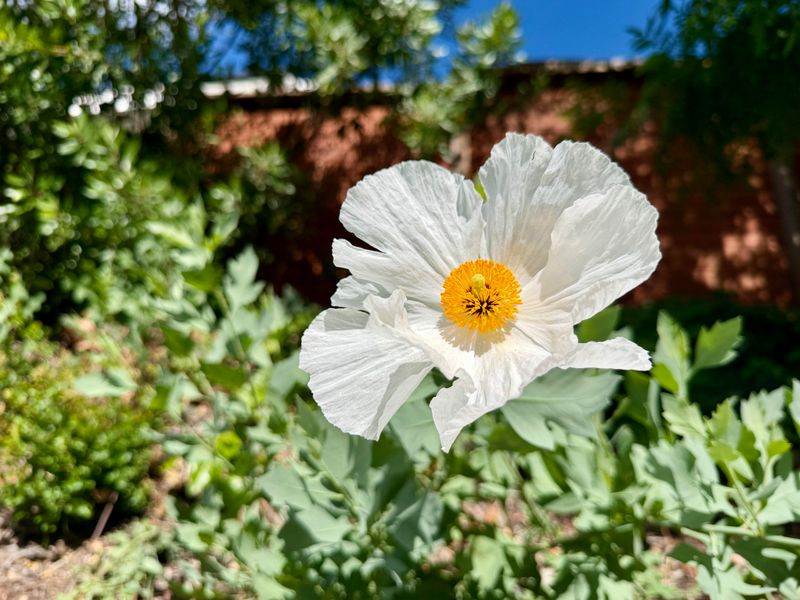
This California native produces blooms that can stretch up to nine inches across, with crinkled white petals surrounding a dense golden center that looks so much like a fried egg that the nickname practically named itself.
It grows wild across Southern California slopes and roadsides, surviving drought, poor soil, and summer heat that would reduce most garden plants to dust.
And yet somehow, despite all of that toughness, it manages to look like the most extravagant, theatrical flower a nursery catalog could ever dream up.
California gardeners who discover it tend to have the same reaction: disbelief that something this dramatic is actually native, actually drought-tolerant, and actually that easy to grow once it settles in.
The catch is that easy and controllable are not the same thing, and the Matilija poppy has strong opinions about the difference.
Everything you need to know before planting one is below, starting with the part many nursery tags leave out.
Start With The Giant White Blooms
Some flowers whisper. The Matilija poppy shouts.
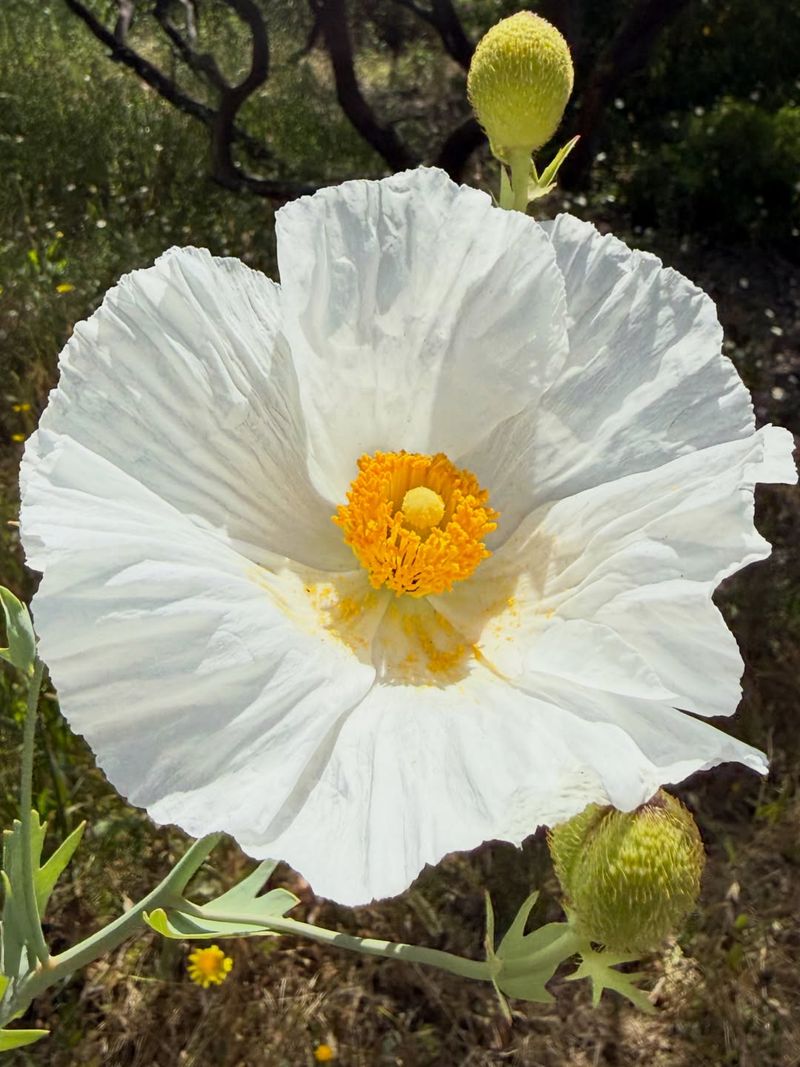
Romneya coulteri produces blooms that can stretch up to nine inches across, making them among the largest flowers of any plant native to North America.
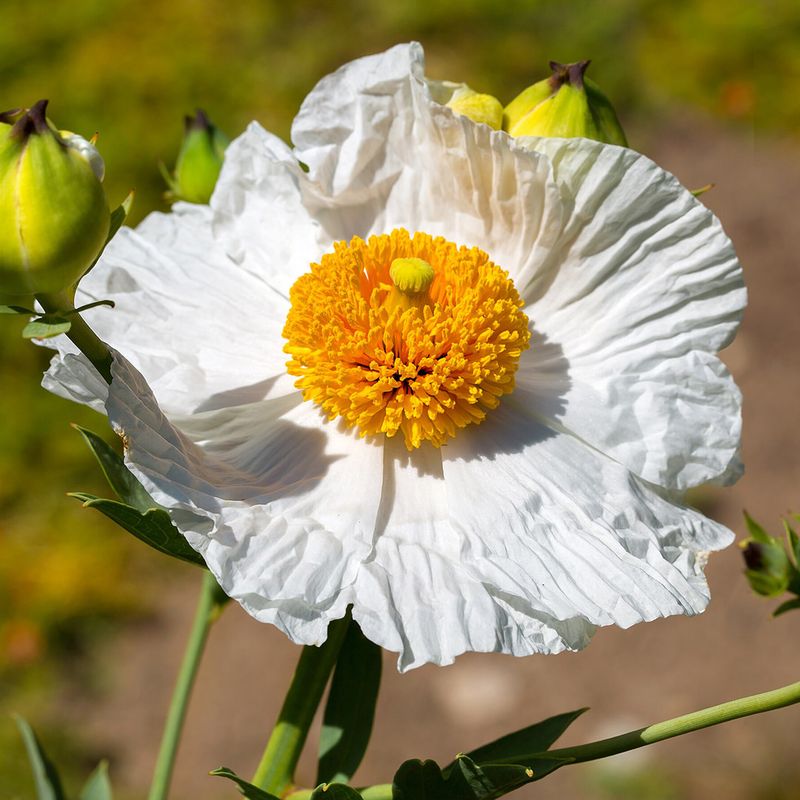
The petals look like crinkled white crepe paper, impossibly delicate for something so enormous. Up close, they feel almost like silk.
At the center of each bloom sits a dense, cheerful cluster of golden yellow stamens.
That combination of white and yellow is exactly why gardeners started calling it the fried egg flower, and honestly, the nickname fits perfectly. You could stare at one bloom for a long time and still notice new details.
Each individual flower only lasts a few days, but a healthy, established plant produces dozens of blooms across a long season that runs from late spring through midsummer.
Some gardeners in warmer parts of California report flowers stretching into August. The show keeps going long after most spring bloomers have wrapped up.
Pollinators go absolutely wild for these blooms.
Native bees, bumble bees, and various beetles visit constantly when the flowers are open. The yellow center is packed with pollen, making it a rich food source.
Planting Matilija poppy is one of the most generous things a California gardener can do for local wildlife.
It is a true statement plant that earns every inch of space it takes, and then some.
Give It More Space Than Expected
Here is the thing nobody tells you at the nursery: this plant is not a polite guest.
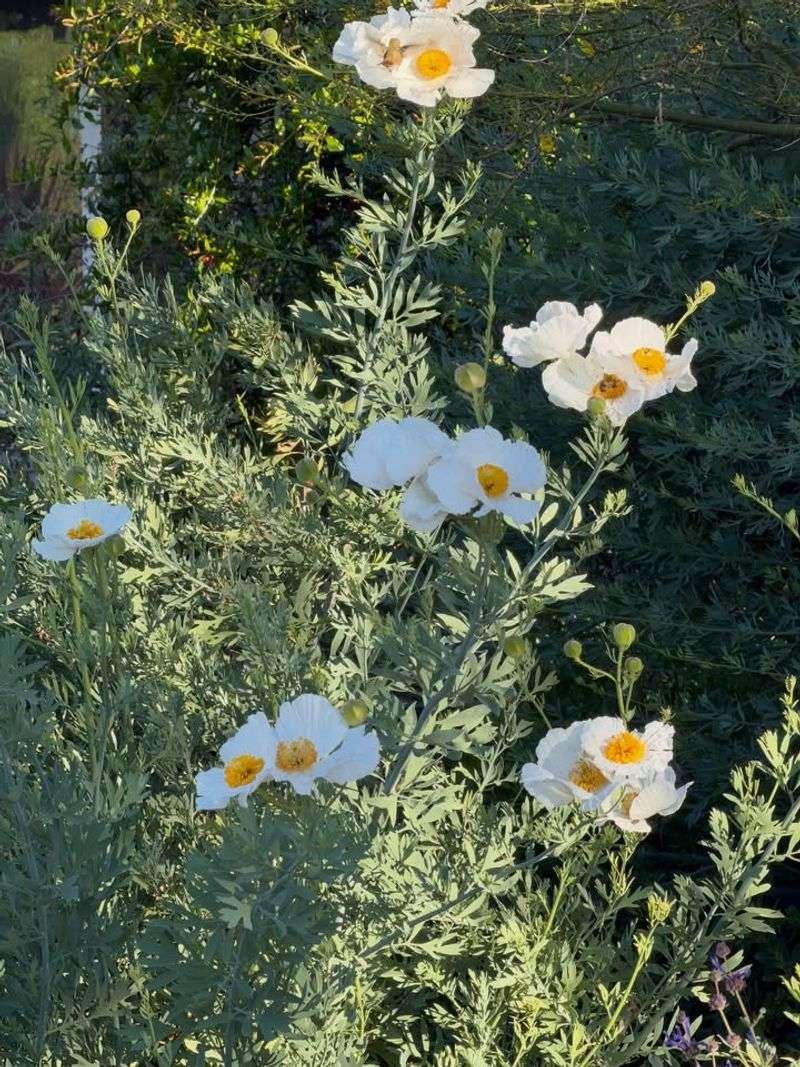
A mature Matilija poppy can grow six to eight feet tall and spread just as wide, sometimes wider. Some established clumps have been known to creep outward ten feet or more when conditions suit them.
Give it a corner and it will claim the whole yard.
Before you plant, take a long look at your space.
Matilija poppy belongs along a fence line, at the back of a large border, or against a slope where it has room to roam without crowding out smaller neighbors.
Your California Garden Changes Every Week. Your Plan Should Too.
Gardening in California changes quickly throughout the season. Every Friday you’ll receive a simple weekly plan showing exactly what to plant, prune, fertilize, harvest, and protect so you never miss the right timing.
Tucking it into a tight bed between other plants is a recipe for frustration. You will spend years trying to rein in something that was never meant to be reined in.
The good news is that its size works beautifully as a privacy screen or a dramatic backdrop.
Pair it with other large California natives like toyon or coffeeberry if you want a layered native hedge that looks intentional rather than chaotic. Just make sure those companions are equally tough.
Gardeners who respect the Matilija poppy’s need for room are always glad they did.
Those who plant it too close to walkways, patios, or smaller perennials often regret it by year three.
Adopting a large, enthusiastic dog requires the right yard. So does this plant.
Full Sun Brings The Best Show
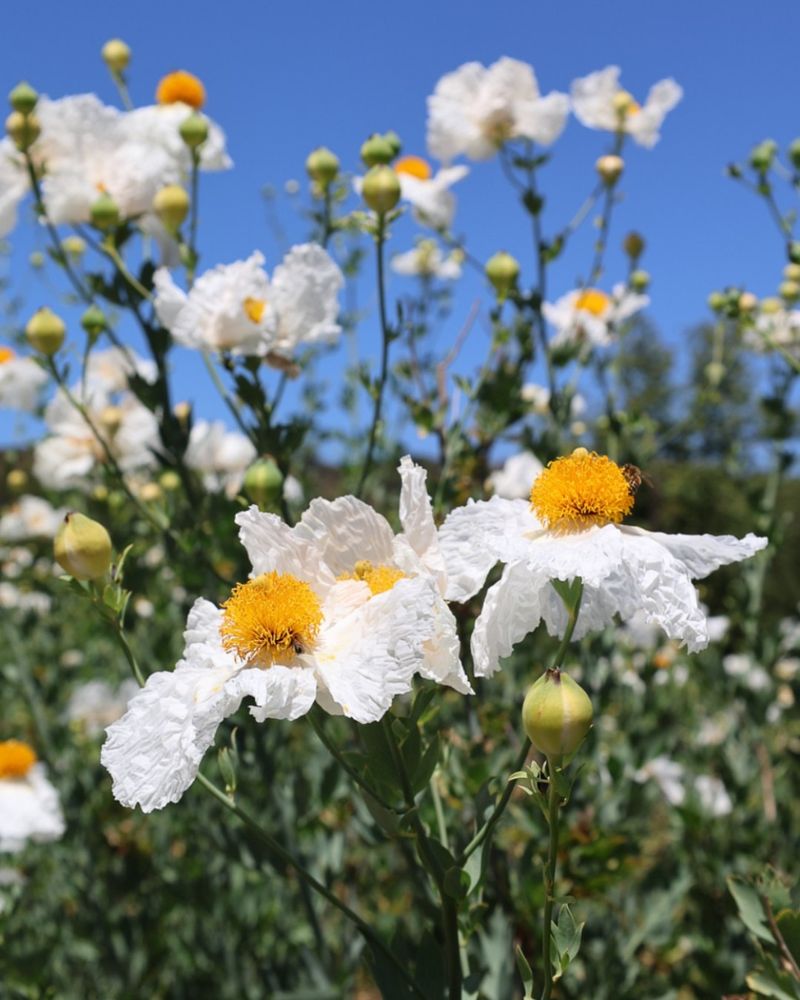
Sunlight is not optional for this plant.
Matilija poppy demands full sun, meaning at least six to eight hours of direct light every single day. Anything less and you get a leggy, weak-stemmed plant that stretches toward the light and barely blooms.
Full sun produces stocky, upright stems loaded with flowers. Shade produces disappointment.
California’s long, bright summers are practically tailor-made for this species.
In its native habitat, Romneya coulteri grows on open, sun-blasted slopes and roadsides in Southern California and Baja California. It evolved under intense sunlight and actually performs better when temperatures climb high.
A hot summer afternoon that sends most gardeners indoors is exactly what the Matilija poppy loves.
Positioning matters more than most people realize.
A south-facing or west-facing location in your yard will deliver the strongest blooming. North-facing beds, areas shaded by buildings in the afternoon, or spots under large trees are poor choices.
Even partial afternoon shade can noticeably reduce flower production over the season.
One practical tip worth knowing: if your plant bloomed lightly in its first year, do not panic and move it.
Young plants often hold back while they settle in. As long as it is getting full sun, better blooming is coming.
By year two or three, a well-sited Matilija poppy in strong sun will pop with so many fried egg flowers that neighbors will stop asking what it is and start asking where they can get one.
Lean Soil Keeps Growth Tougher
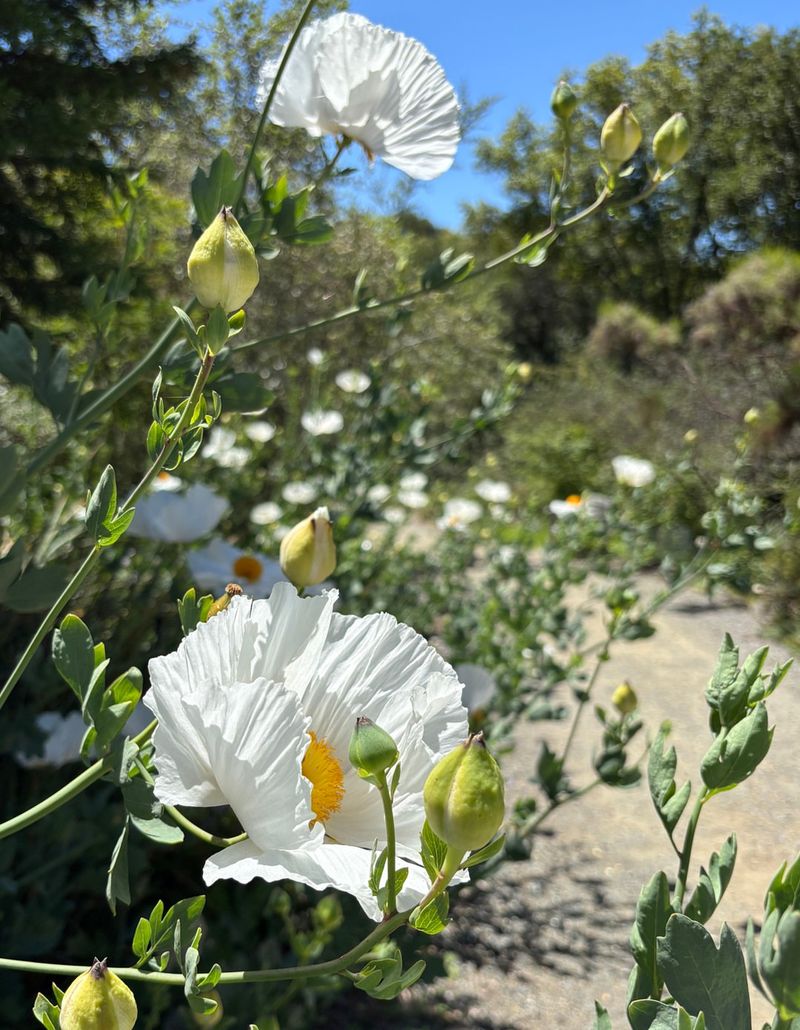
Rich garden soil sounds like a good idea for most plants. For Matilija poppy, it is actually a problem.
Romneya coulteri evolved in lean, fast-draining soils, think rocky slopes, sandy washes, and gravelly hillsides where water moves through quickly and nutrients stay low.
Plant it in amended, fertilized garden soil and you often end up with a soft, floppy plant that sprawls everywhere and blooms poorly.
Lean soil forces the plant to grow tougher, more compact stems.
It also keeps root problems at bay, which is one of the most common ways gardeners accidentally harm this plant. Standing water around the crown is genuinely dangerous during any season, but especially during California’s warm, wet winters.
Sharp drainage is not a preference for this plant. It is a survival requirement.
If your native soil is heavy clay, you have a few options. You can amend a large planting area with coarse sand and gravel to improve drainage before planting.
Alternatively, plant on a slope or a raised area where water naturally moves away from the roots.
Some gardeners build a simple raised berm just for their Matilija poppy, which works beautifully.
Skip the fertilizer entirely. Feeding Matilija poppy with nitrogen-rich fertilizer encourages lush, leafy growth at the expense of flowers. Let the soil be a little hungry.
The plant actually prefers it that way and will reward your restraint with a flower display that makes every visitor stop and stare.
Rhizomes Help It Spread Fast
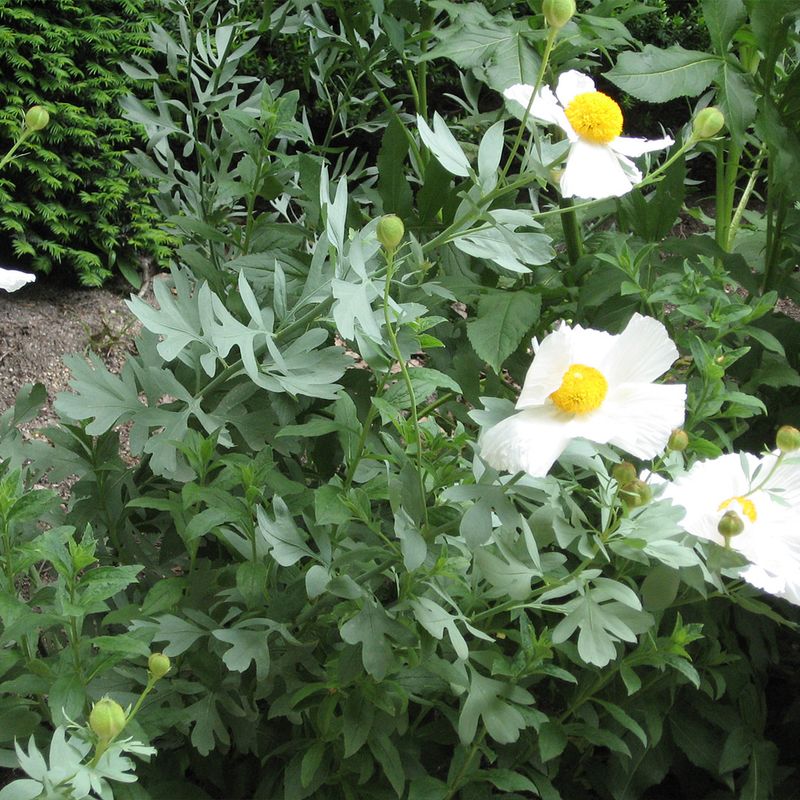
Underground, something interesting is always happening with Matilija poppy.
The plant spreads through a network of rhizomes, which are thick horizontal roots that travel beneath the soil surface and send up new shoots wherever they please.
This is how one small plant can become a colony over several years without you ever planting a single additional seedling.
Rhizome spread is a feature, not a flaw, if you plan for it correctly.
On a large slope that needs erosion control, a spreading Matilija poppy colony is genuinely useful and beautiful. Along a fence line with plenty of open ground, the spreading habit creates a dramatic native hedge over time.
The problem only starts when you plant it near a vegetable bed, a manicured perennial border, or close to a foundation.
Rhizomes can travel several feet from the parent plant in a single growing season.
Once a rhizome system is established, removing it becomes a real project. The roots go deep and break easily, and any fragment left in the soil can sprout a new plant.
Gardeners who have tried to remove an established clump often find surprise shoots popping up for a year or two afterward.
A simple strategy is to install a physical root barrier before planting, especially if you are gardening near a lawn or other defined bed.
Thick plastic root barriers buried about eighteen inches deep can slow the spread considerably.
Plan ahead and the rhizomes become your ally in building a bold, low-maintenance native planting that fills space beautifully.
Establishment Takes Real Patience
There is an old saying among California native plant gardeners: sleep, creep, leap.
It describes exactly how Matilija poppy behaves in its first few years. Year one, the plant mostly sits there looking unimpressive. Year two, it starts to grow noticeably.
Year three, it suddenly explodes with size and blooms and you finally understand what all the fuss was about.
During the first growing season, deep but infrequent watering helps the plant develop a strong root system.
Water thoroughly once a week or so while the plant settles in, then gradually reduce frequency as the season progresses. The goal is to encourage roots to chase moisture downward rather than staying shallow near the surface.
Deep roots make a drought-tough plant.
Overwatering during establishment is one of the most common mistakes.
It feels counterintuitive to water less when a plant looks stressed, but soggy soil causes root problems that set the plant back significantly.
A slightly wilted Matilija poppy in summer is usually fine. A waterlogged one is not.
Avoid cutting the plant back hard in its first year.
Let it put its energy into root development rather than recovering from pruning. Once it is established, usually by the end of year two, you can cut stems back to about six inches in late winter to encourage fresh, vigorous growth in spring.
Patience during those early years pays off with a plant that practically takes care of itself for decades after.
Fire Follower Roots Add Wild History
Long before landscapers discovered Matilija poppy, wildfires did the job of introducing it to new ground.
Romneya coulteri is what botanists call a fire follower, a plant that responds dramatically to fire by producing a sudden flush of new growth and abundant blooms in the season following a burn.
The heat and chemical changes in the soil seem to wake something up in the plant’s biology.
In Southern California chaparral, it is not unusual to see hillsides blanketed in Matilija poppy blooms just one season after a fire swept through.
The plant’s deep rhizome system survives underground while the above-ground stems burn away. Once conditions are right, those roots send up fresh shoots with remarkable speed.
It is one of nature’s most dramatic comebacks.
This fire-following behavior also explains why the plant thrives in lean, disturbed soils.
Burned landscapes tend to have low nutrient levels, excellent drainage from ash and disturbed ground, and plenty of open sunlight with no competing vegetation.
That is basically the Matilija poppy’s dream environment, whether the fire was natural or not.
Understanding this history helps gardeners work with the plant more effectively.
Cutting stems to the ground in late winter mimics what fire does naturally, clearing away old wood and stimulating vigorous new growth.
Some gardeners report that their plants bloom more heavily in the season after a hard cutback. It makes sense when you consider the plant’s deep evolutionary relationship with California’s fire cycle.
This flower was literally built for resilience.
Dry Gardens Show Off Its Drama
Once established, Matilija poppy barely needs you.
That is one of the most appealing things about it for California gardeners dealing with water restrictions, summer heat, and the general reality of a Mediterranean climate.
After its first two years in the ground, this plant gets by on rainfall alone in most parts of the state, blooming gloriously through long, dry summers without supplemental irrigation.
Dry garden design is where Matilija poppy truly shines as a design element.
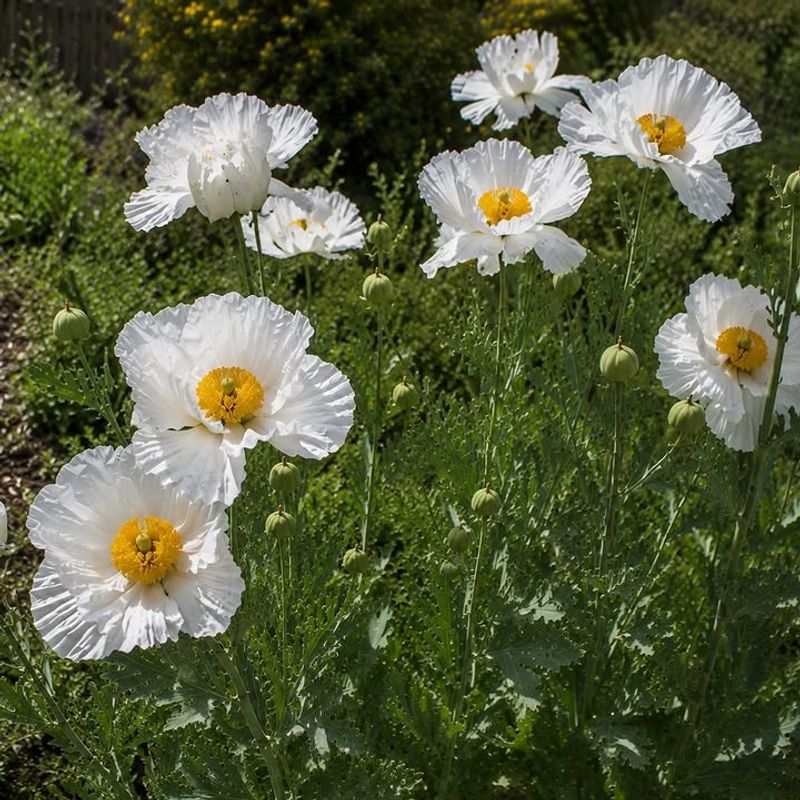
Its tall, blue-gray stems and enormous white flowers provide vertical structure and a striking focal point that most other drought-tolerant plants simply cannot match.
Pair it with California buckwheat, Cleveland sage, or blue-eyed grass for a layered native planting that looks intentional and wild at the same time.
The gray-green foliage is attractive even when the plant is not in bloom.
The deeply lobed leaves have a silvery cast that reflects light beautifully and complements the warm tones of gravel mulch or decomposed granite pathways.
A dry garden with Matilija poppy looks designed, not neglected.
Water bills go down, maintenance time shrinks, and the garden actually looks better as summer progresses rather than worse.
Most showy plants need constant attention to maintain their looks through a California summer. Matilija poppy just keeps going, popping out new fried egg flowers while everything around it quietly struggles with the heat.
Plant it once and enjoy it for years.