Plant These 8 Eco-Friendly Alternatives To Vermont’s Restricted Burning Bush
Every fall, the same shrub dominates the conversation. Burning bush glows along roadsides, in neglected lots, and deep inside forests where it was never planted, carried there by birds that ate its berries and moved on.
Vermont restricted its sale precisely because the harm builds quietly, year after year, before most people notice anything is wrong.
One ornamental shrub in a front yard becomes a hundred seedlings in the woodland behind it.
The good news lands here: Vermont’s native plant palette includes shrubs that turn just as richly red, fruit just as heavily, and actually feed the ecosystem instead of pushing native plants aside.
These alternatives do not ask you to give anything up. You get the same fiery October color, the same curb appeal, and a yard that works with local wildlife rather than against it. The swap is easier than you think.
1. Highbush Blueberry
Forget everything you thought you knew about utility plants. Highbush blueberry is one of the most stunning eco-friendly alternatives to burning bush you can grow in a New England yard.
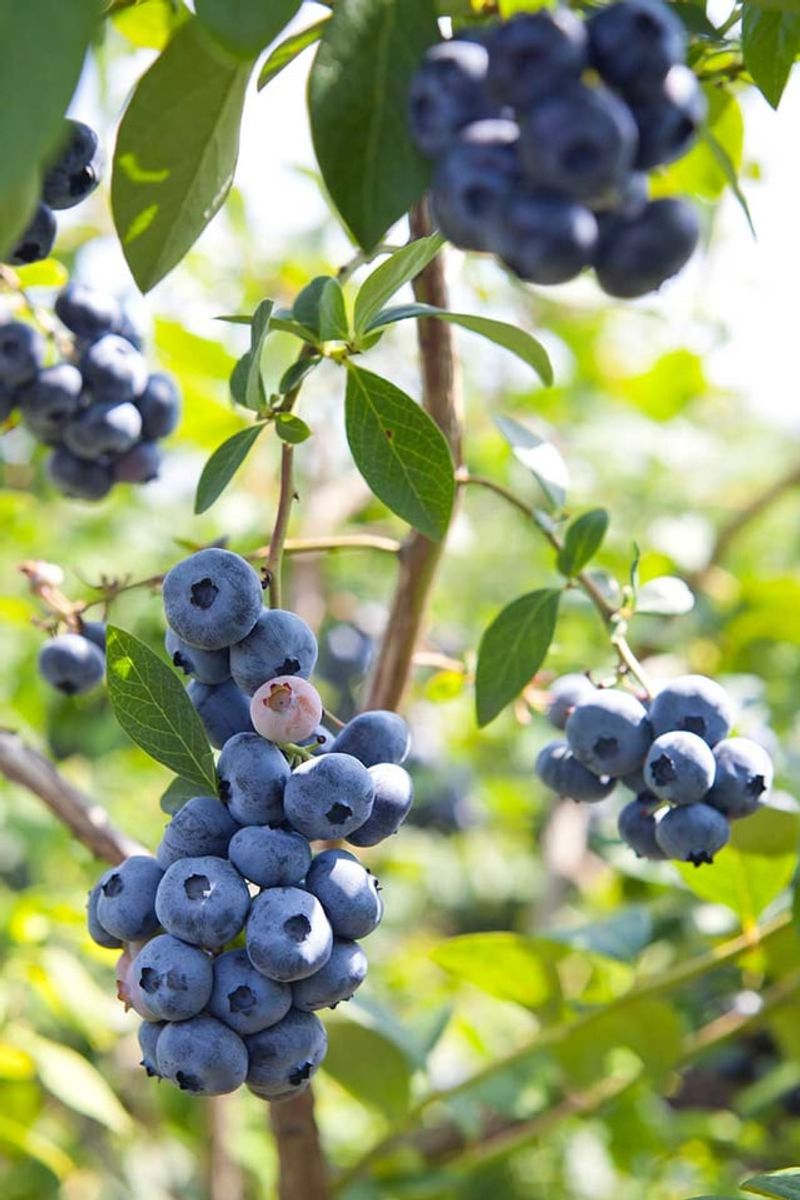
In spring, delicate white bell-shaped flowers attract native bees before most other shrubs even wake up. By summer, clusters of plump blueberries weigh down the branches like edible ornaments.
Then fall arrives and the whole shrub opens into fiery shades of scarlet, orange, and gold. Few plants deliver this level of seasonal theater from one spot in your landscape.
Birds return reliably for the berries, turning your yard into a busy wildlife hub. Cedar waxwings, robins, and thrushes will visit regularly throughout the harvest season.
Highbush blueberry thrives in acidic, well-drained soil with plenty of sun. If your soil leans alkaline, a simple amendment with sulfur or peat moss will get it where it needs to be.
Most varieties grow between six and twelve feet tall, making them perfect for hedgerows or mixed borders. Plant at least two different cultivars nearby to boost fruit production significantly.
This shrub is fully cold-hardy across most of the region and requires very little maintenance once established. Pruning every few years keeps growth tidy and fruit yields high.
Choosing highbush blueberry means feeding your family and feeding the ecosystem at the same time. That kind of double win is hard to beat in any garden.
2. American Cranberrybush
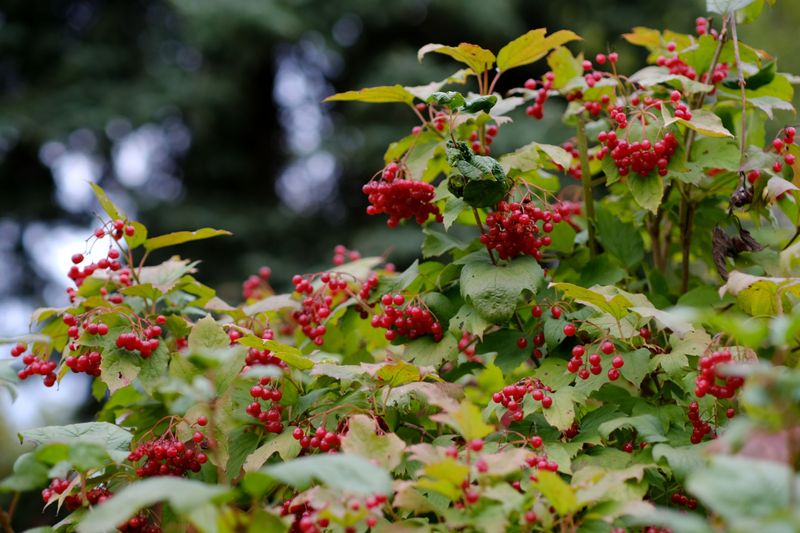
Picture a shrub so loaded with red berries that it looks like a holiday decoration growing right in your backyard. American cranberrybush delivers exactly that kind of striking autumn display.
Technically a viburnum, this native shrub produces flat-topped white flower clusters in late spring that rival any ornamental. Pollinators flock to those blooms from the moment they open.
By September, the berries shift from yellow to a brilliant translucent red that catches the light beautifully in the afternoon. The foliage follows with rich burgundy and reddish-purple tones that hold well into late fall.
Wildlife benefits are impressive with this plant. Dozens of bird species feed on the berries, including cedar waxwings, bluebirds, and ruffed grouse during winter months.
American cranberrybush handles a wide range of conditions, tolerating both wet and dry soils once established. It also adapts well to partial shade, which makes it flexible for tricky spots in the yard.
Mature shrubs typically reach eight to twelve feet in height and spread. Regular pruning after flowering keeps the shape manageable and encourages better berry production the following season.
Unlike burning bush, this plant stays put and does not threaten surrounding natural areas. Choosing it is a genuinely responsible decision for any eco-conscious gardener.
The berries persist on branches well into winter, providing food for birds when other sources are scarce. Your yard becomes a lifeline for wildlife during the coldest months of the year.
3. Winterberry
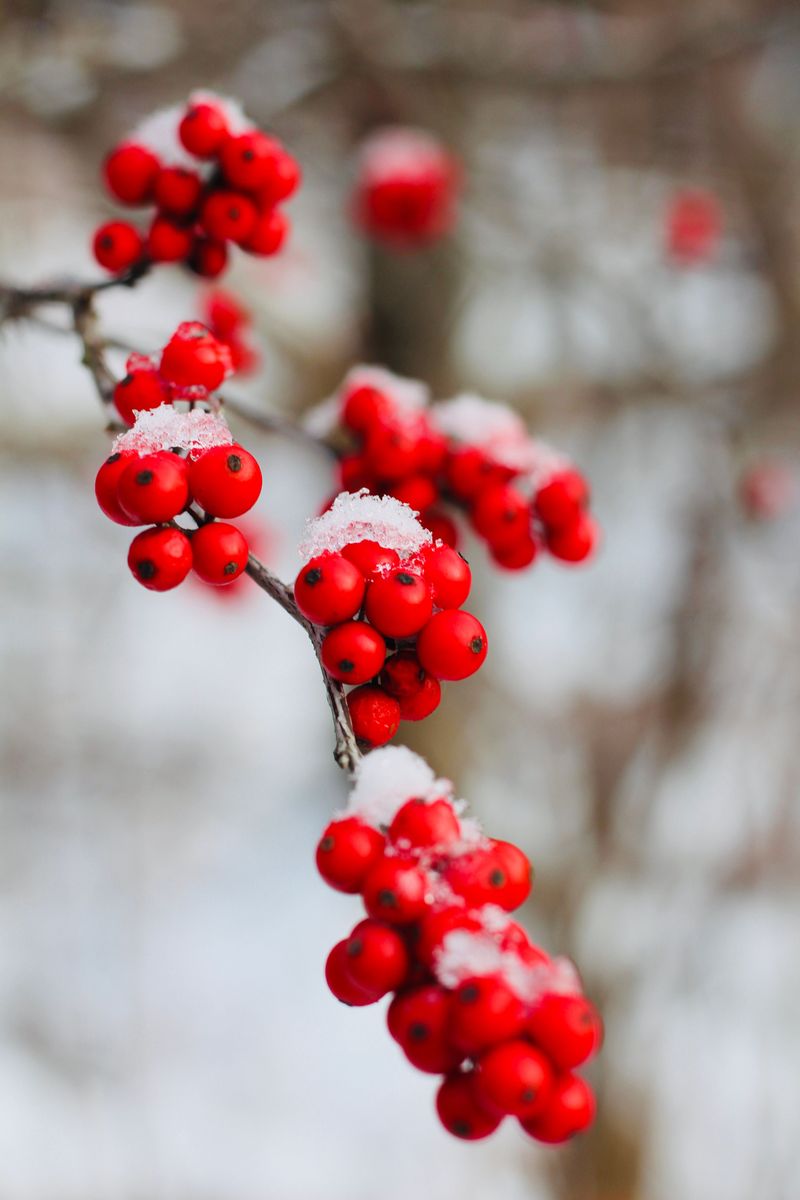
Nothing stops a winter garden in its tracks quite like winterberry. This native holly lights up the cold-season landscape with vivid red berries that cling to bare branches for months.
Summertime brings glossy green foliage and small white flowers that support native bees and other pollinators. The real magic, though, begins when the leaves drop and those berries take center stage.
Winterberry is one of the best eco-friendly alternatives to burning bush for gardeners who want year-round interest. The berry display peaks from October through February, long after most other shrubs have gone dormant.
Birds rely on winterberry as a key winter food source. American robins, bluebirds, and mockingbirds depend on these berries when snow covers other food sources.
This shrub loves moist to wet soil conditions, making it an excellent choice for low spots or rain gardens. It also performs well along stream banks and pond edges where other shrubs struggle.
One important planting note: you need both male and female plants to produce berries. One male plant can typically pollinate several female plants in close proximity, so you do not need to match them one to one.
Mature winterberry shrubs grow six to ten feet tall and equally wide. They spread slowly by suckering, forming attractive naturalistic colonies over time without becoming invasive.
Choosing winterberry means giving your winter landscape a purpose beyond aesthetics. Watching birds feast on those bright clusters on a gray January morning makes every bit of planting effort worthwhile.
4. Red Chokeberry
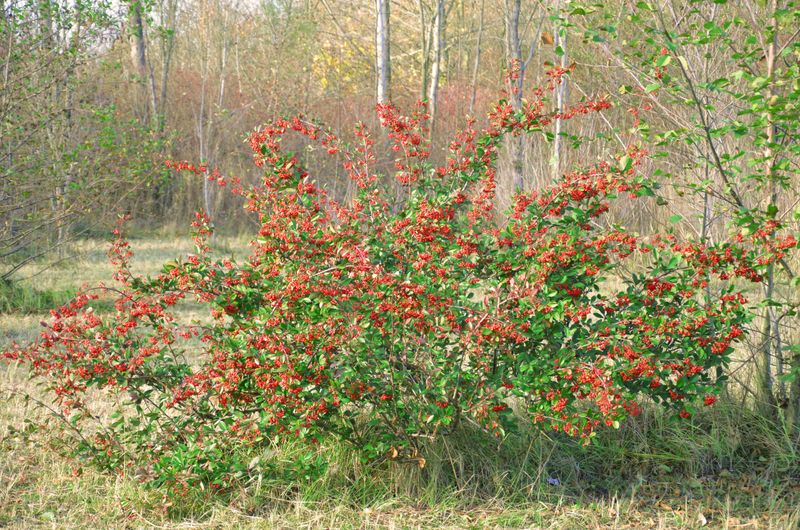
Red chokeberry is the underdog of the native shrub world, and it is about time more gardeners gave it the spotlight it deserves. This tough, adaptable plant delivers three seasons of genuine beauty without any fuss.
Spring starts the show with clusters of white flowers that attract early pollinators. Those blooms develop into small glossy red berries that mature by late summer and persist well into winter.
Fall foliage is where red chokeberry really earns its place as a top eco-friendly alternative to burning bush. The leaves shift into brilliant shades of scarlet and crimson that rival almost any ornamental shrub on the market.
Birds and small mammals appreciate the berries, though they tend to eat them only after other food sources are exhausted. That means the red fruits decorate your garden for months before wildlife finally claims them.
Red chokeberry handles poor soils, wet conditions, and drought with equal resilience. Few shrubs are this forgiving across such a wide range of growing environments, which makes it particularly well suited to Vermont’s unpredictable seasons.
Mature plants reach four to eight feet in height, forming dense, upright clumps that work well as hedges or naturalistic screens. They spread gradually by suckering, filling in gaps beautifully over several seasons.
Pruning every few years keeps plants tidy and encourages fresh, vigorous growth from the base. Removing old stems in late winter promotes better flowering and berry production in the months ahead.
Plant red chokeberry where you want low-maintenance impact and high ecological value. For Vermont gardeners replacing burning bush, it is one of the most effortless and rewarding swaps you can make.
5. Dwarf Fothergilla
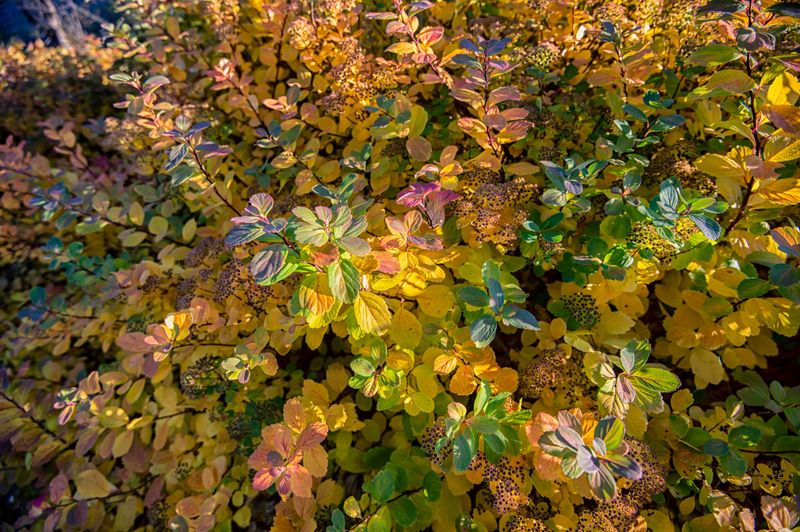
Dwarf fothergilla might be the most underrated shrub in American horticulture. It packs three distinct seasons of ornamental interest into a compact, well-behaved package that fits almost any garden space.
Spring opens with fragrant white bottlebrush flowers that appear before the leaves even fully emerge. Those blooms smell faintly of honey and attract native bees during a critical early-season window.
Summer foliage is clean, blue-green, and attractive without demanding much attention. The plant stays tidy and does not sprawl, making it ideal for small yards or formal borders where scale matters.
Autumn is when dwarf fothergilla genuinely impresses. A single shrub can display orange, scarlet, yellow, and burgundy simultaneously, sometimes all on the same branch at once.
This multi-toned fall color makes it one of the most visually exciting eco-friendly alternatives to burning bush available to home gardeners. The display typically lasts four to six weeks in cooler climates.
Dwarf fothergilla grows slowly to about three feet tall and wide, making it perfect for foundation plantings or front-of-border positions. It rarely needs pruning to maintain its naturally rounded shape.
Acidic, well-drained soil and full sun to partial shade give this shrub everything it needs to thrive. It pairs beautifully with azaleas, mountain laurel, and other acid-loving companions.
Once established, dwarf fothergilla is remarkably drought-tolerant and pest-resistant. Planting it means years of seasonal beauty with almost no intervention required from you.
6. Kodiak Red Diervilla
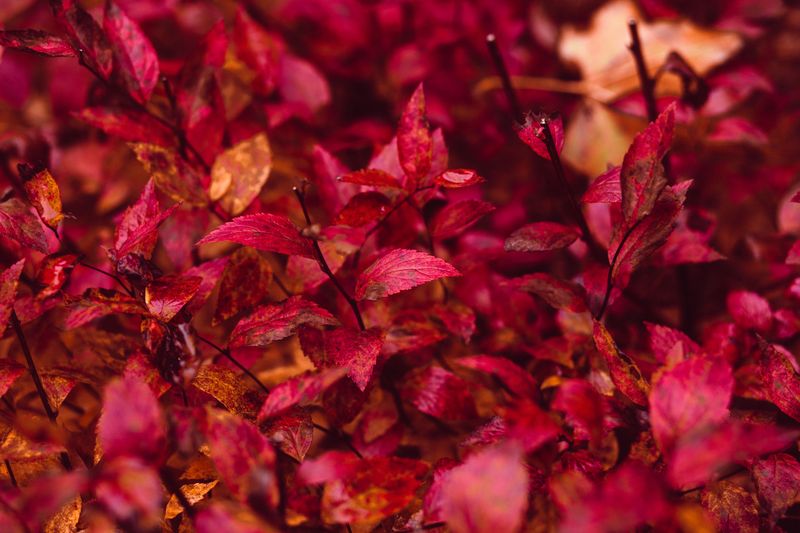
Kodiak Red diervilla is the kind of plant that makes passersby stop and ask what it is. The foliage emerges a rich burgundy-red in spring and holds that dramatic color all season long.
Small yellow trumpet-shaped flowers appear in early summer, attracting native bees and occasionally hummingbirds throughout the season.
The contrast between those sunny blooms and the dark foliage is genuinely striking from across the yard.
As an eco-friendly alternative to burning bush, Kodiak Red checks every important box. It is native to eastern North America, non-invasive, and supports pollinators across multiple seasons.
Fall brings another color shift as the foliage deepens toward orange-red tones before dropping. The seasonal progression keeps the shrub visually interesting from the moment growth begins each spring.
Diervilla tolerates poor soils, slopes, and dry conditions that would stress many other shrubs. It is genuinely one of the toughest plants available for challenging landscape situations.
Mature plants reach three to four feet tall and spread up to five feet wide over time. That low, spreading habit makes Kodiak Red an excellent choice for erosion control on banks or slopes.
This shrub also spreads by suckering, forming attractive colonies that fill in bare areas naturally. Unwanted suckers are easy to remove if you prefer a more controlled, contained shape.
Kodiak Red diervilla is a tough, reliable plant that earns its keep in every season. Once it settles in, it requires minimal care while remaining visually strong season after season.
7. Smokebush
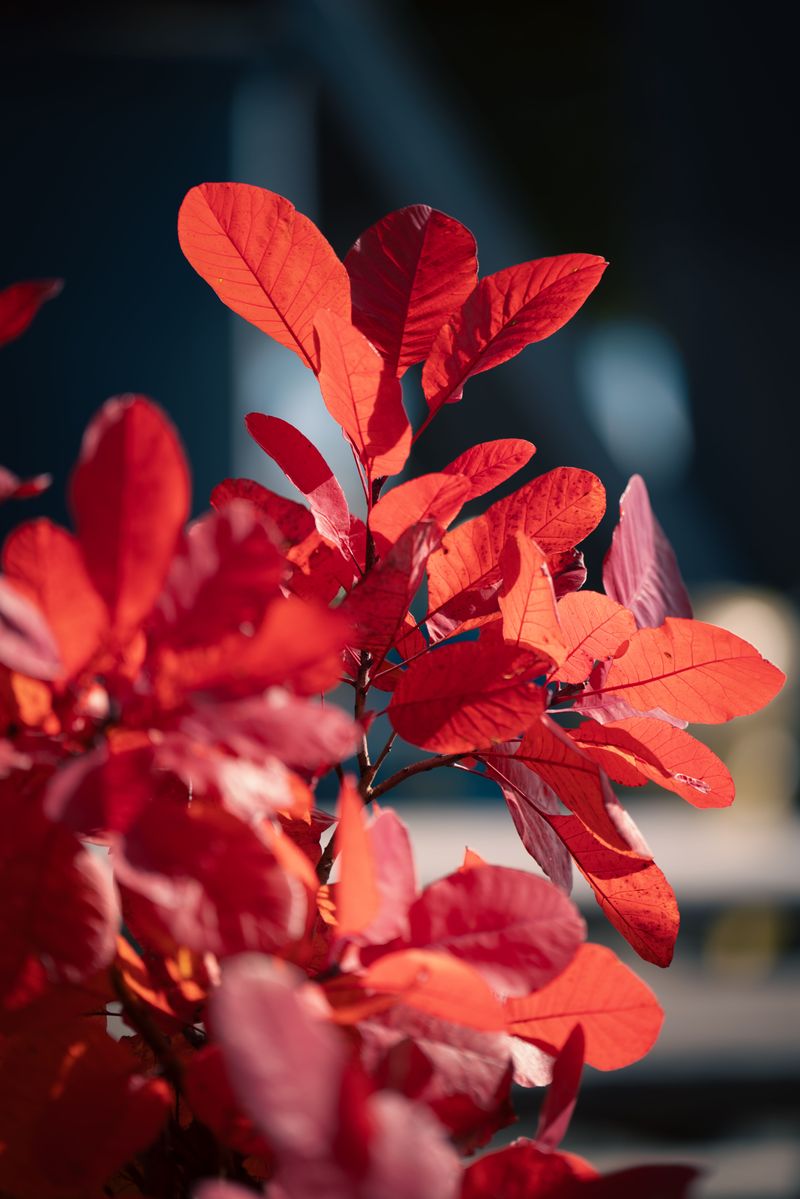
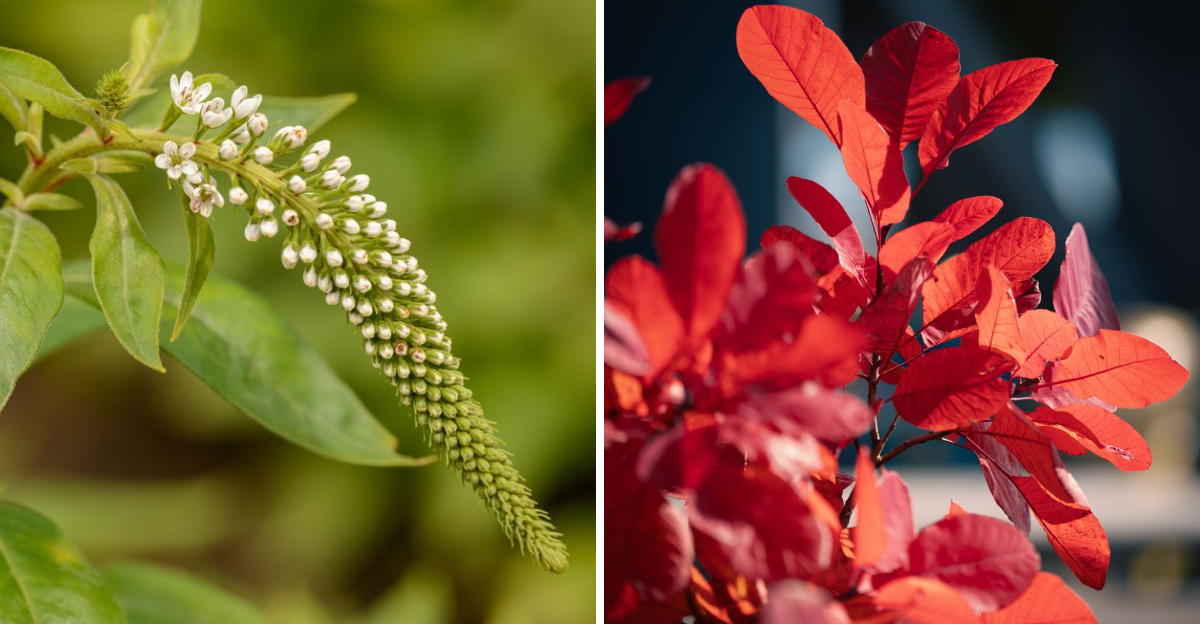
Smokebush makes a strong visual statement that few other shrubs can match. Those billowy, smoke-like plumes of tiny flowers create a misty, ethereal effect that looks almost unreal in the summer garden.
The plumes emerge in early summer and persist for weeks, shifting from pink to a soft grayish-purple as they age. Combined with the deep burgundy foliage of popular cultivars, the effect is genuinely striking.
Fall color on smokebush is equally impressive, with leaves turning shades of orange, red, and yellow before they drop. The seasonal range of this shrub makes it one of the most theatrical eco-friendly alternatives to burning bush available.
Smokebush thrives in full sun and well-drained soil, tolerating drought and poor conditions once established. It dislikes wet feet, so avoid planting in low spots where water tends to collect.
Most cultivars grow eight to fifteen feet tall without pruning, creating a bold specimen or large informal screen. Hard pruning in late winter keeps plants smaller and encourages the lush, large-leafed growth that shows off foliage best.
Most smokebush cultivars sold in garden centers are Cotinus coggygria, a European species.
For stronger ecological value, look specifically for Cotinus obovatus, the American smokebush, which supports local wildlife more effectively.
Note that neither is native to Vermont, making this a non-invasive ornamental choice rather than a strictly native one.
Smokebush pairs beautifully with ornamental grasses and lighter-colored perennials that contrast against its dark foliage. The combination creates layered, magazine-worthy compositions that hold interest across multiple seasons.
Few shrubs command attention the way smokebush does on a warm summer afternoon. Plant it where you want a shrub that earns its place across every season.
8. Virginia Sweetspire
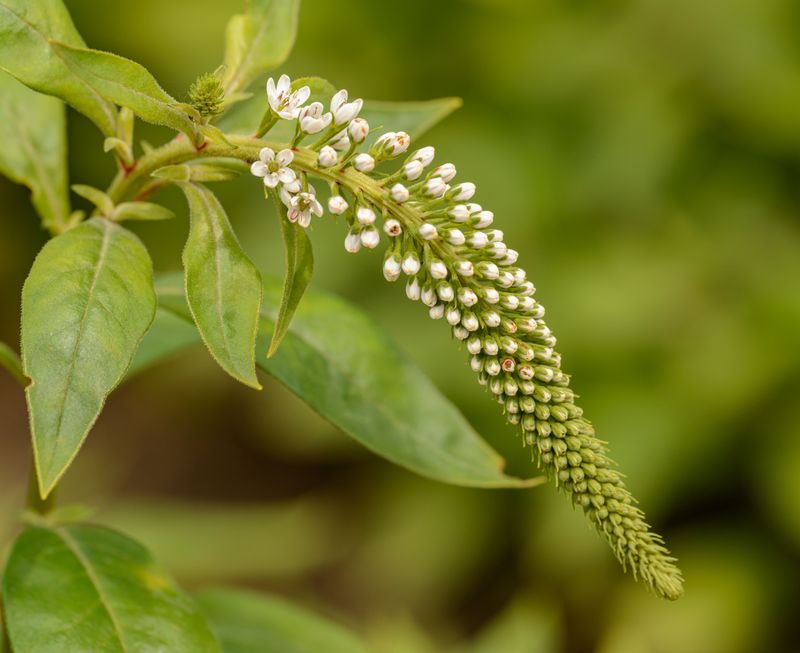
Virginia sweetspire suits gardeners who appreciate seasonal progression, offering something beautiful at every stage of the year.
It starts quietly and builds toward one of the most satisfying fall displays available to Vermont gardeners working with native plants.
Fragrant white flower spikes arch gracefully from branch tips in early summer, filling the air with a light, sweet scent. Bees and butterflies visit those blooms constantly from the moment they open.
When autumn arrives, Virginia sweetspire transforms completely. Foliage shifts through shades of red, orange, burgundy, and purple, often displaying multiple tones simultaneously on a single plant.
As one of the most shade-tolerant eco-friendly alternatives to burning bush, this shrub excels in spots where other plants struggle. It grows happily under trees and along shaded stream banks where sunlight is limited.
Virginia sweetspire also tolerates wet soil conditions, making it ideal for rain gardens, pond edges, or low-lying areas that collect moisture after heavy rainfall. Few shrubs handle both shade and wet feet this gracefully.
Mature plants grow three to five feet tall and spread by suckering to form attractive, naturalistic colonies. Removing suckers is easy if you want a more contained, formal appearance in your landscape.
Wildlife value is solid, with native bees depending heavily on the summer flowers for nectar and pollen. The dense branching also provides nesting cover for small birds throughout the warmer months.
Virginia sweetspire proves that non-invasive alternatives to burning bush can be just as visually rewarding and far more beneficial to local ecosystems.
While its natural range sits south of Vermont, it is cold-hardy and well-suited to the region as a cultivated ornamental. Your garden and the landscape around it both come out ahead when you make this swap.