Why Georgia Vegetable Gardens Slow Down In July And What Gardeners Do About It
One of the most confusing parts of growing vegetables is how quickly things can change. A garden that seemed unstoppable in late spring can look very different a few weeks later.
Plants that were growing fast suddenly appear less productive, and harvest baskets are not always as full as they were earlier in the season.
Many people assume they made a mistake when this happens. They start wondering if they watered too much, watered too little, or missed an important task somewhere along the way.
In reality, midsummer brings a new set of challenges that can affect even healthy and well-maintained gardens.
July is often the point when vegetable plants begin responding to intense heat, warm nights, and changing growing conditions.
Some crops handle the transition better than others, while some need a little extra help to keep performing well.
Gardeners throughout Georgia see this pattern every year.
Knowing what is happening and how experienced growers respond can make a big difference in keeping the garden productive during the second half of summer.
1. High Temperatures Can Slow Pollination And Fruit Set
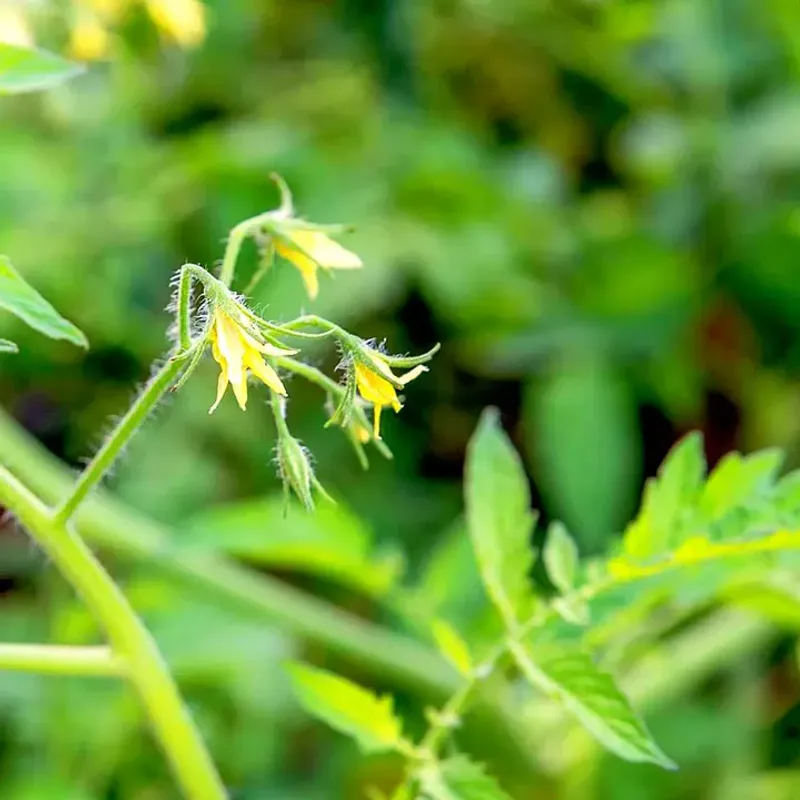
Blossom drop is one of the most frustrating things a gardener can watch happen. You see healthy flowers forming, and then they fall off before any fruit develops.
Heat is usually the reason.
Tomatoes, peppers, and beans are especially sensitive to temperature during pollination. When daytime temps push past 92 degrees, pollen becomes less viable.
Nighttime temperatures above 75 degrees make things worse by preventing the plant from recovering overnight.
Pollen viability drops fast in extreme heat. Even if bees visit the flowers, the pollen may not stick or fertilize properly.
No fertilization means no fruit, regardless of how healthy the plant looks.
Some gardeners in the South try hand-pollinating with a small paintbrush during the cooler morning hours. It does not always work, but it gives flowers a better shot when natural conditions are working against them.
Waiting it out is sometimes the most realistic option. Once nighttime temps drop back below 72 or 73 degrees in late August, pollination often resumes on its own.
Keeping the plant healthy through July gives it the best chance to bounce back. Consistent watering and light fertilizing help maintain the plant without pushing new growth that heat will stress immediately.
2. Warm Nights Can Make Recovery More Difficult
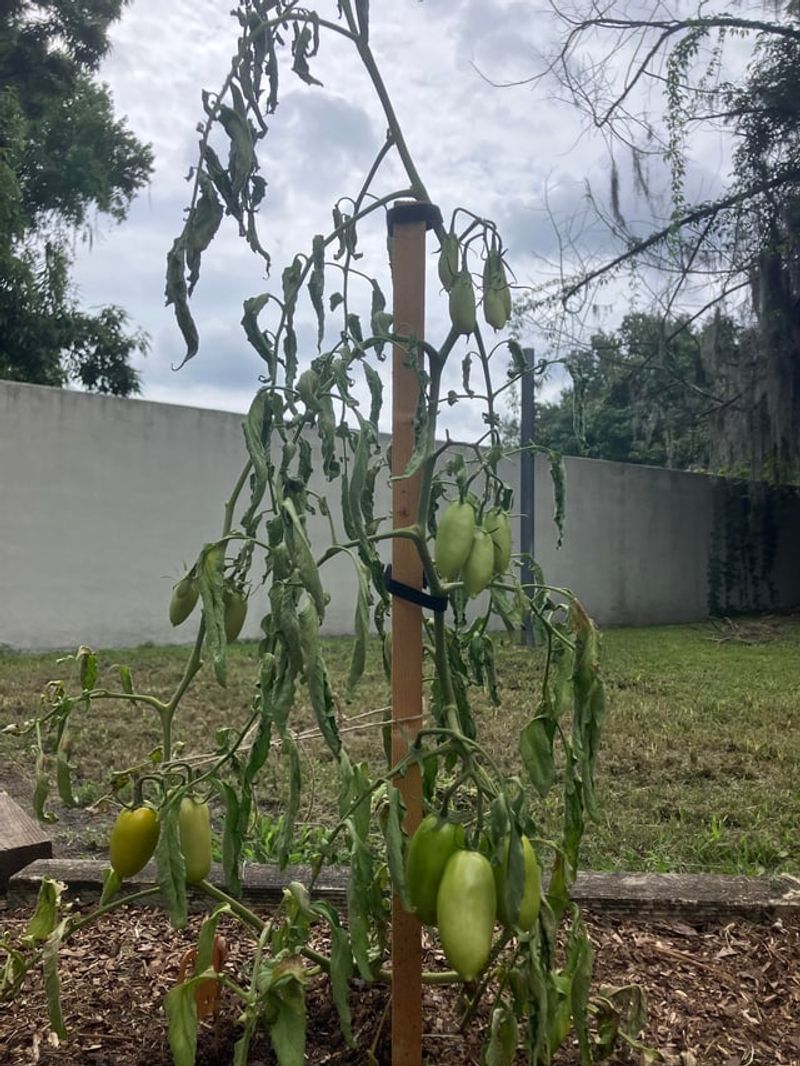
Daytime heat gets most of the attention, but warm nights are actually a bigger problem for many crops. Plants repair themselves at night.
When it stays hot after dark, that repair process gets interrupted.
Respiration rates increase when temperatures stay high overnight. Plants burn through the energy reserves they built up during the day instead of storing them for growth and fruit production.
Over time, this wears plants down in a way that is hard to reverse mid-season.
Tomatoes are a common example. Consistently warm nights can reduce fruit set, leading to fewer tomatoes developing on the plant.
Peppers often react in a similar way, while squash may also begin showing signs of heat stress when nighttime temperatures remain elevated for extended periods.
Your Georgia Garden Changes Every Week. Your Plan Should Too.
Gardening in Georgia changes quickly throughout the season. Every Friday you’ll receive a simple weekly plan showing exactly what to plant, prune, fertilize, harvest, and protect so you never miss the right timing.
There is not much you can do to cool the air around your plants at night. What you can do is reduce other stressors so the plant has more resources available.
Keeping soil moisture consistent, avoiding heavy fertilizer applications, and not over-pruning during peak heat all help.
Some gardeners use row cover fabric loosely draped over plants at night. It traps a little ground warmth, which sounds counterproductive, but it also reduces moisture loss and buffers temperature swings.
Whether that helps in a hot Southern summer depends on the specific night and location. Results tend to vary, so it is worth experimenting in your own garden space.
3. Inconsistent Watering Can Affect Growth And Production
Uneven watering causes more problems than most gardeners expect. It is not just about wilting.
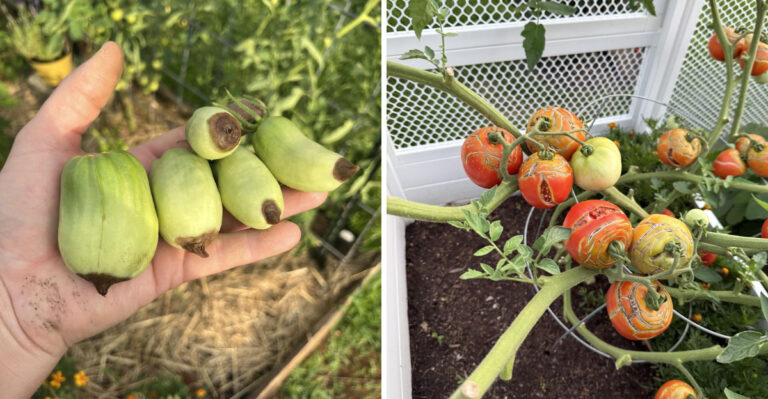
Inconsistent moisture leads to issues like blossom end rot in tomatoes, cracking in tomatoes and peppers, and bitter flavor in cucumbers.
When soil dries out completely between waterings and then gets soaked, plants cannot regulate water uptake properly. Calcium and other nutrients become harder to absorb during those dry periods, even if they are present in the soil.
The result shows up as damaged fruit rather than wilted leaves.
In peak summer heat, most vegetable gardens need about one to two inches of water per week. Sandy soils dry faster and may need more frequent watering.
Clay soils hold moisture longer but can become waterlogged if overwatered. Knowing your soil type matters a lot here.
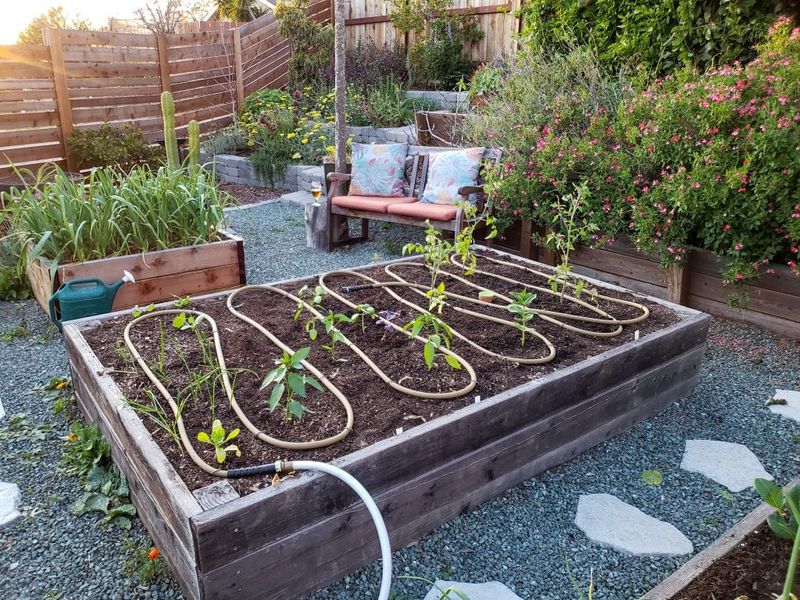
Drip irrigation is one of the most effective tools for maintaining consistent soil moisture. Water goes directly to the root zone, which reduces waste and keeps foliage dry.
Wet leaves in humid summer air invite fungal problems that compound the heat stress already affecting your plants.
Early morning is the best time to water. It gives plants moisture before the hottest part of the day and allows any surface moisture to dry before evening.
A simple moisture meter can remove the guesswork and help you water based on actual soil conditions rather than a fixed schedule.
4. Mulch Helps Soil Hold Moisture During Hot Weather
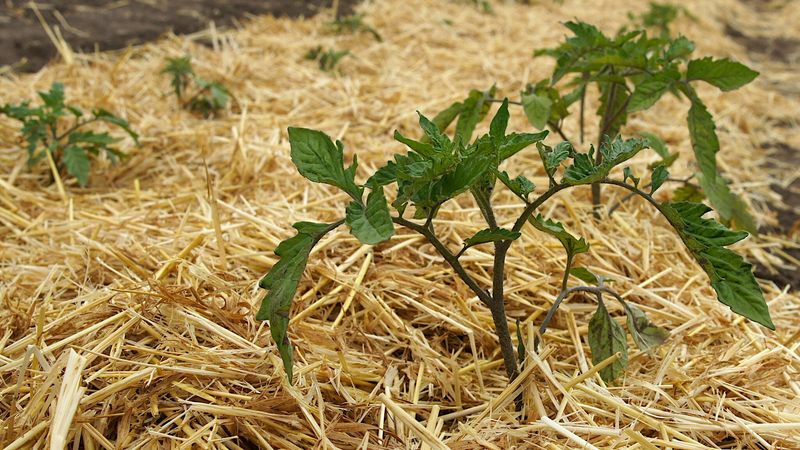
Bare soil in summer is a problem that is easy to fix. Without cover, soil temperatures can reach 130 degrees or higher at the surface.
Roots sitting in that kind of heat struggle to function, even when the air temperature is slightly cooler.
A three to four inch layer of organic mulch changes things dramatically. Straw, wood chips, and shredded leaves all work well.
Mulch keeps soil cooler, reduces evaporation, and limits weed competition, which matters because weeds compete directly for water during dry stretches.
Straw is a popular choice in vegetable gardens because it is lightweight, easy to spread, and breaks down over time to add organic matter.
Wood chips work well around pathways and perennial beds but can be heavier to manage in tight planting spaces. Shredded leaves are a free option if you have trees on your property.
Mulch also buffers soil moisture swings. When it rains heavily and then stays dry for a week, mulched soil holds onto moisture longer than bare ground.
That consistency helps plants avoid the stress cycle that leads to cracked fruit and nutrient uptake problems.
Pull mulch back a few inches from plant stems to prevent rot where the stem meets the soil. Keep it thick between rows and around the drip line of each plant.
Reapply as it breaks down through the season to maintain an effective layer throughout summer.
5. Shade Cloth Can Reduce Stress During Extreme Heat
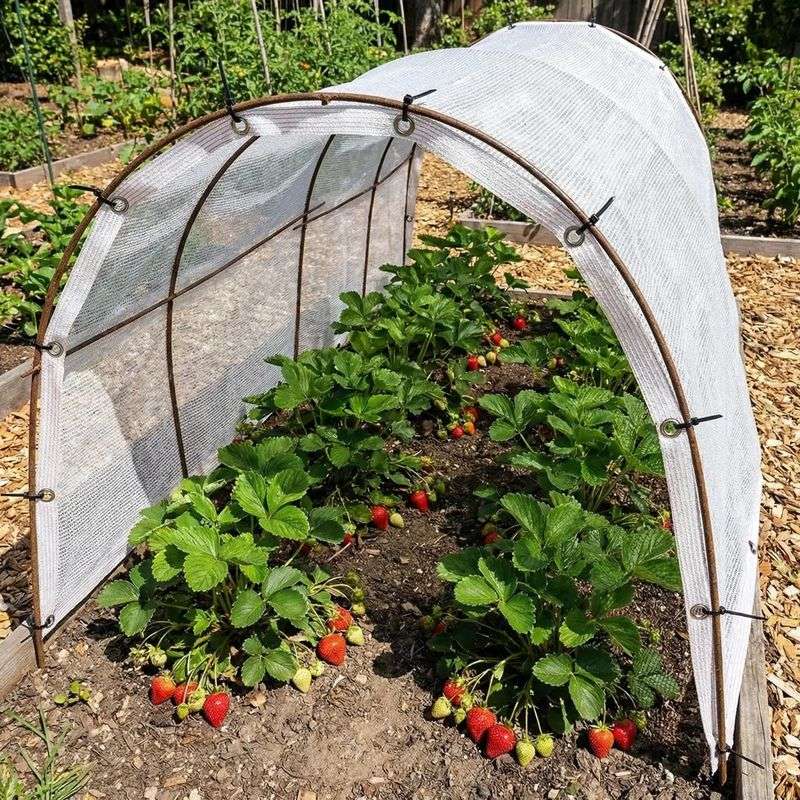
Not every crop needs full sun all day in the middle of summer. Shade cloth gives gardeners a way to dial back intense afternoon sun without blocking the morning light that most vegetables actually need.
A 30 percent shade cloth is a reasonable starting point for most vegetable gardens. It reduces light intensity without cutting too much.
Some crops like lettuce, spinach, and herbs actually prefer partial shade in summer and will bolt quickly without protection from afternoon heat.
Tomatoes and peppers are trickier. They need plenty of light to produce well, but sustained afternoon temperatures above 95 degrees can cause fruit scald and blossom drop.
A shade cloth that blocks the harshest afternoon sun from roughly 2 to 5 p.m. can reduce heat load without significantly reducing overall productivity.
Setting up shade cloth does not have to be complicated. Simple PVC pipe frames or wooden stakes with clips hold fabric in place without permanent structures.
Some gardeners use old bedsheets or burlap in a pinch, though those materials are less durable and less breathable than purpose-made shade fabric.
Watch your plants after installing shade cloth. If they start to stretch toward light or produce fewer flowers, the cloth may be blocking too much.
Adjust the coverage angle or switch to a lighter percentage. Every garden has slightly different sun exposure, so some trial and adjustment is normal.
6. Harvesting Frequently Can Encourage Continued Production
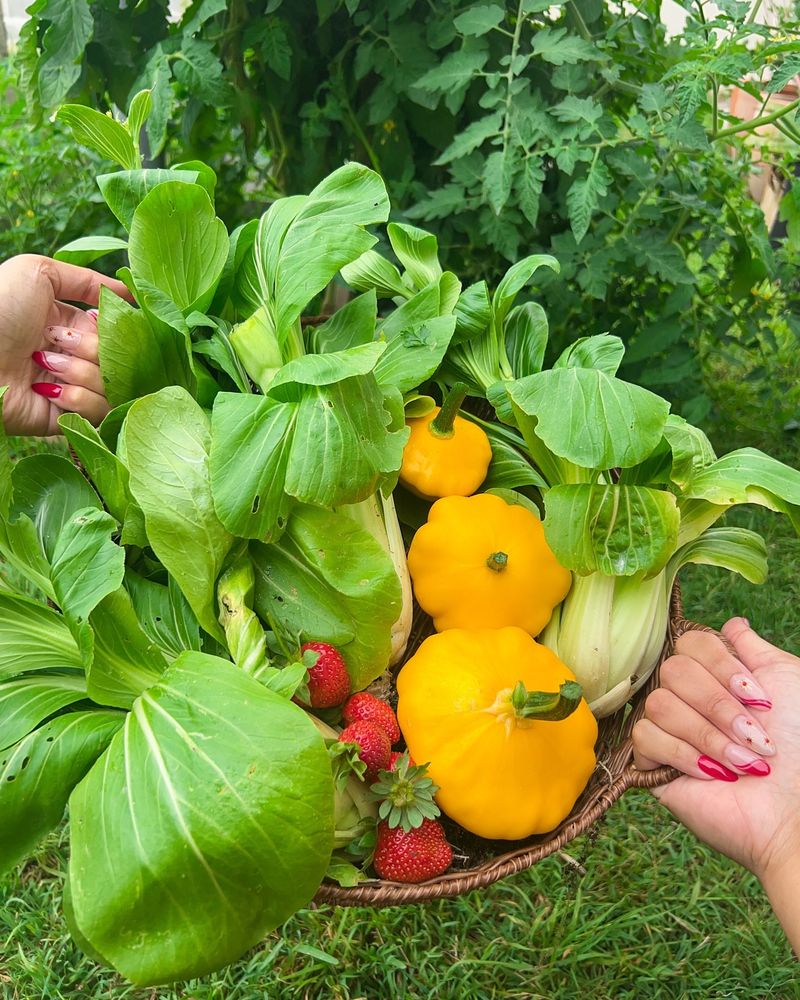
Leaving ripe vegetables on the plant sends a signal that the plant’s job is done. Once a plant senses it has produced mature seeds, it naturally slows down or stops producing new fruit.
Regular harvesting interrupts that cycle.
Zucchini is the clearest example most gardeners know. Miss a few days and a zucchini the size of your forearm appears.
That oversized fruit tells the plant to redirect energy away from new growth. Harvesting every two to three days keeps production moving steadily.
Beans, cucumbers, and okra follow the same pattern. Okra in particular gets fibrous and tough when left too long, and the plant slows down noticeably if pods are not picked at the right stage.
Consistent harvesting keeps okra plants productive well into late summer.
Even with crops that are struggling in the heat, removing spent or damaged fruit helps. Rotting fruit left on the plant attracts pests and uses up energy the plant could direct elsewhere.
Cleaning up the garden regularly is a simple habit that pays off in continued production.
Morning harvests are easiest on both you and the plants. Temperatures are lower, vegetables are firmer and easier to handle, and you can assess the overall health of your garden while conditions are comfortable.
Bringing a small notebook to track what you pick and what you notice can help you spot patterns and adjust care before small problems become bigger ones.
7. Heat-Tolerant Crops Often Perform Better In Mid-Summer
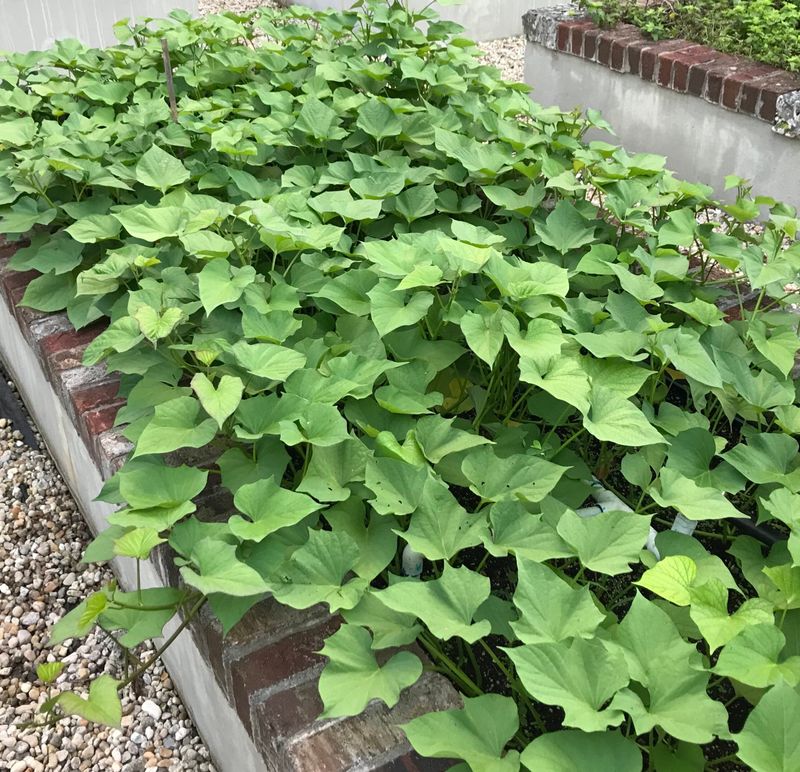
Some plants were built for this kind of heat. While tomatoes and squash start to struggle in July, crops like okra, sweet potatoes, southern peas, and Armenian cucumber hit their stride.
Leaning into what actually grows well in summer heat is a smarter strategy than fighting it.
Okra is practically made for hot, humid summers. It tolerates drought better than most vegetables, produces heavily when harvested regularly, and keeps going when other crops have long since stopped.
Sweet potatoes spread out and fill garden space that might otherwise go unused while the heat rules.
Southern peas, including black-eyed peas and crowder peas, are another reliable choice. They fix nitrogen in the soil while producing a crop, which benefits whatever you plant after them in fall.
They need minimal care once established and handle heat without the fuss that tomatoes require.
Herbs like basil, rosemary, and lemongrass thrive in summer heat too. Basil can bolt in extreme temperatures, but regular pinching keeps it productive.
Rosemary practically ignores summer conditions once it is established in well-drained soil.
Planting heat-tolerant crops now also sets you up for a stronger fall garden. Sweet potato vines suppress weeds and improve soil structure.
Southern peas leave behind nitrogen that fall brassicas and greens will use. Working with the season rather than against it tends to produce better results with far less effort overall.