The One Thing Pennsylvania Gardeners Should Do To Their Lawn Right Now To Reduce Tick Habitat

Tick prevention in a Pennsylvania yard involves a lot more than checking yourself after a hike. What is happening in your own backyard matters quite a bit, and the way your lawn is maintained plays a bigger role in tick habitat than most homeowners ever think about.
Ticks are not randomly distributed across a yard. They gravitate toward specific conditions, shaded spots, brushy edges, leaf litter, and areas where grass gets tall enough to provide ground-level cover and humidity.
Regular mowing is one of the simplest and most overlooked tools in that equation, especially near play spaces, seating areas, and fire pit zones where your family and pets spend the most time.
The good news is that some of the most effective steps for reducing tick pressure are also the most straightforward ones in everyday yard care.
1. Short Grass Makes High-Use Areas Less Tick-Friendly

Grass height matters more than most Pennsylvania homeowners expect when it comes to reducing tick habitat close to home.
Ticks tend to stay low to the ground and wait in shaded, moist spots where vegetation gives them cover and a chance to brush onto a passing person or pet.
Keeping lawn areas mowed short in the spots where your family actually spends time is one of the most practical things you can do right now.
Short grass dries out faster after rain, which ticks find less comfortable. It also reduces the shady, sheltered conditions that ticks tend to prefer.
A well-maintained lawn in a high-use zone creates a less hospitable environment compared to an overgrown patch left to grow unchecked.
Pennsylvania yards often sit near wooded areas, hedgerows, or brushy borders, which means ticks can move in from the edges fairly easily.
Keeping the turf itself short in frequently used spaces helps create a buffer between those edge habitats and the areas where your kids, pets, and guests spend time.
Aim to mow regularly so grass in high-use areas stays at a height that limits cover without stressing the lawn. Consistency matters more than any single mowing session.
A lawn that gets mowed short once but then grows tall again quickly gives ticks a chance to reestablish comfortable conditions, so staying on a regular schedule through the season helps keep that habitat less favorable over time.
2. Play Areas Need The Closest Attention
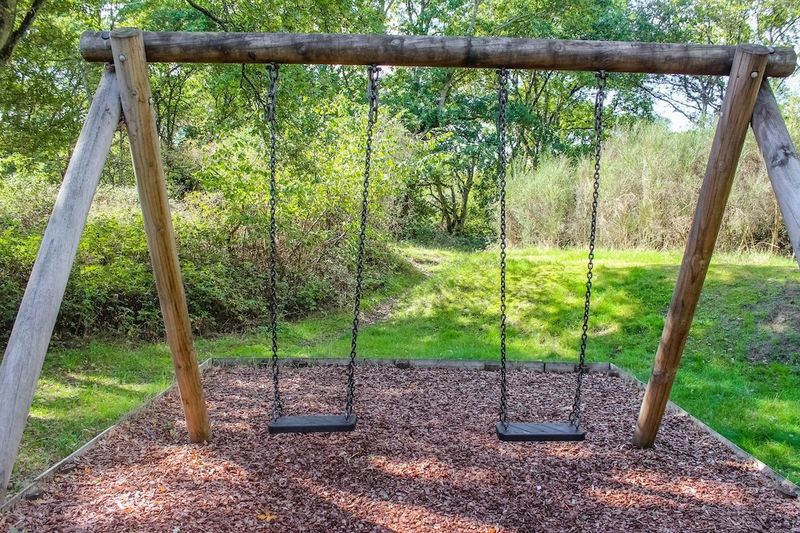
Swing sets, sandbox borders, and the worn paths kids create between the back door and the yard edge deserve some of the closest mowing attention in any Pennsylvania yard.
Children spend a lot of time close to the ground in play areas, which means their exposure to tick habitat can be higher than it is for adults sitting in chairs or walking across the lawn.
Keeping the grass around play equipment as short as reasonably possible is a straightforward step that can help reduce that contact.
Ticks are often associated with taller grass, brushy edges, and leaf litter, so play zones that sit near a fence line, a garden bed, or a wooded corner can face more pressure from ticks moving in from those edges.
Your Pennsylvania Garden Changes Every Week. Your Plan Should Too.
Gardening in Pennsylvania changes quickly throughout the season. Every Friday you’ll receive a simple weekly plan showing exactly what to plant, prune, fertilize, harvest, and protect so you never miss the right timing.
Mowing frequently around these spots and keeping the surrounding area tidy helps reduce the conditions ticks find comfortable.
It also helps to pay attention to shaded corners near play equipment. A swing set tucked under a tree or beside a shrub creates the kind of shaded, slightly moist environment that ticks tend to prefer.
Trimming back overhanging branches and keeping the turf short in those areas reduces that shelter.
Pennsylvania summers keep kids outside for long stretches, so the play area is not a place to let mowing slide.
Checking this zone every time you mow the rest of the lawn helps ensure that the space where children spend the most time stays as tick-unfriendly as possible throughout the season.
3. Seating Areas Should Stay Trimmed
Chairs pulled close to a patio edge, a bench tucked near a garden bed, or a couple of Adirondacks settled into a corner of the lawn all create spots where people sit for extended periods close to the ground.
Those low, comfortable seating spots are exactly where tick contact can happen without anyone noticing.
Keeping the grass trimmed short around seating areas is an easy habit that takes little extra effort but adds meaningful value to a Pennsylvania yard.
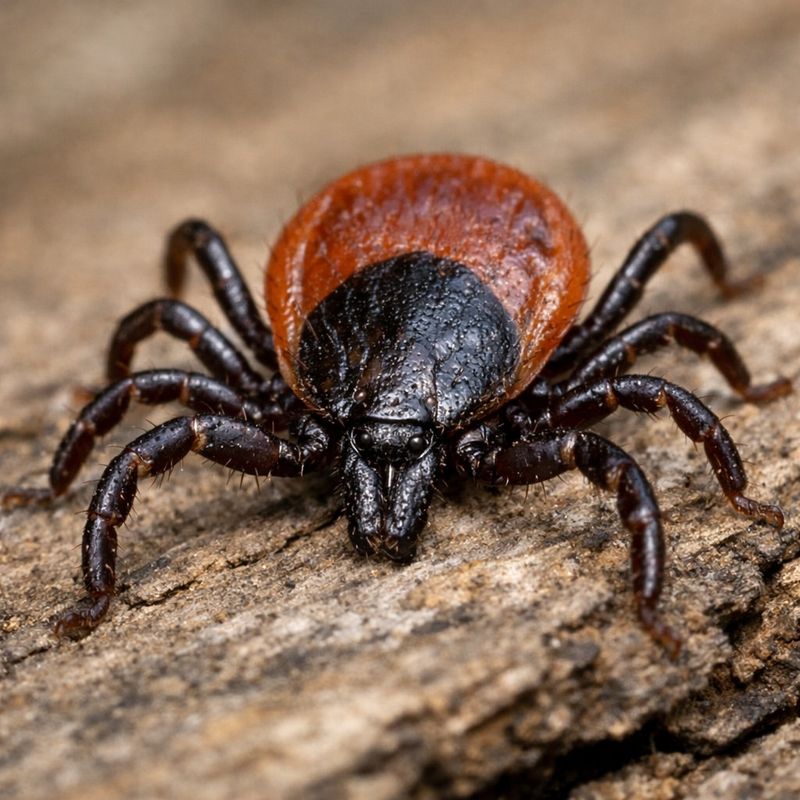
Ticks do not jump or fly. They wait on vegetation and latch on when something brushes past.
Grass that grows tall around a chair or bench gives ticks more surface area to wait on, which raises the chances of contact for anyone relaxing nearby. Short, regularly mowed turf around seating areas reduces that waiting habitat close to where people spend time.
Shaded seating spots near trees or shrubs deserve extra attention because shade keeps grass moist longer after rain, which creates conditions ticks find more comfortable.
Trimming the turf in those spots more frequently during warmer months, when tick activity tends to be higher, is a sensible approach for Pennsylvania homeowners who enjoy spending time outside.
It also helps to keep the edges around garden beds or planters near seating areas clear of tall grass and debris. Those small transitions between lawn and garden can quietly become tick habitat if they are left unmanaged.
Staying on top of those edges alongside regular seating-area mowing helps keep the whole zone less inviting to ticks.
4. Fire Pit Zones Benefit From Regular Mowing
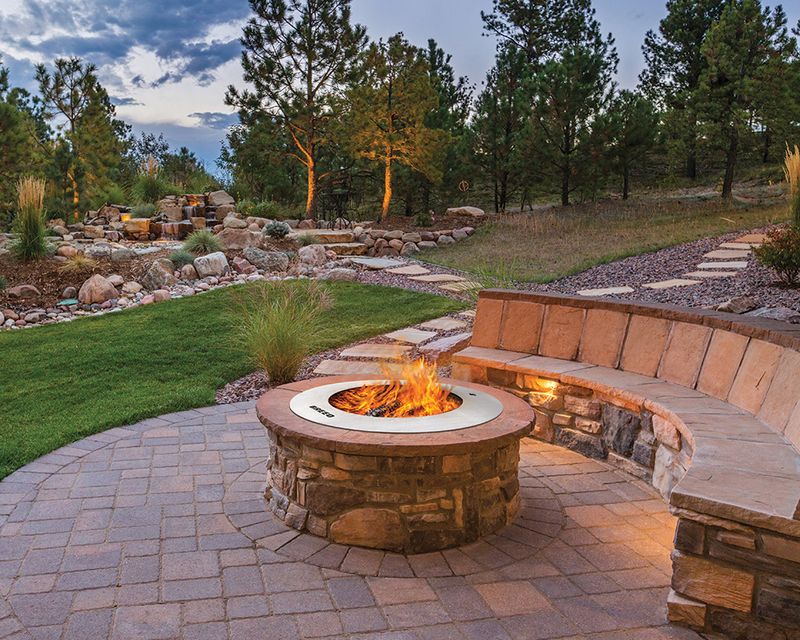
Long summer evenings around a fire pit are one of the best parts of a Pennsylvania backyard, but the grass and vegetation surrounding those gathering spots can quietly become tick habitat if mowing is skipped.
Fire pit zones often sit toward the back of a yard, sometimes near a tree line, a brushy border, or an area where the lawn transitions into something less managed.
That positioning can put them closer to the edge habitat where ticks are most commonly found.
Keeping the turf mowed short in the ring around a fire pit helps reduce the cover ticks need to wait near a spot where people regularly sit close to the ground.
People gather in fire pit areas for extended periods, often in the evening when checking for ticks may not be top of mind.
Short grass in that zone removes some of the habitat ticks rely on near a well-used gathering space.
If the fire pit sits near a wooded edge or beside tall ornamental grasses, the risk of tick pressure from those surrounding areas increases.
Mowing a clear, short buffer zone around the fire pit and keeping ornamental plantings trimmed back from the seating ring can help reduce that edge exposure.
Pennsylvania homeowners who use their fire pit spaces regularly through spring, summer, and fall benefit from treating that area the same as any other high-use lawn zone.
Consistent mowing, combined with clearing leaves and debris that collect near the pit, helps keep the space comfortable and the habitat conditions less favorable for ticks nearby.
5. Lawn Edges Need Extra Care
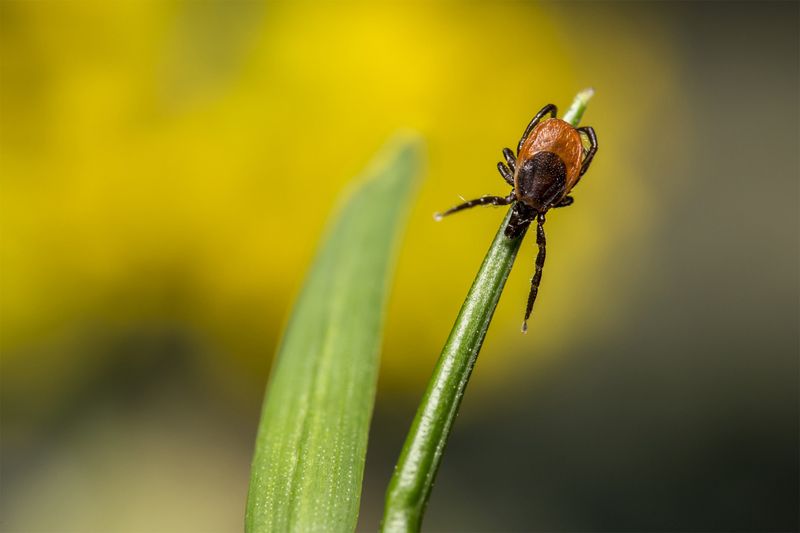
The border where a mowed lawn meets a wooded area, a fence line, or an unmaintained strip of tall grass is often where tick habitat begins.
Pennsylvania yards with wooded edges, overgrown corners, or brushy property lines can experience more tick pressure along those transitions than in the open turf farther from the edge.
Paying close attention to lawn edges is one of the more useful habits a Pennsylvania homeowner can build into a regular mowing routine.
Ticks tend to gather in areas with taller vegetation, shade, and moisture, and lawn edges often provide all three.
Grass that grows a little taller along a fence because the mower cannot quite reach it, or a strip of weeds that fills in beside a garden bed, creates exactly the kind of low-cover habitat where ticks can wait near the paths people and pets use regularly.
A string trimmer or edger used after mowing can help reach the spots a mower misses along fence lines, shed paths, and garden borders.
Keeping those strips as short as the surrounding turf reduces the habitat available along routes that family members and pets travel frequently.
In Pennsylvania, the edge between a maintained lawn and a wooded or brushy area is sometimes called the transition zone, and it deserves consistent attention through the whole active season.
Mowing right up to that edge and trimming back any overhanging brush or tall vegetation helps reduce the buffer of tick-friendly cover between the natural landscape and the managed yard where people spend their time.
6. Leaf Litter Can Undo The Work
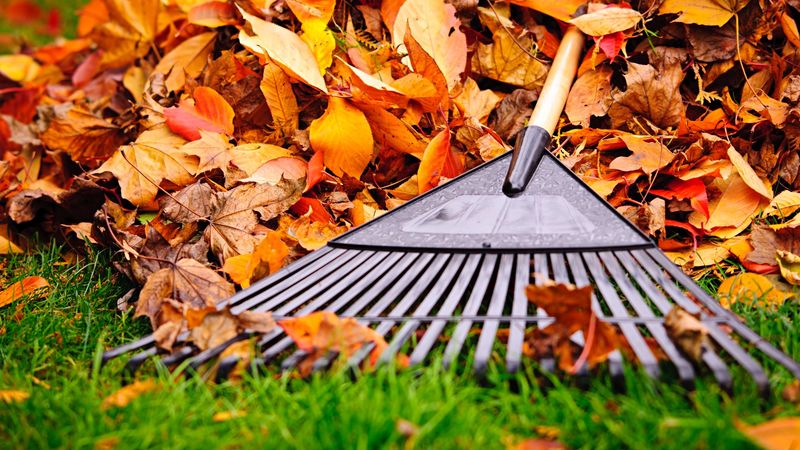
A lawn that gets mowed regularly can still harbor tick habitat if leaf litter is allowed to collect in corners, along fence lines, or beneath shrubs.
Fallen leaves create a layer of cool, moist, shaded cover that ticks find comfortable, especially during the fall months when leaf drop is heavy across Pennsylvania.
Skipping leaf cleanup while keeping up with mowing means only part of the job is getting done.
Leaf litter tends to gather in the same spots that already present tick habitat concerns – along wooded edges, beside garden beds, under trees, and in low corners where air movement is limited.
Those are the areas where ticks are most likely to be present, and a deep layer of damp leaves gives them shelter through cooler weather when they remain active.
Raking or blowing leaves away from high-use lawn areas, seating zones, play spaces, and fire pit spots removes that layer of cover near the places your family spends the most time.
Leaves do not need to be removed from the entire property, but clearing them from the areas closest to daily activity is a practical step that complements regular mowing.
Pennsylvania falls can drop a significant volume of leaves in a short period, so staying on top of leaf cleanup rather than waiting until all the leaves have fallen helps prevent thick layers from building up near the yard.
Combining consistent mowing with timely leaf removal keeps the habitat conditions less favorable for ticks across both the lawn surface and the ground-level cover beneath it.
7. Mowing Works Best With Brush Cleanup
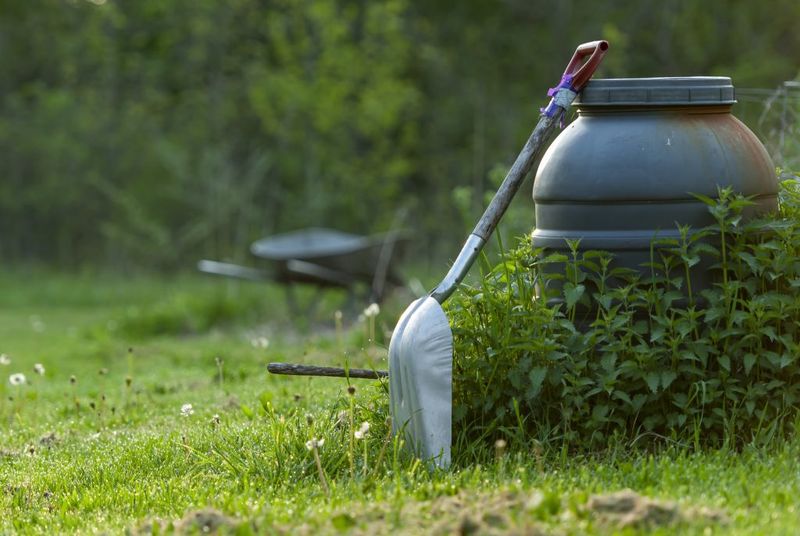
Brushy borders, overgrown shrub edges, and neglected patches of tall vegetation along a property line can quietly undermine all the work that goes into keeping lawn areas mowed short. Ticks do not stay only in unmowed grass.
They move through brushy vegetation, tall weeds, and densely planted borders just as readily, and those areas often sit right beside the lawn spaces where families spend time.
Mowing the turf while leaving brushy edges unchecked leaves a significant portion of the nearby tick habitat in place.
Trimming back overgrown shrubs, cutting down tall weeds along fence lines, and clearing out brushy patches near pathways and play areas removes the kind of dense, shaded vegetation that ticks tend to use for cover and movement.
In Pennsylvania yards that back up to woods or sit near natural areas, brushy growth along the property edge can serve as a corridor that brings ticks closer to the managed lawn.
It does not take a major landscaping project to make a difference.
Clearing a brushy strip along a fence, cutting back an overgrown shrub near a seating area, or removing a weedy patch beside the shed path are manageable tasks that pair well with regular mowing to reduce habitat conditions close to daily activity.
Thinking of mowing and brush cleanup as two parts of the same effort rather than separate tasks helps keep the whole yard in better shape through the season.
Pennsylvania homeowners who combine consistent mowing in high-use areas with regular trimming and clearing of brushy borders give ticks fewer comfortable places to establish close to home.