Stop Blaming The Weeds, These Pennsylvania Yard Habits Are The Reason They Keep Coming Back
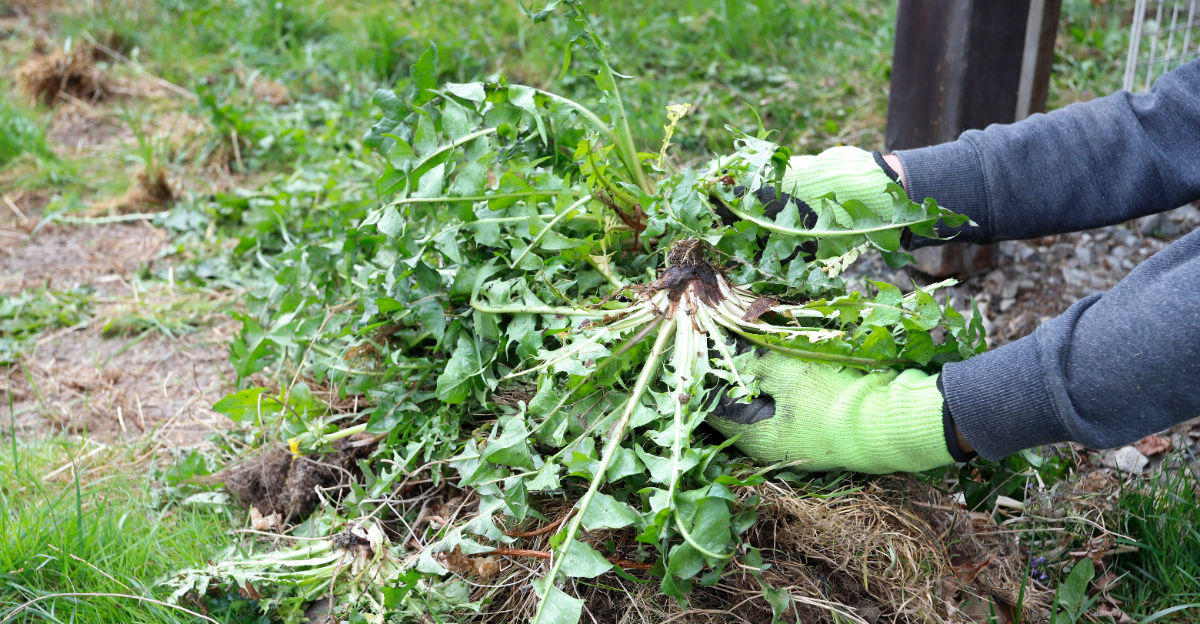
You pull them. You spray them. You crouch in the mud cursing them. And every single spring, they come back.
Sound familiar? Many Pennsylvania homeowners spend years fighting the same weeds in the same spots without ever stopping to ask a simple question: why do they keep winning?
The honest answer might be uncomfortable.
Weeds are not some unstoppable force of nature descending on your yard. They are opportunists. They move in when your lawn gives them an opening.
And a lot of common yard habits, ones that feel totally reasonable, are handing them exactly what they need to settle in and multiply.
Not spraying habits. Not fertilizer habits. The everyday stuff.
The mowing height you never questioned. The watering schedule that feels fine. The fall repair you keep putting off until spring.
Small routines add up to serious weed pressure over time, and fixing them costs far less than another summer of losing the battle. Ready to find out which habits are working against you?
1. Mowing Too Low Opens Soil
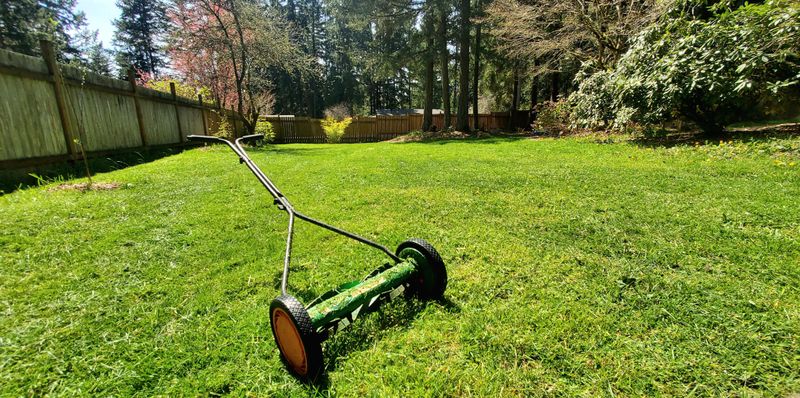
Grass height is not just an aesthetic choice. It is one of the most powerful weed-control decisions you make all season, and most people set the mower deck without ever thinking twice about it.
Cutting cool-season grasses like tall fescue and Kentucky bluegrass too short thins the canopy fast. Sunlight hits the soil surface directly.
Weed seeds that have been sitting dormant in the ground for months suddenly get the signal they were waiting for.
Crabgrass, goosegrass, and broadleaf weeds all love low-mowed lawns. You are basically rolling out a welcome mat every time you drop below 2.5 inches.
Taller grass shades its own root zone. That keeps soil cooler, holds moisture longer, and creates conditions that weed seedlings genuinely struggle with.
Raising your mower deck by just one notch can produce a visible difference within a single growing season. A target of 3 to 4 inches through the growing season is generally the sweet spot for Pennsylvania cool-season turf.
Never remove more than one-third of the grass blade in a single mowing pass. Cutting too much at once stresses the plant and slows recovery, leaving it vulnerable right when weeds are hunting for weak spots.
A stressed lawn after an aggressive mow is basically an open invitation. Mowing correctly and consistently at the right height is one of the cheapest weed-control tools available.
Who knew the secret solution was just lifting a lever?
2. Leaving Thin Turf Unrepaired
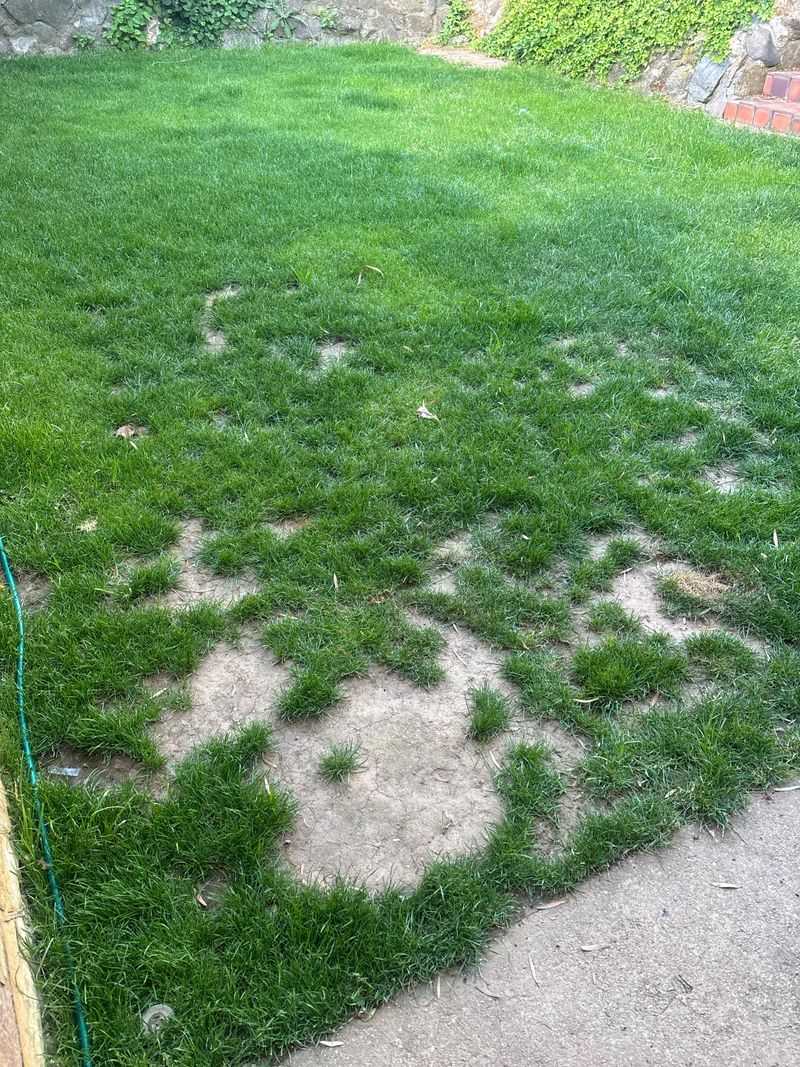
Bare spots do not sit empty and wait politely for you to fix them. Something always moves in first, and it is almost never the grass you wanted.
Dandelions, plantain, and clover are built for exactly this kind of opportunity.
They colonize weak or bare areas faster than most grasses can recover, especially when those patches go unaddressed from fall through spring green-up.
A patch as small as a few square inches can turn into a weed cluster by midsummer. That is how fast the math works against you.
The fix is not complicated, but timing matters a lot. Late August through mid-September is the ideal window for seeding cool-season grasses in Pennsylvania.
Your Pennsylvania Garden Changes Every Week. Your Plan Should Too.
Gardening in Pennsylvania changes quickly throughout the season. Every Friday you’ll receive a simple weekly plan showing exactly what to plant, prune, fertilize, harvest, and protect so you never miss the right timing.
Soil temperatures are still warm enough for strong germination. Air temperatures are cooler. Fall rains are generally more reliable. Young seedlings establish with far less stress than they would face in a hot, dry May.
Before overseeding, loosen the top quarter inch of soil with a rake. Good seed-to-soil contact is not optional. Water lightly and consistently until seedlings are well established and thick enough to shade the ground themselves.
Skipping fall repair means heading into spring with the exact same bare spots. Weeds will claim them before your lawn even wakes up from dormancy.
Repair in fall, thank yourself in June. Your future self with a full Saturday and no weeding to do will appreciate the effort.
3. Watering Light And Too Often
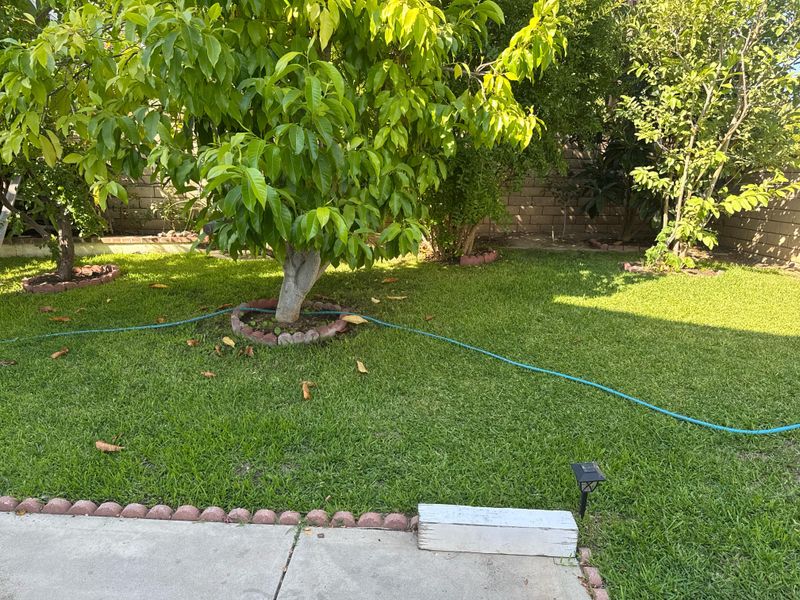
Daily light watering feels like good lawn care. It feels attentive, responsible, like you are showing up for your yard every single day. The problem is that your grass roots are not impressed, and the weeds absolutely are.
When water is always available near the surface, grass roots have no reason to grow deep. They stay shallow, stay fragile, and struggle badly when a dry stretch arrives.
Meanwhile, weeds like plantain and spurge have deep taproots that reach moisture far below the zone your shallow-rooted grass can access. Frequent light watering gives them a real competitive advantage.
The smarter approach is deep and infrequent. About one inch of water per week, applied in one or two longer sessions rather than daily sprinkles, encourages roots to follow moisture downward.
That builds a stronger, more drought-tolerant turf system over time, one that can actually compete with what is trying to move in from the edges of your lawn.
Water early in the morning. Evaporation is lower. Grass blades have time to dry before evening, which reduces the risk of fungal issues that a weakened lawn really does not need on top of weed pressure.
A simple rain gauge placed in the yard tracks how much water your lawn actually receives each week from both irrigation and rainfall. That small tool can completely change how you manage watering.
Deep roots, strong turf, fewer weeds. Not bad for just watering less often. Your water bill might even thank you.
4. Missing Crabgrass Prevention Timing
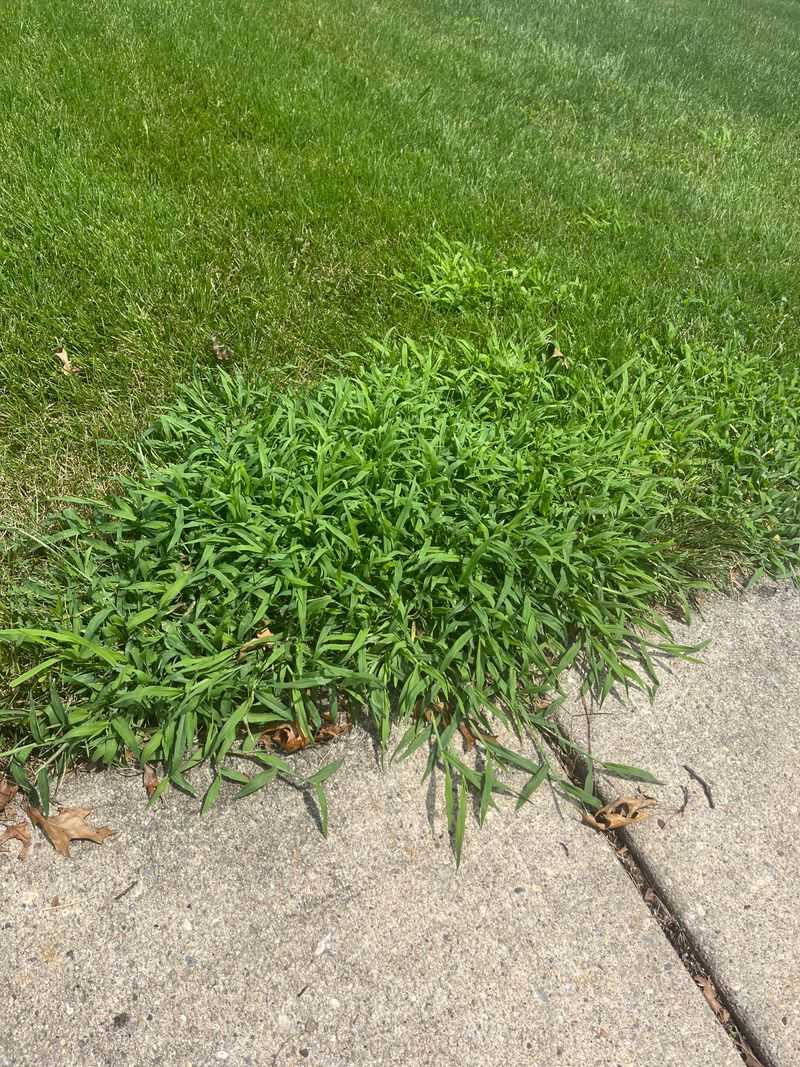
By the time you spot crabgrass spreading across your lawn in July, you have already lost that particular round.
The window to stop it closed weeks ago, and no amount of spraying is going to fix the current season at that point.
Preemergent herbicides work by creating a barrier in the soil that prevents weed seeds from sprouting. They have to be applied before germination starts.
In Pennsylvania, crabgrass typically begins sprouting when soil temperatures at a two-inch depth reach around 55 degrees Fahrenheit for several consecutive days.
That usually happens somewhere between mid-April and early May depending on where in the state you are.
One reliable local cue worth knowing: forsythia bloom signals that soil is approaching that threshold. When the yellow flowers appear, the clock is running.
A split application, one in early spring and a follow-up four to six weeks later, extends the protection window and improves results significantly.
One important conflict to plan around: preemergent products block all seed germination, including grass seed. Overseeding in spring and applying preemergent at the same time means neither works the way you want.
Fall overseeding followed by spring preemergent is the smarter sequence for lawns managing both thin turf and annual weed pressure.
Plan the calendar once and stop reactively chasing crabgrass every July. Future you will be very grateful for the forethought, and current you will have a much better summer.
5. Ignoring Soil Test Results
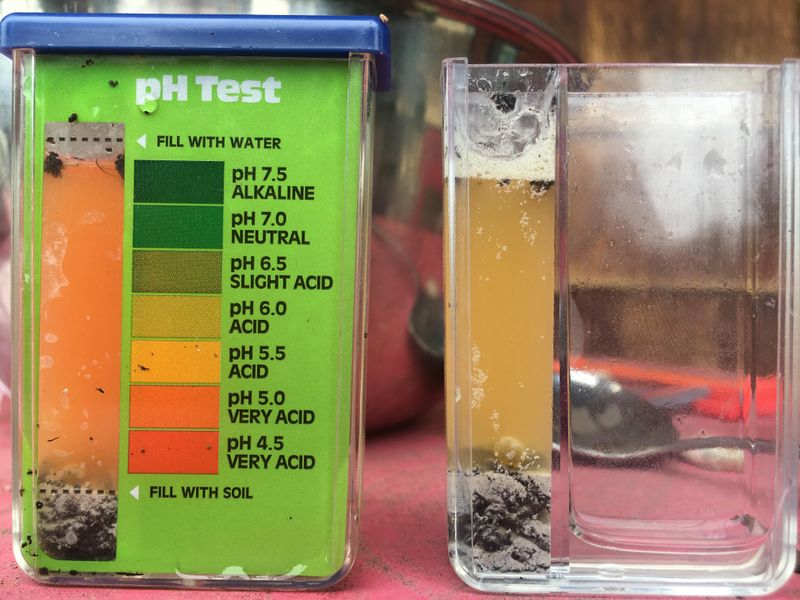
Here is something that almost nobody does, and it explains a lot.
Many Pennsylvania homeowners spend money on fertilizer, herbicides, and lawn seed every single year without ever checking whether their soil can actually support the grass they are trying to grow.
Grass that struggles to grow thick is grass that weeds will always outcompete. Soil pH is one of the biggest reasons cool-season turf stays thin and weedy, and it is almost invisible without a test.
When pH drifts outside the 6.0 to 7.0 range that Pennsylvania grasses prefer, nutrients lock up in the soil and become unavailable to roots, even when fertilizer has been applied.
Low pH is common across much of Pennsylvania, particularly in areas with older, more acidic soils.
Applying lime based on actual test results raises pH gradually and unlocks nutrients that were already there. The result is noticeably thicker, greener turf that can crowd out weeds on its own without relying entirely on herbicides.
Soil chemistry shifts over time due to rainfall, fertilizer applications, and organic matter breakdown. Testing every two to three years keeps you calibrated to what is actually happening underground.
Skipping the test means guessing, and guessing usually means fixing the wrong problem, or spending money on fertilizer that disappears into soil that cannot use it.
Healthy soil is the foundation of a weed-resistant lawn, and no amount of spraying replaces it. Get the test. It costs less than one bag of fertilizer and might save you from buying ten more.
6. Letting Weeds Set Seed
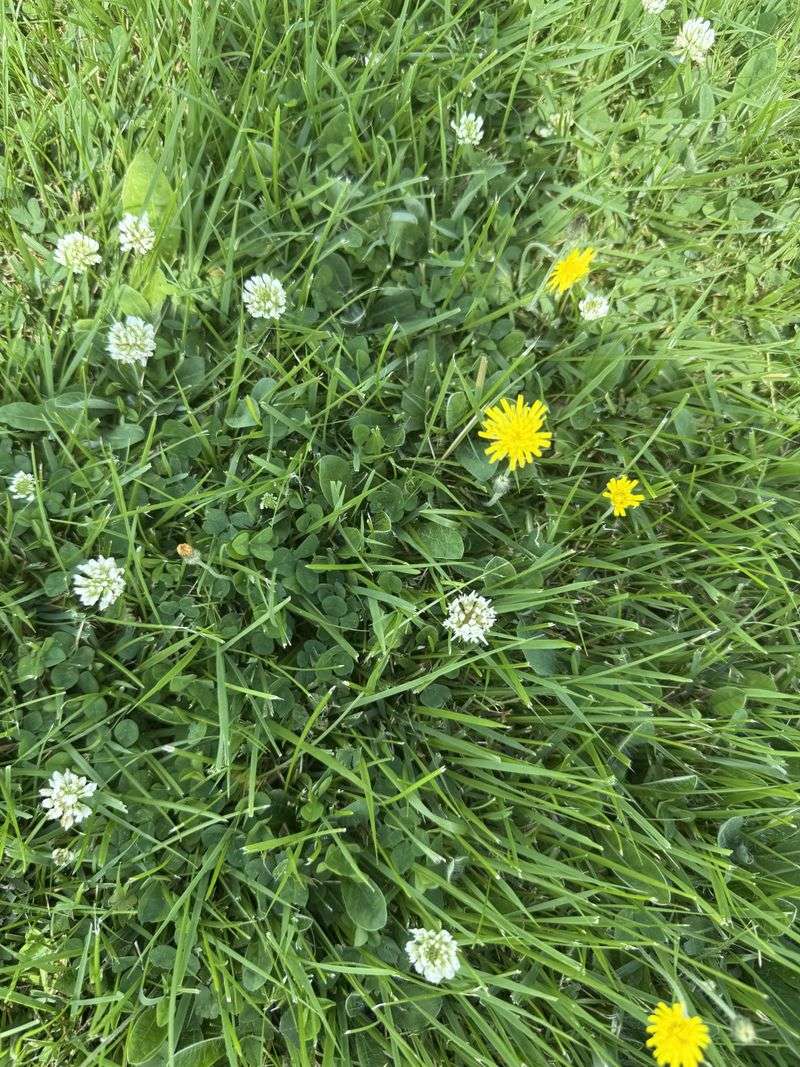
One dandelion plant can produce up to 15,000 seeds in a single season. Let that number sit for a moment before reading on.
Every weed that flowers and goes to seed in your Pennsylvania yard is planting next year’s weed crop for free.
The numbers compound fast across an average-sized lawn, and the seeds do not stay put. They travel on wind, stick to shoes and clothing, and move in water runoff to new areas of your yard.
By the time you can see the damage, the next generation is already in the ground.
Timing matters more than most people realize. Pulling weeds or spot-treating after flowers have already opened and seed heads have formed does not protect next season.
The reproduction already happened. The goal is to remove or treat weeds before they flower, not after.
Post-emergent herbicides work best on actively growing broadleaf weeds like dandelion, clover, and chickweed in spring or fall.
Hand-pulling works well for isolated plants as long as the root comes out completely. Partial removal just gives the plant a reason to come back stronger.
Regular mowing also interrupts the seed cycle. A well-timed pass before weeds reach the flowering stage removes the seed-producing tops without any chemical treatment at all.
Consistent mowing intervals during peak weed growth in spring and early summer is one of the most practical, low-cost strategies for reducing weed pressure across the whole yard.
Mow before they bloom, and you have essentially stopped the next generation before it starts. Take that, dandelions.
7. Skipping Fall Lawn Repair
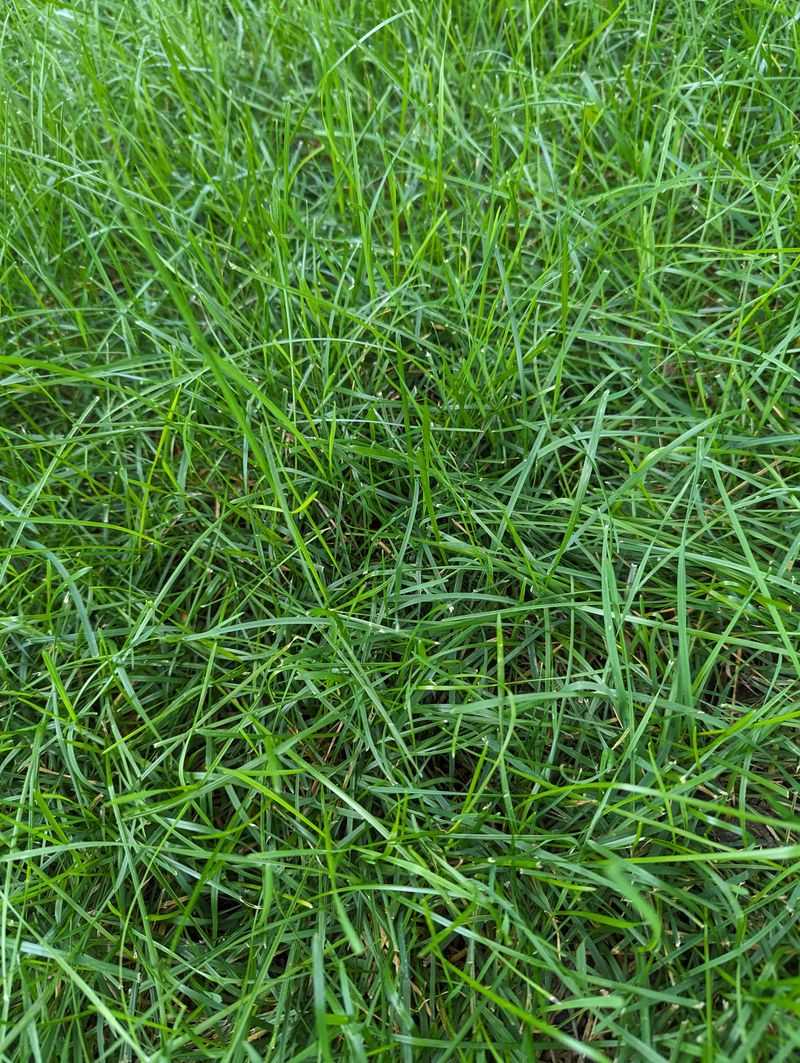
Fall gets underestimated every single year. Homeowners pack away the seed spreader in August and point all their lawn energy at spring, which is almost exactly backwards for Pennsylvania cool-season grasses.
Tall fescue, Kentucky bluegrass, and perennial ryegrass establish dramatically better in late summer and early fall than they do in spring.
Soil temperatures are still warm from summer, which speeds germination. Air temperatures are cooling, which reduces stress on new seedlings.
Fall rain patterns are generally more reliable than the unpredictable swings of spring. Annual weeds like crabgrass are already slowing down as daylight shortens, so the competition is lower.
Mid-August through mid-September is the prime overseeding window for most of the state. Seeding after mid-October significantly reduces the chance of seedlings establishing before winter arrives.
Skipping this window means heading into spring with the same thin, weak turf that let weeds take over all summer long. It is a cycle that repeats itself until the fall repair finally gets made.
Prepare before seeding: mow existing grass short, rake out thatch and debris, loosen the top layer of soil, and apply a starter fertilizer. Water consistently until grass reaches mowing height.
One successful fall repair can transform a problem area into dense, healthy turf that shades out weeds naturally the following season. No extra effort required once it fills in.
Spring credit goes to the gardener who showed up in September. That could be you this year.