This Is The Texas Native Plant Grandmothers Grew And Grandchildren Should Revive
There’s a plant that used to grow in almost every Texas grandmother’s garden. You might remember seeing it without ever knowing its name.
A familiar presence in the backyard, maybe climbing a fence or sprawling across a sunny bed, blooming reliably every season without anyone making much of a fuss over it. It was just always there.
Somewhere along the way it fell out of fashion. Newer, trendier plants took its place, and this old faithful quietly disappeared from most Texas gardens.
But gardeners who know their native plants have never stopped growing it. And for good reason.
This plant is tough, beautiful, and surprisingly useful. It’s perfectly adapted to Texas conditions, supports local wildlife, and brings a warmth and character to a garden that newer ornamentals just can’t replicate.
There’s something meaningful about reviving the plants our grandmothers grew. Here’s why this one deserves a comeback in every Texas garden.
Meet Turk’s Cap
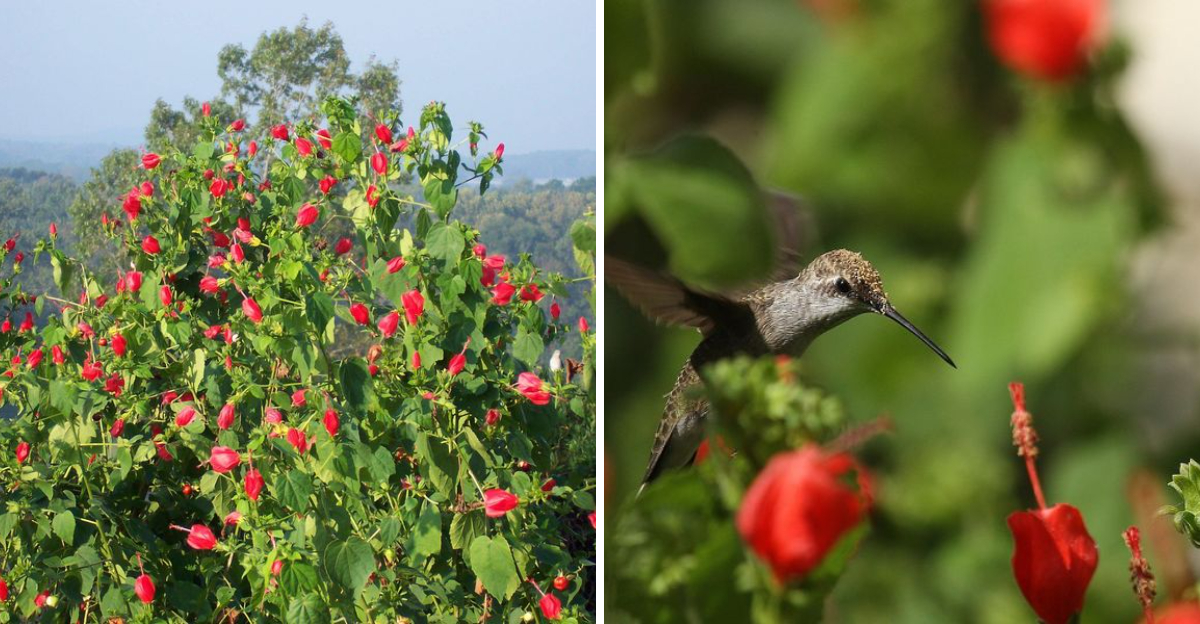
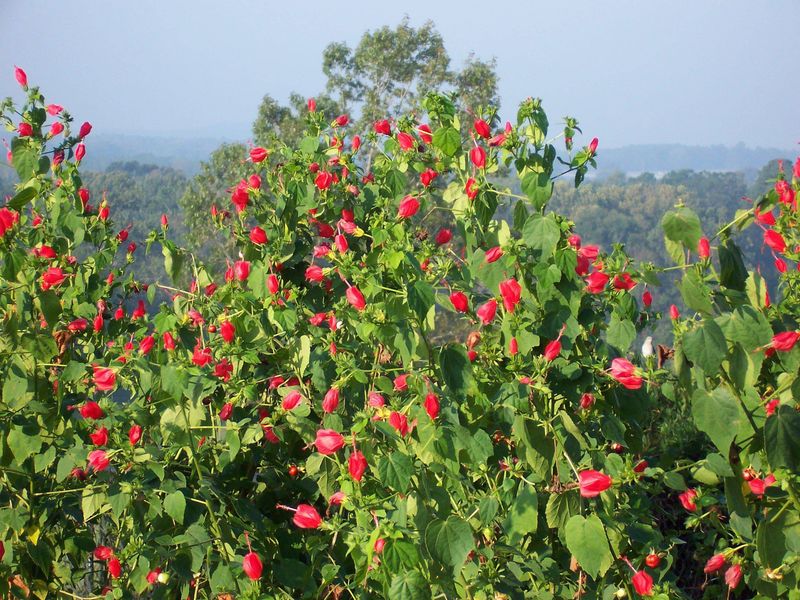
Picture a flower so bright red it almost glows in the summer heat. That is exactly what you get with Turk’s Cap, one of Texas’s most beloved native shrubs.
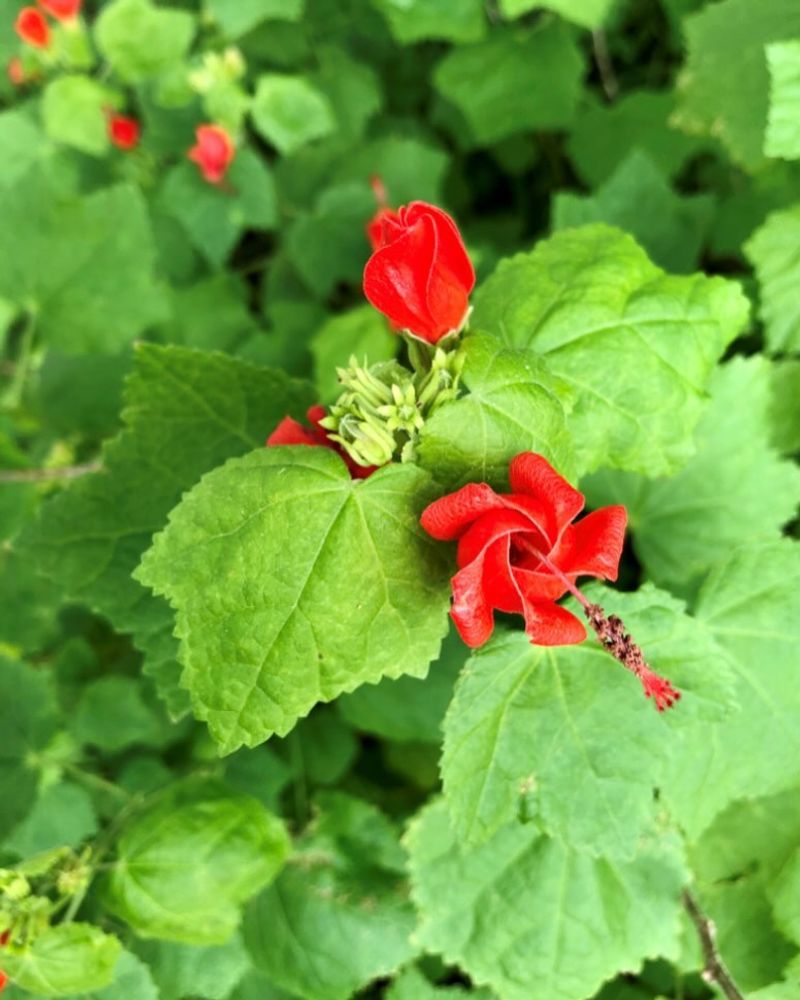
Its scientific name is Malvaviscus arboreus var. drummondii, but most Texans simply call it Turk’s Cap because the petals twist together to form a shape that looks like a little Turkish hat or turban.
Turk’s Cap is a member of the hibiscus family, and you can definitely see the family resemblance. The flowers are stunning, bold, and cheery.
Unlike a fully open hibiscus bloom, though, Turk’s Cap flowers stay partially closed in that signature twisted shape. They sit atop long, heart-shaped leaves and nod gently in the breeze.
This shrub can grow anywhere from two to nine feet tall depending on the amount of sunlight and water it receives. In shadier spots, it tends to stretch taller and lean toward the light.
In sunnier areas, it stays more compact and bushy. Either way, it puts on a spectacular show.
Turk’s Cap is native to Texas and parts of the southeastern United States, as well as Mexico and Central America. It has been growing wild in Texas for centuries.
Birds eat the small red fruits, and pollinators flock to the flowers. It is truly a plant that belongs here, rooted in the landscape just as deeply as the people who have tended it for generations.
Getting to know this plant is the first step toward bringing it back into modern Texas gardens where it rightfully belongs.
Historical Significance Of Turk’s Cap In Texas Gardens
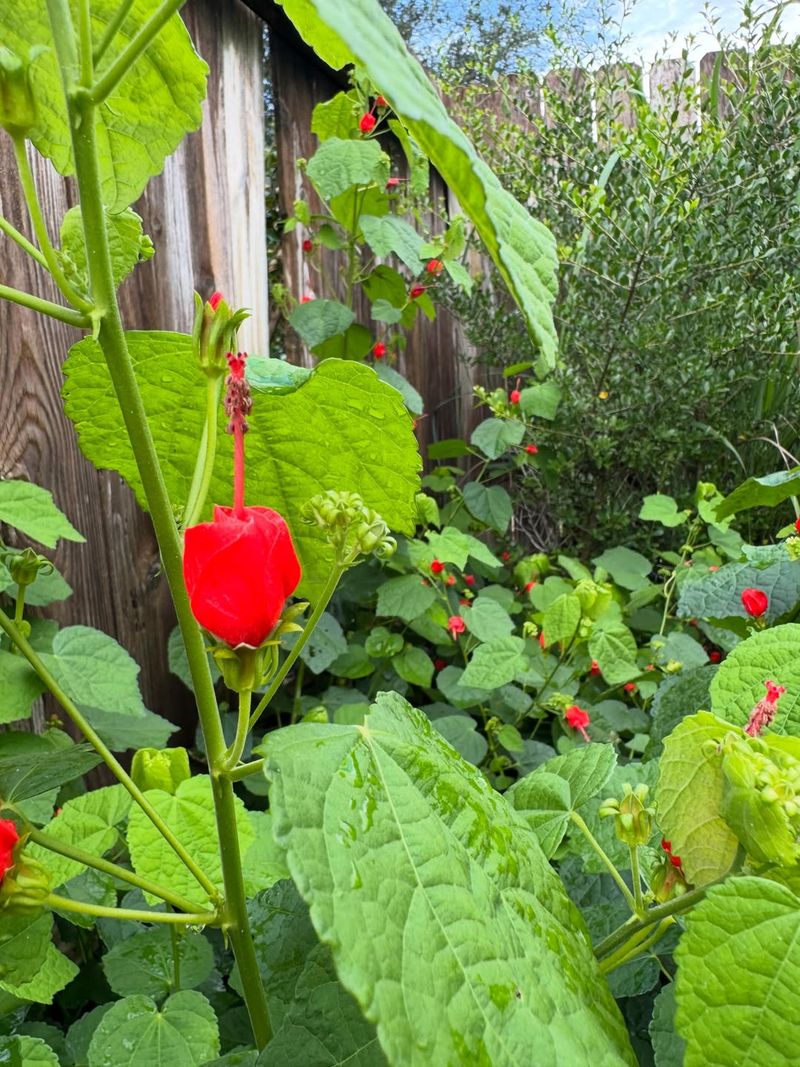
Walk through any old Texas neighborhood and you might spot a familiar red flower peeking out from beneath a porch or along a fence line. Chances are, it has been growing in that same spot for fifty years or more.
Turk’s Cap has a long and proud history in Texas heritage gardens, and it earned its place there honestly.
Generations of Texas grandmothers planted Turk’s Cap because it simply worked. It did not need constant attention.
Your Texas Garden Changes Every Week. Your Plan Should Too.
Gardening in Texas changes quickly throughout the season. Every Friday you’ll receive a simple weekly plan showing exactly what to plant, prune, fertilize, harvest, and protect so you never miss the right timing.
It did not demand rich soil or frequent watering. It just grew, bloomed, and brightened up the yard year after year.
In a time before garden centers filled with exotic plants, people grew what worked in their climate, and Turk’s Cap was always a reliable choice.
The plant also holds cultural roots that stretch beyond Texas. In Mexico and parts of Central America, the fruits and flowers have been used in traditional foods and folk remedies for centuries.
Some communities used the flowers to make a sweet, hibiscus-flavored tea. The berries, small and apple-shaped, were eaten fresh or used in preserves.
Sadly, as landscaping trends shifted toward non-native ornamentals, Turk’s Cap started disappearing from many yards. Flashier imported plants took its place, even though many of those newcomers struggled in the Texas heat.
Reviving Turk’s Cap means reconnecting with a gardening tradition that was both smart and beautiful. It means choosing a plant that your grandmother knew was right for this land.
Honoring that wisdom is one of the best things modern gardeners can do for their yards and their roots.
Long Blooming Season That Keeps On Giving
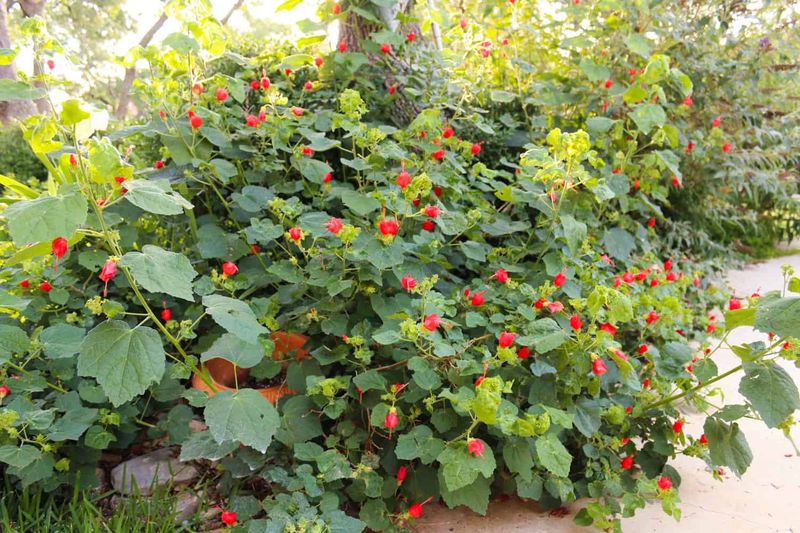
Most flowering plants have a brief moment of glory and then fade away for the season. Turk’s Cap refuses to follow that script.
From late spring all the way through the first frost of fall, this incredible shrub keeps on producing those cheerful red blooms. That is months of color without much effort on your part.
Gardeners love plants that earn their space, and Turk’s Cap earns every square inch. While other flowers in the yard may be resting or struggling in the summer heat, Turk’s Cap is at its best.
The hotter and more humid it gets, the more it seems to thrive. That is a rare quality in any garden plant, and it makes Turk’s Cap especially valuable in a Texas landscape. The blooms are not just pretty to look at. They are also surprisingly tough.
Rain, wind, and intense sun do not seem to bother them much. The flowers keep coming in waves, so there is always something fresh and bright on the shrub.
Even as older blooms fade and turn into small red fruits, new buds are already forming on neighboring stems.
For gardeners who want year-round visual interest without a lot of fuss, Turk’s Cap is a dream come true. Pair it with late-spring bulbs and early summer perennials, and you have a garden that looks lively from January through December.
The long blooming season alone is reason enough to plant one. Add in its toughness and wildlife value, and the case becomes almost impossible to argue against. Turk’s Cap is a true showstopper that keeps performing all season long.
Wildlife Benefits That Make Your Garden Come Alive
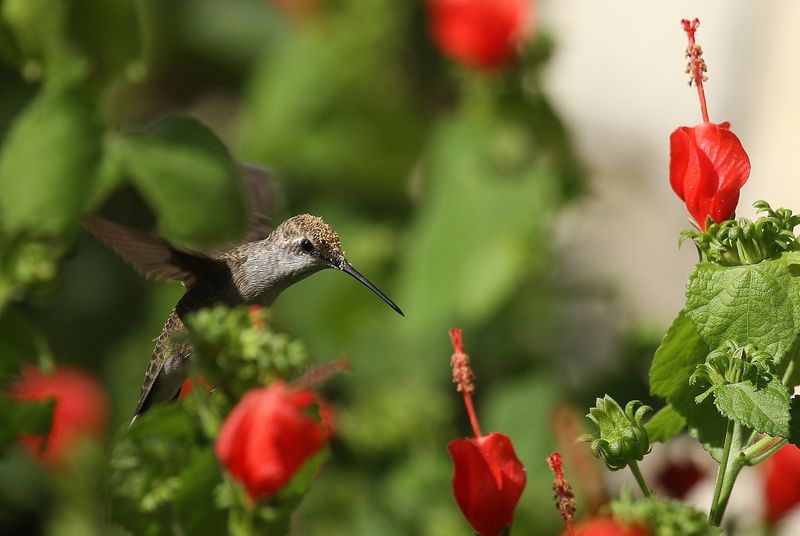
If you want your garden to feel truly alive, plant something that wildlife cannot resist. Turk’s Cap is basically a welcome sign for hummingbirds.
The tubular shape of those twisted red flowers is perfectly designed for a hummingbird’s long beak and tongue. Watch a hummingbird visit a Turk’s Cap shrub and you will understand why gardeners call it a wildlife magnet.
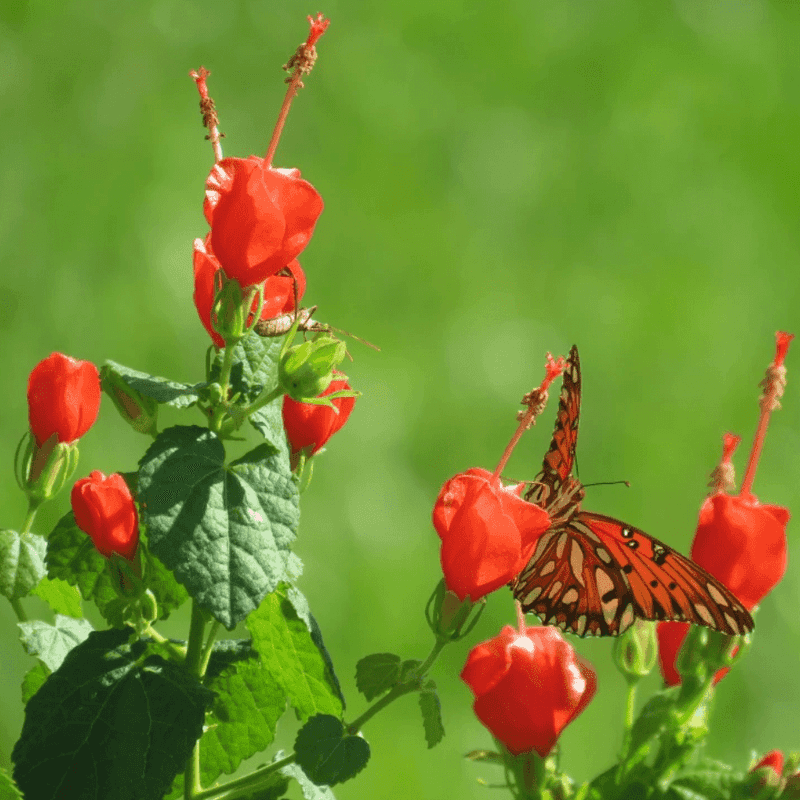
But hummingbirds are just the beginning. Butterflies of all kinds are drawn to Turk’s Cap, including Gulf Fritillaries, Sulphurs, and Swallowtails.
Native bees also love the flowers, and their visits help pollinate not just the Turk’s Cap but everything else growing nearby. A single well-placed shrub can make your whole garden more productive and buzzing with activity.
Once the flowers fade, they leave behind small, round red fruits that look like tiny apples. Birds such as mockingbirds, catbirds, and cedar waxwings eagerly eat these fruits.
The dense leafy branches also provide shelter for small birds looking for a safe place to rest or nest. So Turk’s Cap supports wildlife at multiple stages of its life cycle, from flower to fruit to foliage.
Supporting native wildlife is more important than ever. As natural habitats shrink, home gardens can serve as mini refuges for birds, bees, and butterflies.
Choosing a plant like Turk’s Cap means you are actively helping to keep local ecosystems healthy. You get a gorgeous garden, and local wildlife gets a reliable food source and habitat.
That is a partnership worth celebrating and one your garden will thank you for every single season.
Low-Maintenance And Adaptable For Every Texas Yard
Not everyone has hours to spend in the garden every week. Life gets busy, summers get blazing hot, and sometimes the garden just has to fend for itself.
Turk’s Cap was practically built for exactly that kind of situation. Once established, this plant asks for very little and handles Texas conditions better than almost anything else you could plant.
Turk’s Cap is remarkably flexible when it comes to sunlight. Full sun, partial shade, even deep shade under a live oak tree, it adapts to all of them.
Most plants would struggle or look scraggly in low-light conditions, but Turk’s Cap handles shade with grace and still manages to flower. That versatility makes it useful in spots where other plants simply refuse to cooperate.
Drought tolerance is another huge selling point, especially in Texas where summer rain can be unpredictable. Once the roots are established, usually after the first growing season, Turk’s Cap can go for extended periods without supplemental watering.
It may wilt slightly during extreme dry spells, but it bounces back quickly once rain arrives. Few ornamental shrubs are this forgiving.
The soil requirements are equally easygoing. Turk’s Cap does fine in rocky, sandy, or clay-heavy soils, all of which are common across different parts of Texas.
It does not need special fertilizers or soil amendments to perform well. For modern homeowners who want a beautiful, water-wise landscape without constant upkeep, Turk’s Cap checks every single box.
It is the kind of plant that makes gardening feel less like work and more like a reward. Truly, it is a gardener’s best friend in the Texas heat.
Planting Tips To Revive This Garden Treasure
Ready to bring Turk’s Cap back to life in your yard? Starting is easier than you might think. The best time to plant is in spring or early fall when temperatures are a bit cooler and rain is more likely.
This gives the roots time to settle in before the intense summer heat or winter cold arrives. Choose a spot where the plant has room to spread, since mature shrubs can reach four to nine feet wide.
Turk’s Cap works beautifully along borders, fences, and foundation plantings where you want color without constant replanting every year. It also pairs wonderfully with other Texas natives like Salvia greggii, Lantana, Esperanza, and Mexican Feathergrass.
Mixing natives together creates a garden that looks naturally layered and full, while also maximizing the benefits for local pollinators and birds.
When planting, dig a hole about twice as wide as the root ball but no deeper. Set the plant at the same level it was growing in the container.
Backfill with the original soil, water deeply, and add a layer of mulch around the base to hold in moisture and keep the roots cool. Water regularly for the first few weeks until the roots are established.
Pruning is simple and low-stress. Cut the shrub back in late winter before new growth begins to keep it looking tidy and encourage fresh, vigorous stems.
Light shaping during the growing season is fine too. Avoid heavy pruning during blooming months since that can reduce the number of flowers.
With just a little planning and a light hand, Turk’s Cap will reward you with years of beauty, wildlife, and connection to Texas gardening heritage.