Pennsylvania Gardeners Who Switched To These Ground Covers Never Bought Mulch Again
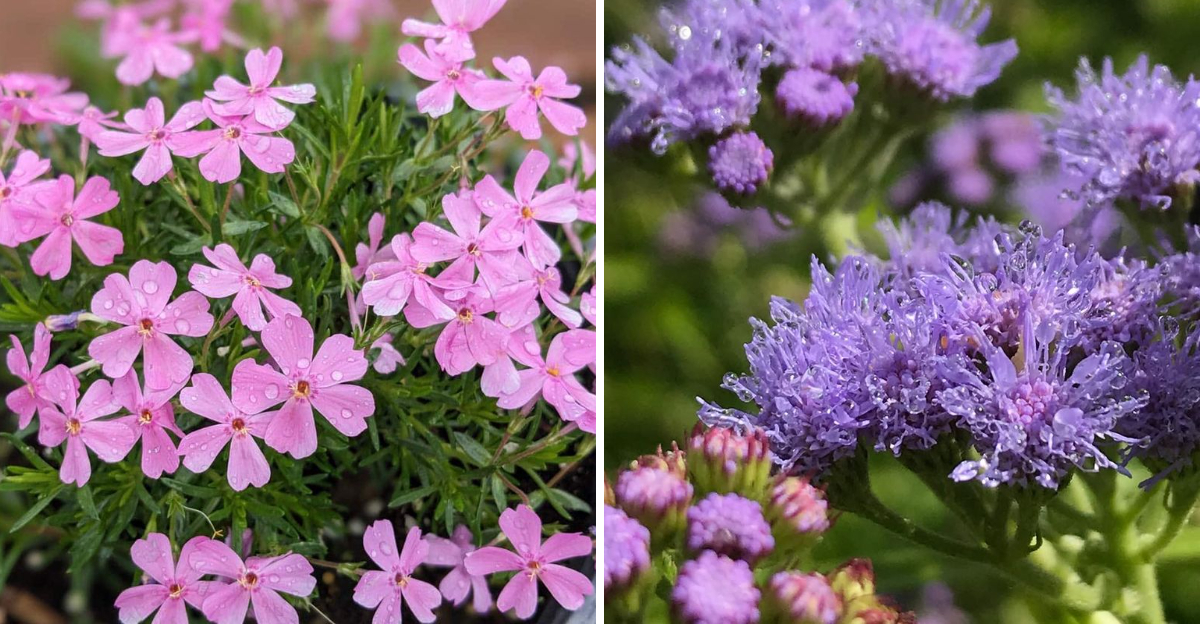
Mulch is one of those garden expenses that sneaks up on you. A few bags here, a few yards there, and suddenly you’ve spent a surprising amount of money on something that breaks down, washes away, and needs to be replaced every single season.
It’s a cycle most gardeners just accept as part of the deal. But some Pennsylvania gardeners found a smarter solution.
They switched to living ground covers, and the results changed how they think about their entire garden. No more annual mulch runs, no more bare soil between plants, no more weeds pushing through after every rain.
Just low growing, spreading plants that do everything mulch does and then some. The best ones are native or well adapted to Pennsylvania’s climate, meaning they thrive without constant attention.
They suppress weeds, retain moisture, and look beautiful across every season. Once you see what the right ground cover can do, buying mulch again just doesn’t make sense.
1. Pennsylvania Sedge
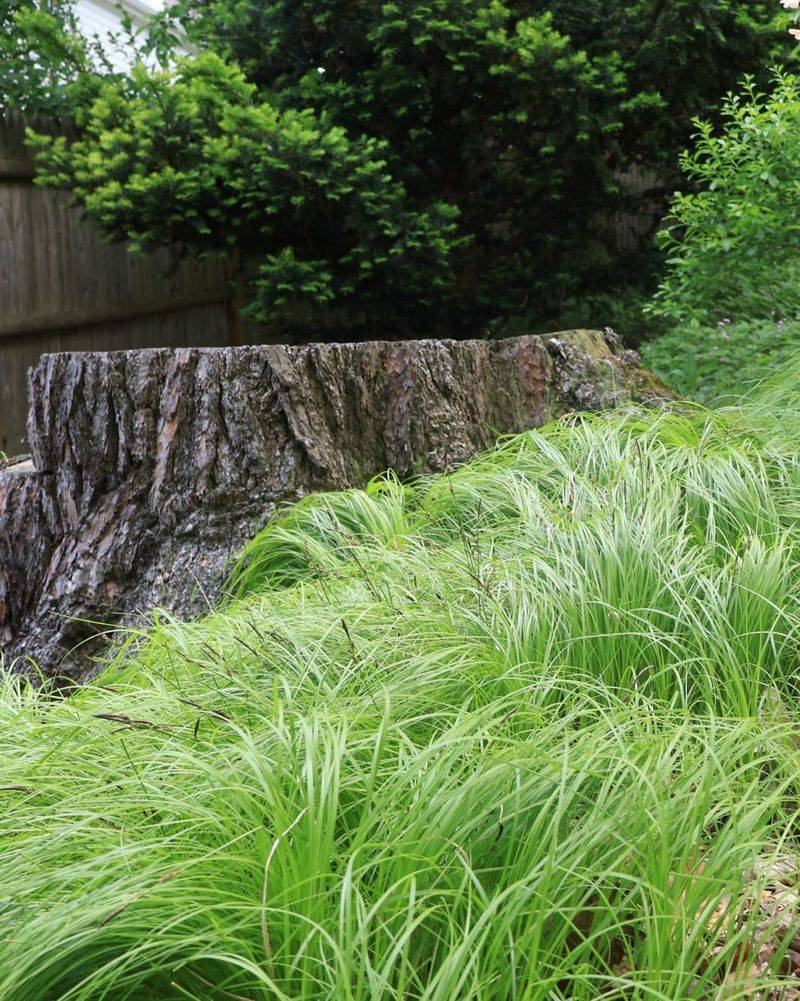
Forget everything you thought you knew about lawn alternatives. Pennsylvania Sedge is one of the best-kept secrets in native gardening, and once you try it, you will wonder why you ever bought mulch at all.
This fine-textured, grass-like plant grows naturally across Pennsylvania woodlands, which means it already knows how to thrive in your local climate without much fuss from you.
Pennsylvania Sedge stays low, usually only six to twelve inches tall, and spreads slowly to form a thick, emerald-green carpet. It works beautifully in sun to part shade, making it flexible enough for many spots around your yard.
The dense mat it creates shades the soil underneath, which keeps moisture in and prevents weeds from getting the light they need to sprout.
One of the biggest perks is that it stays green well into late fall, giving your garden a tidy, finished look long after other plants have faded. It also handles foot traffic better than most ground covers, so it works along pathways or under trees where grass refuses to grow.
Once established, it needs very little water or fertilizing. You can plant it from plugs or divisions in spring or fall. Space plants about six to twelve inches apart and water regularly until they settle in.
After the first season, maintenance drops dramatically. No more weekend trips to the garden center for mulch bags.
Pennsylvania Sedge quietly does the work for you, season after season, with almost no effort on your part. Native plant enthusiasts across the state have been singing its praises for years, and for very good reason.
2. Wild Ginger
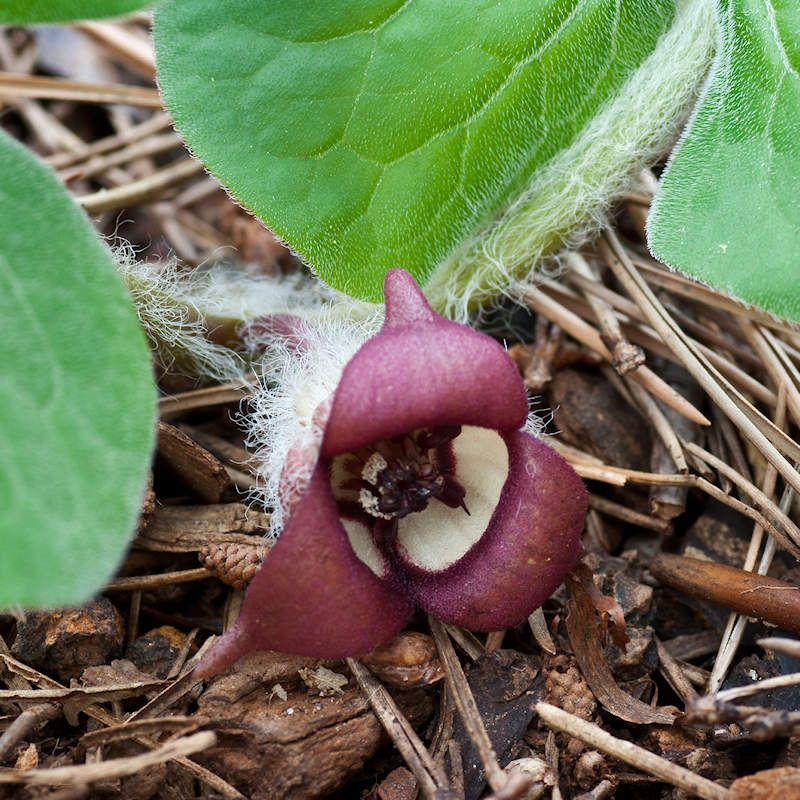
Walk through any shaded Pennsylvania forest in spring, and you might spot Wild Ginger hugging the ground beneath the trees. That same tough, low-growing plant can work just as hard in your backyard.
With its large, heart-shaped leaves and dense spreading habit, Wild Ginger creates a rich green mat that shades soil and crowds out weeds naturally, no mulch required.
What makes Wild Ginger stand out is how well it handles deep shade. Most ground covers struggle under big trees where sunlight barely reaches the ground, but Wild Ginger actually thrives there.
Your Pennsylvania Garden Changes Every Week. Your Plan Should Too.
Gardening in Pennsylvania changes quickly throughout the season. Every Friday you’ll receive a simple weekly plan showing exactly what to plant, prune, fertilize, harvest, and protect so you never miss the right timing.
It fills in those tricky woodland edges and shady beds where other plants give up, turning bare, weedy patches into something genuinely beautiful.
The leaves are broad and overlapping, which means they block sunlight from reaching weed seeds below. Moisture stays locked in the soil longer too, so you water less during dry stretches.
Wild Ginger spreads at a moderate pace, so it fills in gaps without taking over your whole garden overnight. That steady, manageable growth makes it easy to control.
Planting is straightforward. You can start from divisions or potted nursery plants in spring or fall.
Rich, moist, well-drained soil works best, though Wild Ginger is forgiving once established. A little compost mixed into the planting area gives it a great head start.
Fun fact: the roots have a mild ginger-like scent, which is how this plant earned its name. It does not replace culinary ginger, but that earthy fragrance is a charming bonus when you are weeding nearby. Pennsylvania gardeners with shady spots absolutely love this one.
3. Golden Star / Green-And-Gold
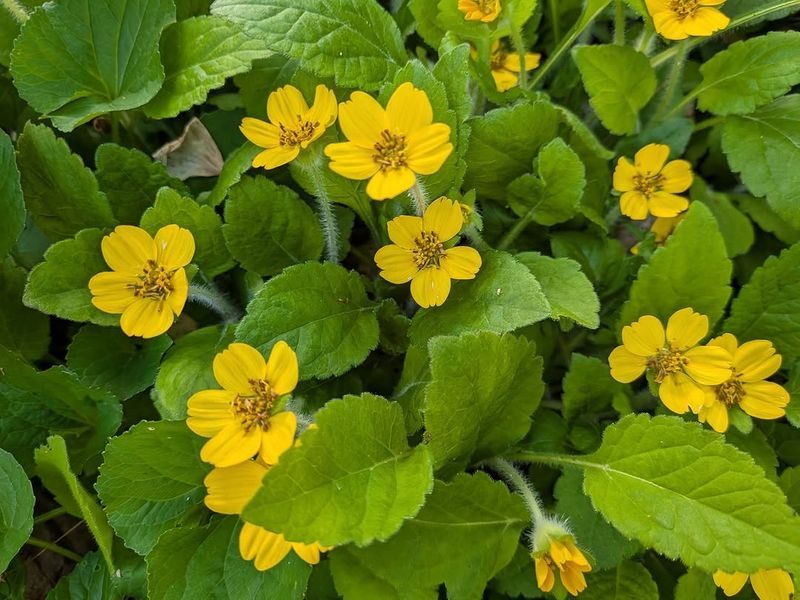
Cheerful, tough, and surprisingly fast-spreading, Golden Star is the kind of plant that makes you smile every time you walk past it.
Also called Green-and-Gold, this native wildflower produces bright yellow blooms from spring through early summer, and sometimes again in fall.
But beyond its good looks, it is doing serious work covering bare soil and keeping weeds from taking hold.
Golden Star grows low and wide, sending out runners that root as they spread. Within a season or two, a few small plants can cover a surprisingly large area.
That spreading habit is exactly what makes it such an effective living mulch. Once it fills in, the dense layer of foliage shades the soil below, locking in moisture and leaving almost no room for weeds to sneak through.
It grows well in sun to partial shade, which gives you flexibility in where you plant it. It also handles a range of soil types, including the clay-heavy soils common across many Pennsylvania yards.
That adaptability is a real bonus for gardeners who have struggled to get other ground covers to establish. Water it regularly for the first season, and after that it is largely on its own.
Pair it along pathways, at the front of garden beds, or anywhere you want color and coverage without the upkeep. The yellow flowers attract pollinators, so you get the added benefit of supporting bees and butterflies at the same time.
Replacing mulch with something that blooms and feeds wildlife feels like a genuine win. Many Pennsylvania gardeners consider Golden Star one of their most rewarding plant discoveries in recent years.
4. Creeping Phlox
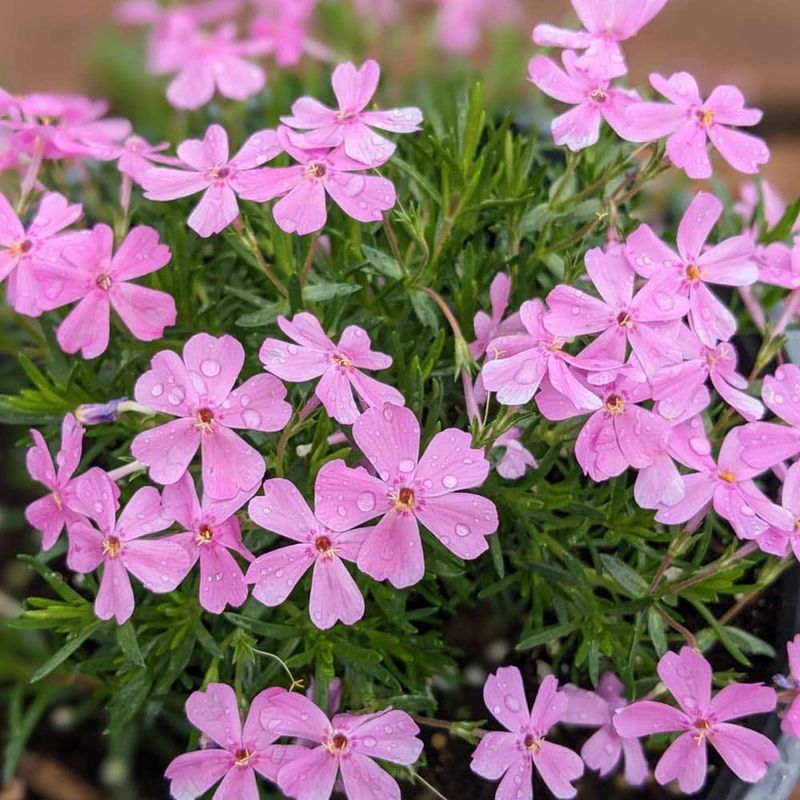
Every spring, Creeping Phlox puts on a show that stops people in their tracks. A hillside or garden bed covered in a blanket of pink, purple, or white blooms is genuinely hard to ignore.
But this plant is not just pretty. It is one of the hardest-working ground covers you can plant in a Pennsylvania garden, filling in bare soil quickly and cutting down on the need for mulch season after season.
Phlox stolonifera is the woodland species best suited to Pennsylvania conditions. It spreads by creeping stems that root as they touch the ground, slowly building a thick mat of evergreen foliage.
That mat stays in place through winter, protecting soil from erosion and temperature swings. When spring arrives, the whole thing explodes into color before most other plants have even woken up.
It does well in partial shade to full sun and prefers moist, well-drained soil with a slightly acidic pH, which suits many Pennsylvania gardens perfectly. Plant it along slopes, under trees, or at the edges of garden beds where bare soil tends to invite weeds.
Space plants about twelve to eighteen inches apart and water consistently during the first growing season to help them root in well.
After establishment, Creeping Phlox is remarkably low maintenance. It rarely needs fertilizer, handles dry spells with grace, and bounces back reliably each spring.
Trim it lightly after blooming to keep the mat tidy and encourage fresh growth. Pollinators love the flowers too, especially early-season butterflies and bees searching for nectar.
Replacing plain brown mulch with something this colorful and purposeful is an easy decision for any Pennsylvania gardener.
5. Blue Mistflower
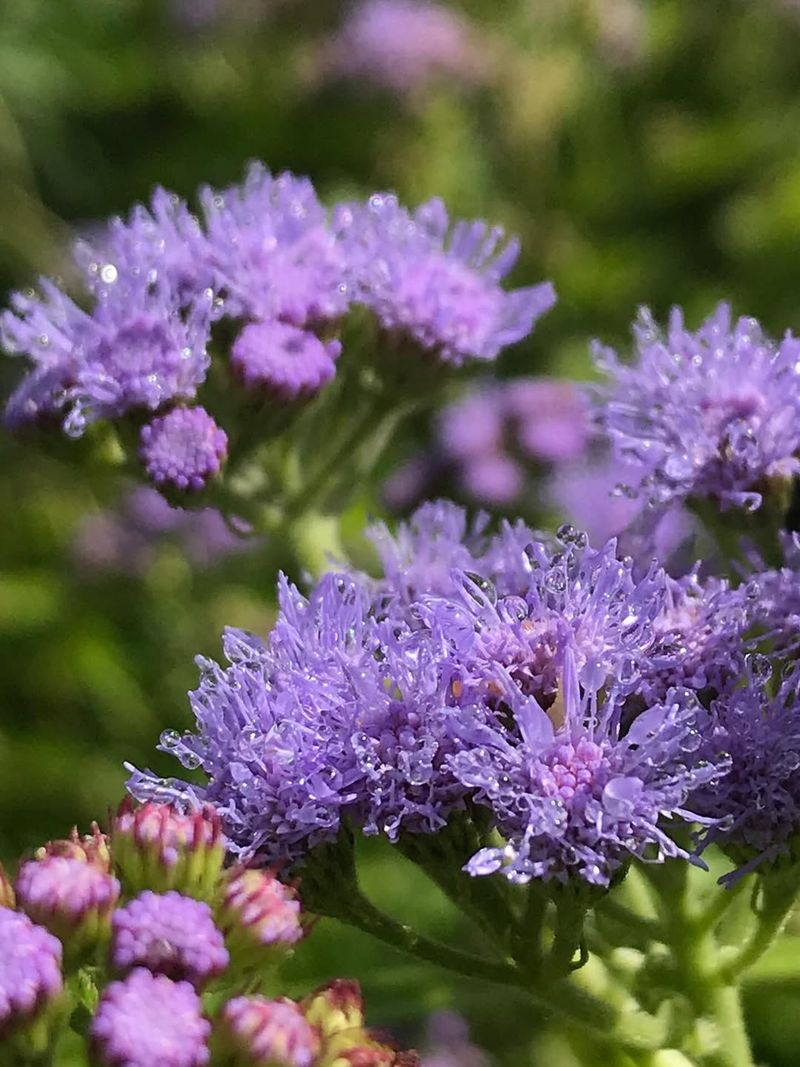
Late summer can feel like a quiet time in the garden, when most flowers have already faded and everything looks a little tired. Blue Mistflower changes that completely.
This native perennial bursts into soft blue-purple blooms in August and September, right when your garden needs a boost most. And while it is busy looking beautiful, it is also quietly covering your soil and reducing the need for mulch.
Blue Mistflower spreads by underground rhizomes, forming colonies that expand steadily over time. That spreading habit makes it an excellent living mulch for sunny beds and open areas where bare soil is a constant weed magnet.
The dense foliage shades the ground, keeps moisture from evaporating too quickly, and leaves little room for unwanted plants to establish. Once it fills in, the coverage is genuinely impressive.
It grows best in full sun to light shade and tolerates moist soils well, which makes it a strong performer near rain gardens, low-lying areas, or spots that stay damp after heavy rain.
Pennsylvania gardeners dealing with wet or poorly draining areas often find Blue Mistflower thrives where other plants struggle. It is tough, reliable, and unfussy once established.
The flowers are a magnet for late-season pollinators, including monarch butterflies making their way south during fall migration. Planting Blue Mistflower gives those travelers a critical fuel stop.
Space plants about eighteen inches apart and water them through the first season. After that, they spread on their own with minimal help.
Swapping out mulch for a plant that supports wildlife and blooms beautifully all at once is a deal most gardeners are happy to make.
6. Foamflower
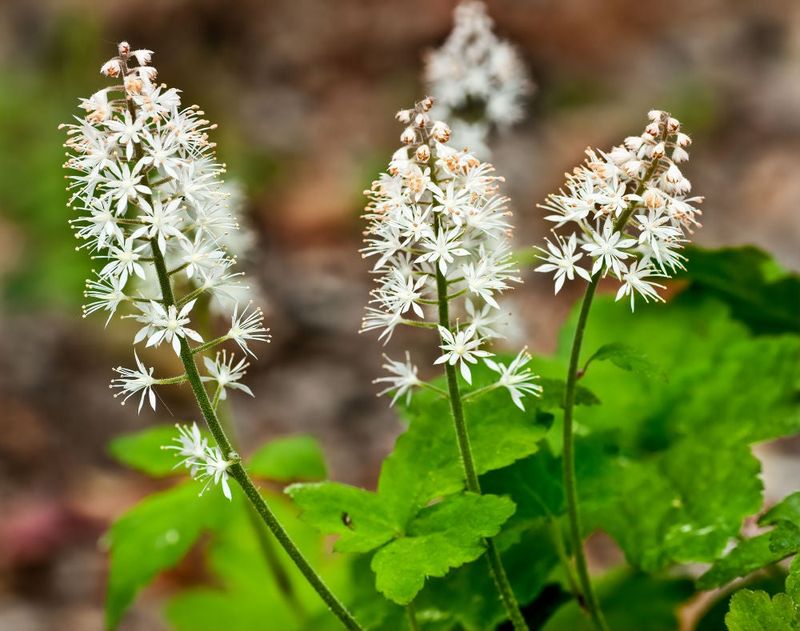
Some plants just belong in a shady garden, and Foamflower is one of them. Named for the frothy clusters of white or pale pink flowers it sends up each spring, Tiarella cordifolia is a native woodland plant that feels right at home under trees and along shaded borders.
It is elegant without being fussy, and it covers ground so well that mulch becomes almost unnecessary where it grows.
The foliage is genuinely attractive even when the plant is not blooming. The lobed, maple-like leaves often develop reddish or bronze markings as the season progresses, giving the planting a layered, textured look.
Those leaves form a dense, low carpet that stays full and lush from spring through fall, shading the soil beneath and preventing moisture loss between waterings.
Foamflower thrives in moist, humus-rich soil with good drainage, and it prefers part to full shade. Those conditions match perfectly with the areas under mature trees or along the north-facing sides of buildings that many Pennsylvania gardeners struggle to fill.
It spreads by runners, slowly expanding to fill in gaps without becoming aggressive or invasive. That measured growth makes it easy to manage.
Plant divisions or potted plants in spring or early fall, spacing them about twelve inches apart. Keep the soil consistently moist during the establishment period.
Once settled in, Foamflower handles Pennsylvania winters without any special protection and returns reliably each spring. Pollinators visit the spring flowers eagerly, adding another layer of garden value.
If you have a shady, moist corner that always ends up weedy and bare, Foamflower is the answer you have been looking for all along.
7. Virginia Creeper
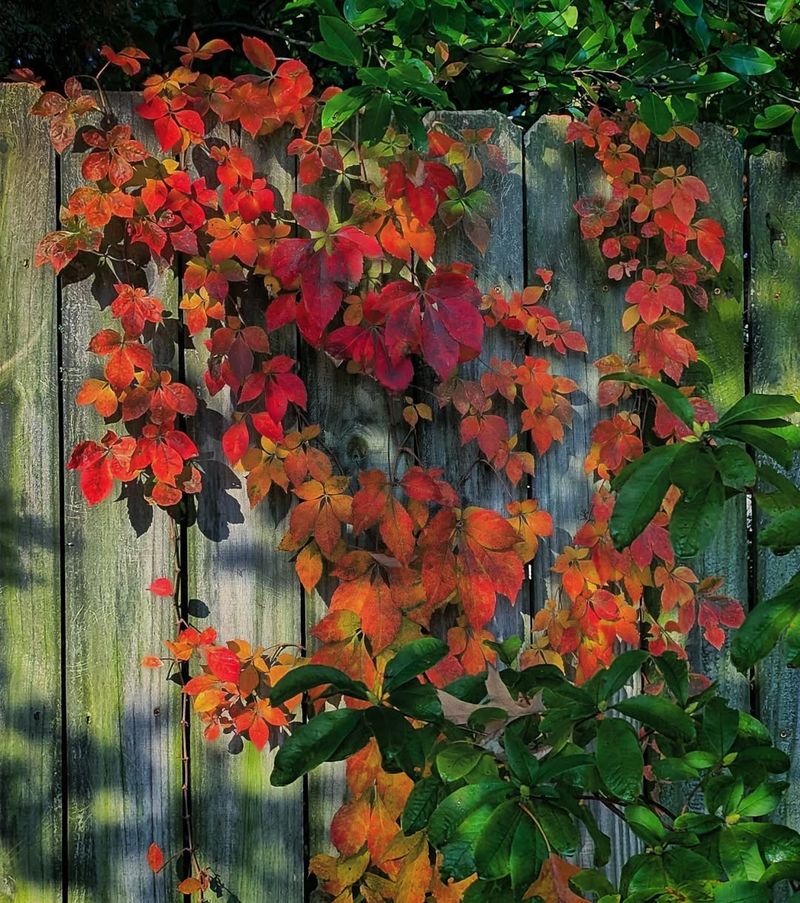
Few plants in the native Pennsylvania landscape put on a more dramatic fall show than Virginia Creeper. Those bold five-leaflet leaves turn a blazing scarlet red in autumn, making every spot they cover look like it was designed by a professional landscaper.
But Virginia Creeper is not just a seasonal showstopper. Used as a ground cover instead of a climber, it spreads fast and wide, blanketing bare soil with dense foliage that does everything mulch does, and more.
Virginia Creeper grows vigorously, which is exactly what you want when you are trying to cover a large area quickly. It can spread several feet in a single season under good conditions.
That speed makes it especially useful for slopes, banks, or wide open areas where bare soil erodes during heavy rain. The thick mat of vines and leaves holds soil in place and shades out weeds with impressive efficiency.
It tolerates a wide range of conditions, including full sun, full shade, dry soil, and clay-heavy ground. That adaptability makes it one of the most forgiving ground covers available to Pennsylvania gardeners.
Birds love the small dark berries that appear in fall, so planting Virginia Creeper supports local wildlife at the same time it covers your soil.
Keep in mind that it spreads enthusiastically, so plan to do some trimming along the edges each season to keep it where you want it. Start with a few plants spaced about two to three feet apart, and watch them fill in quickly.
Once established, Virginia Creeper needs almost no attention. Replacing mulch with something this tough, beautiful, and wildlife-friendly is a trade most Pennsylvania gardeners are thrilled they made.