Here’s How Pennsylvania Gardeners Can Level A Bumpy Lawn Without The Use Of Heavy Machinery
A bumpy lawn has a special way of getting your attention at the worst possible moment. One bad mower pass, one soggy low spot, one ankle-twisting walk across the yard, and suddenly the grass is not looking quite so relaxing anymore.
Pennsylvania lawns can get rough over time for all kinds of ordinary reasons, including settling, compaction, foot traffic, and those lovely freeze-thaw swings that like to keep things interesting.
The good news is that a lumpy yard does not automatically mean a giant equipment rental and a weekend full of regret.
Smaller dips, uneven patches, and minor rough spots can often be improved with simple tools, a sensible soil mix, and some patience.
It is not the flashiest garden project in Pennsylvania, but it can make mowing easier, help water behave better, and make the whole yard feel a lot nicer underfoot.
1. Finding Out What Made The Lawn Uneven Comes First
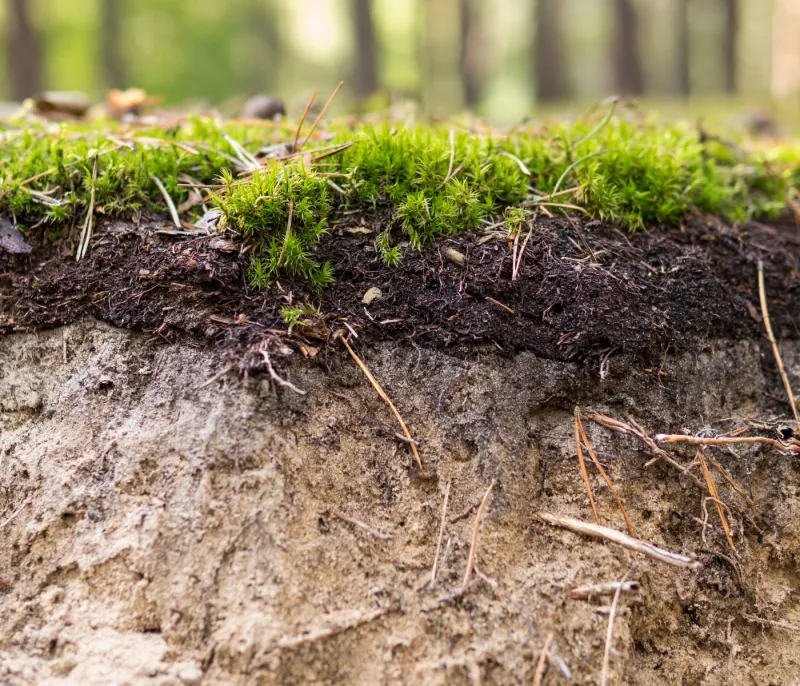
Stepping outside after a heavy rain and watching water pool in the same low corner of the yard every single time is one of the clearest signs that something beneath the surface needs attention.
Before reaching for a bag of topdressing or a hand rake, it helps to spend a few minutes figuring out what actually caused the unevenness in the first place.
Bumpy lawns in Pennsylvania develop for several different reasons. Soil settling after construction or landscaping work is common.
Shallow tree roots pushing up from below can create raised ridges over time. Compacted soil, animal burrowing, heavy foot traffic patterns, and seasonal freeze-thaw cycles are all contributors as well.
Each cause may call for a slightly different repair approach.
Walking the yard slowly and marking low spots, raised areas, and soft patches with small flags or chalk spray gives you a clearer picture before you start. A low spot caused by poor drainage needs a different fix than a small raised bump from a settling soil pocket.
Taking time to read the lawn first means the repair work you do later is more likely to hold and actually improve the yard rather than just temporarily mask the problem.
2. Light Topdressing Can Smooth Small Bumps Over Time
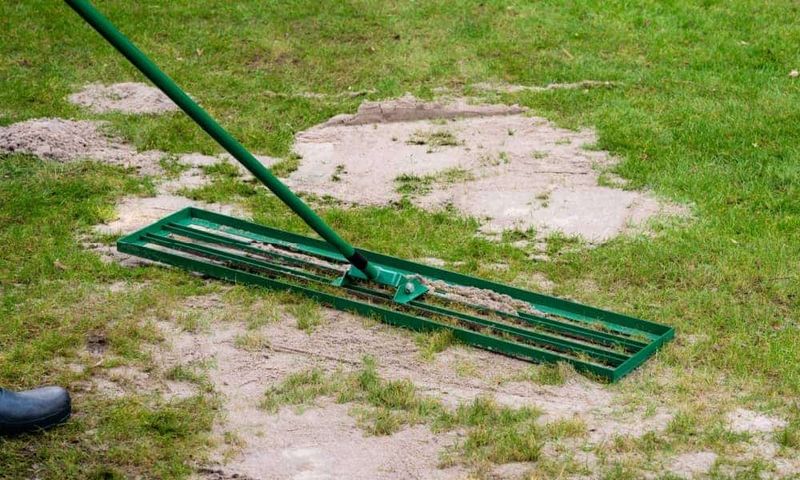
Raking a thin layer of material across low spots in the lawn might not look dramatic, but it is one of the most reliable gradual methods for smoothing out minor surface unevenness without disrupting the existing grass.
Topdressing involves spreading a thin layer of a compatible soil or sand-based mix over low areas and working it gently into the turf so the grass can grow up through it over the following weeks.
The key word here is thin. Applying too much material at once can smother the grass blades and create new problems rather than fix old ones.
Most lawn-care guides suggest applying no more than a quarter to half an inch of topdressing at a time. For slightly deeper low spots, the process may need to be repeated over two or more growing seasons to gradually build up the area without harming the turf.
Your Pennsylvania Garden Changes Every Week. Your Plan Should Too.
Gardening in Pennsylvania changes quickly throughout the season. Every Friday you’ll receive a simple weekly plan showing exactly what to plant, prune, fertilize, harvest, and protect so you never miss the right timing.
A straight-edged landscape rake or the back of a bow rake works well for spreading the material evenly. After spreading, the mix should be worked lightly into the grass so it settles between the blades and down toward the soil surface.
Watering the area after application helps the material settle into place and makes it easier for grass roots to reach through the new layer.
3. Matching The Soil Mix To Your Existing Lawn Matters
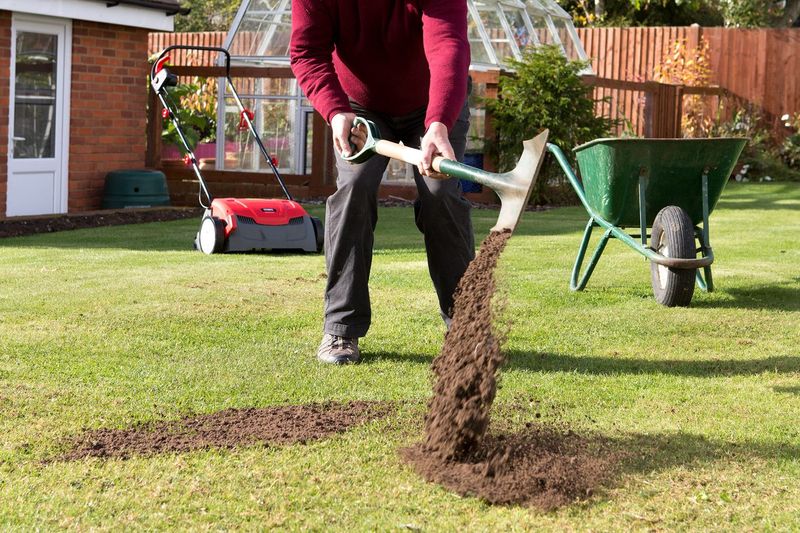
Grabbing whatever bag of fill dirt is available at the hardware store and spreading it across low spots is a tempting shortcut, but it can create more trouble than it solves.
When the topdressing mix is too different in texture or composition from the soil already in the yard, water movement through the lawn can become inconsistent, and grass roots may struggle to grow evenly across the transition zone.
Pennsylvania soils vary quite a bit across the state. Some areas have heavier clay-based soils that drain slowly, while others have sandier or loamier profiles.
Matching the topdressing material to the existing soil type helps the repair blend in more naturally over time.
A mix of roughly equal parts topsoil, sand, and compost tends to work reasonably well for many Pennsylvania home lawns, though the ideal ratio may shift depending on local conditions.
Getting a basic soil test through a local extension office is worth considering before buying materials. A soil test can reveal the existing pH, texture, and nutrient levels, which helps guide both the repair mix and any amendments that might support grass recovery.
Using a mix that is too high in sand on a clay-heavy lawn can actually create a layering effect that traps water rather than improving drainage. Taking a few extra steps upfront leads to a more lasting result.
4. Core Aeration Can Help Loosen Compacted Areas First
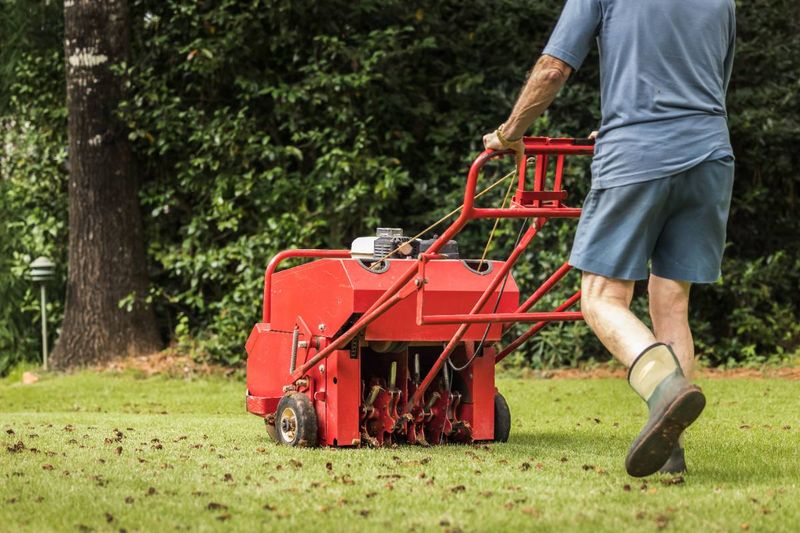
Compacted soil is one of the most common reasons Pennsylvania lawns develop rough, uneven surfaces over time, and it is also one of the easiest problems to overlook because it happens so gradually.
When soil becomes too dense, grass roots struggle to spread, water sits on the surface instead of soaking in, and the lawn starts to develop thin or bare patches that eventually settle lower than the surrounding turf.
Core aeration involves removing small plugs of soil from the lawn using a hand aerator or a walk-behind aerating tool. These small holes allow air, water, and nutrients to reach deeper into the root zone and give compacted soil room to loosen up over time.
Aerating before topdressing a low spot is especially helpful because the open channels allow the new material to work its way down into the existing soil rather than just sitting on top.
A manual core aerator with hollow tines works well for smaller areas and does not require any special equipment beyond a bit of physical effort.
The soil plugs pulled out can be left on the surface to break down naturally, which also adds a small amount of organic matter back to the lawn.
In Pennsylvania, early fall tends to be a favorable time for aeration because cool-season grasses are entering a strong recovery phase and can fill in the disturbed areas more readily.
5. Deeper Low Spots Need More Than A Surface Fix
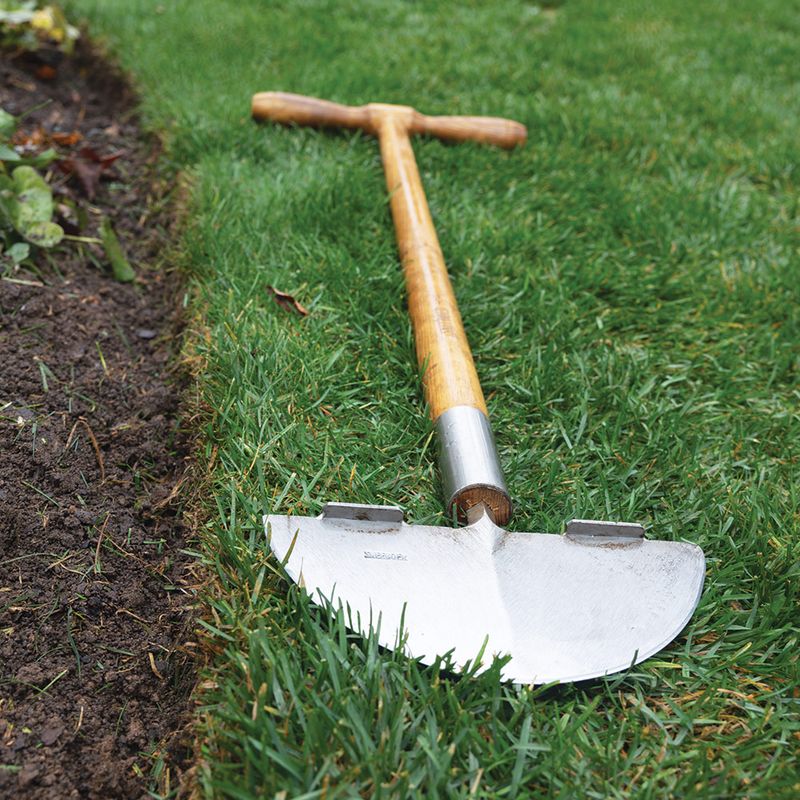
Sprinkling a thin layer of topdressing over a deep hollow in the yard might make it look better for a few weeks, but the depression is likely to show itself again once the material settles or washes slightly.
Low spots that measure more than a couple of inches deep generally need a more hands-on approach before any surface-level correction can hold properly.
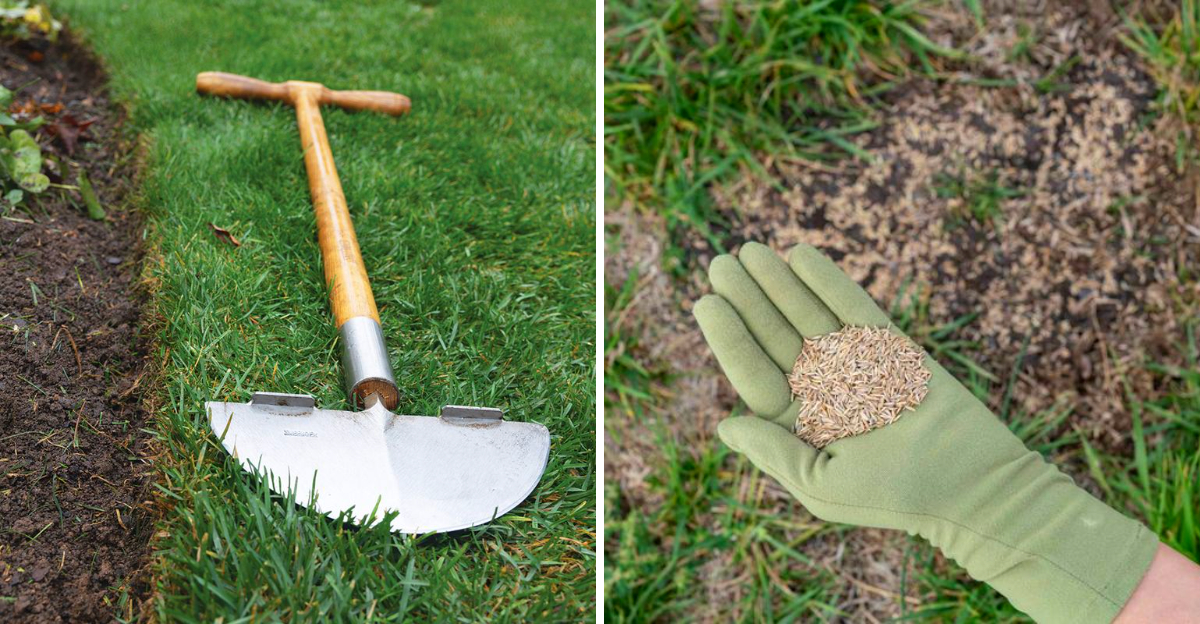
One method that works reasonably well for isolated deeper depressions is to carefully cut and fold back the existing turf using a flat spade, fill the exposed soil underneath with a compatible backfill material, firm it down gently, and then fold the turf flap back into place.
When done carefully, the grass can re-root into the filled area over several weeks.
The success of this approach depends on how healthy the existing turf is and how well the fill material is matched to the surrounding soil.
For low areas caused by an obvious drainage issue, such as water consistently flowing toward one corner of the yard, simply filling the depression may not be enough. Water will find the next available low point, and the problem can reappear nearby.
Addressing the reason water is collecting there in the first place is part of a more complete repair. Filling without addressing drainage can result in soft, soggy ground that stays problematic through Pennsylvania’s wetter seasons.
6. Overseeding Helps Thin Areas Recover After Leveling
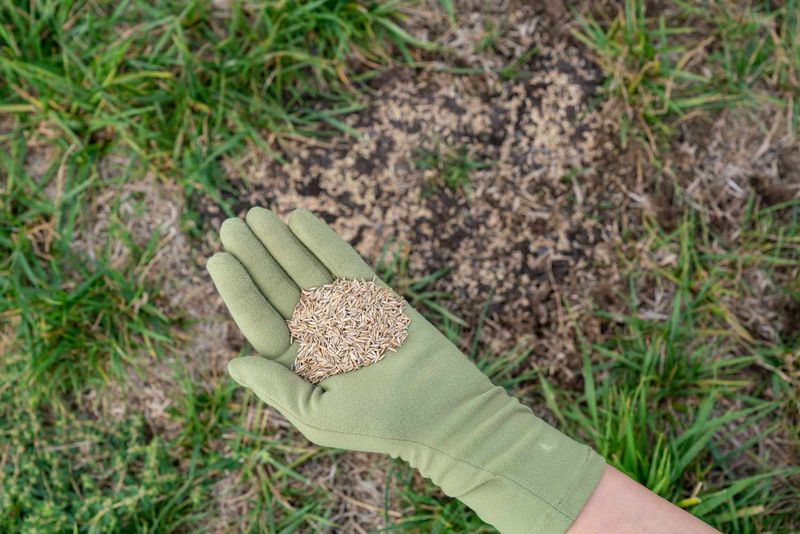
After filling a low spot or spreading topdressing across a rough section of lawn, the grass in that area may look sparse, stressed, or slow to fill back in.
Overseeding the repaired area gives the lawn a better chance of developing a thick, even surface that holds the repair in place and resists future settling or erosion.
Pennsylvania lawns are typically planted with cool-season grasses such as tall fescue, Kentucky bluegrass, or perennial ryegrass, and overseeding should use a seed mix that matches what is already growing in the yard.
Using a mismatched seed variety can result in a patchy appearance where the new growth looks visibly different from the surrounding turf in texture or color.
Seed-to-soil contact is important for good germination, so lightly raking the seeded area or pressing the seed down gently after broadcast spreading improves results.
Keeping the repaired area consistently moist during the germination period is especially helpful, since newly seeded spots can dry out faster than established turf.
In Pennsylvania, early fall is generally a favorable time for overseeding because soil temperatures are still warm enough to support germination while the cooler air temperatures reduce stress on young seedlings as they establish.
7. Early Fall Gives Pennsylvania Lawns A Better Repair Window
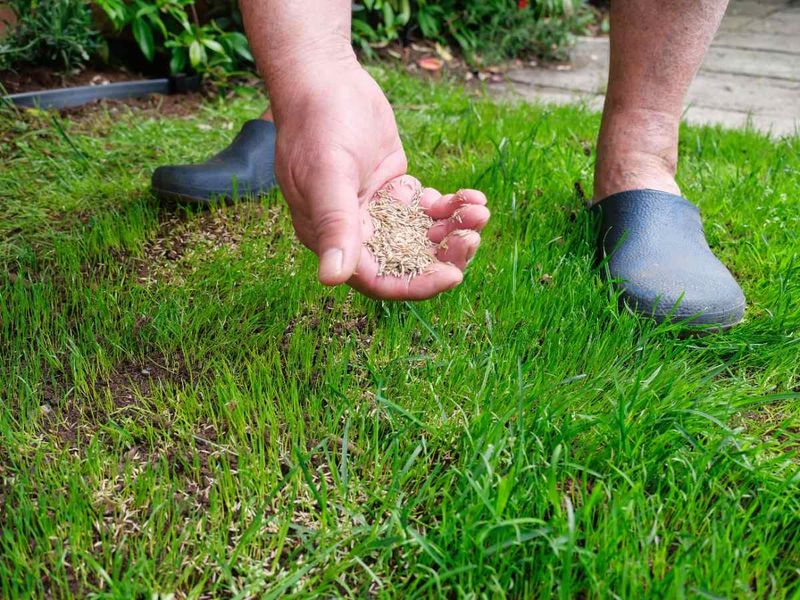
Timing a lawn repair project in Pennsylvania can make a noticeable difference in how well the results hold through the following seasons.
Mid-summer heat puts cool-season grasses under stress, and repairs made during that window often struggle to establish before the turf is pushed back into dormancy or weakened by drought pressure.
Early fall, roughly from late August through mid-October depending on location within the state, offers a more favorable environment for lawn repair work.
Soil temperatures are still warm enough to support root activity and seed germination, while the cooler air temperatures reduce the stress on both the existing turf and any newly seeded areas.
Rainfall during fall in Pennsylvania also tends to be more consistent than during the dry stretches of mid-summer, which helps new material and seedlings stay adequately moist without constant manual watering.
Early spring is sometimes used as a secondary repair window, particularly for filling and topdressing work, though it tends to be less ideal for overseeding because the window before summer heat arrives can be short.
Planning repairs for early fall whenever possible gives Pennsylvania gardeners the best chance of seeing gradual, visible improvement before the lawn goes dormant for winter.
Small repairs done at the right time often outperform larger efforts made during the wrong season.
8. Poor Drainage Can Bring The Same Problem Back Again
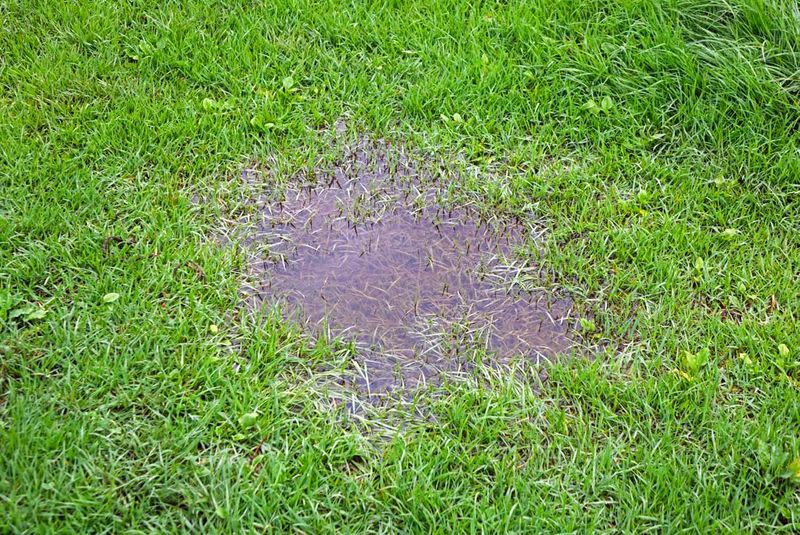
Smoothing out a rough lawn only to watch the same low spots reappear a season or two later is a frustrating pattern that many Pennsylvania homeowners recognize.
When the underlying drainage situation has not been addressed, water continues to move through or sit on the lawn in ways that gradually pull the surface back out of level.
Drainage problems in Pennsylvania yards can come from several directions.
Downspouts that empty directly onto the lawn, grading that slopes toward the house, hardpan layers beneath the soil surface, and compacted clay soils that shed water rather than absorbing it are all common contributors.
Identifying where the water is coming from and where it is going after a heavy rain is a useful first step before committing to any surface-level repair work.
Simple adjustments like extending downspout discharge away from low areas, improving grading along the edge of a planting bed, or installing a small French drain in a persistently wet corner can reduce the amount of water pooling in problem spots.
These are not always simple weekend projects, but even modest drainage improvements can extend the life of a leveling repair significantly.
A lawn that drains reasonably well is far easier to keep smooth over time than one that routinely collects standing water after every significant rainfall Pennsylvania experiences through the year.