More Of These Pennsylvania Garden Visitors In July Means Fewer Spotted Lanternfly Problems All Season
Spotted lanternfly has become one of the most frustrating pest problems Pennsylvania gardeners and homeowners deal with. Scraping egg masses, swatting adults, checking every surface before moving anything off your property.
It’s exhausting, and it feels like no matter how much effort you put in, they just keep coming back. But nature has its own response to spotted lanternfly, and it shows up right in your garden.
Certain birds, insects, and other garden visitors have been observed feeding on spotted lanternfly at various stages of their life cycle. More of these natural predators in your yard means fewer lanternflies making it through the season.
It’s not a complete solution, but it’s a genuinely meaningful one that works quietly in the background without any effort from you.
The good news is that attracting these helpful visitors is very doable. It starts with understanding who they are and what your garden needs to bring them in.
1. Chickadees
Few birds are as cheerful and hardworking as the chickadee. These tiny, energetic birds are almost always on the move, hopping from branch to branch and pecking at every surface they can find.
In July, that busy behavior turns into something really useful for Pennsylvania gardeners dealing with Spotted Lanternfly problems.
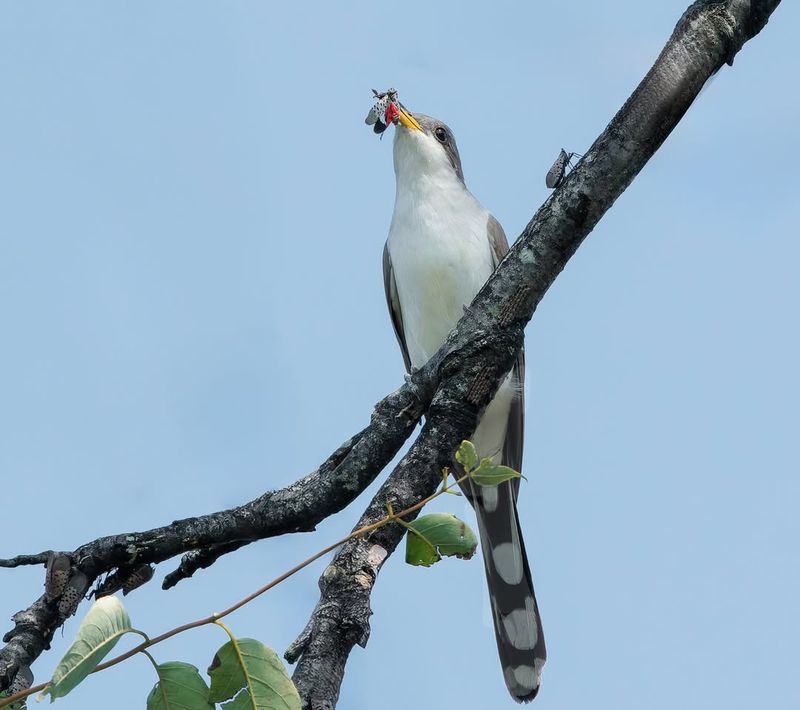
Chickadees are natural foragers, and they love hunting for insect eggs and small nymphs hidden in bark, leaves, and stems. Spotted Lanternfly nymphs, which are small and slow-moving in their early stages, are easy targets for a sharp-eyed chickadee.
Studies have shown that birds like chickadees can eat hundreds of insects in a single day, making them one of the most effective natural helpers you can have in your yard.
The best way to attract more chickadees to your garden is to offer them a habitat they love. Plant native trees like oaks and maples, which provide natural shelter and food sources.
Putting up small birdhouses or nest boxes gives them a safe place to raise their young. Keeping a clean birdbath nearby also encourages them to stay longer.
Avoid using broad-spectrum pesticides in your yard. These chemicals can harm chickadees directly or reduce the insect populations they depend on for food.
A yard that is full of native plants, natural shelter, and clean water will keep chickadees coming back all summer long. The more chickadees you have patrolling your garden in July, the fewer Spotted Lanternfly nymphs will survive to become adults.
It is one of the simplest and most rewarding forms of natural pest management available to Pennsylvania homeowners.
2. Tufted Titmouse
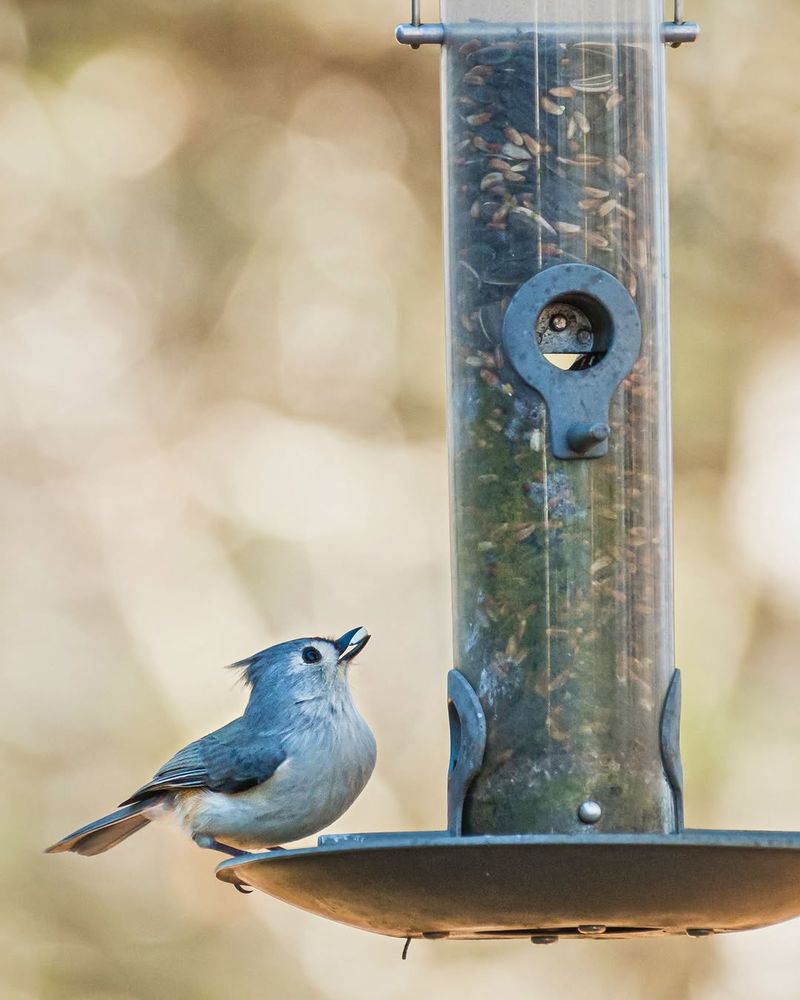
With its perky little crest and bold personality, the Tufted Titmouse is one of the most recognizable birds in Pennsylvania gardens. Do not let its small size fool you.
This bird is a serious insect hunter, and it plays a surprisingly important role in keeping Spotted Lanternfly populations from getting out of hand during the summer months.
Tufted Titmice nest in tree cavities and dense shrubs, which puts them right in the middle of the garden areas where Spotted Lanternflies tend to gather and lay eggs.
Your Pennsylvania Garden Changes Every Week. Your Plan Should Too.
Gardening in Pennsylvania changes quickly throughout the season. Every Friday you’ll receive a simple weekly plan showing exactly what to plant, prune, fertilize, harvest, and protect so you never miss the right timing.
They feed on a wide variety of small insects and eggs, and Spotted Lanternfly eggs are exactly the kind of food source they seek out during the nesting season.
When parent birds are feeding their young, they need enormous amounts of protein, which means they hunt even more aggressively in July.
Encouraging Tufted Titmice to visit your yard is not difficult. They respond well to sunflower seeds and suet feeders, especially during the summer when natural food can be harder to find.
Planting native shrubs like serviceberry and elderberry gives them both food and nesting cover. Leaving dry tree snags standing, when it is safe to do so, provides natural nesting cavities that Tufted Titmice absolutely love.
The presence of these birds along garden borders creates a natural patrol zone that other pest insects also tend to avoid. Once a pair of Tufted Titmice establishes a territory in your yard, they will defend it actively and return season after season.
Building that kind of long-term relationship with your local wildlife is one of the best investments a Pennsylvania gardener can make for a healthier, more balanced outdoor space.
3. Blue Jays
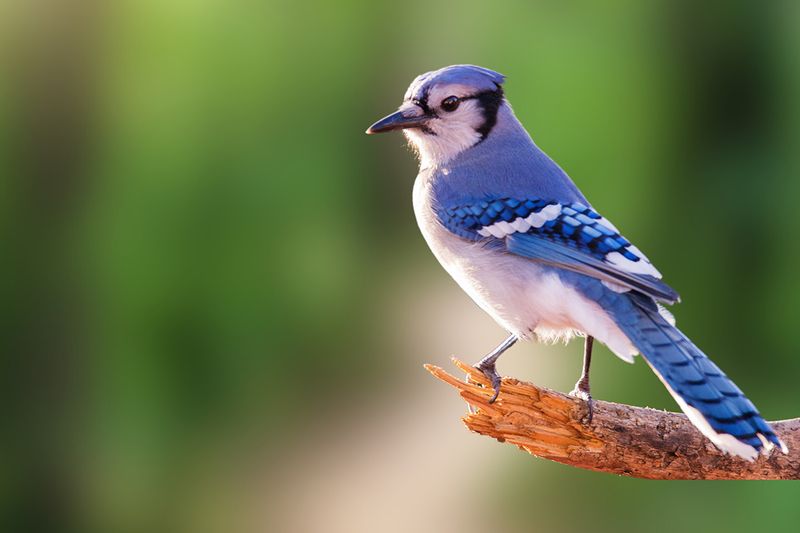
Loud, bold, and impossible to miss, Blue Jays bring a lot of energy to any Pennsylvania garden.
They are often seen as bossy or aggressive, but that strong personality comes with a real benefit: Blue Jays are excellent hunters that actively patrol both trees and shrubs for insects, including Spotted Lanternflies at every life stage.
Blue Jays are omnivores, which means they eat a wide range of foods. In summer, insects make up a big portion of their diet, and they are not picky about which ones they grab.
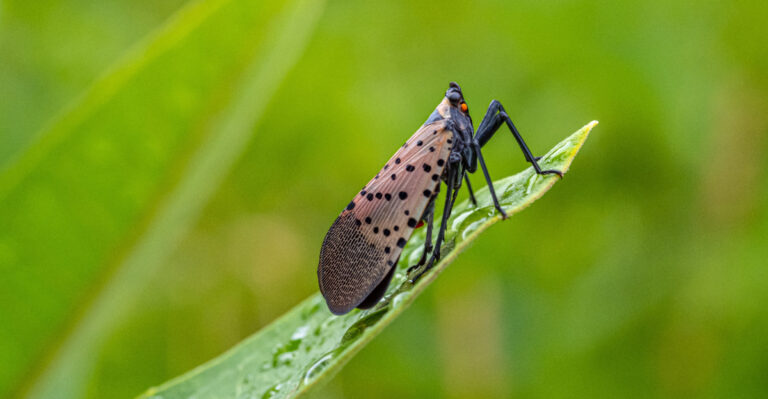
Adult Spotted Lanternflies, which become more active and visible in July, are large enough to catch a Blue Jay’s attention.
Their bright red and black coloring might seem like a warning, but Blue Jays have been observed eating them without hesitation, especially when other food sources are limited.
Because Blue Jays are larger birds, they cover more ground than smaller species. They move through both the upper and lower levels of trees, which means they can intercept Spotted Lanternflies at multiple points in the garden.
This wide-range patrolling helps reduce adult populations before they have a chance to mate and lay more eggs.
Attracting Blue Jays is straightforward. They love acorns and whole peanuts, so placing a tray feeder stocked with these foods near the edge of your yard works well.
Planting oak trees over time will also create a long-term habitat that Blue Jays return to year after year. Just be patient with their noisy habits.
The pest control services they provide throughout the growing season more than make up for the occasional racket they create in the morning.
4. Ladybugs
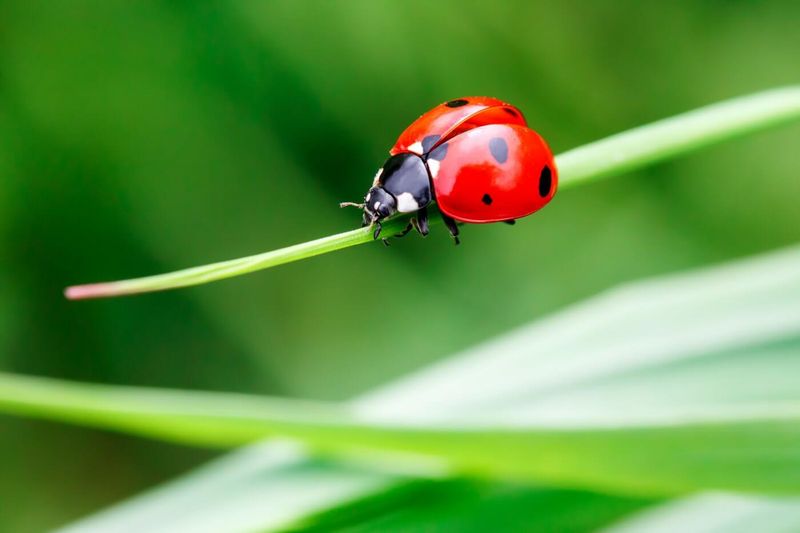
Spotting a ladybug in your garden has always felt like a lucky moment, and it turns out that feeling is backed up by real science.
Ladybugs are among the most effective beneficial insects a gardener can have, and in Pennsylvania summers, their appetite for small pests like Spotted Lanternfly nymphs and eggs makes them genuinely valuable allies.
Ladybugs are voracious eaters during both their larval and adult stages. A single ladybug can consume dozens of small insect pests in a single day.
Spotted Lanternfly eggs and early-stage nymphs are soft, accessible targets that fit perfectly into a ladybug’s diet.
When ladybug populations are healthy and active in July, they can make a noticeable difference in how many young Spotted Lanternflies survive to adulthood.
One of the best things about ladybugs is that they do their work quietly and consistently. They do not need any encouragement beyond a garden that supports them.
Planting nectar-rich flowers like dill, fennel, and marigolds gives adult ladybugs the supplemental food they need between insect meals.
Avoiding synthetic pesticides is the single most important thing you can do to protect them, since many common garden chemicals are just as harmful to ladybugs as they are to the pests you are trying to manage.
Purchasing ladybugs from a garden center and releasing them can give your garden a quick population boost, but keeping them around requires the right habitat. Mulched garden beds, low-growing ground cover, and a water source all help.
When your garden becomes a welcoming place for ladybugs, you are building a natural defense system that works around the clock, all season long, without any extra effort on your part.
5. Lacewings
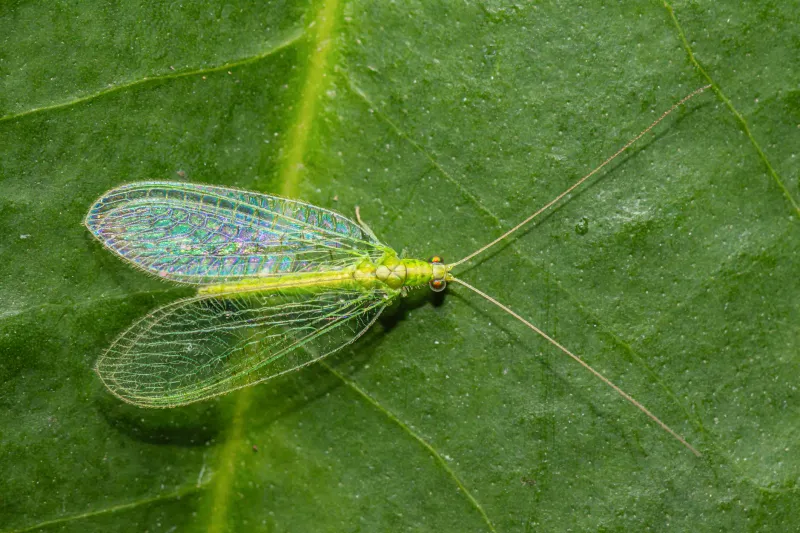
Lacewings might look fragile with their delicate, transparent wings and slender bodies, but do not underestimate them. The larvae of these insects are fierce predators that gardeners sometimes call “aphid lions,” and their appetite extends well beyond aphids.
In July, lacewing larvae actively hunt Spotted Lanternfly eggs and small nymphs, making them one of the most effective biological controls available in Pennsylvania gardens.
Adult lacewings feed mainly on nectar and pollen, but their larvae are a completely different story. Lacewing larvae have large, curved jaws that they use to grab and drain small soft-bodied insects and eggs.
Spotted Lanternfly eggs, which are laid in flat masses on tree bark and smooth surfaces, are exactly the kind of target lacewing larvae seek out.
A healthy population of lacewing larvae working through your garden in midsummer can significantly reduce the number of Spotted Lanternfly eggs that successfully hatch.
Attracting lacewings to your yard is easier than most people think. Planting a variety of flowering plants that bloom throughout the season gives adult lacewings the nectar they need to survive and reproduce.
Yarrow, coriander, and sweet alyssum are especially good choices. Leaving a small section of your garden slightly wild, with tall grasses and leaf litter, gives lacewings a safe place to shelter and lay their own eggs.
Lacewings are also available for purchase from garden supply stores and can be released directly into your garden. For best results, release them in the evening when temperatures are cooler.
Once established, they will reproduce on their own and continue working through the summer. Few insects offer this level of targeted pest control with so little effort required from the gardener.
6. Spiders
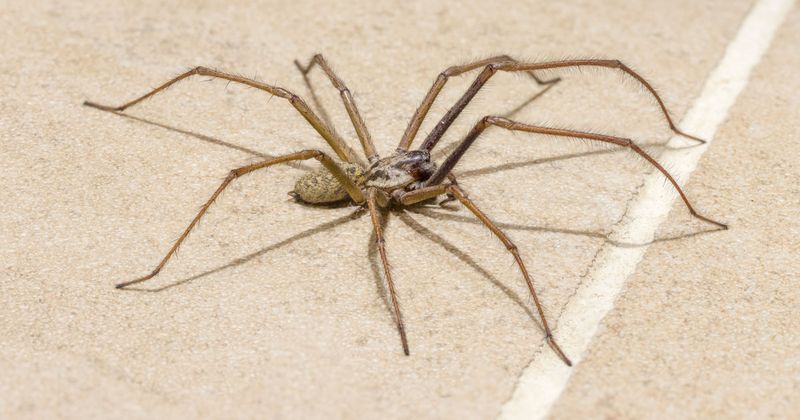
Most people instinctively want to clear away spider webs from their garden, but that reaction is worth reconsidering. Garden spiders are some of the most efficient natural pest managers in Pennsylvania, and their webs act like passive traps that work around the clock.
In July, when Spotted Lanternfly nymphs and adults are on the move, a well-placed spider web can intercept dozens of them without any effort from you.
Common Pennsylvania garden spiders like the yellow garden spider and the orb weaver build large, intricate webs in open areas between plants and along fence lines.
These webs are perfectly positioned to catch flying and jumping insects, including Spotted Lanternfly adults that become more active in late summer.
Once caught, spiders consume their prey quickly, removing those insects from the breeding population entirely.
Spiders also help regulate the broader insect ecosystem in your garden. By keeping populations of many different pest species in check, they reduce the overall pressure on your plants.
This balance is important because a garden that has too many of any one pest species tends to attract even more problems over time. Spiders quietly prevent those imbalances from developing.
Encouraging spiders in your garden is simple. Stop removing their webs whenever you spot them, as long as they are not in a spot that causes problems for you or your family.
Leave some garden debris and leaf piles in out-of-the-way corners, since spiders use these for shelter. Plant dense shrubs and perennials that give them anchoring points for their webs.
The more comfortable spiders feel in your yard, the longer they will stay and the more Spotted Lanternflies they will remove from your garden all season long.