More Great Horned Owls Near Your Florida Property Means Fewer Rats (Here’s How To Attract Them)
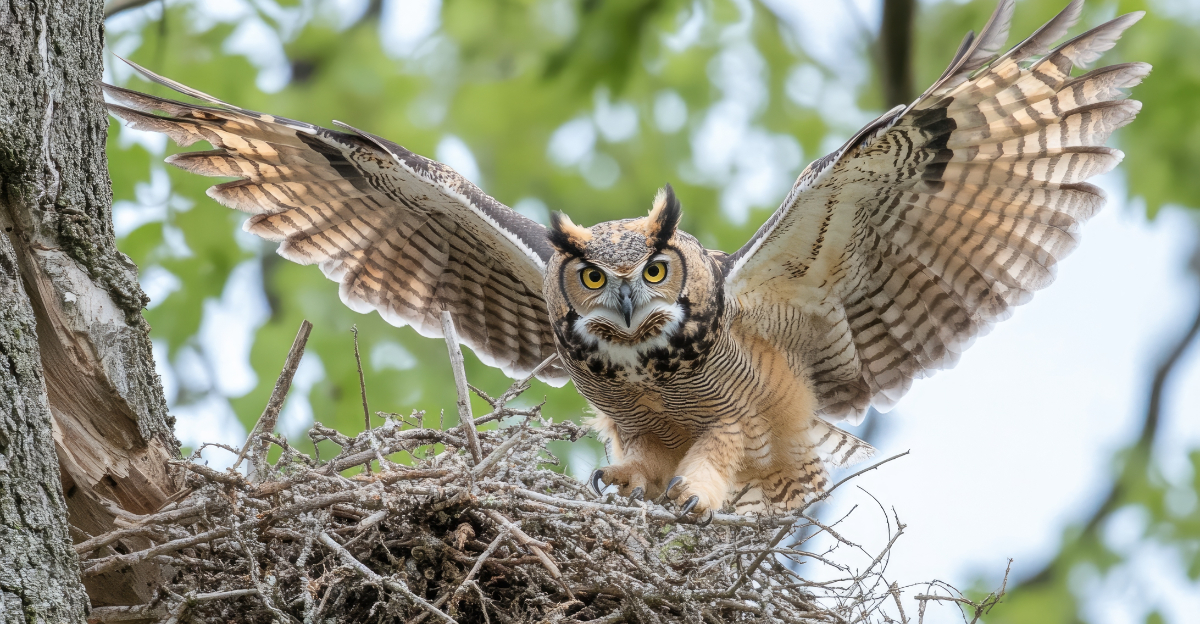
Rats in the yard are bad enough, but rats near the porch, shed, chicken coop, or garden can turn into a real Florida headache fast. The good news is that one of the state’s most impressive nighttime hunters may already be part of the solution.
Great horned owls are powerful predators with a taste for rodents, and a property that feels safe and suitable can become a regular stop on their nightly route. That does not mean turning your yard into a wild jungle or tossing food outside.
It means making smarter choices that support natural hunting. Preserve mature trees, reduce bright nighttime lights, and avoid rodent poison that can harm owls.
With the right habitat cues, your property can become more inviting to these silent hunters and a lot less comfortable for rats.
1. Great Horned Owls Hunt Rats, But Not Only Rats
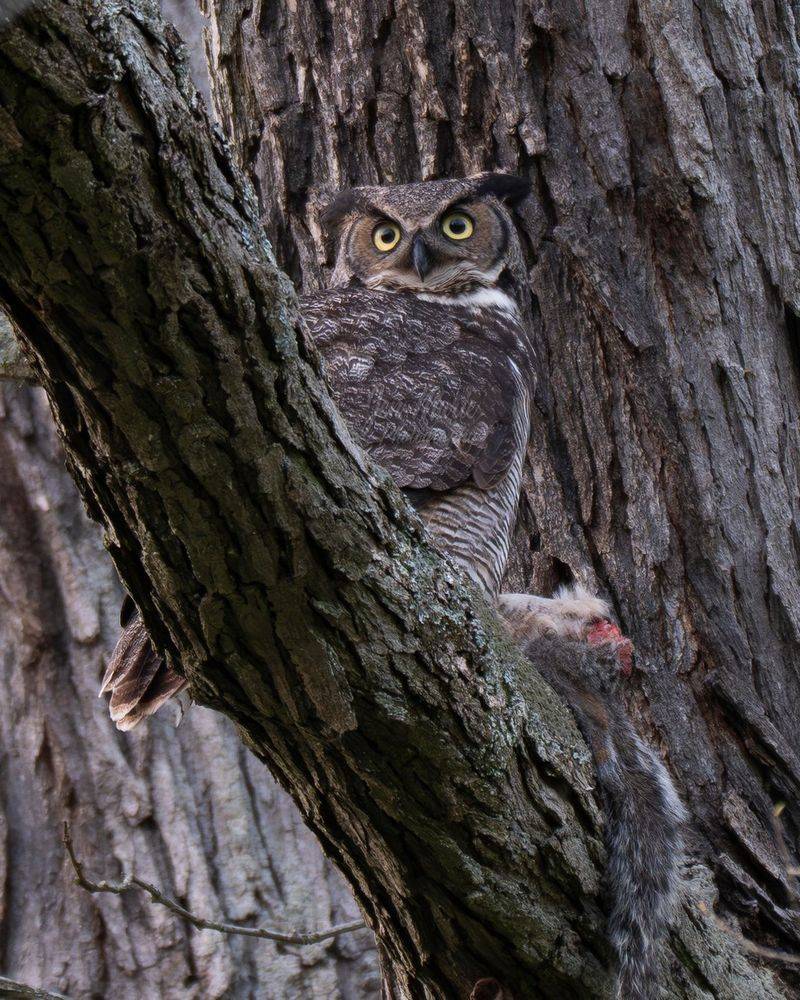
A great horned owl (Bubo virginianus) sitting still in a tall oak at dusk is not just watching the yard for rats. These birds are opportunistic hunters with a broad diet that includes mice, rabbits, squirrels, birds, reptiles, amphibians, and other prey.
Rats are one item on a varied menu, not the only target.
According to the Cornell Lab of Ornithology, great horned owls are among the most adaptable predators in North America. Their hunting range, prey selection, and activity patterns shift depending on what is available in their territory.
A single owl covering a large suburban lot does not spend every night focused on rat runs along your fence line.
What owl presence does offer is natural predator pressure. Rodents that sense an active predator nearby may shift behavior, reduce surface movement, or avoid certain areas.
That behavioral effect is real, but modest. It adds to your overall rat-management approach rather than replacing it.
Treating owl activity as one layer of a healthy yard food web is the most accurate and useful way to think about it.
2. A Rat Problem Still Starts With Food And Shelter
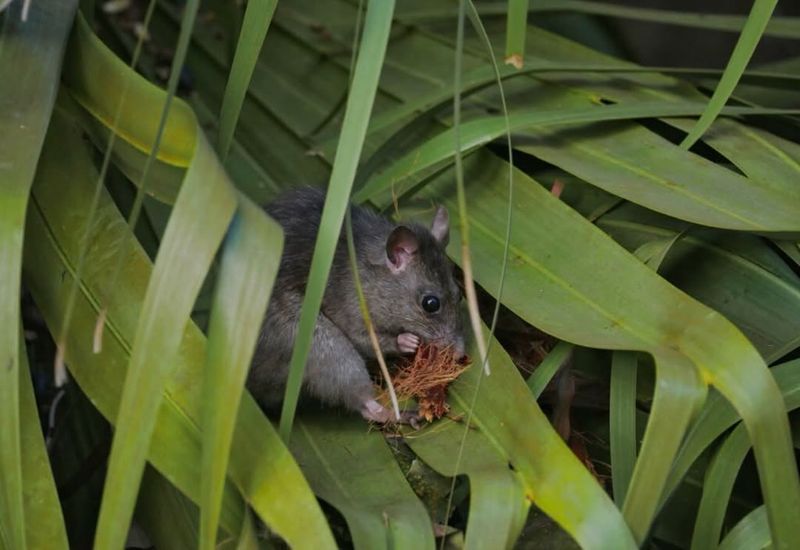
Rats do not stay near a Florida home by accident. They stay because something is drawing them in and keeping them comfortable.
Pet food left outside overnight, birdseed scattered under feeders, and fallen citrus or mangoes are reliable food sources. Unsecured trash cans and open compost bins also keep rodents active around a property.
Shelter matters just as much. Dense clutter near sheds, stacked woodpiles, and palm debris piles give rats places to hide.
Crawlspace gaps and open utility penetrations give them exactly what they need to nest and breed. Attracting owls without addressing these conditions leaves the underlying rat problem in place.
UF/IFAS Extension and the CDC both emphasize that sanitation and exclusion are the foundation of rodent management. Sealing entry points, securing food, removing clutter, and managing fruit drop do more to reduce rat activity than any single predator can.
An owl hunting your yard edge adds natural pressure, but a clean, well-maintained property removes the reasons rats wanted to be there in the first place. Combine both approaches for the best result.
Your Florida Garden Changes Every Week. Your Plan Should Too.
Gardening in Florida changes quickly throughout the season. Every Friday you’ll receive a simple weekly plan showing exactly what to plant, prune, fertilize, harvest, and protect so you never miss the right timing.
3. Tall Trees Give Owls The Perches They Need
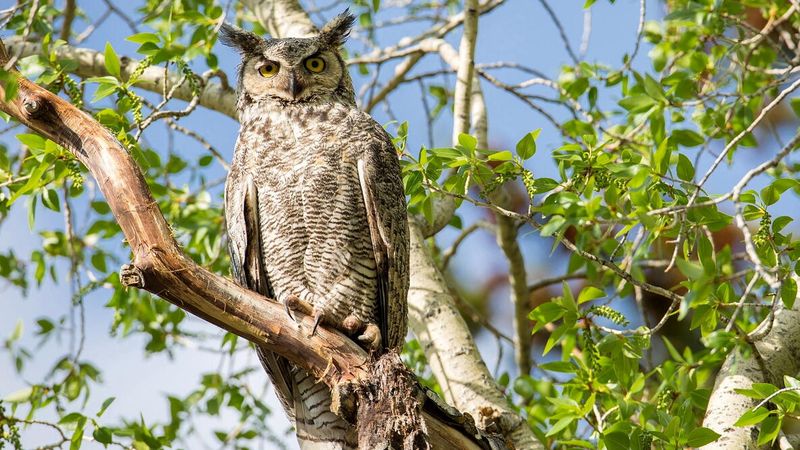
Somewhere above a quiet suburban lot, a great horned owl settles onto a thick horizontal branch and scans the ground below. That image depends entirely on one thing: a tall, mature tree with the structure to support a large bird.
Great horned owls rely on high perches for roosting, watching, and launching hunts over open ground.
Live oaks, slash pines, longleaf pines, and other large native trees provide the branch strength, canopy height, and stable structure these birds prefer.
Wooded lot edges, mature tree lines, and older suburban neighborhoods with established canopy tend to support owl activity better.
Newer developments with only young or small ornamental plantings usually offer less.
Protecting healthy mature trees on your property is one of the most practical things you can do to support owl habitat. However, not every large tree is safe to keep as-is.
Storm-stressed trees, those with significant lean, visible decay, or hazardous limbs should be evaluated by a certified arborist before any decisions are made.
Removing a dangerous tree is sometimes necessary, but preserving structurally sound mature trees benefits the entire local food web, owls included.
4. Open Edges Make Night Hunting Easier
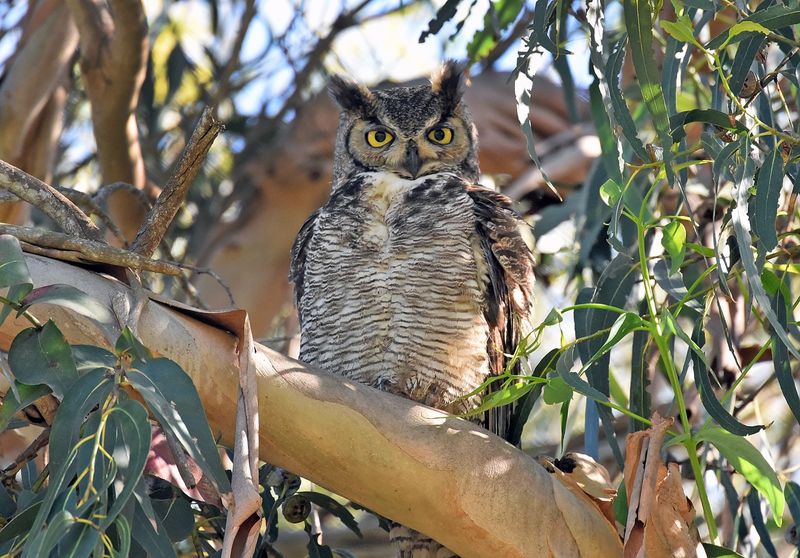
Picture a retention pond edge just after dark, with a strip of open lawn running between the water and a row of tall pines. That transition zone, where cover meets open ground, is exactly the kind of space great horned owls use when hunting at night.
A mix of structure and openness lets them fly low, locate movement, and strike effectively.
Florida yards that are completely blocked by dense shrub walls, overgrown fence lines, or heavy clutter along every edge give owls less room to work.
A cleaner edge between a wooded section and an open lawn, field, canal bank, or retention area creates a more useful hunting corridor.
This does not mean stripping your yard bare. Native groundcovers, low plantings, and garden beds can coexist with open hunting lanes.
Keeping edges cleaner also reduces rat hiding places along fence lines, shed perimeters, and dense plantings. Rats move through cluttered edges because cover makes them feel safe.
Reducing that cover serves two purposes at once: it makes your yard more useful to a hunting owl and less comfortable for rodents moving between sheltered areas at night. Both outcomes support a healthier yard.
5. Rodenticides Can Turn Prey Into A Hazard
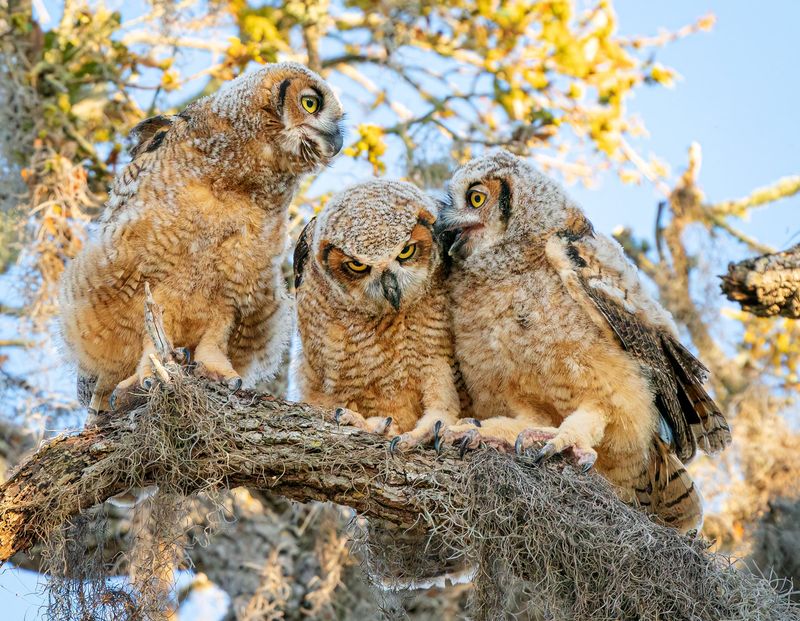
A rat that has consumed a rodenticide does not immediately vanish. It slows down, becomes easier to catch, and may be found in the open during daylight hours.
For a great horned owl, a sluggish rat can look like an easy meal. That is exactly where the risk begins.
Secondary exposure, sometimes called secondary poisoning, occurs when a predator eats an animal that has already consumed a toxic substance. Anticoagulant rodenticides are of particular concern.
The EPA, Audubon, and wildlife organizations have documented risks to raptors and other non-target wildlife from casual or improper rodenticide use.
This does not mean every product is equally dangerous in every situation, but the risk is real enough to take seriously.
The practical guidance here is straightforward. Avoid casual rodenticide use, especially second-generation anticoagulants, in yards where wildlife activity is present.
Focus on exclusion, sanitation, and trapping as primary management tools. If a licensed pest-management professional recommends a rodenticide product, follow label directions precisely and ask about non-target wildlife risks.
A yard that supports owls and other predators is better protected by keeping those predators healthy than by relying on products that can harm them.
6. Old Nests And Strong Branches Matter More Than Cute Owl Houses
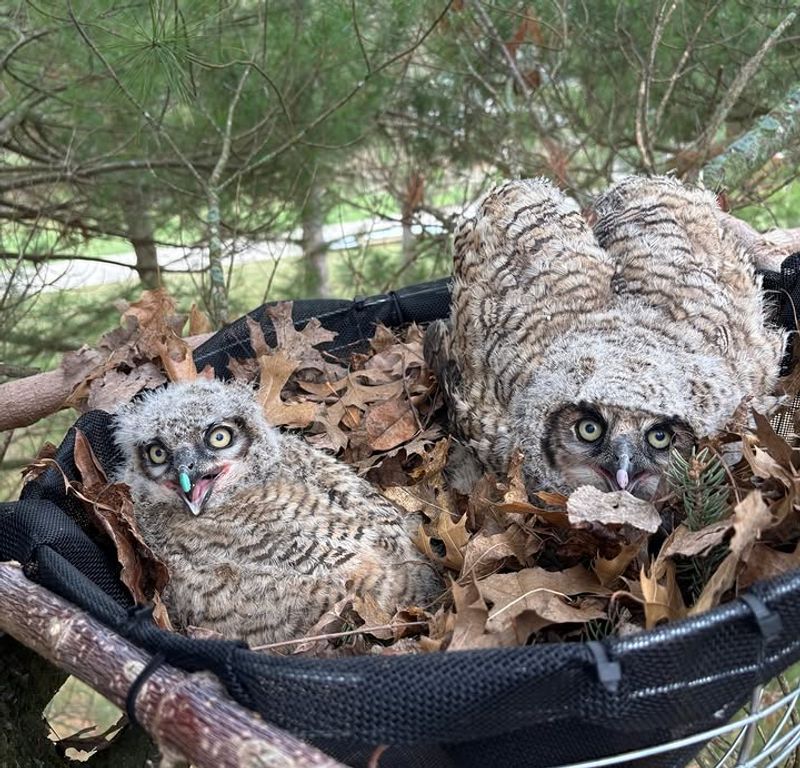
High in a slash pine, an old red-shouldered hawk nest sits wide and flat on a strong branch fork. A great horned owl may claim that same nest without any help from a Florida homeowner.
Unlike bluebirds or screech-owls, great horned owls do not typically move into tidy nest boxes mounted on poles or fence posts.
According to the Cornell Lab of Ornithology and Audubon, great horned owls commonly use nests built by other large birds, including hawks, crows, and herons. They also use tree cavities, broken-top snags, ledges, and other sturdy natural structures.
Nesting season in this state often begins earlier than many people expect, with eggs sometimes laid in late winter.
Owl nest boxes marketed to homeowners are not the primary strategy for attracting great horned owls. The better approach is preserving mature trees with strong branch forks and protecting existing large nests where safe.
It also means reducing human disturbance near wooded areas during nesting season. If you find an active nest, observe from a respectful distance.
Never approach, disturb, or attempt to handle eggs or young birds. Contact a licensed wildlife rehabilitator if you find an injured or grounded owl.
7. Outdoor Lighting Can Make Hunting Less Natural
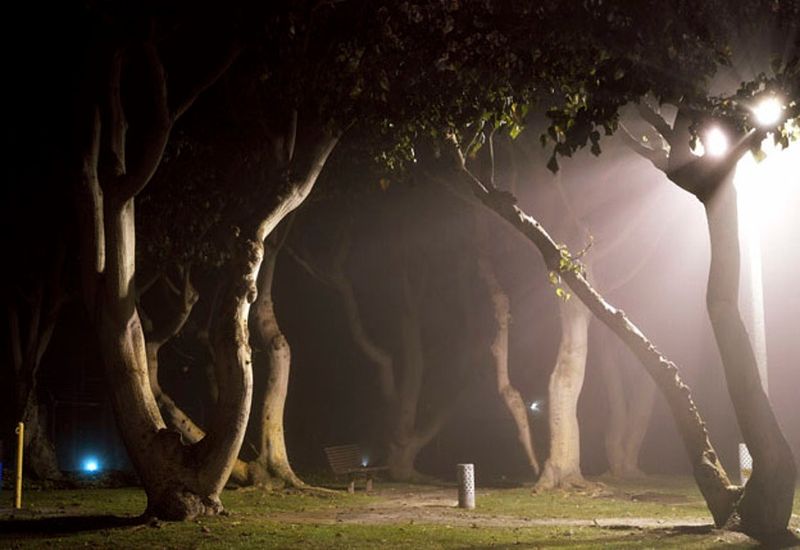
Bright security lights flooding a backyard edge all night long change the character of that space for nocturnal wildlife. Great horned owls are adapted for low-light and darkness.
Constant artificial illumination does not make every yard unusable, but it can shift how and where nocturnal animals move, hunt, and feel comfortable.
Research on light pollution and wildlife behavior has grown in recent years. It would be an overstatement to claim every outdoor light drives owls away entirely.
Still, darker, quieter edges tend to feel more natural for nocturnal activity. Reducing unnecessary glare along wooded edges, fence lines, and open hunting corridors is a reasonable step.
Practical changes do not require removing safety lighting. Motion-activated lights serve security needs without flooding the yard all night.
Shielded or downward-directed fixtures reduce sky glow and sideways spill. Warm-spectrum bulbs cause less disruption to wildlife than bright white or blue-toned LEDs.
Turning off decorative lights after a reasonable hour helps as well. A yard that stays darker along its edges is not just better for owls.
Rats that feel exposed in open, lit areas may also reduce surface movement, which adds another modest layer of pressure on rodent activity.
8. The Best Yard Helps Owls While Removing Rat Attractants
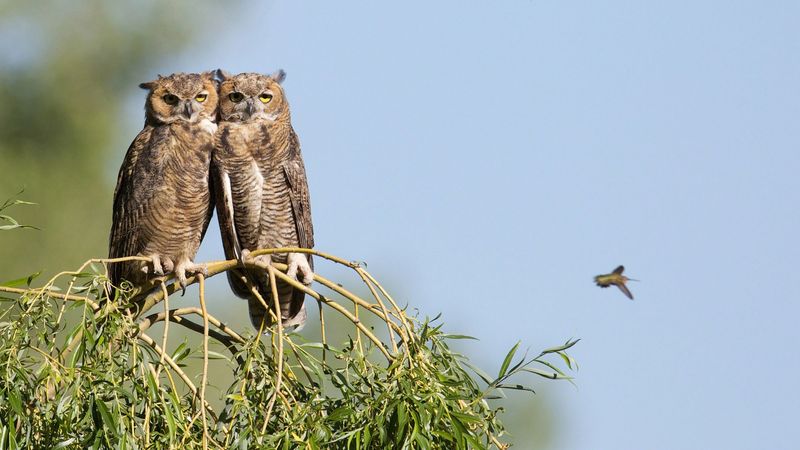
A homeowner picking up dropped mangoes before nightfall is already doing serious rat-management work. Securing the trash can lid and bringing in the dog bowl matter just as much.
Combine that habit with a mature tree canopy overhead and a clean open edge near the yard perimeter, and the property starts working against rats on multiple levels.
Supporting great horned owls and reducing rat attractants are not competing goals. Mature trees, open hunting edges, reduced poison use, sealed building gaps, managed fruit drop, and controlled birdseed all point in the same direction.
A yard built around these habits is less useful to rats and more hospitable to the predators that naturally patrol it.
Owls are part of a broader food web that keeps yards healthier over time. Encouraging that web by protecting habitat, reducing disturbance, and cleaning up attractants is the most responsible approach available to homeowners.
Owl activity adds natural predator pressure that complements everything else you are already doing. Clean property habits handle the rest.
That combination, not any single strategy on its own, is what makes the difference for a yard that genuinely supports wildlife while staying less inviting to rats.