How To Grow Gooseberries And Currants Organically In Michigan
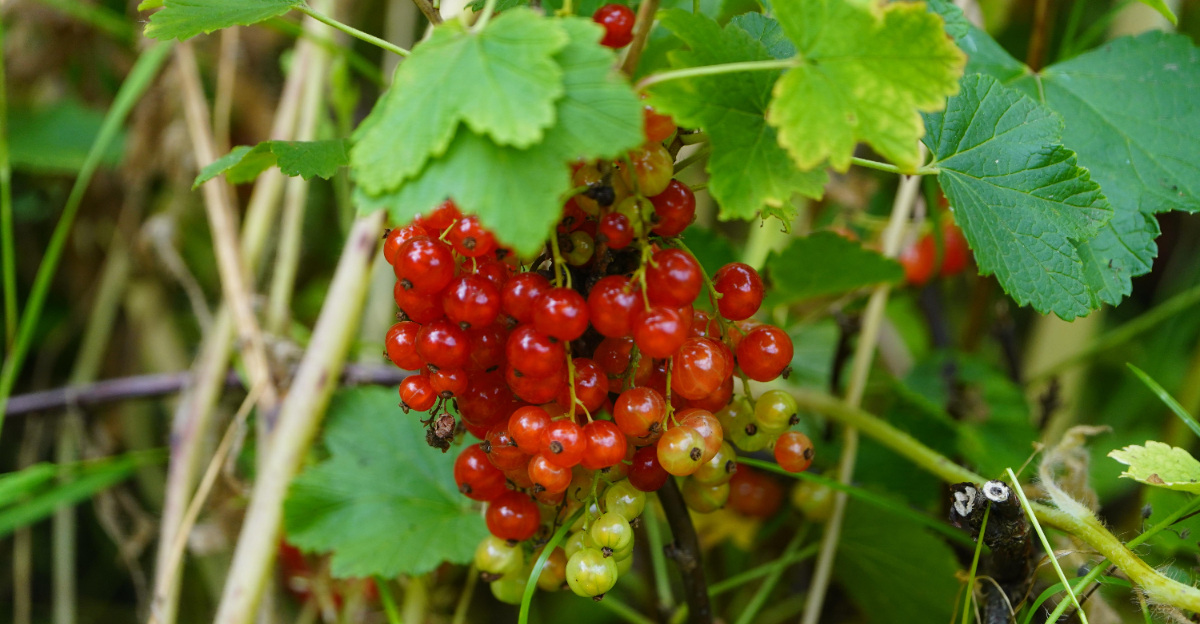
Something magical happens when you bite into a homegrown gooseberry or a cluster of fresh currants picked straight from your own backyard.
These small but mighty berries have been feeding families in northern climates for centuries, and Michigan gardeners are perfectly positioned to grow them well without much of a learning curve once they understand the basics.
The Great Lakes State offers cool summers, reliable rainfall, and rich soils that these plants absolutely love, which is part of why so many longtime Michigan growers swear by them as some of the easiest fruit to keep producing year after year.
With a little planning and some organic know-how, you can fill your yard with productive berry bushes that reward you with fruit season after season for well over a decade.
Before you grab a shovel, though, there are rules, soil secrets, and pruning tricks worth knowing that most first-time growers never hear about until they have already made a mistake or two.
This guide walks you through everything from state permit rules to scouting for pests, so your berry patch gets the best possible start and keeps producing for seasons to come.
1. Check Michigan Permit Rules First
Not every berry bush is a free pass to plant.
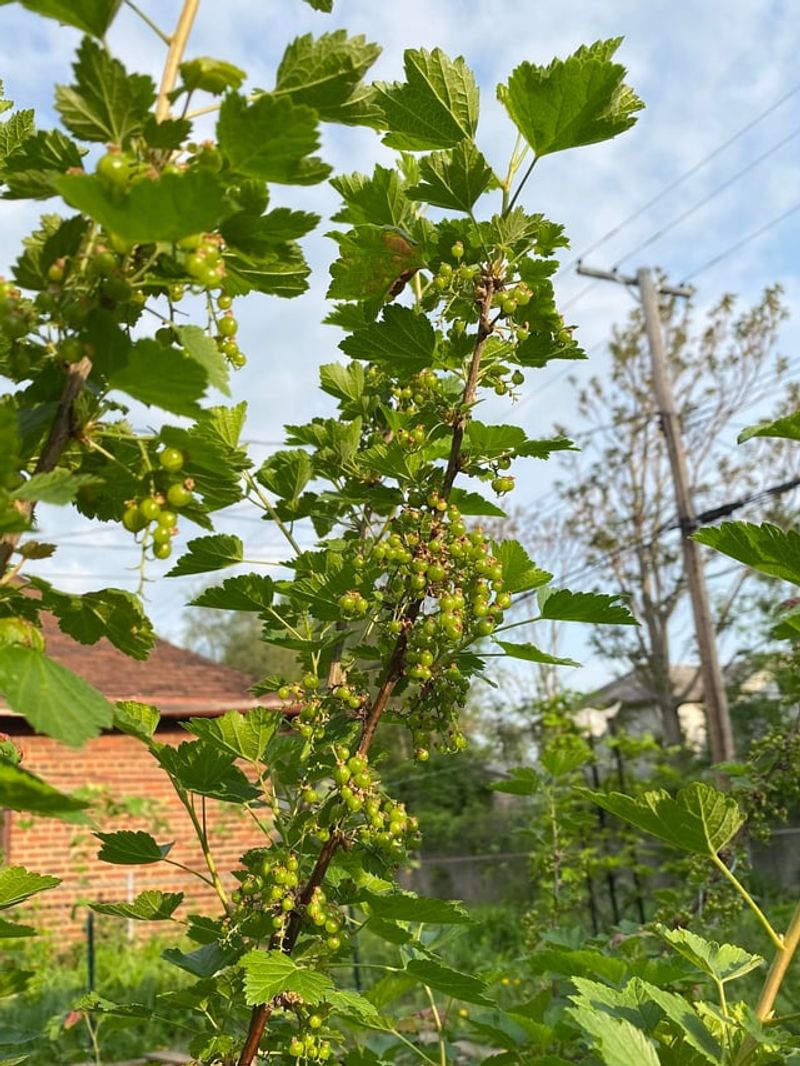
Michigan has historically regulated Ribes plants, which include gooseberries and currants, because certain species can host white pine blister rust, a fungal disease that threatens the state’s valuable white pine forests.
Before you order a single plant, you need to know where the law stands today.
Michigan lifted its statewide ban on Ribes in 2007, but county-level restrictions can still apply. Some counties near significant white pine timber zones may have local rules that limit or prohibit planting.
Contact your local Michigan State University Extension office or the Michigan Department of Agriculture and Rural Development before buying anything.
A quick phone call or email can save you a lot of trouble later down the road.
Even where planting is fully legal, choosing rust-resistant varieties is strongly encouraged.
State guidelines typically favor varieties that carry low host potential for white pine blister rust. Growing resistant types is not just good practice; in some areas it may be a legal requirement that varies from county to county.
Always verify current regulations, because rules can change from year to year.
Keeping records of your variety choices and where you purchased your plants is also a smart habit. Staying informed protects your garden, your neighbors’ pines, and your good standing with local agricultural authorities.
Start on the right side of the rules and your berry patch will grow without any legal surprises.
2. Choose Resistant Ribes Varieties
Picking the right variety is honestly half the battle when growing berries organically.
Some Ribes plants are naturally tough, shrugging off powdery mildew and leaf spot while still producing generous crops.
Others struggle through every wet Michigan summer looking sad and spotty. Starting with resistant varieties means less work, fewer sprays, and more fruit waiting for you at harvest time.
Your Michigan Garden Changes Every Week. Your Plan Should Too.
Gardening in Michigan changes quickly throughout the season. Every Friday you’ll receive a simple weekly plan showing exactly what to plant, prune, fertilize, harvest, and protect so you never miss the right timing.
For currants, Consort black currant is a classic rust-resistant choice and has been widely recommended by Michigan State University Extension for decades.
Titania is another black currant worth considering, offering strong yields and good disease resistance.
Red currant growers often have success with Rovada or Red Lake, both of which handle Michigan conditions reliably. White currants like Blanka add something a little unexpected to the garden and tend to be milder in flavor.
Gooseberry options include Invicta, a vigorous green-fruited variety with solid mildew resistance, and Hinnomaki Red, a Finnish selection that performs beautifully in cold climates.
Pixwell is a longtime Midwestern favorite known for its thornless-ish canes and reliable fruiting. When shopping, look for plants from reputable nurseries that label varieties clearly and guarantee disease-free stock.
Avoid mystery plants at garage sales or unnamed seedlings. Your organic garden deserves a strong, named, proven variety from the start, and matching the right plant to Michigan’s climate sets every season up for a berry-worthy harvest.
3. Pick Cool Moist Well Drained Soil
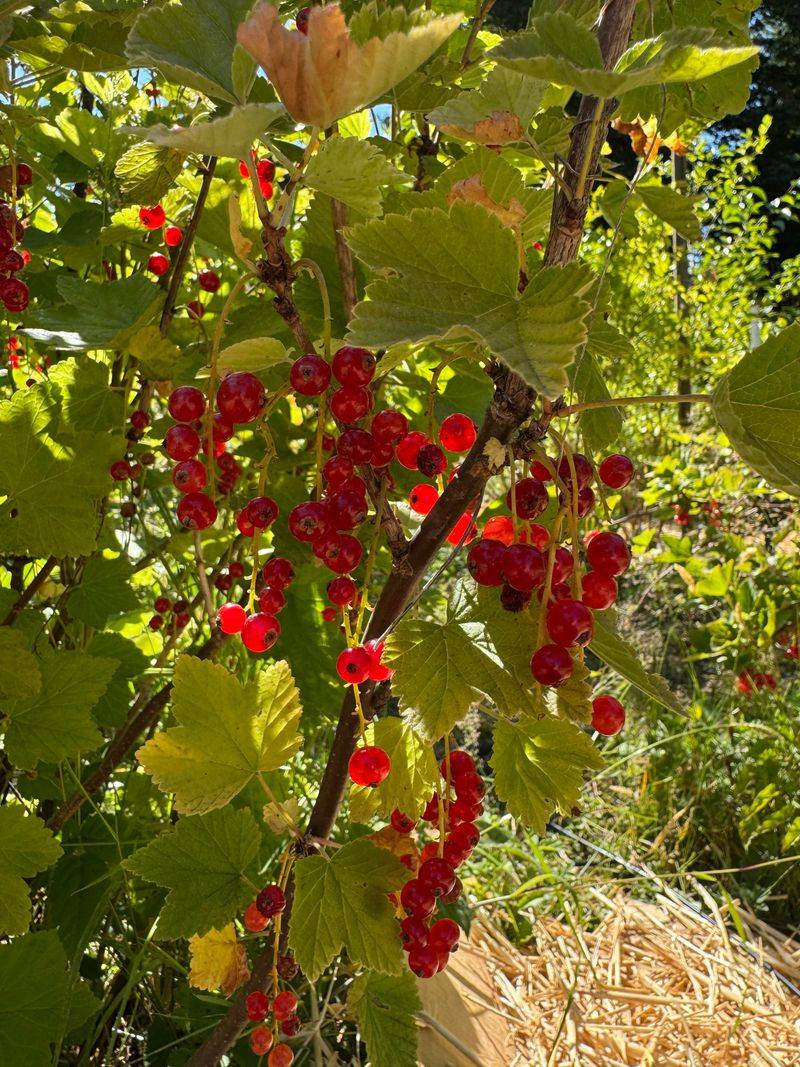
Location is everything for Ribes plants.
They are not fans of baking heat or soggy roots, and Michigan summers can throw both at you depending on where you live in the state.
Getting the site right before planting saves years of struggling with underperforming bushes that never quite settle in.
Look for a spot that stays cool and receives some afternoon shade, especially in southern Michigan where summer temperatures climb higher.
A north or east-facing slope works beautifully because it delays early spring growth, reducing frost damage to tender flower buds.
Avoid south and west-facing slopes that collect heat. Air circulation matters too, since good airflow around the plants reduces humidity and slows the spread of powdery mildew.
Soil drainage is non-negotiable.
Ribes roots need consistent moisture, but standing water causes root problems fast. If your yard has low spots that pool after rain, pick a different location or build raised beds instead of fighting the drainage you already have.
Sandy loam or loamy soils with good organic matter content are ideal.
Michigan has a wide range of soil types, from heavy clay in the south to sandy soils near the lakeshore. Heavy clay can be amended over time, but it requires patience and consistent organic matter additions.
Test your soil before planting using an MSU Extension soil test kit, since most Ribes prefer a pH between 6.0 and 6.5 for peak performance.
4. Add Compost Before Planting
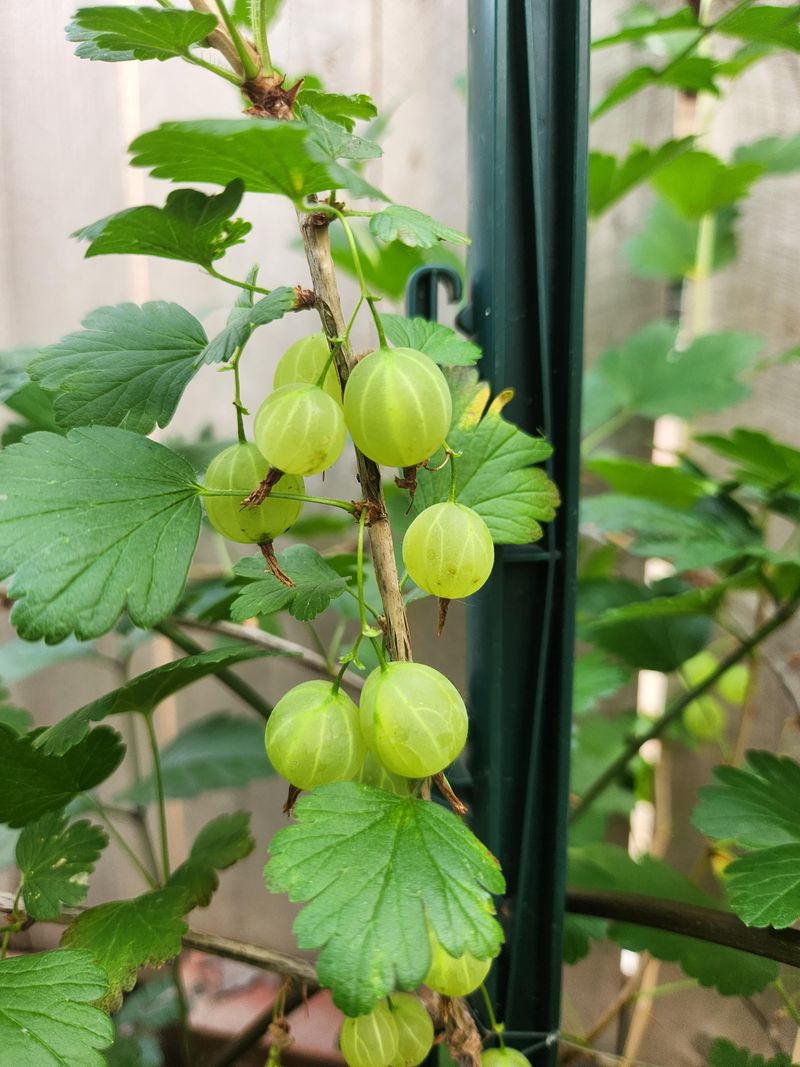
Healthy soil is the foundation of any organic garden, and berry bushes are long-term residents.
Unlike annual vegetables that leave after one season, gooseberries and currants can stay productive for fifteen years or more.
That means the investment you make in soil preparation before planting pays dividends for a very long time to come.
Start by clearing the planting area of weeds, especially perennial ones with deep roots like quackgrass and bindweed.
These compete aggressively with young berry plants and are much harder to manage once bushes are established.
Remove as many roots as possible by hand or with a garden fork. Avoid herbicides to stay organic and to protect the soil biology you are about to build.
Work in at least three to four inches of finished compost across the entire planting bed and incorporate it into the top twelve inches of soil.
Compost improves drainage in clay soils, boosts water retention in sandy soils, and feeds the beneficial microbial communities that support root health. Aged manure, leaf mold, or worm castings are all excellent organic additions.
If your soil test shows low phosphorus, bone meal is a slow-release organic option that supports root establishment.
Low potassium can be addressed with greensand or kelp meal. Avoid synthetic fertilizers, which can push leafy growth at the expense of fruit, and let the compost do the slow, steady work of building soil your bushes will thrive in for years.
5. Give Plants Morning Sun
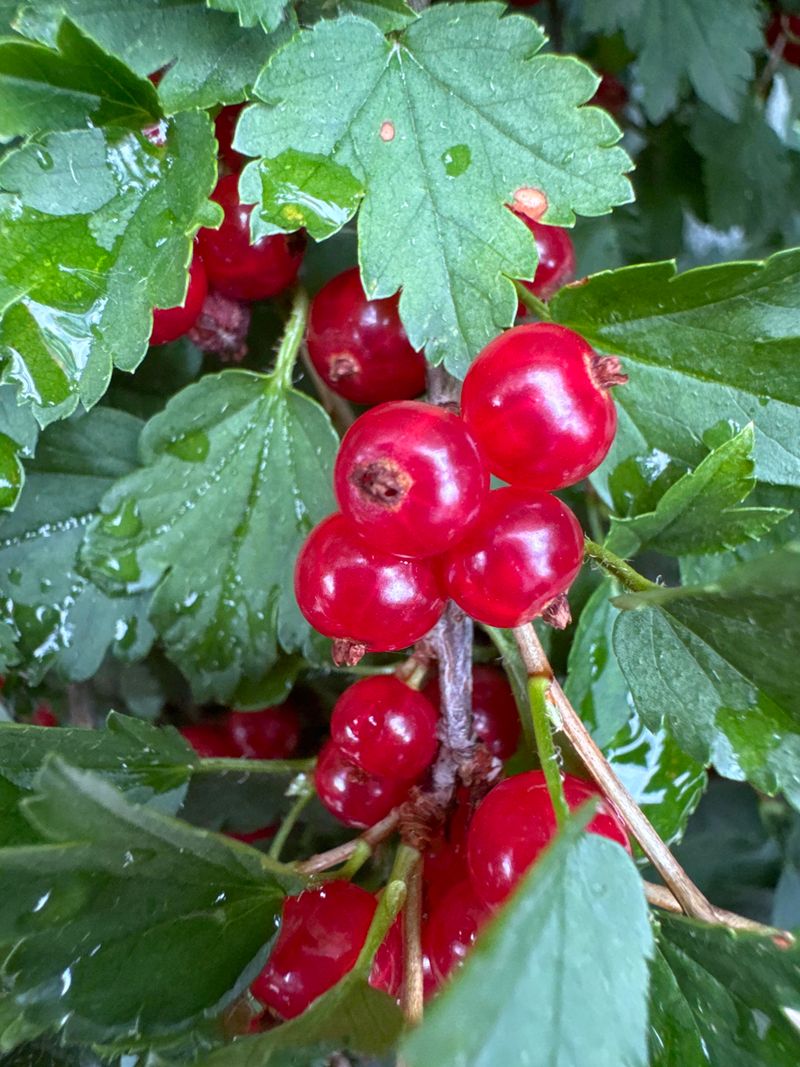
Light management might sound fussy, but it makes a real difference with Ribes plants.
They need enough sun to ripen fruit and fuel strong growth, but too much intense afternoon heat stresses them and invites disease.
Morning sun is the sweet spot that experienced growers keep coming back to season after season.
A location with six or more hours of direct morning light gives plants the energy they need without the heat stress that comes from baking western sun in July and August.
Afternoon shade from a fence, building, or tall shrubs can serve as a natural buffer. This setup also keeps leaf surfaces drier during the hottest part of the day, which slows the spread of powdery mildew significantly.
Young plants in their first and second years benefit especially from some protection.
Their root systems are still developing, and they cannot pull up water fast enough to handle prolonged heat stress. Mulching around the base helps, but siting them wisely from the start is a better long-term solution overall.
If your yard is mostly open and sunny, consider planting on the east side of a structure or taller shrub row.
Reflected heat from light-colored walls or pavement can also raise temperatures around plants unexpectedly.
Walk your yard at different times of day before committing to a location, since fifteen minutes of observation in early July tells you more than any map could.
6. Prune Older Canes Each Year
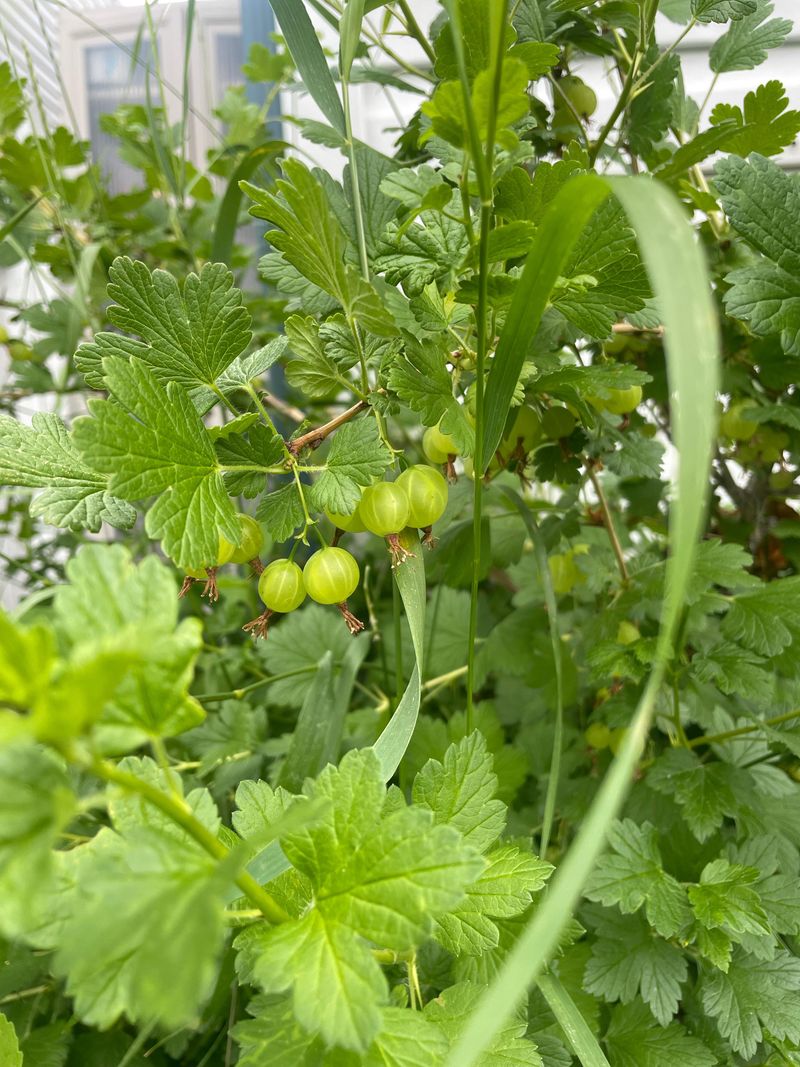
Pruning is where a lot of home gardeners hesitate, afraid of cutting off something important.
With gooseberries and currants, skipping annual pruning is actually the bigger mistake.
Overgrown, tangled bushes produce less fruit, block airflow, and become breeding grounds for pests and disease. A sharp pair of bypass pruners and a clear plan changes everything about how productive your bushes stay.
Both gooseberries and currants produce their best fruit on two and three-year-old wood.
Canes older than that become less productive and more prone to disease. The goal of renewal pruning is to keep a balanced mix of one, two, and three-year-old canes while removing anything older.
Aim for about six to eight healthy canes per bush total.
Prune in late winter or very early spring before new growth begins.
Remove canes that are four years old or older by cutting them to the ground. Also remove any crossing, damaged, or very low canes that drag along the soil surface.
Clean cuts heal faster and resist infection better than ragged ones, so keep your pruners sharp and clean.
Sanitize blades between plants with a diluted bleach solution or rubbing alcohol to avoid spreading any potential disease.
Compost healthy prunings but bag and remove any canes that showed signs of disease or insect damage.
Regular pruning keeps your bushes looking tidy and producing generously, season after season, without any complicated chemistry involved.
7. Mulch To Keep Roots Cool
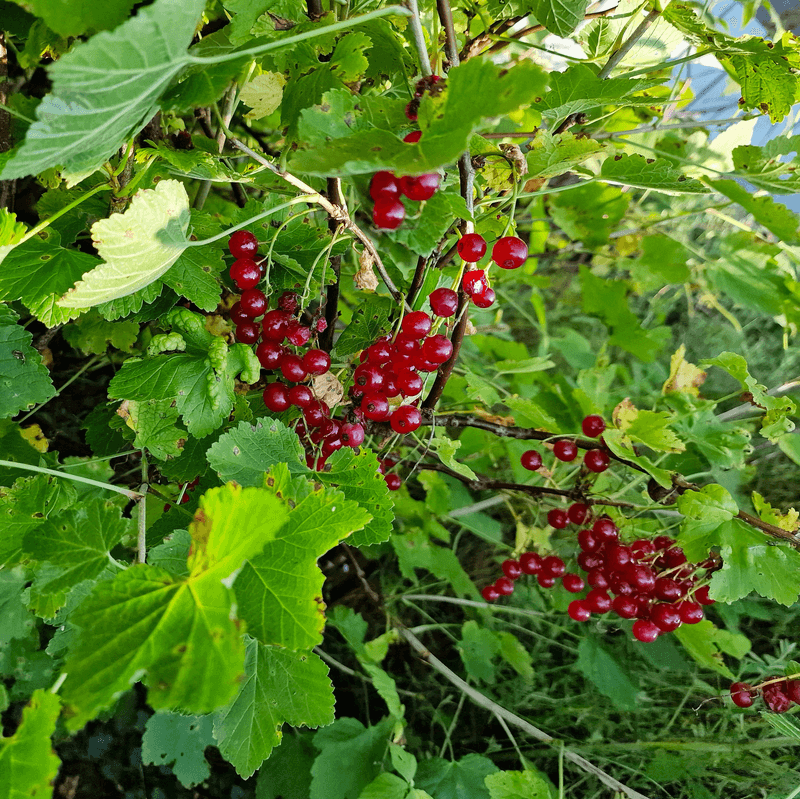
Mulch is one of the most underrated tools in the organic berry grower’s toolkit.
A good layer of organic mulch does three jobs at once: it holds soil moisture, suppresses weeds, and keeps root zone temperatures stable through Michigan’s unpredictable summers and freeze-thaw cycles in fall and spring.
Apply three to four inches of wood chips, straw, or shredded leaves around each bush, keeping mulch a few inches away from the base of the canes to prevent crown rot.
Wood chips from untreated trees are a fantastic choice because they break down slowly, feeding soil biology over time.
Straw works well too and is easy to find at farm supply stores across Michigan. Avoid dyed mulches or any material treated with synthetic chemicals that could compromise your organic growing standards.
Refresh mulch once a year, typically in late spring after the soil has warmed slightly.
In hot, dry summers, a thick mulch layer can reduce watering needs significantly by cutting evaporation from the soil surface. During a dry July, that moisture retention is worth its weight in berries by harvest time.
Mulch also creates a soft, hospitable habitat for earthworms and beneficial soil organisms that improve soil structure over time.
As organic mulch breaks down, it contributes nutrients back to the root zone in a slow, steady way that synthetic fertilizers simply cannot replicate, working all season long without any extra effort from you.