The Coneflower Mistake Many Georgia Gardeners Make In Summer
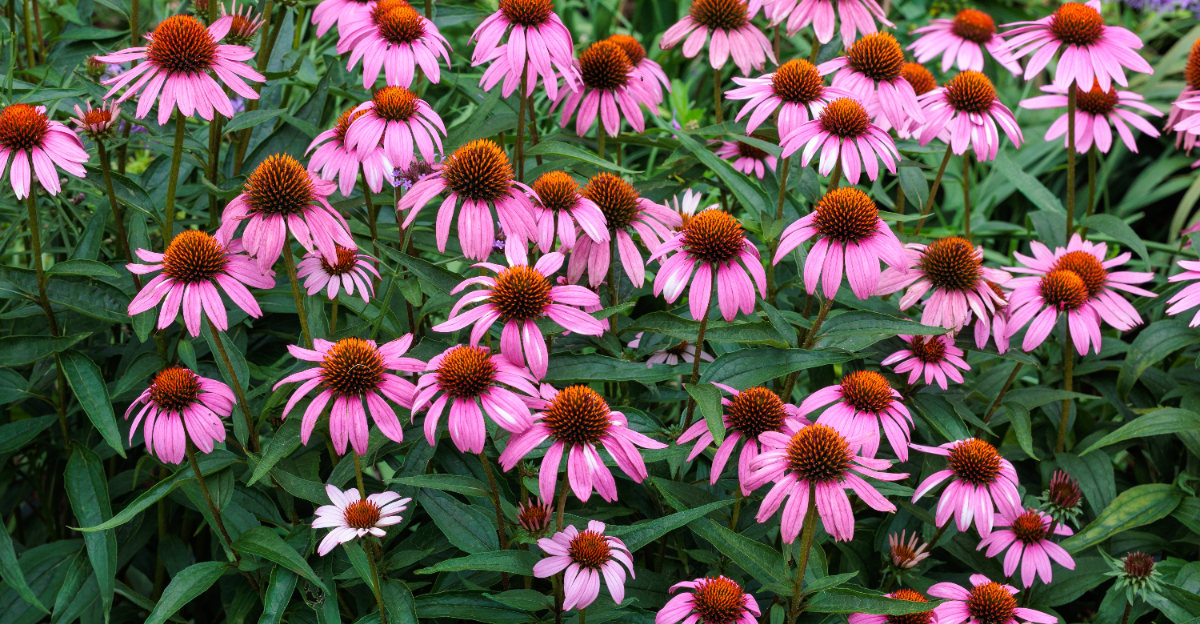
Coneflowers have earned their place in countless Georgia gardens because they bloom through the heat and ask for very little attention.
That reputation is well deserved, but it also leads many gardeners to believe these plants can simply be left alone all summer.
The biggest problems rarely begin with dramatic changes. A plant may still bloom, attract pollinators, and appear healthy while quietly producing fewer flowers or losing some of its vigor.
Those small differences are easy to overlook until the display is not as impressive as it once was.
One common summer habit is often responsible, even though it seems completely harmless. Avoiding that mistake can help coneflowers stay stronger, bloom longer, and continue putting on the colorful display they are known for.
1. Too Much Water Is Holding Coneflowers Back
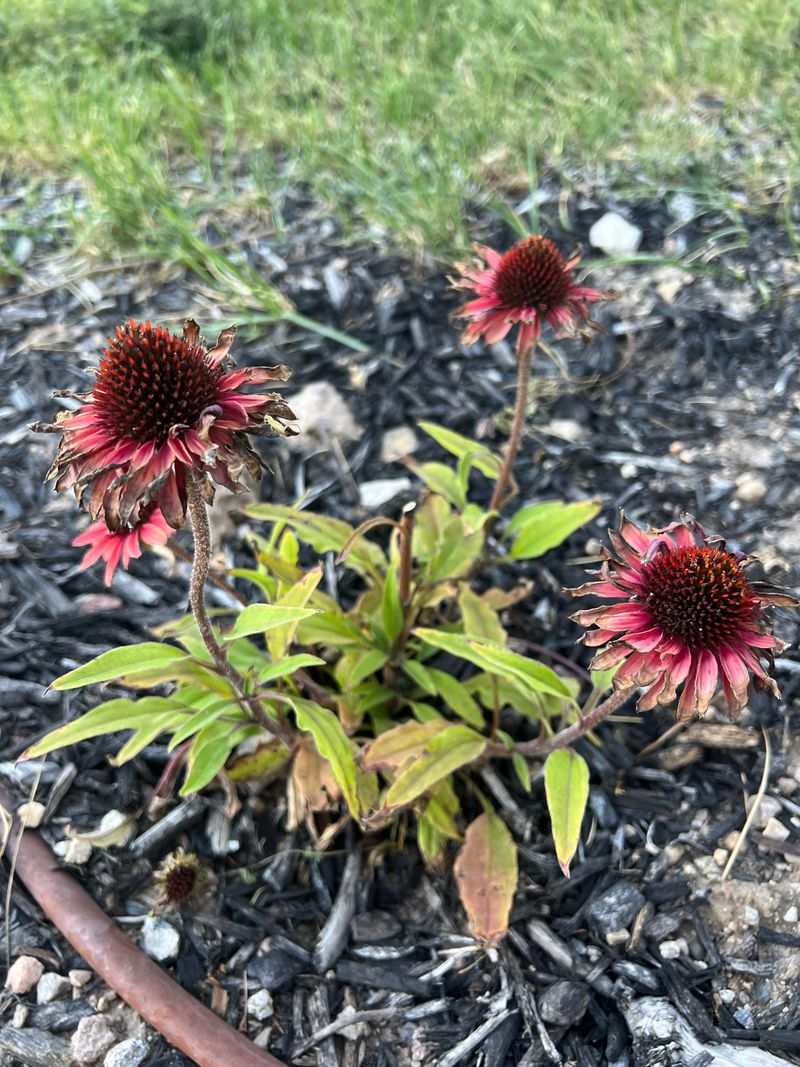
Overwatering is the silent enemy of coneflowers. Most gardeners assume more water means healthier plants, but coneflowers simply do not work that way.
Native to open prairies and meadows, coneflowers evolved to handle dry spells with ease. Their deep root systems are built for drought, not soggy conditions.
When roots sit in wet soil too long, they struggle to pull in oxygen. That stress shows up fast.
Yellowing leaves, drooping stems, and stunted growth are common signs. Many gardeners see those symptoms and water even more, which makes things worse.
Roots in waterlogged soil cannot function properly. Nutrient uptake slows down, and the plant burns energy just trying to survive instead of blooming.
Flowers get smaller, and the whole plant looks tired by midsummer.
Coneflowers in Georgia gardens often get too much water simply because gardeners treat them like other perennials that prefer consistent moisture. Coneflowers are different.
They want to dry out between waterings.
Cutting back on water is often the single best thing you can do for struggling coneflowers. Step back, let the soil breathe, and trust that these plants were made to handle heat.
Once you stop overwatering, recovery usually comes quickly and the blooms follow shortly after.
2. Let The Soil Dry Before Watering Again
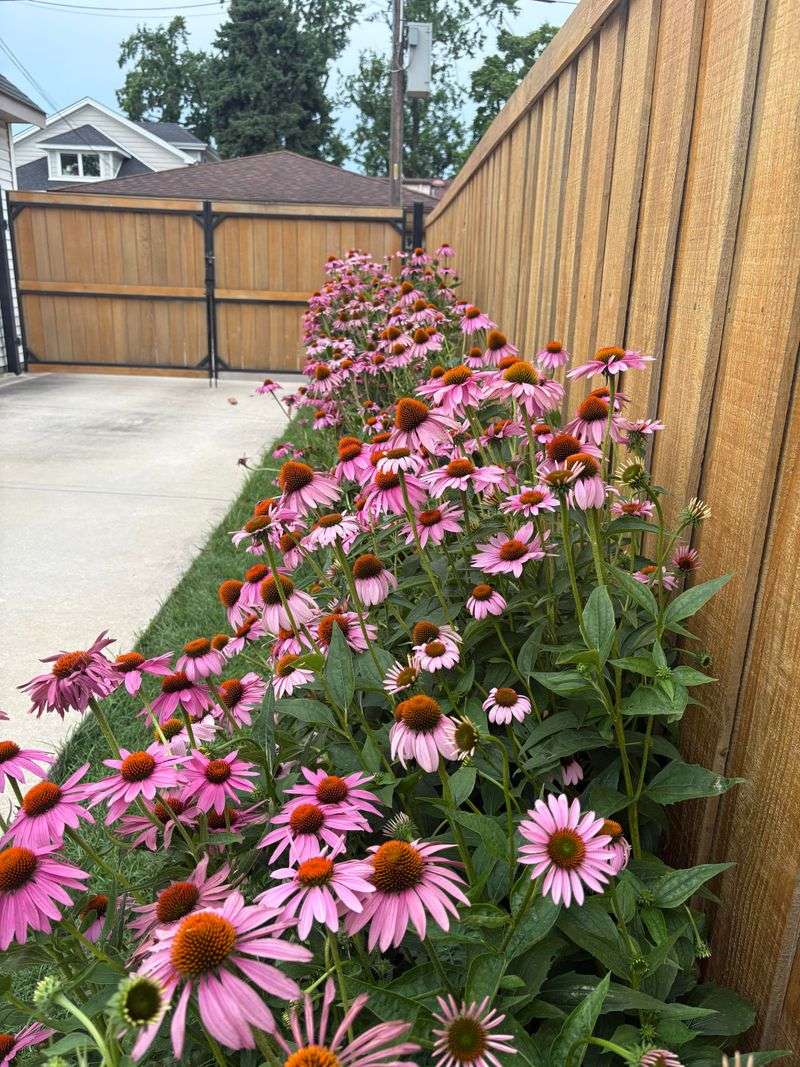
Your finger is the best soil moisture tool you own. Press it about two inches into the soil near your coneflowers.
If it feels dry at that depth, water. If it still feels cool and damp, walk away.
Waiting for the soil to dry between waterings feels counterintuitive, especially during hot summer weeks. But coneflowers actually push new root growth when the soil dries slightly.
Roots reach deeper looking for moisture, and that makes the plant stronger over time.
Shallow, frequent watering keeps roots near the surface. Surface roots are vulnerable to heat and drought.
Letting the soil dry out encourages roots to go deeper where conditions are more stable.
In humid summer conditions across the Southeast, the top layer of soil can look dry while deeper layers still hold plenty of moisture. Checking below the surface prevents unnecessary watering and protects roots from constant saturation.
A simple schedule does not work well for coneflowers. Weather, soil type, and sun exposure all change how quickly moisture evaporates.
Your Georgia Garden Changes Every Week. Your Plan Should Too.
Gardening in Georgia changes quickly throughout the season. Every Friday you’ll receive a simple weekly plan showing exactly what to plant, prune, fertilize, harvest, and protect so you never miss the right timing.
Checking the soil every few days gives you a more accurate picture than following a calendar.
Patience pays off here. Skipping a watering session when the soil still holds moisture is not neglect.
It is smart gardening.
3. Deep Watering Beats Frequent Sprinkling
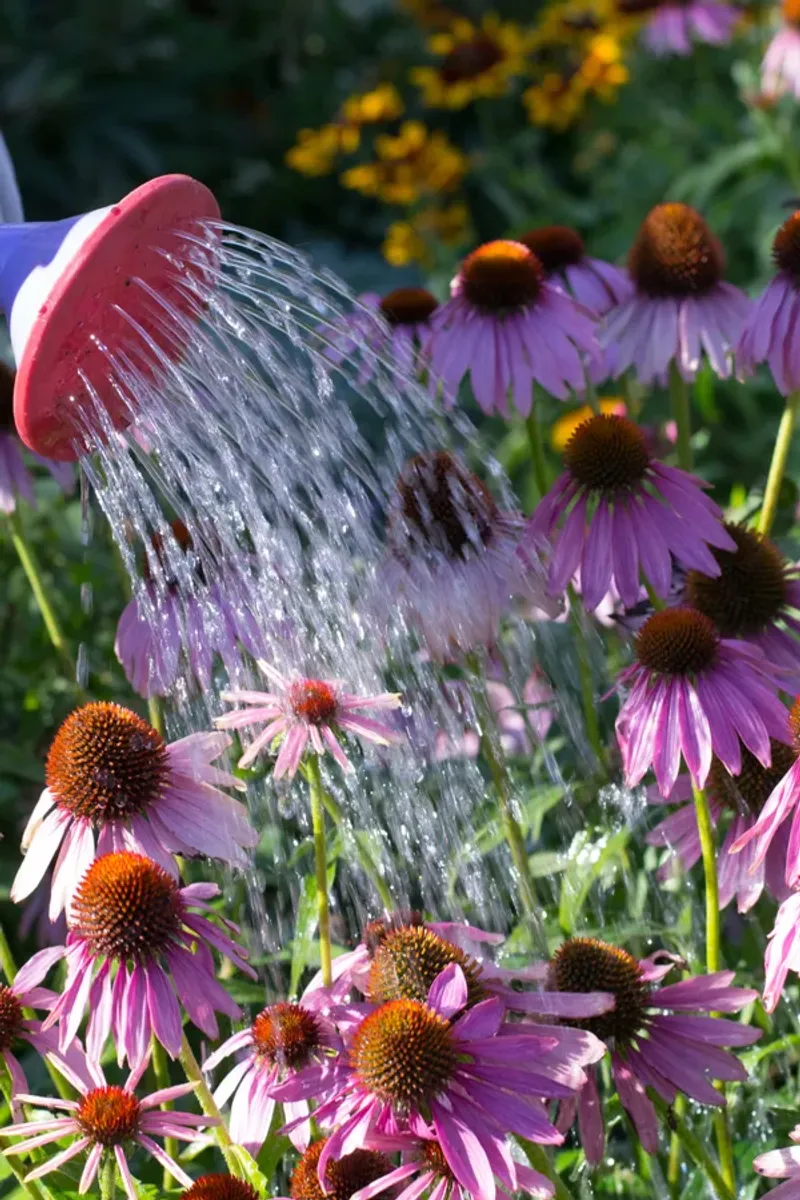
Short, frequent sprinkles are almost useless for coneflowers. Water that only wets the top inch of soil evaporates quickly and never reaches the roots where it actually matters.
Deep watering changes everything. Applying water slowly at the base of the plant allows it to soak down six to eight inches into the soil.
Roots follow moisture downward, anchoring the plant and building real drought resistance over time.
A slow trickle from a hose at the base works better than an overhead sprinkler on a timer. Overhead watering also wets the foliage, which can encourage fungal issues during humid summer months.
Keeping water at soil level protects the leaves and directs moisture where roots can use it.
When you water deeply, you can water less often. That combination is exactly what coneflowers prefer.
Once or twice a week during dry stretches is usually enough for established plants in well-drained soil.
Soaker hoses are a practical option for gardeners who want consistent deep watering without much effort. Set them at the base of your coneflower bed and let them run for thirty to forty minutes.
The water moves slowly into the soil without runoff or waste.
Deep watering also reduces competition from shallow-rooted weeds. When moisture stays low in the soil profile, weeds near the surface struggle to get established.
4. Summer Rain Often Replaces Extra Watering
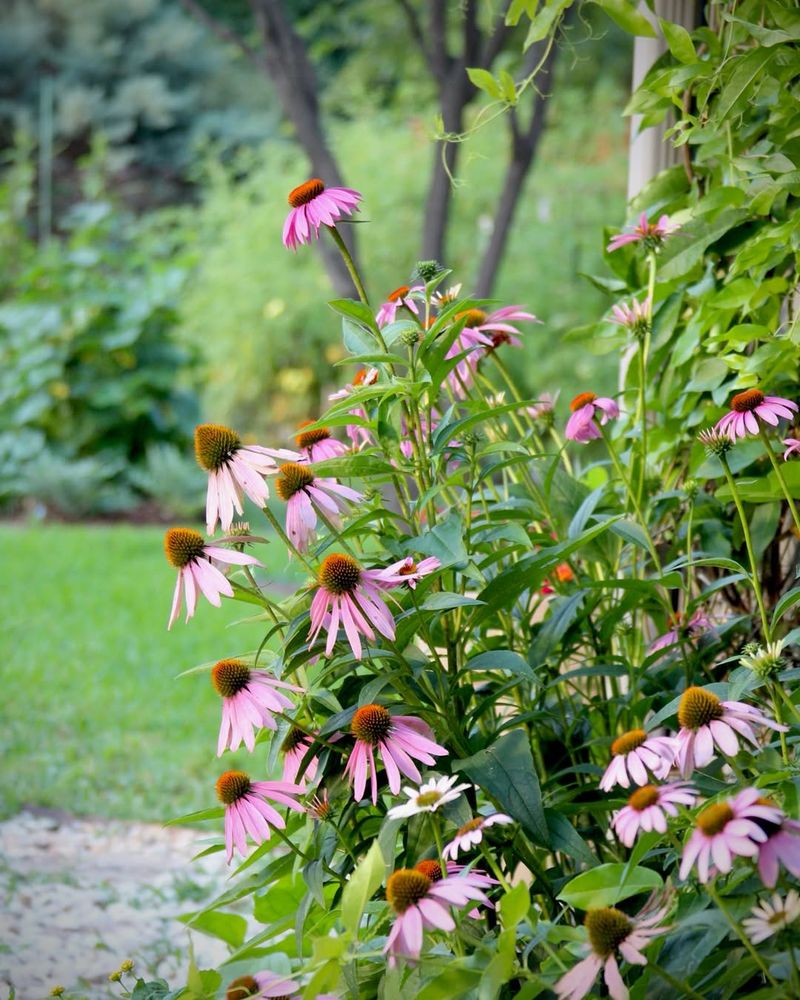
Summer afternoons in the South bring reliable rain, and that changes how much you need to water. Afternoon thunderstorms can drop half an inch or more in under an hour.
That kind of rainfall goes a long way for coneflowers.
Many gardeners water on a fixed schedule without accounting for recent rainfall. After a good summer storm, the soil may hold enough moisture to last several days.
Watering on top of that pushes conditions into the overwatering zone fast.
A simple rain gauge in your garden takes the guesswork out of it. Once you see that an inch of rain has fallen in the past week, hold off on supplemental watering entirely.
Coneflowers rarely need more than that during active summer growth.
Tracking rainfall does not require any fancy equipment. Even a small plastic gauge mounted near your garden bed gives you real data.
Over a few weeks, you start to see patterns and adjust your watering habits accordingly.
Humid air also slows evaporation compared to drier climates. Soil in a shaded or mulched bed retains moisture longer after rain.
That means the window between rain events and the next watering need is often longer than you expect.
Letting nature do the work is not laziness. Coneflowers are well adapted to the natural rainfall patterns of the Southeast.
5. Well-Drained Soil Keeps Roots Healthy
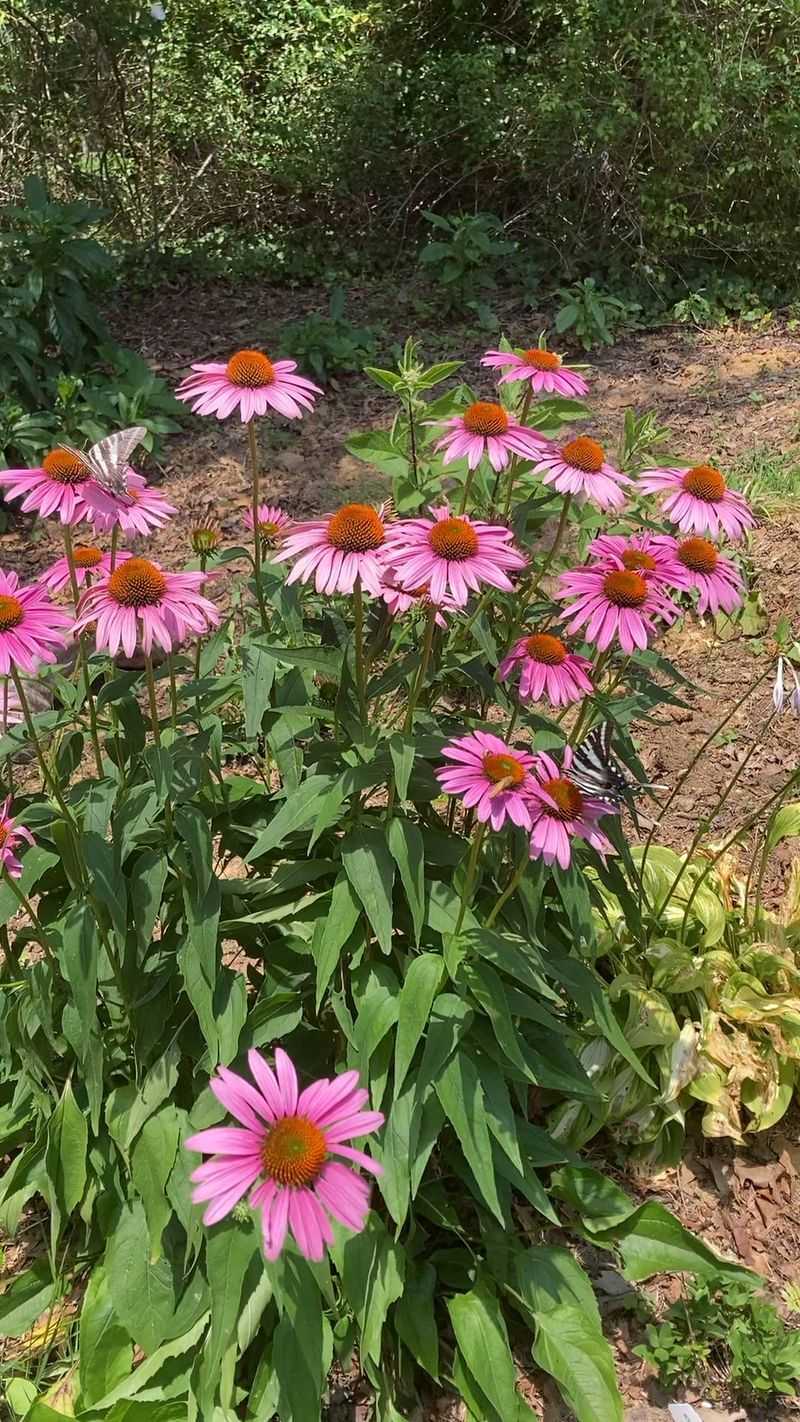
Soil structure matters more than watering frequency for coneflowers. Even if you water perfectly, poor drainage will undo all that effort.
Roots sitting in compacted, waterlogged soil cannot access oxygen, and that limits everything from nutrient uptake to bloom production.
Sandy loam drains quickly and warms up fast in spring. Clay-heavy soil holds moisture too long and compacts easily after rain.
Most Georgia gardens fall somewhere between those two extremes, which means a little amendment goes a long way.
Working compost into your planting bed improves both drainage and soil structure. It loosens clay soils and helps sandy soils hold just enough moisture without becoming waterlogged.
A two to three inch layer mixed into the top twelve inches of soil makes a noticeable difference.
Raised beds are another solid option for gardeners dealing with heavy clay. Elevation keeps roots above the worst drainage problems and gives you full control over soil composition.
Coneflowers in raised beds often outperform those planted in native clay soil.
Mulch also plays a role. A two to three inch layer of wood chip or shredded bark mulch regulates soil temperature and reduces surface evaporation.
It also prevents heavy rain from compacting the soil surface, which keeps water moving downward instead of pooling.
Good drainage is the foundation of healthy coneflowers. Get the soil right first, and everything else becomes easier.
6. Watch The Leaves Before Reaching For The Hose
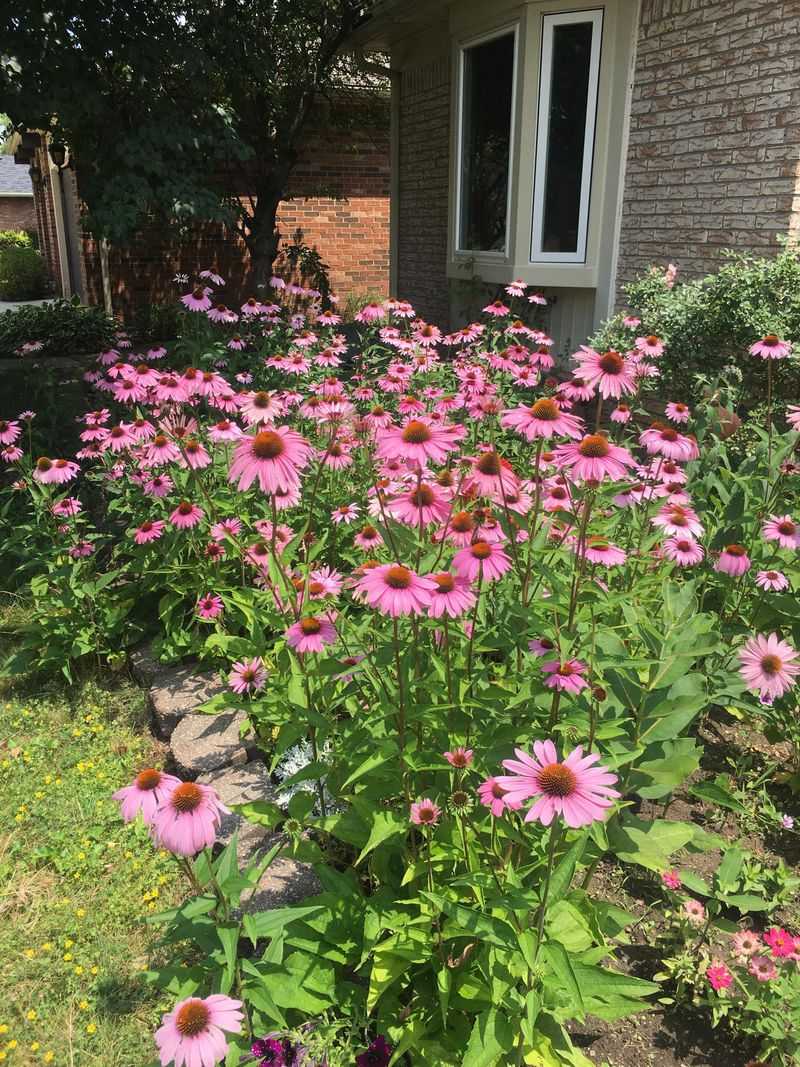
Leaves tell you things the soil cannot always show. Before picking up the hose, take a close look at your coneflowers.
What you see on the foliage gives you real clues about what the plant actually needs.
Slight midday wilting is not always a watering problem. Coneflowers sometimes droop during the hottest part of the afternoon as a natural response to heat.
Check again in the early evening. If the leaves have perked back up, the plant is fine and does not need water.
Persistent wilting that does not recover by evening is a different story. That pattern, combined with dry soil two inches down, signals that watering is genuinely needed.
Acting on that combination gives you a reliable trigger rather than guessing.
Yellow leaves near the base of the plant often point to overwatering rather than drought. When roots stay wet too long, lower leaves yellow and drop.
Seeing that pattern should prompt you to water less, not more.
Crispy brown leaf edges can indicate heat stress or underwatering, but they can also result from reflected heat off nearby pavement or walls. Rule out environmental factors before assuming the plant needs more water.
7. Established Plants Need Less Water Than You Think
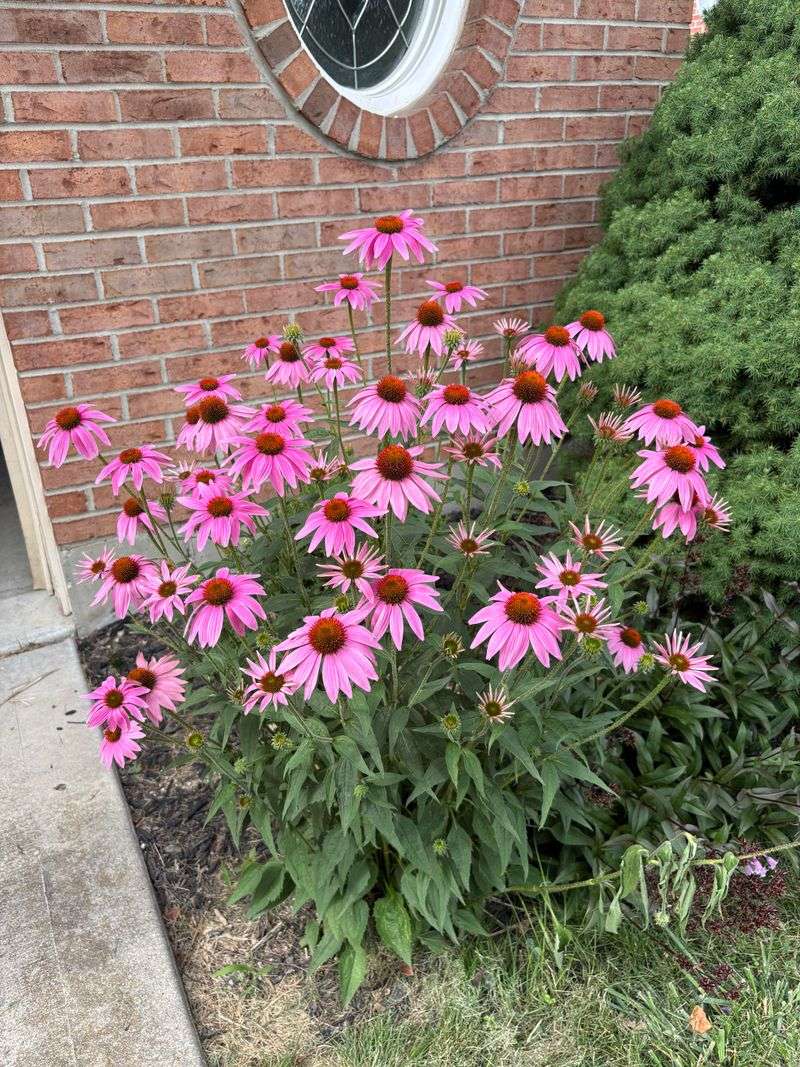
New coneflower transplants need regular watering to get established. But once they have been in the ground for a full season, the rules change significantly.
Established plants develop deep, spreading root systems that can access moisture most other plants cannot reach.
A two-year-old coneflower in good soil can handle weeks without rain before showing any real stress. That kind of resilience is built into the plant’s biology.
Treating mature plants like new transplants leads directly to overwatering.
Cutting back supplemental watering after the first season is not risky. It is appropriate.
Established coneflowers in well-drained soil typically need watering only during extended dry stretches of two weeks or more without meaningful rainfall.
During an average summer in the Southeast, natural rainfall often covers most of what established coneflowers need.
Supplemental watering becomes necessary mainly during unusual dry spells or heat waves that stretch beyond two weeks with no precipitation.
Gardeners who water established coneflowers on the same schedule as annuals or vegetable beds almost always give them too much.
Perennials like coneflowers operate on a different timeline and have different needs at different life stages.
Pulling back on water for mature plants often sparks better blooming. Mild drought stress can actually trigger more flower production as the plant shifts energy toward reproduction.