Hard To Find Native North Carolina Shrubs That Are Worth Every Bit Of The Hunt
Some plants reward the search in ways that immediately justify every nursery call, specialty order, and native plant sale visit it took to track them down.
North Carolina has a remarkable native shrub flora, and the most interesting and ecologically valuable members of that group are almost never sitting on a standard garden center shelf.
These are plants with genuine character, strong wildlife value, and performance in North Carolina’s specific soils and climate that no common substitute comes close to matching.
Gardeners who have made the effort to find them describe the experience of finally getting them in the ground as one of the most satisfying moments in their entire gardening history.
1. Silky Camellia
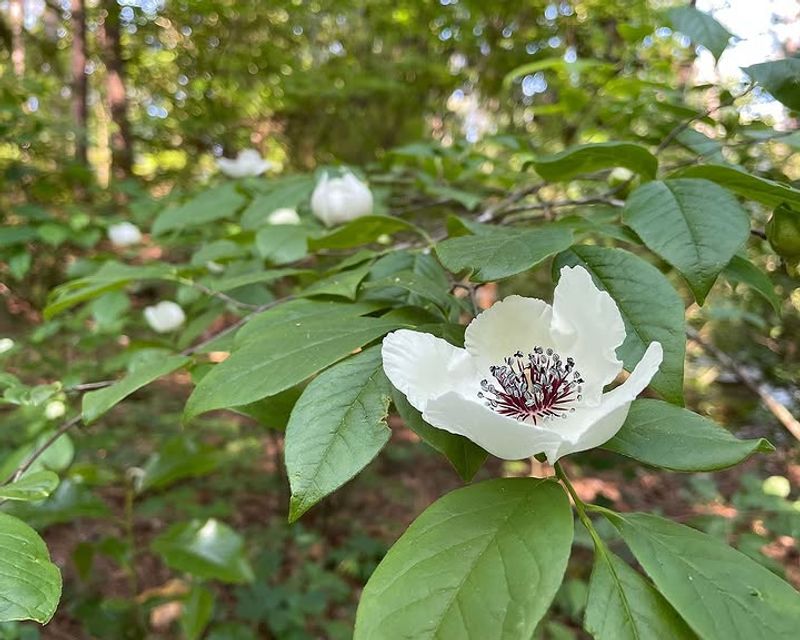
Few native shrubs stop people in their tracks quite like the Silky Camellia. Its flowers look almost too perfect to be real, with white petals surrounding a bold cluster of purple and blue stamens that glow in the summer light.
It blooms in June and July, right when most woodland shrubs have already finished their show.
Stewartia malacodendron, its scientific name, is native to the piedmont and coastal plain regions of North Carolina. It grows best in partial shade with moist, well-drained, acidic soil rich in organic matter.
Think of spots beneath tall pines or oaks where filtered light comes through.
Finding this shrub at a nursery takes some effort since most garden centers simply do not carry it. Your best bet is reaching out to native plant societies in North Carolina or specialty mail-order nurseries that focus on rare southeastern natives.
Once established, it grows slowly but rewards you with years of jaw-dropping blooms and attractive bark that adds winter interest too. Pollinators absolutely love it, and birds are drawn to the shelter it provides.
Planting a Silky Camellia is one of those gardening decisions you will feel proud of for a very long time.
2. Mountain Camellia
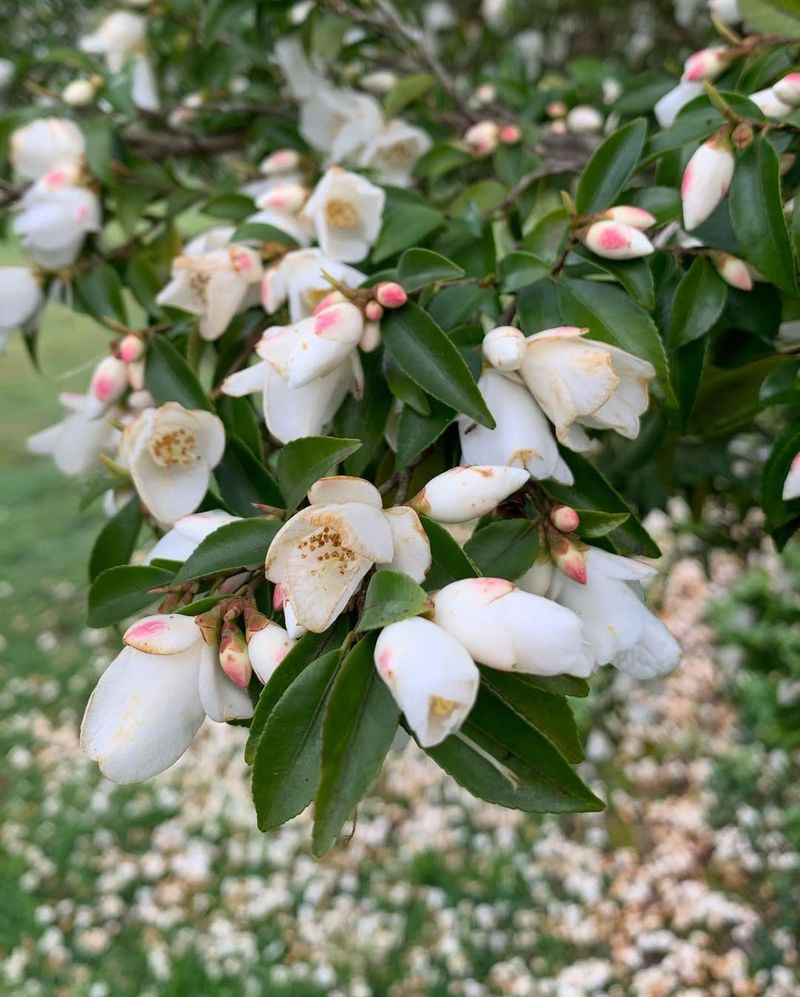
Imagine walking through a shaded Appalachian cove in late summer and suddenly spotting large, cup-shaped white flowers glowing among the green. That is exactly what encountering Mountain Camellia feels like in the wild.
Stewartia ovata is one of the most breathtaking native shrubs in the eastern United States, and North Carolina is lucky to claim it.
Unlike its cousin the Silky Camellia, Mountain Camellia tends to grow a bit larger and thrives at higher elevations in the western part of the state. It prefers cool, moist, acidic soil and dappled shade.
Pairing it with native ferns and wildflowers creates a woodland garden that feels completely magical.
The blooms appear from July into August, which gives your garden a mid-summer boost when things can otherwise look tired. Fall brings another surprise, with foliage turning shades of orange and red before dropping.
The exfoliating bark adds subtle beauty through winter months. Tracking down a nursery-grown specimen is the main challenge since wild collection is harmful and should always be avoided.
Several southeastern native plant nurseries carry it, and joining a local native plant chapter can connect you with sources. Every bit of the search is justified the moment those first flowers open up in your own yard.
Your North Carolina Garden Changes Every Week. Your Plan Should Too.
Gardening in North Carolina changes quickly throughout the season. Every Friday you’ll receive a simple weekly plan showing exactly what to plant, prune, fertilize, harvest, and protect so you never miss the right timing.
3. Cinnamonbark Clethra
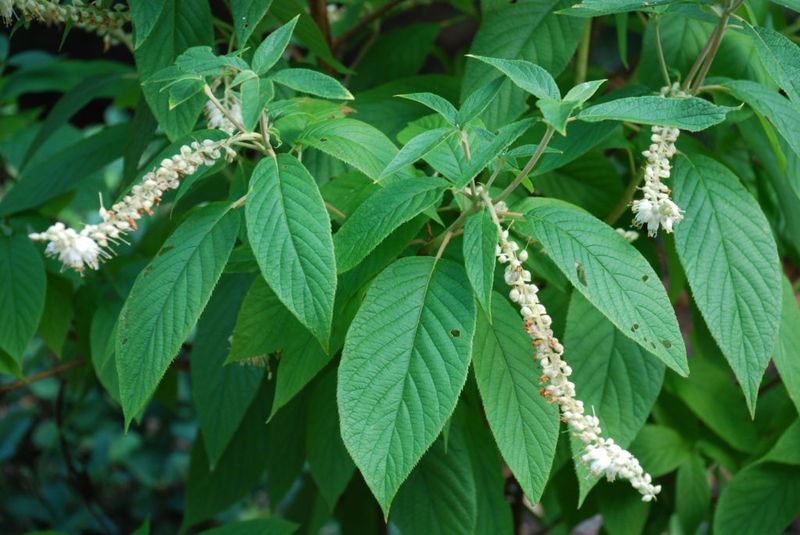
Most people know Summersweet Clethra, but far fewer have ever laid eyes on its rarer mountain cousin, Cinnamonbark Clethra. The name alone hints at what makes this shrub so special.
Peel back a little of the outer bark and you reveal warm, cinnamon-toned inner layers that make this plant a four-season standout in any woodland garden.
Clethra acuminata grows naturally in the mountain counties of western North Carolina, where it can reach eight to twelve feet tall over time. It thrives in moist, acidic soil and partial to full shade.
White flower spikes appear in summer and fill the air with a light, sweet fragrance that draws in pollinators from all directions.
The peeling bark is genuinely one of the most underrated features of any native shrub in the region. In winter, when most plants look bare and forgettable, Cinnamonbark Clethra puts on a quiet but beautiful display.
It works wonderfully as a specimen plant near a shaded path or along a woodland stream. Because it is not widely grown in the nursery trade, patience is required to find a reputable source.
Native plant sales hosted by botanical gardens like the North Carolina Arboretum in Asheville are great places to start your search. The hunt is real, but so is the payoff.
4. Coastal Witch-Alder
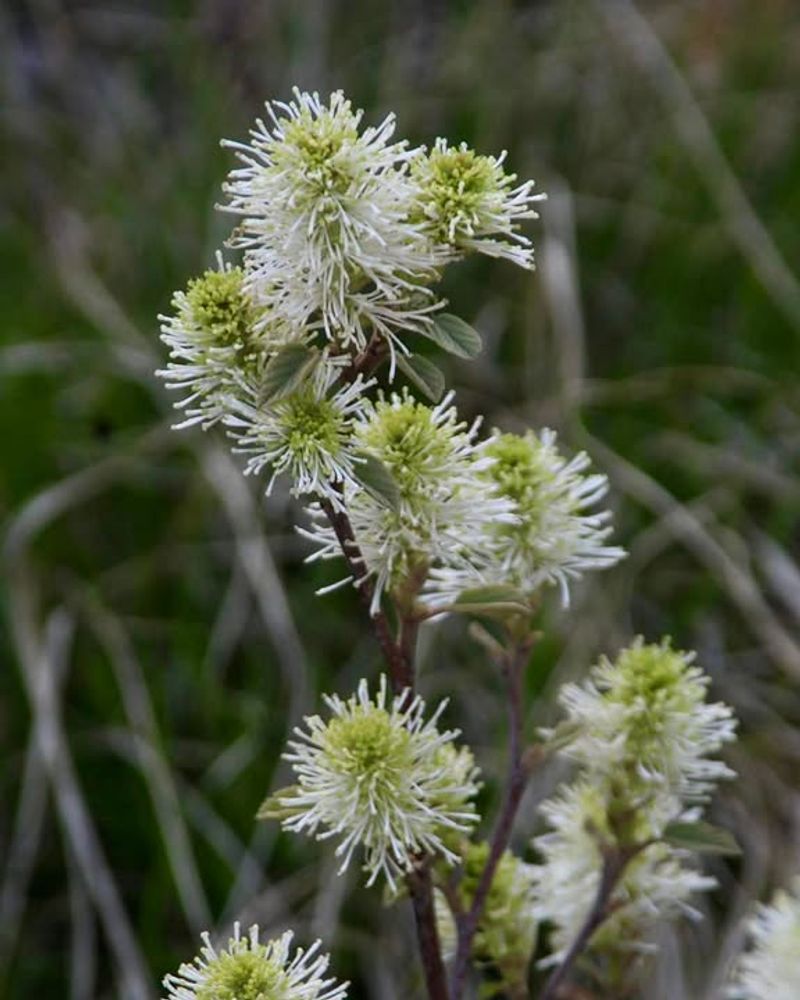
Spring arrives early for Coastal Witch-Alder, and it announces itself with fluffy white bottlebrush blooms that appear before the leaves even open. The fragrance is sweet and honey-like, and on a warm April morning it can stop you in your tracks.
Fothergilla gardenii is a compact native shrub that packs enormous seasonal appeal into a small package.
In North Carolina, this species is found naturally in the coastal plain, where it grows in moist, sandy, acidic soils near pocosins and boggy areas. In garden settings it adapts well to average moisture levels as long as drainage is decent and the soil stays acidic.
Full sun to partial shade both work, with more sun generally producing better fall color.
And that fall color is genuinely spectacular. Leaves shift through orange, red, yellow, and purple all at once, sometimes on the very same plant.
Few native shrubs offer such a vivid autumn show. It typically stays under five feet tall, making it ideal for smaller landscapes or mixed native shrub borders.
Pollinators swarm the spring blooms, especially native bees that emerge early in the season. Coastal Witch-Alder is not always easy to find in big box garden centers, but specialty native plant nurseries and plant swaps are reliable sources.
Once you grow it, you will understand immediately why people search so hard to find it.
5. Hearts-A-Bustin’
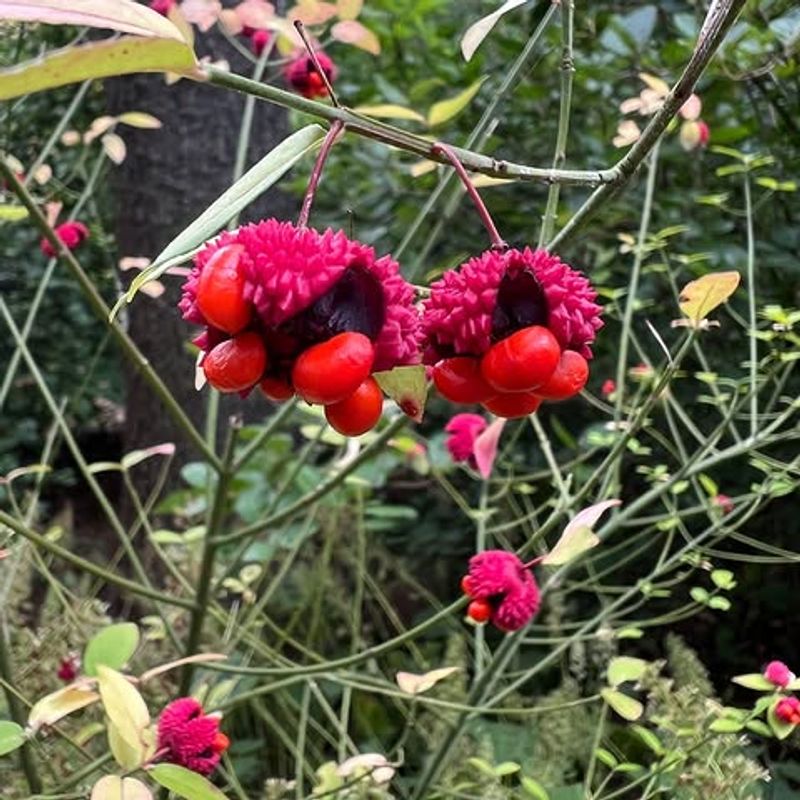
No plant on this list has a more memorable name, and Hearts-A-Bustin’ earns every bit of it. Come fall, the warty pink seed capsules split open to reveal brilliant orange-red seeds that look like tiny jewels hanging in the understory.
It is one of the most dramatic autumn displays any native shrub can offer.
Euonymus americanus grows naturally across much of North Carolina, from the mountains to the coast, in moist woodland edges and shaded ravines. It is a loose, open shrub that typically reaches four to six feet tall and spreads gradually over time.
In summer it stays quietly green and easy to overlook, but autumn transforms it into something genuinely unforgettable.
Wildlife absolutely benefits from this plant. Birds, especially Eastern Bluebirds and American Robins, feast on the exposed seeds once the capsules open.
The seeds are also an important food source for other woodland species moving through during migration. Growing Hearts-A-Bustin’ in a shaded or partly shaded spot with moist, well-drained soil gives it the best chance to thrive.
It pairs beautifully with native ferns, trilliums, and other woodland understory plants. Nursery availability has improved slightly in recent years, but it still takes some searching.
Check with local native plant societies or Carolina-based specialty growers to track down a healthy specimen worth bringing home.
6. Flame Azalea
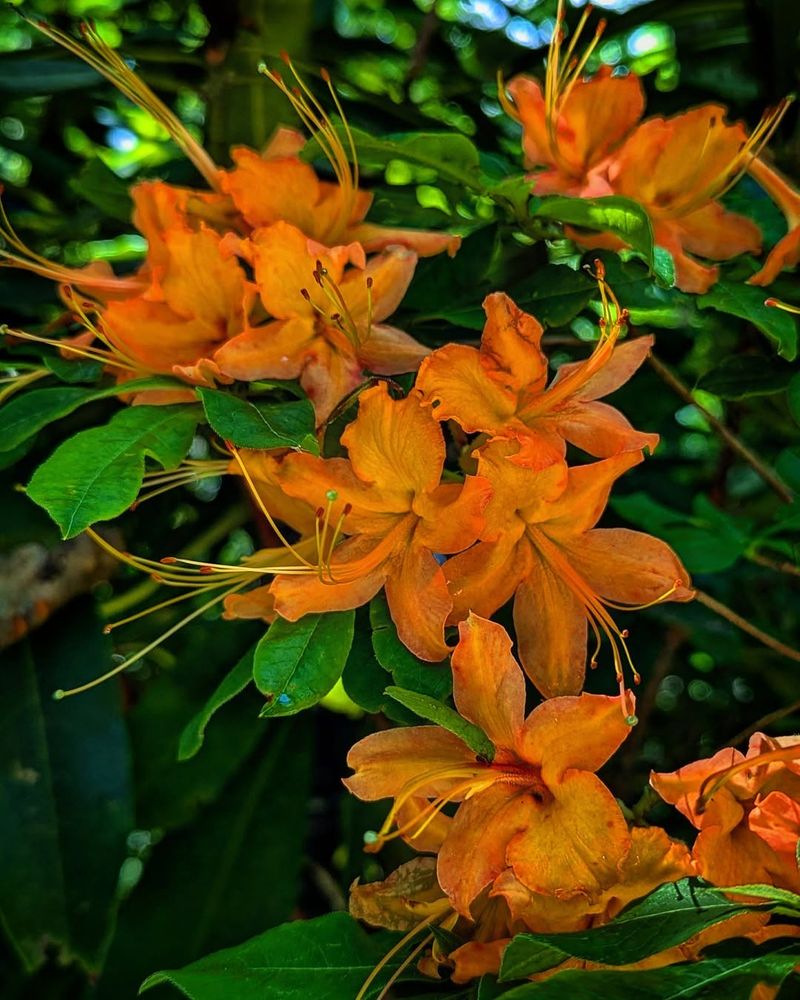
William Bartram, the famous naturalist, called the Flame Azalea the most gay and brilliant flowering shrub yet known. That was in 1791, and the description still holds up perfectly today.
When Rhododendron calendulaceum explodes into bloom along the ridgelines of the Blue Ridge Mountains, it creates a color display that is almost impossible to believe.
Flowers range from soft yellow to deep orange and blazing red, often varying from plant to plant. No two Flame Azaleas look exactly alike, which makes each one feel like a unique discovery.
Blooms appear in May and June, right as the mountains come fully alive with spring energy. It grows best in well-drained, acidic, humus-rich soil in partial shade to full sun.
In the garden, Flame Azalea reaches six to ten feet tall over many years and works beautifully as a specimen or in a naturalistic woodland border.
It is deciduous, so expect bare stems in winter, but the show it puts on in late spring more than compensates for any off-season quiet.
Hummingbirds and swallowtail butterflies are frequent visitors during bloom time. Nursery-grown plants from reputable sources do exist, and it is critical to buy only nursery-propagated specimens rather than anything collected from the wild.
Specialty native plant nurseries in the Appalachian region are your best starting point for finding a quality plant.
7. Sweet Azalea
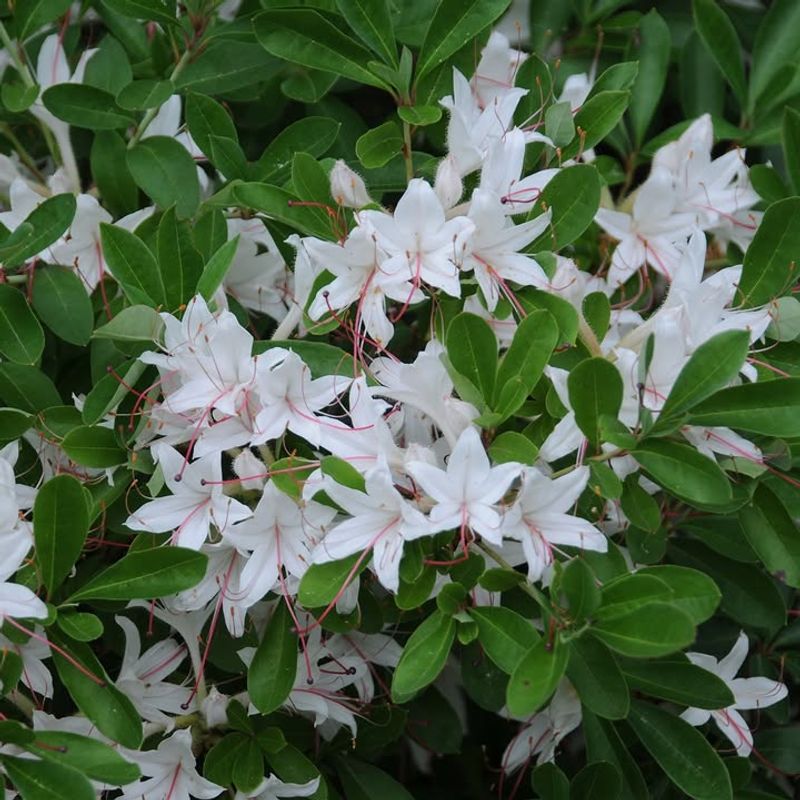
If there is one native azalea that wins people over purely through scent, it is Sweet Azalea. The fragrance of Rhododendron arborescens is clean, sweet, and almost heady on a warm summer evening near a mountain stream.
It blooms later than most other native azaleas, typically in June and July, which extends the flowering season beautifully in a naturalistic garden.
Sweet Azalea grows naturally along stream banks and in moist coves throughout the mountains of western North Carolina.
It can reach ten to fifteen feet tall in ideal conditions, forming a large, graceful shrub with glossy green leaves that turn attractive shades of red in autumn.
The white flowers often carry a rosy blush and feature long, elegant stamens.
In the garden, it thrives in moist, acidic, well-drained soil with partial shade, especially in the afternoon when summer heat can stress plants. Planting it near a rain garden or along a naturally wet area of your yard plays to its strengths.
Hummingbirds and sphinx moths are big fans of the blooms. Because it is less commonly grown than showier azalea species, finding nursery stock requires a bit of effort.
Native plant nurseries in the western Carolina mountains or specialty online growers are reliable sources. The combination of late bloom time, incredible fragrance, and excellent fall color makes Sweet Azalea an outstanding addition to any native garden.
8. Pinkshell Azalea
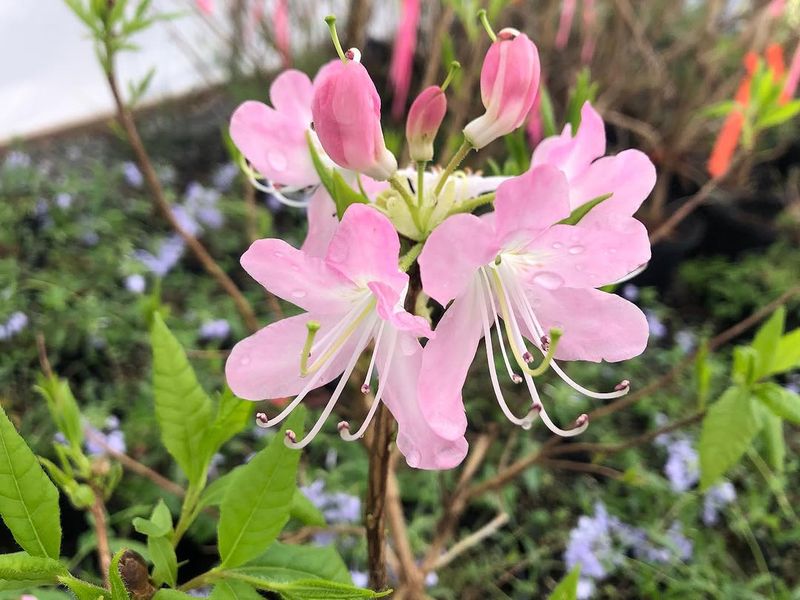
Pinkshell Azalea blooms so early in spring that it often catches gardeners completely off guard. Before the leaves have even started to unfurl, the bare branches of Rhododendron vaseyi suddenly burst into clouds of soft, shell-pink flowers.
It is one of those rare moments in the garden that genuinely feels like a gift. This species is endemic to a small area of the southern Appalachians, with its native range centered largely in western North Carolina.
That limited natural range makes it both special and somewhat vulnerable, which is why buying only nursery-propagated plants matters so much.
It grows best in moist, acidic, well-drained soil in partial shade and can reach six to ten feet tall over time.
The flowers are delicate and slightly freckled inside, giving them a refined look that stands apart from bolder azalea species. Fall foliage turns attractive shades of orange and red before dropping.
Because it blooms so early, Pinkshell Azalea pairs wonderfully with spring ephemerals like trout lily and bloodroot. Early bees and other pollinators that emerge on warm late-winter days benefit greatly from its early nectar.
Tracking down nursery-grown plants takes persistence, but several specialty native azalea growers in the Carolinas carry it.
Once established in the right spot, it rewards you with a spring show that feels almost impossibly beautiful for such a subtle and understated shrub.
9. Sandhills St. John’s Wort
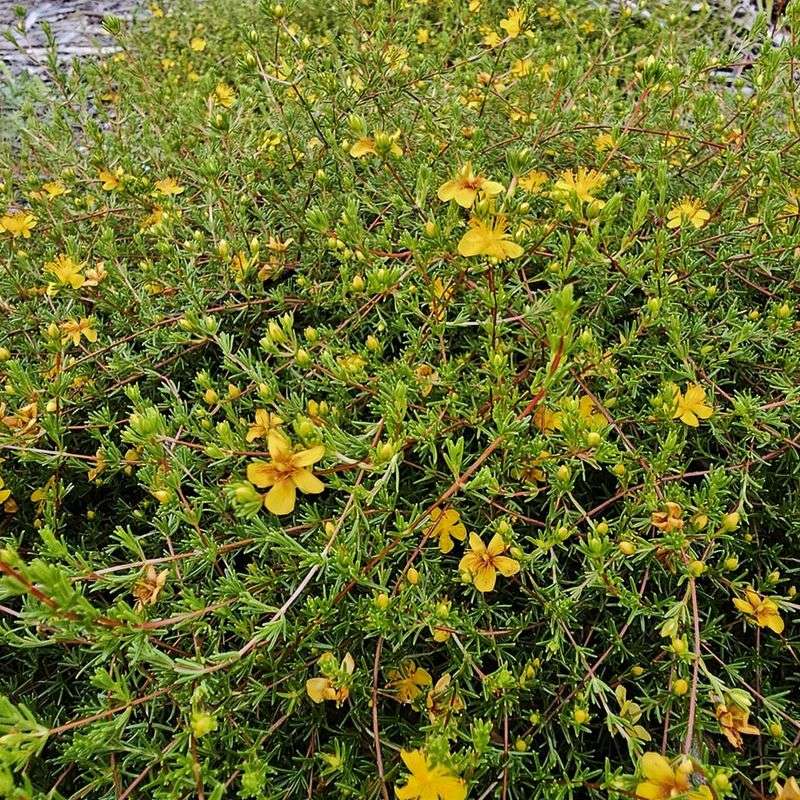
The Sandhills region of North Carolina is one of the most ecologically distinct landscapes in the entire Southeast, and Hypericum lloydii is one of its most specialized native shrubs.
Found almost exclusively in longleaf pine savannas on sandy, well-drained soils, this St. John’s Wort is so tied to its habitat that finding it outside of that specific ecosystem is genuinely rare.
Cheerful yellow flowers cover the plant in summer, creating a warm pop of color against the sandy soil and wire grass that define its native habitat.
It stays relatively compact, usually under three feet tall, and has a tidy, low-growing habit that works well in sunny, dry garden spots.
The leaves are small and blue-green, giving it a fine texture that contrasts nicely with coarser plants.
In the garden, Sandhills St. John’s Wort thrives in full sun with excellent drainage and low-fertility, sandy soil. Avoid rich or amended soils, as this plant actually prefers lean conditions that mimic its natural habitat.
It is an excellent choice for rain gardens designed to handle dry spells, pollinator meadows, or naturalistic plantings in the piedmont and coastal plain. Native bees visit the flowers regularly.
Because this species is so habitat-specific, it is rarely found in standard nursery trade. Contacting the North Carolina Botanical Garden or longleaf pine restoration organizations may help you locate a reputable nursery-grown source.
10. Carolina Rhododendron
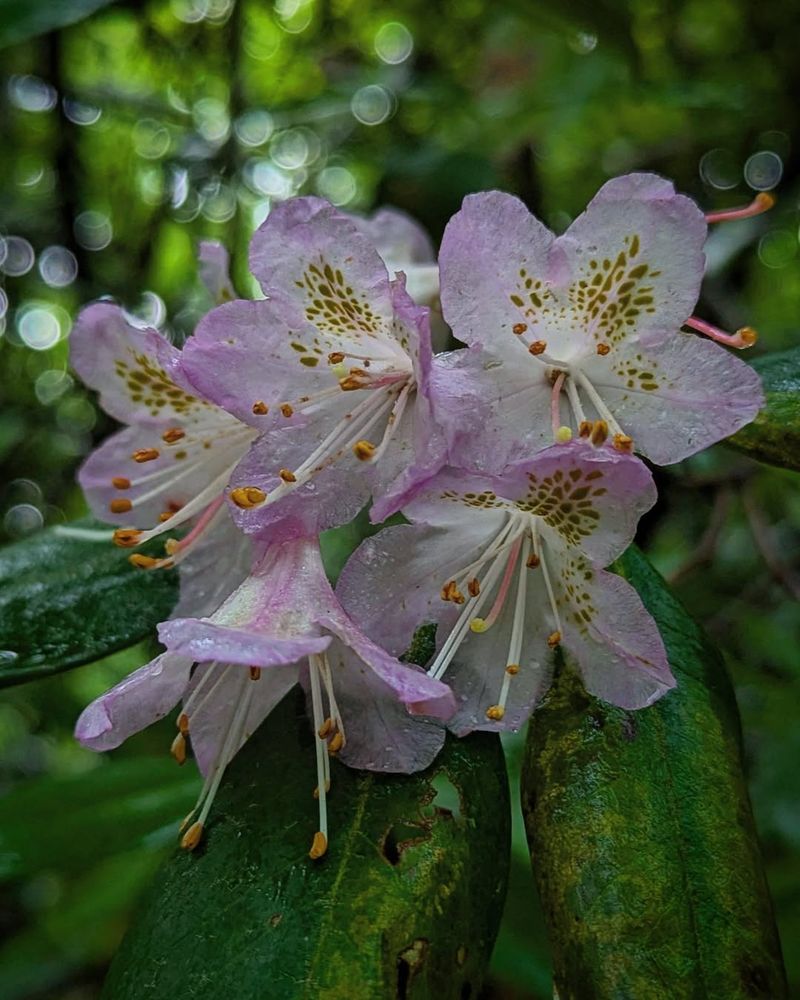
Rocky outcrops and exposed ridgelines in the southern Appalachians are home to one of the toughest and most beautiful native shrubs in North Carolina.
Carolina Rhododendron, known scientifically as Rhododendron minus, thrives where other plants struggle, clinging to thin, acidic soils in full sun and enduring wind and temperature swings that would stress most ornamental shrubs.
The flowers are rosy pink to light lavender and appear in May and June, covering the plant in clusters that glow against its dark, leathery evergreen leaves.
It stays smaller than the more common Catawba Rhododendron, typically reaching four to six feet tall, which makes it much easier to fit into home landscapes. The smaller leaf size also gives it a finer, more refined texture.
In the garden, Carolina Rhododendron performs beautifully in full sun to partial shade with well-drained, acidic soil and good air circulation.
It is more drought-tolerant than many rhododendrons once established, which makes it a strong choice for exposed or challenging spots in the yard.
Pollinators visit the flowers regularly, and the dense evergreen foliage provides excellent year-round shelter for small birds. Nursery availability has grown slightly in recent years as more growers recognize its garden value, but it still requires some searching.
Native plant sales, specialty Appalachian nurseries, and rhododendron enthusiast groups are all good places to begin your search for this remarkable and resilient native shrub.