Why Tomato Blossoms Fall In The Tennessee Heat And What You Can Do About It
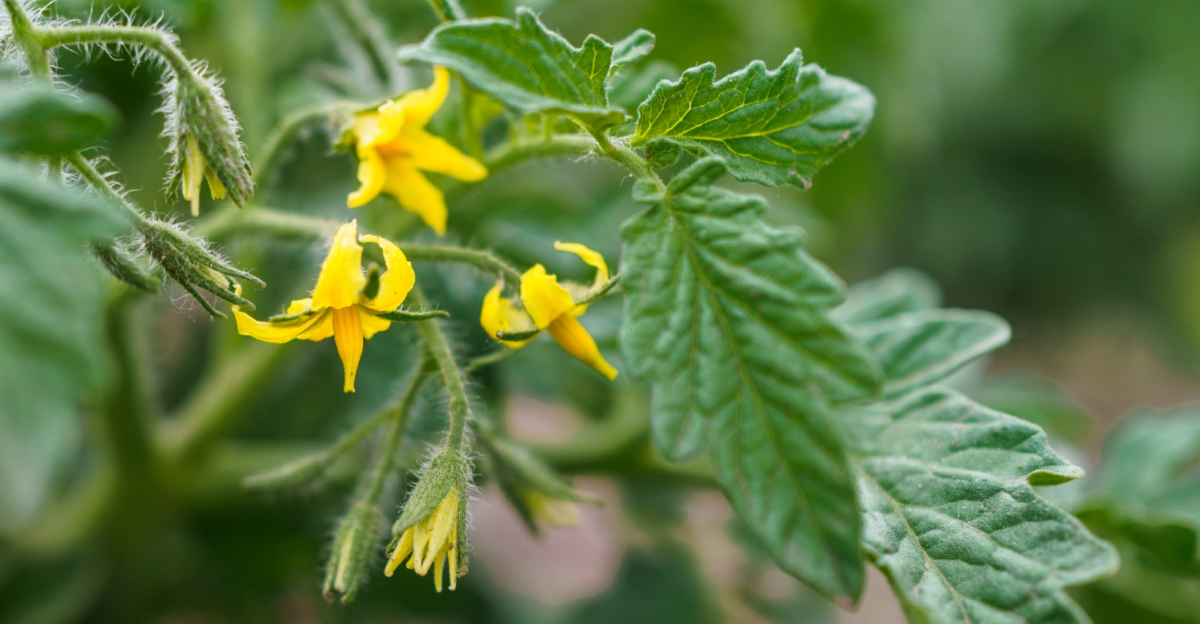
You checked on your tomato plants every morning, half-expecting a miracle, and found yellow petals scattered on the soil. No fruit.
No swelling pods. Just flowers that gave up before they started. If you garden in Tennessee, this scene plays out more often than you’d like to admit.
One week your plants look loaded with promise, and the next, a relentless heat wave wipes out half your harvest overnight. Blossom drop isn’t bad luck or a sign you’re doing something wrong.
It’s biology reacting to stress, and Tennessee summers throw plenty of it your way: blistering daytime highs, nights that never cool off, and humidity swinging from bone dry to swampy within days.
Tomatoes simply can’t pollinate under those conditions. The good news? Once you understand what’s triggering the drop, fixing it stops feeling like guesswork.
Here are field-tested strategies to help your plants hold their flowers and turn them into fruit.
Daytime Heat Above 90°F Lowers Pollen Viability
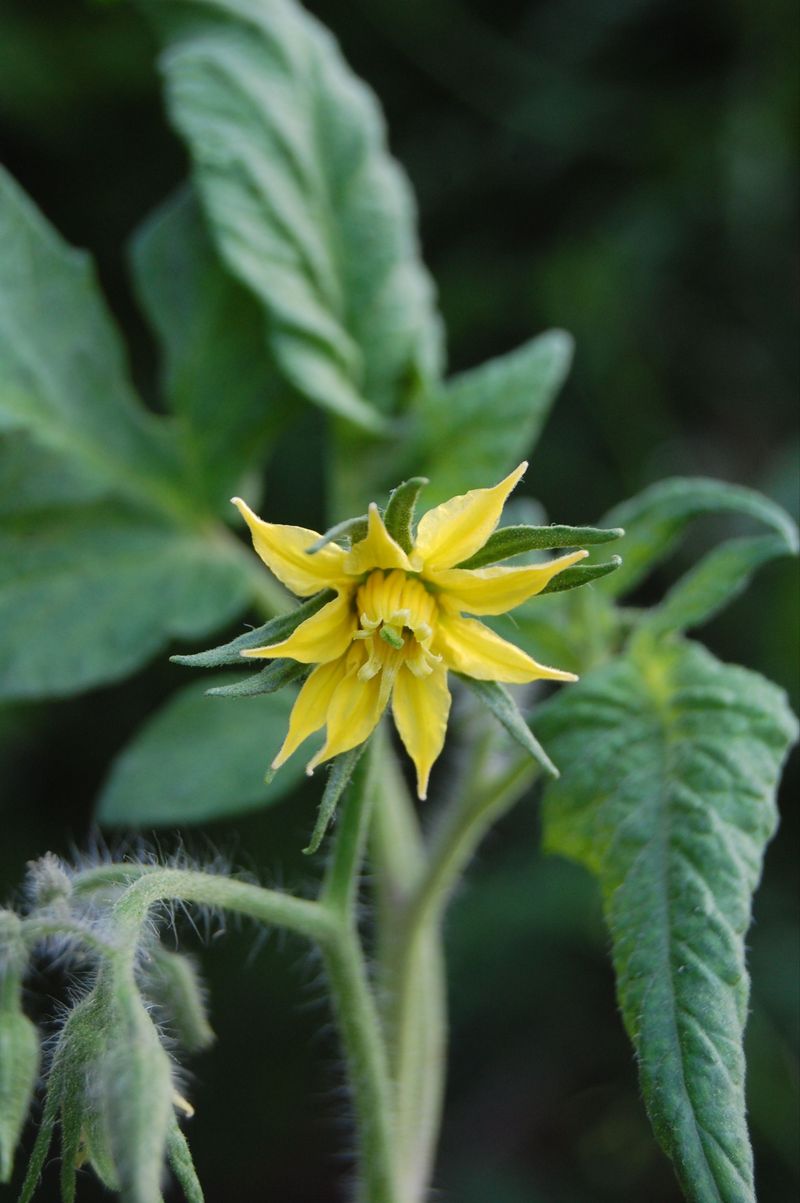
Pollen is fragile, and tomatoes are picky. When daytime temperatures climb above 90°F, tomato pollen literally stops working the way it should.
The proteins inside each pollen grain start to break down at high heat. A flower with nonviable or damaged pollen simply cannot get fertilized, so the plant drops it and moves on.
This is the core reason tomato blossom drop is so common across the South. Tennessee summers regularly push past 90°F for weeks at a stretch, reducing successful pollination across your garden.
What makes this tricky is that the flowers still look fine on the outside. They open, they yellow up beautifully, and then they fall off without a trace of fruit behind them.
The fix starts with timing. Heat-set tomato varieties like Solar Fire are bred specifically for heat tolerance, and they handle high temperatures far better than standard grocery-store types.
Planting early in spring gives your tomatoes a head start before the worst heat arrives. Getting a solid fruit set in May and June means you will still have tomatoes even when July intensifies.
Afternoon shade from a fence or a tall companion plant can also reduce the temperature around blossoms by several degrees. Even a small drop in heat exposure can make a real difference for pollen survival.
Your thermometer is your best garden tool right now. Watch those daily highs closely, because your tomatoes certainly are.
Nighttime Warmth Above 75°F Interferes With Fruit Set
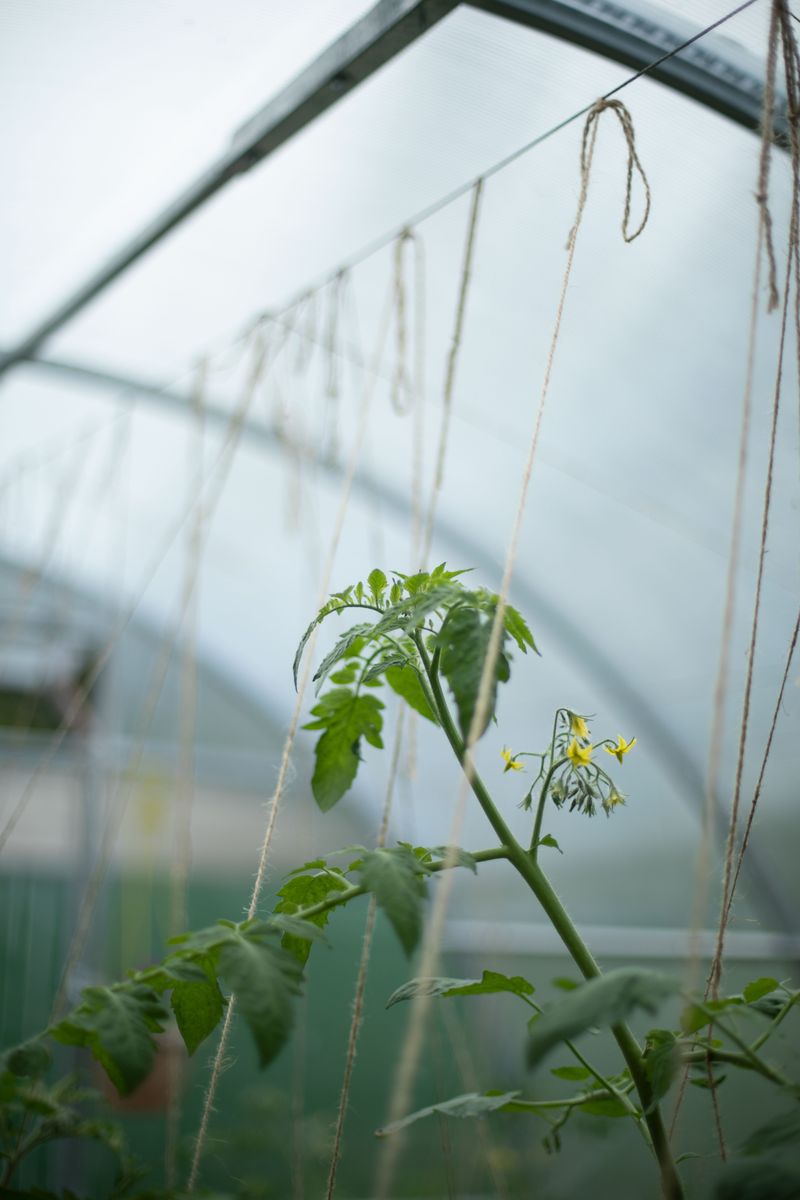
Most gardeners blame the afternoon sun, but nighttime heat is secretly just as damaging. When temperatures stay above 75°F after dark, tomatoes cannot complete the pollination process.
During cool nights, a fertilized flower begins developing into a fruit. Warm nights disrupt that process at the cellular level, and the plant responds by dropping the blossom entirely.
Tennessee is notorious for sticky, warm nights that refuse to cool down, especially from late June through August. Those muggy evenings feel miserable to you, and they feel even worse to your tomato plants.
Your Tennessee Garden Changes Every Week. Your Plan Should Too.
Gardening in Tennessee changes quickly throughout the season. Every Friday you’ll receive a simple weekly plan showing exactly what to plant, prune, fertilize, harvest, and protect so you never miss the right timing.
The plant needs that nighttime temperature drop to trigger fruit development. Without it, the hormonal signals that tell the plant to hold onto a flower simply never fire correctly.
One practical move is choosing varieties specifically labeled as heat-set tomatoes. Solar Set, Heatmaster, and Florida 91 are all bred to set fruit even when nights stay warm.
These varieties have been tested in Southern climates and genuinely perform better than heirloom types when the mercury refuses to budge. Swapping out even one or two plants can noticeably improve your harvest.
You can also try planting in containers so you can move plants to a slightly cooler spot on particularly hot nights.
A shaded patio or a covered area can drop the surrounding temperature by a few degrees. Small changes in nighttime conditions add up fast, and your fruit set will show the difference before long.
Humidity Swings Cause Pollen To Clump
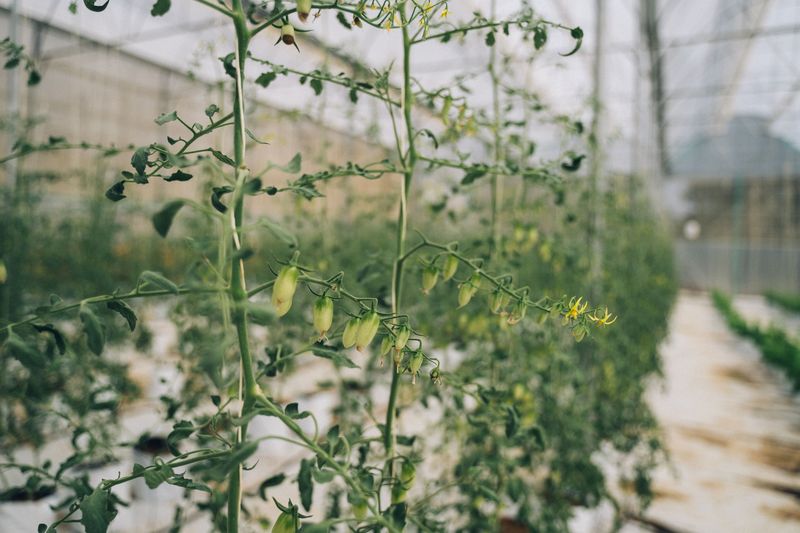
Tennessee humidity is legendary, and not in a good way for tomatoes. Pollen needs to be dry and powdery to transfer properly from one part of the flower to another.
When humidity spikes, pollen grains absorb moisture and clump together into sticky masses. Clumped pollen cannot move freely, which means fertilization stalls before it ever gets started.
On the flip side, when humidity drops suddenly during a dry spell, pollen desiccates and loses its ability to germinate. Either extreme leaves your plants in the same frustrating situation: flowers with no future.
Tennessee summers often deliver both extremes within the same week. A rainy stretch followed by a dry hot snap creates exactly the conditions that turn a promising bloom into a fallen disappointment.
Morning is the best time to check on your tomatoes, because that is when pollen is freshest and humidity tends to be more stable. Giving plants a gentle shake during morning hours can help release any pollen that is loosely clumped.
Good air circulation also helps manage humidity around your plants. Spacing tomatoes at least two feet apart and pruning lower leaves allows breezes to move through the canopy and carry pollen naturally.
Avoid overhead watering, especially in the afternoon. Wet foliage and flowers trap moisture and make the humidity problem around your plants even worse than the surrounding air already is.
Managing airflow is one of the cheapest and most effective tools you have in a Southern garden.
Stress Hormones Lead Plants To Drop Flowers
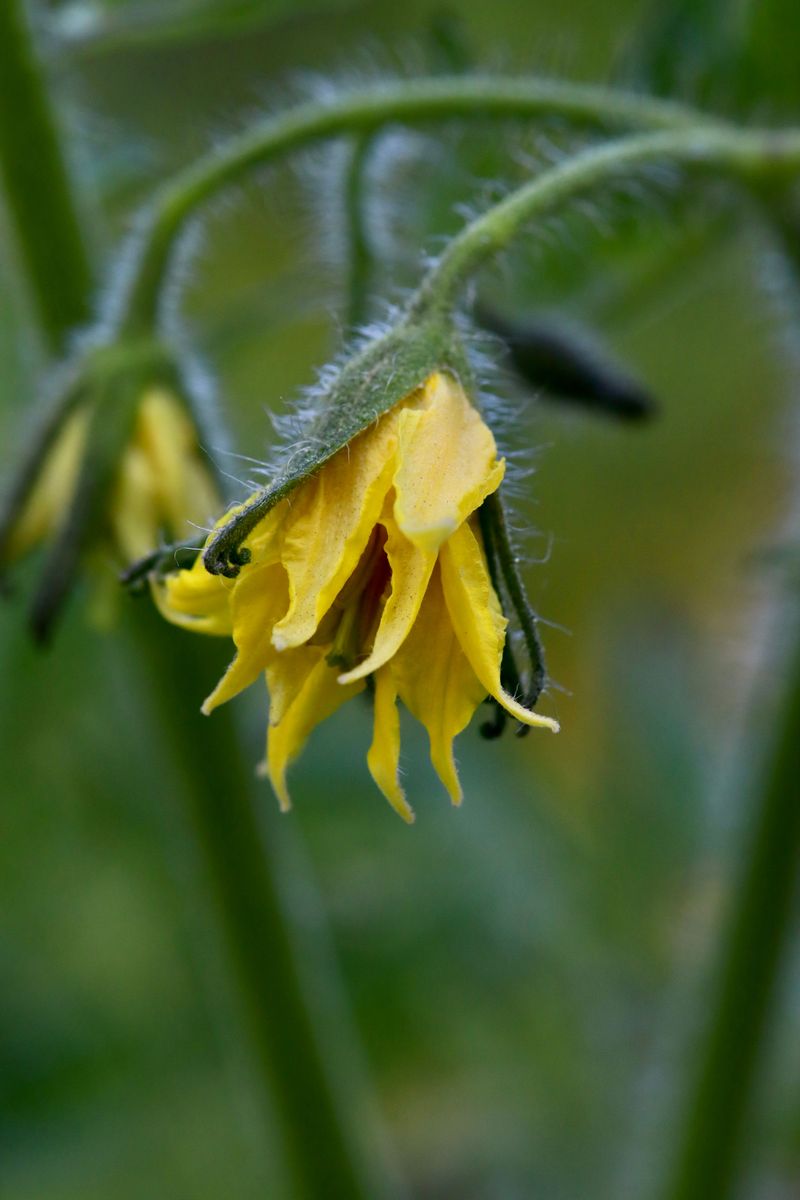
Plants have a built-in survival mode, and tomatoes are not shy about using it. When a plant senses extreme stress, it produces hormones that signal the body to shed non-essential parts.
Flowers are considered non-essential when survival is at stake. The plant would rather conserve energy for its roots and leaves than support a blossom that may never become fruit under current conditions.
Heat, drought, nutrient imbalance, and even transplant shock can all trigger this hormonal response. In Tennessee summers, a plant might face two or three of these stressors at the same time, making blossom drop nearly guaranteed.
Ethylene is the primary hormone responsible for flower drop, and it increases rapidly under stress. Once ethylene levels spike, flowers begin to separate from the stem soon after.
Keeping your plants consistently well-fed and watered is the most direct way to reduce stress hormone production. Irregular watering is one of the biggest triggers, so a drip system or soaker hose on a timer can be a game-changer.
Fertilizing with a balanced formula during the growing season helps plants stay strong enough to handle heat. Avoid high-nitrogen fertilizers once flowering begins, because too much nitrogen pushes leafy growth at the expense of blooms.
Transplanting carefully and hardening off seedlings before moving them outdoors reduces shock. A plant that settles in without trauma is far less likely to panic and shed its flowers when the heat arrives.
Shade Cloth Eases Afternoon Sun Stress
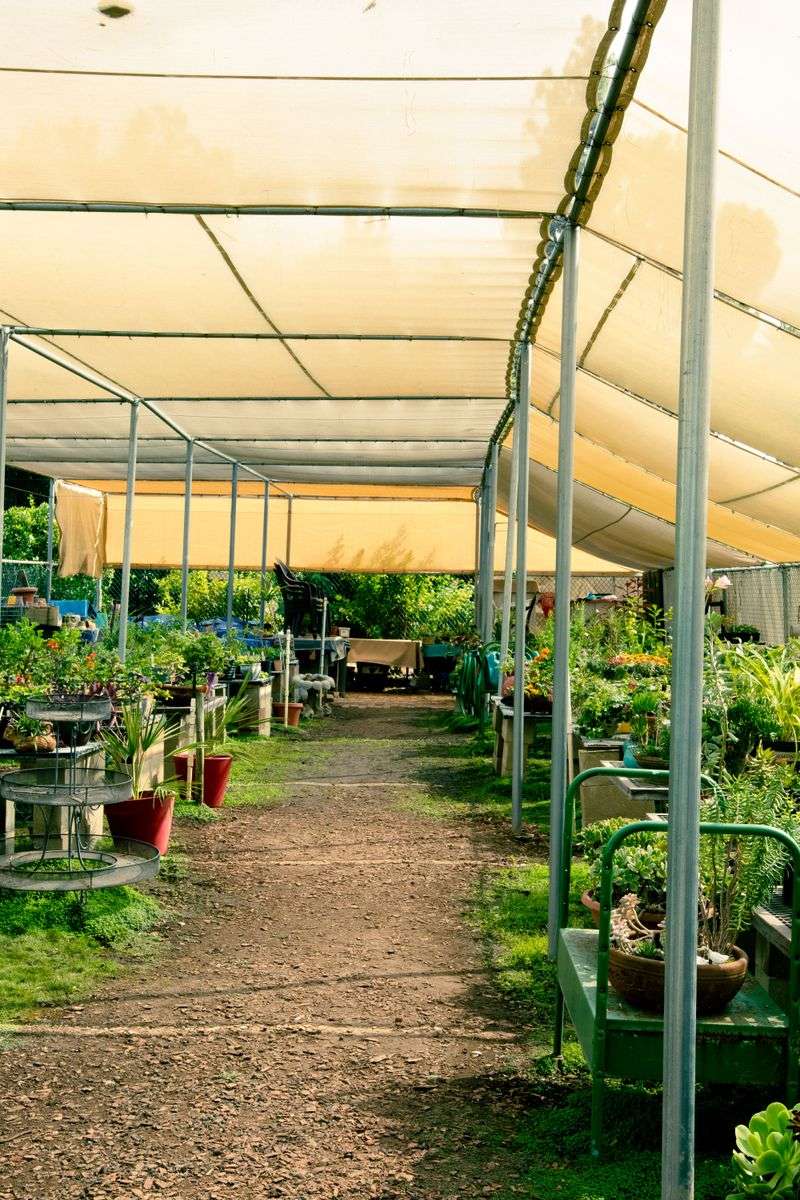
Shade cloth might seem unnecessary, but experienced Southern gardeners will tell you it is one of the smartest investments you can make.
A 30 percent shade cloth blocks just enough intense afternoon sun to keep blossom temperatures manageable. You do not want to block all light, because tomatoes still need plenty of sun to grow and produce.
The goal is to take the edge off that intense two-to-five PM window when temperatures peak and pollen suffers most.
Installing shade cloth over a simple PVC frame or a cattle panel arch is a weekend project that pays off for years. The cloth is reusable, affordable, and easy to remove once fall temperatures cool things down.
Shading tomatoes during peak heat hours can meaningfully lower leaf temperature. That drop is often enough to keep pollen viable and flowers attached to the vine.
Position the cloth so it covers plants from the south and west sides, where afternoon sun hits hardest. Morning sun from the east should still reach your plants freely for healthy photosynthesis.
Some gardeners also use tall companion plants like sunflowers or sweet corn as natural shade sources. Planting these on the west side of your tomato bed creates a living windbreak and sun shield at the same time.
Protecting your tomatoes from the harshest part of the day is one of the most reliable ways to reduce tomato blossom drop.
Watering Deeply Keeps Roots Cool
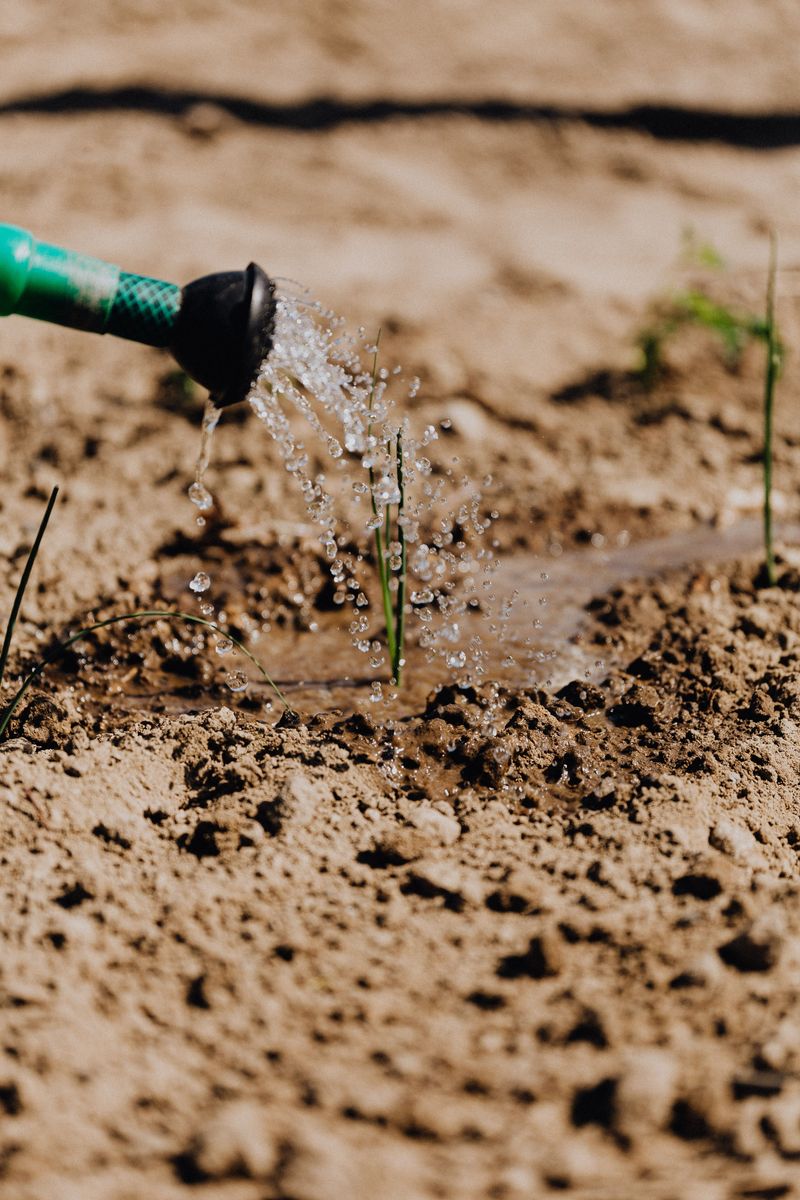
Shallow watering is one of the sneakiest causes of blossom drop, because the plants look fine on the surface. Roots that only reach the top few inches of soil are constantly exposed to heat and drought stress.
Deep watering encourages roots to grow down into cooler, more stable soil layers. A plant with deep roots handles Tennessee heat far better than one that depends on surface moisture that evaporates by noon.
The general rule is to water slowly and deeply two to three times per week rather than lightly every day. Each session should soak the soil at least six to eight inches down to push roots in the right direction.
Drip irrigation and soaker hoses are ideal because they deliver water directly to the root zone. Overhead sprinklers waste water through evaporation and can increase humidity around flowers, which creates its own set of problems.
Watering in the early morning gives moisture time to soak in before afternoon heat drives evaporation. Evening watering can leave foliage damp overnight, which encourages fungal issues in humid Southern summers.
A simple finger test works great for checking soil moisture. Push your finger two inches into the soil near the base of the plant, and if it feels dry, it is time to water.
Consistent moisture signals to your tomato that conditions are stable and safe enough to hold onto its blossoms. Stressed roots lead to stressed flowers, and stressed flowers fall off before setting a single fruit.
Mulching Regulates Soil Moisture And Temp
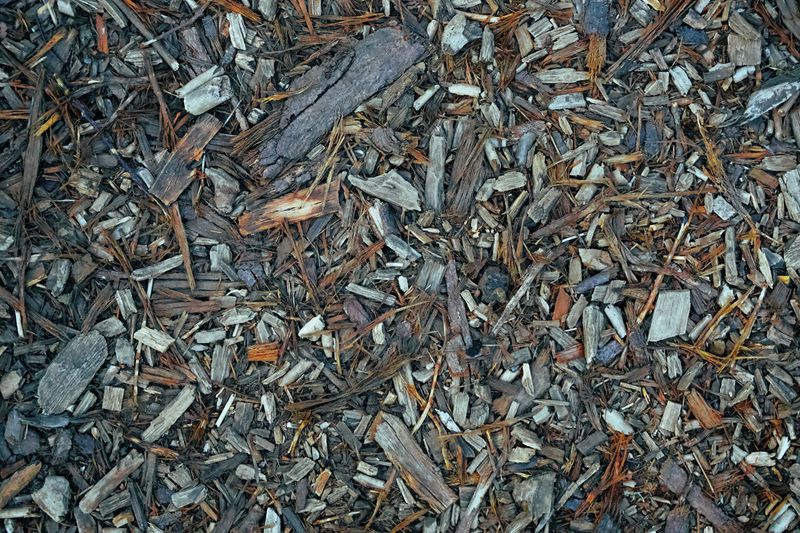
Bare soil heats up significantly in direct summer sun. Soil temperatures in unprotected garden beds can climb well above 100°F on a hot afternoon.
A thick layer of mulch changes everything. Just three to four inches of straw, wood chips, or shredded leaves can noticeably lower soil temperature on a scorching day.
Cooler soil means cooler roots, and cooler roots mean a calmer, less stressed plant. A plant that is not under stress at the root level is far more likely to hold onto its flowers and set fruit.
Mulch also slows down moisture evaporation dramatically. A well-mulched bed might need watering half as often as a bare one, which makes your whole irrigation routine more efficient and effective.
Straw is the classic choice for tomatoes because it is cheap, widely available, and breaks down slowly over the season. Avoid hay, which contains weed seeds that will turn your garden into a jungle by August.
Wood chips work well for longer-term mulching but can tie up nitrogen as they break down. Adding a light layer of compost beneath the wood chips balances this out and feeds your plants at the same time.
Lay mulch after the soil has warmed in spring but before peak summer heat arrives. Getting it down early means your tomatoes head into the hottest months with their roots already protected and ready to hold every blossom.
Hand-Pollinating Boosts Fruit Set
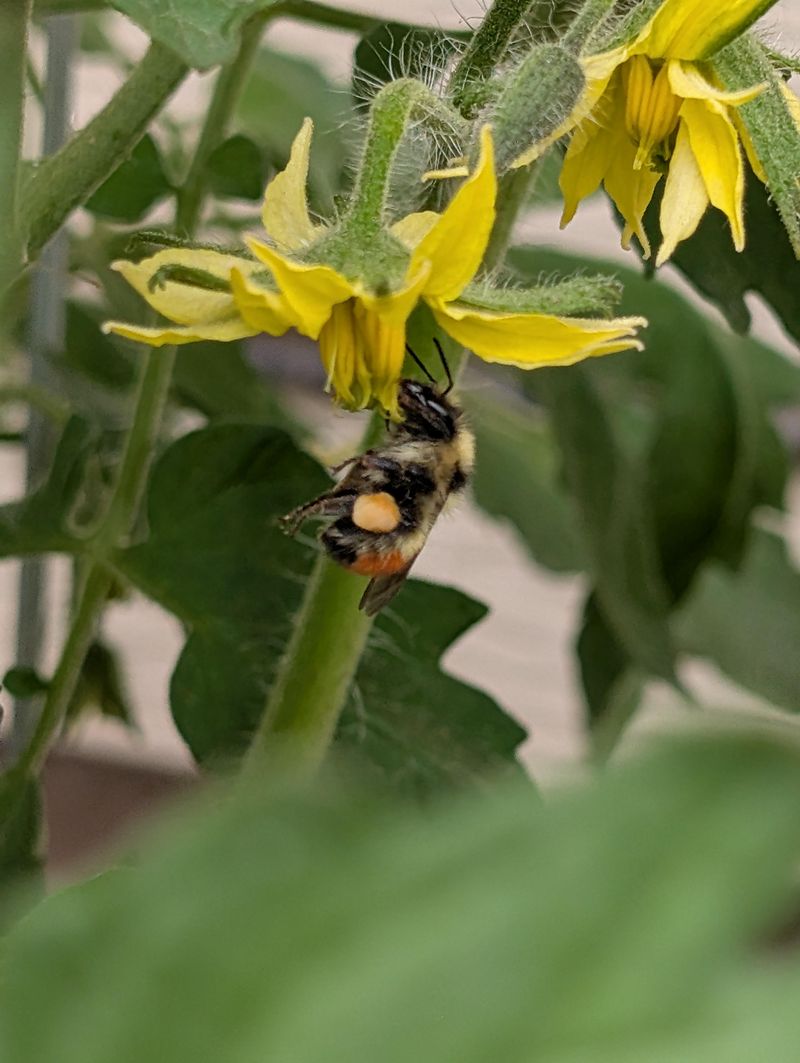
When bees are scarce and heat has slowed natural pollination, you can take matters into your own hands. Hand-pollinating tomatoes is easier than it sounds, and it genuinely works.
Tomato flowers are self-fertile, meaning each bloom contains both male and female parts. All you need to do is help the pollen move from the anther to the stigma inside that same flower.
The most effective tool is a battery-powered electric toothbrush. Hold the buzzing brush against the back of an open flower for a second or two, and the vibration mimics what a bumblebee does naturally when it buzz-pollinates.
Do this during mid-morning when flowers are fully open and pollen is at its freshest. Avoid pollinating during the hottest part of the day, when pollen viability is already compromised by heat.
A soft artist paintbrush also works well if you do not have an electric toothbrush handy. Gently swirl the bristles inside each flower to pick up and transfer pollen between blooms on the same plant.
Hand-pollinating takes about five minutes per plant and can dramatically improve fruit set during heat waves. Many gardeners notice a clear improvement in fruit set within just a few days.
This technique is especially powerful combined with the other strategies in this guide. Combine these strategies for your best shot at a real harvest.