The Meaning Behind Seeing A Horned Lizard In Your Texas Yard For The First Time In Years
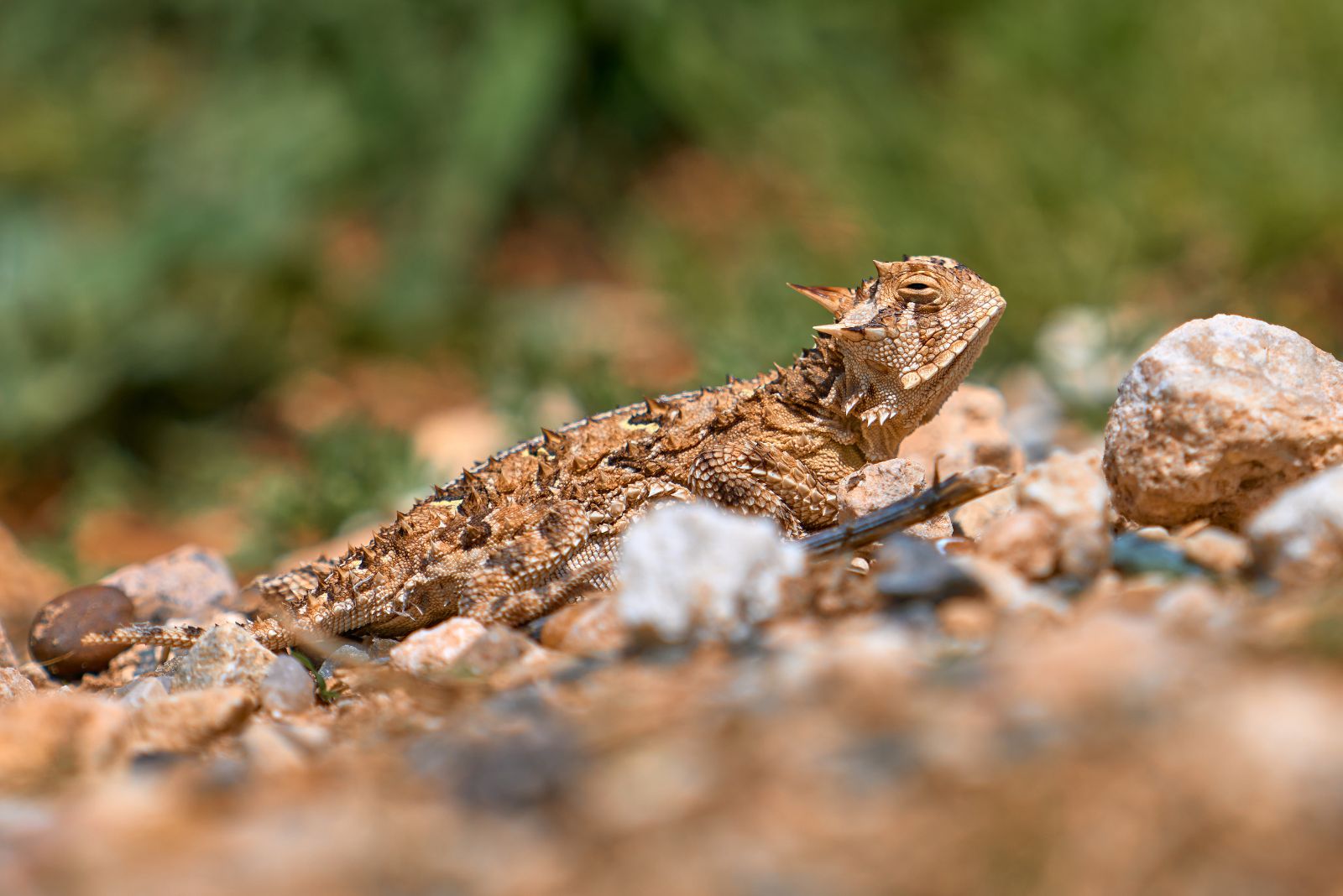
There was a time when spotting a horned lizard in a Texas yard was completely unremarkable. These spiky little creatures used to be everywhere, sunning themselves on warm patches of dirt and scurrying away the moment kids got too close.
But for a lot of Texans, that changed. Horned lizards became scarce, and seeing one started feeling like a genuinely rare event.
So if you just spotted one in your yard for the first time in years, that moment probably meant something to you. Beyond the simple excitement of seeing a creature you haven’t encountered in ages, many Texans attach real meaning to a horned lizard sighting.
For some it stirs up nostalgia, memories of childhood summers when these lizards seemed to be everywhere. For others, it feels like a hopeful sign about the local environment recovering.
Here’s what a horned lizard sighting means, why they disappeared, and why seeing one again is worth paying attention to.
1. Indicator Of A Healthy Ecosystem
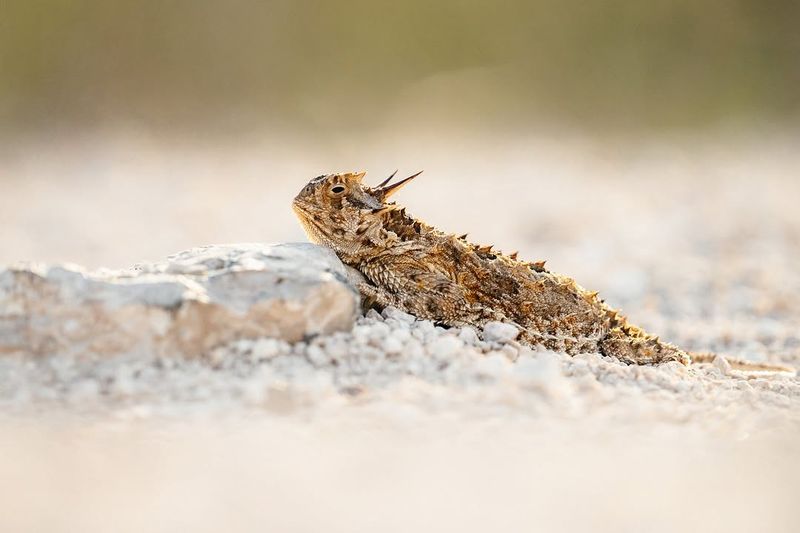
Picture this: you are pulling weeds on a warm afternoon, and suddenly a small, spiky lizard freezes right in front of you. That little creature might just be one of the best signs your yard has ever given you.
Horned lizards, often called “horny toads” in Texas, feed almost entirely on harvester ants and other small insects. Their presence means your yard has enough of these insects to support a predator, which points to a well-balanced food chain.
A healthy ecosystem is not just about having lots of plants. It is about all the living things working together, from the tiniest ant tunneling underground to the lizard waiting patiently above.
When one part of that system thrives, others follow. Seeing a horned lizard is like getting a report card from nature, and the grade looks good.
Yards with heavy foot traffic, concrete, or barren soil rarely attract these lizards. They need open ground, loose sandy soil, and plenty of insect activity to survive. If yours checks those boxes, congratulations. Your outdoor space is doing something right.
Encouraging this balance does not take much effort. Leaving a patch of natural ground uncovered, avoiding excess watering, and letting some native grasses grow can make a big difference.
Small choices add up over time. A horned lizard choosing your yard as its hunting ground is nature’s way of saying your little corner of Texas is alive, active, and thriving in all the right ways.
2. Sign Of Reduced Pesticide Use
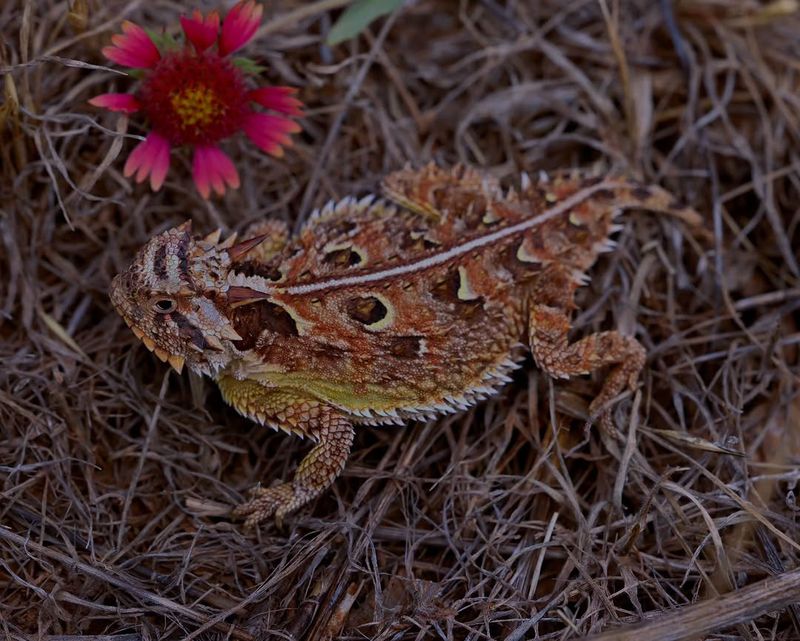
Most people do not realize just how sensitive horned lizards are to chemical pesticides. These lizards depend on harvester ants as their main food source.
When pesticides wipe out ant colonies, the lizards lose their meals and eventually move on or simply stop appearing. So when one shows up in your yard after a long absence, it often means the chemical load in your soil and plants has dropped significantly.
Over the past few decades, widespread pesticide use across Texas neighborhoods has been one of the biggest reasons horned lizard populations declined.
Your Texas Garden Changes Every Week. Your Plan Should Too.
Gardening in Texas changes quickly throughout the season. Every Friday you’ll receive a simple weekly plan showing exactly what to plant, prune, fertilize, harvest, and protect so you never miss the right timing.
Homeowners used sprays to get rid of fire ants, beetles, and other bugs, often without knowing the ripple effects those chemicals had on native wildlife. Fewer insects meant fewer lizards. It was a quiet but serious loss for local biodiversity.
If you have recently switched to natural lawn care, organic fertilizers, or simply stopped reaching for the spray bottle every time you see a bug, your yard may now be a safer place for native creatures. That shift matters more than most people know.
Keeping pesticide use low going forward is one of the most powerful things a Texas homeowner can do for local wildlife. Try using companion planting to naturally deter pests.
Introduce beneficial insects like ladybugs to manage unwanted bugs. Let native ground covers fill in bare spots instead of applying chemicals.
Every small swap helps restore the natural balance that horned lizards, and dozens of other native species, depend on to survive and stay in your neighborhood.
3. Increased Biodiversity In Your Yard
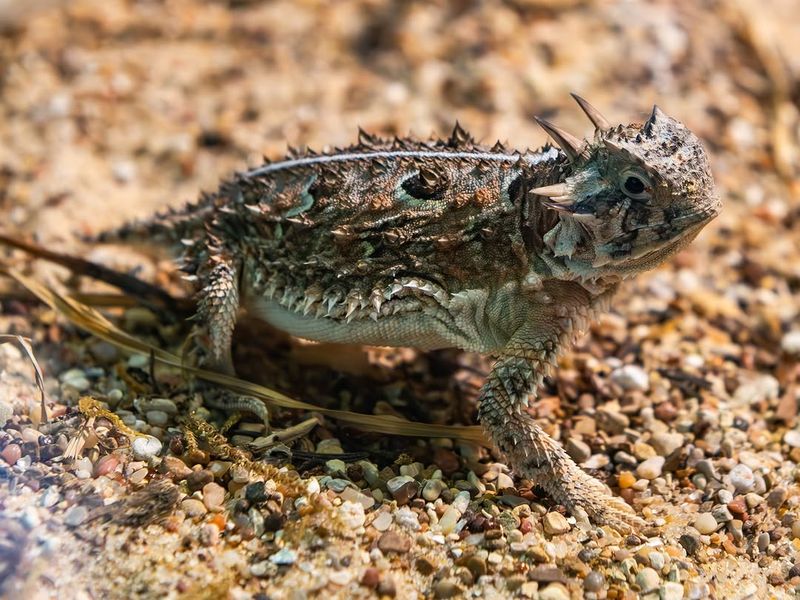
Biodiversity is a fancy word, but the idea behind it is simple: the more different types of plants and animals living in a space, the healthier that space is.
A horned lizard appearing in your yard is strong evidence that your outdoor environment has reached a level of variety that can support a complex native species. That is something to feel genuinely proud of.
Horned lizards are picky about where they live. They need sandy or loose soil for burrowing, open sunny patches for warming up, native vegetation for shelter, and a steady supply of ants.
If all of those conditions are met in your yard, it means several layers of the local food web are already in place. You are not just growing grass. You are hosting an entire living community.
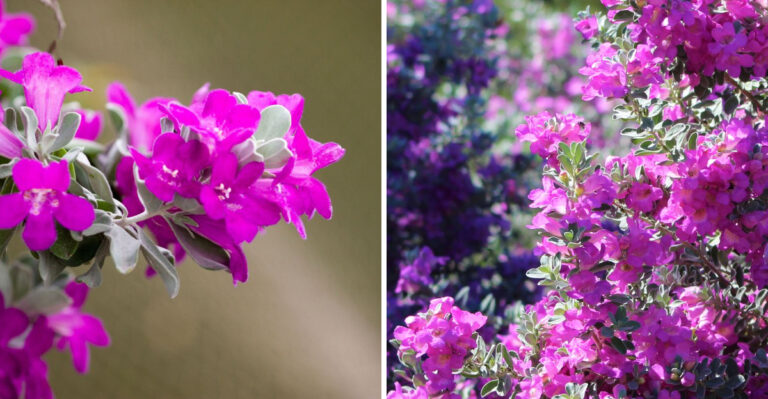
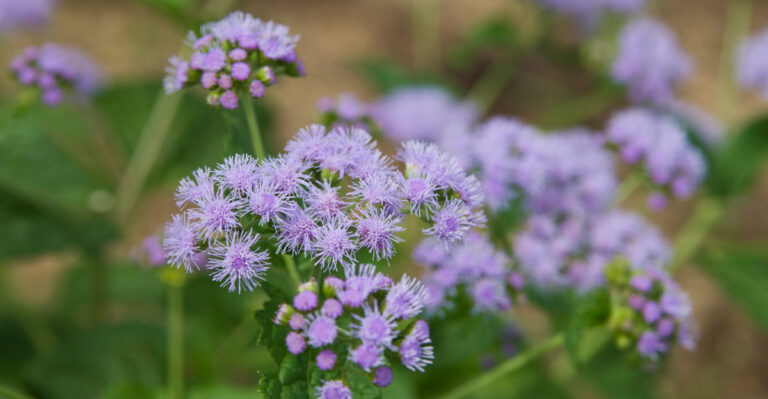
Many Texas gardeners are now planting native species like Texas sage, blackfoot daisy, and prairie grasses to attract wildlife.
These plants support native insects, which in turn support birds, lizards, and other animals. When you plant for biodiversity, every new visitor to your yard is a reward for that effort.
Fun fact: Texas is one of the most biodiverse states in the entire country, home to more plant and animal species than almost anywhere else in the nation. Your yard, no matter how small, can be a tiny but important piece of that bigger picture.
Encouraging native plants, reducing lawn chemicals, and leaving natural areas undisturbed are all ways to build the kind of rich, layered habitat that brings a horned lizard back to your doorstep.
4. Natural Pest Control At Work
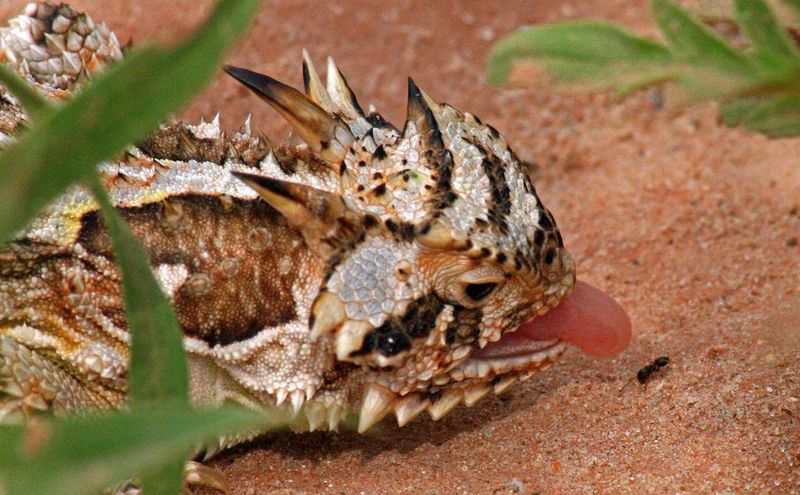
Forget the chemical sprays and the ant traps. When a horned lizard sets up shop in your yard, you have got one of nature’s most efficient pest controllers working for free.
A single horned lizard can consume dozens of harvester ants in one sitting. Over the course of a season, that adds up to thousands of insects that never get the chance to spread into your garden or damage your lawn.
Harvester ants, while a natural part of the Texas ecosystem, can become a real nuisance when their populations grow unchecked. They build large mounds, clear vegetation around their colonies, and can deliver a painful sting.
Horned lizards naturally keep these populations in check without any chemicals, traps, or human effort. It is pest control that has been perfected over millions of years of evolution.
Beyond ants, horned lizards also snack on beetles, grasshoppers, and other small bugs. This wide-ranging appetite makes them valuable allies for anyone trying to maintain a healthy, low-maintenance yard.
Gardeners who welcome these lizards often notice fewer pest problems overall, even without changing anything else about their routine.
To keep a horned lizard around and working its magic, avoid disturbing ant mounds entirely. Yes, that sounds counterintuitive, but those mounds are the lizard’s pantry.
Leaving some natural, undisturbed ground near garden edges gives the lizard room to hunt. Skip the broad-spectrum insecticides and let this spiky little helper do its job.
Your garden will benefit, your soil will thank you, and you will have a fascinating wild neighbor to watch on sunny afternoons.
5. Environmental Recovery In Progress
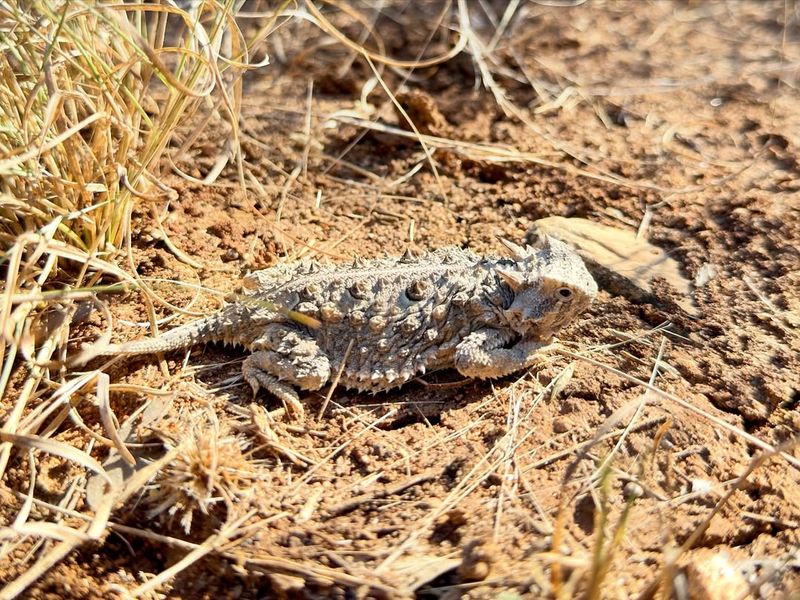
Years can pass without a single horned lizard sighting, and then one day, there it is. That moment often means more than just luck.
It can signal that your local environment has gone through a quiet but meaningful recovery. Habitat loss, drought, urban sprawl, and overuse of chemicals all pushed horned lizards out of many Texas neighborhoods over the past few decades.
Their return is a hopeful sign. Environmental recovery happens slowly and often without fanfare. Native plants gradually reclaim disturbed soil.
Ant colonies rebuild. Soil health improves when chemical inputs decrease and organic matter returns.
These small changes create the conditions horned lizards need to return and stay. When you see one, you are witnessing the results of that quiet, patient process unfolding in real time.
Texas has seen growing interest in habitat restoration, both on large ranches and in small suburban yards. Native plant nurseries are thriving.
More homeowners are replacing traditional lawns with drought-tolerant native ground covers. Rain gardens and brush piles are becoming more common.
Each of these efforts contributes to the kind of microhabitat that supports horned lizards and many other native species.
Your yard may be part of a larger corridor of recovering habitat without you even knowing it. Horned lizards can travel surprisingly long distances when searching for suitable territory.
If your neighbors are also making eco-friendly choices, the combined effect can be powerful. Celebrating a horned lizard sighting means celebrating real, measurable environmental progress.
Keep building on those good habits, and your yard may become a permanent home for this remarkable Texas native for many seasons to come.
6. A Rare And Special Wildlife Experience
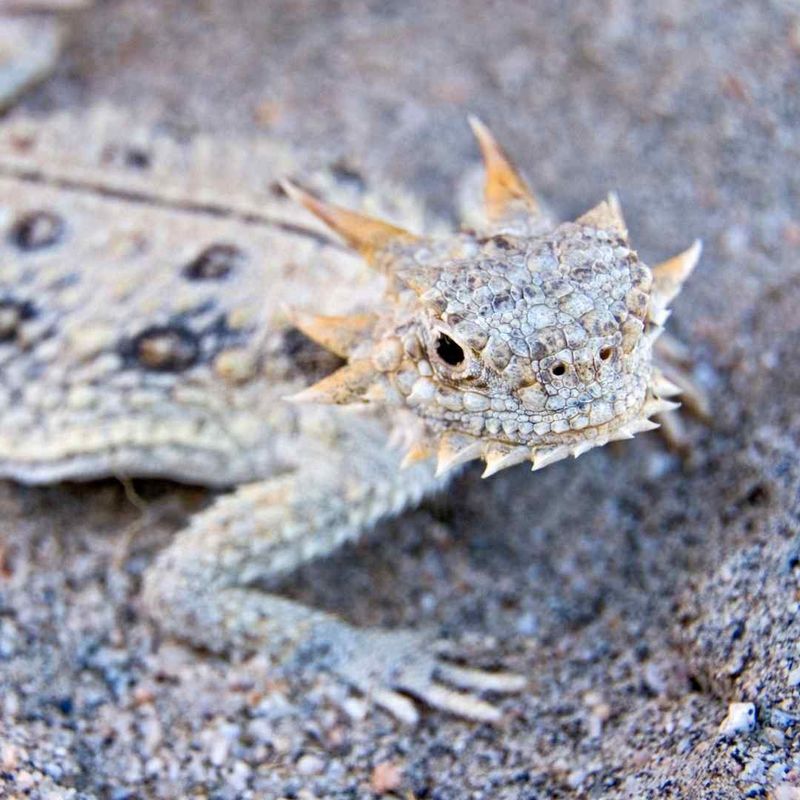
Not everyone gets to see a horned lizard in the wild anymore. Once a common sight across Texas, these fascinating creatures have become increasingly rare in many urban and suburban areas.
So if one appears in your yard, take a moment to truly appreciate it. You are experiencing something that fewer and fewer Texans get to witness up close, and that makes it genuinely special.
Horned lizards hold a deep place in Texas culture and history. They were once so beloved that a horned lizard named Old Rip allegedly survived sealed inside a courthouse cornerstone for 31 years, a story that became Texas legend.
Whether or not the tale is entirely true, it shows just how much these little lizards mean to people across the state. Spotting one feels like reconnecting with something timeless.
For kids especially, seeing a horned lizard can spark a lifelong love of nature and wildlife. Encouraging children to observe quietly, without chasing or handling the lizard, teaches patience and respect for wild animals.
It turns an ordinary afternoon in the backyard into a real nature lesson that no classroom can quite replicate.
To honor the visit and encourage the lizard to stick around, resist the urge to handle it or disrupt its surroundings. Horned lizards are shy and stress easily.
Keep dogs and cats away from the area if possible. Add a shallow dish of water nearby for other wildlife.
Plant native flowering plants to support the insect life the lizard depends on. Your yard can become a true wildlife sanctuary, one spiky, sun-loving lizard at a time.