New York Gardeners Are Planting These 8 Crops Now For A Heavy Fall Harvest
The calendar says summer, but your soil is already whispering about fall. While most gardeners are still nursing tomatoes through the heat, the ones who actually know what they’re doing have shifted gears entirely.
They’re staring at empty patches of earth and seeing September harvests instead. New York’s growing season has a second planting window, and late July through August is a stretch many gardeners overlook, earlier upstate, later near the coast.
Skip this window and you’re left watching neighbors haul in baskets of crisp greens and roasted-ready squash while your garden sits dormant. Catch it, and you’ll be the one fielding questions about your secret.
There’s no real secret, just timing and a bit of attention. A handful of crops thrive specifically because they’re planted now, in New York’s warm late-summer soil.
They grow steadily toward maturity before the first frost arrives. Here are the crops that deserve your attention this week.
1. Bush Beans
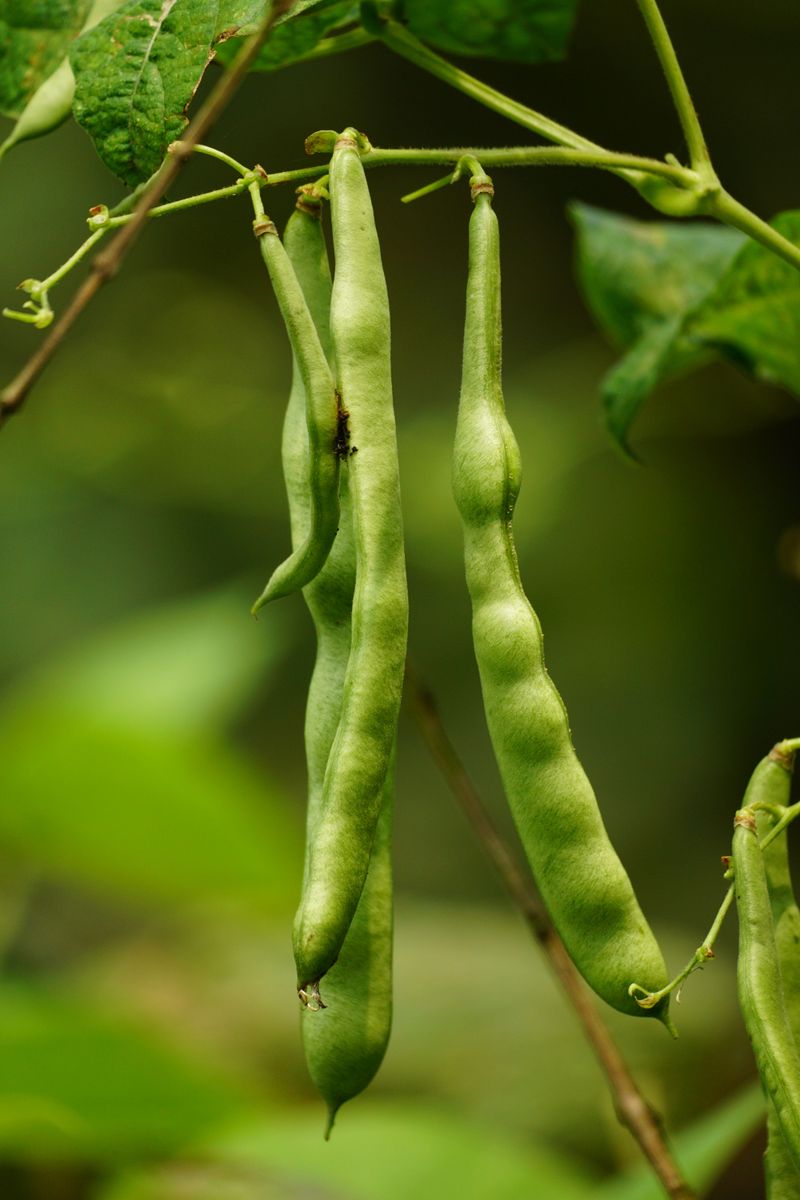
Few things feel more satisfying than snapping a fresh bean right off the plant. Bush beans are fast, reliable, and genuinely forgiving for gardeners of every skill level.
Plant seeds directly into the soil about an inch deep and four inches apart. They skip the need for stakes or trellises, which makes your life significantly easier.
Bush beans thrive in full sun and well-drained soil. Give them consistent moisture, and they will reward you generously within 50 to 60 days.
For a fall harvest in New York, aim to get seeds in the ground by early August, adjusting earlier if you’re in a colder upstate region or later if you’re closer to the coast.
The cooling temperatures of September actually make beans taste sweeter and more tender. Succession planting every two weeks keeps your harvest rolling instead of arriving all at once.
Staggered rows mean you are picking fresh beans for weeks, not just one frantic weekend. Watch out for Mexican bean beetles, which love late-season plants.
A quick inspection every few days keeps infestations manageable before they become a real headache.
Bush beans also fix nitrogen back into your soil as they grow. That means your garden beds get a natural boost that benefits whatever you plant next season.
Harvest pods when they feel firm and snap cleanly. Leaving beans on the vine too long signals the plant to stop producing, so pick early and often.
A single 10-foot row can yield enough beans for several family dinners, depending on variety and growing conditions. Start planting now, and fall will taste genuinely satisfying.
2. Carrots
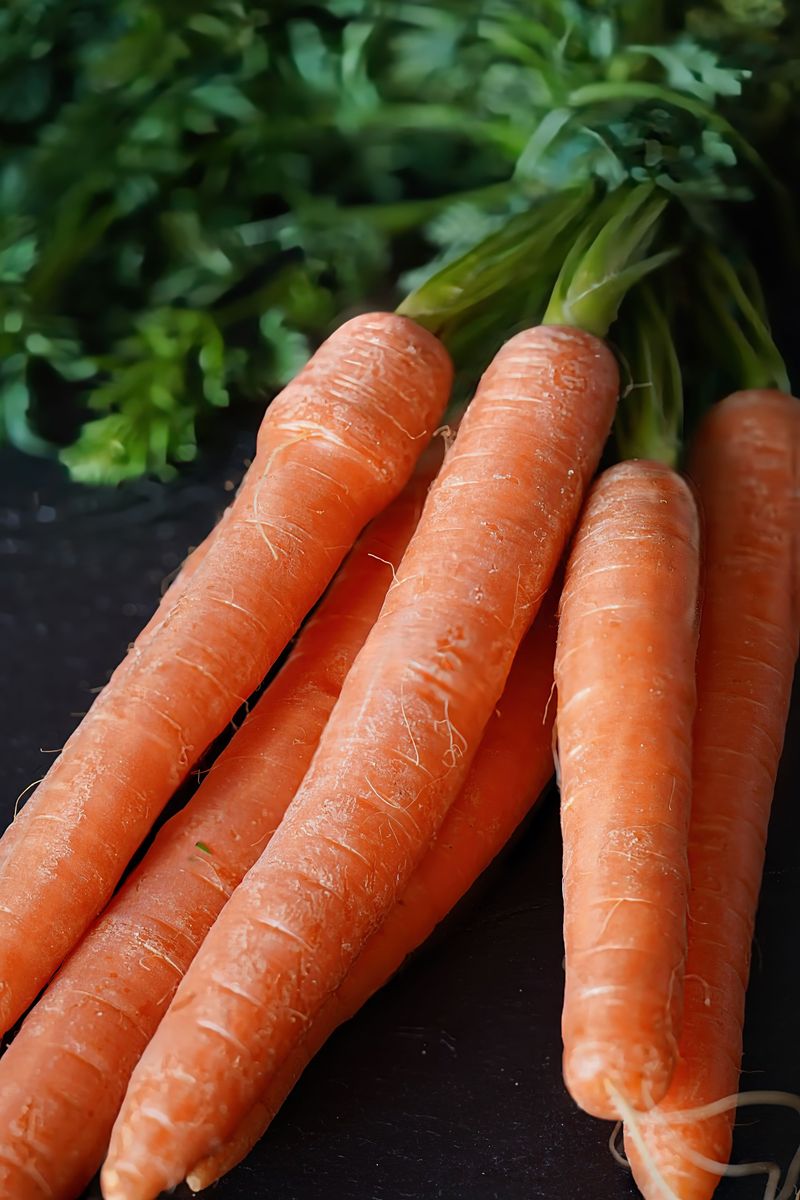
Carrots are the underground surprise that makes fall gardening feel like treasure hunting. You plant them, mostly forget them, and then pull up something beautiful weeks later.
Sow seeds directly into loose, deep soil free of rocks and heavy clay. Carrot roots need room to grow straight, so breaking up compacted soil before planting is non-negotiable.
Thin seedlings to about two inches apart once they reach two inches tall. Crowded carrots grow stunted and twisted, which is frustrating after weeks of patient waiting.
Your New York Garden Changes Every Week. Your Plan Should Too.
Gardening in New York changes quickly throughout the season. Every Friday you’ll receive a simple weekly plan showing exactly what to plant, prune, fertilize, harvest, and protect so you never miss the right timing.
In most of New York, planting carrot seeds in late July gives roots enough time to mature before hard frost arrives, though gardeners in colder upstate areas may want to plant a week or two earlier.
Most varieties need 70 to 80 days, so the math works perfectly for October pulls. Frost actually improves carrot flavor by converting starches into natural sugars.
A carrot pulled after the first light frost tastes noticeably sweeter than a summer-harvested one.
Keep the soil consistently moist during germination, which can take up to two weeks. Letting the surface dry out completely during this window is the most common reason carrot seeds fail.
Mulching over your carrot rows helps lock in moisture and regulate soil temperature. A thin layer of straw works beautifully without smothering the delicate emerging sprouts.
Varieties like Danvers 126 and Scarlet Nantes perform exceptionally well in northeastern soils. Both are known for strong flavor and sturdy roots that handle cool conditions with ease.
Fall carrots stored in the ground stay fresh for weeks under mulch. Your harvest window is wider than you think.
3. Beets
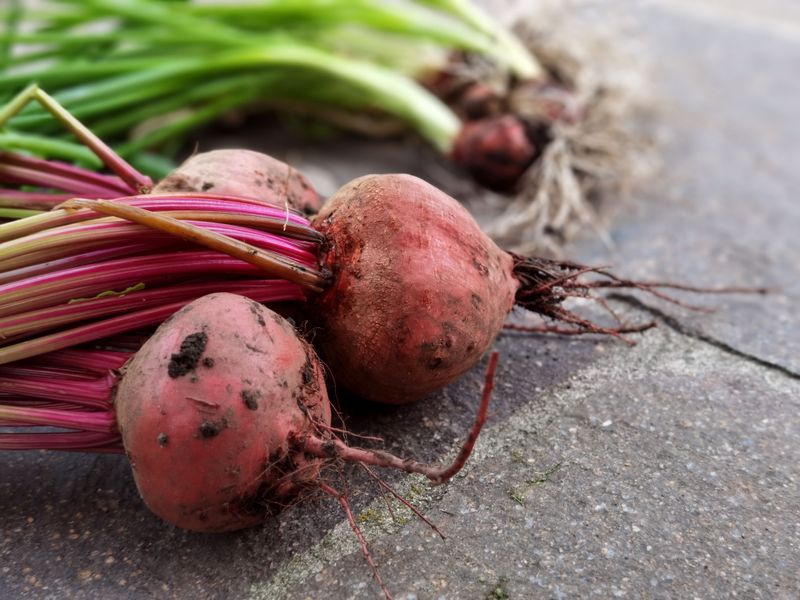
Beets might be the most underestimated vegetable in the fall garden lineup. They grow fast, tolerate cool weather brilliantly, and give you two harvests in one plant.
The roots are obviously the main attraction, but beet greens are equally delicious sauteed with garlic and olive oil. You are essentially getting two crops for the price of one seed packet.
Sow beet seeds about half an inch deep and two inches apart in rows spaced a foot apart. Each beet seed is actually a cluster of seeds, so expect multiple sprouts per spot and thin accordingly.
In New York, planting beets in late July through mid-August gives them a comfortable runway to maturity. Most varieties mature in 55 to 70 days, landing perfectly in the cool fall window.
Beets prefer loose, fertile soil with a slightly alkaline pH around 6.5 to 7.0. Adding a sprinkle of wood ash to acidic beds helps dial in the right conditions without complicated amendments.
Water consistently to avoid cracked or woody roots, which happen when moisture levels swing wildly. Even watering produces smooth, tender beets that roast beautifully in the oven.
Try varieties like Detroit Dark Red or Chioggia for reliable fall production. Chioggia beets have a stunning candy-cane pattern inside that makes even skeptical dinner guests curious.
Harvest beets when they reach golf-ball to tennis-ball size for the best texture. Larger roots can turn fibrous and lose the buttery sweetness that makes them worth growing.
Beets thrive when fall temperatures drop, making them a natural fit for the New York harvest season.
4. Bush Summer Squash And Zucchini
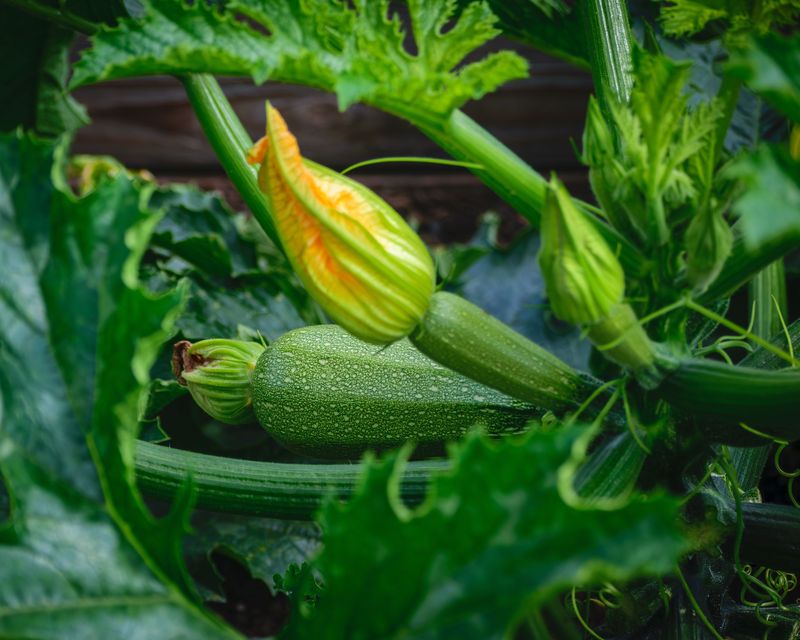
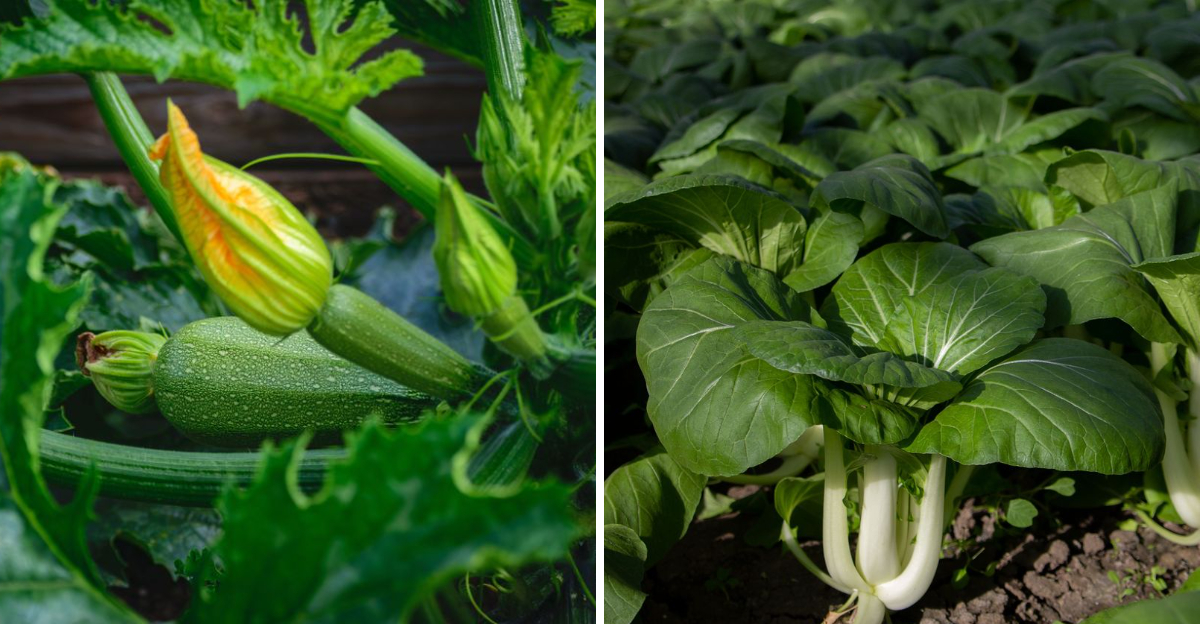
Zucchini has a reputation for being almost embarrassingly productive, and that reputation is completely earned. Plant one bush variety now and your neighbors will be avoiding eye contact by October.
Bush types are ideal for fall planting because they stay compact and do not sprawl across your entire garden. Varieties like Bush Baby or Patio Star fit neatly into smaller raised beds without taking over the neighborhood.
Direct sow seeds or set out transplants in a spot that gets at least six hours of direct sun daily. Squash are heavy feeders, so work a generous amount of compost into the planting hole before you tuck them in.
In New York, planting in late July gives bush squash enough time to mature before the first frost typically arrives in October. Most varieties produce harvestable fruit within 50 days of planting.
Powdery mildew is the classic late-season enemy of squash plants everywhere. Planting resistant varieties and ensuring good air circulation between plants keeps this fungal issue from ending your harvest early.
Harvest zucchini when fruits are six to eight inches long for the best flavor and texture. Waiting longer produces giant, seedy clubs that are better suited for compost than cooking.
Consistent picking actually encourages the plant to keep producing at full speed. Leaving mature fruit on the vine signals the plant to slow down, which nobody planting now wants to happen.
Water at the base of plants rather than overhead to reduce disease pressure. Fall squash rewards attentive gardeners with a surprisingly abundant and deeply satisfying haul.
5. Cucumbers
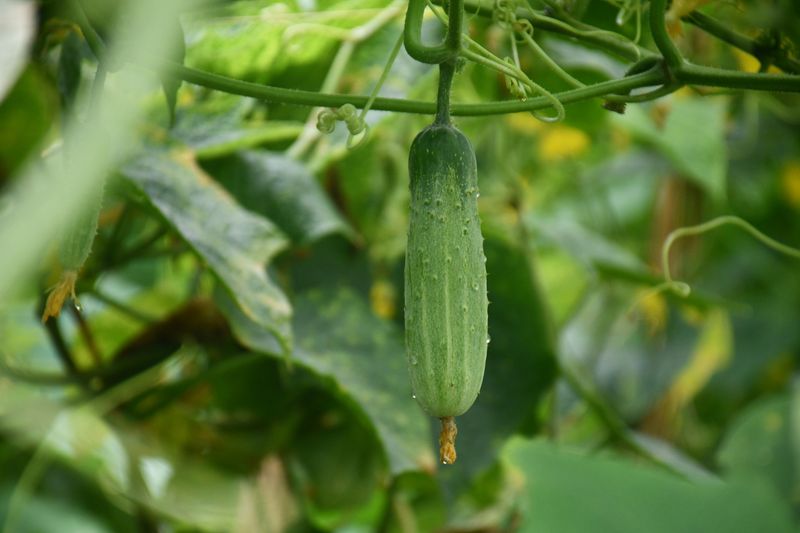
There is something deeply refreshing about a cucumber you grew yourself, still cool from the vine. Planting a fast-maturing variety right now means you will be slicing fresh cucumbers well into September.
Choose bush varieties or compact vining types for late-season planting in tighter spaces. Varieties like Spacemaster or Bush Pickle mature in around 55 days, which fits the fall window snugly.
Cucumbers need warm soil to germinate and establish quickly, so planting in late July takes advantage of the remaining summer heat. Once roots are established, the plants handle the gradual cooling of August and September without complaint.
Provide a simple trellis or fence for vining types to climb, which improves airflow and keeps fruit clean. Trellised cucumbers are also dramatically easier to spot at harvest time, reducing the chance of missing a hidden giant.
Water deeply and consistently because cucumbers are about 95 percent water themselves. Irregular watering leads to bitter-tasting fruit, which is the most common and most avoidable cucumber disappointment.
Watch for cucumber beetles, which are small striped or spotted insects that damage leaves and spread disease. Row covers early in the season offer solid protection without requiring any chemical intervention.
Harvest cucumbers before they turn yellow, which signals over-ripeness and signals the vine to stop producing. Picking every two to three days keeps the plant motivated and your kitchen well stocked.
A late-summer cucumber planting can yield surprising abundance before frost shuts things down. Crisp, homegrown cucumbers in October feel like a small, personal victory worth celebrating.
6. Kale
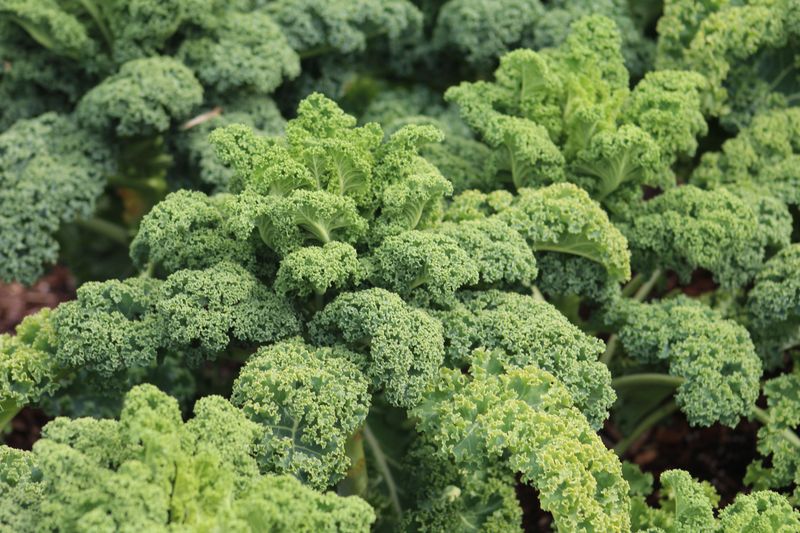
Kale is basically the superhero of the fall garden, and it gets better the colder it gets. Frost converts the leaf starches into sugars, producing a sweeter, more tender leaf than anything you find in a store.
Sow seeds directly or transplant starts into the garden from late July through mid-August. Kale germinates quickly in warm summer soil and then happily transitions into the cooling fall temperatures ahead.
Space plants about 18 inches apart to give each one room to develop a full, productive crown. Crowded kale produces smaller leaves and is more vulnerable to fungal issues in damp fall conditions.
Varieties like Red Russian and Lacinato, also called Dinosaur kale, are especially cold-tolerant and productive. Both handle frost down to around 20 degrees Fahrenheit without flinching, extending your harvest deep into November.
Feed plants with a nitrogen-rich fertilizer early in the growing period to encourage lush, leafy growth. Ease off the nitrogen as fall approaches so leaves toughen slightly and develop their signature bold flavor.
Harvest outer leaves first, leaving the central growing tip intact so the plant keeps producing. A single kale plant managed this way can feed a household for months without needing replacement.
Aphids tend to cluster on the undersides of leaves in late season, but a strong spray of water dislodges most colonies effectively. Check plants weekly so small problems stay small rather than escalating.
Kale is one of the most rewarding crops for fall gardens across the Northeast. Growing it now means fresh greens long after everything else has called it a season.
7. Broccoli (Fall Varieties From Transplants)
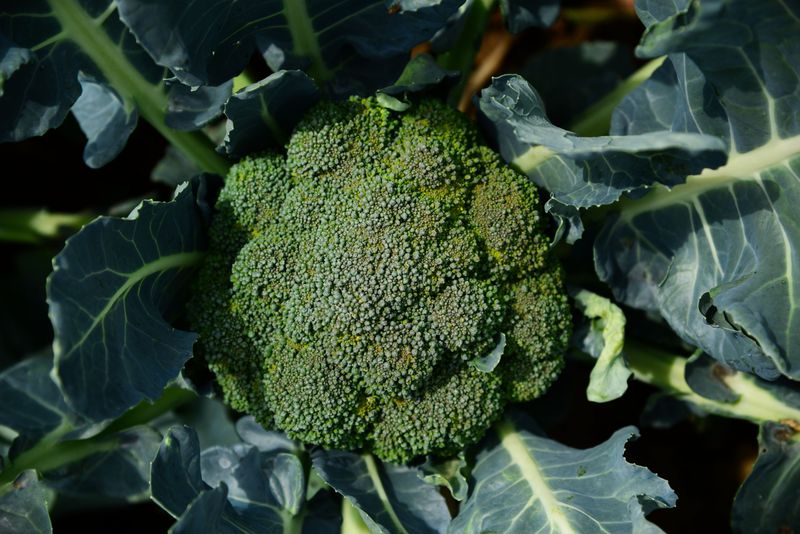
Broccoli grown for fall harvest is a completely different experience from the spring version. Cooler temperatures slow the plant down just enough to develop tight, dense heads with exceptional flavor.
Starting from transplants rather than direct seed is the smart move for late-season planting in New York. Transplants give you a four to six week head start, which is critical when frost is already circling the calendar.
Choose fall-specific varieties like Belstar, Gypsy, or Arcadia, which are bred for cooler conditions and faster heading. These varieties handle temperature swings better than standard types and produce consistently under fall pressure.
Set transplants out in late July or early August, spacing them about 18 inches apart in all directions. Broccoli is a hungry plant, so amend the bed with compost and a balanced slow-release fertilizer before transplanting.
Cabbage worms are the primary pest concern for fall broccoli, and they blend in alarmingly well with green leaves. Floating row covers applied right after transplanting provide reliable protection without any chemical sprays needed.
Keep soil evenly moist throughout the growing period because inconsistent watering stresses plants and delays head formation. A two-inch layer of mulch around each plant locks in moisture and moderates soil temperature as nights cool.
Harvest heads when they are deep green, firm, and tight before any yellow flowers begin opening. Once flowering starts, the head loses tenderness and the flavor shifts toward bitter territory quickly.
Side shoots continue producing after the main head is cut, extending your broccoli harvest for weeks. Fall broccoli rewards patience with some of the most flavorful heads you will ever taste.
8. Bok Choy And Asian Greens
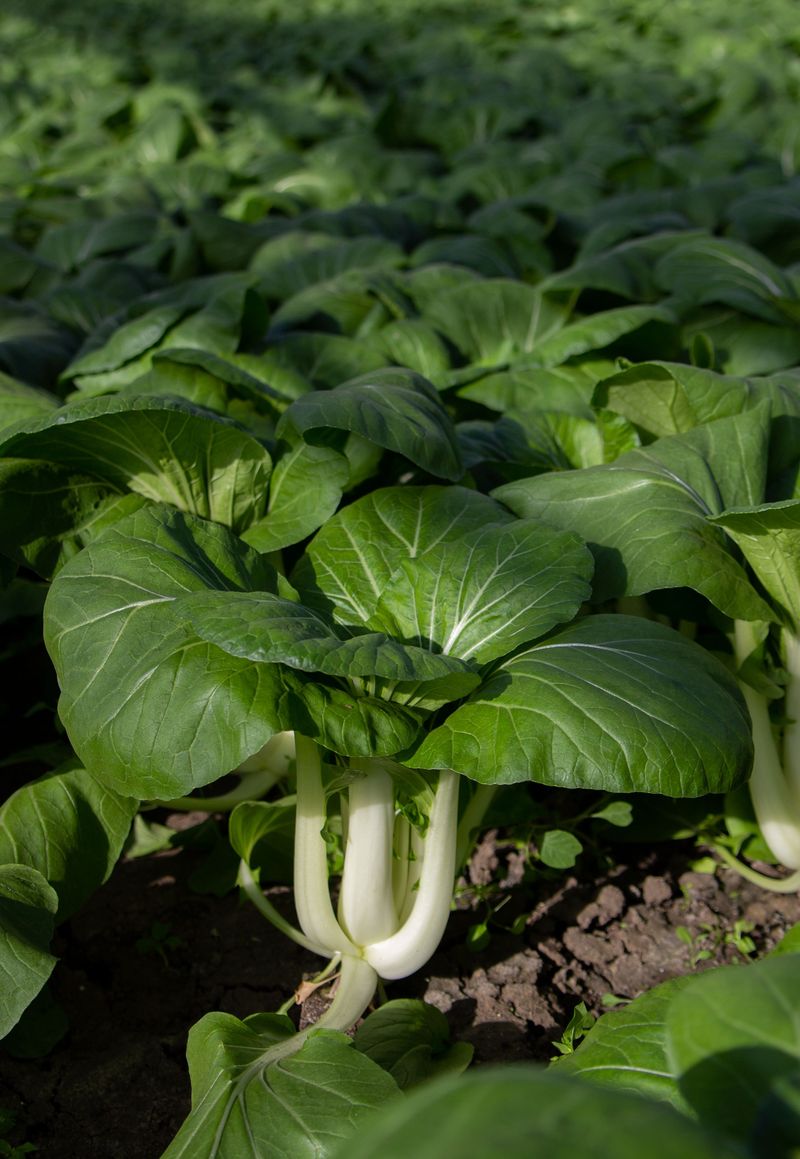
Bok choy is one of those crops that stands out as a real workhorse in the fall garden. It grows fast, handles cool temperatures beautifully, and brings serious culinary versatility to your kitchen table.
Direct sow seeds or set out transplants from late July through August for a strong fall showing. Bok choy matures in just 45 to 60 days, meaning you could be harvesting in September with time to spare.
Plant seeds about a quarter inch deep and thin seedlings to six inches apart for full-sized heads. Baby bok choy varieties can be spaced as close as four inches apart and harvested young for stir-fries and soups.
Asian greens as a category also includes tatsoi, mizuna, and komatsuna, all of which thrive in the same cool fall conditions. Mixing a few varieties in one bed creates a diverse, productive harvest without much extra effort or planning.
Flea beetles are the main pest challenge for brassica greens in late summer. Row covers installed right after planting block the beetles effectively and also help moderate temperatures during warm August days.
Consistent watering is essential because bok choy bolts quickly under heat or drought stress. Bolted plants send up a flower stalk and lose their tender, mild flavor almost overnight.
Harvest outer leaves for continuous production or cut the whole head at the base for a single large yield. Both approaches work well depending on how you prefer to cook and plan your meals.
Fall-planted bok choy and Asian greens are among the most productive crops for New York gardeners working the late-season window. Plant them now and enjoy a heavy, satisfying harvest before the first hard frost arrives.