The Spotted Lanternfly Has Reached Iowa, And Homeowners Should Take Notice
Iowa has a new visitor, and it did not come to admire the cornfields. The spotted lanternfly, a striking insect with bold red and black markings, has made its way into the state after spreading steadily across much of the eastern U.S.
This is not just another bug sighting to shrug off. Spotted lanternflies feed on a wide range of plants, weakening trees and damaging crops that many Iowa homeowners and farmers rely on.
What makes this pest tricky is how easily it travels. It often hitches rides on vehicles, firewood, and outdoor furniture, slipping into new areas without anyone noticing.
Spotting the signs early can make a real difference. Catching an infestation before it spreads gives homeowners a much better chance of protecting their yards.
The Spotted Lanternfly Makes Its Way To Iowa
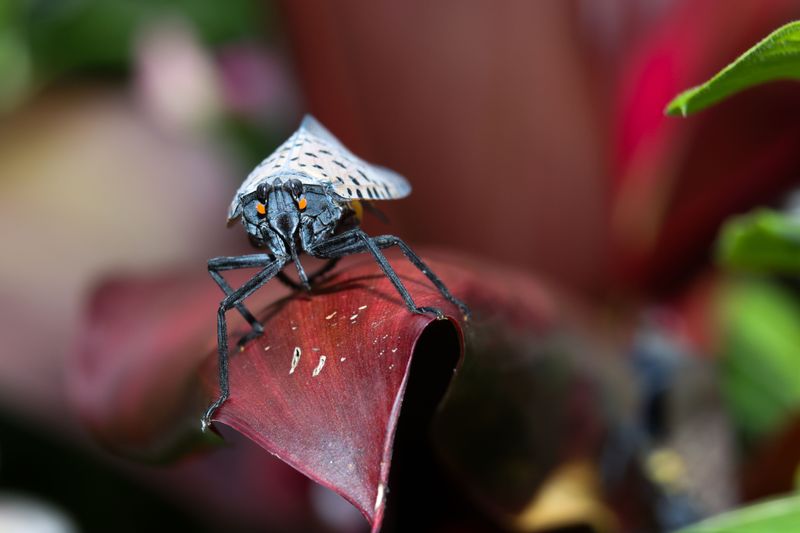
Something new is crawling through Iowa backyards, and it is not welcome. The spotted lanternfly has officially been confirmed in the state, sending alarm bells ringing for homeowners and farmers alike.
This invasive insect first arrived in the United States back in 2014. It landed in Pennsylvania, hitching rides on shipments of stone and outdoor goods.
Since then, it has marched steadily westward, hopping from state to state with surprising speed. Iowa joins a growing list of states dealing with this unwanted guest.
Experts believe the lanternfly spreads so fast partly because people unknowingly transport egg masses on outdoor furniture, vehicles, and firewood. A single egg mass can contain 30 to 50 eggs, making each overlooked cluster a serious problem.
The Iowa Department of Agriculture has confirmed sightings and is urging residents to report any encounters immediately. Early detection is one of the most effective ways to prevent a full-scale infestation.
Homeowners in urban and suburban areas are especially at risk, since the insect thrives near trees and ornamental plants. Your backyard could already be hosting this pest without you even knowing it.
Catching this invasion early could save Iowa millions of dollars in agricultural and ecological damage. Every sighting reported brings the state one step closer to keeping this threat under control.
The Unmistakable Look Of This Invasive Pest
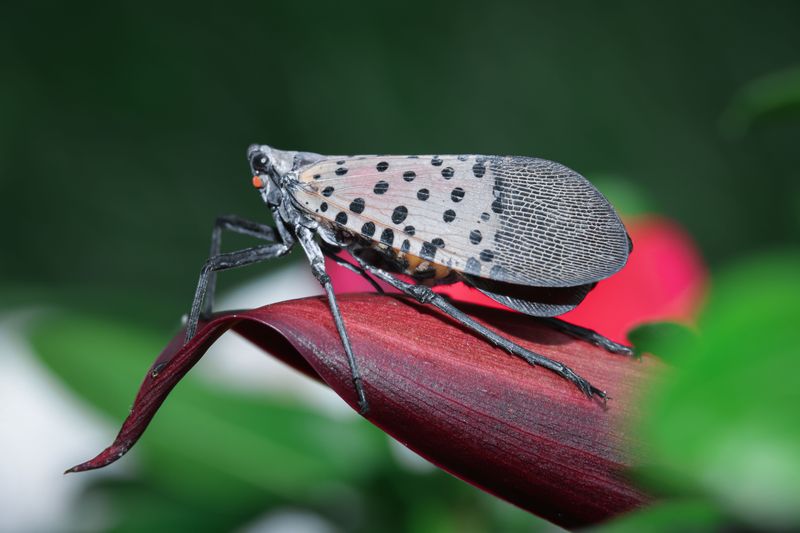
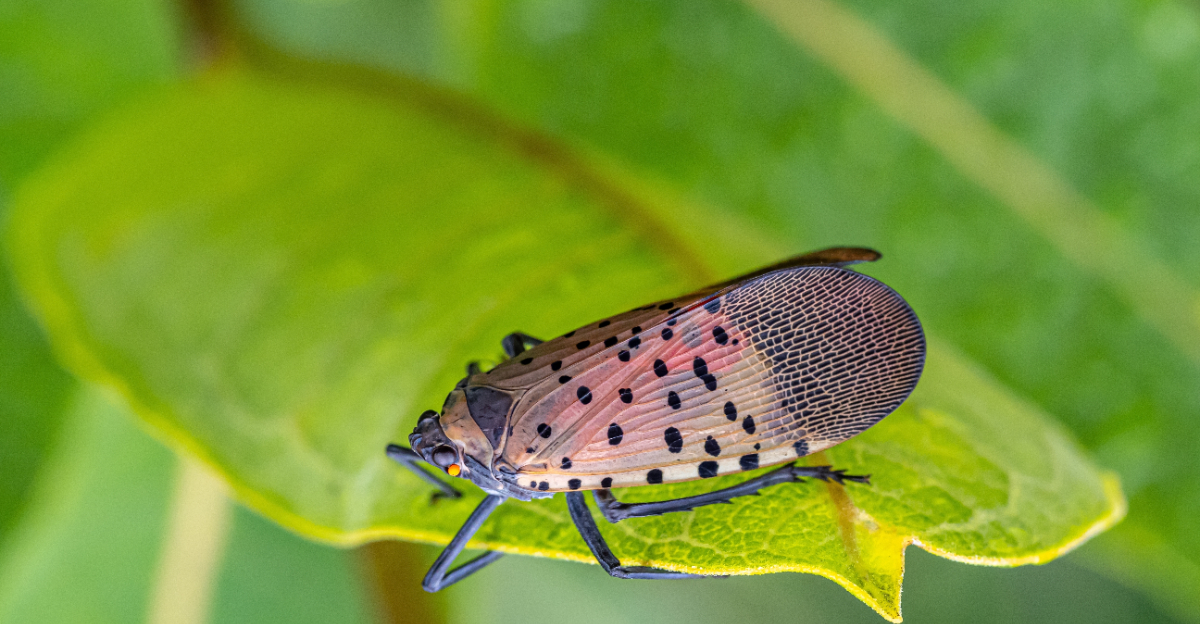
Spotting this insect is easier than you might think, once you know what to look for. The spotted lanternfly is roughly an inch long and has a very distinctive look that sets it apart from native bugs.
At rest, its forewings appear grayish with neat rows of black spots. Those outer wings almost look like a polka-dot pattern on a light background.
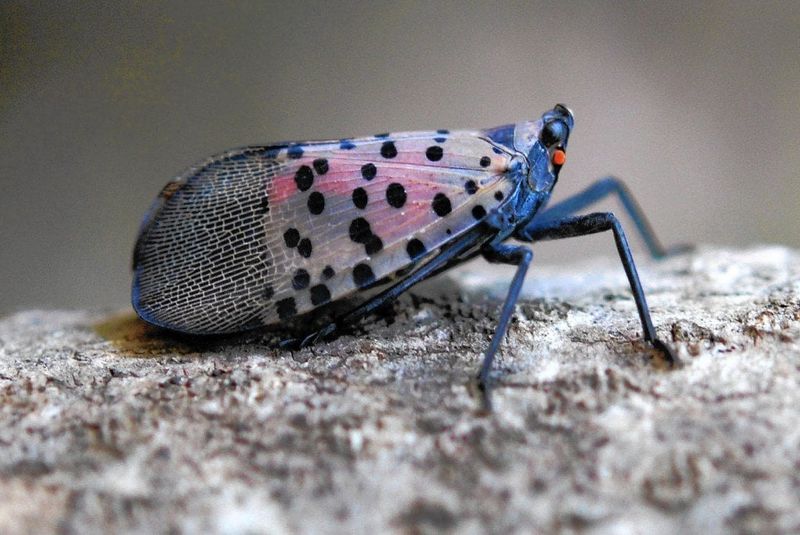
Open those wings, though, and the show really begins. Bright red hindwings flash into view, marked with bold black spots and a white band near the edge.
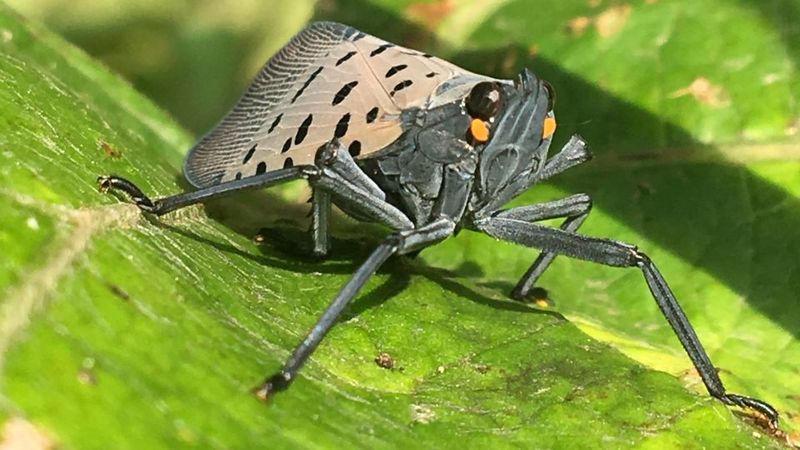
Young lanternflies, called nymphs, look quite different from the adults. Early-stage nymphs are tiny and black with white spots, almost resembling a small beetle at first glance.
As they mature, nymphs develop red patches on their bodies before reaching full adult form. Knowing both the juvenile and adult appearances helps you catch an infestation at any stage.
Your Iowa Garden Changes Every Week. Your Plan Should Too.
Gardening in Iowa changes quickly throughout the season. Every Friday you’ll receive a simple weekly plan showing exactly what to plant, prune, fertilize, harvest, and protect so you never miss the right timing.
Egg masses are another key identifier to learn. They look like smears of dried mud or putty on flat surfaces, often found on tree bark, fence posts, or outdoor furniture.
Each egg mass has a waxy gray coating that blends in surprisingly well with rough surfaces. Running your hand along tree trunks and checking smooth wooden surfaces regularly is a smart habit to build now.
The Damage This Pest Can Leave Behind
Iowa is not just any state when it comes to agriculture. It ranks among the top producers of corn and soybeans in the entire country, making it a prime target for crop-damaging pests.
The spotted lanternfly feeds on over 70 plant species, including many of Iowa’s most economically important crops. That is a staggering range of potential damage packed into one small insect.
Beyond crops, the insect also attacks ornamental trees and backyard gardens that homeowners have spent years cultivating. One heavy infestation can strip a beloved tree of its vitality within a single season.
The pest feeds by piercing plant stems and sucking out sap. This weakens plants significantly, making them vulnerable to disease, mold, and other secondary threats.
As the insect feeds, it excretes a sticky substance called honeydew. That residue coats leaves and outdoor surfaces, promoting the growth of black sooty mold that further smothers plants.
Iowa’s climate, with its warm summers and abundant tree cover, creates conditions the lanternfly finds quite comfortable. Experts worry the Midwest could become a new stronghold for this pest if action is not taken swiftly.
The economic stakes are significant, with some estimates suggesting hundreds of millions of dollars in potential losses across affected states. Iowa homeowners and growers have every reason to pay close attention right now.
Signs This Pest Has Found Your Yard
Your yard might be sending you signals right now, and most people do not even notice them. Knowing what clues to look for can make all the difference in catching an infestation before it explodes.
One of the first signs is a sticky, wet-looking residue on plant leaves and outdoor furniture. That gooey coating is honeydew, secreted by feeding lanternflies as they drain sap from stems.
Soon after the honeydew appears, black sooty mold follows close behind. The mold coats leaves and branches in a dark, powdery layer that blocks sunlight and weakens the plant further.
Look for wilting or curling leaves on trees that seemed perfectly healthy just weeks before. Sudden decline in a tree’s appearance, especially in late summer, is a warning worth investigating.
Check the bases of trees and any smooth wooden surfaces for egg masses. Those flat, putty-like patches are easy to overlook, but they are one of the clearest signs of an active infestation nearby.
You may also notice large groups of the insects clustered on tree trunks, particularly in late summer and fall. Lanternflies love to gather in numbers, so spotting one often means many more are close by.
Swarms near grape vines, hops, or ornamental trees should raise an immediate red flag. Trust your instincts and report what you see to your local extension office right away.
Trees And Plants On Its Menu
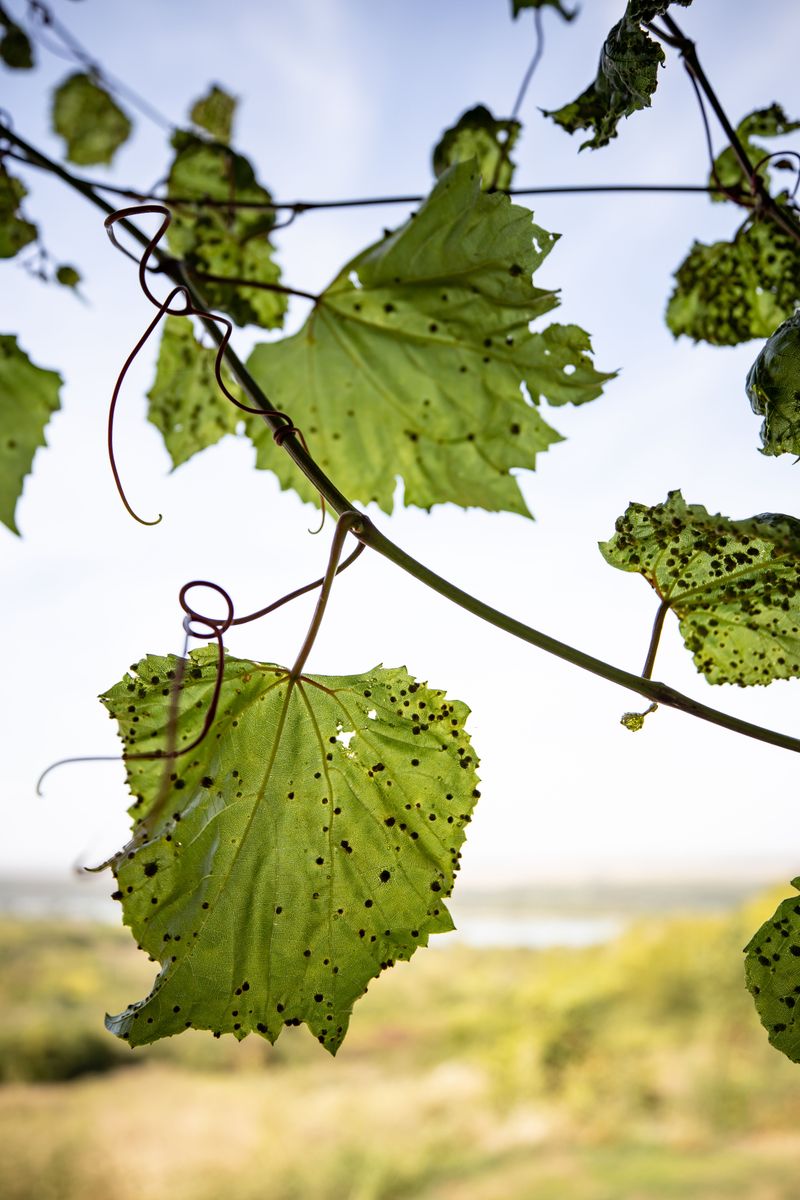
If you have a garden, orchard, or wooded yard, this pest has its eyes on your plants. The spotted lanternfly is not a picky eater, and its preferred menu covers an impressive and troubling range of species.
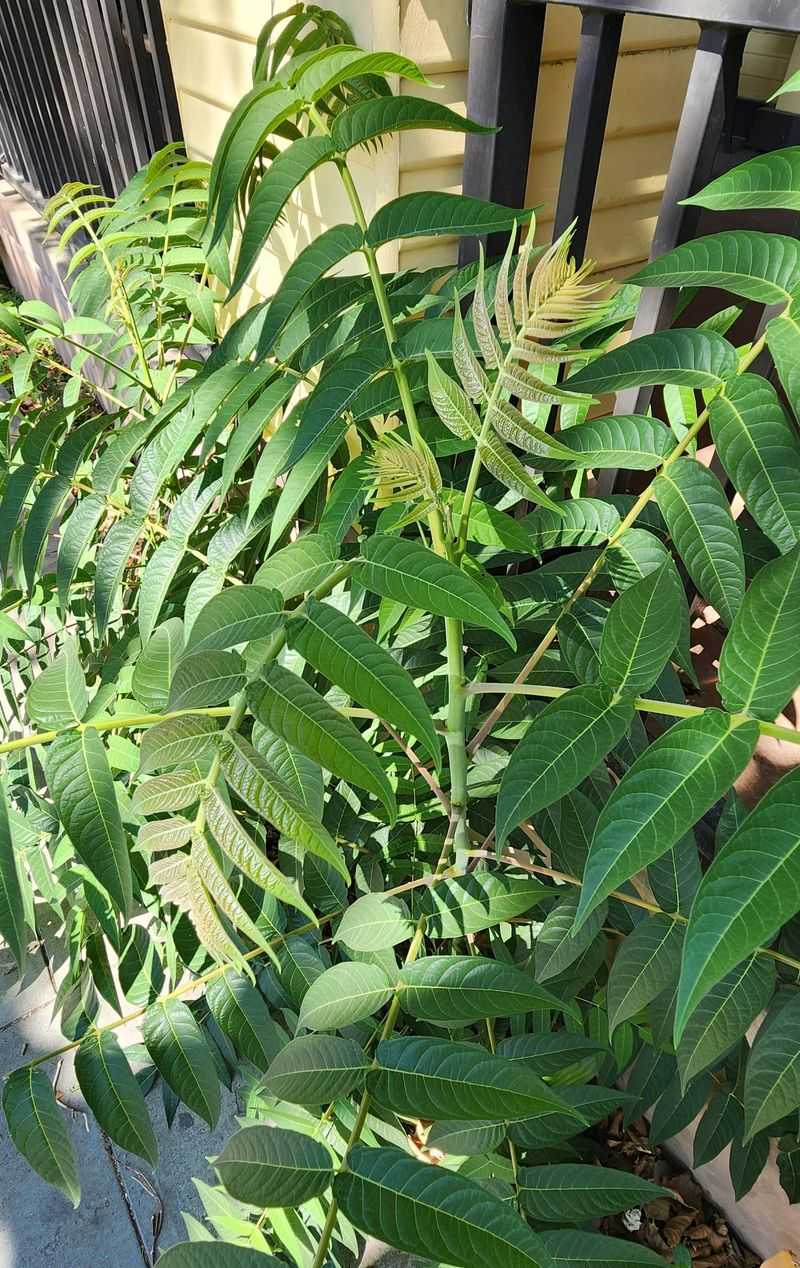
Tree of heaven, an invasive tree itself, is the lanternfly’s favorite host plant. Removing tree of heaven from your property can actually help reduce the pest’s foothold in your yard.
Grapevines rank high on the list of vulnerable plants, which is devastating news for hobby vintners and commercial vineyards alike. Heavy feeding can wipe out an entire season’s grape harvest in a matter of weeks.
Apple, cherry, and peach trees are also frequent targets, putting backyard orchards at serious risk. Homeowners who grow fruit trees should begin monitoring them closely throughout the summer months.
Hops, a crop growing in popularity among Iowa growers, are especially susceptible to lanternfly damage. Even a moderate infestation can reduce a hops yield dramatically.
Hardwood trees like maple and walnut are not spared either. Repeated feeding seasons can permanently weaken mature trees that took decades to grow.
Ornamental plants such as rose bushes and lilac shrubs round out the pest’s wide-ranging diet. Essentially, the spotted lanternfly is not particular about its menu, and most yards offer something it is willing to try.
Practical Ways To Stop The Spread
Feeling powerless against an invasive pest is frustrating, but homeowners actually have several effective tools at their disposal. Taking action early and consistently gives you the best shot at protecting your property.
Start by inspecting your trees, fences, and outdoor furniture for egg masses each fall and winter. Scraping them off into a bag of soapy water destroys them on contact.
Sticky bands wrapped around tree trunks can trap nymphs as they climb upward in spring. Just be sure to use wildlife-safe versions that will not harm birds or small animals accidentally.
Removing tree of heaven from your property is one of the smartest long-term moves you can make. Without its preferred host plant nearby, the lanternfly loses one of its most attractive nesting and feeding sites.
Squashing adult lanternflies on sight is another simple step that adds up over time. Each insect removed before it can reproduce means fewer egg masses to deal with come fall.
Report every sighting to the Iowa Department of Agriculture and Land Stewardship. Your report helps officials track the spread and deploy resources where they are needed most.
Check your car, camping gear, and any outdoor equipment before traveling between counties. Egg masses can hitch rides on almost any hard surface, making travelers unintentional carriers of the infestation.
Coordinating with neighbors multiplies your impact significantly. A block-wide effort to monitor and report sightings creates a community defense that no single homeowner could manage alone.