3 Plants Pennsylvania Gardeners Should Divide In July And 5 They Shouldn’t
July in Pennsylvania has a way of making gardeners feel productive and ambitious all at once, right around the time the weather is actively working against most of those ambitions.
Heat and humidity are not exactly ideal conditions for dividing perennials, and a lot of plants will let you know about it pretty fast if you try anyway.
The encouraging part is that not everything falls into that risky category. Bearded iris is genuinely one of the better candidates for a July split, and hostas or daylilies can sometimes handle it with a little extra care.
Other garden favorites, peonies, garden phlox, hardy geranium, lungwort, Baptisia, are much happier sitting tight until late summer or fall rolls around.
Knowing which plants belong in which category saves a lot of unnecessary stress, both yours and the plant’s.
1. Bearded Iris Can Be Divided In July
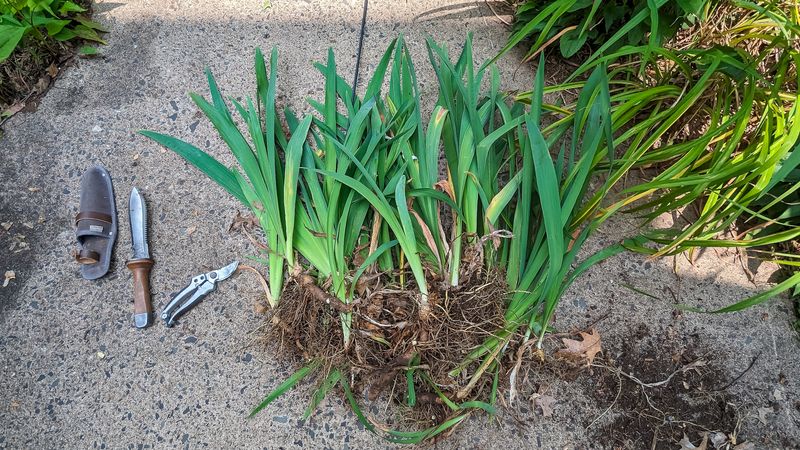
Crowded fans of bearded iris are one of the clearest signs that it is time to get out the garden fork in July.
After flowering wraps up in late spring or early summer, bearded iris enters a natural rest period that makes midsummer the most sensible window for division.
Pennsylvania gardeners who notice their iris clumps becoming congested, producing fewer blooms, or showing older woody centers in the rhizomes should feel comfortable tackling this task before August arrives.
To divide bearded iris, lift the entire clump and use a clean, sharp knife to separate healthy rhizomes from the older, less productive sections. Each division should have at least one healthy fan of leaves attached and a firm, plump rhizome.
Trim the leaf fans down to about four to six inches to reduce moisture loss while the plant settles into its new spot.
Replant the divisions so the top of the rhizome sits just at or slightly above the soil surface, since burying them too deeply can reduce blooming and lead to rot in Pennsylvania’s humid summers.
Water the newly planted sections well and keep the soil consistently moist for the first few weeks.
Avoid heavy mulch directly on top of the rhizomes. With reasonable aftercare, divided bearded iris clumps typically establish well and reward Pennsylvania gardeners with stronger bloom displays the following spring.
2. Hosta Can Be Divided If Necessary
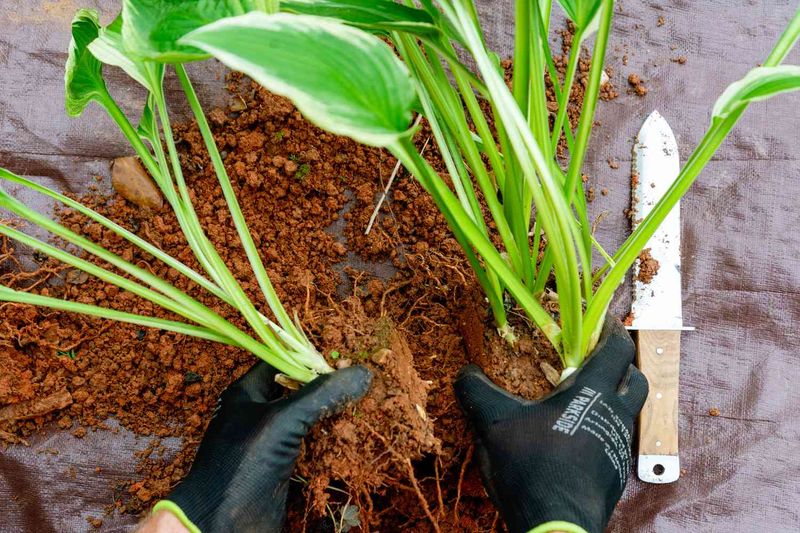
Shaded borders across Pennsylvania are often filled with hostas that have slowly grown into impressive, wide clumps over many seasons.
While fall or early spring tends to be the easiest time for dividing hostas, summer division is possible when a clump has genuinely outgrown its space or needs to be relocated for a landscaping reason.
The key word here is necessary, because hostas divided in July are taking on extra stress during warm, humid Pennsylvania summers.
If you do decide to divide a hosta in July, choose a cooler morning to do the work and have your new planting spots prepared in advance.
Lift the clump carefully, separate it into sections using a sharp spade or garden fork, and replant each division quickly so the roots are not exposed to heat and sun for longer than needed.
Your Pennsylvania Garden Changes Every Week. Your Plan Should Too.
Gardening in Pennsylvania changes quickly throughout the season. Every Friday you’ll receive a simple weekly plan showing exactly what to plant, prune, fertilize, harvest, and protect so you never miss the right timing.
Each division should have a healthy root system and several leaf shoots attached.
Watering is the most important part of post-division care when hostas are split in summer. New divisions may wilt a little in the first week or two, which is a normal stress response rather than a sign of serious trouble.
Keeping the soil consistently moist and providing some shade during the hottest afternoon hours can help divisions recover more smoothly. Pennsylvania gardeners in particularly hot or dry stretches of July may want to wait just a few more weeks before proceeding.
3. Daylily Can Be Divided After Flowering
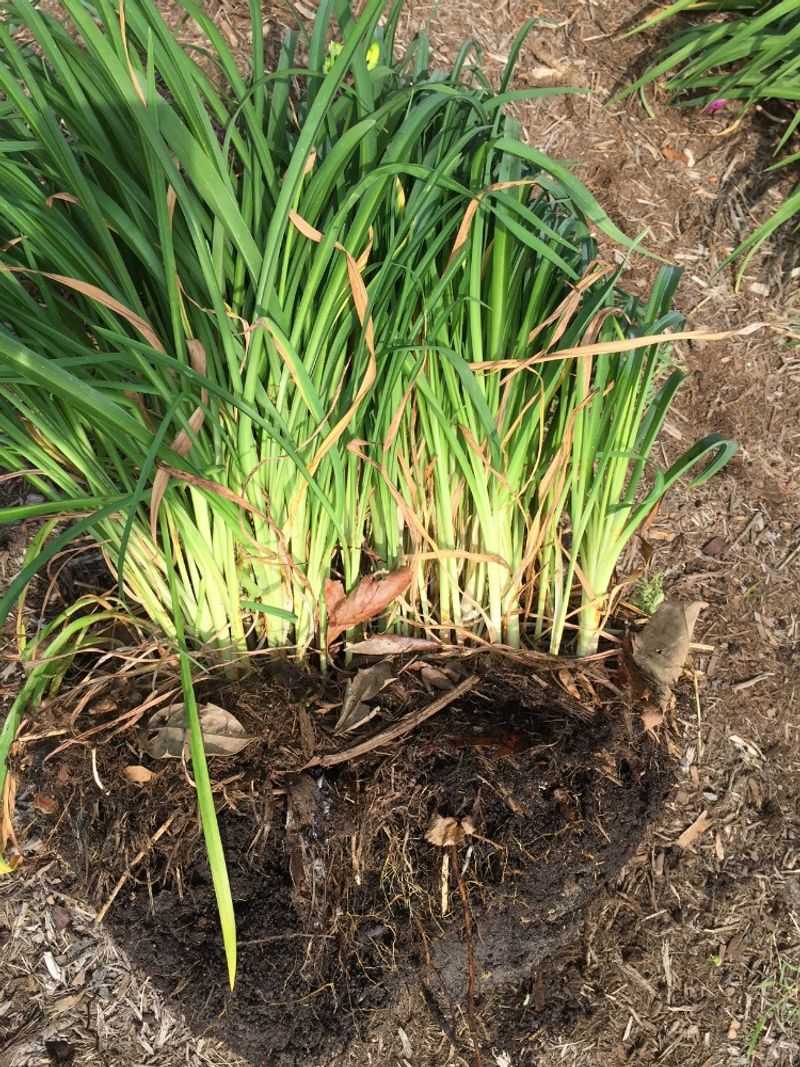
Once the last blooms fade on a daylily clump, Pennsylvania gardeners have a reasonable window to consider division if the planting has become overcrowded.
Daylilies are known for being fairly tough perennials, and many gardeners find that established clumps can handle summer division better than more sensitive plants.
That said, dividing right after flowering rather than waiting until the heat of late July tends to give divisions a better chance to settle in before the season winds down.
To divide daylilies, use a garden fork to lift the entire clump and gently pull or cut apart individual fans, each with roots attached.
Daylily roots can be quite dense and tangled in older clumps, so a sharp spade or even a pruning saw may be needed to work through tightly packed sections.
Smaller divisions with three to five fans tend to establish more easily than very large chunks, though larger pieces may bloom sooner after replanting.
Replant divisions at the same depth they were growing before, water them in thoroughly, and plan to keep the soil moist through any dry spells that follow.
Pennsylvania summers can bring stretches of heat and low rainfall that make follow-up watering especially important for newly divided daylilies.
Adding a light layer of mulch around the base of the plants can help hold soil moisture without smothering the crown. With consistent care, most daylily divisions settle in well and produce good growth by the following season.
4. However, Peonies Should Wait Until Fall
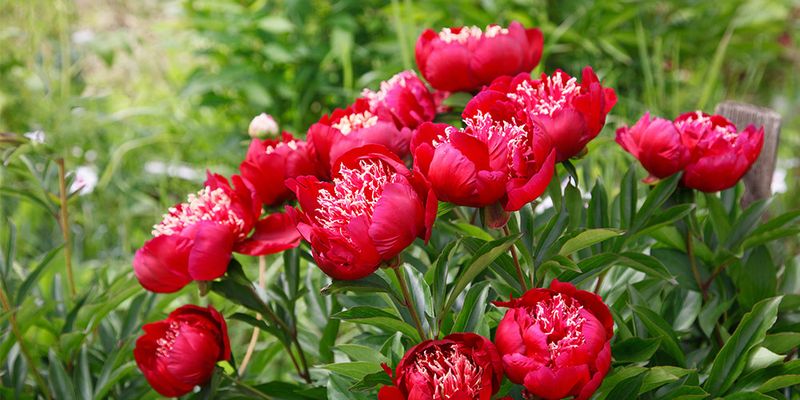
Few perennials feel as tempting to reorganize as a big, established peony clump sitting in a Pennsylvania garden bed in July. The foliage looks healthy, the plant seems settled, and it can be easy to assume the timing is fine.
The reality is that peonies have deep, fleshy roots that are far more likely to establish successfully when divided in September or October, after the summer heat has passed and cooler soil temperatures have returned to Pennsylvania.
Peony roots store energy that the plant relies on for the following season’s growth and flowering. Dividing in July, when the plant is still actively working through summer, can interrupt that process and leave divisions struggling to recover before winter.
The stress of midsummer heat combined with the disruption of a heavy root system makes fall a much more sensible window for this particular task.
When fall does arrive, each peony division should have three to five eyes, which are the reddish buds visible on the roots, to give it the best chance of blooming within a season or two.
Planting depth matters with peonies, since divisions set too deeply tend to produce foliage without flowers.
Pennsylvania gardeners who move peonies in fall and plant them at the correct depth, with eyes no more than one to two inches below the soil surface, typically see better results.
That outcome stands in clear contrast to attempting midsummer division during the region’s warm and often humid July conditions, which tends to stress the plant unnecessarily.
5. Garden Phlox Should Wait For Cooler Weather
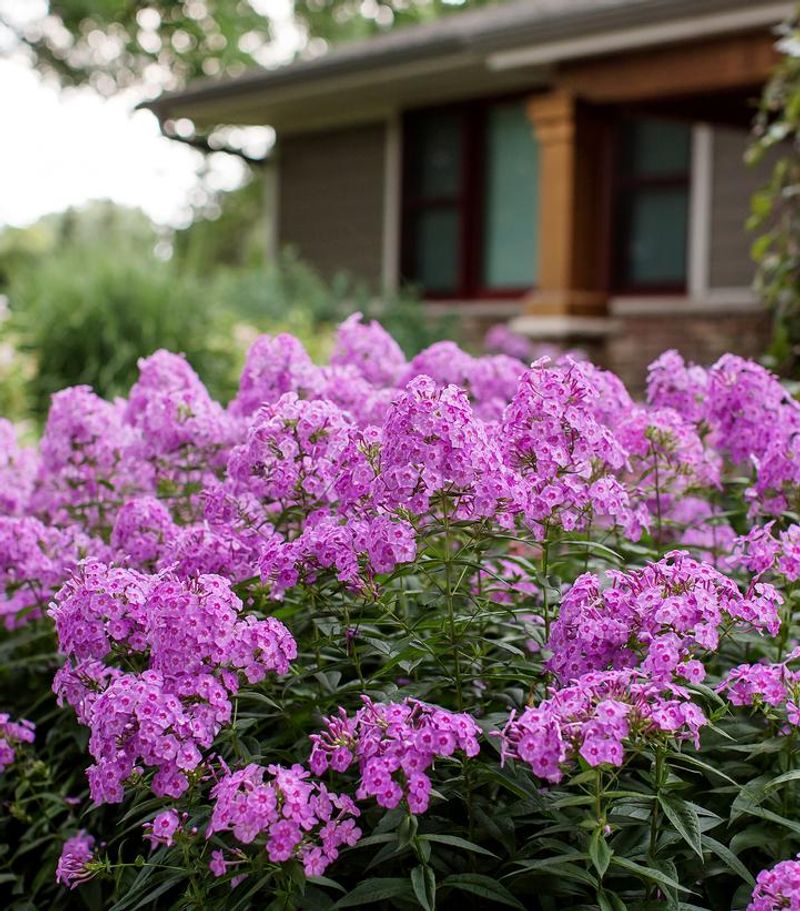
Garden phlox puts on one of the most colorful shows in Pennsylvania perennial beds during July and August, with tall stems topped by clusters of fragrant pink, purple, and white flowers.
Asking a plant to recover from division while it is actively blooming and dealing with summer humidity is a significant challenge.
Attempting to divide garden phlox in July tends to result in wilted, stressed plants that struggle to recover before cooler weather arrives.
Phlox also has a tendency to develop powdery mildew in humid Pennsylvania summers, and any additional stress from division can make plants more vulnerable to that kind of foliage trouble.
Keeping phlox undisturbed during its bloom period allows it to put energy into flowering and root development rather than recovering from being lifted and split.
Late summer or early fall, once the blooms have faded and temperatures have dropped a little, is a far more practical time to work on dividing garden phlox.
When the timing is right, phlox divides fairly easily by lifting the clump and separating healthy outer sections from the older, woodier center.
Outer divisions tend to be more vigorous and bloom more reliably than pieces taken from the center of an old clump.
Replanting in well-prepared soil with good air circulation around the plants can also help reduce the powdery mildew problems that Pennsylvania gardeners often deal with on this popular summer perennial.
Patience through July pays off with healthier divisions come fall.
6. Hardy Geranium Should Wait Until Late Summer
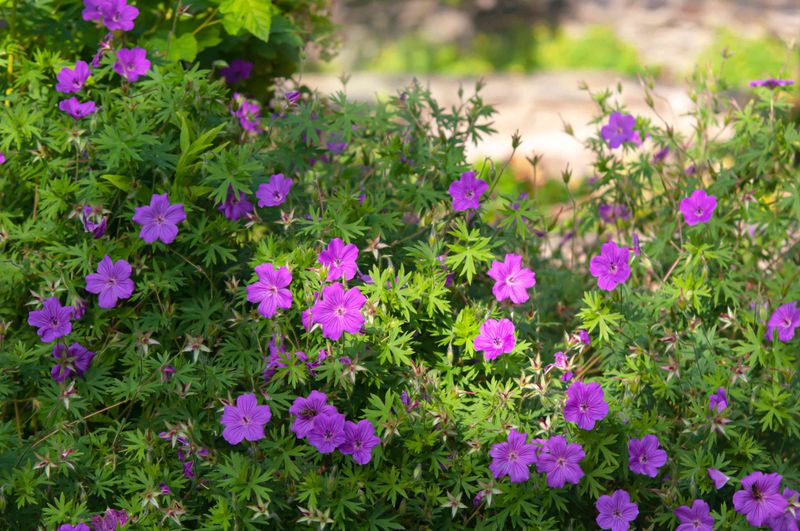
Hardy geraniums, sometimes called cranesbills, form tidy mounding clumps that are popular in Pennsylvania mixed borders and cottage gardens.
During July, the foliage can look a little ragged after the spring bloom period, and it is tempting to lift and divide plants that appear tired or overgrown.
However, the heat and humidity of a Pennsylvania July can make division harder on these plants than the results are worth at that time of year.
Hardy geraniums do best when divided in late summer or early fall, once the worst of the heat has passed and the plants have a chance to recover in cooler, more comfortable conditions.
Some gardeners also find that cutting back the foliage hard in midsummer encourages a fresh flush of new growth, which can make the plant look much better without the disruption of full division.
That approach can buy time until a more suitable division window arrives.
When you do divide hardy geraniums, the process is fairly straightforward. Lift the clump, separate it into smaller sections with roots attached, and replant in prepared soil with consistent moisture until the new divisions are established.
Hardy geraniums are not especially fussy plants, but giving them the advantage of cooler late-summer temperatures in Pennsylvania tends to produce divisions that root in smoothly and come back strong the following spring.
Skipping July division for this plant is a simple way to avoid unnecessary setbacks in the garden.
7. Lungwort Should Wait Until Late Summer
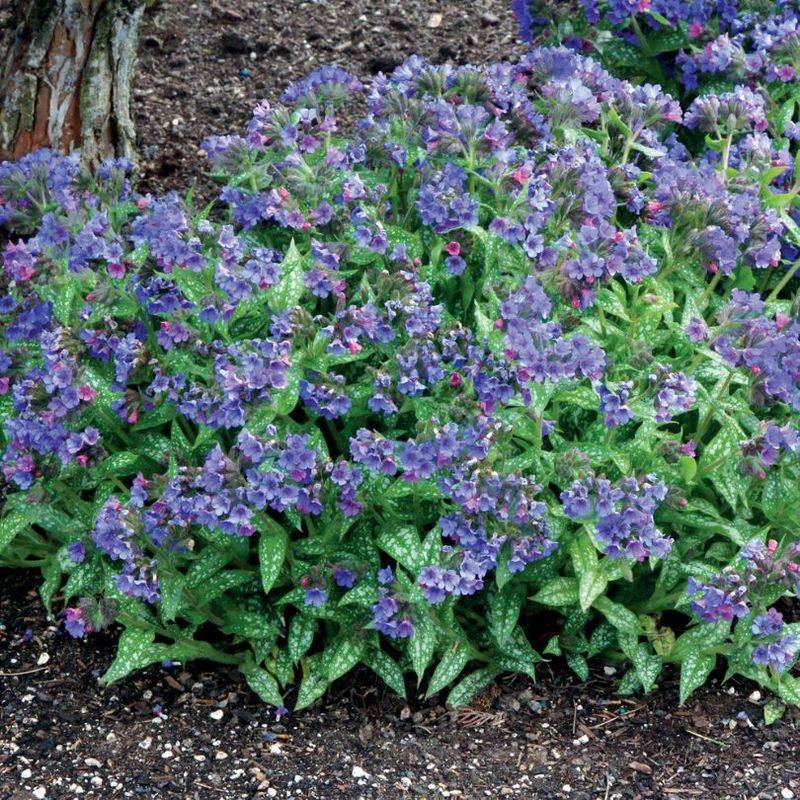
Lungwort is one of those quiet workhorses of the shaded Pennsylvania garden, offering attractive spotted or silvery foliage that brightens low-light borders from spring well into summer.
By July, lungwort can look a little worn out in areas that get warm afternoon sun or experience dry soil, and the foliage sometimes browns at the edges during hot stretches.
That tired appearance can make gardeners want to act, but July is not the right time to divide this shade-loving perennial.
Lungwort roots are sensitive to heat and drought stress, and lifting the plant during Pennsylvania’s warmest month can set it back considerably.
The plant benefits far more from being left in place through the summer, with consistent moisture and some protection from harsh afternoon sun, than from being divided when temperatures are at their peak.
Late summer or early fall, once temperatures have settled and the soil holds moisture more reliably, gives lungwort divisions a much better chance of rooting in successfully.
Dividing lungwort in late summer also allows gardeners to assess the plant’s condition after the heat of the season has passed.
Clumps that have spread into areas where they are not wanted, or sections that are crowding other shade plants, can be addressed at that point with much less risk of prolonged stress.
Pennsylvania gardeners with heavily shaded borders will find that a little patience through July results in healthier lungwort divisions that establish well and return with fresh foliage the following spring.
8. Baptisia Should Usually Be Left Alone
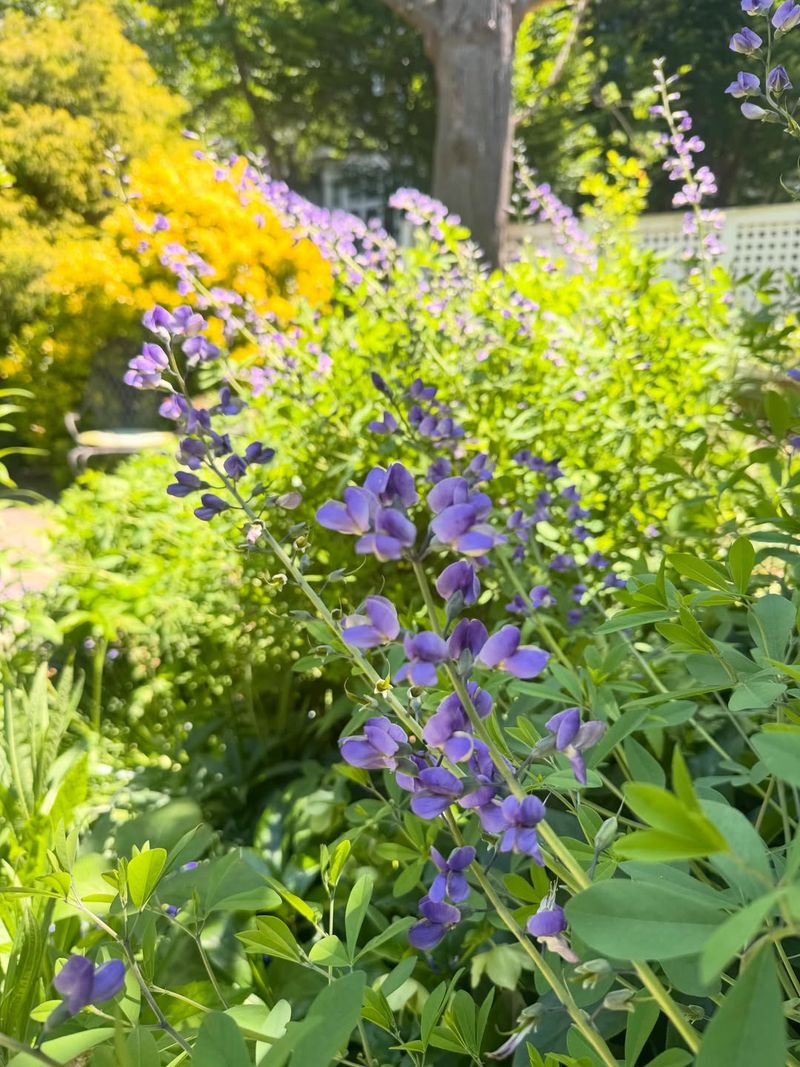
Baptisia, sometimes called false indigo, earns its place in Pennsylvania gardens with tall spikes of blue, white, or yellow flowers in late spring and bold, shrub-like foliage that looks attractive throughout the season.
What many gardeners do not realize until they try to move one is that Baptisia develops an exceptionally deep and extensive root system over time.
That root structure is part of what makes established plants so drought-tolerant and long-lived, but it also makes division genuinely difficult at any time of year.
Attempting to divide Baptisia in July, when the plant is in full leafy growth and Pennsylvania’s heat is at its peak, is particularly hard on both the plant and the gardener.
The roots go deep, divisions do not always establish easily, and the stress of midsummer conditions adds another layer of difficulty.
Even experienced gardeners often find that Baptisia divisions take a long time to recover and may not bloom for several seasons after being moved.
The general recommendation from perennial gardeners and horticultural resources is to leave established Baptisia plants in place whenever possible, rather than dividing them out of habit or because a clump looks large.
If relocation is truly necessary, fall is a better season to attempt it, and younger plants tend to recover more successfully than older, deeply rooted specimens.
Pennsylvania gardeners who choose a good spot for Baptisia from the start and let it grow undisturbed will be rewarded with a long-lived, low-maintenance perennial that improves with each passing season.