Plants Pennsylvania Gardeners Should Water First During A Dry Spring
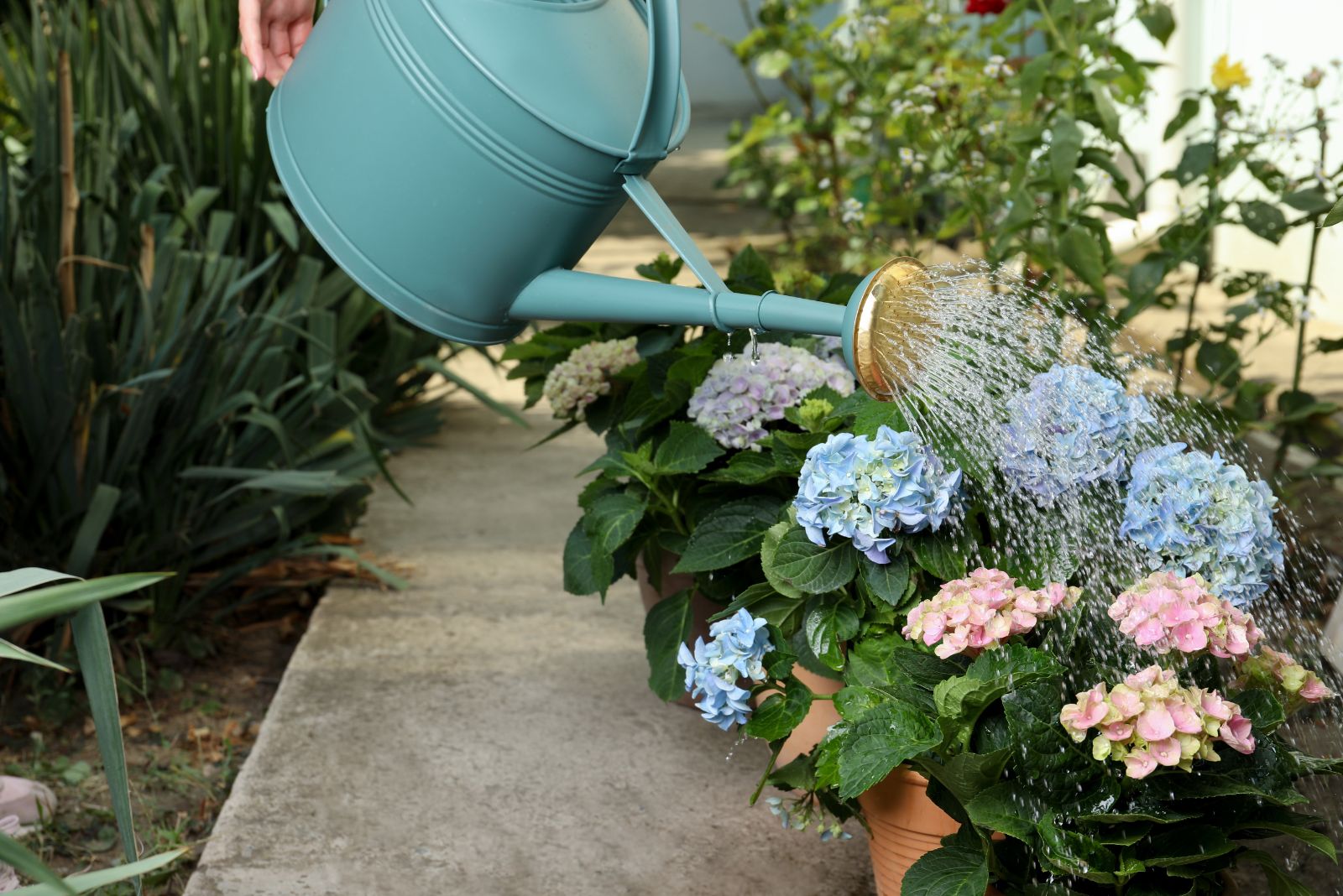
A dry spring in Pennsylvania feels wrong in a way that catches most gardeners off guard. This is a state that usually gets reliable rainfall, so when April and May turn unexpectedly dry, a lot of people aren’t mentally prepared for how quickly plants can start showing stress.
The watering routine that worked fine last year suddenly isn’t enough, and trying to keep up with everything at once becomes genuinely overwhelming.
The reality of a dry spring is that you can’t always give every plant in your garden equal attention, and trying to do so often means nothing gets watered as well as it should be.
Prioritizing matters, and the plants that need water first aren’t always the ones that are visibly wilting and asking for it most dramatically.
Knowing which plants to reach for first when rainfall is short in Pennsylvania keeps the most vulnerable parts of your garden protected through the dry stretch.
1. Hydrangea
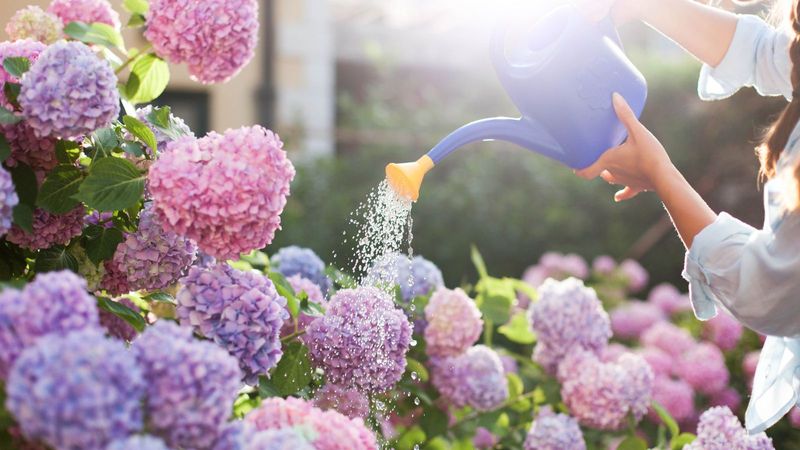
Few plants in a Pennsylvania garden put on a show quite like hydrangeas. Their big, bold blooms are stunning, but those massive flower heads come with a catch.
The large leaves on a hydrangea lose moisture at a surprisingly fast rate, especially when spring winds are blowing and the sun is out in full force.
When the soil dries out, hydrangeas are usually among the first plants to show it. You will notice the leaves starting to droop or curl at the edges.
Sometimes the whole plant looks like it just gave up, even if it only missed watering for a day or two. That is not weakness. That is just how hydrangeas are built.
The good news is that they bounce back quickly with water. Deep watering at the base of the plant works best.
Aim for the roots, not the leaves, and try to water in the morning so the soil holds moisture through the warmest part of the day. Mulching around the base also helps slow down evaporation significantly.
In Pennsylvania, spring temperatures can climb fast, especially in May. A dry week during that time can set your hydrangeas back noticeably.
Try to give established plants at least one inch of water per week. Newly planted hydrangeas need even more attention.
Check the soil a few inches down. If it feels dry, it is time to water. Staying consistent now means bigger, healthier blooms later in the season.
2. Newly Planted Trees
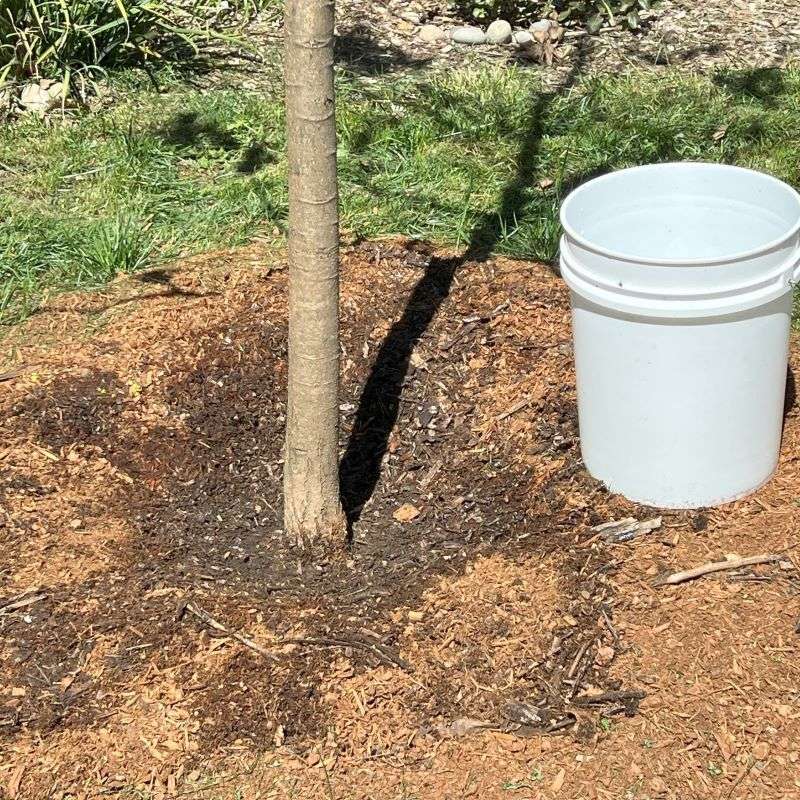
Planting a new tree is exciting. You imagine the shade it will provide, the beauty it will add, and the years of growth ahead.
But that first spring is critical, and a dry stretch can seriously stress a young tree before it ever gets a real chance to thrive.
Here is the thing about newly planted trees. Their root systems are still tiny compared to the size of the tree above ground.
The roots have not spread out far enough yet to pull moisture from a wide area of soil. That means they depend almost entirely on whatever water is available right around the base. When that soil dries out, the tree has nowhere else to turn.
Your Pennsylvania Garden Changes Every Week. Your Plan Should Too.
Gardening in Pennsylvania changes quickly throughout the season. Every Friday you’ll receive a simple weekly plan showing exactly what to plant, prune, fertilize, harvest, and protect so you never miss the right timing.
In Pennsylvania, spring planting is popular because the cooler temperatures help trees settle in. But if dry weather follows planting, you need to step in fast.
Water slowly and deeply, letting moisture soak down to the root zone rather than just wetting the surface. A slow trickle from a hose left at the base for 20 to 30 minutes works really well.
Mulching around the tree, keeping it a few inches away from the trunk, helps hold moisture in the soil longer. Most newly planted trees in Pennsylvania need watering every few days during dry spells, sometimes more if temperatures are high.
Do not wait for the leaves to droop before acting. By the time visible stress shows up, the roots are already struggling. Early, consistent watering sets the tree up for long-term success.
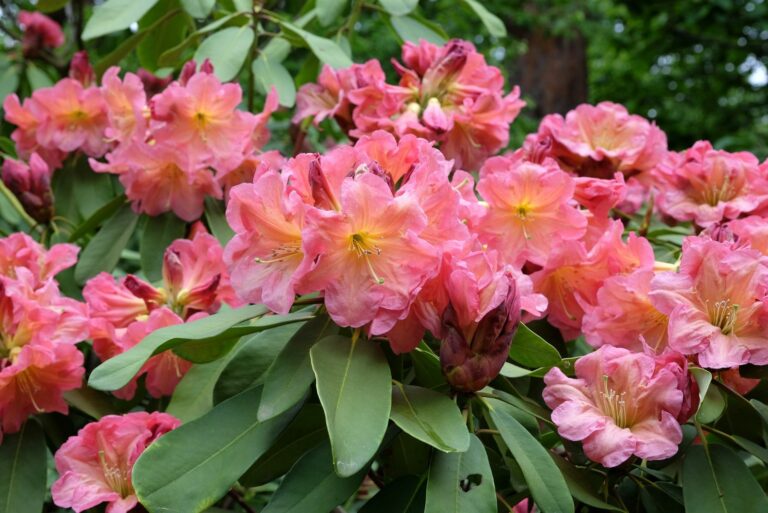
3. Rhododendron
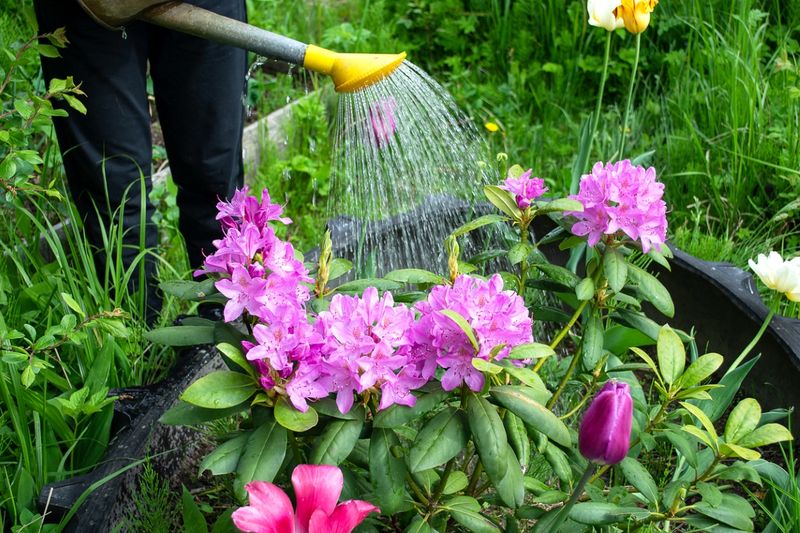
Rhododendrons are a classic sight across Pennsylvania. Drive through almost any neighborhood in spring and you will spot their bold clusters of pink, purple, or white flowers.
They look tough and established, but underneath that impressive display, rhododendrons have a surprisingly delicate root system.
Unlike many shrubs, rhododendrons are shallow-rooted. Their roots spread out wide but do not go deep into the soil.
That means they pull moisture from just the top layer of earth, which is exactly the layer that dries out first during a warm, dry spring. Even a short dry spell can stress a rhododendron more than you might expect.
Spring is also when rhododendrons are putting out new growth and blooms, which makes their need for water even greater.
If they run short on moisture during this active period, you might notice bud drop, yellowing leaves, or a general look of exhaustion across the plant. None of those are things you want to see after waiting all winter for those blooms.
Pennsylvania gardeners should keep the soil around rhododendrons consistently moist but not waterlogged. A thick layer of mulch, like shredded bark or wood chips, is one of the best tools you have.
It keeps the soil cool and slows evaporation. Water deeply and regularly, aiming for the root zone.
Avoid overhead watering if you can, since wet leaves in spring can invite fungal problems. Rhododendrons planted in sunnier spots will need water more often than those in shaded areas.
4. Azalea
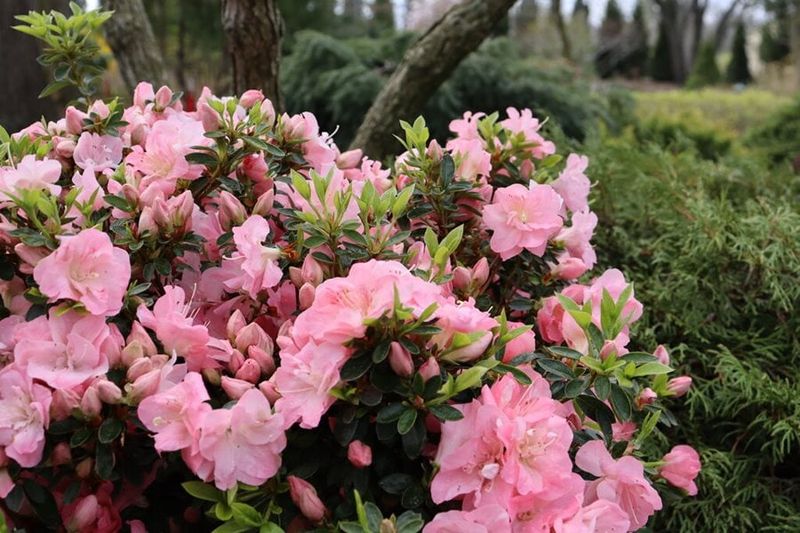
Azaleas and rhododendrons are close relatives, and they share a lot of the same strengths and weaknesses. In Pennsylvania, azaleas are everywhere in spring, lighting up yards with their vivid colors.
But those cheerful flowers depend on steady moisture to stay looking their best, especially when dry weather rolls in.
Like rhododendrons, azaleas have shallow roots that sit close to the soil surface. When that surface dries out, azaleas feel it fast.
The stress shows up as wilted or curled leaves, falling buds, and flowers that fade much quicker than they should. During a dry spring, azaleas can lose a whole season of blooms in a matter of days if they go without water.
One thing that makes azaleas a little tricky is that they do not always look stressed right away. By the time the leaves are visibly wilting, the plant has already been struggling for a while.
Checking the soil regularly, rather than waiting for visible signs, is a smarter approach. Stick your finger a couple inches into the soil near the base. If it feels dry, water it right away.
Azaleas planted in full sun locations across Pennsylvania will need more frequent watering than those in partial shade. Mulching heavily around the base, without piling mulch against the stems, makes a big difference in retaining soil moisture.
Deep, thorough watering a few times a week during dry stretches beats light daily sprinkles every time. Consistent moisture keeps azaleas blooming longer and looking stronger throughout the whole spring season.
5. Hosta
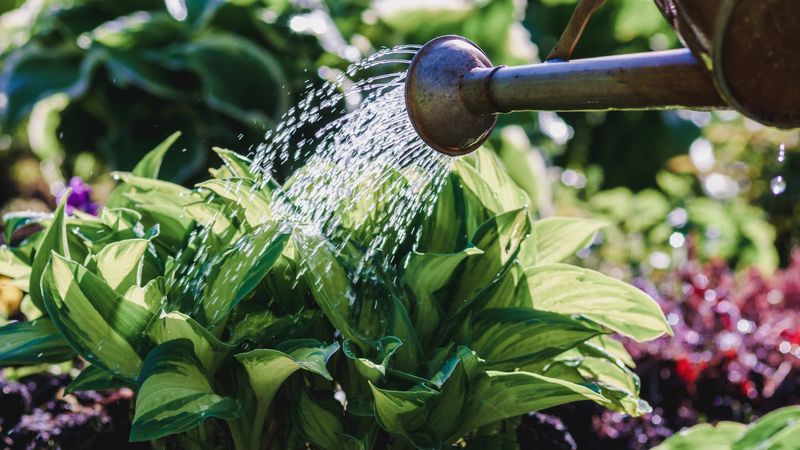
Walk through almost any shaded Pennsylvania garden and you are likely to spot hostas. They are beloved for their lush, wide leaves and their ability to thrive in spots where other plants struggle.
But that beautiful foliage comes with a downside during a dry spring. Those big, soft leaves lose water quickly, and hostas wilt faster than you might expect.
Hostas are not drought-tolerant plants. They evolved in moist, woodland-style environments, and they want that same kind of consistent moisture in your garden.
When the soil dries out, the leaves start to droop and look sad almost immediately. A hosta that was full and upright in the morning can look completely deflated by afternoon if the soil is too dry.
The size of the leaves actually works against the plant in dry conditions. More leaf surface means more area for moisture to escape through a process called transpiration.
Larger hosta varieties are especially vulnerable during warm, windy spring days in Pennsylvania.
Watering hostas deeply and consistently is the key. Morning watering is best so the leaves have time to dry before evening, which helps prevent fungal issues.
Keep the soil moist but not soggy, and layer mulch generously around the plants to hold moisture in. If your hostas are planted in a spot that gets afternoon sun, they will need more water than those in full shade.
Even during a mildly dry spring in Pennsylvania, hostas should be checked every couple of days to make sure they have what they need to stay healthy and full.
6. Ferns
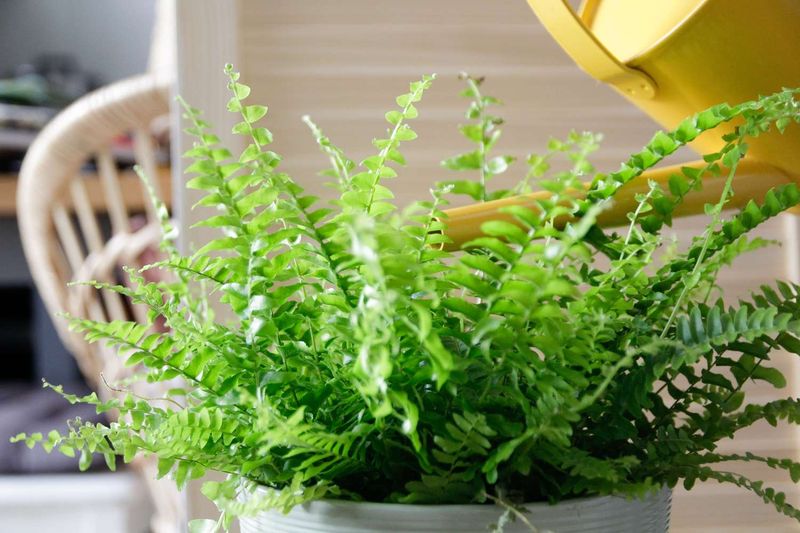
Ferns have been around for millions of years, long before flowering plants even existed. They are ancient, resilient survivors in many ways, but there is one thing they absolutely cannot handle well.
Dry soil. Ferns are built for moisture, and when that moisture disappears during a dry Pennsylvania spring, they decline fast.
Most ferns grown in Pennsylvania gardens prefer consistently moist, well-draining soil and a shaded or partially shaded spot. They are often planted along woodland edges, under trees, or in garden beds where the light is soft.
Those spots can feel protected, but they dry out just as quickly as sunnier areas when rainfall is scarce for an extended stretch.
When ferns start to dry out, the fronds turn brown at the tips first. Then the browning spreads inward, and eventually the whole frond can crisp up and look beyond saving.
It happens gradually but steadily, and once the fronds are badly damaged, the plant has to put energy into recovery instead of growth.
The best way to keep ferns happy during a dry spring in Pennsylvania is to water them deeply and often. Ferns love moisture at their roots, so slow, thorough watering at ground level is ideal.
Avoid splashing water all over the fronds if you can, especially if the temperature is hot. A thick layer of organic mulch around ferns works wonders for keeping the soil cool and moist between waterings.
Checking the soil every day or two during dry stretches will help you stay ahead of any stress before it becomes visible damage.
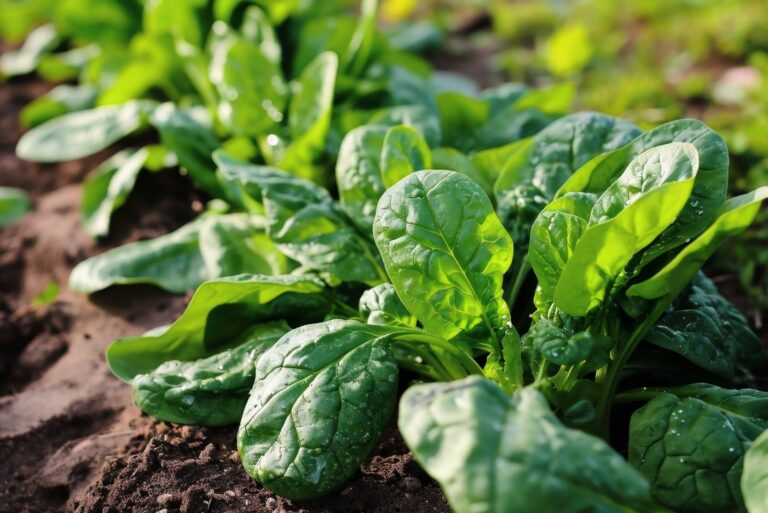
7. Vegetable Seedlings
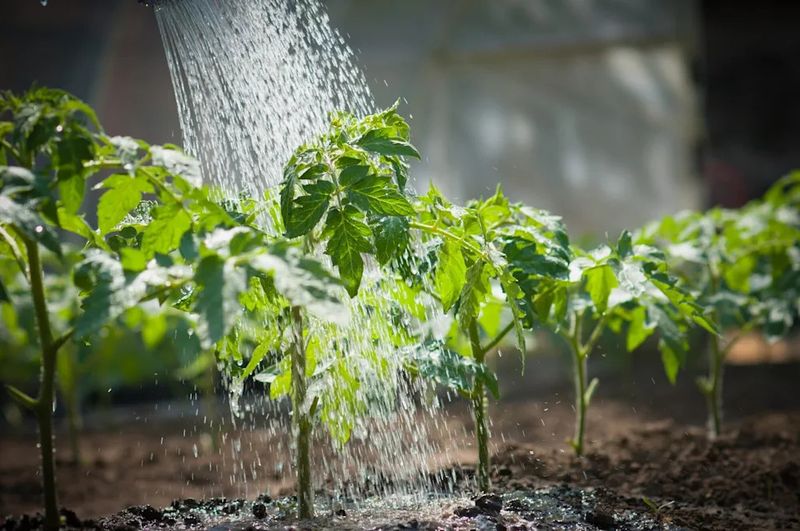
Every spring, Pennsylvania gardeners get excited about planting vegetables. Tomatoes, peppers, cucumbers, lettuce, and more go into the ground with big hopes for the season ahead.
But those young seedlings are some of the most vulnerable plants in your entire garden, especially when a dry stretch hits early in the season.
Vegetable seedlings have very shallow root systems. They have not had time to establish themselves yet, so they cannot pull moisture from deeper in the soil the way mature plants can.
The top inch or two of soil is their whole world, and when that dries out, the seedlings feel it almost immediately. Small plants can go from healthy to severely stressed in less than a day of hot, dry conditions.
Consistent watering is absolutely essential during the first few weeks after transplanting or germination.
Pennsylvania springs can include warm, breezy days that pull moisture out of the soil quickly. Checking your vegetable beds daily is not an overreaction. It is just smart gardening.
Water seedlings at the base rather than overhead to keep the leaves dry and reduce the risk of fungal problems. Early morning watering gives the soil time to absorb moisture before the heat of the day sets in.
Using a light layer of straw or organic mulch between rows helps hold moisture in the soil and keeps weeds down at the same time.
Whether you are growing in raised beds in Philadelphia or in-ground rows in rural Pennsylvania, giving your seedlings steady water from the start is the single best thing you can do for a productive vegetable garden this spring.