What Ants Swarming North Carolina Peony Buds Really Mean And How To Handle Them
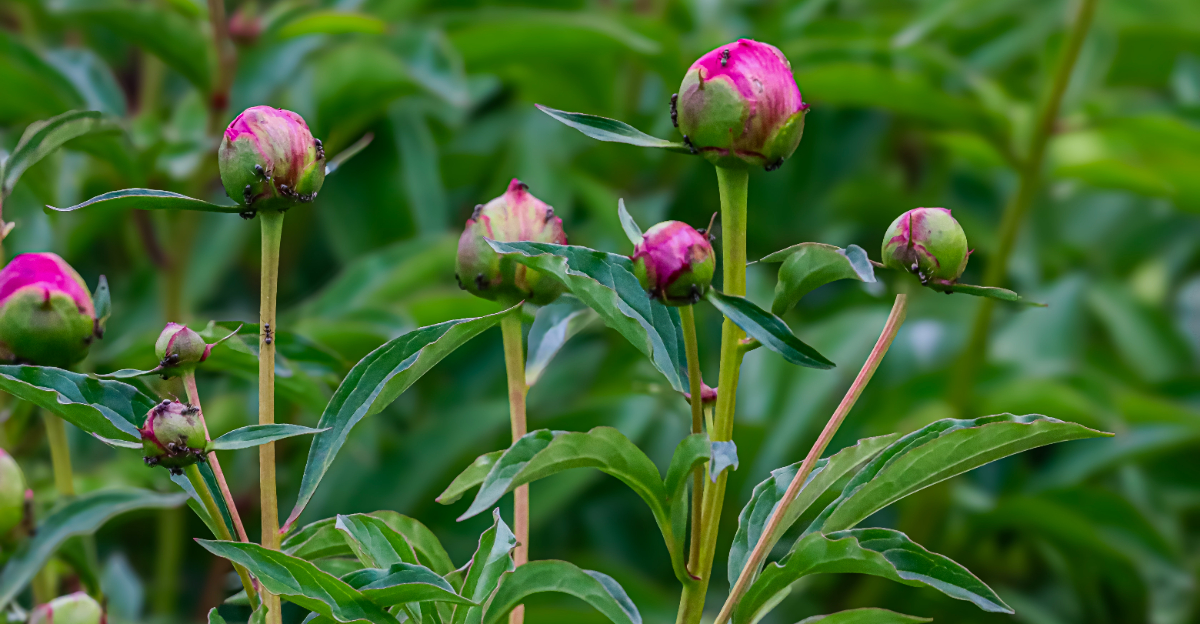
Ants crawling all over peony buds looks alarming, and the instinct to spray immediately is strong. That instinct is almost always misplaced.
The relationship between ants and peony buds in North Carolina gardens is one of the most misunderstood interactions in the entire landscape, and treating it as a pest problem usually does more harm than good.
The ants are responding to something the bud itself is producing, and removing them or treating the plant aggressively interrupts a relationship that has nothing to do with damage.
Understanding what is actually happening on those buds changes how a gardener should respond, and in most cases, the right response is simply leaving things alone.
1. It Means The Buds Are Making Nectar
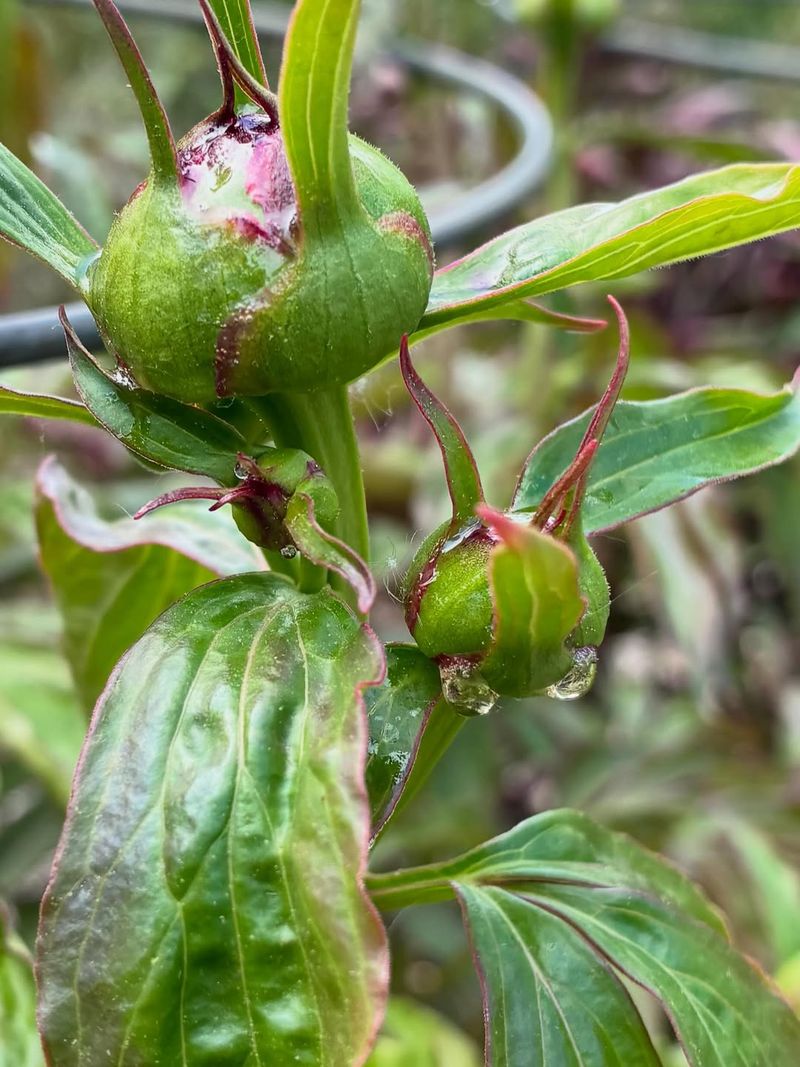
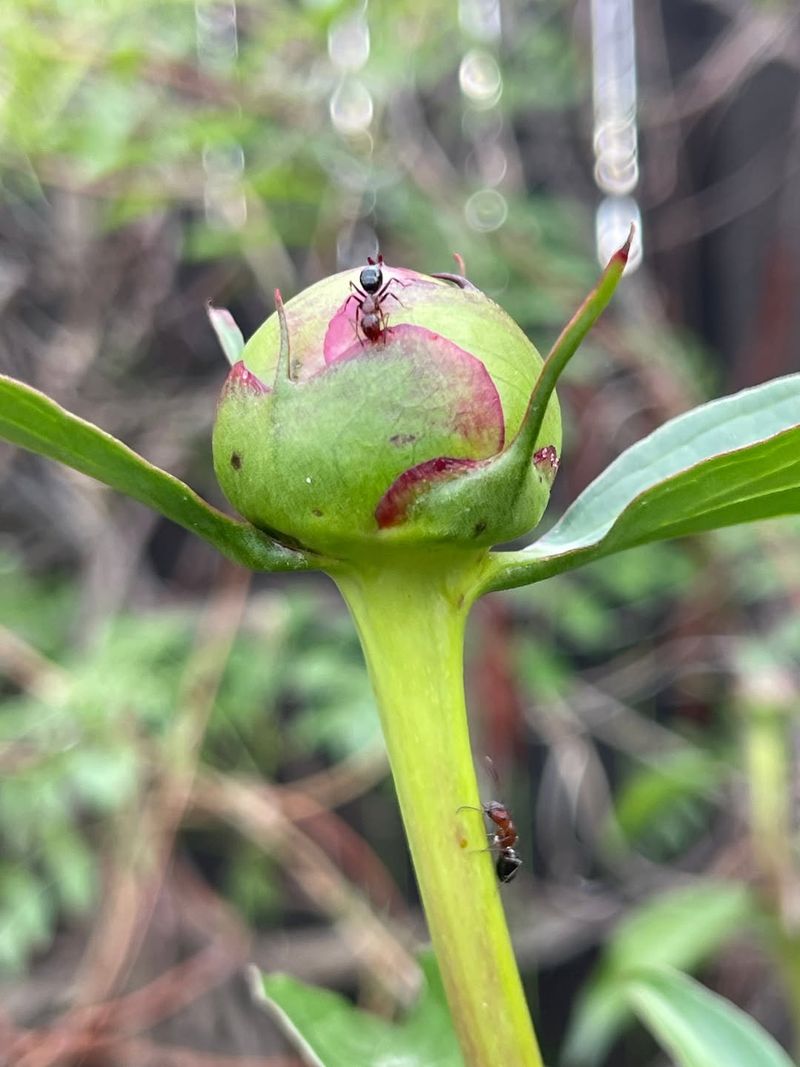
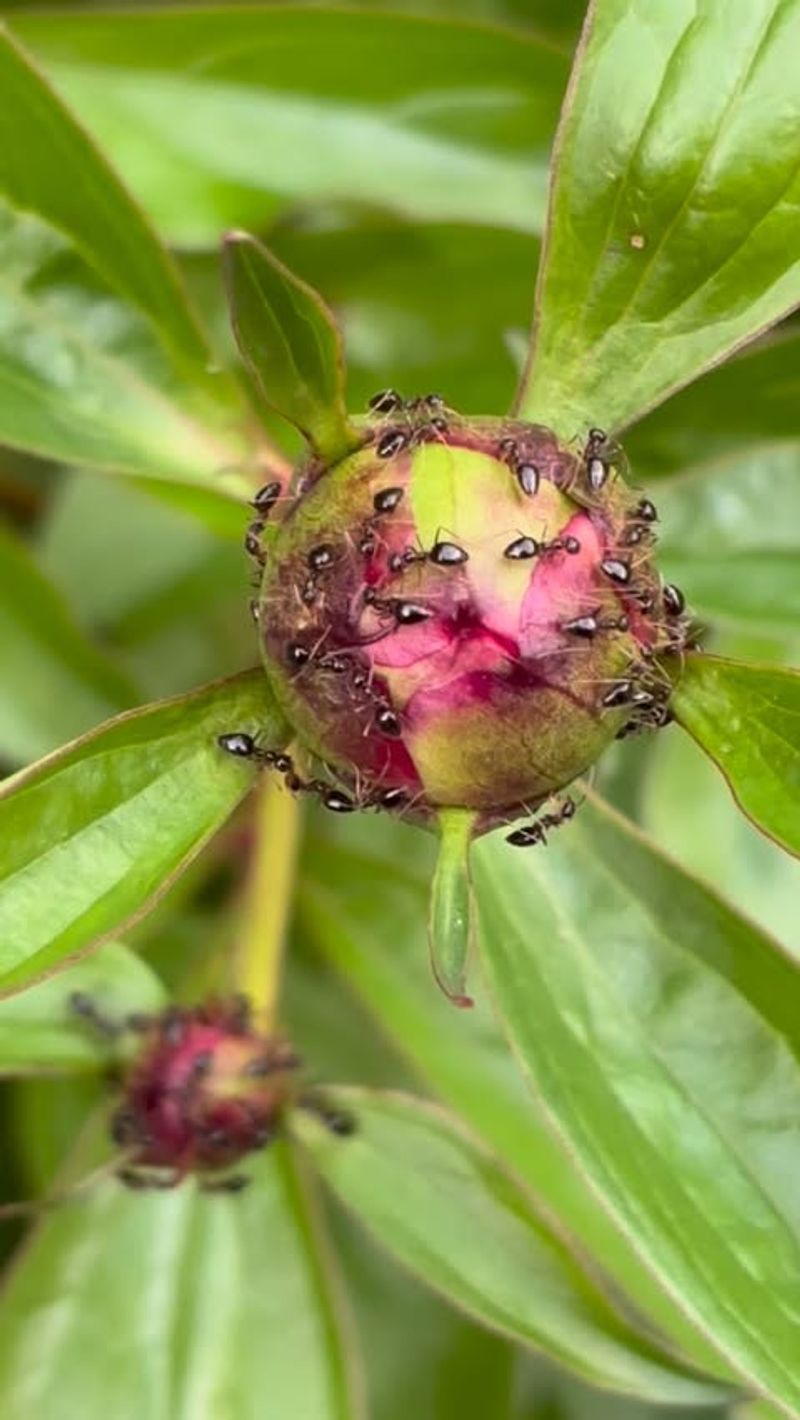
Sweet, sticky, and totally irresistible to ants, peony buds are basically a natural snack bar. Peony plants produce a sugary liquid called nectar on the outside of their flower buds, and ants pick up on that scent fast.
This nectar oozes from special glands on the surface of the bud, and it is completely normal for the plant to make it throughout the blooming season.
Ants are drawn to this sugary treat the same way kids are drawn to candy. They are not there because something is wrong with your peony.
They are simply foraging, which is what ants naturally do when they find a reliable food source nearby.
North Carolina gardens tend to come alive with ant activity in spring, right around the same time peonies begin to swell and prepare to bloom. The timing lines up perfectly, so it makes sense that the two cross paths so often in backyard gardens.
Seeing ants on your buds is actually a sign your plant is healthy and producing exactly what it should be producing.
You can think of the nectar as the plant’s way of attracting attention from the insect world. It does not mean your peony is struggling or sending out a distress signal.
Quite the opposite, your peony is thriving and doing what healthy peonies do every single spring.
2. It Does Not Mean The Ants Are Needed For Blooming
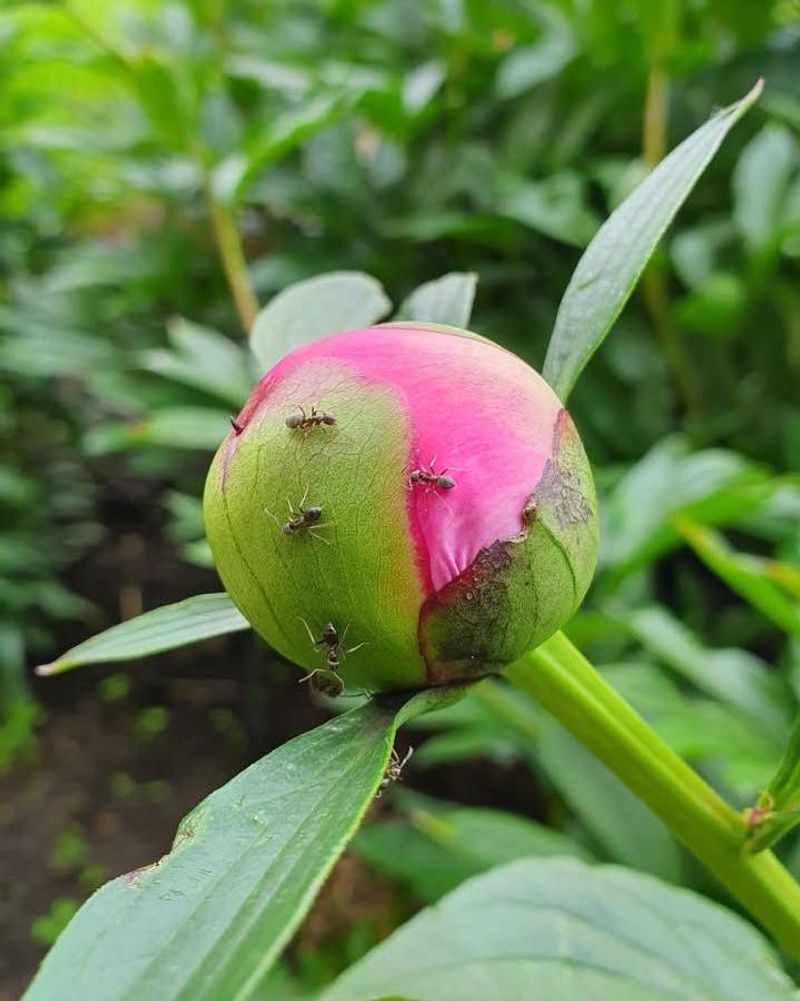
One of the most popular garden myths out there is that peonies cannot open without ants. You might have heard someone say that the ants chew through the bud casing to help the flower unfold.
It sounds believable, but it is simply not true. Peonies are fully capable of opening on their own without any help from ants at all.
Botanists and horticulture experts have confirmed this many times over. The flower petals naturally push through the bud as the plant matures and conditions are right.
Ants hanging around during that process are just enjoying the nectar, not doing any of the heavy lifting when it comes to blooming.
If you bring a peony bud indoors before it opens and there are no ants anywhere near it, that bud will still open beautifully in a vase. That alone shows how independent the blooming process really is.
North Carolina gardeners can rest easy knowing their peonies are not depending on a tiny workforce to get the job done each spring.
Your North Carolina Garden Changes Every Week. Your Plan Should Too.
Gardening in North Carolina changes quickly throughout the season. Every Friday you’ll receive a simple weekly plan showing exactly what to plant, prune, fertilize, harvest, and protect so you never miss the right timing.
Spreading accurate information in your gardening community can really make a difference. If a neighbor tells you to leave the ants alone because the flowers need them, you can kindly share what you now know.
Peonies are strong, self-sufficient bloomers, and the ants are just along for the sweet ride they did not even plan to take.
3. It Usually Does Not Mean The Buds Are Being Harmed
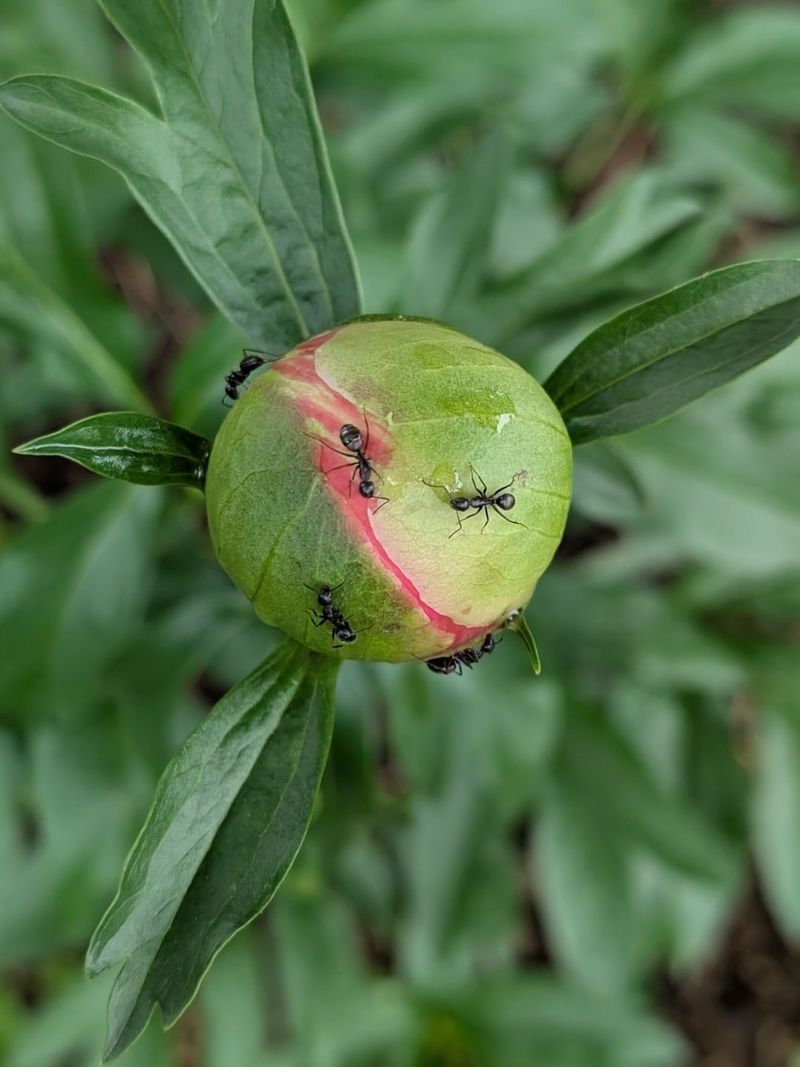
Spotting ants on your peony buds can feel alarming, especially if you have put a lot of care into your garden. But here is something reassuring to hold onto: ants are almost never chewing into or damaging those buds.
They are licking nectar off the surface, which is a very different thing from causing real harm to the plant.
The outer surface of a peony bud is tough and waxy, and ants do not typically have any interest in breaking through it. They are opportunistic feeders who go where the food is, and in this case the food is right on the outside of the bud.
No digging, no chewing, no real damage happening beneath the surface. Before assuming the worst, take a close look at your buds. Are they swelling normally?
Do they look green and firm? Are the petals starting to show color around the edges? If the answer to those questions is yes, your peonies are likely just fine and the ants are harmless guests at the nectar buffet.
North Carolina gardeners should look for actual symptoms of plant stress before reacting. Things like soft, mushy buds, strange discoloration, or visible mold would be signs worth investigating further.
Ants crawling across a firm, healthy bud on a sunny spring morning? That is almost always a completely normal garden moment worth appreciating rather than worrying about.
4. It Can Be A Normal Spring Garden Scene
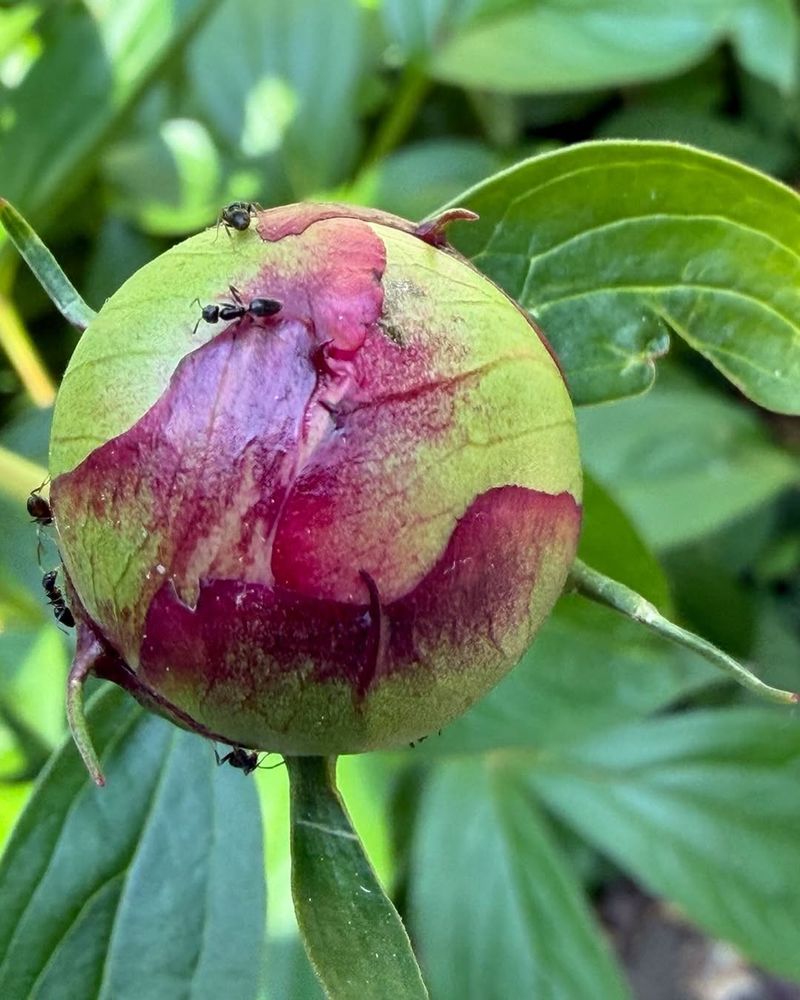
Spring in a North Carolina garden is full of activity, color, and life waking back up after winter. Peony buds swelling on their stems, robins hopping through the mulch, and yes, ants making their rounds across the garden beds.
All of it together paints a picture of a healthy, active outdoor space doing exactly what it should be doing this time of year.
As peony buds grow larger and get closer to opening, the nectar they produce becomes more concentrated and noticeable.
That stronger scent draws more ants, which can make it look like a sudden invasion when really it is just the natural rhythm of the season playing out.
The more mature the bud, the more ants you might see, and that is perfectly okay.
Think of it as one of spring’s reliable patterns, like the first fireflies in the evening or the sound of frogs after a warm rain. Ants on peony buds are part of what late April and early May look like in many North Carolina gardens.
Once you recognize the pattern, it becomes something familiar rather than something to worry about.
Sitting outside with a cup of coffee and watching the ants work their way across those buds can actually be kind of fascinating. They move with such purpose and coordination.
Slowing down to observe what is happening in your garden, rather than immediately trying to fix it, often reveals that nature has things pretty well figured out on its own.
5. It May Even Help Keep Other Small Insects Away
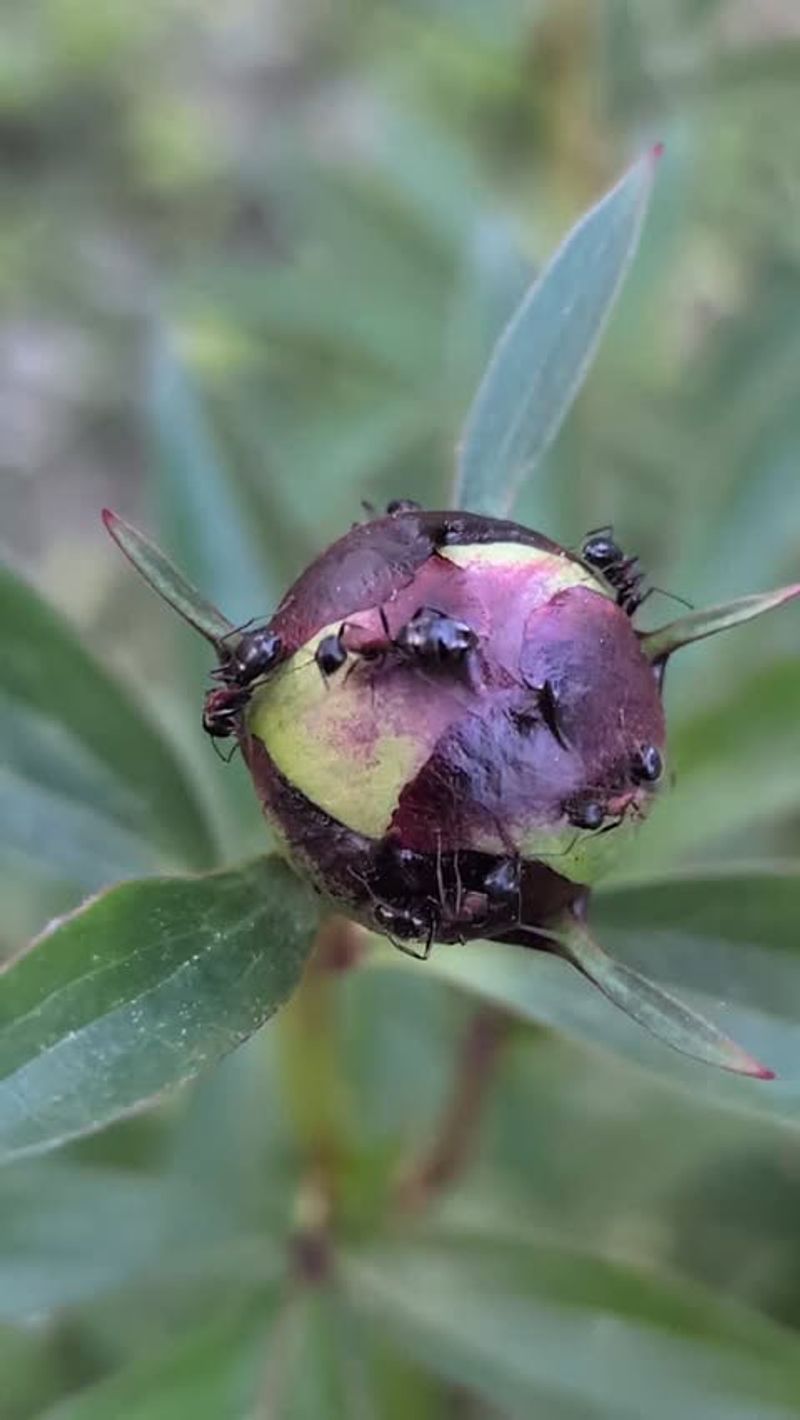
Here is something interesting that many gardeners do not think about. When ants are actively feeding on nectar from a peony bud, they can sometimes discourage other small insects from hanging around that same spot.
Ants are territorial by nature, and when they have claimed a food source, they tend to move around it in a way that can deter other tiny visitors from settling in.
This does not mean ants are standing guard like a trained security team. It is more of a side effect of their natural behavior.
Because they are constantly moving across the bud surface and defending their food source, certain soft-bodied insects may find it less comfortable to linger nearby. It is a subtle effect, and it does not happen with every ant or every bud.
Gardeners should be careful not to count on ants as a guaranteed form of pest control for peonies. That would be giving them a little too much credit.
But it is worth knowing that their presence is not entirely without benefit, even if that benefit is more of a happy bonus than a dependable strategy.
The takeaway here is that the relationship between ants and peonies is more layered than it first appears. Rather than seeing ants as a nuisance to remove, consider that they may occasionally be doing your garden a small favor.
Observing the full picture before reacting is always the smartest move in any garden situation.
6. It Does Not Usually Need Spraying
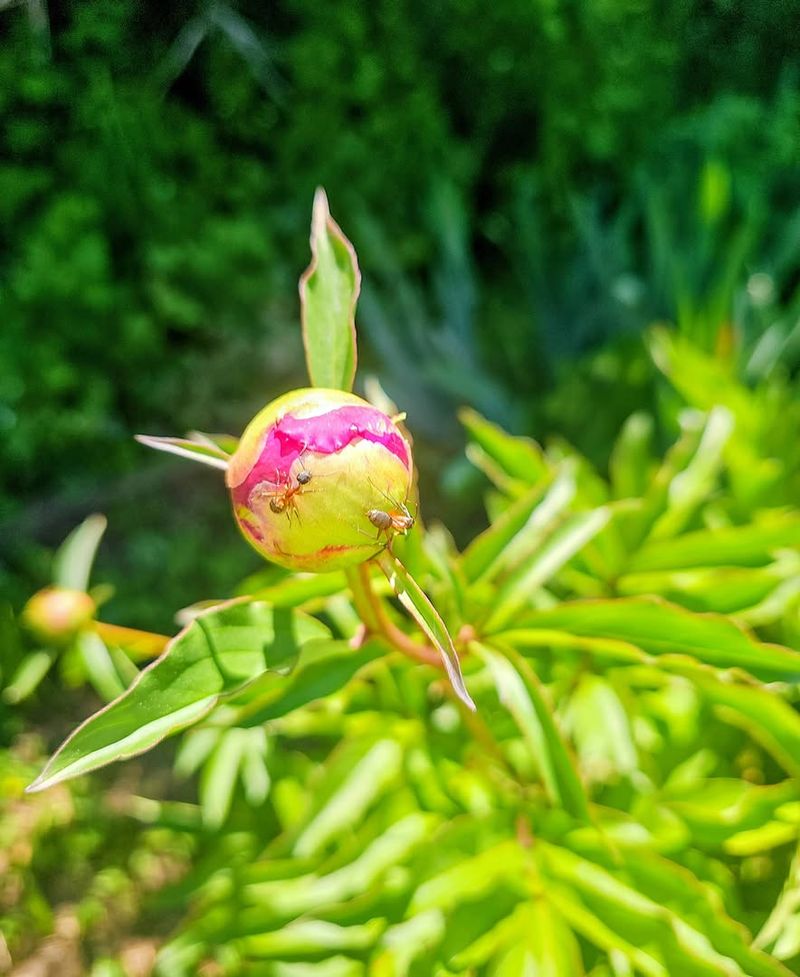
Reaching for insect spray the moment you see ants is a very common reaction, but it is usually not the right one when it comes to peonies.
The ants visiting your peony buds are almost always just there for the nectar, and spraying them can cause more problems than it solves.
Many sprays designed for one insect can also affect other garden visitors you actually want around, like bees and other helpful pollinators.
North Carolina gardens in spring are full of beneficial insect activity. Spraying without a clear reason can disrupt that balance in ways that are hard to reverse quickly.
Before grabbing any product, take a step back and ask yourself what problem you are actually trying to solve. If the buds look healthy and the plant is growing well, there may not be a problem at all.
Observation is almost always the better first step. Watch the buds for a few days and see what happens.
In most cases, the ants will follow the nectar cycle naturally, becoming less noticeable once the buds fully open and the nectar production slows down. The situation often resolves itself without any intervention from you.
If something does seem off, like visible damage or unusual wilting, that is the time to consult your local North Carolina Cooperative Extension office for guidance specific to your area and plant variety.
They can help you identify the actual issue and suggest targeted solutions that protect your garden without unnecessary chemical use.
7. It Is Different From A Fire Ant Mound In The Bed
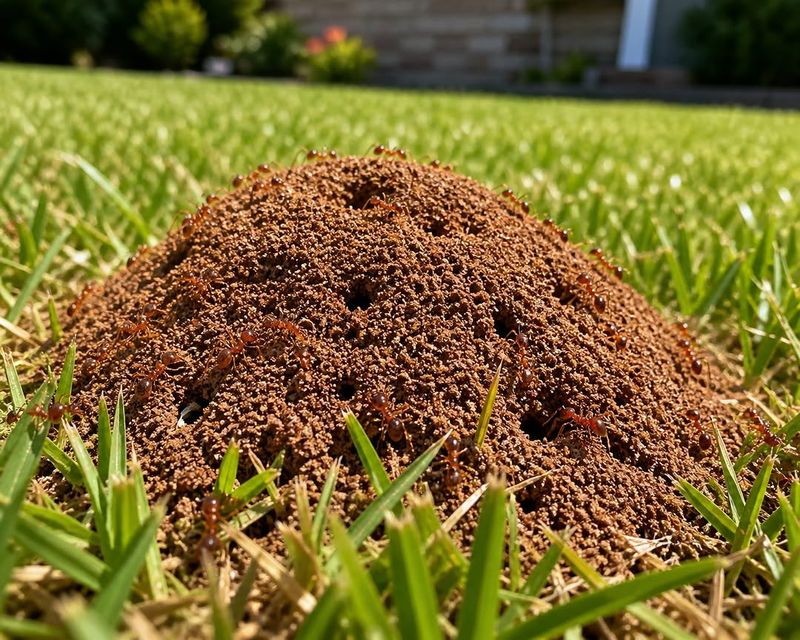
Not all ants in your garden are the same, and it is worth knowing the difference between ants feeding on peony nectar and fire ants building a mound nearby. The small black or dark brown ants you typically see crawling on peony buds are usually harmless foragers.
They are after the nectar and have no real interest in causing trouble for you or your plants.
Fire ants are a different story entirely. If you notice a raised mound of loose, sandy soil in your garden bed, especially near a walkway, patio, or planting area, that is worth paying closer attention to.
Fire ants can deliver a painful sting and their mounds can disrupt roots and soil structure if left unmanaged in a garden bed over time.
The good news is that fire ant mounds are pretty easy to spot once you know what to look for. They tend to be dome-shaped and made of soft, granular soil.
Regular foraging ants, on the other hand, do not build mounds. They travel from an existing colony somewhere nearby and return once they have gathered what they need from your peony buds.
If you do find a fire ant mound in your garden, reach out to your local North Carolina Cooperative Extension office for advice on safe and effective management.
They offer guidance specific to your county and can point you toward options that work without disrupting the rest of your garden unnecessarily.
8. It Means Cut Flowers Need A Quick Check
Cutting peonies to bring indoors is one of the best parts of growing them, and those gorgeous blooms deserve a spot on your kitchen table or windowsill. But before you carry them inside, a quick check for ants is a smart habit to get into.
Since the buds attract ants through their nectar, there is a good chance a few of them are still hitching a ride when you snip the stem.
The easiest fix is also the gentlest one. Take your freshly cut stems outside and give the blooms a soft, careful shake over the garden bed.
Most ants will drop right off and find their way back to the soil on their own. You do not need anything harsh or complicated to handle this step.
Another option is to rinse the stems gently with cool water from a garden hose before bringing them indoors. This can wash off any remaining ants without damaging the petals.
Just be careful not to soak the bloom itself too heavily, as too much water on the petals can cause them to bruise or brown faster once they are in a vase.
Cutting peonies in the early morning when they are still in the bud stage, just before they fully open, is actually a great strategy. Buds at that stage travel better and last longer in a vase.
Plus, fewer ants tend to be active in the cooler morning air, making your pre-indoor check a little easier and quicker to complete.
9. It Is A Sign To Inspect The Whole Plant Gently
Ants on your peony buds are not a reason to panic, but they are a great reminder to take a closer look at the whole plant while you are out there. Think of it as a gentle nudge from your garden to pay attention for a few minutes.
Most of the time everything will look perfectly fine, but a quick inspection is always a good gardening habit to build.
Start with the buds themselves. Are they firm, well-formed, and showing color as they should be? Then move your eyes down to the stems. Strong, upright stems are a good sign.
Stems that look mushy, discolored, or bent in unusual ways might be worth investigating further with some help from a local gardening resource.
Check the leaves next. Healthy peony leaves are a rich, deep green and hold their shape well.
If you notice spots, yellowing, or a powdery coating on the leaf surface, those could be signs of a fungal issue that is worth addressing. Good air circulation around the plant goes a long way toward keeping those problems from developing in the first place.
The ants themselves are rarely the main issue. They are just the visitors that got you outside and looking at your plant in the first place.
Use that moment to appreciate what is growing well, note anything that might need attention, and enjoy the fact that your garden is alive, active, and full of the small details that make spring in North Carolina so genuinely wonderful.