The Minnesota Flowers Worth Grooming Now For Blooms Until Frost
Minnesota summers don’t linger, they sprint. One week you’re planting, the next you’re watching the light shift earlier and wondering where July went.
But a garden that fades by August isn’t inevitable, it’s a design flaw. Swap out the wrong plants for the right ones, and your beds can hold their color long after the neighbors’ have gone quiet.
The trick isn’t more water or more fertilizer. It’s choosing flowers built for a short, intense growing window.
Knowing how to keep them working matters just as much: trimming spent blooms, pinching leggy stems, giving roots room to push out fresh growth. Do that, and even Minnesota’s compressed season stretches further than you’d expect.
These eight flowers aren’t just tough, they’re built for the long haul. Plant them now, tend them right, and you’ll still have color in the yard when the first frost finally shows up in October.
1. Black-Eyed Susans
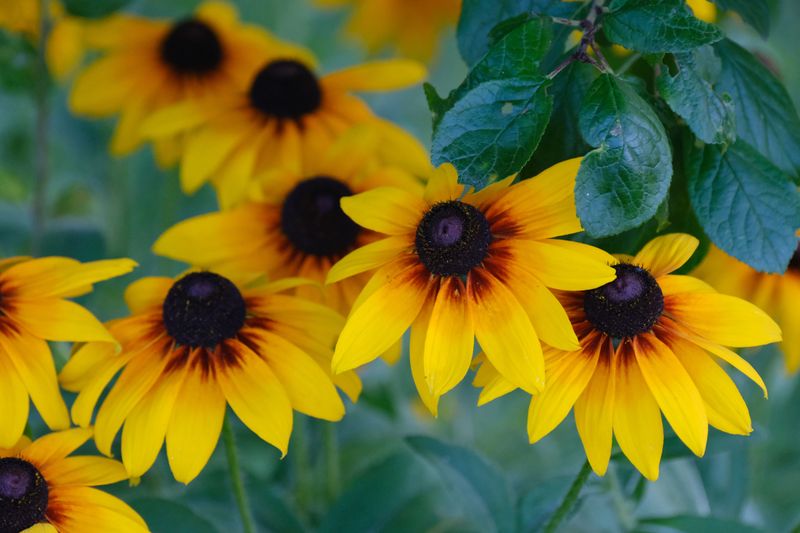
Golden, bold, and completely unafraid of heat, Black-Eyed Susans are the rock stars of the late-summer garden. These cheerful blooms thrive in full sun and bounce back fast after a trim.
Grooming them now means more flowers through September and beyond. Removing spent blooms is your best tool with this plant. Snip spent blooms just above a leaf node, and new buds will push out within days.
The plant responds to pruning like it got a second wind. Black-Eyed Susans are native wildflowers, which means they are already built for tough conditions.
They tend to handle dry spells, clay soil, and cool nights with ease. That toughness is exactly why gardeners across the upper Midwest swear by them.
Cut back any stems that look leggy or tired by about one-third. This keeps the plant compact and forces energy into new growth. A tidy plant is a productive plant, and productivity means blooms.
These flowers also attract pollinators like crazy. Bees, butterflies, and goldfinches are frequent visitors, so grooming your patch supports local wildlife too. Your garden becomes a tiny ecosystem when Black-Eyed Susans are part of it.
Pair them with ornamental grasses or purple coneflowers for a bold color combo. The contrast is stunning and very low maintenance.
2. Zinnias
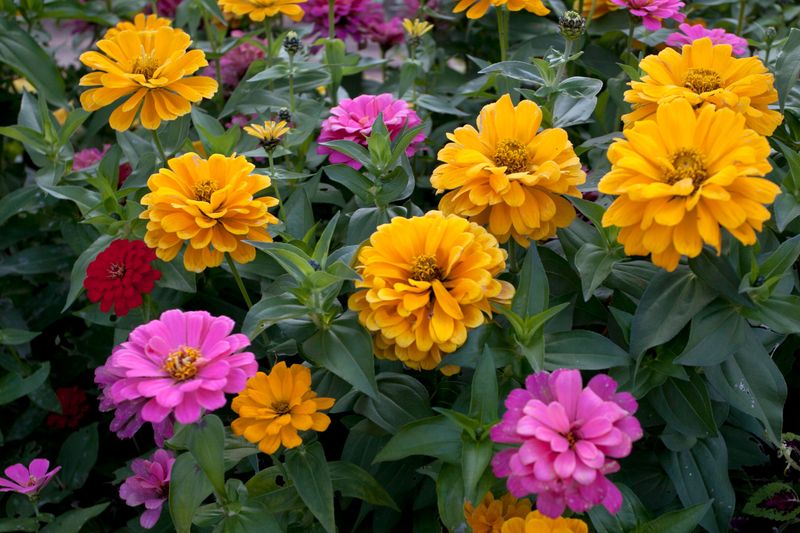
No flower rewards removing spent blooms quite like the zinnia. Cut one spent bloom off, and three new ones seem to appear almost overnight. These plants make it easy to keep a colorful fall garden going.
Zinnias love heat, and they are not shy about showing off. Their bold, layered petals come in a huge range of colors, from hot coral to creamy white. Planting a mixed variety turns any patch of ground into a painting.
Start grooming your zinnias now by removing any flower that has gone past its peak. Use clean scissors or garden shears and cut the stem back to just above the next set of leaves. This simple step redirects the plant’s energy straight into new buds.
Your Minnesota Garden Changes Every Week. Your Plan Should Too.
Gardening in Minnesota changes quickly throughout the season. Every Friday you’ll receive a simple weekly plan showing exactly what to plant, prune, fertilize, harvest, and protect so you never miss the right timing.
Powdery mildew can sneak up on zinnias in humid weather, so watch the leaves closely. Remove any affected foliage right away and water at the base of the plant, not overhead. Good airflow between plants also helps keep that issue at bay.
Zinnias are fast growers, so a midsummer trim does not set them back at all. Within a week, you will see fresh green growth pushing toward the sun. By September, your plants can look nearly as full as they did in July.
These Minnesota flowers worth grooming now are also excellent for cutting and bringing indoors. A fresh zinnia bouquet on the kitchen table costs nothing but a few minutes outside.
3. Cosmos
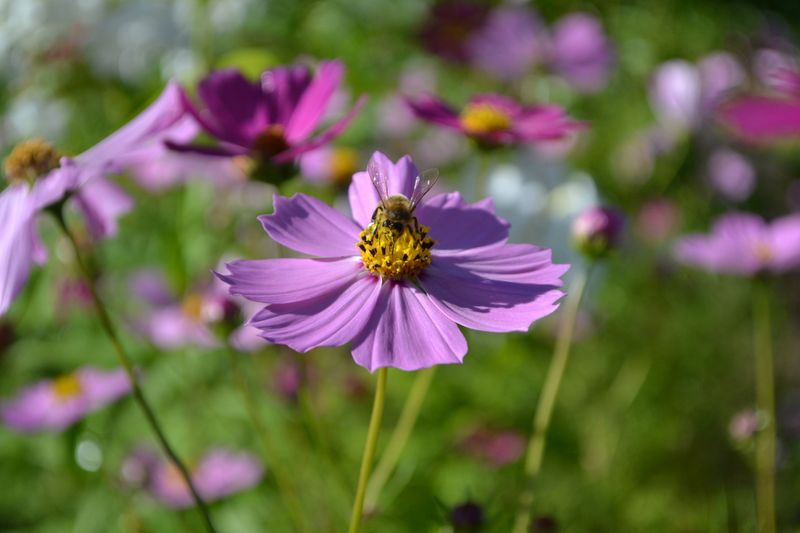
Cosmos have a floaty, dreamy quality that makes every garden feel a little more magical. Their feathery leaves and tissue-thin petals move with every breeze, creating a living, breathing display.
Grooming them now keeps that magic going long into fall. These flowers are self-seeding machines, but removing spent blooms redirects their energy into more blooms rather than seed production.
Pinch off faded flowers at the base of the stem for the cleanest result. You will notice the difference within a week.
Cosmos actually prefer lean soil and do not need fertilizer. Overfeeding them leads to lush foliage but fewer flowers, which is the opposite of what you want. Focus on removing spent blooms and let the soil do the rest.
If your cosmos have gotten tall and floppy, do not be afraid to cut them back hard by half. This sounds drastic, but they recover quickly and come back fuller. A bushy cosmos plant produces far more blooms than a lanky one.
These blooms attract monarch butterflies and native bees throughout the season. Keeping the flowers fresh means keeping the pollinators coming back. Your garden becomes a pit stop on the butterfly highway.
Cosmos also look stunning in cut flower arrangements with zinnias and dahlias. Harvest stems early in the morning for the longest vase life.
With consistent grooming, these airy beauties will keep dancing in your garden until the first hard freeze ends the season.
4. Salvia
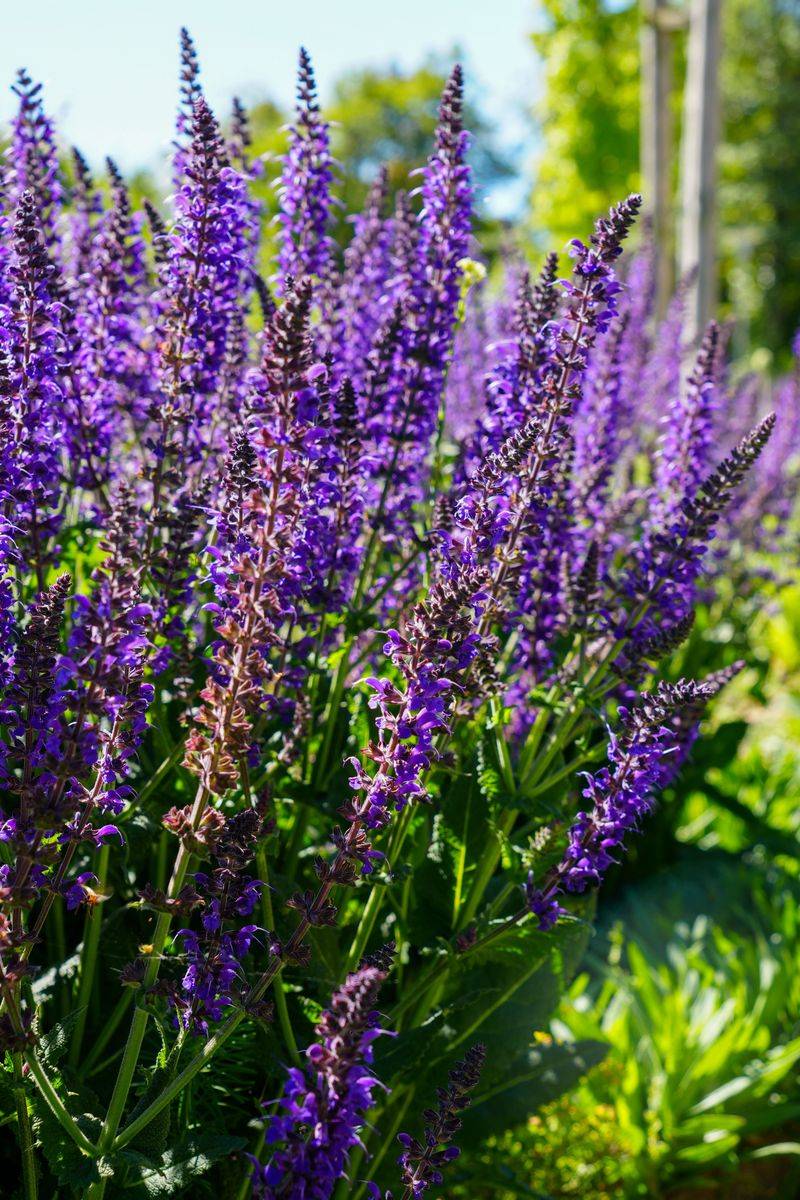
Salvia is the quiet overachiever of the garden world. Its tall, jewel-toned spikes of purple, blue, or red keep pumping out color long after other plants have given up.
Grooming it now is one of the smartest moves a gardener can make in midsummer. Once a salvia spike finishes blooming, cut it back to just above the nearest set of leaves.
New lateral shoots will sprout from that point and produce fresh flower spikes within two to three weeks. The turnaround time is impressively fast.
Annual salvias like Salvia splendens are especially responsive to trimming. Cutting them back by about one-third in late July encourages a massive flush of fall blooms.
That second wave can be just as vibrant as the first. Perennial salvias such as May Night are also worth shearing after their first bloom period ends.
Use hedge shears for speed, and do not worry about being precise. A rough cut works just as well as a careful one with this tough plant.
Salvia is also known as a reliably deer-resistant flower. The aromatic foliage is not appealing to browsing animals, which is a serious bonus in suburban and rural yards. Grow it along borders where deer pressure is high.
These Minnesota flowers worth grooming now are also beloved by hummingbirds, especially the red varieties. Position salvia near a window so you can watch the action up close.
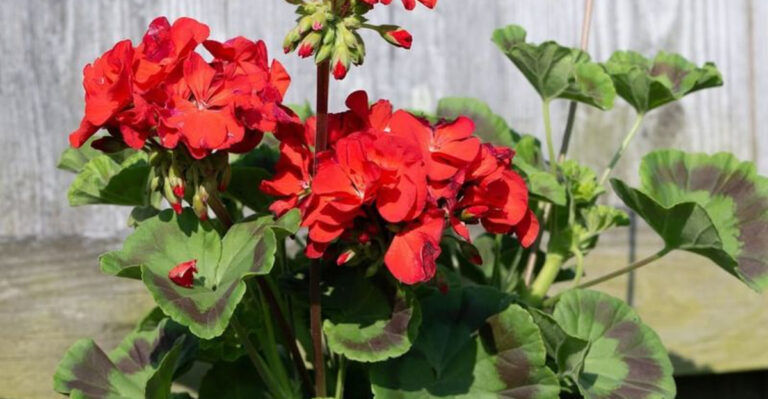
5. Geranium
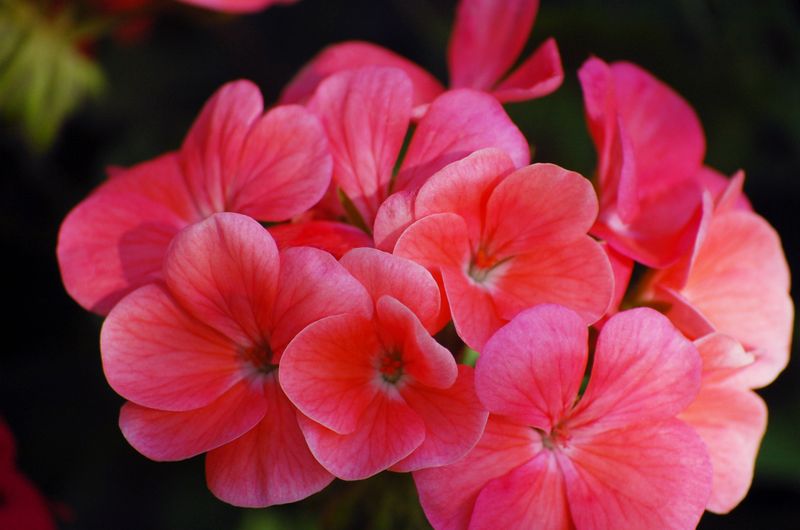
Geraniums have been brightening up porches and window boxes for generations, and there is a very good reason for that. They are tough, colorful, and forgiving of the occasional missed watering.
Grooming them now sets up a spectacular fall display that lasts until frost. Removing spent blooms on geranium is straightforward but important.
Snap or cut off the entire spent flower stalk, not just the faded petals, all the way back to the main stem. Leaving the stalk behind slows down new bud production significantly.
Leggy geraniums are a common midsummer problem, especially in containers. Cut long, bare stems back by half to encourage compact, bushy regrowth.
Within two weeks, fresh growth will fill in and the plant will look full again. Container geraniums need consistent moisture and regular feeding throughout the season.
Use a liquid bloom fertilizer every two weeks to keep the flower show going strong. Skipping feedings in August is a common reason fall blooms can disappoint.
Geraniums also benefit from being moved to a slightly shadier spot during the hottest part of summer. Intense afternoon heat can cause blooms to fade faster than usual.
A few hours of afternoon shade extends the life of each flower cluster. These cheerful plants are easy to bring indoors before the first freeze and overwinter on a sunny windowsill.
That means your favorite geranium can come back next spring, saving you money and effort. A little grooming now is a small trade for a porch that still turns heads in October.
6. Shasta Daisies
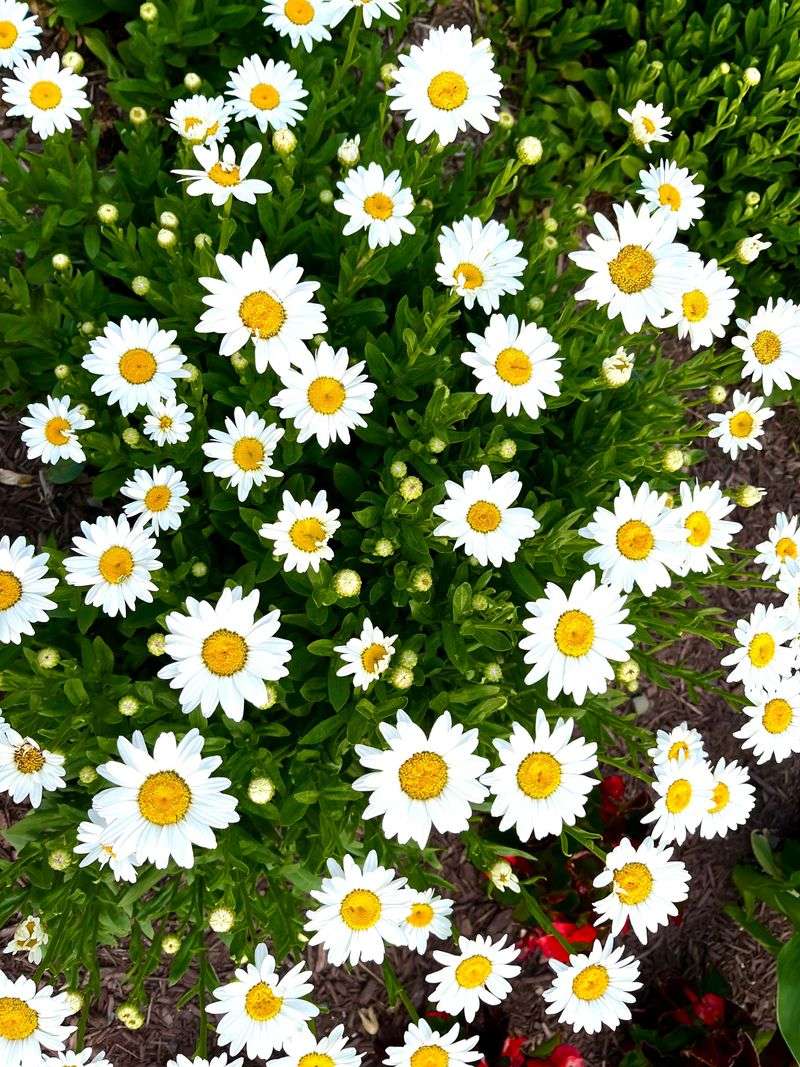
There is something deeply satisfying about a Shasta daisy. Its crisp white petals and sunny yellow center look like a flower a kid would draw, simple and perfect.
Grooming them now keeps that classic look fresh all the way through September. Shasta daisies bloom in waves, and removing spent blooms between waves is the key to keeping them going.
Remove spent flowers as soon as the petals start to droop, cutting the stem down to a healthy leaf. New buds will follow quickly from side shoots.
After the main flush of bloom, cut the entire plant back by about half. This aggressive trim encourages a strong second round of flowering in late summer and early fall.
It also keeps the plant from looking overgrown and messy. Shasta daisies can get floppy if they are in too much shade or if the soil is too rich. Move them to full sun and skip the fertilizer if stems are flopping over.
Sturdy stems mean upright flowers, and upright flowers mean a tidy garden. These perennials spread over time, so divide them every two to three years for best performance.
Division also creates free plants to fill other spots in the yard. Share divisions with neighbors and watch the whole block brighten up.
A patch of healthy Shasta daisies is genuinely hard to walk past without smiling. Their cheerful faces lift the whole mood of a garden space.
7. Marigolds
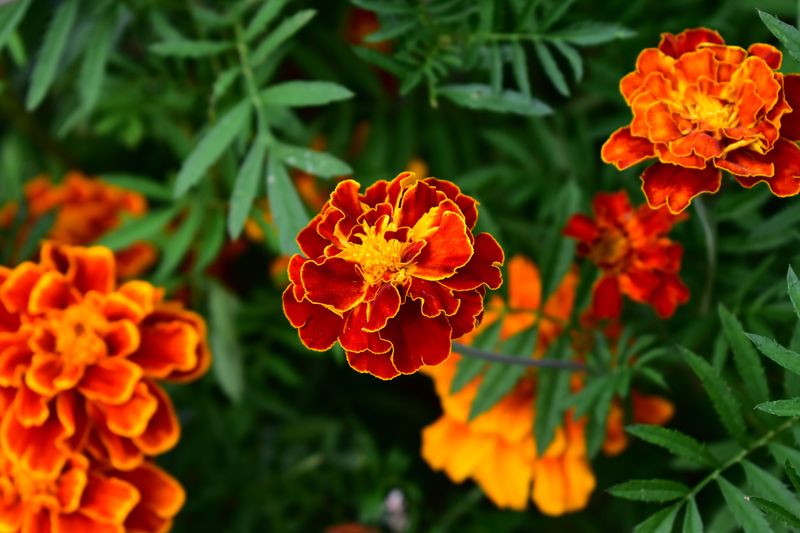
Marigolds are the workhorses of the annual flower world, and they rarely get the credit they deserve. These tough, pungent blooms keep going from planting time straight through the first hard freeze.
Grooming them now supercharges their output for fall. Removing spent blooms on marigolds is fast and satisfying work. Pinch or snip spent blooms at the base of the flower head, and new buds will appear within days.
A ten-minute pass through the garden bed makes a huge visual difference. French marigolds are especially productive when you do it regularly.
Their smaller blooms cycle through faster than African varieties, so check them every few days. Staying on top of the spent blooms keeps the plant in constant production mode.
Marigolds also do double duty in the vegetable garden by repelling certain pests. They’re often planted to help deter certain pests that would otherwise target tomatoes and peppers.
Planting them along garden borders is both beautiful and practical. If your marigolds have gotten leggy by midsummer, cut them back by one-third and give them a light feeding of balanced fertilizer.
They will bush out and come back stronger within two weeks. A revived marigold plant looks like it was just planted.
The warm tones of marigolds, from burnt orange to deep gold, feel made for autumn. Plant a border of them and your vegetable patch gets a bodyguard that also happens to be gorgeous.
8. Dahlias
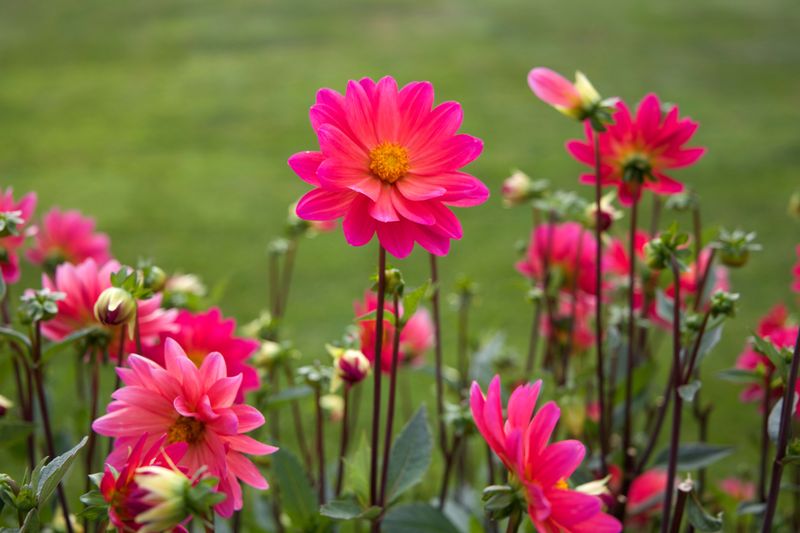
Dahlias are the drama queens of the flower world, and that is meant as the highest compliment. Their blooms range from the size of a golf ball to the size of a dinner plate, with an impressively wide color range.
Grooming them now is what separates a good dahlia season from a great one. Pinching and removing spent blooms on dahlias encourages the plant to branch out and produce more stems.
Remove spent flowers by cutting back to the nearest set of leaves or a visible bud. Each cut creates a branching point that leads to more blooms.
Dahlias are heavy feeders, so pair your grooming routine with a low-nitrogen fertilizer every two to three weeks. High nitrogen pushes leafy growth at the expense of flowers, so choose a bloom-boosting formula instead.
Feed right, and the plant will flower nonstop. Staking is essential for taller varieties, especially as fall winds pick up. Use bamboo stakes and soft garden ties to keep stems upright.
A toppled dahlia stem can snap, and that means losing a whole flowering branch. Watch for signs of powdery mildew on the lower leaves as temperatures shift.
Remove affected leaves immediately and improve airflow by thinning crowded stems. A healthy plant generally outperforms a stressed one.
Dahlias are among the most showstopping Minnesota flowers worth grooming now for a spectacular fall finish. Their blooms peak in cooler weather, making September and October their finest hour.