7 Michigan Houseplants That Actually Grow Better When Root Bound
Every houseplant owner eventually faces the same moment: a plant that seems a little cramped, and the instinct to give it more room.
Most of the time that instinct is right.
But for a handful of popular houseplants, reaching for a bigger pot is one of the worst things you can do, and the plant will show you exactly how unhappy it is about the upgrade within a few weeks.
Some plants are genuinely built for snug quarters. Their roots fill a pot and respond not by struggling but by redirecting energy toward what actually matters, more flowers, stronger growth, and better overall health.
In Michigan, where homes get dry in winter and humid in summer, understanding how your plant’s roots prefer to live can make a bigger difference than almost any other care decision.
Before you reach for that oversized pot, seven popular houseplants are worth knowing about, because repotting too soon does more harm than good, and the evidence shows up in the blooms, or the lack of them.
1. Snake Plant Likes Snug Roots
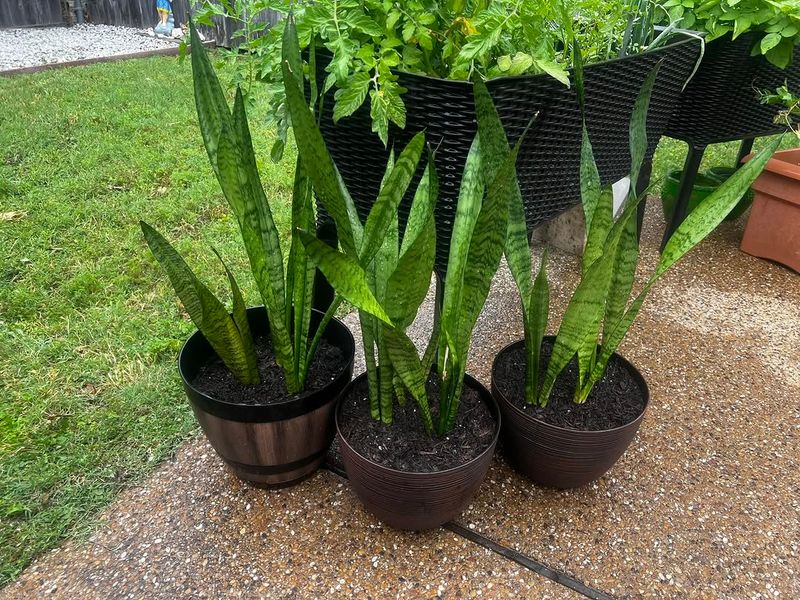
Snake plants are one of the most forgiving houseplants you can own, and they actually prefer being a little cramped.
Their thick, upright leaves store water, and their root systems are tough and slow-growing.
A snug pot keeps the soil from staying too wet, which is exactly what this plant needs to stay healthy through Michigan’s damp winters and dry heated-air stretches.
Overpotting a snake plant is one of the most common mistakes beginners make.
When you put it in a pot that is too large, the extra soil holds onto moisture long after the plant has drunk its fill. That soggy environment invites root rot, which can quietly compromise the plant before you even notice something is wrong.
Michigan State University Extension notes that well-draining soil and proper pot sizing are critical for succulent-type plants like snake plants.
A good rule of thumb is to keep the pot only one or two inches wider than the root ball.
You will know it is time to repot when roots start pushing out of the drainage holes, when water runs straight through without absorbing, or when the pot visibly cracks from pressure.
At that point, move up just one pot size and use a fast-draining mix.
Otherwise, let your snake plant stay snug and enjoy watching it thrive without much fuss. It is one of those rare plants that genuinely rewards being left alone.
2. ZZ Plant Handles Tight Quarters
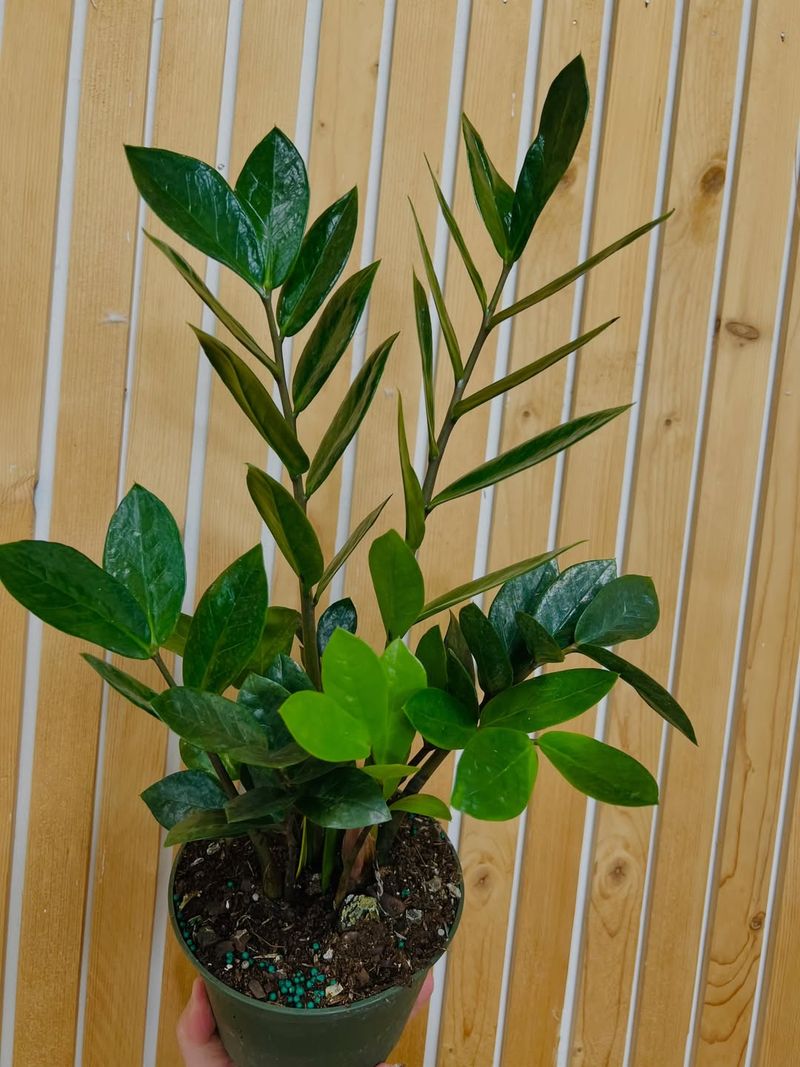
There is something almost magical about a ZZ plant.
Its glossy, dark green leaves catch every bit of light in a room, and it seems to survive almost anything you throw at it, including neglect, low light, and yes, a crowded pot.
The ZZ plant, or Zamioculcas zamiifolia, grows from thick underground rhizomes that store water and nutrients. Those rhizomes are the secret to its legendary toughness.
Because ZZ plants grow slowly and store energy in their rhizomes, they do not need a lot of root space to stay healthy.
Your Michigan Garden Changes Every Week. Your Plan Should Too.
Gardening in Michigan changes quickly throughout the season. Every Friday you’ll receive a simple weekly plan showing exactly what to plant, prune, fertilize, harvest, and protect so you never miss the right timing.
In fact, giving them too large a pot can backfire. Extra soil around those rhizomes stays wet, and wet rhizomes are prone to rot.
The plant prefers to be slightly snug, allowing the soil to dry out fully between waterings, which also matches its drought-tolerant nature perfectly.
When choosing a pot size, go with one that fits the rhizomes comfortably without leaving several inches of empty soil around the edges.
A well-draining, gritty mix works best. You will want to repot only when the rhizomes are visibly pushing up above the soil line, bulging the sides of the pot, or when growth has completely stalled despite good care.
Moving up one size at a time keeps things balanced.
ZZ plants are slow growers, so do not expect to repot often. Patience is part of the deal, and the plant rewards it generously.
3. Jade Plant Stays Better Slightly Tight
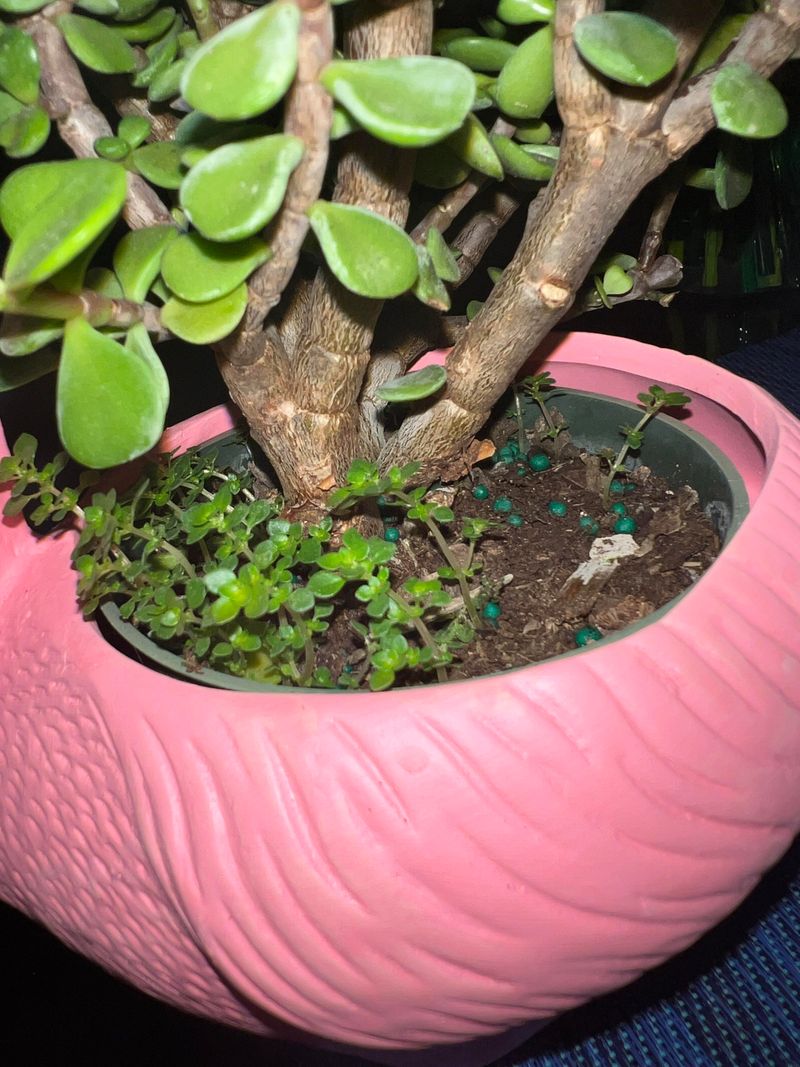
Jade plants have a reputation for being nearly indestructible, and that reputation is well earned.
Native to South Africa, Crassula ovata stores water in its fleshy leaves and thick stems, making it naturally built for dry conditions.
What many growers do not realize is that this same water-storing habit means the plant does not need a large root system to stay healthy. A slightly snug pot actually works in its favor.
The issue with oversized pots and jade plants comes down to physics.
Heavy, waterlogged soil pulls moisture away from the roots for too long, and jade roots sitting in dampness can deteriorate quickly.
A pot that fits the root ball closely allows the soil to dry out at the right pace. This mirrors the dry, rocky conditions jade plants evolved in, where drainage was fast and water did not linger.
Drainage holes are non-negotiable with jade plants.
Even in a correctly sized pot, water must escape freely. Use a cactus or succulent mix, or blend regular potting soil with perlite for extra airflow around the roots.
Repotting time comes when you see roots circling the base of the pot, when the plant tips over because the root ball has outgrown the container, or when water pours right through without pausing.
Move up one size, settle it in with fresh mix, and hold off on watering for a few days to let roots adjust without stress.
4. Christmas Cactus Blooms Better Snug
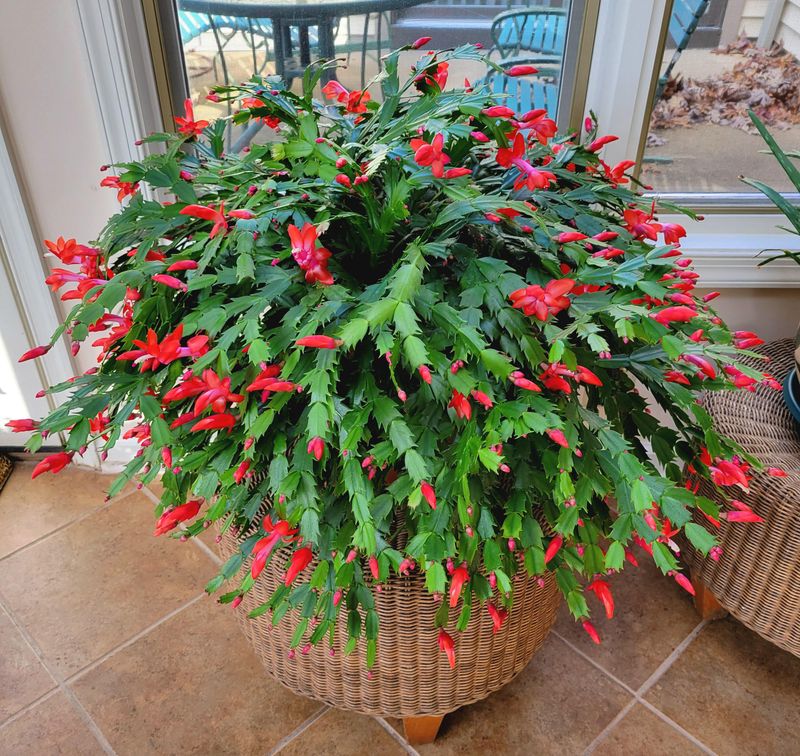
Walk into any Michigan home in late November and you are likely to spot a Christmas cactus sitting on a windowsill, covered in brilliant pink, red, or white blooms.
What most people do not know is that the secret to those gorgeous flowers often comes down to pot size.
Christmas cactus, or Schlumbergera, is a tropical cactus from the forests of Brazil, and it has a quirky habit of blooming more enthusiastically when its roots are a little crowded.
When a Christmas cactus feels snug in its pot, it responds by putting energy into flower production rather than root expansion.
A pot that is too large shifts that energy toward growing more roots to fill the space, and blooms suffer as a result.
University extension guides consistently note that keeping this plant slightly pot-bound encourages the stress response that triggers flowering, especially when combined with cooler temperatures and reduced watering in fall.
Your watering rhythm matters just as much as pot size.
Let the top inch of soil dry out between waterings, and cut back even more in October to help set flower buds. Repotting is rarely needed more than every three to four years.
Watch for roots spiraling tightly at the base, soil that repels water, or a pot that is visibly cracking or bulging.
When those signs appear, move up just one pot size and refresh the soil mix with a light, well-draining blend.
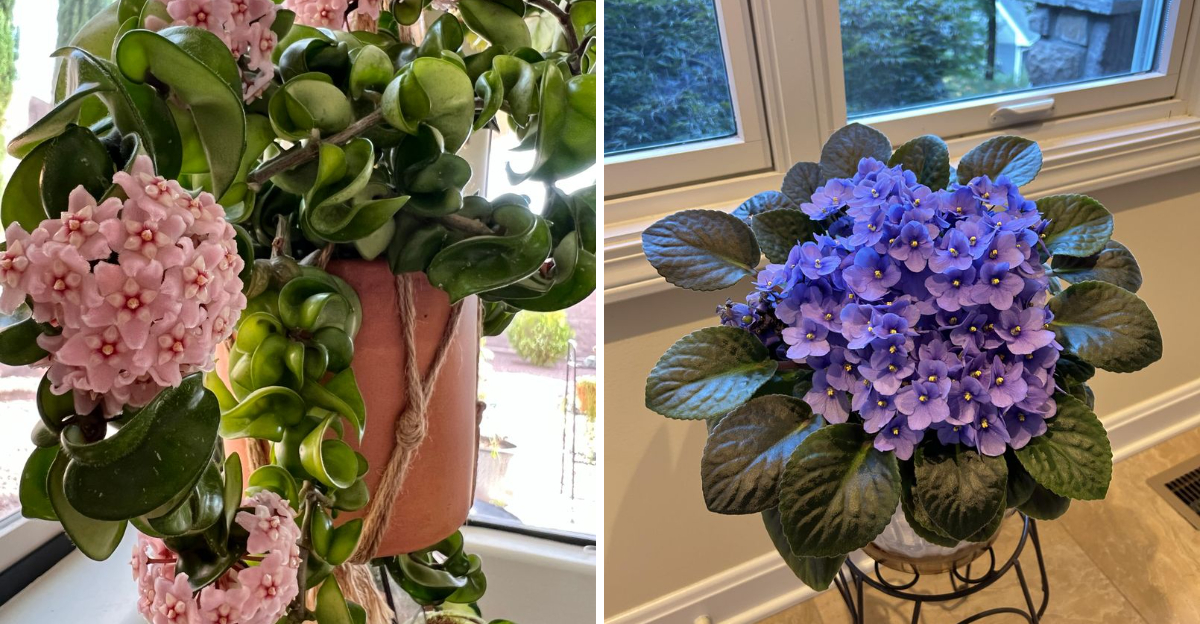
5. Hoya Enjoys A Crowded Pot
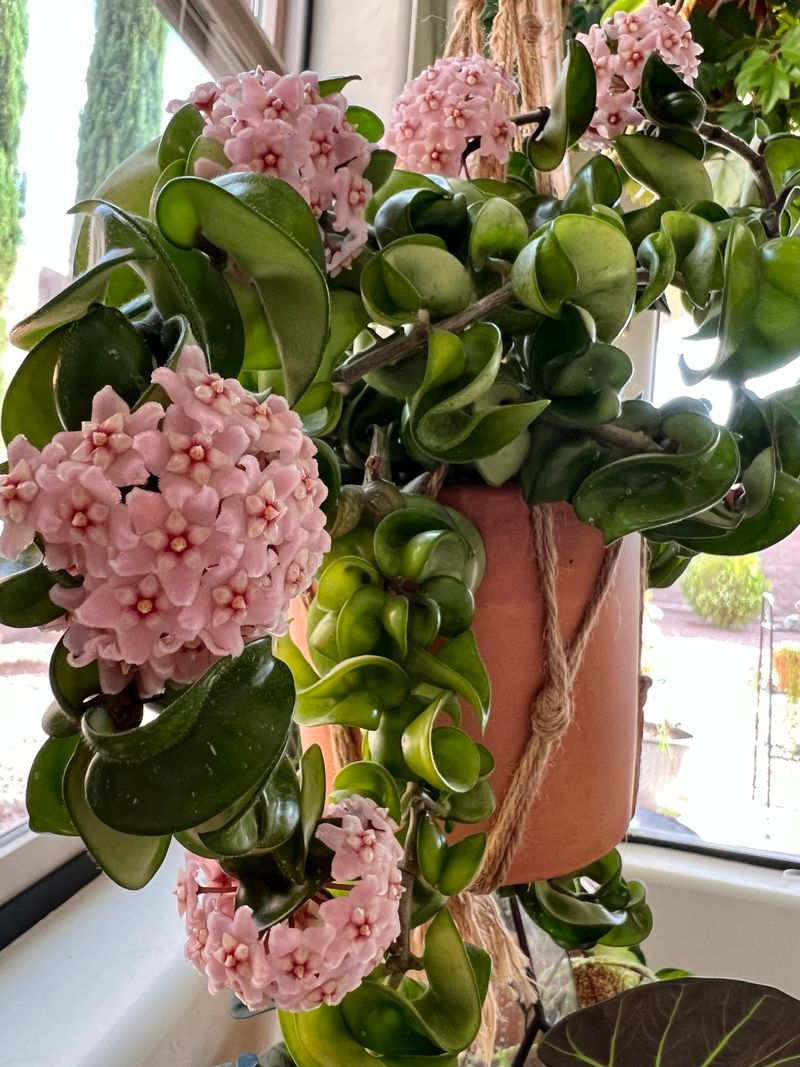
Hoya plants have built a devoted following among houseplant collectors, and for good reason.
Their waxy leaves, trailing vines, and clusters of star-shaped, sweet-smelling flowers make them genuinely exciting to grow.
But here is the part that surprises new hoya owners: these plants bloom far more reliably when their roots are a little crowded.
Give a hoya too much pot space and it may just keep growing leaves without ever producing a single flower cluster.
The relationship between snug roots and hoya blooms is well documented among botanical garden growers and horticulture enthusiasts.
When roots fill the pot, the plant senses a kind of productive pressure that encourages it to shift from vegetative growth to reproductive growth. That means more of those beloved waxy flower clusters, called peduncles, start to appear.
Never remove spent flower stalks either, because new blooms grow from the same spot each season.
Soil mix is equally important for hoyas. They need excellent drainage and airflow around the roots, so a mix of potting soil, perlite, and orchid bark works beautifully. Avoid heavy, moisture-retaining mixes that stay wet for days.
Repot only when roots are visibly escaping from drainage holes, when the plant dries out within a day of watering, or when growth has completely stalled.
Moving to a pot just one to two inches wider keeps the snug conditions hoyas love while giving roots enough fresh space to continue exploring.
6. Spider Plant Handles A Full Pot
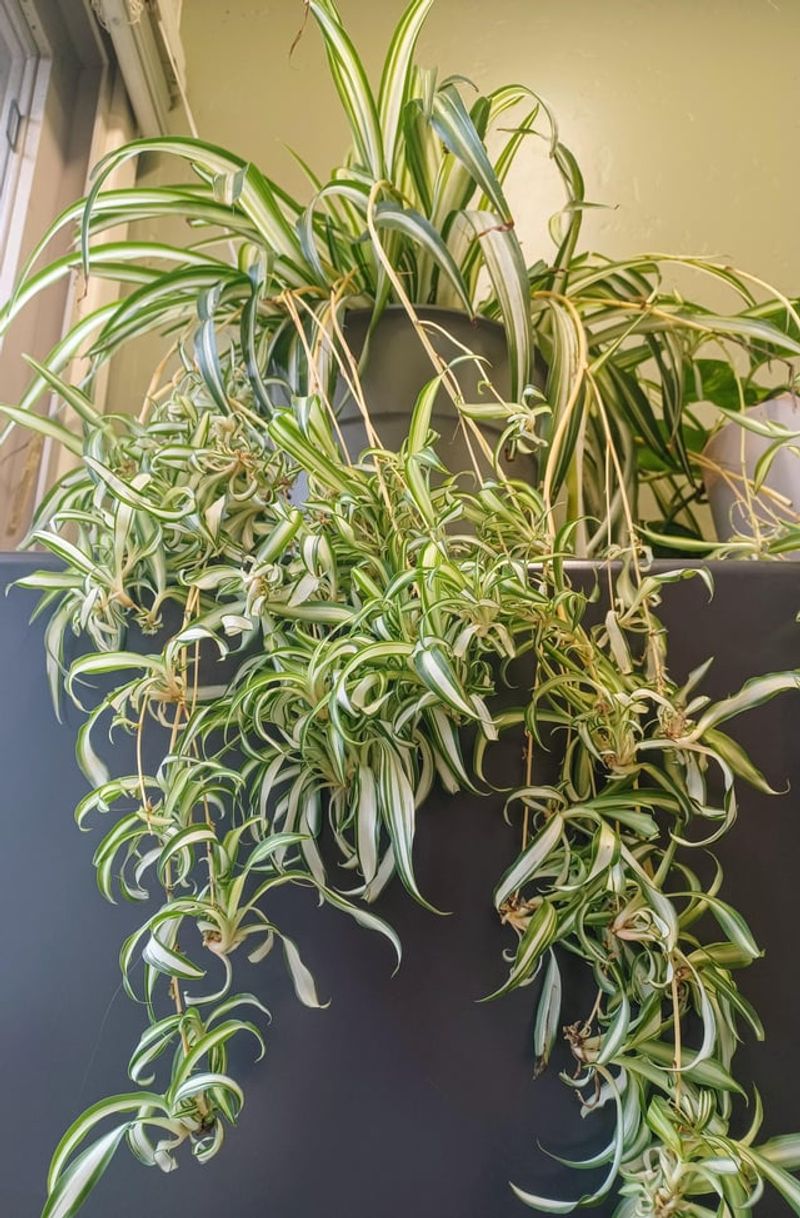
Spider plants are the cheerful, easygoing workhorses of the houseplant world.
They grow fast, adapt to almost any light condition, and produce those adorable little baby plantlets that dangle from long runners like tiny green fireworks.
In Michigan, spider plants are popular year-round as indoor plants, and they have a solid tolerance for a full, well-packed root system.
A spider plant with a full root system actually waters more predictably.
Roots fill the pot and absorb moisture efficiently, which makes it easier to track how often the plant needs a drink.
You may notice the soil drying out faster than usual, which is your cue to water more frequently rather than immediately sizing up the pot. This is normal and manageable without any dramatic intervention.
That said, spider plants do have a limit.
When thick, fleshy roots begin pushing up above the soil surface, cracking plastic pots, or completely blocking drainage holes, it is time to act.
At that stage, you can either move the plant into a pot one size larger or divide it into two or three separate plants, each in its own appropriately sized container.
Division is actually a fun way to multiply your collection or share plants with neighbors.
Use a well-draining potting mix and make sure the new pot has drainage holes. Spider plants bounce back quickly and will be producing new babies again in no time.
7. African Violet Blooms In Small Pots
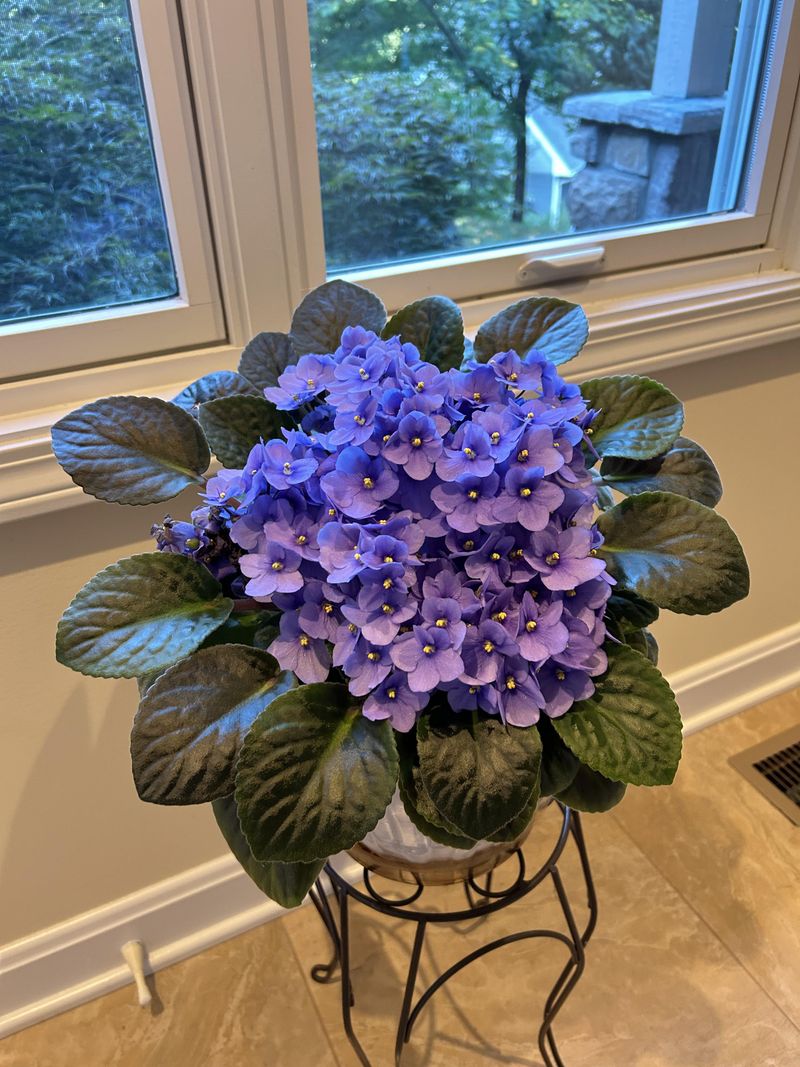
African violets are proof that small pots can hold enormous personality.
These compact, velvety-leaved plants are famous for their nearly nonstop blooms, producing clusters of purple, pink, or white flowers that brighten any windowsill.
What drives that impressive bloom cycle? A surprisingly small pot. African violets have shallow, compact root systems that genuinely prefer tight quarters over roomy containers.
The classic guidance from the African Violet Society of America and university extension resources is to use a pot roughly one-third the diameter of the plant’s leaf spread.
So if your plant measures nine inches across, a three-inch pot is actually the right fit. It sounds counterintuitive, but the snug space keeps the plant focused on flowering rather than root expansion.
Oversized pots hold excess moisture near the crown of the plant, which can lead to crown rot, one of the most common problems African violet growers face.
Watering technique matters enormously with these plants.
Always water from the bottom by setting the pot in a shallow dish of water for about thirty minutes, then removing it. Never let water sit on the fuzzy leaves, as it causes spots and damage.
Repot only when roots are visibly circling the bottom or poking out of drainage holes, and always move up just one small size.
With the right pot size and careful watering, these little plants will reward you with blooms for months on end, even through Michigan’s long winters.