This Stunning Low-Maintenance Perennial Is Becoming A Popular Daylily Alternative In Michigan
Daylilies have been the default low-maintenance perennial in Michigan gardens for so long that most gardeners stopped questioning the choice years ago. They spread, they bloom, and they survive almost anything.
What they do not do is offer much visual interest outside of their bloom window, and they can take over a bed faster than intended once they get comfortable.
A different perennial has been gaining serious attention across Michigan as an alternative that matches daylilies for toughness while delivering a longer season of genuine interest.
It handles Michigan winters without any protection, stays in bounds without constant division, and produces something worth looking at from spring establishment all the way through the first hard frost.
1. Butterfly Weed Is The Best Daylily Alternative
Not every plant earns the title of a true daylily alternative, but butterfly weed comes remarkably close.
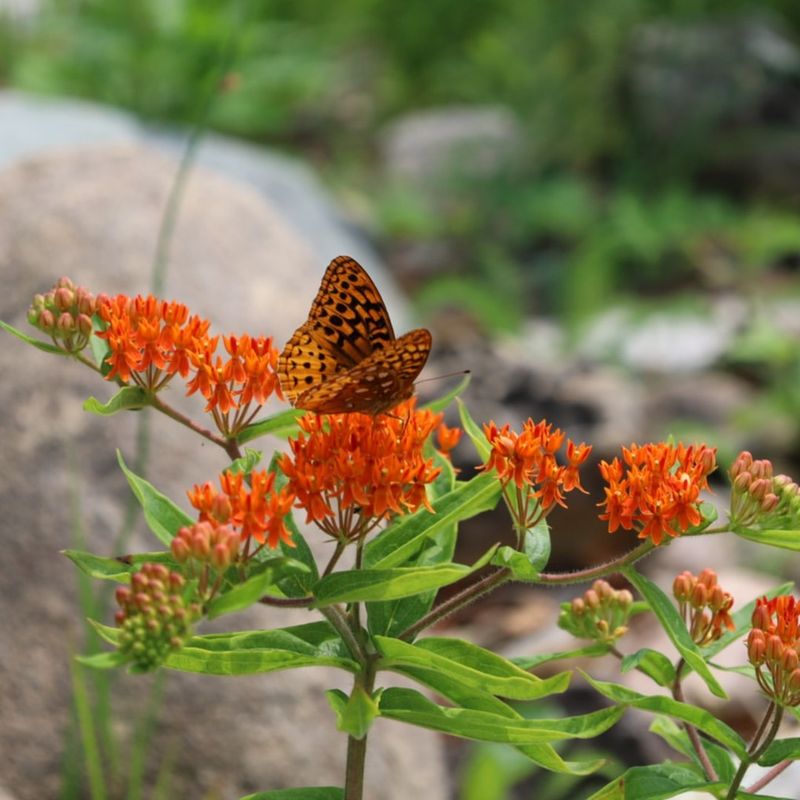
Known scientifically as Asclepias tuberosa, this native perennial has been growing across North America long before garden trends came and went.
Its vivid orange flower clusters bring a bold, cheerful pop of color that holds up beautifully through the heat of a Michigan summer.
What makes butterfly weed feel different from a daylily is the overall style it brings to a garden bed. Daylilies are classic and familiar, but butterfly weed has a wilder, more natural look that feels fresh and modern.
Gardeners who want their yard to feel connected to the native landscape rather than a formal planting design often find that butterfly weed fits the bill perfectly.
Maintenance is another area where butterfly weed pulls ahead. Once it settles in, it requires very little attention compared to many common flowering perennials.
No dividing every few years, no heavy feeding, and no fussing over water. It simply grows, blooms, and brings life to a sunny bed season after season.
For Michigan gardeners who are tired of replanting or constantly managing their flower beds, this plant offers a genuinely satisfying solution. The native garden feel it creates is hard to replicate with non-native alternatives.
Butterfly weed is not just a substitute for daylilies. It is an upgrade for anyone who wants color, wildlife appeal, and easy care all in one plant.
2. It Loves Sunny Michigan Beds
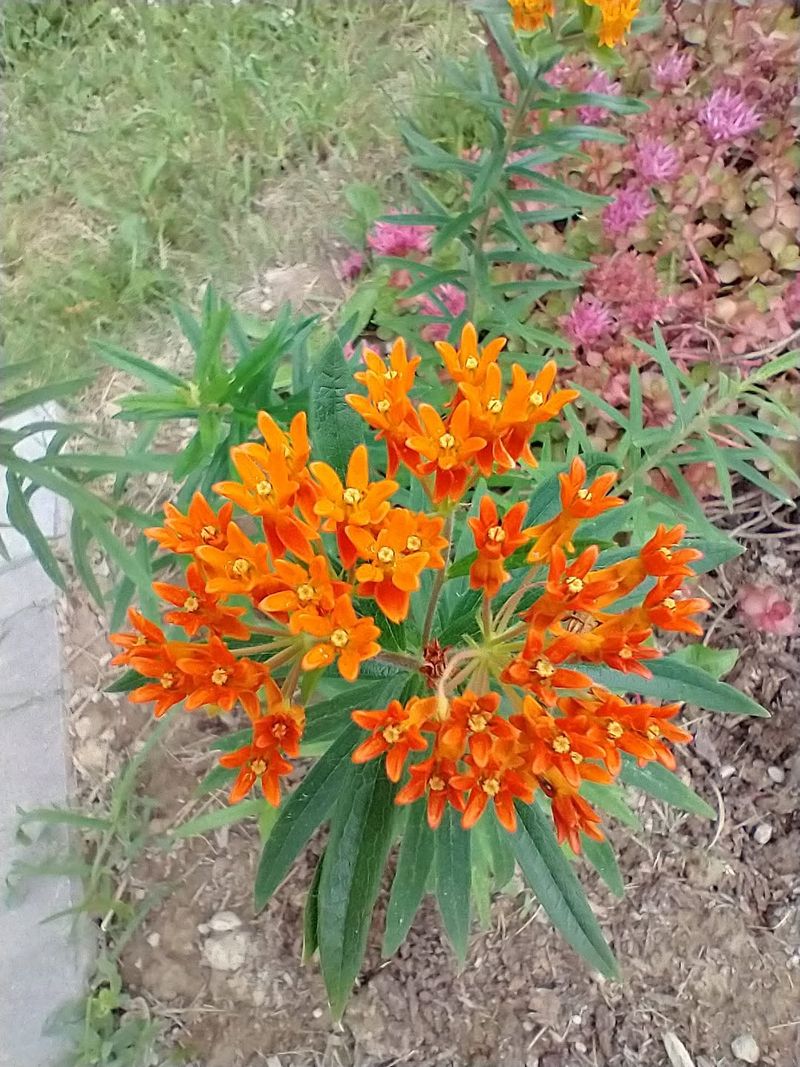
Full sun is where butterfly weed truly thrives, and Michigan has no shortage of bright, open garden spaces where this plant can shine.
Whether you have a wide-open front yard, a dry slope along a fence, or a sunny pollinator bed near a patio, butterfly weed will settle right in and reward you with weeks of orange blooms.
It handles the heat of a Michigan summer without flinching.
Partial shade is tolerable for butterfly weed, but full sun brings out the best in it. Plants growing in shadier spots tend to stretch a bit and bloom less heavily, so choosing the sunniest location available will give you the most impressive show.
Prairie-style plantings and open native borders are especially well-suited for this plant because they mimic the natural conditions it evolved in.
Your Michigan Garden Changes Every Week. Your Plan Should Too.
Gardening in Michigan changes quickly throughout the season. Every Friday you’ll receive a simple weekly plan showing exactly what to plant, prune, fertilize, harvest, and protect so you never miss the right timing.
Michigan gardeners who want strong summer color in spots where other plants struggle will find butterfly weed surprisingly dependable. Hot, exposed areas that bake in the afternoon sun are no problem for this tough perennial.
Dry borders along driveways, sunny strips between sidewalks and fences, and open pollinator gardens are all excellent placements.
One of the best things about planting butterfly weed in a sunny Michigan bed is how naturally it fits in with the surrounding landscape. It does not look forced or out of place the way some ornamental plants can.
Instead, it looks like it belongs right there, catching the sun and attracting every passing butterfly and bee in the neighborhood.
3. It Handles Dry Soil Once Established
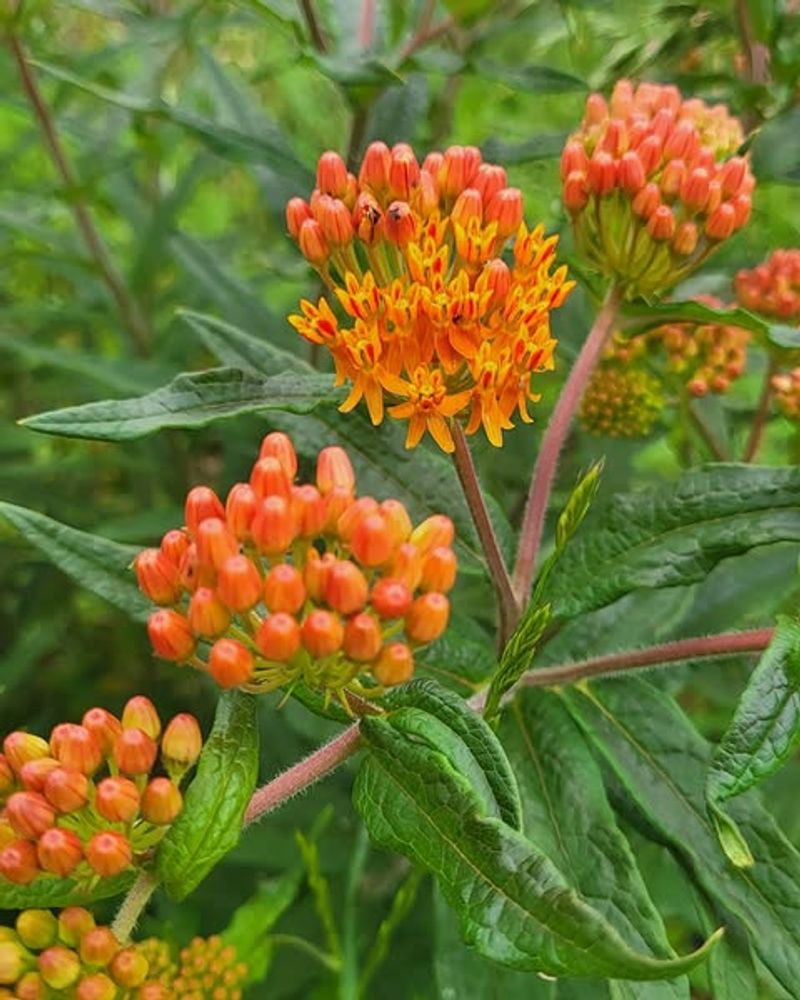
Watering a garden on a hot Michigan summer day can feel like a full-time job, especially when you have a lot of thirsty plants to keep happy. Butterfly weed offers a welcome break from that routine.
Once its roots are fully established, this plant is genuinely drought-tolerant, meaning it can go long stretches without rain or supplemental watering and still look great.
The secret is in its deep taproot. Butterfly weed sends a thick, fleshy root system down into the soil, where it stores moisture and nutrients that keep the plant going even when the surface soil is bone dry.
This taproot is also why butterfly weed does not transplant well once it has been in the ground for a season or two, so choosing the right spot from the beginning really matters.
New plants do need a bit more attention during their first growing season. Watering regularly while the roots settle in helps the plant get strong enough to handle dry conditions on its own.
Think of it as a short-term investment that pays off with years of easy, low-water gardening once the plant is fully established.
Michigan gardeners who have struggled with plants wilting or browning out in dry summers will appreciate just how tough butterfly weed turns out to be.
Average to dry soil moisture is its sweet spot, and it actually performs better in leaner conditions than in rich, constantly moist garden beds.
Less watering and more blooms? That is a trade most gardeners are happy to make.
4. It Supports Butterflies And Bees
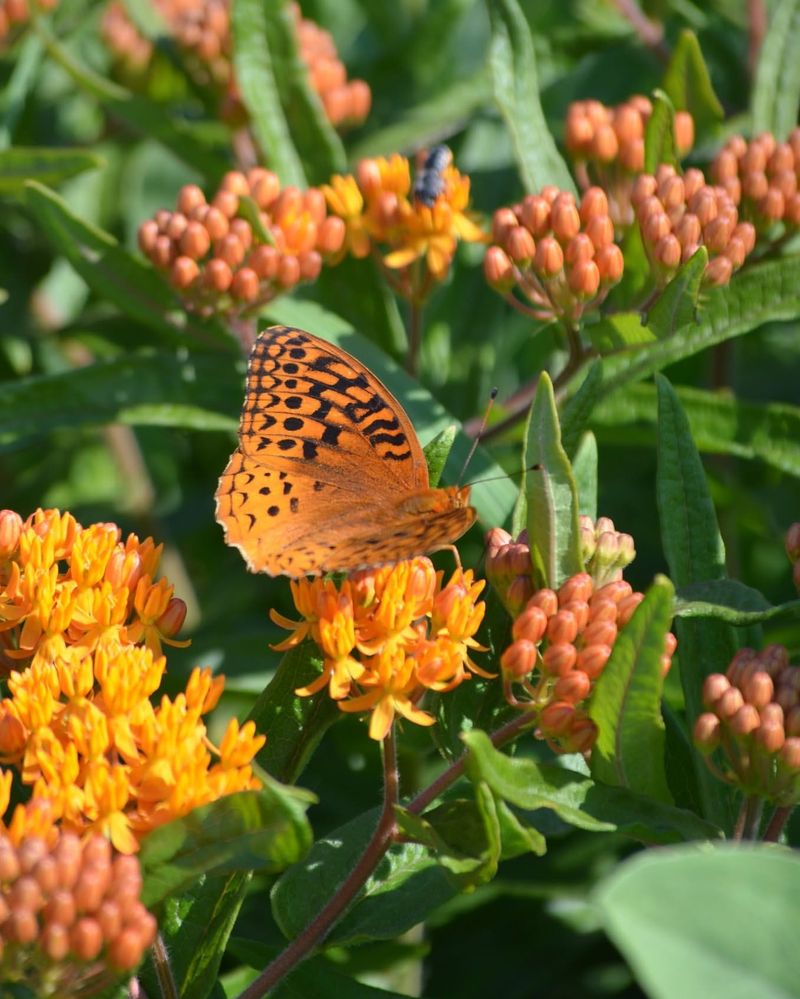
A garden full of color is wonderful, but a garden full of color and buzzing with life is something truly special. Butterfly weed earns its name every single summer by attracting a wide variety of butterflies and bees to its nectar-rich flowers.
From swallowtails to fritillaries, painted ladies to skippers, this plant draws pollinators like a magnet from the moment it starts blooming in late spring through midsummer.
Bees are equally enthusiastic visitors. Bumblebees, native sweat bees, and honeybees all find butterfly weed highly attractive, making it a smart addition to any garden where pollinator activity is a goal.
Planting it in a dedicated pollinator bed or mixing it into a cottage-style border adds a whole new dimension of activity that makes the garden feel alive and thriving throughout the season.
What makes this especially valuable for Michigan gardeners is that butterfly weed blooms during a key window in the summer when many other native plants are not yet at their peak.
That timing matters for pollinators that need consistent food sources throughout the season. By filling that gap, butterfly weed plays a real role in supporting local pollinator populations.
Beyond the ecological benefits, there is something genuinely joyful about watching butterflies land on a plant you grew yourself. Kids notice it, neighbors comment on it, and the whole yard feels more connected to the natural world around it.
Butterfly weed does not just decorate a garden. It brings the garden to life in a way that few other plants can match.
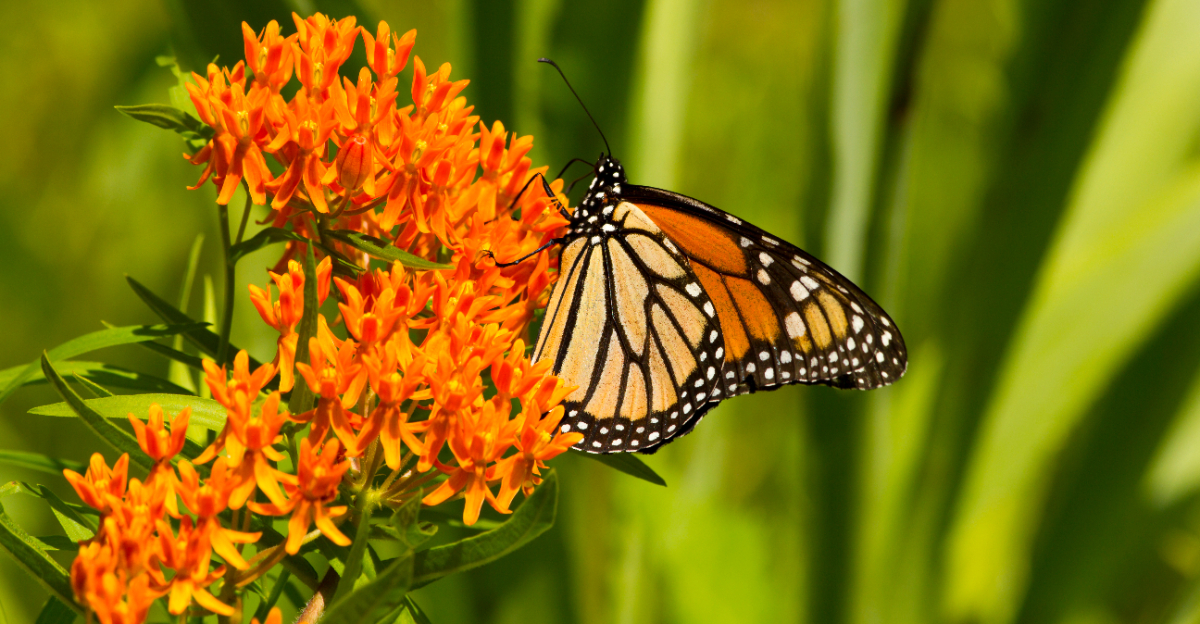
5. It Can Support Monarch Caterpillars
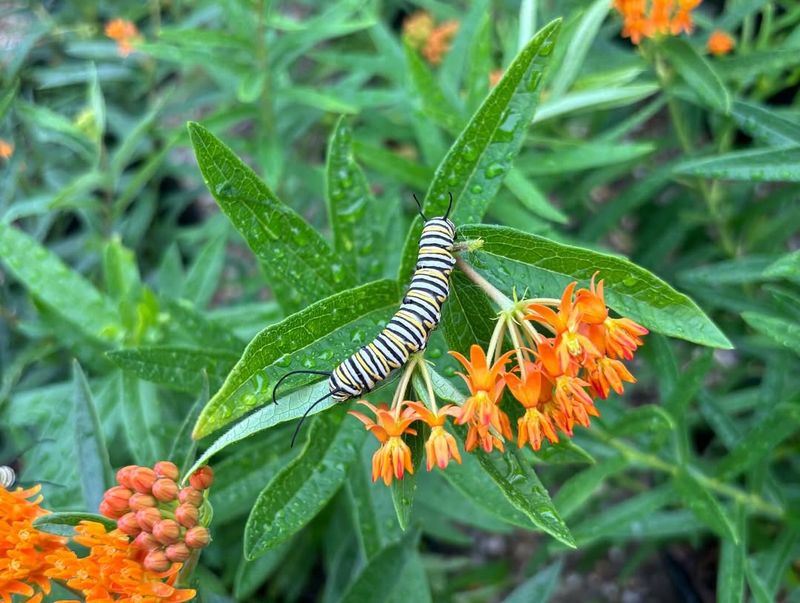
Butterfly weed belongs to the milkweed family, which means it shares something important with the plants that monarch butterflies need for their caterpillars to grow.
Monarchs lay their eggs on milkweed foliage, and the caterpillars feed on the leaves as they develop.
Butterfly weed can host monarch caterpillars, making it a meaningful addition to any garden where supporting monarchs is a priority.
That said, it helps to be realistic about what one plant can do. Butterfly weed is not always the first choice for monarch egg-laying compared to common milkweed or swamp milkweed.
Monarchs do visit it and do use it, but gardeners hoping to create a serious monarch waystation will get better results by planting butterfly weed alongside other milkweed species rather than relying on it alone.
Still, every milkweed plant matters. Monarch populations have faced serious pressure in recent decades due to habitat loss and the disappearance of milkweed from roadsides and fields.
Adding butterfly weed to a Michigan garden contributes to a larger network of host plants across the region, which is exactly the kind of small action that adds up when many gardeners do it together.
Planting butterfly weed with monarch support in mind also encourages a broader appreciation for native plants and the wildlife that depends on them.
Once you start watching for caterpillars on your milkweed, you notice so much more happening in your garden.
It shifts the whole experience from simply growing flowers to actively participating in something bigger and more meaningful than a pretty yard.
6. It Belongs In Well Drained Soil
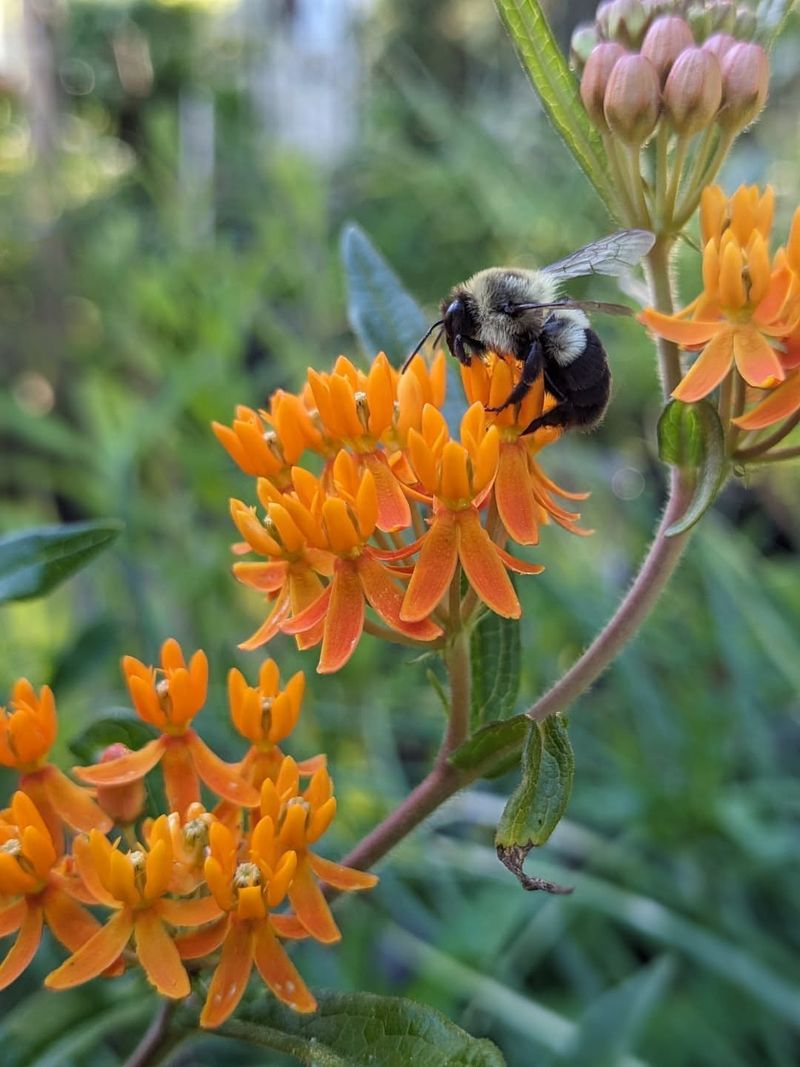
Picking the right spot for butterfly weed is probably the single most important thing you can do to help it succeed. This plant has one non-negotiable requirement: well-drained soil.
Soggy, waterlogged beds are the fastest way to run into trouble with butterfly weed, because its deep taproot simply cannot tolerate sitting in standing water for extended periods. Wet feet are a real problem for this plant.
Michigan gardeners dealing with heavy clay soil or low-lying spots that stay wet after rain should either amend the soil significantly or choose a different location entirely.
Sandy loam, gravelly soil, or even lean, rocky ground is far more suitable for butterfly weed than a rich, moisture-retentive bed.
The leaner the soil, the better this plant tends to perform, which is the opposite of what many gardeners expect.
Raised beds and slopes are excellent options if your yard tends toward dampness. Any spot where water drains away quickly after a rainstorm is a good candidate.
Before planting, take a moment to observe how water moves through your garden after a heavy rain. That simple observation can save a lot of frustration down the road.
Trying to compensate for poor drainage by adjusting your care routine rarely works with butterfly weed. The right approach is to find the right spot first, then let the plant do what it naturally does best.
When drainage is good, butterfly weed asks for almost nothing else in return. It is one of those rare plants that genuinely rewards a hands-off approach once it is in the correct location.
7. It Pairs Beautifully With Other Dry Soil Perennials
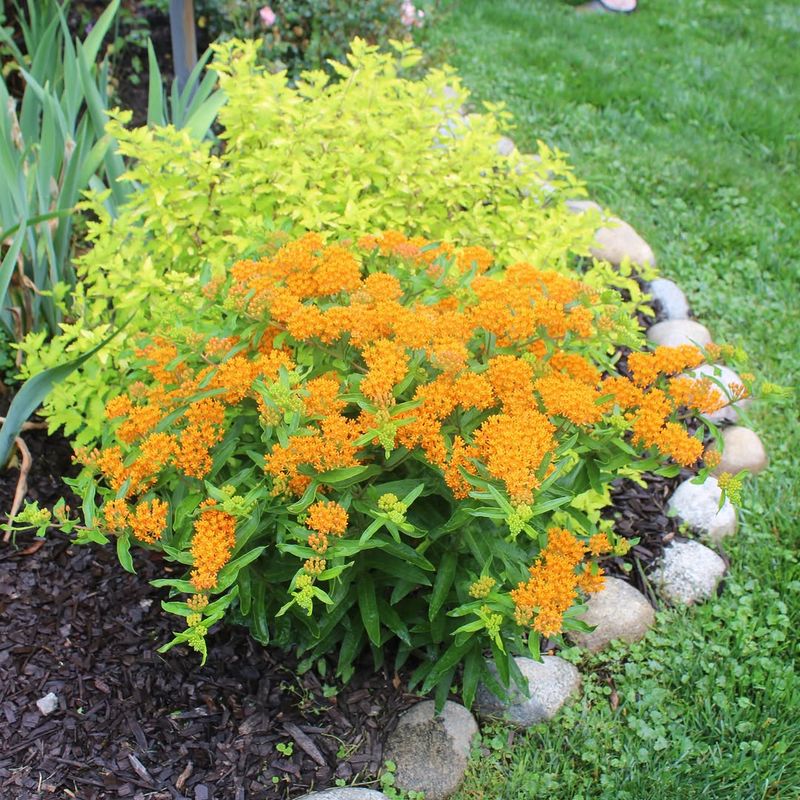
One of the most satisfying things about working with butterfly weed is how naturally it fits into a dry, sunny perennial garden alongside other native plants.
Because it thrives in similar conditions to many beloved Michigan natives, it slots right into a planting scheme without requiring special treatment or extra care to keep it happy among its neighbors.
Coneflowers are a classic pairing. Their purple blooms contrast beautifully with the warm orange of butterfly weed, and both plants share the same preference for full sun and dry to average soil moisture.
Blazing star, also called liatris, adds tall spikes of purple in midsummer that complement the low, mounding habit of butterfly weed perfectly. Together, these three plants create a pollinator-rich display that looks intentional and polished.
Black-eyed Susans are another natural companion, bringing golden yellow blooms that echo the warm tones of butterfly weed without competing with it visually.
Wild bergamot, a native mint-family plant, rounds out the palette with lavender-pink flowers and attracts its own crowd of pollinators.
Weaving native grasses through the planting adds movement, texture, and winter interest that keeps the bed looking good even after the blooms fade.
Matching plants with similar moisture needs is the key to making a low-maintenance garden actually feel low-maintenance. When every plant in a bed wants the same conditions, you stop fighting your soil and start working with it.
Butterfly weed is the kind of anchor plant that makes building a cohesive, easy-care native garden feel completely achievable, even for gardeners who are just getting started with native plantings.