The One July Task That Can Lead To Bigger Strawberries Next Season In Illinois
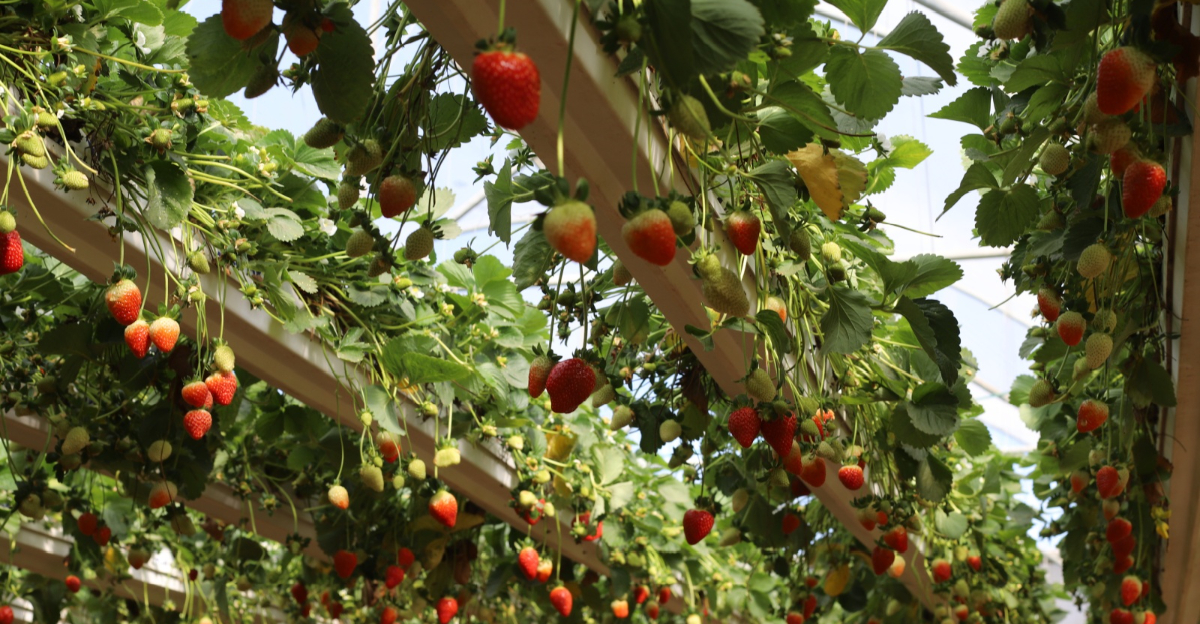
Walk past a strawberry patch in late July and you’ll see the evidence everywhere: tangled leaves, tired crowns, and runners stretching out in every direction, unsure where to go.
That quiet confusion is exactly why so many Illinois gardeners end up disappointed every June. The plants aren’t struggling.
They’re just waiting, and nobody told them what comes next. Here’s what most people miss. June-bearing strawberries won’t perform their best without help.
Something has to happen in midsummer, right after the last berry disappears, or all that energy goes somewhere other than next year’s fruit.
Illinois summers generally give you a good window for it: warm enough to spark new growth, long enough for whatever comes next to settle in before the cold arrives. It isn’t glamorous, and it involves a fair amount of dirt under your fingernails.
But skip it, and you risk smaller berries and a patch that gradually declines. Get it right, and next year’s harvest will make this July sweat worth every drop.
Renovate Your June-Bearing Strawberry Patch Right After The Harvest Ends
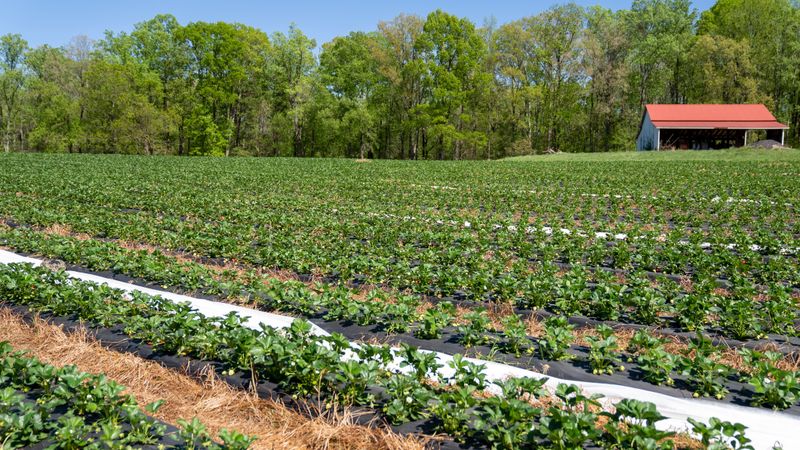
Harvest season just wrapped up, and now comes the part most gardeners quietly skip every year. Renovation means cutting back the entire patch, and it sounds harsh even though it pays off fast.
June-bearing strawberries pour every bit of their energy into producing fruit, leaving the plants completely exhausted by July.
That exhaustion shows up as tired leaves, weak crowns, and a patch that looks like it needs a break.
Cutting the plants back forces new growth to start immediately, and fresh leaves begin forming within just a few days.
Timing truly matters here, since waiting too long means losing that valuable recovery window for the season. Renovate right after harvest, ideally within a few days, to keep the whole growing season on track.
Illinois summers offer just enough warmth for recovery, so soil temperature and sunlight do most of the heavy lifting.
Skip this step, though, and your patch stays stuck in survival mode for the rest of the year. Weak, overcrowded plants rarely produce impressive berries later, no matter how much extra care you give them afterward.
Do it right, and you’ll notice thicker leaves and stronger runners appearing by August without much extra effort.
That transformation sets the stage for everything that follows during the rest of the growing season. New crowns begin forming underneath the soil, quietly preparing for a much bigger crop next spring.
Gardeners who commit to this step often see the difference the very next season. Bigger strawberries next season really do start with this set of simple steps taken in July.
Understanding Why July Renovation Matters For Illinois Growing Conditions
Timing is everything for strawberries, and the regional climate makes it even more critical than usual.
Summers here swing between blazing heat and sudden storms, which puts real stress on tired, unrenovated plants.
July renovation lines up perfectly with these conditions, since soil stays warm enough to support fast root recovery.
Your Illinois Garden Changes Every Week. Your Plan Should Too.
Gardening in Illinois changes quickly throughout the season. Every Friday you’ll receive a simple weekly plan showing exactly what to plant, prune, fertilize, harvest, and protect so you never miss the right timing.
Wait until August, though, and cooler nights start slowing down new growth almost immediately. Humidity plays a role too, especially when overcrowded plants trap moisture tightly around their leaves.
That trapped moisture invites fungal disease, something renovation helps prevent by opening up much-needed airflow.
Extension guidelines generally recommend renovating within days of harvest rather than weeks later. Waiting even a little longer can noticeably shrink your results by the time fall arrives.
The soil also needs time to rebuild its nutrients before the plants demand more again. Cutting back plants redirects their energy toward roots instead of leaves, exactly when that shift matters most.
Skipping this window means recovering more slowly for the rest of the growing season. Root systems that don’t get this early boost often struggle heading into colder months.
Illinois weather doesn’t leave much room for delay once the harvest wraps up. A short window of warm soil is the plant’s best chance to rebuild strength.
Once you understand the climate behind it, the whole July task suddenly makes complete sense.
Mow Down The Old Foliage To Refresh The Plants
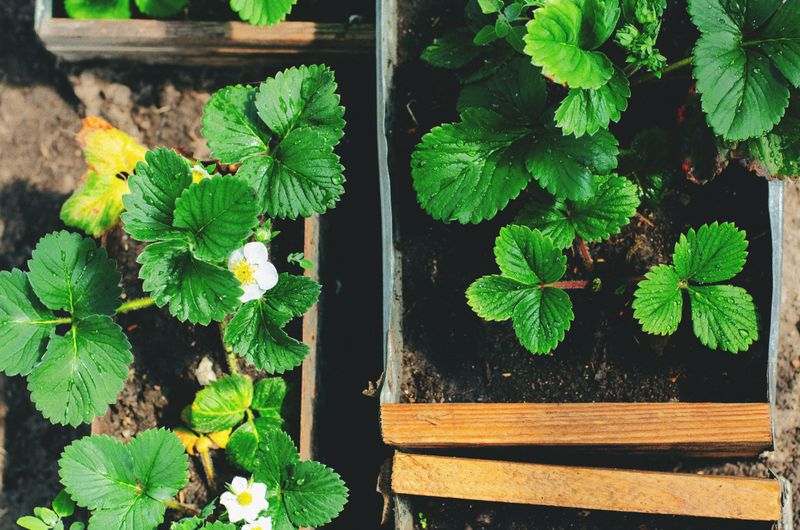
Grab your mower and gloves, because this step looks intense but is genuinely effective for the plants. Mowing removes tired, disease-prone leaves, making room for fresh growth to appear within days.
Set your mower blade high, aiming to leave about an inch of crown showing above the soil. Never cut too close to the crown, since damaging it can stunt the entire plant for the season.
A string trimmer works fine if you don’t happen to have a mower handy. Just move slowly and watch your angle so you don’t accidentally nick any crowns.
Rake away all the cut foliage afterward, since leftover debris invites both pests and disease. Compost healthy clippings if you’re able to, but toss diseased leaves straight into the trash.
This clears space for new leaves to form, letting sunlight reach the crown much more easily. Many gardeners feel nervous cutting away so much growth all at once.
Trust the process, though, because strawberries bounce back faster than most people ever expect. Give it about two weeks, and fresh green leaves will already be pushing through the soil.
Within a few weeks, the difference between a mowed patch and a neglected one usually becomes clear.
Renewed foliage means renewed energy, and that energy carries the plant straight into fall. This single afternoon of mowing sets up everything else you’ll do this season.
Fertilize The Soil And Narrow The Rows For Better Growth
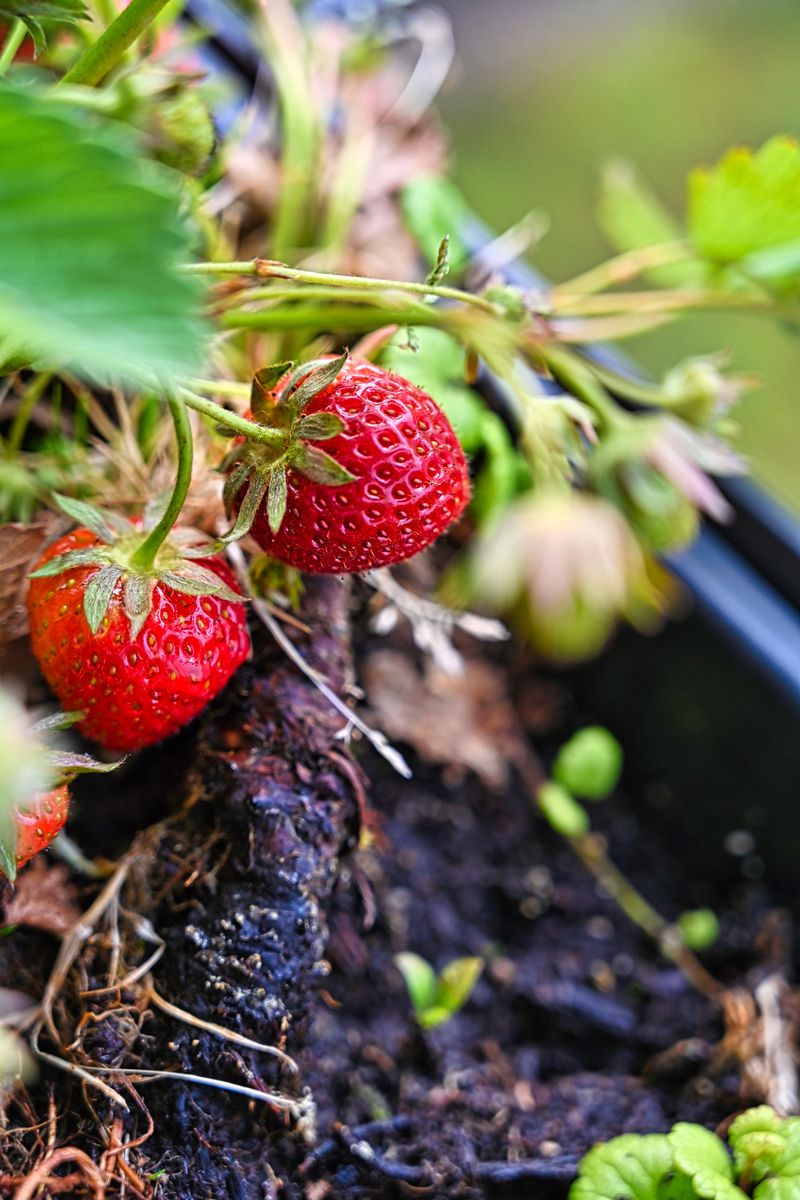
Feed the soil before anything else, since renovated plants need nutrients to rebuild fast and steady. Choose a balanced fertilizer made specifically for strawberries, and follow the package directions closely.
Water it in thoroughly after applying, helping those nutrients reach the root zone quickly. Next comes narrowing the rows, since matted rows often grow far too wide during the season.
Use a hoe or small tiller carefully, aiming for rows that stay about six to twelve inches wide. Removing extra plants might feel wasteful at first, but it actually improves airflow and sunlight access.
Crowded rows compete for the exact same resources, leaving every single plant a little shortchanged. Narrower rows give each remaining plant breathing room to really thrive through late summer.
Pull weeds while you’re already working in there, since they compete just as hard for nutrients. This combination jumpstarts recovery, with results often visible within a few weeks.
Fertilizer alone won’t fix a crowded row, and spacing alone won’t fix poor soil. Together, though, these two steps create the exact conditions strawberries need to bounce back.
Better spacing today means stronger, healthier plants heading into autumn. Bigger berries ultimately depend on getting this exact balance right in July. Skip either piece, and you’ll only get half the results you were hoping for.
Thin Out The Plants And Clear Away Any Weeds
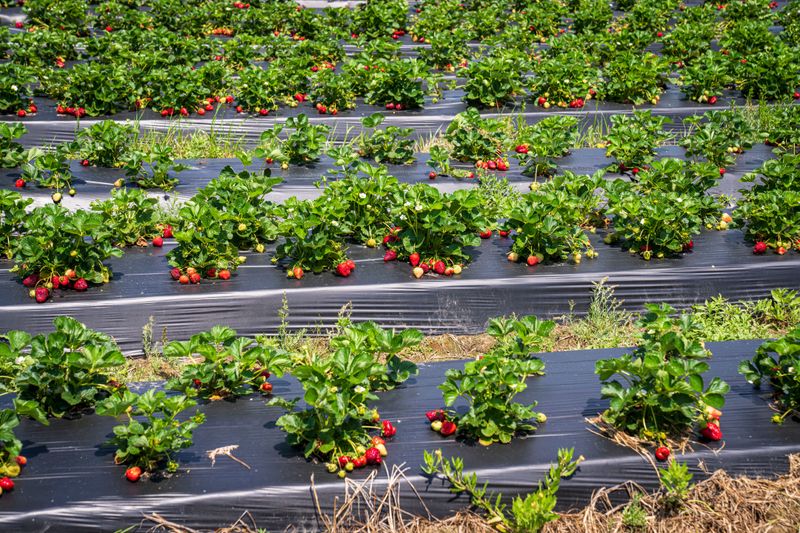
Crowding significantly reduces harvest quality faster than almost anything else in the garden. Thinning solves that problem quickly, giving every remaining plant far more room to grow.
Leave four to six inches between plants, since anything closer limits both sunlight and airflow. Remove weak or damaged plants first, keeping only the healthiest crowns in place.
Weeds sneak in during renovation too, competing hard for water, light, and nutrients. Pull them by hand whenever possible, since herbicides can stress plants that were just cut back.
Mulch helps keep future weeds down, and a light layer of straw works especially well. Check your rows every few days, because new weeds pop up fast in warm summer soil.
Thinning feels like extra work upfront, but the payoff shows up clearly in berry size later. Fewer plants competing for the same space means more resources available to each one.
Every remaining plant grows stronger and noticeably more productive as a result. A clean, well-spaced row can look almost bare right after thinning.
That emptiness feels strange at first, but it’s exactly what success looks like in July. Give it a few weeks, and the row fills back in with healthier, sturdier growth. By the time fall arrives, thinned rows typically outperform crowded ones.
Water Consistently To Encourage Strong Runners For Next Year’s Crop
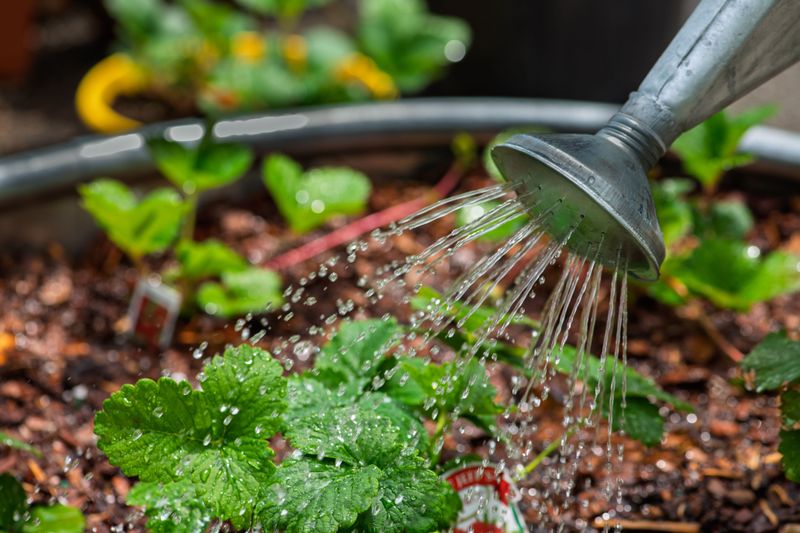
Water ties everything together now, more than any other single step in this process. Consistency matters more than quantity here, so aim for about one inch of water weekly.
Adjust for rainfall during summer storms, since overwatering can undo the progress you’ve already made. Deep watering encourages deep roots, while shallow sprinkling only creates weak, surface-level growth.
Morning watering works best for strawberries, since leaves dry faster and avoid lingering disease. Runners need steady moisture to root successfully, and dry soil stalls that entire process.
Each new runner becomes next year’s producer, so more runners typically mean more fruit. Don’t let the patch dry out during heat waves, since stress now shows up as smaller berries later.
Drip irrigation makes consistency easier, though it still needs occasional checking. A well-watered patch rewards your patience with thick, healthy growth by the time fall arrives.
Watering might feel like the least exciting step, but it’s often the most important one. Every other task in this process depends on the plant having enough moisture to actually use it.
Skimp here, and even perfect renovation, fertilizing, and thinning won’t matter much. This is the final piece of the July task, tying everything else together neatly. Follow through here, and bigger strawberries next season become much more likely.