Forget Bug Spray, These Virginia Backyard Plants Are Keeping Ticks Away All Season Long
Warm Virginia morning. Bare feet in the grass.
Coffee in hand. The kind of quiet that makes you forget your phone exists.
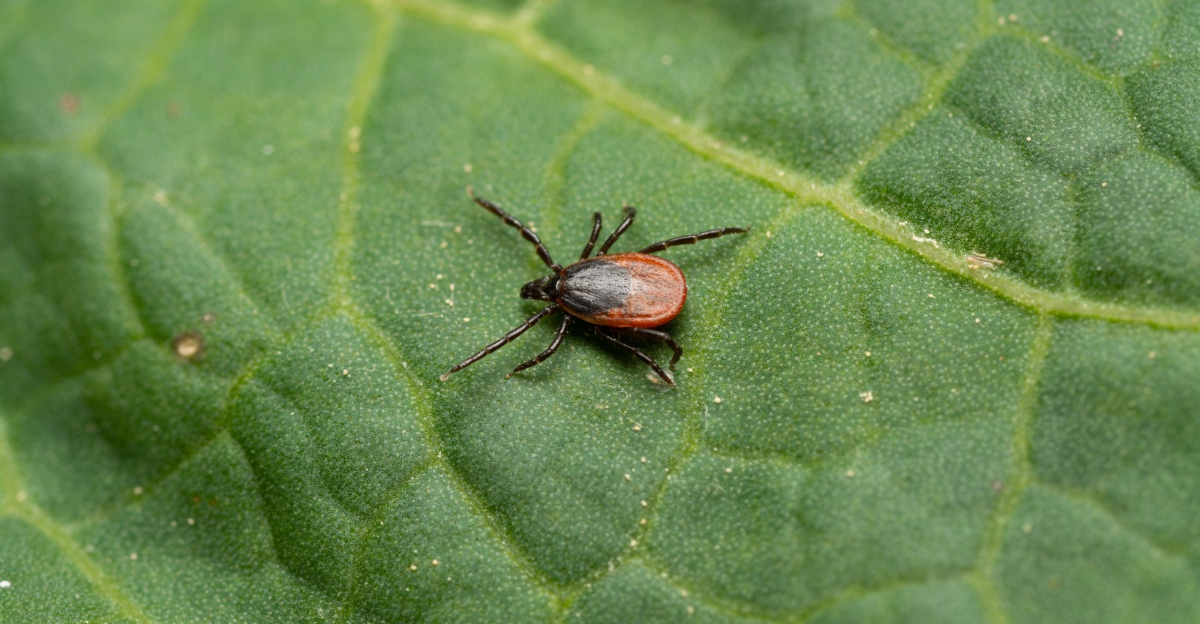
Then it hits you. Ticks.
Most people reach for the bug spray. But a growing number of Virginia homeowners are doing something smarter, they’re letting their garden fight back.
It turns out that a handful of plants don’t just look good or smell great. They actively make ticks want to be somewhere else.
Chemical repellents work, but they come with a cost: skin irritation, repeated application, and an ingredient list you’d rather your kids and pets didn’t roll around near. The right plants, strategically placed, offer something different.
A longer-lasting line of defense that also happens to make your yard more beautiful. No lab coat required.
Just a little dirt under your fingernails.
American Beautyberry Grows Wild In Virginia And Rivals DEET

Clusters of electric purple berries make American Beautyberry one of the most striking shrubs you can grow in a mid-Atlantic garden. But the looks are just the beginning.
Research from the USDA Agricultural Research Service found that callicarpenal, a compound in the leaves, repels ticks and mosquitoes as effectively as DEET in lab settings.
Native to the southeastern United States, this shrub is completely at home in Virginia’s climate. It tolerates heat, humidity, part shade, and even periods of drought once established.
You can plant it along fence lines, at woodland edges, or as a natural border hedge. It grows steadily, reaching up to six feet at full maturity.
Crushing a few leaves and rubbing them on exposed skin is a folk remedy that goes back generations among Indigenous communities in the South. Modern science has backed up that old-school wisdom with solid research.
For the yard itself, planting several shrubs in a row creates a dense scent barrier that ticks find deeply unappealing. Birds love the berries in fall, so you get wildlife benefits on top of pest control.
It is genuinely one of the hardest-working native plants you can add to a Virginia backyard garden.
Meet Chrysanthemum, The Flower Behind Your Bug Spray

Pyrethrin sounds like a synthetic chemical, but it is actually a natural compound produced inside chrysanthemum flowers.
Pest control companies have been extracting and using it for decades because it works so well. Growing the flowers themselves in your yard puts that same repellent power to work around the clock.
Ticks, mosquitoes, fleas, and several other biting pests are all sensitive to pyrethrin. The compound disrupts their nervous systems on contact, which is why it shows up in so many commercial sprays.
Chrysanthemums concentrate pyrethrin inside their flowers. When petals are brushed or disturbed, that compound is released into the surrounding area, creating a natural deterrent for ticks and other pests.
It is not enough to harm larger animals or humans, but it is plenty to keep pests from wanting to hang around.
Plant them along walkways, patio edges, and near doors where people move in and out of the yard most often. They thrive in full sun and well-drained soil, which makes them easy to fit into most existing garden layouts.
Your Illinois Garden Changes Every Week. Your Plan Should Too.
Gardening in Illinois changes quickly throughout the season. Every Friday you’ll receive a simple weekly plan showing exactly what to plant, prune, fertilize, harvest, and protect so you never miss the right timing.
Fall-blooming varieties are especially useful because tick activity spikes again in September and October. Mixing several colors together creates a cheerful, layered look that also maximizes the repellent coverage area.
Few flowers deliver this much beauty and practical function at the same time.
Catnip Is Your Cat’s Obsession And A Tick’s Nightmare
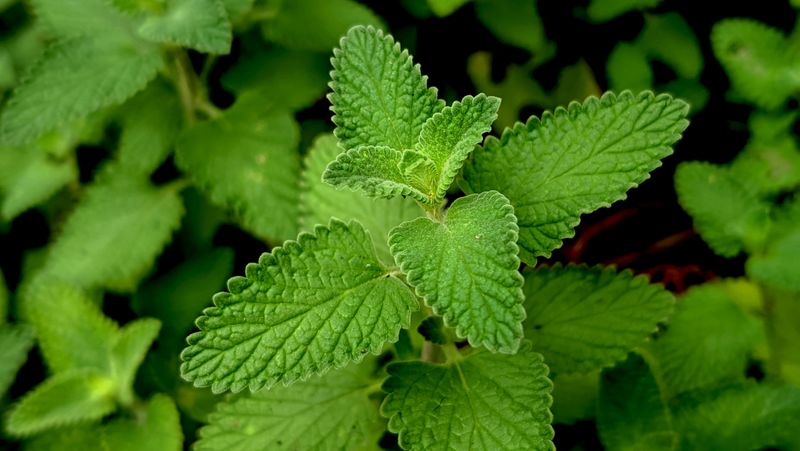
Catnip is famous for sending cats into a rolling frenzy, but the compound responsible for that reaction, nepetalactone, is a serious tick and mosquito repellent.
A study from Iowa State University found nepetalactone to be significantly more effective than DEET at repelling mosquitoes in controlled lab conditions. The findings show promising implications for tick deterrence as well.
Growing catnip is almost embarrassingly easy. It spreads enthusiastically, tolerates poor soil, and comes back stronger every year as a perennial.
Plant it in containers if you are worried about it taking over a garden bed, or let it naturalize along a fence line where you want heavy coverage.
The scent is strongest when leaves are bruised or brushed against, so placing it along pathways makes a lot of sense.
Fresh catnip sprigs tucked into outdoor furniture cushions or near seating areas add an extra layer of protection when you are spending time outside.
Beyond ticks, the plant also deters aphids, flea beetles, and squash bugs, making it a broad-spectrum garden ally. Pollinators love the small tubular flowers, so bees and butterflies will thank you too.
For a plant that costs almost nothing to grow and spreads on its own, the return on investment here is genuinely impressive for any home gardener.
How To Plant Them Together For Maximum Effect
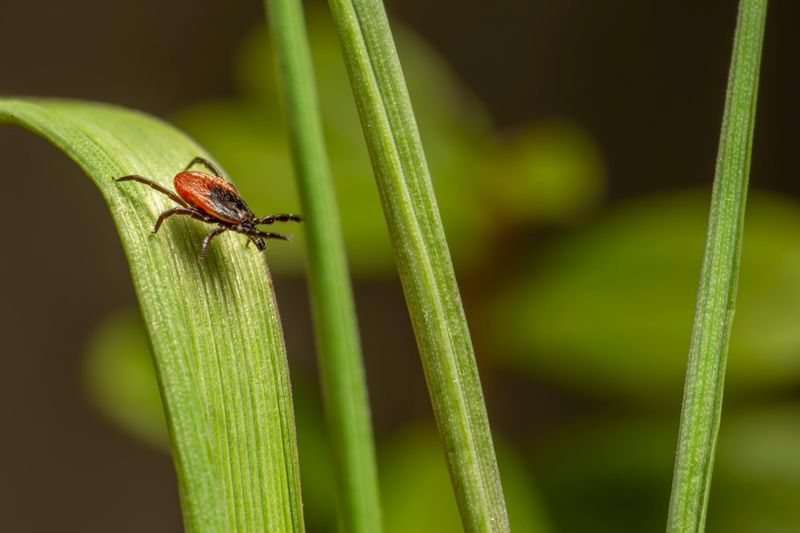
Layering repellent plants together is where the real magic happens.
A single catnip plant near the patio is helpful, but combining it with a row of Beautyberry shrubs and a border of chrysanthemums creates overlapping scent zones that cover far more ground.
Ticks navigating toward your yard encounter multiple deterrents before they ever reach your lawn chairs.
Think about your yard in zones. The outer border, where grass meets woods or a fence line, is your first barrier.
Plant Beautyberry shrubs there since they are tall, dense, and native to the region. Move inward with chrysanthemums as a mid-layer along garden beds and pathways.
Use catnip as a low-growing front edge near seating areas and doors.
Watering needs for all three plants are moderate once established, so they work well together without complicated irrigation setups. Mulching around them helps retain moisture and reduces weeds that might otherwise crowd out your repellent plants.
Trim catnip back after it flowers to encourage fresh growth and keep the scent potent through the season. Refresh chrysanthemum plantings each fall for continuous coverage.
Design your yard with these plants and you change the equation entirely. Ticks struggle to gain any foothold.
You stop worrying. And every inch of your outdoor space becomes yours again, fully, freely, without looking over your shoulder.
Lavender, Rosemary, And Lemon Balm Still Deserve A Spot In Your Yard

Not every tick-fighting plant needs its own spotlight, but these three absolutely deserve a mention.
Lavender, rosemary, and lemon balm each carry strong aromatic compounds that ticks find deeply off-putting. They also happen to be beautiful, useful in the kitchen, and incredibly easy to maintain in Virginia’s climate.
Lavender thrives in hot, dry spots where other plants struggle. Line a sunny driveway edge or a stone path with it, and you create a fragrant corridor that ticks avoid.
Rosemary does similar work and doubles as a year-round cooking herb.
Its woody stems hold their scent well into the cooler months, making it one of the longer-lasting aromatic plants in a Virginia garden.
Lemon balm spreads fast, so growing it in containers keeps it from taking over. The citrusy scent confuses insects and makes it harder for them to locate hosts nearby.
Planted near outdoor dining areas, it makes evenings outside noticeably more pleasant.
All three of these herbs attract pollinators, smell wonderful to humans, and serve multiple purposes beyond tick control. Adding them to the mix rounds out your backyard defense system beautifully.
Together with Beautyberry, chrysanthemums, and catnip, these herbs help transform your outdoor space into a place where ticks simply do not want to be.
Why Virginia Has A Tick Problem
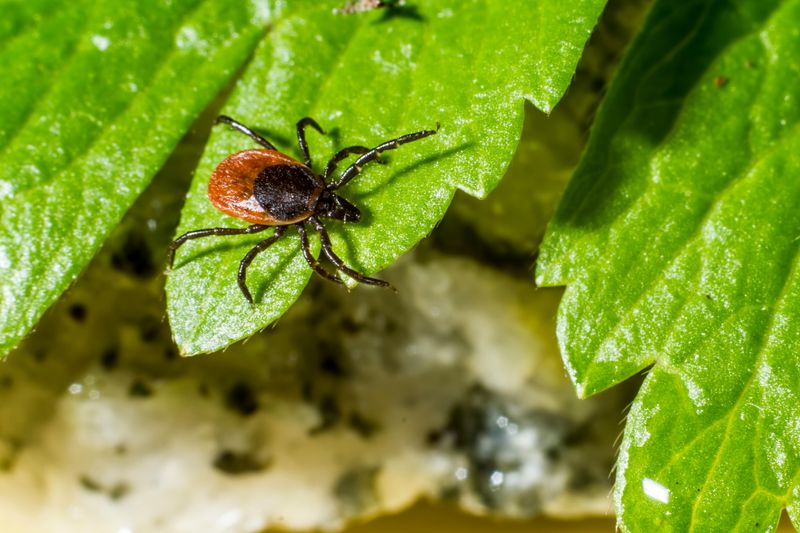
Virginia consistently ranks among the top states in the country for tick-borne illness reports.
The humid summers, dense forests, and mild winters create a near-perfect environment for ticks to thrive year-round.
Blacklegged ticks, also called deer ticks, are the most common culprits, and they are active even in cooler months.
Suburban neighborhoods sit right at the edge of woodland habitats, which means ticks do not have far to travel to reach your lawn.
Deer, mice, and other wildlife carry them straight into your yard without you even knowing. A single deer walking through your garden can carry ticks directly into your yard.
Warm winters have made the problem worse over the past decade. Ticks that once froze out during cold snaps are now surviving longer and reproducing in bigger numbers.
According to the Virginia Department of Health, Lyme disease cases in the state have increased significantly over the past decade.
The great news is that your garden can be part of the solution.
Planting strategically around yard borders, walkways, and rest areas creates a natural barrier. One that discourages ticks from moving in and setting up camp on your property.
How Plants Actually Repel Ticks
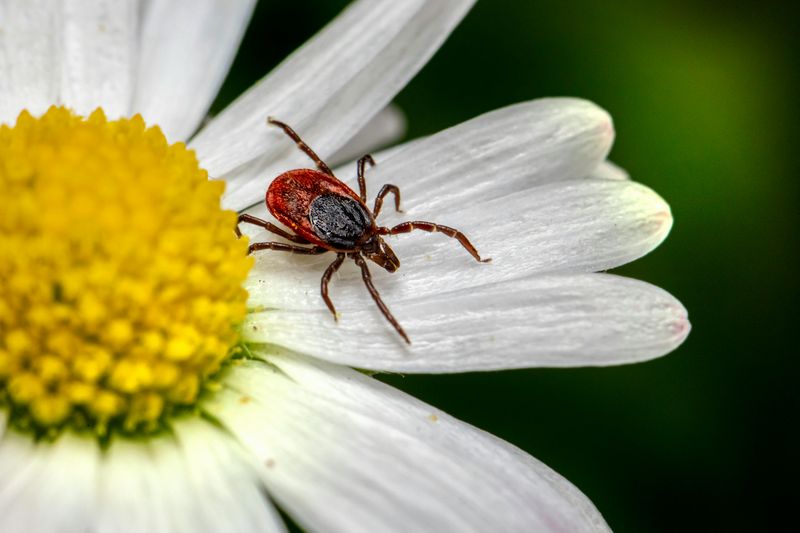
Plants do not just sit there looking pretty. Many of them are chemical factories, constantly producing compounds that protect them from insects, fungi, and other threats.
Some of those same compounds happen to send ticks running in the opposite direction.
Essential oils like nepetalactone, found in catnip, and pyrethrin, found in chrysanthemums, directly affect the nervous system of insects and arachnids.
Ticks pick up these scents through sensory organs on their front legs. When the smell is strong enough, they simply avoid the area entirely rather than risk exposure.
Planting these species near entry points, garden borders, and outdoor seating areas creates what researchers sometimes call an olfactory barrier. It is not a forcefield, but it meaningfully reduces tick activity in treated zones.
USDA research has documented the tick-repelling properties of American Beautyberry specifically, with findings that rival the effectiveness of DEET.
The effect gets stronger when multiple repellent plants grow together, layering scents and creating a broader zone of protection.
You are not replacing every other precaution. You are stacking the odds in your favor, with something that works passively, every single day, without you lifting a finger.