The Old Ohio Belief Behind Seeing Bats Flying Low Over Your Garden
Few backyard visitors divide opinion the way bats do. Some people lean in.
Others take a step back. But when they fly low over an Ohio garden at dusk, almost everyone stops what they are doing and watches.
Ohio and the broader Midwest carry a deep tradition of belief around bats and what their behavior signals. Some of it traces back to Indigenous knowledge rooted in this landscape for generations.
Some comes from the rural Appalachian and farming traditions that shaped how Ohioans read the natural world around them. A bat flying low is not random and it is not just about insects.
People across generations attached real meaning to this behavior. What they believed, and what the natural history actually shows, tell two stories worth knowing.
They sit comfortably alongside each other.
1. See A Garden Helper In The Dusk
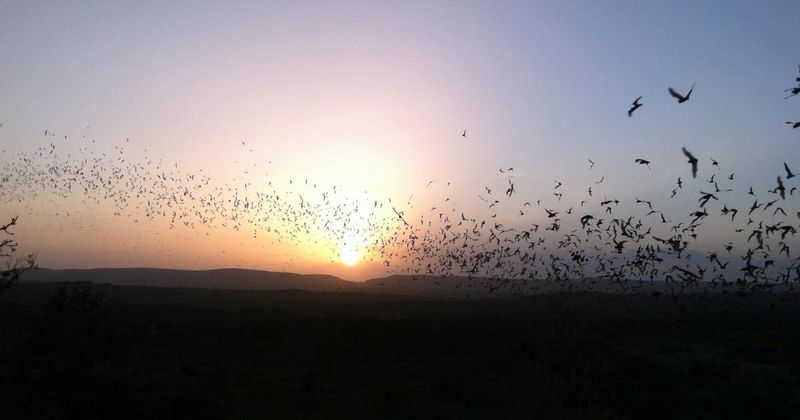
Picture this: the sun has just dipped below the tree line, the fireflies are starting to flicker, and a small dark shape begins swooping over your garden beds.
That little visitor is most likely a bat on the hunt for insects, and it probably has nothing to do with any old warning or omen.
Bats in the Buckeye State are most active around dusk and into the night. According to the Ohio Bat Working Group, many species become active shortly after sunset when flying insects are also most abundant.
Gardens are especially attractive because plants, damp soil, and outdoor lights all tend to draw insects in large numbers.
Seeing a bat fly low does not mean something is wrong. It usually means the insect activity in your yard is high enough to bring wildlife in for a closer look.
Ohio State University Extension notes that bats are native mammals that play a natural role in local ecosystems. The best thing you can do as a gardener is observe from a distance and enjoy the moment.
Avoid startling the bat, keep pets inside during peak bat activity hours, and let the evening visitor do its thing without interference.
2. Trust The Bat Not The Bad Omen
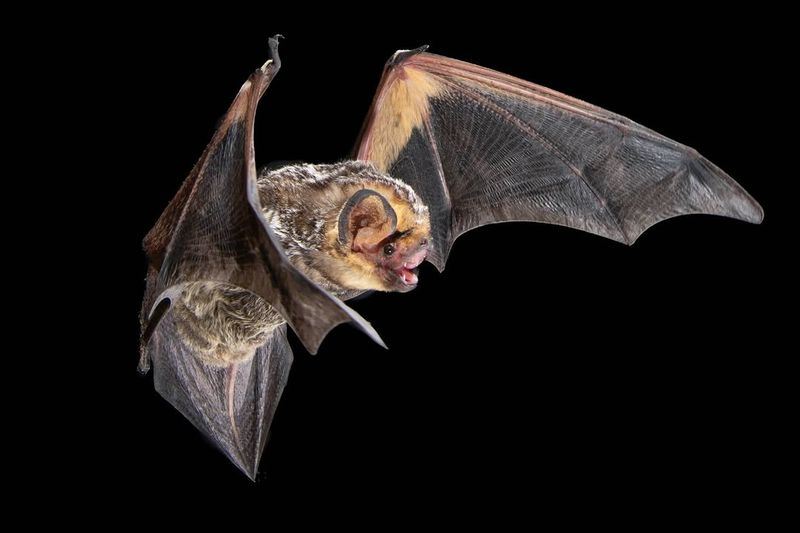
Old-time beliefs often turned unusual animal behavior into warnings. A bat flying low over the garden was sometimes seen as a sign of trouble ahead, whether that meant a storm, bad luck, or some kind of garden curse.
These stories were passed down with real conviction, and in some rural communities, they still get told around the fire.
But wildlife professionals are clear: bats are not omens. Their behavior is driven by biology, not prophecy.
The Ohio Department of Natural Resources describes bats as important native mammals. Their movements are shaped by food availability, weather, roost locations, and seasonal changes.
A bat flying low over your yard is responding to its environment, not sending you a message.
Replacing fear with curiosity is the better approach. If you spot a bat near your garden, take a moment to notice what else is happening.
Are there gnats near the compost bin? Moths near the porch light?
Your Ohio Garden Changes Every Week. Your Plan Should Too.
Gardening in Ohio changes quickly throughout the season. Every Friday you’ll receive a simple weekly plan showing exactly what to plant, prune, fertilize, harvest, and protect so you never miss the right timing.
Mosquitoes hovering over the flower beds? Those details tell a more accurate story than any folklore warning ever could.
Avoid spreading bat myths to neighbors or children. Calm, fact-based conversations about bats help communities treat wildlife with the respect it deserves.
3. Read The Flight As Feeding Behavior
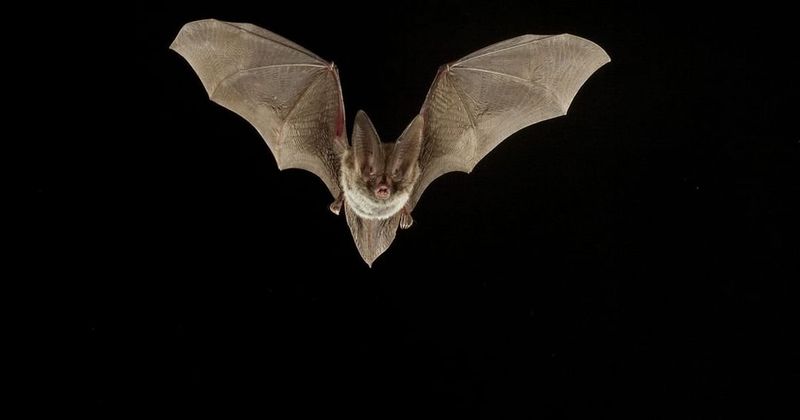
Watch a bat fly for even a few seconds and you will notice something remarkable. It does not travel in a straight line.
It swoops, turns sharply, dips low, and then climbs again. That erratic pattern is not random.
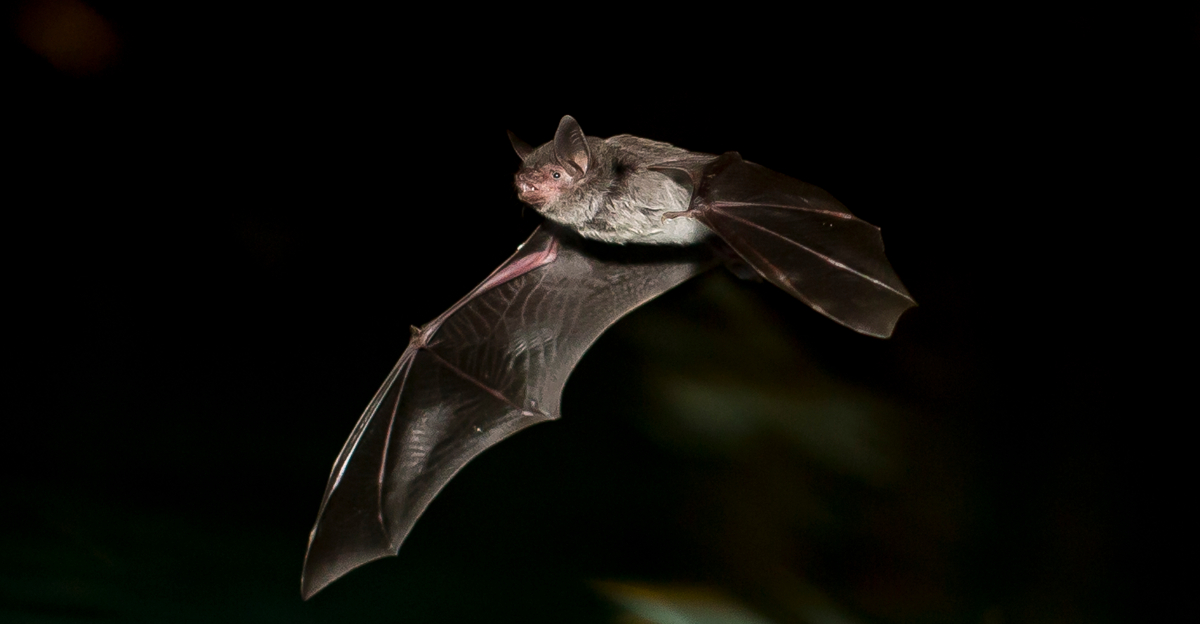
Every twist and turn is a hunting move, driven by echolocation as the bat tracks a flying insect in real time.
Many bat species found in this region are insectivores, meaning insects make up their entire diet. The Ohio Bat Working Group confirms that species like the little brown bat and the big brown bat are common in gardens.
They commonly feed on moths, beetles, gnats, and mosquitoes. When a bat flies low over your garden, it is likely chasing prey that is hovering near your plants or soil.
Low flight does not mean the bat is trying to approach you or your pets. It is simply following the insects wherever they go, and insects often stay close to the ground near flowers, mulch, and garden beds.
Watch quietly from your porch or a safe spot a few feet back. Notice whether the bat keeps returning to the same area.
That pattern often reflects where insect activity is concentrated in your yard that evening.
4. Treat Low Flying Bats As A Nightly Bug Hunt
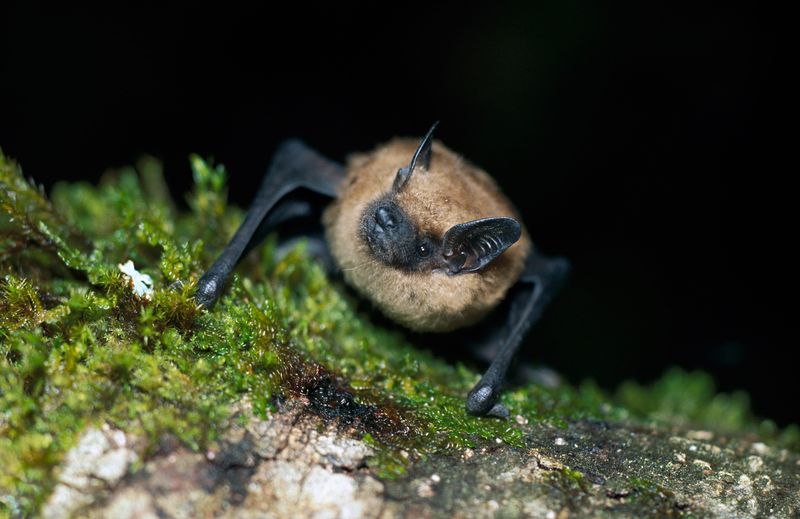
Every evening around dusk, something quiet and efficient happens over many backyards. Bats emerge from roosts in trees, attics, or bat houses and begin scanning the air for food.
Garden beds are often prime territory because so many flying insects gather there after dark.
Low-flying bats near your vegetable patch or flower garden are almost always following an insect trail. Gnats rise from damp soil.
Moths hover around blooming plants. Mosquitoes cluster near standing water or dense vegetation.
Bats pick up on these movements using echolocation and adjust their flight path to stay close to the action. That is why they sometimes appear to skim the tops of your plants.
One practical tip from university extension guidance is to review your outdoor lighting setup. Bright lights left on all night attract large numbers of flying insects, which can pull bats closer to the house than you might prefer.
Switching to yellow or amber bulbs, or using motion-activated lights, can reduce insect buildup near entryways. There is no reason to panic if one bat passes through your garden.
A single bat moving through at dusk is a normal part of backyard ecology in this state, not a sign of an infestation or a cause for alarm.
5. Watch Bats Follow The Backyard Buffet

A well-planted garden is basically an open invitation for flying insects, and where insects go, bats tend to follow. Flowering plants attract pollinators and other small insects.
Compost areas draw gnats and beetles. Ponds or birdbaths create moisture that many insects need.
Even fruiting plants can bring in certain flying insects during warm months.
None of this is a problem. A yard that supports a range of insects is a healthy, balanced yard.
OSU Extension encourages gardeners to think of their outdoor space as a small ecosystem where many creatures play a role.
Bats are one of those creatures, and their presence near a busy garden is usually a sign that the space is ecologically active rather than something to worry about.
Choosing native plants is one of the best steps a gardener can take to support that balance. Native plants tend to attract native insects, which in turn attract native wildlife like bats and birds.
Reducing unnecessary pesticide use also helps. Pesticides can reduce the insect populations that bats depend on for food.
University extension guidance recommends spot treatments over broad spraying when pest control is needed. Keeping the yard balanced, not sterile, is what makes it a welcoming place for helpful wildlife like bats.
6. Spot The Pest Control Flying Overhead
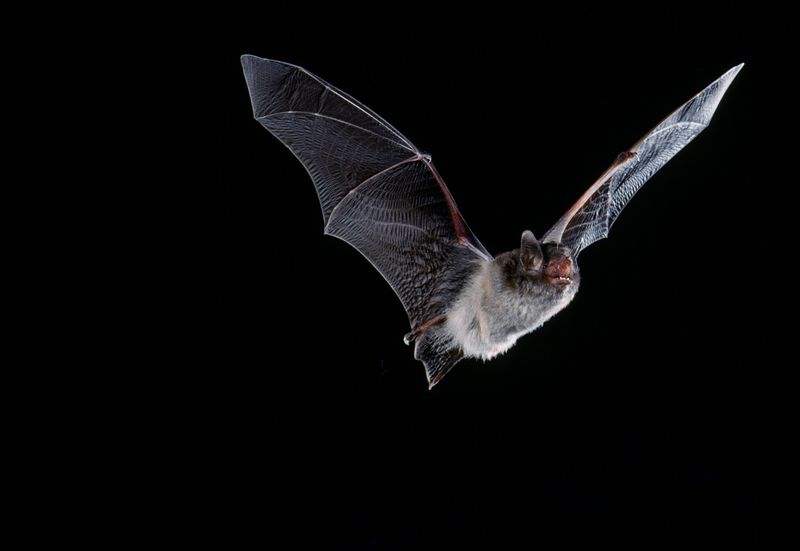
Gardeners spend a lot of time and energy managing insects. Aphids, beetles, gnats, and moths can all cause headaches in the vegetable patch or flower bed.
What many people do not realize is that a bat passing overhead may already be helping with that problem in its own quiet way.
Bats eat flying insects, and they can consume a large number of them during a single night of feeding. OSU Extension and the Ohio Department of Natural Resources both describe bats as beneficial native mammals in part because of their insect-feeding habits.
That said, it is important not to overstate the benefit. Bats are one helpful part of a healthy yard, not a complete solution to garden pest problems.
Supporting bat habitat safely is something any gardener can do. Protecting mature trees when possible gives bats natural roosting options.
Reducing unnecessary outdoor disturbances at night, like loud activity or bright lights near tree lines, helps bats feel comfortable moving through the area. Avoid direct contact with bats at all times.
If you ever find a bat that appears injured or is on the ground during the day, do not handle it yourself. Contact a local wildlife rehabilitator or your county health department instead.
Keeping that boundary is important for both your safety and the bat’s well-being.
7. Turn Folklore Into A Smarter Garden Clue
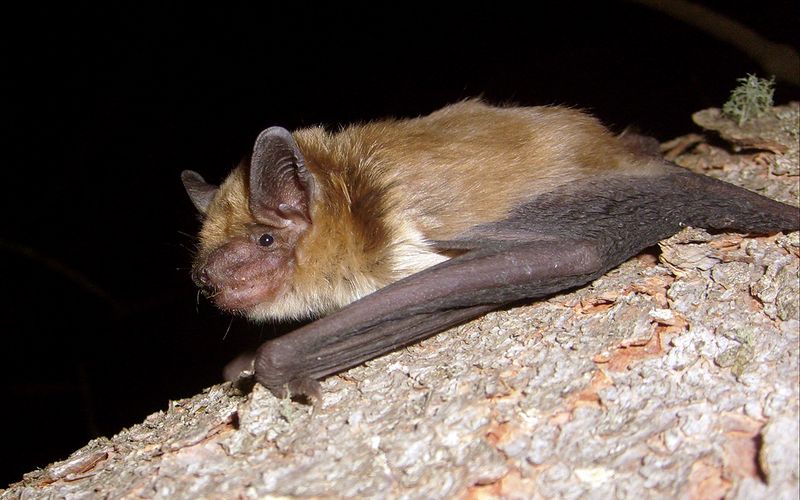
Old beliefs about low-flying bats do not have to be dismissed entirely. Even if they are not scientifically accurate, they can still point a curious gardener in a useful direction.
When your great-grandmother said a bat flying low meant something was coming, she was paying close attention to her yard. That habit of observation is actually worth keeping.
A bat flying low over your garden in the evening can serve as a prompt to look more closely at what is happening in your outdoor space. Check for standing water that may have collected in pots, low spots in the lawn, or blocked gutters.
Standing water is a common breeding spot for mosquitoes and other insects that attract bats. Noticing insect activity near certain plants or areas of the yard can also help you make smarter choices about plant placement and garden care.
Review how you use outdoor lighting. Lights left on all night near garden beds can create insect hotspots that pull wildlife closer to your home than expected.
Switching to timers or motion sensors is a simple fix. The old belief becomes a doorway to smarter, more observant gardening when you use it as a starting point rather than a final answer.
Curiosity beats superstition every time.
8. Replace Fear With Ohio Bat Facts
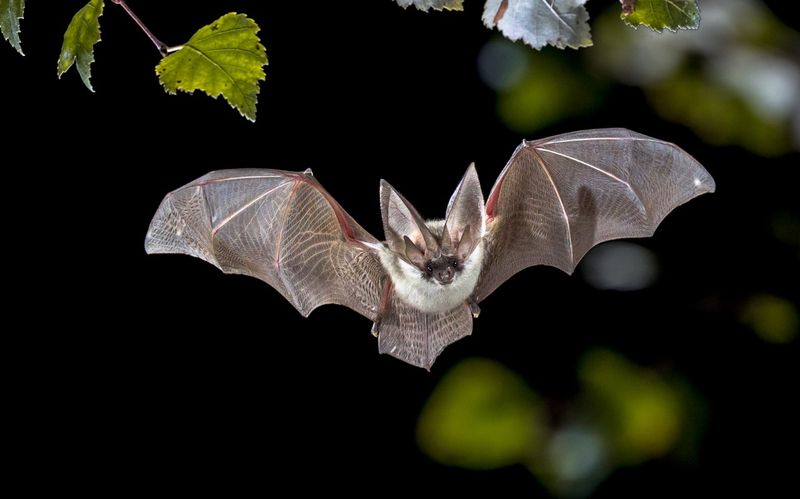
Wrapping up everything covered here, the main takeaway is straightforward. Bats flying low over your garden are almost always doing something completely normal.
They are usually feeding on flying insects during their active hours around dusk and nighttime. The old Buckeye State belief that low-flying bats signal something ominous is a piece of folklore worth knowing, but not worth worrying over.
The Ohio Bat Working Group, the Ohio Department of Natural Resources, and OSU Extension all agree that bats are valuable native mammals. They eat insects, they use echolocation, they roost in trees and structures, and they move through local gardens as part of their natural routine.
Enjoying that sight from a safe distance is the best response a gardener can have.
If a bat ever shows up inside your home, seems unable to fly, or is found on the ground during daylight hours, do not handle it. Contact your local health department or a licensed wildlife rehabilitator right away.
Those situations call for professional help. For the everyday bat that swoops over your tomatoes at dusk, simply watch, appreciate, and let it pass.
Local wildlife, native plants, and curious gardeners all share the same backyard. There is plenty of room for all of them.