9 Time-Tested Gardening Tricks Passed Down By Indiana Grandparents
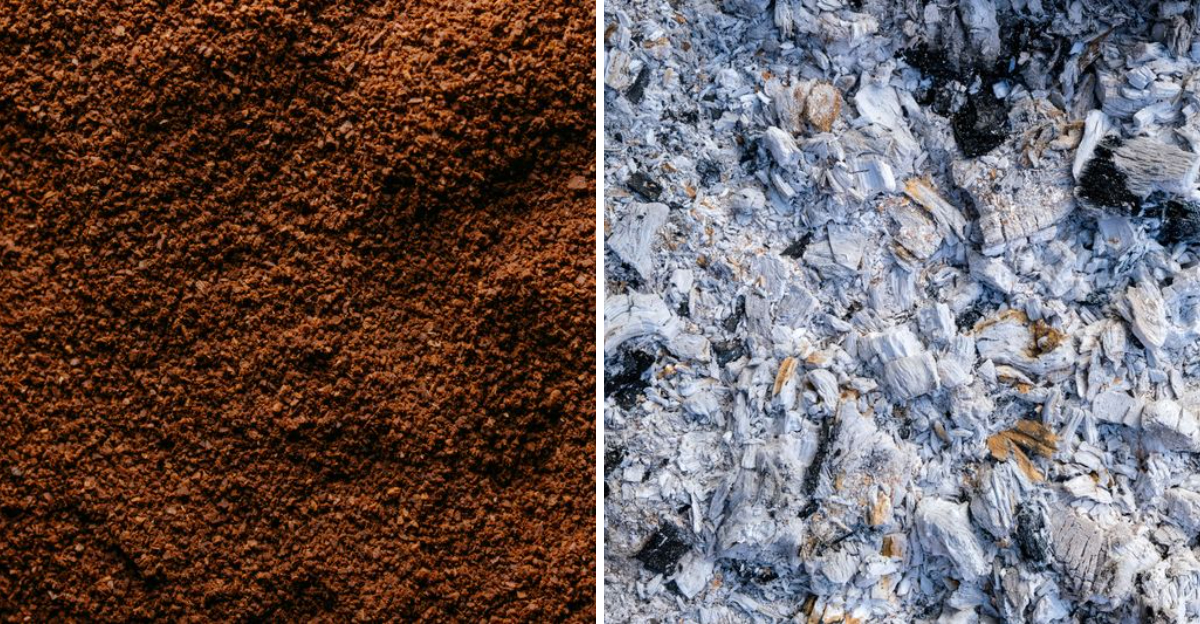
There’s a particular kind of porch in southern Indiana where the screen door never quite shuts right, and that’s usually where the best garden advice gets handed down.
An Indiana grandmother once told her grandkids that everything she knew about growing a thriving garden came from watching, not reading.
No manuals, no fancy courses, just decades of quiet observation and a stubborn refusal to waste anything.
What she passed down wasn’t flashy, but it seemed to work reliably for her, season after season, in soil that wasn’t always cooperative.
These are the kinds of secrets that never made it into a magazine. They lived in the space between generations, shared over fences and during long afternoons pulling weeds side by side. Some sound almost too simple to matter.
Others feel like they shouldn’t work at all. But grandparents rarely explained the why behind their methods. They just knew results when they saw them.
1. Eggshells Scattered Around Plants Deter Slugs
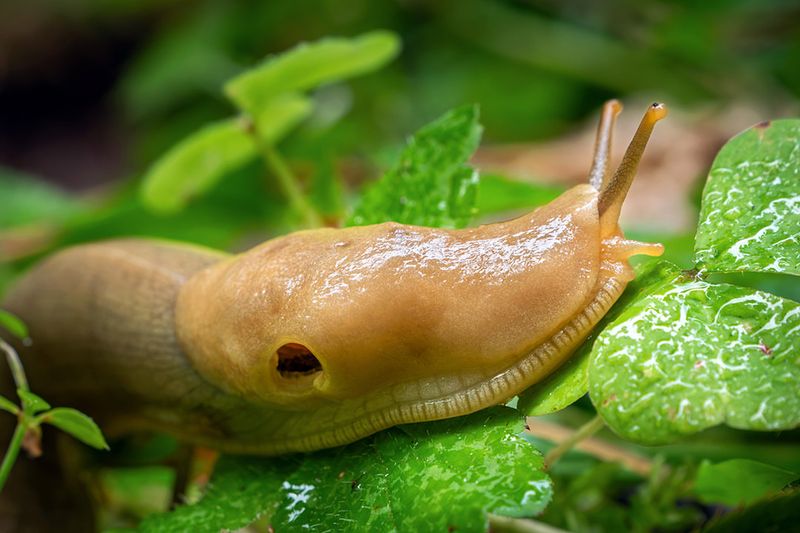
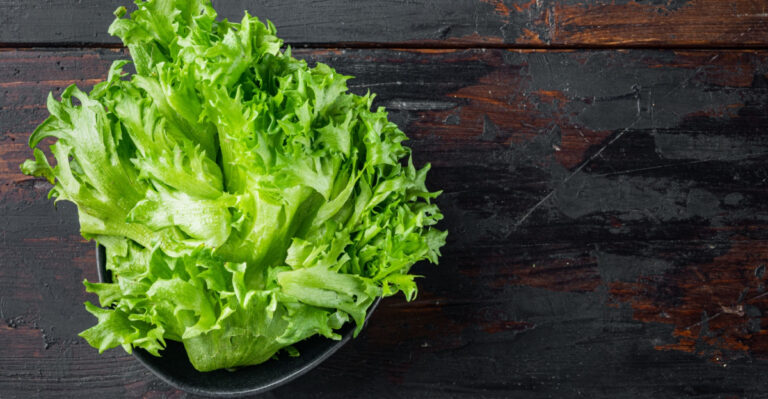
Slugs are common garden pests. They move through your garden at night and damage lettuce leaves before sunrise.
Grandma had a fix for that, and it cost her exactly nothing. She saved every eggshell from breakfast and crushed them into jagged little pieces.
Scattered around plant stems, those sharp edges are believed to feel like broken glass under a slug’s soft body. Results vary, since eggshells soften once the soil gets damp, but many gardeners still swear by the method.
Eggshells also break down slowly in the soil, adding trace calcium as they go. That said, blossom end rot is usually caused by inconsistent watering rather than a lack of soil calcium, so eggshells alone won’t fix it.
Rinse the shells before using them to avoid attracting pests with leftover egg residue. Let them dry on the counter for a day or two, then crush them with your hands or a rolling pin.
Spread a ring about two inches wide around each plant base. Refresh after heavy rain washes them away or pushes them into the soil.
Collect shells in a bowl on the kitchen counter all week long. By the weekend, you will have enough to protect a solid section of your garden bed.
These time-tested gardening tricks from Indiana grandparents prove that the best solutions are often sitting right in your kitchen, waiting to be put to work.
2. Coffee Grounds Boost Nitrogen For Greens
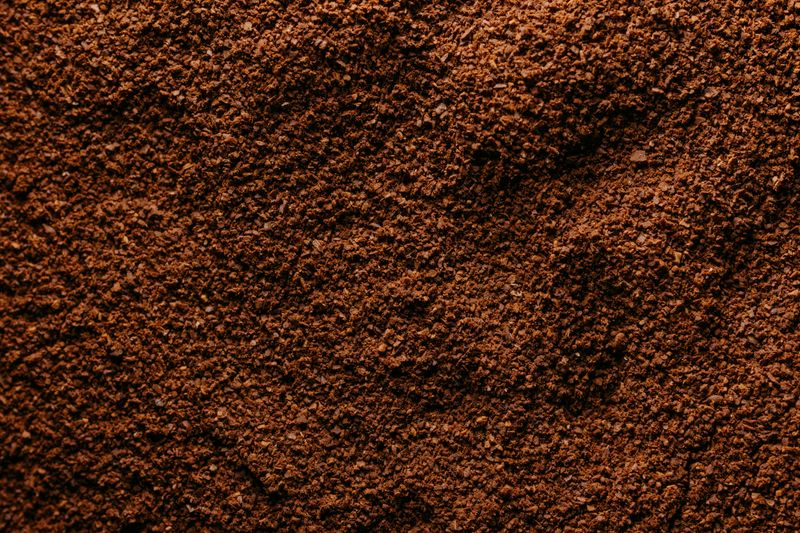
Your morning cup of coffee can do double duty. After you brew it, do not toss those dark, damp grounds in the trash.
Used coffee grounds contain nitrogen, which leafy greens like spinach, lettuce, kale, and Swiss chard can benefit from over time as the grounds slowly break down.
Sprinkle a thin layer of grounds around the base of your greens once a week. Too thick a layer can compact and block water from reaching roots, so keep it light.
Grounds also attract earthworms, which are basically tiny underground farmers. More worms mean better soil aeration and richer organic matter throughout your garden bed.
Your Indiana Garden Changes Every Week. Your Plan Should Too.
Gardening in Indiana changes quickly throughout the season. Every Friday you’ll receive a simple weekly plan showing exactly what to plant, prune, fertilize, harvest, and protect so you never miss the right timing.
Ask your local coffee shop for their leftover grounds if you do not brew enough at home. Many shops bag them up for free and set them out for gardeners.
Mix the grounds lightly into the top inch of soil rather than leaving them on the surface. That helps them break down faster and release nutrients more evenly.
Used coffee grounds are actually close to neutral in pH, so their effect on soil acidity is smaller than often assumed. They still make a fine addition around greens, blueberries, and tomatoes.
Grandma never wasted a single scoop. She knew that free fertilizer from the coffee pot was one of those time-tested gardening tricks worth repeating every single season.
3. Epsom Salt Helps Tomatoes Grow Sweeter
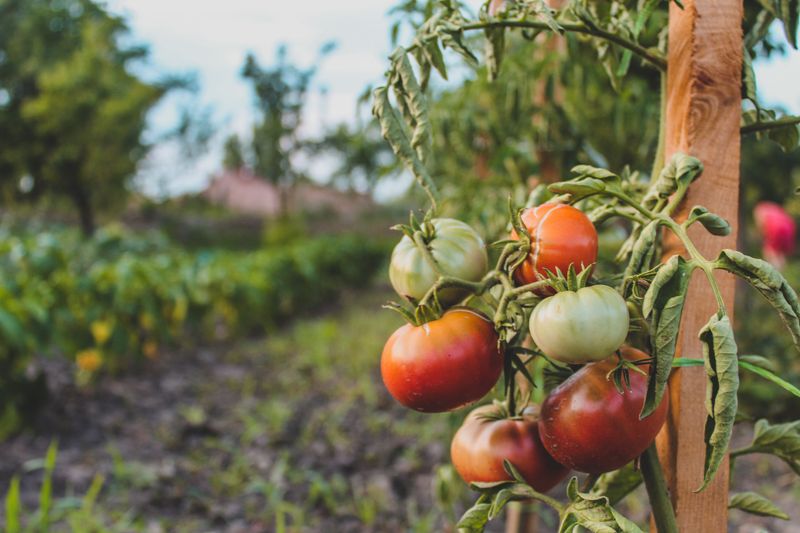
Sweet, juicy tomatoes do not happen by accident. Behind every great tomato is a gardener who understood what the plant actually needed beneath the soil.
Epsom salt contains magnesium and sulfur, two nutrients tomatoes burn through fast during the growing season. Low magnesium leads to yellowing leaves and bland, watery fruit.
Mix one tablespoon of Epsom salt into a gallon of water. Water your tomato plants with that solution every two weeks starting when they first flower.
You can also sprinkle a small amount directly around the base of each plant. Just a tablespoon worked into the soil goes a long way for one full plant.
Magnesium supports chlorophyll production, which keeps leaves deep green and photosynthesis running strong.
There is no strong evidence that Epsom salt specifically makes fruit taste sweeter, but it can help if your soil is genuinely low in magnesium.
Gardeners across the Midwest have sworn by this trick for generations. It costs about two dollars for a bag that lasts an entire growing season. Do not overdo it, though.
Too much magnesium can interfere with calcium absorption and lead to other nutrient problems down the line. Start with the recommended dose and watch how your plants respond before adding more.
Healthier plants are within reach, and this old trick remains a favorite among gardeners, even if the sweeter fruit effect is more folklore than proven science.
4. Banana Peels Feed Roses With Potassium

Roses have specific nutrient needs and benefit from regular feeding. They bloom beautifully when fed right, and potassium is one nutrient they truly cannot get enough of.
Banana peels are packed with potassium, plus traces of calcium and phosphorus. Grandpa used to bury them right beside the rose roots without a second thought.
Chop or tear the peel into smaller pieces before burying it a few inches deep. Smaller pieces break down faster and release nutrients before the growing season slips away.
You can also dry banana peels in the oven on low heat, grind them into a powder, and sprinkle that powder around the base of each plant. It stores well in a jar for weeks.
Potassium strengthens plant stems, supports flower development, and helps roses fight off disease. Healthy potassium levels also improve a plant’s ability to handle summer heat and drought.
Drop a fresh peel into the planting hole when transplanting a new rose bush. That head start gives roots an early boost right when they need it most.
Do not leave peels sitting on top of the soil surface for long. They attract fruit flies and can look messy if not worked into the ground quickly.
This simple kitchen-scrap trick is one of the most satisfying time-tested gardening moves you can make for a garden that blooms big all summer long.
5. Wood Ash Keeps Aphids Off Cabbage

Aphids are small but persistent pests. They cluster on cabbage leaves in large numbers and can weaken a plant before most gardeners even notice.
Wood ash from a fireplace or fire pit is a classic Hoosier garden remedy some gardeners swear by for cabbage pests, though its effectiveness against aphids specifically isn’t well documented.
Some gardeners believe the ash irritates soft-bodied crawling insects, though aphids mainly feed on leaves above the soil, so results can vary. It also raises the soil pH slightly, which benefits brassicas like cabbage, broccoli, and kale.
Apply wood ash on a calm, dry morning when there is no wind. Wind sends the powder everywhere except where you actually want it to land.
Reapply after rain washes the ash off the leaves. One application will not last the whole season, especially during wet Indiana summers.
Avoid using ash from treated or painted wood, which can contain harmful chemicals. Stick to clean hardwood ash from natural firewood only.
Do not overload the soil with ash, either. Too much raises pH beyond what most vegetables prefer, which can lock out nutrients like manganese and boron.
A modest, consistent application schedule works best. This earthy, old-fashioned trick is a reminder that some time-tested gardening habits are worth trying, even if the science behind them is more anecdotal than proven.
6. Pantyhose Support Heavy Tomato Branches
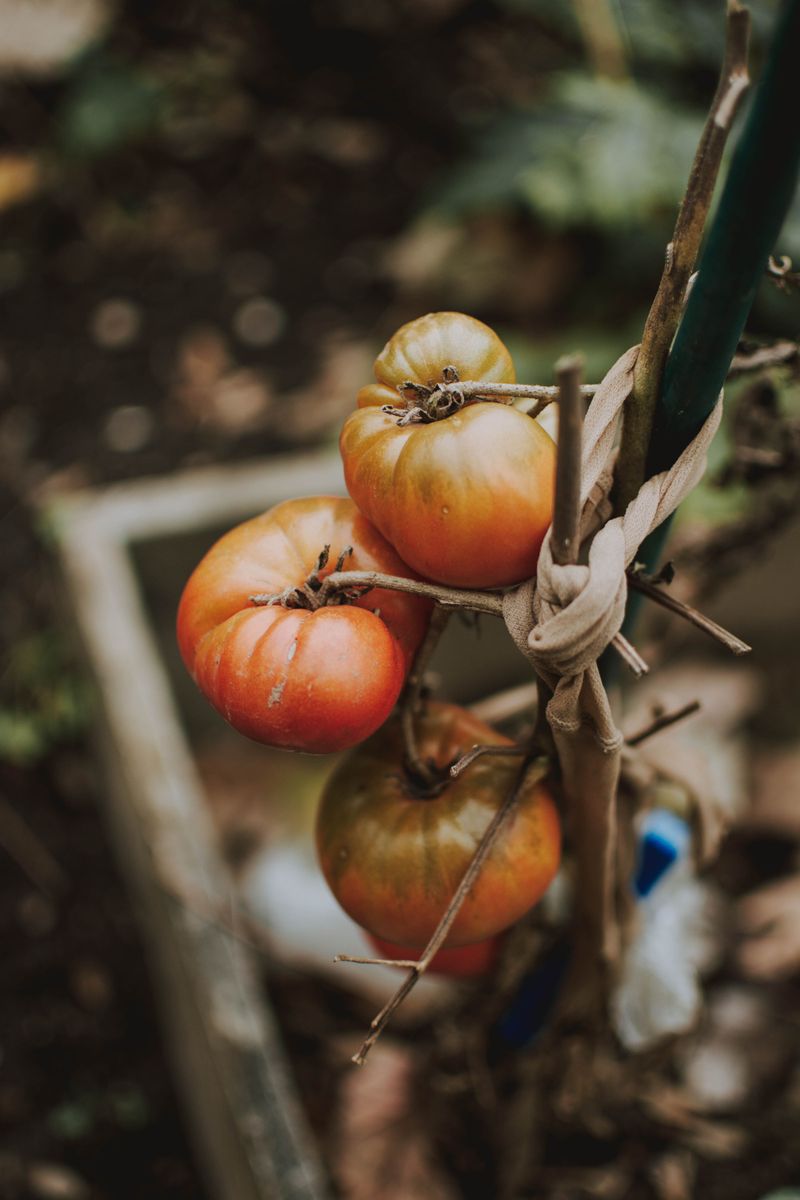
A tomato branch loaded with fruit is a beautiful problem. It is also a branch one strong storm away from snapping clean off the main stem.
Old pantyhose to the rescue. Grandma never threw out a pair with a run in it because she knew exactly where it was headed next season.
Cut the pantyhose into strips and loop them around heavy branches. Tie the other end to a stake or cage wire with a gentle, figure-eight knot.
The stretchy fabric moves with the plant instead of cutting into it. Rigid ties like wire or twine can bite into stems and cause damage as the branch grows thicker.
Pantyhose also holds moisture slightly, which can cushion a branch during windy weather. That flexibility is what makes this trick so much smarter than reaching for the nearest piece of string.
You can use the same strips multiple times if you wash and dry them between seasons. Store them in a small bag with your garden tools so they are ready when you need them fast.
Check the ties weekly as tomato plants grow quickly in midsummer. A branch that felt light in June can become surprisingly heavy by August when fruit is fully forming.
This clever, no-cost trick is a favorite among the time-tested gardening crowd, and once you try it, you will never look at old hosiery the same way again.
7. Vinegar Clears Weeds On Walkways
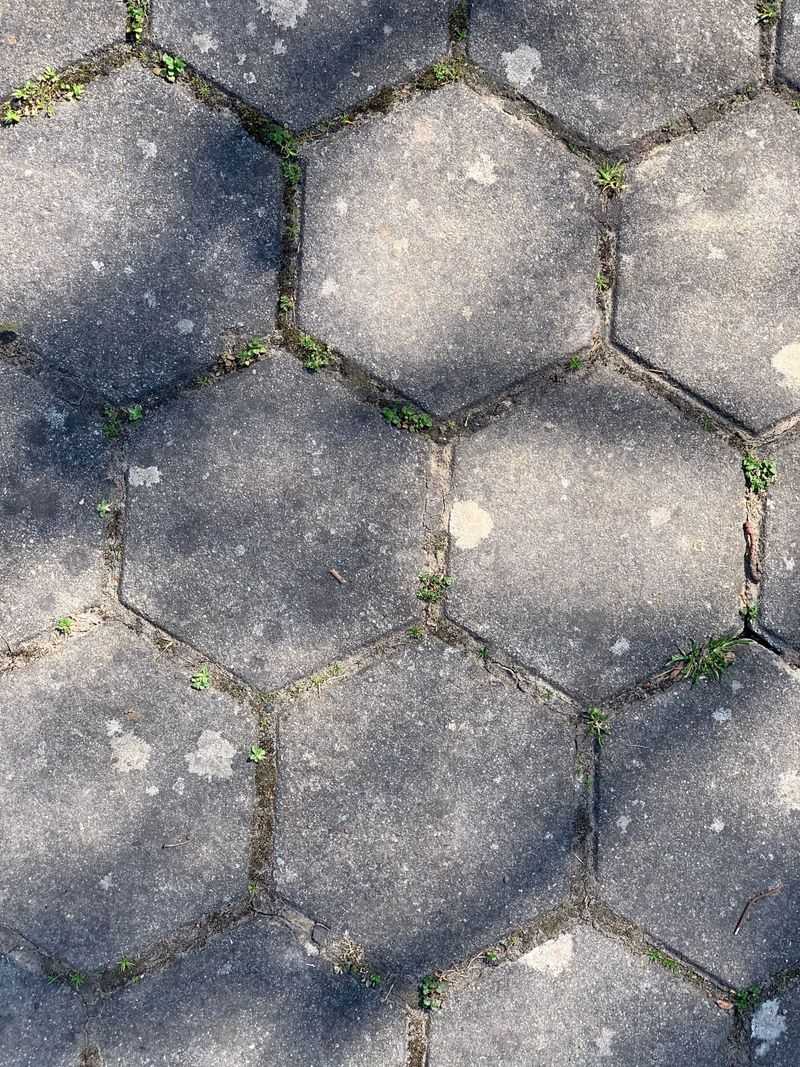
Weeds between walkway bricks are stubborn and tend to return quickly after being pulled. They pop back up days after you clear them from their tiny cracks in the path.
White vinegar is the old-school answer that actually works. Pour it straight from the bottle onto weeds growing in pavement cracks or gravel paths on a hot, sunny day.
The acetic acid in vinegar draws moisture out of plant leaves. Without moisture, the weed wilts and browns within a day or two, roots and all.
Use the strongest vinegar you can find for the toughest weeds. Household vinegar at five percent acidity works on young weeds, but horticultural vinegar at twenty percent handles the stubborn ones faster.
Apply on a dry, sunny afternoon for maximum effect. Sunlight amplifies the acid’s impact and speeds up the wilting process significantly.
Keep vinegar away from garden beds and lawn edges. It does not know the difference between a weed and a flower, so aim carefully and use a funnel or squeeze bottle for precision.
Adding a squirt of dish soap helps the vinegar stick to waxy leaves instead of beading up and rolling off. A pinch of table salt in the mix can boost effectiveness on especially tough patches.
This no-fuss, affordable trick is one of those time-tested gardening habits that every grandparent in the neighborhood seemed to know and use without hesitation.
8. Newspaper Under Mulch Smothers Weeds
Weeds are a common garden nuisance. They compete with plants for water and nutrients and can crowd out the plants you actually want to grow.
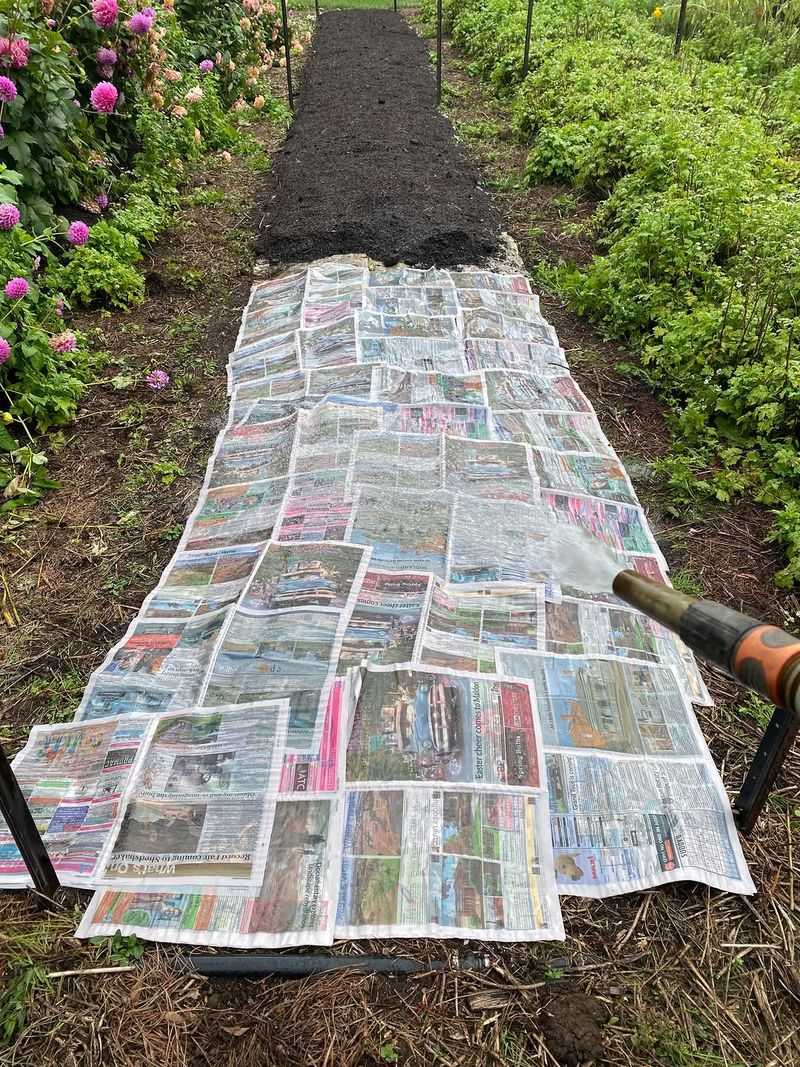
Newspaper laid flat on the soil before mulching is one of the cleverest low-cost fixes around. It blocks sunlight from reaching weed seeds, and without light, those seeds cannot sprout.
Lay sheets five to ten pages thick directly on bare soil between your plants. Overlap the edges by a few inches so weeds cannot sneak through the gaps.
Wet the newspaper thoroughly after laying it down. Damp paper molds to the soil surface and stays in place when you add mulch on top.
Spread two to three inches of mulch over the wet newspaper. Wood chips, straw, or shredded leaves all work perfectly and give the bed a clean, finished look.
As the season progresses, both the newspaper and mulch break down and feed the soil. By the following spring, earthworms have worked most of it into the ground naturally.
Avoid using glossy magazine pages or colored ink sections. Plain black newsprint is safe and breaks down cleanly without leaving harmful residues behind in the soil.
This is one of those time-tested gardening methods that costs almost nothing and saves hours of weeding every single week. Your back will thank you, and your garden will look remarkably tidy all summer long.
9. Marigolds Repel Pests Along Borders
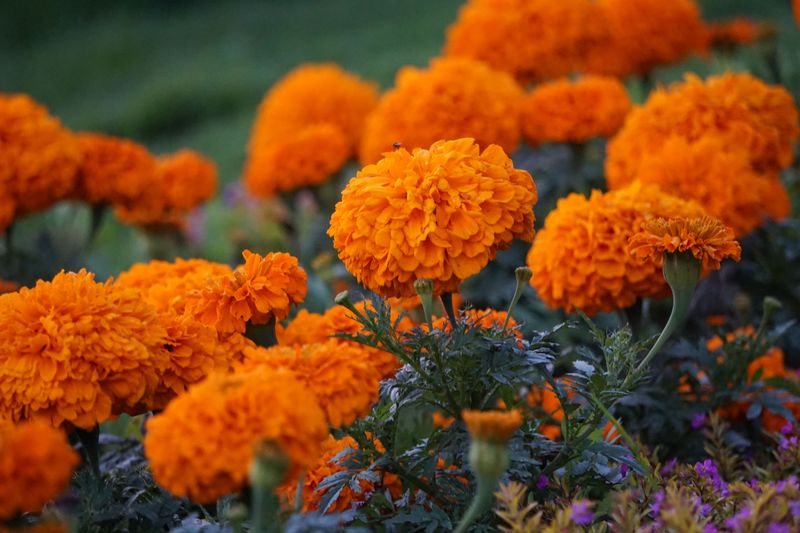
Few flowers are as versatile as the marigold. While it looks cheerful and decorative, it may also offer some pest-deterrent benefits along your garden’s edge.
Marigolds release a strong scent from their roots and foliage that’s believed to discourage some common pests.
French marigolds in particular have research-backed effects against root-knot nematodes, microscopic soil pests that damage tomato and pepper roots underground.
Their impact on aphids and whiteflies, though, is less conclusively proven. Plant them in a continuous border around your vegetable beds for the best protection.
A broken line of marigolds gives pests easy gaps to sneak through, so keep the row full and consistent. French marigolds are especially studied for their effect on root-knot nematodes.
Planting them as a companion crop season after season may help reduce nematode populations over time.
They also attract pollinators like bees and butterflies, which help your vegetable plants produce more fruit. A garden border lined with marigolds is both a possible pest deterrent and a pollinator highway.
Start seeds indoors six to eight weeks before your last frost date. Transplant them outside once nighttime temperatures stay consistently above fifty degrees.
Remove spent blooms regularly to encourage continuous flowering throughout the season. A marigold that stops blooming also stops attracting the pollinators that help your garden thrive.
Grandma planted marigolds every single year without fail. Whether or not they fully lived up to their pest-fighting reputation, they added color and pollinator appeal to the garden every season.