The July Vegetables New York Gardeners Should Pick Every Day For The Best Flavor
Something happens in July that most gardeners never quite catch in the act. Overnight, calm turns into chaos.
The garden barely resembles what you left behind. Growth hides in places you weren’t watching, while other things vanish from where they used to sit in plain sight.
Each day carries a narrow window when the garden hits its best, and missing it means missing it for good, no second chances offered.
Even in New York, where summer moves fast and leaves little room for hesitation, seasoned growers still get surprised by how quickly things turn.
Those who show up daily seem to carry a kind of knowledge the rest of us are missing. Instinct might explain it, or maybe it’s just attention paid when nobody else bothers to look.
New York gardeners, more than most, know that paying attention is the only real advantage you get.
Either way, that difference separates a harvest bursting with flavor from one that simply tastes like wasted effort. So the real question isn’t what’s waiting out there. It’s whether you’ll show up when it counts.
1. Zucchini And Summer Squash
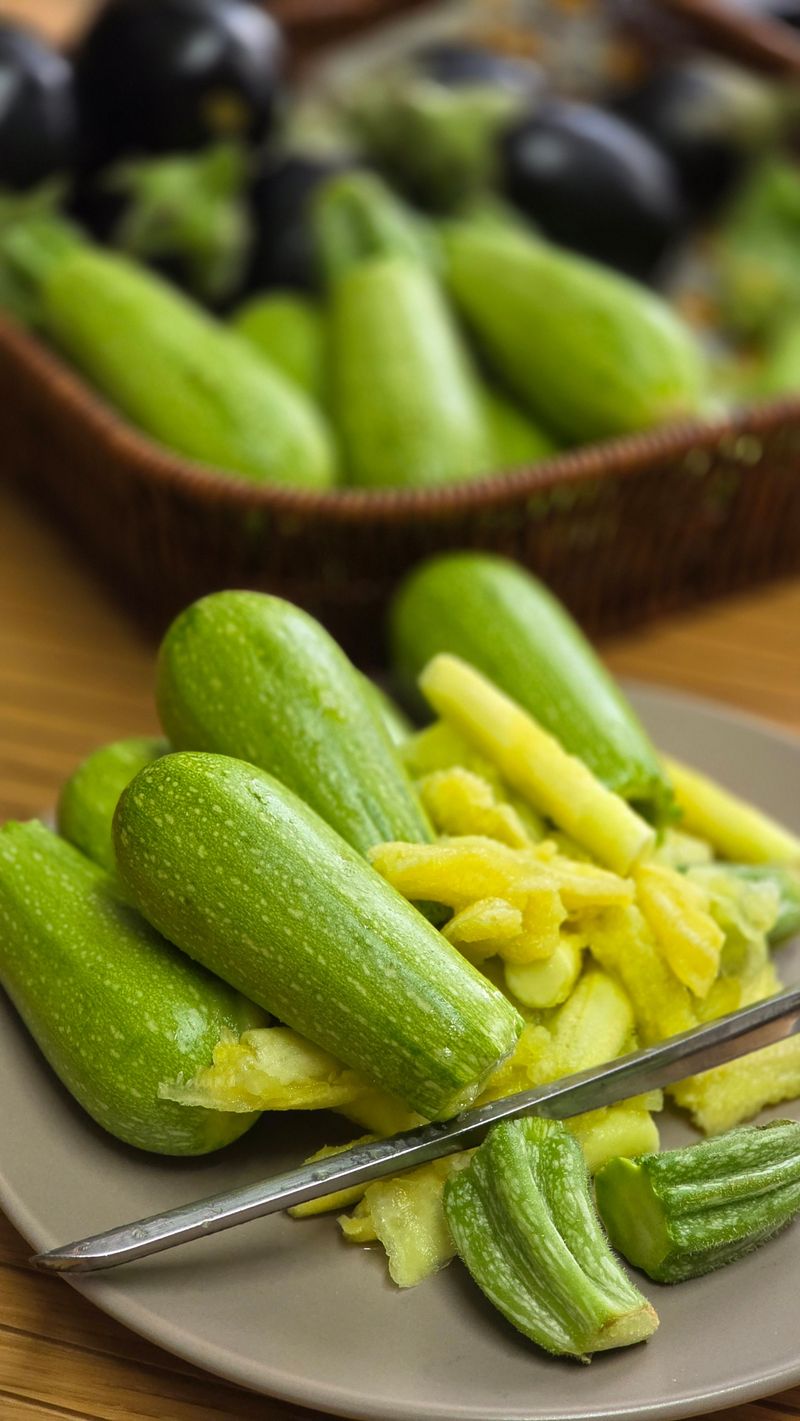
Turn your back on a zucchini plant for one afternoon, and suddenly you’ll find an oversized zucchini. That is not an exaggeration, since zucchini grows faster than almost any other summer crop.
The sweet spot for picking zucchini is when it reaches six to eight inches long. At that size, the skin is tender, the seeds are tiny, and the flavor is mild and buttery.
Wait longer, and the texture turns spongy and the taste goes flat. Summer squash follows the same rule.
Yellow crookneck and pattypan squash should be grabbed when they are still small and firm.
A pattypan the size of a golf ball is far better than one the size of a softball. Daily picking also pushes the plant to keep producing.
When you leave a big squash on the vine, the plant thinks its job is done and slows down. Remove it fast, and the plant sends out new flowers within days. Zucchini blossoms are also edible and delicious.
If you spot an open male flower in the morning, you can snip it and stuff it with cheese or toss it in a salad. That is a bonus harvest most gardeners ignore.
Check under the big leaves carefully every morning. Squash likes to hide, and a missed one can balloon overnight. A good garden flashlight helps if you check at dusk.
The vegetables you need to pick every day in July include zucchini at the top of the list. No other crop punishes neglect faster or rewards attention more generously than this one.
2. Cucumbers
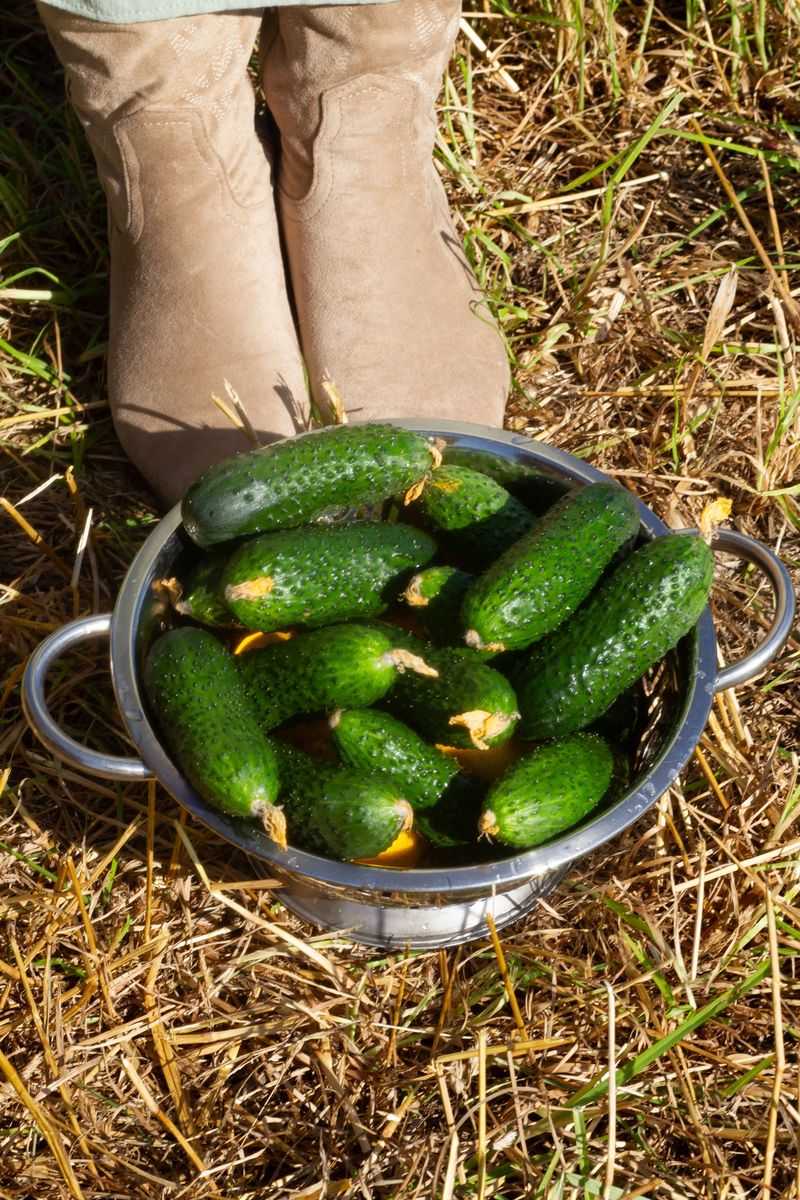
Cucumbers have a reputation for being easygoing, but they are secretly demanding about timing. Pick them too late, and they turn yellow, bitter, and seedy, basically the opposite of refreshing.
The perfect cucumber is dark green, firm, and about six to eight inches long for slicing types. Pickling cucumbers should come off the vine even smaller, around two to four inches.
Your New York Garden Changes Every Week. Your Plan Should Too.
Gardening in New York changes quickly throughout the season. Every Friday you’ll receive a simple weekly plan showing exactly what to plant, prune, fertilize, harvest, and protect so you never miss the right timing.
Once you see a hint of yellow at the blossom end, that cucumber has already passed its prime.
Hot July weather accelerates cucumber development dramatically, and humid summer stretches can intensify the pace. A fruit that looks nearly ready in the evening can be overgrown by the next morning.
That is why checking the vines daily is non-negotiable during peak summer heat, especially for gardeners working with a shorter growing season. Cucumbers left on the vine signal the plant to stop flowering.
The plant shifts its energy toward ripening seeds inside the existing fruit. Pull the ripe ones off quickly, and you keep the production cycle going strong all month.
One trick experienced gardeners swear by is harvesting in the cool of the morning. Cucumbers picked before the heat of the day have a crisper snap and a cleaner flavor.
Refrigerate them right away for the best texture. Vines can be tricky to navigate because cucumbers camouflage themselves among the leaves.
Run your hand gently along each stem every single day. You will be amazed at what you almost missed hiding in the green tangle.
A cucumber at peak ripeness has a cool, clean taste that store-bought versions just cannot match. Show up daily, harvest boldly, and even the busiest New York gardener will find summer salads worth the effort.
3. Green Beans
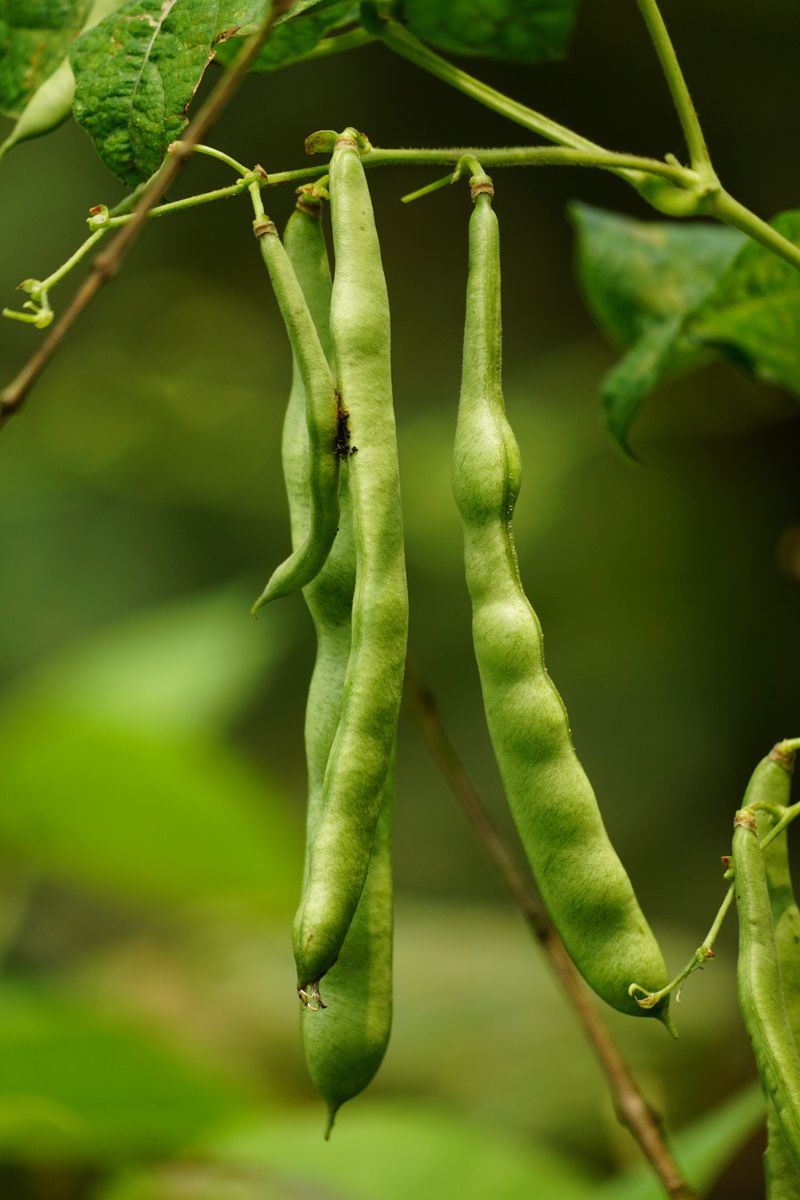
There is something deeply satisfying about snapping a green bean off the vine at just the right moment. It makes a clean, crisp pop, and that sound tells you everything you need to know about freshness.
Green beans are at their absolute best when the pods are slim and the beans inside have not yet bulged. Once you can see the individual bean shapes pressing through the pod, the texture gets tough and the flavor turns starchy.
Slim pods equal sweet, tender beans. July heat pushes green bean plants into overdrive. Pods that were pencil-thin on Monday can be thick and overgrown by Wednesday.
Checking the plants every single day during July is the only way to stay ahead of the harvest window.
Leaving mature pods on the plant sends a clear message to the plant: mission accomplished. The plant slows flower production and focuses on maturing seeds.
Strip off the ready pods daily, and the plant keeps blooming and producing fresh pods all month long.
Bush beans and pole beans behave the same way in this regard. Pole beans might need a step stool to reach the top, but they are worth the effort. The upper pods are often the most tender and flavorful of the bunch.
Briefly blanching fresh green beans and then tossing them in ice water helps preserve their bright color and snappy texture. Eaten that same day, they taste nothing like the limp beans from a can or a freezer bag.
Green beans are one of the vegetables you need to pick every day in July without question. Miss a day, and you will spend the next one cleaning up pods that are already past their prime.
4. Cherry Tomatoes
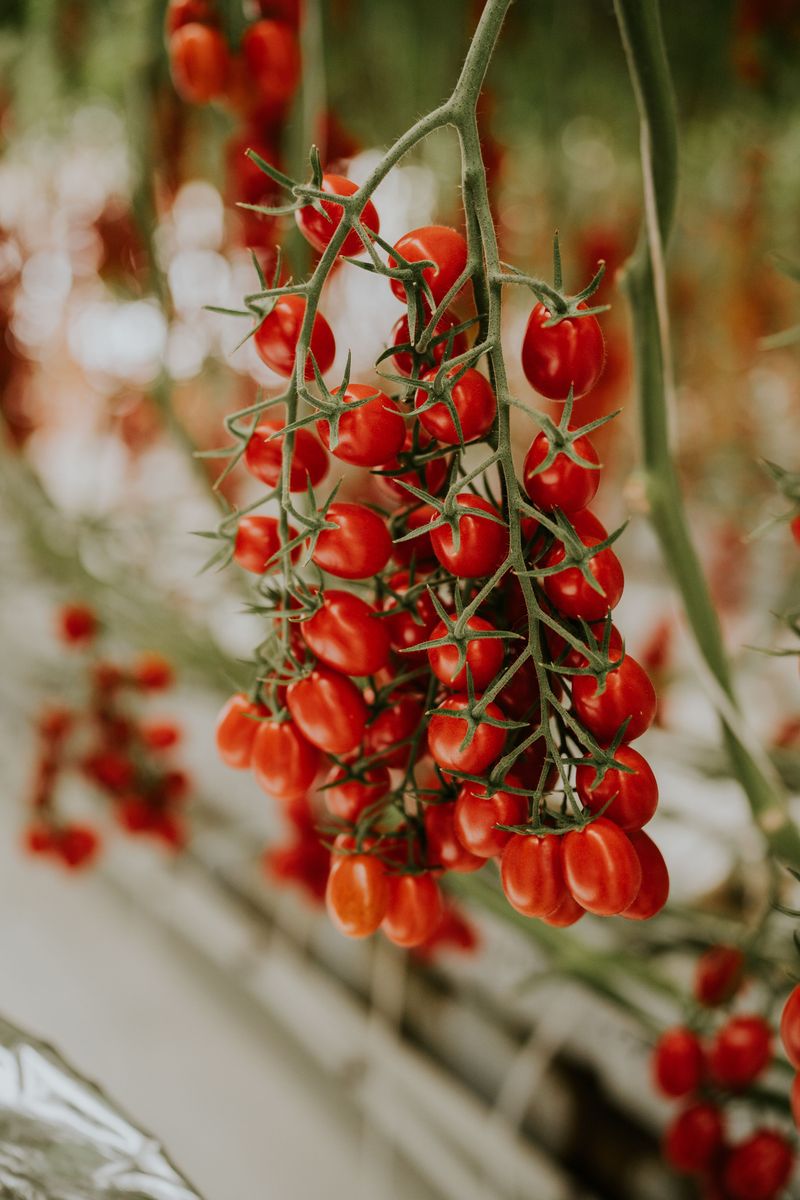
Cherry tomatoes are one of the sweetest crops in the garden, but only if you catch them at the right second. Leave them one day too long, and they split, crack, or fall to the ground and go to waste.
A ripe cherry tomato has deep, even color all the way around and gives very slightly when pressed. It should pull off the stem with almost no resistance.
If you are tugging hard, it needs another day. If it falls into your hand on its own, it is right on time.
July’s warmth often produces some of the season’s most flavorful tomatoes, especially when nights stay in a moderate range. The lycopene that gives them their color develops best within that range, and extreme heat can actually slow it down.
That July sweet spot can produce some of the most intensely flavored tomatoes of the season.
Cracking happens when rain or irrigation follows a dry spell too quickly, since the skin can’t stretch fast enough to absorb the sudden moisture. Picking ripe tomatoes before a rainstorm is one of the smartest moves a home gardener can make.
Different colors ripen at different speeds on the same plant, so check every cluster each morning. A yellow cherry tomato at peak ripeness is as sweet as candy, while an orange Sun Gold has a notably sweet, fruity flavor.
Store cherry tomatoes on the counter rather than in the fridge. Cold temperatures dull the aromatic compounds behind their fresh flavor, and a bowl on the counter lasts two to three days while tasting far better than a refrigerated one.
5. Okra
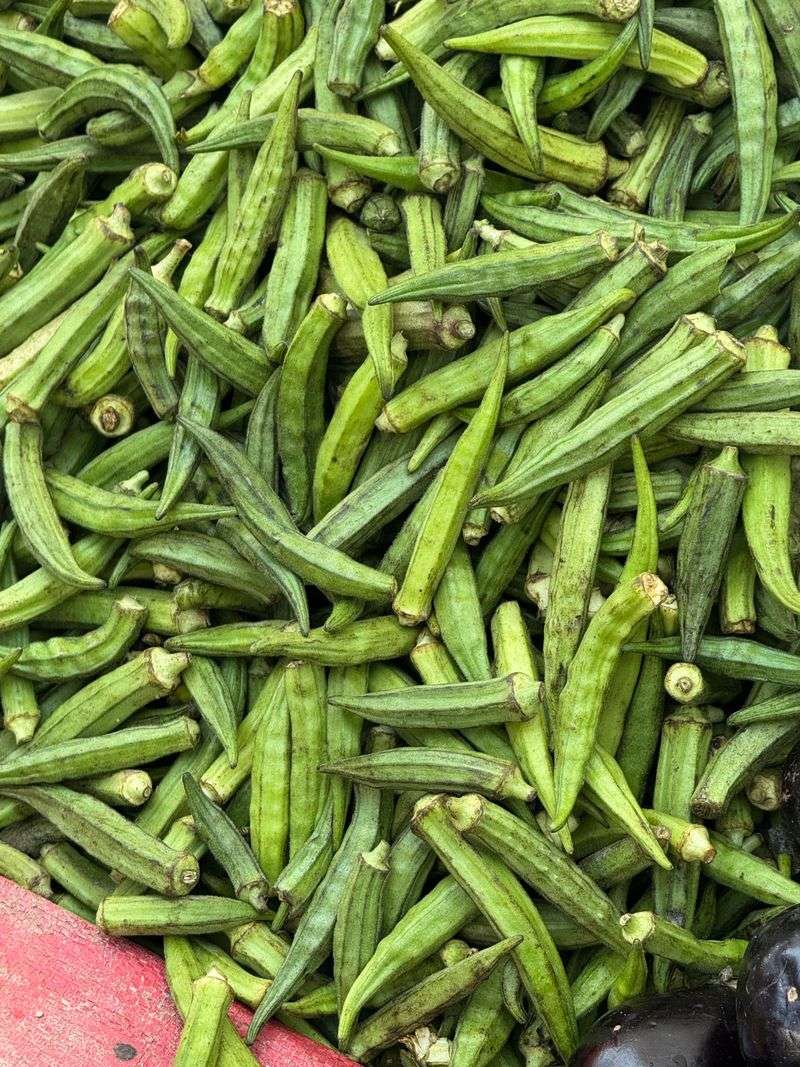
Okra matures very quickly. This Southern garden staple can go from perfect to woody and tough within just a day or two, making it one of the most time-sensitive crops in a July garden.
The ideal okra pod is two to four inches long and snaps cleanly when bent. At that size, the interior is tender, the seeds are soft, and the flavor is mild and grassy.
Let it grow past four inches, and the pod becomes fibrous and nearly inedible no matter how long you cook it.
Okra plants thrive in July heat like almost nothing else. They love the blazing sun and humid air that wilts other crops.
That enthusiasm for summer means they produce pods at a furious pace, which is great news for your kitchen and a real responsibility for your harvesting schedule.
Wear gloves and long sleeves when picking okra. The plant’s leaves and stems are covered in tiny bristles that irritate skin on contact.
A quick harvest session without protection can leave you itchy for the rest of the afternoon, which is an unpleasant surprise for new gardeners.
Slice okra into rounds and roast it at high heat to eliminate the slimy texture that puts some people off. Tossed with olive oil, salt, and a pinch of smoked paprika, roasted okra turns crispy and very flavorful.
Fresh-picked pods roast far better than older ones. Okra plants also produce stunning yellow blossoms before each pod forms.
Those flowers last only one morning before closing, so catching them in bloom is a fleeting garden joy worth pausing for.
Pick every pod that hits the two-inch mark, and your okra plant will keep flowering and producing all through July without slowing down.
6. Malabar Spinach
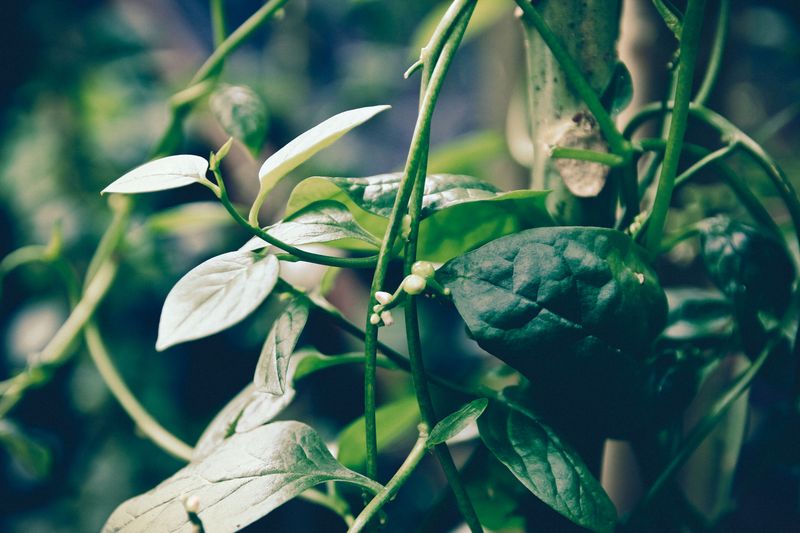
Most spinach struggles once July heat arrives, bolting to seed and turning bitter quickly. Malabar spinach tolerates the heat well and just keeps climbing, making it one of the most underrated summer greens in the American garden.
Technically a vine rather than a true spinach, Malabar spinach produces thick, glossy leaves with a mild, slightly succulent flavor.
The texture is a bit thicker than regular spinach, which makes it hold up beautifully in stir-fries, soups, and sauteed side dishes. Young leaves have the most delicate taste.
Harvesting the growing tips every day or two keeps the vine compact and productive. When you snip the top few inches of a branch, the plant responds by sending out two or three new side shoots.
That means more leaves, more often, all season long. The stems come in two varieties, green-stemmed and red-stemmed. The red-stemmed type is particularly striking in the garden, almost ornamental.
Both taste similar, though the red variety adds a gorgeous pop of color to a plate of mixed summer greens. Malabar spinach is rich in vitamins A and C, plus iron and calcium.
For a leafy green that thrives in brutal summer heat, it offers strong nutritional value. Many gardeners overlook it simply because it is less familiar than kale or Swiss chard.
The leaves can be eaten raw in salads when young and tender. As they mature, cooking mellows the slight mucilaginous quality and brings out a deeper, earthier flavor.
Either way, freshly picked leaves are far superior to anything left on the vine an extra day. Plant it near a fence or trellis, harvest the tips daily, and Malabar spinach will feed you greens straight through the hottest weeks of summer.
7. Shishito Peppers
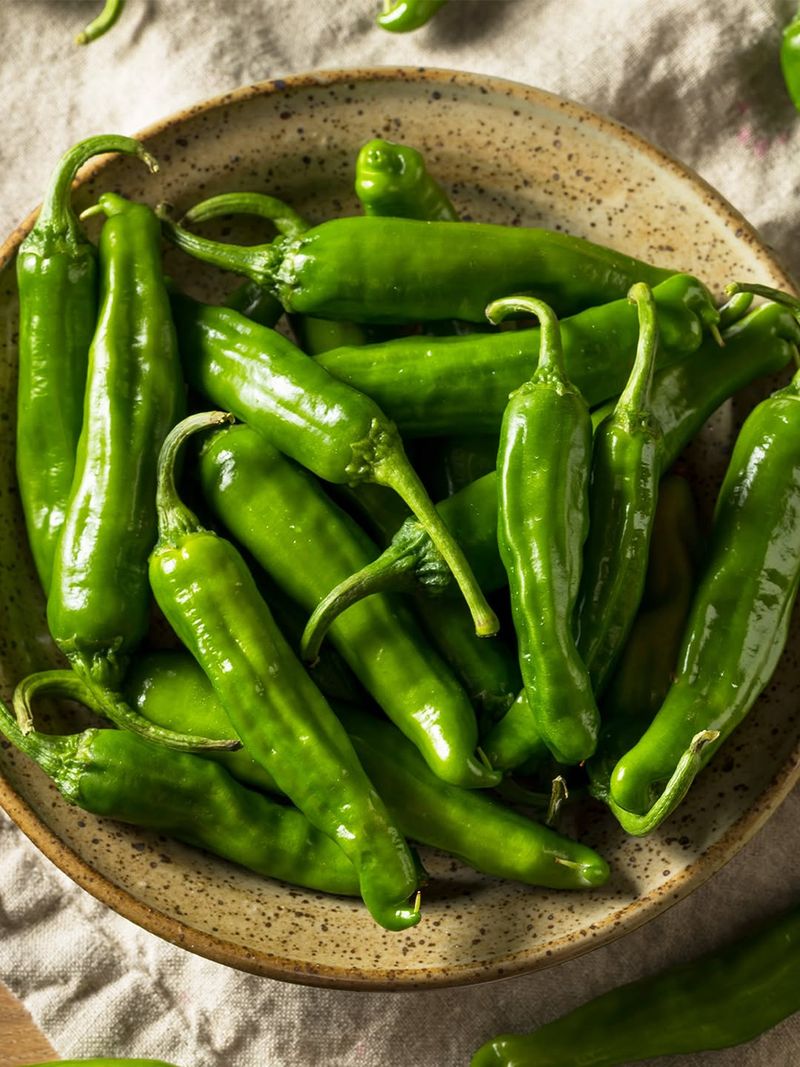
Shishito peppers have a cult following among home gardeners, and once you taste one blistered fresh from the pan, you will understand exactly why.
These slender, wrinkled little peppers are mild, smoky, and easy to snack on straight from the plant, and they’ve become a favorite among New York gardeners working with limited space.
Pick shishitos when they are about three to four inches long and still bright green. At that stage, they are thin-walled, tender, and packed with grassy, slightly sweet flavor.
Most are mild, but a small number can surprise you with a bit of heat. July warmth pushes shishito plants into heavy production mode, and even a shorter summer window is enough to keep them producing steadily.
New peppers appear almost daily once the plant hits its stride. Checking the plant every morning and pulling the ready ones keeps it focused on setting new fruit rather than maturing existing pods.
Leaving peppers on the plant too long causes them to ripen to red, which changes the flavor significantly. Red shishitos are sweeter and less complex than green ones.
If you love that classic shishito taste, pull them while still green and glossy. The easiest way to eat them is blistered in a screaming hot cast iron skillet with oil and sea salt.
Two minutes per side, and they come out charred, tender, and very flavorful. Squeeze lemon over the top and serve immediately.
Shishito plants are compact, making them ideal for New York container gardens or small raised beds. A single healthy plant can produce dozens of peppers per week with consistent harvesting.