The Native Georgia Groundcover That Replaces Lawn Under Trees Where Grass Will Not Grow
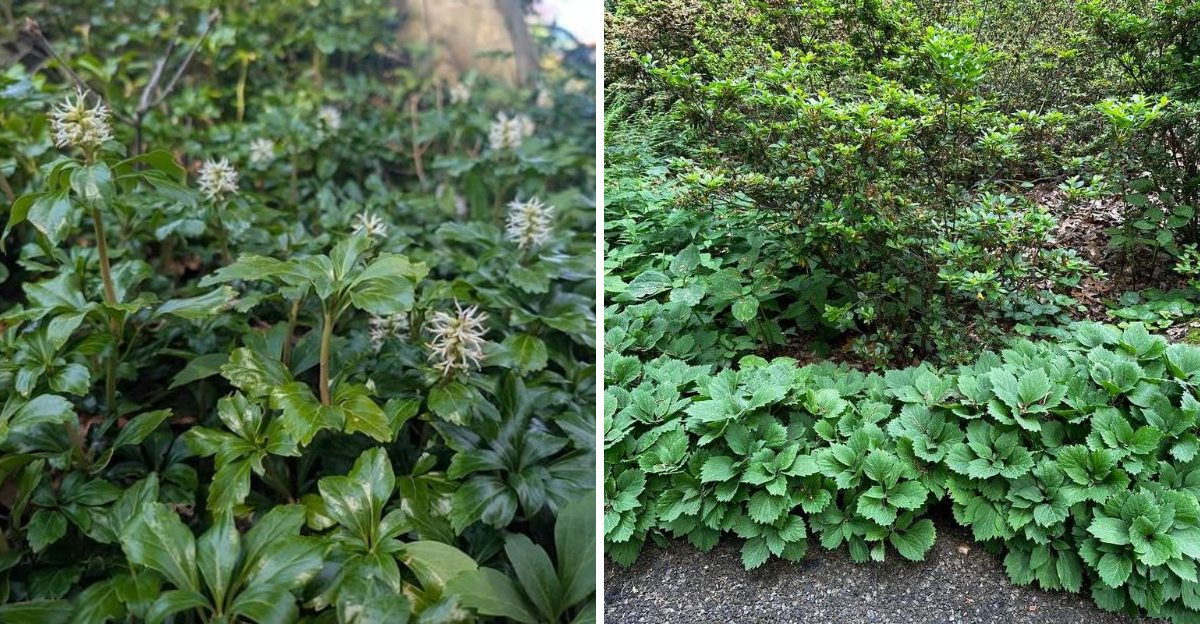
Bare patches beneath mature trees can be surprisingly stubborn. You reseed them, water them, and give them another chance, yet the grass still refuses to fill in.
After a while, those thin, patchy areas become something many homeowners simply learn to live with, even though they never look the way they want.
The problem often isn’t poor lawn care. Grass struggles when it has to compete with large tree roots for moisture, nutrients, and sunlight.
That’s why replacing it can be a smarter choice than trying to force it to grow where conditions are working against it.
Georgia is home to native groundcovers that naturally thrive in those challenging spaces.
Once established, the right one can create a lush, attractive carpet beneath trees while asking for far less attention than a struggling lawn ever will.
1. Meet Allegheny Spurge For Shady Areas Where Lawns Struggle
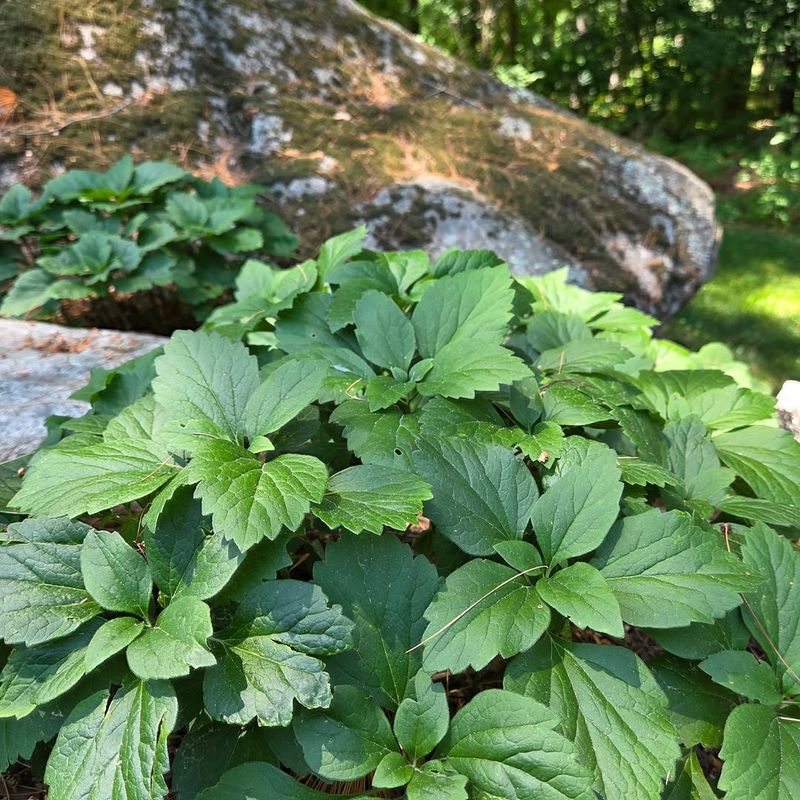
Bare dirt under a big oak tree is not a lawn failure. It is an opportunity.
Allegheny Spurge fills those impossible spots with real elegance. Native to the eastern United States, it grows naturally on shaded forest floors from the Appalachians down through the Southeast.
It belongs here. It knows how to survive here.
Unlike English ivy or Asian pachysandra, this plant will not take over your whole yard. Allegheny Spurge spreads slowly and politely, forming a low mat that stays roughly six to ten inches tall.
It keeps its mottled, silver-marked leaves through most of the year.
Gardeners who try it once rarely go back to fighting grass in the shade. Grass needs sunlight to photosynthesize properly.
Under a dense canopy, it simply cannot compete with tree roots and low light at the same time.
Allegheny Spurge does not have that problem. Shade is its home.
Root competition does not stop it from establishing over time.
Fragrant white flower spikes appear in late winter or early spring, which is a pleasant surprise when almost nothing else is blooming yet. Pollinators visit those flowers, making this plant genuinely useful beyond looks.
For yards across the region, this native groundcover solves a real problem without creating new ones. It earns its place under trees honestly.
2. Plant It In Dense Shade For The Best Results
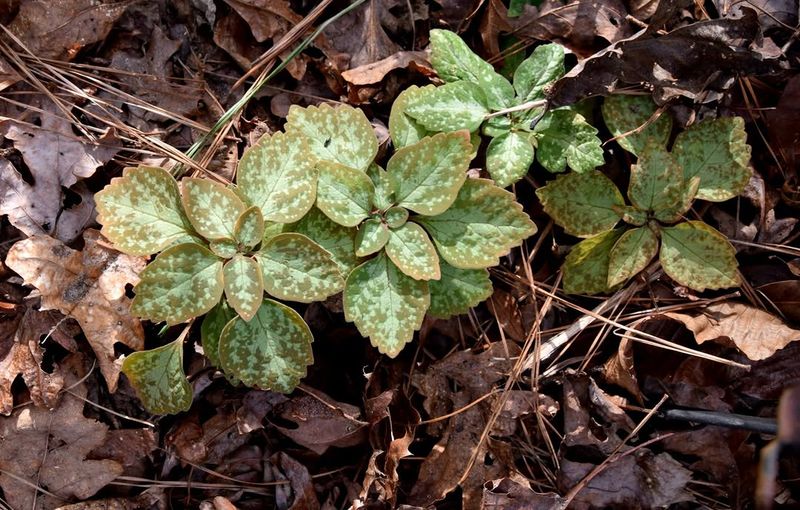
Full shade is where Allegheny Spurge genuinely performs its best. Most groundcovers tolerate shade.
This one prefers it.
Under dense tree canopies where sunlight barely filters through, Allegheny Spurge settles in with confidence. Spots that get two to four hours of indirect light daily are ideal.
Direct afternoon sun can scorch the leaves, especially during hot Southern summers.
Planting is straightforward. Space plugs or small divisions about eight to twelve inches apart.
They will fill in slowly, but they will fill in. Patience matters more than effort with this plant.
Spring planting works well because roots have time to settle before summer heat arrives. Fall planting also works if you water consistently through the first few weeks.
Both seasons give plants a reasonable start in typical Southeast conditions.
Avoid planting in spots that stay waterlogged after rain. Allegheny Spurge handles dry shade better than wet feet.
Your Georgia Garden Changes Every Week. Your Plan Should Too.
Gardening in Georgia changes quickly throughout the season. Every Friday you’ll receive a simple weekly plan showing exactly what to plant, prune, fertilize, harvest, and protect so you never miss the right timing.
Soggy soil creates root problems that slow establishment significantly.
North-facing slopes under trees are practically perfect planting locations. Shaded beds along fences or building foundations also work well as long as air circulation stays reasonable.
When you pick the right spot, this plant practically takes care of itself after the first season. Choosing dense shade over partial sun gives it the strongest possible start and the best long-term outcome in your yard.
3. Choose Rich Well-Drained Soil To Keep It Healthy
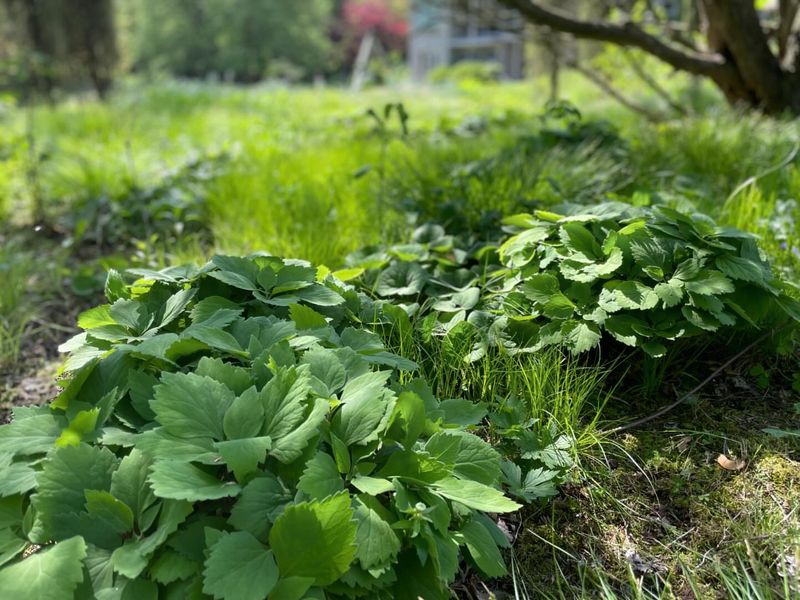
Soil quality makes a bigger difference than most people expect with Allegheny Spurge. Good soil gives it a strong foundation from the start.
Rich, loamy soil with decent organic matter is the sweet spot. Think forest floor conditions.
Leaf litter breaks down over years and creates the kind of loose, nutrient-rich soil this plant naturally grows in across its native range.
Heavy clay soil causes trouble. Water sits too long and roots struggle to breathe.
If your yard has thick clay, work in compost before planting. Even a two-inch layer mixed into the top six inches of soil helps significantly.
Sandy soil drains too fast and holds almost no nutrients. Compost fixes that problem too.
A few bags worked into the planting bed before you set plugs in the ground makes a real difference in how quickly plants establish.
Soil pH should stay mildly acidic, somewhere around 5.5 to 6.5. Many yards in the Southeast already fall in that range naturally, especially under pine trees where needle drop keeps pH on the lower side.
Avoid compacted soil near driveways or high-traffic areas. Compaction limits root spread and slows growth noticeably.
Testing your soil before planting is never a bad idea. County extension offices offer affordable tests that show exactly what your soil needs.
4. Water Regularly Until New Plants Become Established
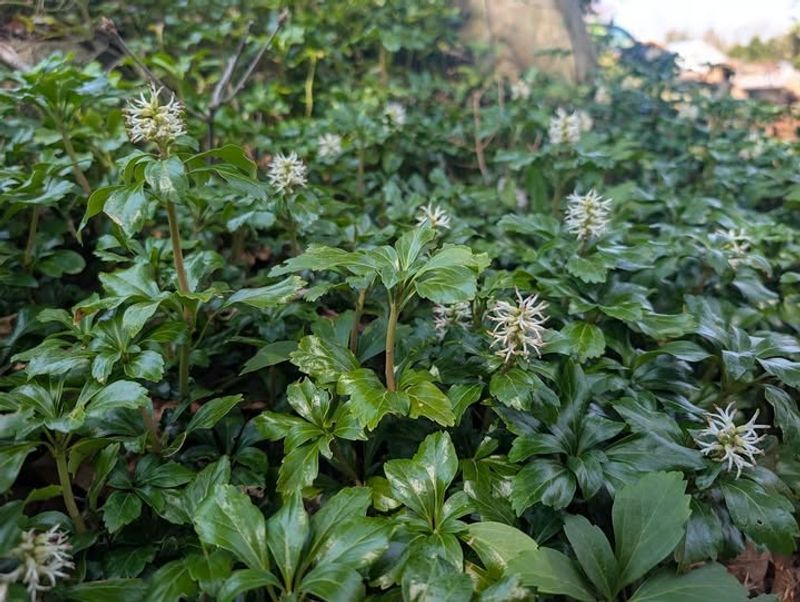
Watering is where new gardeners either succeed or struggle with Allegheny Spurge. Consistency matters most in the first season.
Newly planted plugs need moist soil to develop roots. Without reliable moisture, young plants stall out and barely grow.
They will not recover quickly from drought stress during the first few months in the ground.
Aim for about one inch of water per week during the growing season. If rain covers that, skip the hose.
If it does not, supplement with slow, deep watering rather than quick surface sprays. Deep watering encourages roots to reach down instead of staying shallow.
Mornings are the best time to water. Wet leaves that dry quickly in morning air stay healthier than leaves that stay damp overnight.
Fungal issues are less common when foliage dries out during the day.
After the first full growing season, established plants handle dry spells much better. Their root systems spread wide enough to find moisture on their own in most normal conditions.
Supplemental watering becomes less critical once plants knit together into a solid mat.
Drip irrigation works well for shaded beds. It delivers water directly to roots without wetting foliage unnecessarily.
Hot, dry stretches do happen across the Southeast in summer. Keep an eye on plants during those periods even after the first year.
5. Add Mulch To Hold Moisture And Protect The Roots
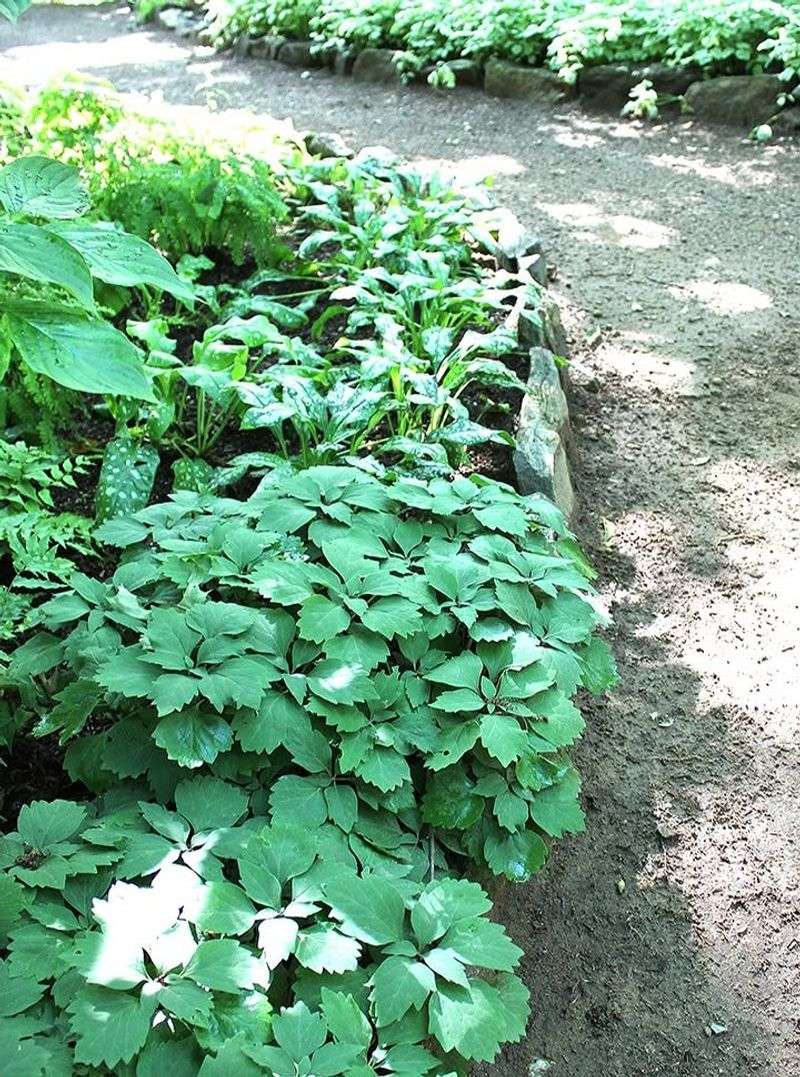
Mulch does more work in a shaded bed than most people give it credit for. It is not just about looks.
A two to three inch layer of shredded hardwood mulch or shredded leaves holds soil moisture, moderates soil temperature, and slows weed growth all at once. Under trees where conditions already stress plants, that support matters.
Keep mulch pulled back slightly from the base of each plant. Piling mulch directly against stems traps moisture and can cause crown rot over time.
A small gap of an inch or two around each stem is enough to prevent problems.
Shredded leaves from your own trees make excellent mulch for Allegheny Spurge. They mimic the natural leaf litter this plant grows under in the wild.
Running leaves through a mower or leaf shredder before spreading them breaks them down faster and keeps them from matting.
Pine straw works well too, especially in the Southeast where it is widely available and affordable. It stays in place on slopes better than some other mulch types.
Refresh mulch once a year, usually in late fall or early spring. As it breaks down, it adds organic matter to the soil, which Allegheny Spurge appreciates over time.
Skipping mulch is a common mistake with new plantings. Bare soil dries out faster, weeds move in quicker, and establishment slows down.
6. Give Plants Enough Space To Spread Naturally
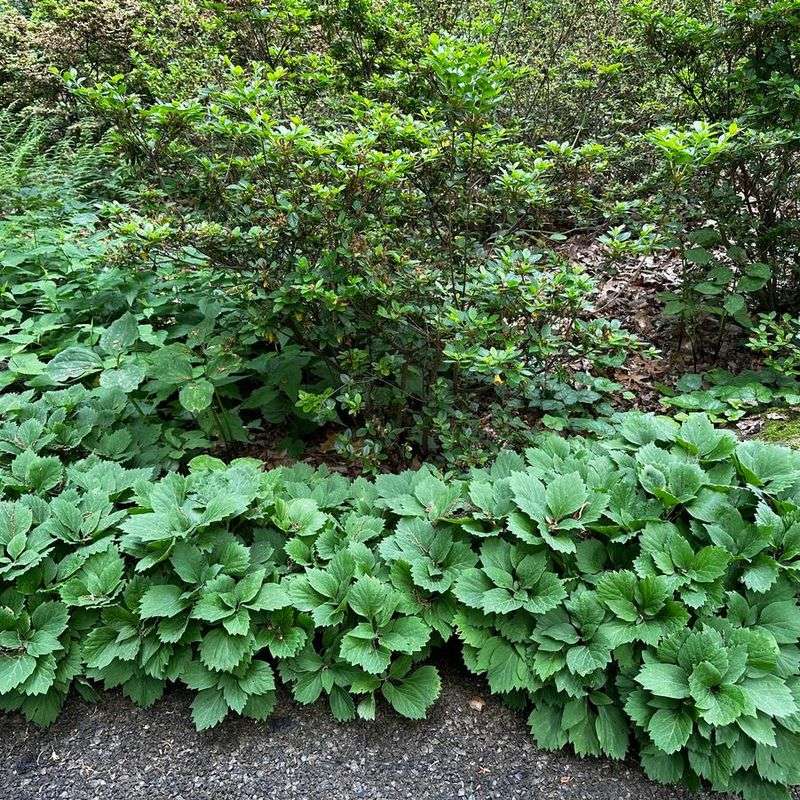
Crowding plants at the start slows them down rather than speeding things up. Allegheny Spurge needs room to spread on its own schedule.
Eight to twelve inches between plants is a reliable spacing for most situations. Closer spacing fills in faster but costs more upfront.
Wider spacing saves money but means you wait longer for full coverage. Both approaches eventually work fine.
Allegheny Spurge spreads by underground rhizomes. It creeps outward steadily from each plant, forming new rosettes as it goes.
Forcing plants too close together creates competition that actually slows that spreading process.
Resist the urge to cram plants together out of impatience. That impulse is understandable, especially when bare soil looks untidy.
Mulch covers the gaps while plants fill in, which makes the waiting period much easier to manage visually.
After two to three growing seasons, well-spaced plants typically knit together into a solid mat. Once that happens, weed pressure drops significantly because the canopy of leaves shades out most germinating seeds at ground level.
Avoid planting too close to the base of trees. Allegheny Spurge competes gently, but tree roots dominate the immediate trunk zone.
Starting plants at least eighteen inches out from a trunk gives both the tree and the groundcover a fair chance.
7. Remove Weeds Early While New Plants Fill In
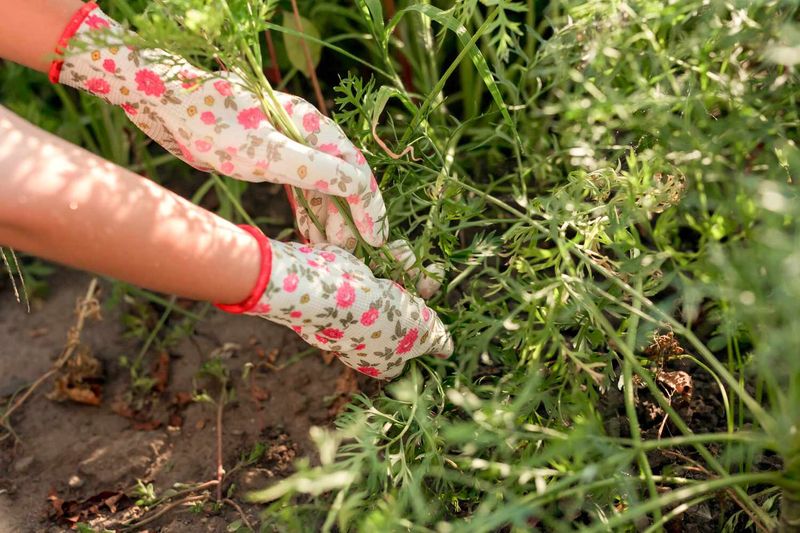
Weeds are the biggest challenge during the first two seasons with any new groundcover planting. Staying ahead of them early makes everything easier later.
Hand-pulling is the most reliable method in a young Allegheny Spurge bed. Herbicides are risky near new plants and near tree roots.
Pulling weeds by hand keeps you in control without risking damage to what you are trying to grow.
Pull weeds when the soil is moist. Dry soil makes roots grip harder and breaks stems instead of pulling whole plants out.
After rain is often the easiest time to work through a bed quickly and cleanly.
Check the bed every week or two during the growing season. Catching weeds when they are small takes far less effort than dealing with large established ones that have already dropped seeds.
Small weeds pull out in seconds. Large ones take real effort.
Crabgrass, chickweed, and various broadleaf weeds are the most common invaders in shaded Southeast beds. None of them are impossible to manage if you stay consistent through the first two summers.
Once Allegheny Spurge fills in and closes its canopy, weed pressure drops dramatically on its own. The dense leaf cover shades the soil surface and prevents most weed seeds from germinating successfully.
Think of early weeding as protecting your investment.