How To Reduce Water Evaporation In Arizona Garden Beds During Summer
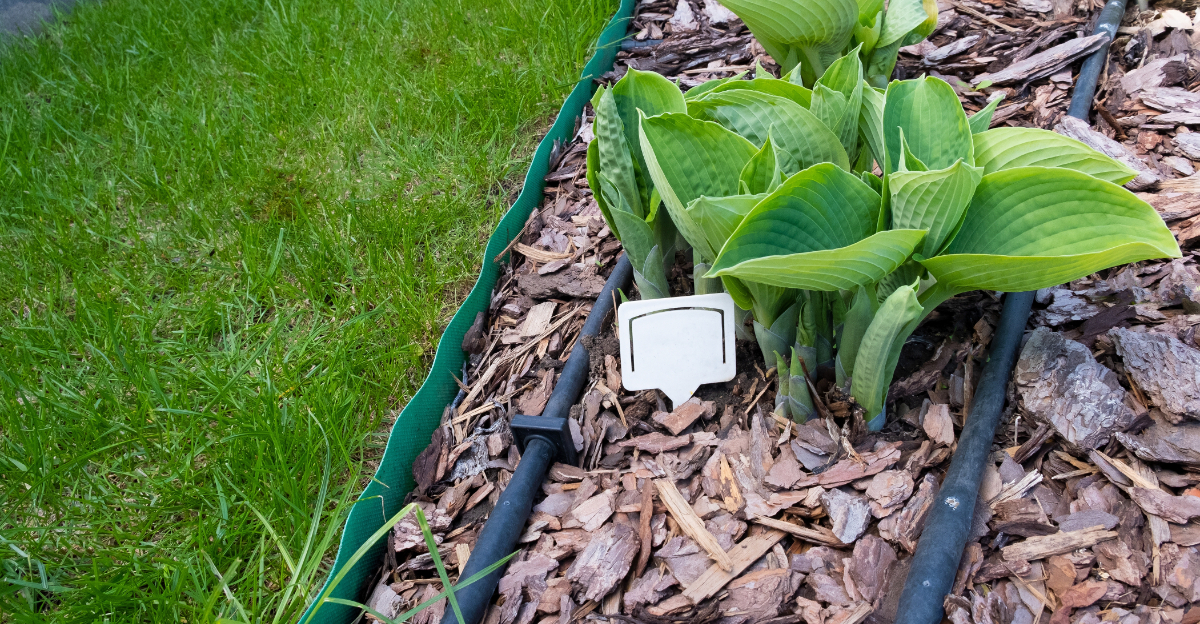
Water disappears fast during summer, and garden beds often lose it long before plants have a chance to make good use of it. That is one reason healthy plants can suddenly begin struggling, even when they are watered on a regular schedule.
The hottest weeks of the season put every bit of moisture under pressure, leaving the soil dry much sooner than most gardeners expect.
There is a big difference between watering often and keeping moisture where it belongs. Garden beds that hold water longer place far less stress on plants and make every watering more effective.
Small details around the soil surface can influence how quickly moisture escapes during the day.
An Arizona summer makes evaporation impossible to ignore.
Slowing that process can leave the soil damp for longer, reduce unnecessary watering, and help plants cope much better with prolonged heat.
1. Mulch Slows Moisture Loss From The Soil
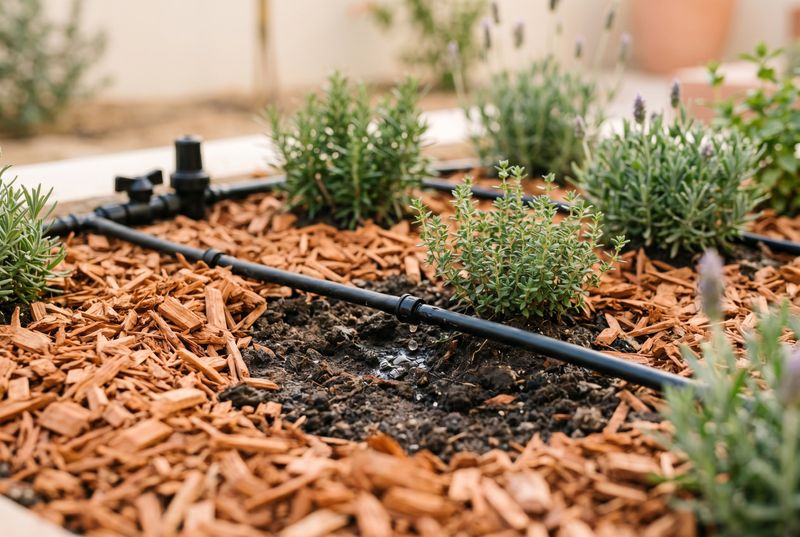
A thick layer of mulch is one of the most powerful tools a desert gardener can use. Bare soil under the summer sun loses moisture at a shocking rate.
Mulch acts like a blanket, blocking direct sunlight and slowing evaporation dramatically.
Wood chips, straw, and shredded bark all work well. Spread at least three to four inches thick across your garden beds.
Thicker coverage gives better protection, especially during peak heat hours.
Organic mulches break down slowly over time. As they decompose, they add nutrients back into the soil.
That is a bonus that most gardeners appreciate.
Keep mulch pulled back slightly from plant stems. Piling it directly against stems can trap moisture and cause rot.
A small gap around each plant base is all you need.
Gravel and rock mulch are popular in desert landscaping. They do block some evaporation, but they also absorb heat and can raise soil temperatures.
Organic options tend to keep soil cooler overall.
Refresh your mulch layer every season. It compacts and thins out over time.
Staying on top of it means your beds stay protected all summer long without extra watering effort.
2. Water Early Before Temperatures Rise
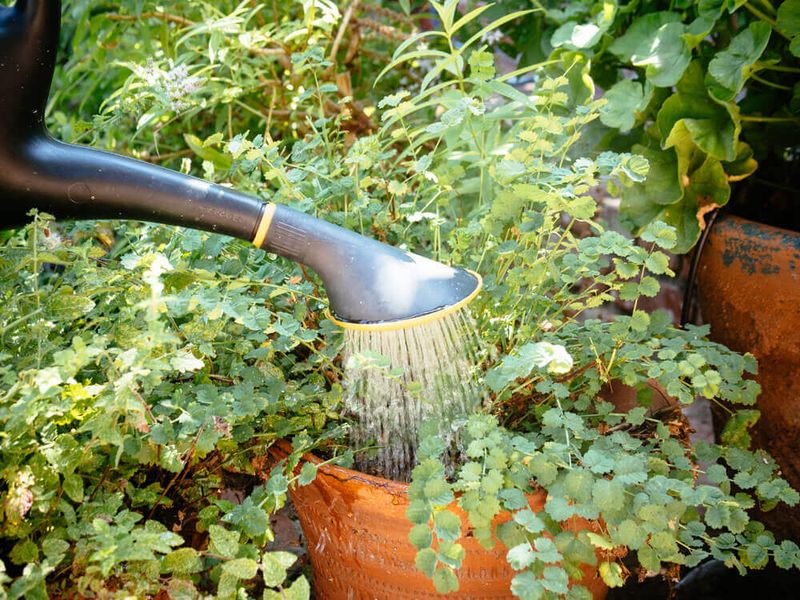
Timing your watering makes a bigger difference than most people realize. Water applied at midday can evaporate before it even reaches plant roots.
Early morning watering changes that completely.
Soil temperatures are at their lowest just before sunrise. Watering during this window gives moisture the best chance to soak in deep.
Plants absorb water more efficiently when the air is still cool.
Late afternoon watering is sometimes tempting after a hot day. However, wet foliage overnight can encourage fungal problems in some plants.
Morning watering sidesteps that risk entirely.
Watering between 5 a.m. and 8 a.m. is the sweet spot in summer. By the time full sun hits your beds, the water has already moved down into the root zone.
Surface soil may look dry quickly, but roots stay fed.
Consistency matters more than volume. Short, frequent waterings often leave roots shallow and vulnerable.
Deep, less frequent sessions push roots downward where soil stays cooler and moisture lasts longer.
Your Arizona Garden Changes Every Week. Your Plan Should Too.
Gardening in Arizona changes quickly throughout the season. Every Friday you’ll receive a simple weekly plan showing exactly what to plant, prune, fertilize, harvest, and protect so you never miss the right timing.
A simple timer on your hose or irrigation system makes early watering effortless. Set it once, and your garden gets watered at the right time every day.
Small adjustments like this protect both your plants and your water bill through the hottest months.
3. Drip Irrigation Delivers Water More Efficiently
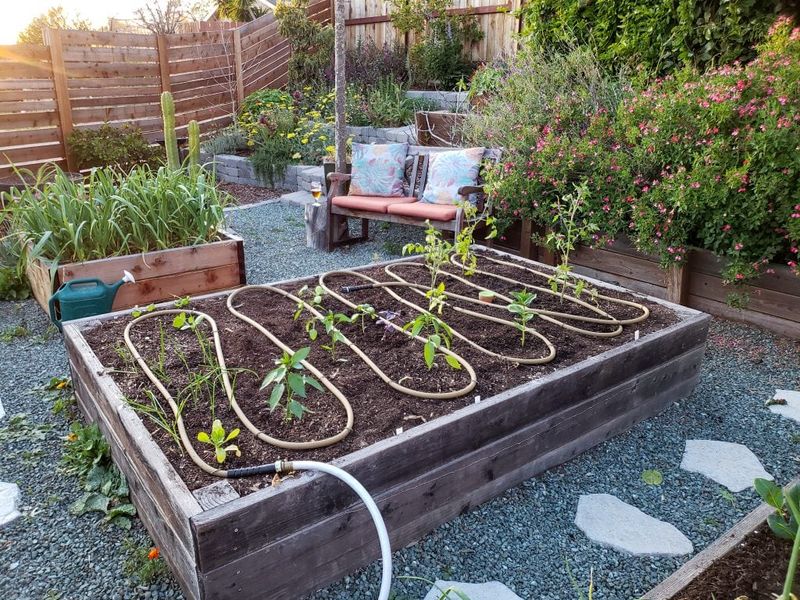
Sprinklers spray water into the air, and a surprising amount never reaches the soil at all. Drip irrigation skips all that waste.
Water goes straight to the root zone, right where it counts.
Drip systems run slowly and steadily. That slow delivery lets water soak deep into the soil rather than running off the surface.
Root systems get a long, thorough drink with minimal loss to evaporation.
Setup is straightforward for most home gardens. Flexible tubing, emitters, and a basic timer are all you need to get started.
Many hardware stores carry affordable starter kits.
Emitter placement matters. Position each emitter a few inches from the plant base.
As plants grow, adjust placement so water stays close to active root zones.
Drip systems also keep foliage dry. Wet leaves under intense summer sun can stress plants.
Keeping water at soil level reduces that risk significantly.
Check emitters regularly for clogs. Mineral buildup from hard water is common in desert regions.
A quick inspection every couple of weeks keeps everything flowing properly.
Pairing drip irrigation with a mulch layer creates a strong combination. Mulch slows surface evaporation while drip lines deliver moisture exactly where roots need it.
Together, they cut water use noticeably without sacrificing plant health.
4. Compost Helps Soil Hold Moisture Longer
Sandy desert soil drains fast. Sometimes too fast.
Water passes straight through before roots can absorb what they need. Compost changes the structure of that soil in a way that makes a real difference.
Compost adds organic matter that binds soil particles together. That binding creates small pockets where moisture gets trapped and held.
Roots then have more time to pull water in before it drains away.
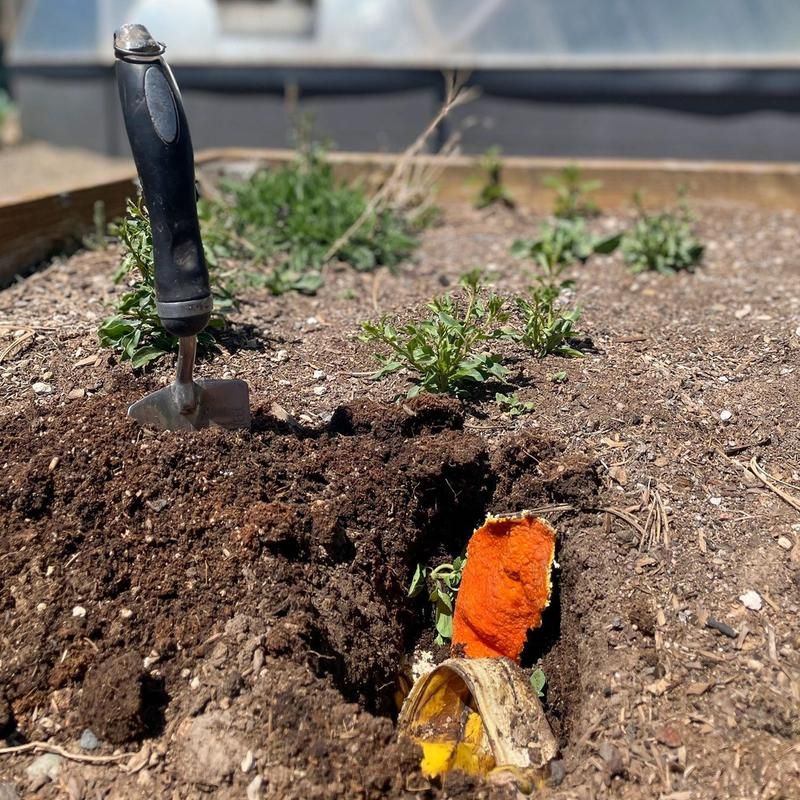
Work compost into your beds before planting each season. A two to three inch layer mixed into the top eight to ten inches of soil is a solid starting point.
Sandy soil benefits most from this treatment.
Compost also feeds soil microbes. Those microbes break down nutrients and make them available to plant roots.
Healthy soil biology supports stronger, more drought-tolerant plants overall.
Homemade compost works just as well as bagged products. Kitchen scraps, dry leaves, and garden trimmings all break down into useful material.
A basic backyard compost bin is all the equipment needed.
Results are not instant. Soil improvement from compost builds gradually over multiple seasons.
Gardeners who add it consistently notice their beds holding moisture better year after year.
Combining compost with mulch gives double protection. Compost improves moisture retention underground while mulch limits evaporation at the surface.
Both together make desert gardening far more manageable in summer.
5. Plant Spacing Creates More Shade For The Soil
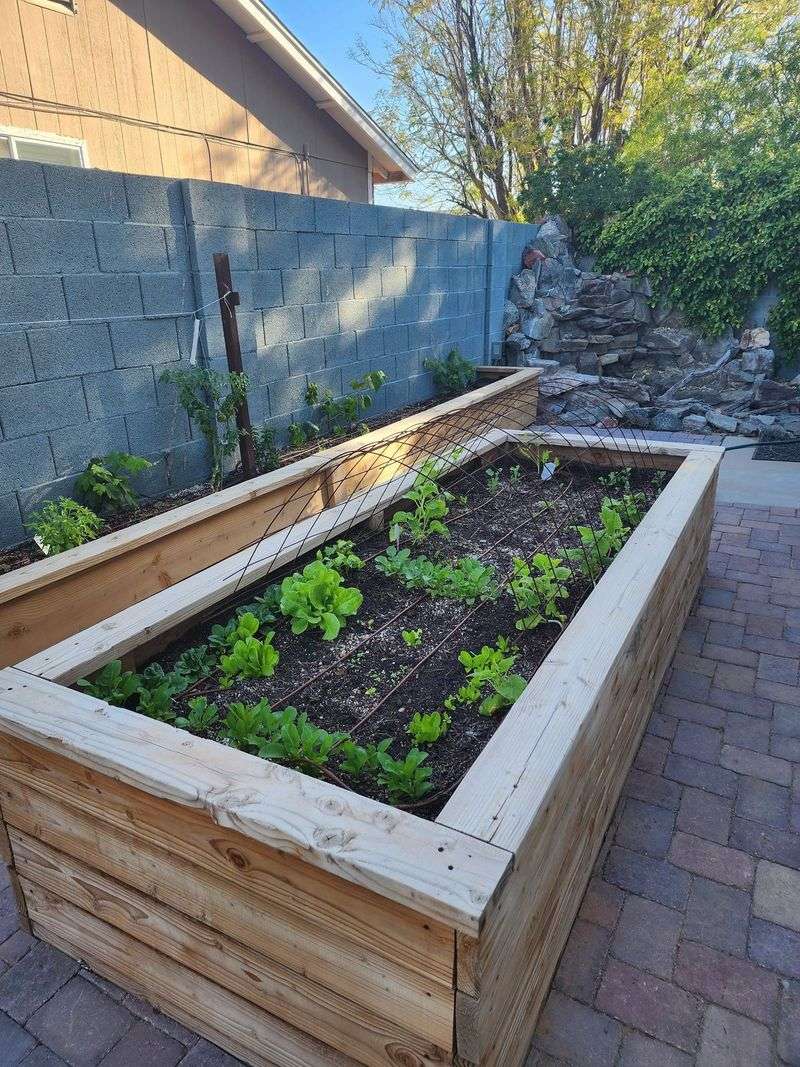
Bare soil bakes fast in direct sun. Exposed ground between plants loses moisture at a much higher rate than shaded soil.
Smart plant spacing can fix that without any extra cost.
When plants grow close enough together, their leaves overlap and create a living canopy. That canopy shades the soil below and slows evaporation naturally.
It works like a low-maintenance, living mulch layer.
Spacing recommendations on seed packets are often conservative. In desert gardens, planting slightly closer together can actually benefit moisture retention.
Just avoid crowding so tightly that airflow disappears completely.
Good airflow still matters. Stagnant, humid conditions between tightly packed plants can encourage mildew and pest problems.
A balance between shade coverage and ventilation keeps beds healthy.
Taller plants can shelter shorter ones. Placing sun-sensitive or moisture-hungry plants on the north or east side of taller crops gives them afternoon shade.
That shade keeps both the soil and the plant cooler during peak heat.
Leafy greens, herbs, and sprawling vegetables like squash work especially well as natural ground shaders. Their broad leaves spread across the soil surface quickly.
Once established, they cover bare ground and hold moisture underneath effectively.
Planning your layout before planting makes this easy to execute. A simple sketch of your bed with plant heights noted helps you place crops where they benefit each other most.
6. Windbreaks Reduce Moisture Loss On Hot Days
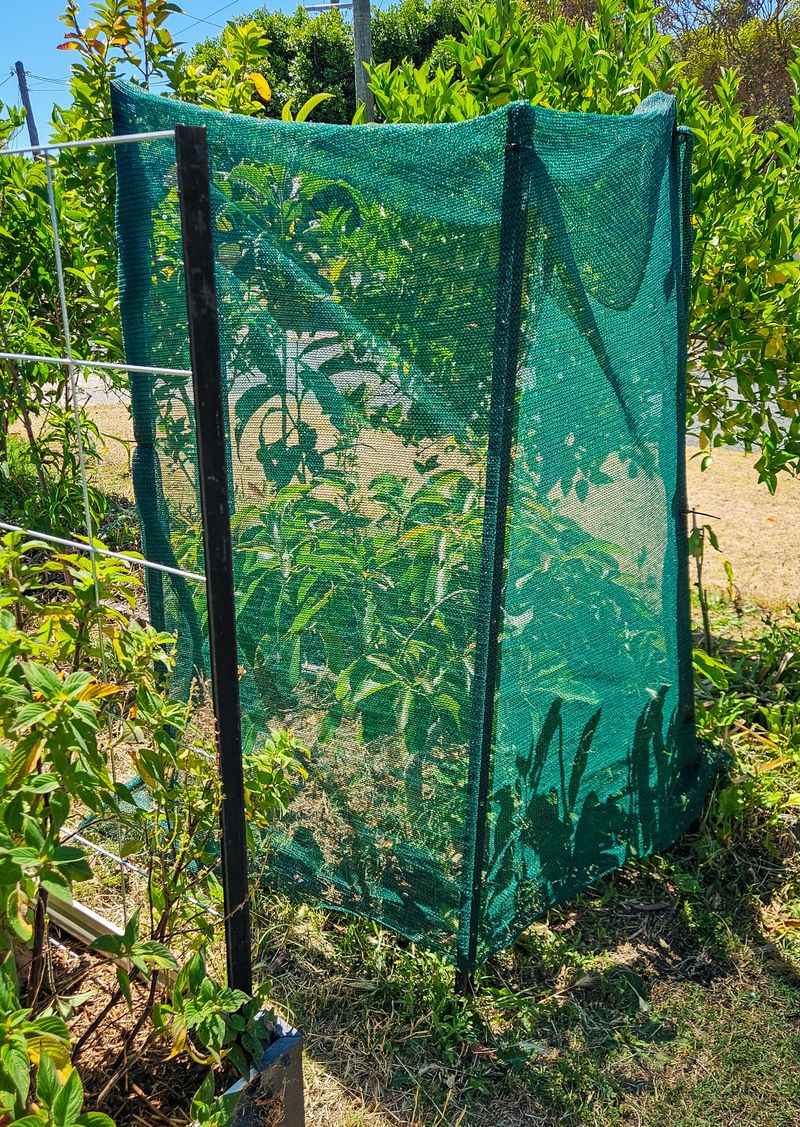
Wind pulls moisture out of soil faster than most gardeners expect. On a hot, dry summer day, even a light breeze accelerates evaporation significantly.
Blocking that wind makes a measurable difference in how long your beds stay moist.
A solid fence, a dense hedge, or a row of tall plants all work as windbreaks. The goal is to reduce wind speed at ground level near your beds.
Even partial wind reduction helps.
Positioning matters a lot. Prevailing summer winds in desert regions often come from specific directions.
Knowing which way wind typically blows lets you place your windbreak where it does the most good.
Shade cloth attached to a fence or frame serves double duty. It blocks wind and reduces direct sun exposure at the same time.
Both of those effects slow down evaporation from your garden beds.
Natural windbreaks like shrubs or ornamental grasses take time to establish. Temporary barriers like burlap screens or bamboo fencing can protect beds immediately while permanent plantings grow in.
Container plants placed strategically around a garden bed can also buffer wind. Grouping pots together around exposed areas creates a small windbreak without permanent construction.
It is a flexible solution that works well in smaller yards.
Reducing wind exposure is often overlooked compared to mulching or irrigation changes. However, addressing it alongside other strategies gives your beds stronger overall protection from summer moisture loss.
7. Heat-Tolerant Ground Covers Help Lock In Moisture
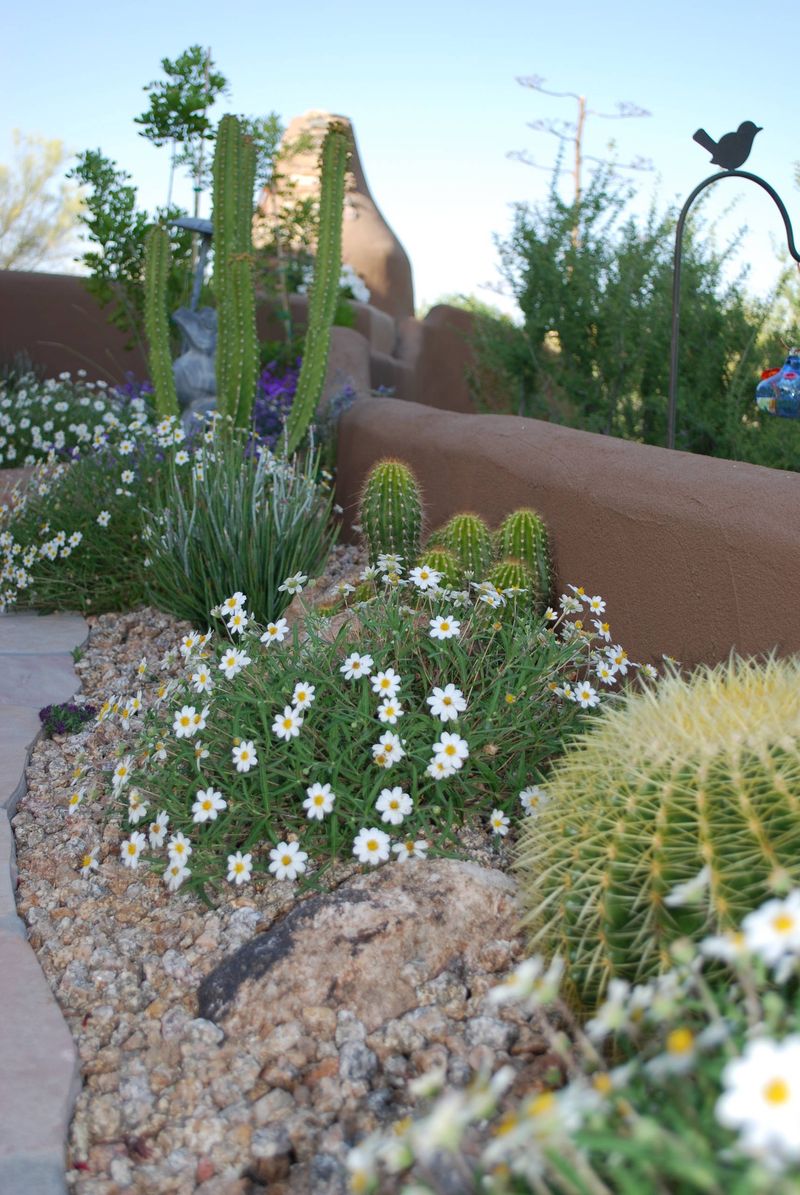
Ground covers are underused in most home vegetable gardens. A low-growing, heat-tolerant plant spread across bare soil does more than just look good.
It protects the soil surface from direct sun and reduces evaporation at the same time.
Creeping thyme, purslane, and low-growing sedums handle desert summer heat well. They spread across soil quickly and create dense coverage.
Roots from these plants also help hold soil structure together.
Not every ground cover suits every garden bed. Vegetable beds need ground covers that do not compete aggressively for water or nutrients.
Choose low-root-mass varieties that stay close to the surface.
Purslane is a particularly practical choice. It is edible, extremely drought-tolerant, and spreads naturally across bare soil.
Many desert gardeners let it grow freely between vegetable rows.
Ground covers reduce soil temperature noticeably. Shaded soil under a plant canopy can be several degrees cooler than bare exposed ground.
Cooler soil retains moisture longer and supports healthier root systems.
Establish ground covers early in the season before peak summer heat arrives. Once temperatures climb past 105 degrees, newly planted ground covers struggle to get established.
Early planting gives them time to spread before the hottest weeks hit.
Pairing ground covers with drip irrigation and mulch creates layered protection. Each method targets moisture loss from a different angle.
Combined, they give desert garden beds a strong advantage against summer evaporation.