The Most Underrated North Carolina Native Grass That Helps Deter Fleas In Pet-Friendly Yards
Flea pressure in North Carolina yards with pets is a seasonal reality that most owners manage reactively, treating animals and yard areas after the problem has already become uncomfortable for everyone involved.
What rarely enters that conversation is a native grass with properties that make the immediate surrounding environment noticeably less hospitable to fleas through the active season.
It thrives in typical North Carolina yards, easily withstands heavy dog traffic, and adds an intentional, naturalistic look to borders.
For yards where flea pressure has been a persistent summer problem, this grass deserves a serious look before the next treatment cycle begins.
1. Little Bluestem Is The Underrated Native Grass
Most gardeners in North Carolina walk right past little bluestem at the nursery without giving it a second glance.
That is honestly a missed opportunity, because this native grass has been quietly thriving in the region for centuries without needing much attention from anyone.
Little bluestem, known scientifically as Schizachyrium scoparium, is native to much of the eastern United States, including North Carolina.
It grows in open meadows, sunny roadsides, and dry hillsides where the soil is not particularly rich.
That toughness is exactly what makes it so valuable in a pet-friendly yard. Now, to be clear, little bluestem is not a flea treatment. You cannot plant it and expect fleas to disappear overnight.
What it does is fit naturally into the kinds of sunny, dry, open garden spaces where fleas are simply less comfortable hanging around.
Fleas love humidity, shade, and protected areas with low airflow. Little bluestem thrives in the opposite conditions entirely.
When you swap out a messy, overgrown lawn edge or a weedy border for a neat, sunny planting of little bluestem, you are choosing a spot that naturally discourages the damp, sheltered environment fleas prefer.
Your yard still needs proper flea management, but the plant helps tip the conditions in your favor.
For pet owners who want a yard that looks great and supports smarter outdoor habits, little bluestem deserves a serious spot on your planting list. It is native, resilient, and genuinely underrated.
2. It Works By Changing The Yard Conditions
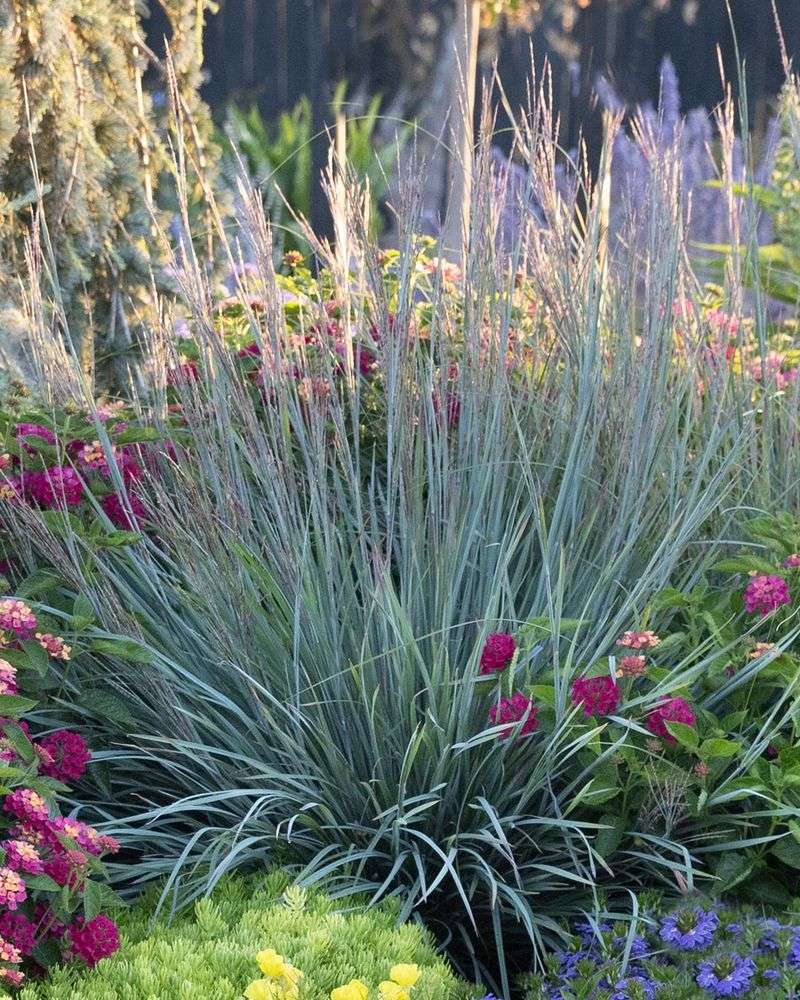
Calling little bluestem a flea repellent would be stretching the truth, and that matters. Honest gardening advice is always more useful than hype.
What little bluestem actually does is help shift the conditions in your yard toward something fleas find far less appealing.
Fleas are not randomly distributed across your yard. They cluster in specific spots, and those spots share a few things in common: shade, moisture, and protection from wind and sunlight.
Think about the shady strip along a fence, the damp patch under a bush, or the overgrown corner where clippings pile up.
Those are flea-friendly zones. Little bluestem naturally thrives in sunny, well-drained areas with good airflow.
When you plant it in open, bright sections of your yard, you are creating a landscape feature that simply does not offer fleas what they are looking for.
There is no chemical involved. The benefit comes from the environment the plant helps create.
Your North Carolina Garden Changes Every Week. Your Plan Should Too.
Gardening in North Carolina changes quickly throughout the season. Every Friday you’ll receive a simple weekly plan showing exactly what to plant, prune, fertilize, harvest, and protect so you never miss the right timing.
Gardeners sometimes call this approach habitat management, and it is one of the most sustainable ways to think about pest awareness in your outdoor space.
You are not trying to poison anything. You are just making your yard structurally less inviting to pests that depend on specific conditions to survive and reproduce.
Sunny, open, well-spaced plantings with good drainage and airflow are genuinely harder for fleas to settle into.
Little bluestem fits that profile perfectly. Pairing it with smart yard habits makes the whole strategy even more effective over time.
3. It Likes Full Sun And Well-Drained Soil
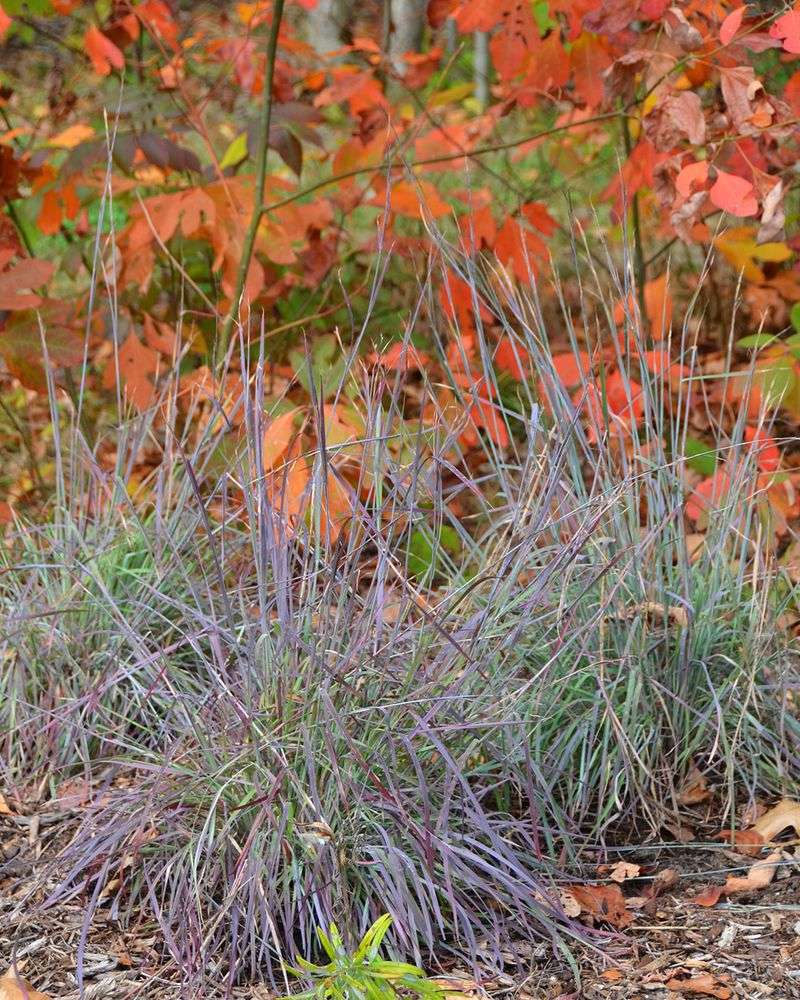
One of the best things about little bluestem is how well it matches the challenging spots that show up in so many North Carolina yards.
Hot, sunny, dry areas that struggle to grow traditional turf grass? Little bluestem actually prefers those conditions.
This grass performs best in full sun, meaning at least six hours of direct sunlight per day. It also does well in average to dry soils that drain quickly after rain.
Rich, constantly moist soil is not what it wants, which is part of what makes it so low maintenance once it gets established.
From a flea-awareness standpoint, those preferences line up really well with the goal of keeping your yard less hospitable to pests.
Sunny areas with fast-draining soil dry out quickly after rain. That shorter window of surface moisture makes it harder for fleas to stay comfortable in those zones.
Shady, waterlogged turf edges are a much bigger concern. North Carolina summers bring plenty of heat and humidity, and that combination can make certain parts of a yard feel like a flea paradise.
Replacing damp, struggling lawn patches with little bluestem shifts those spots toward something drier and more open.
Even a modest improvement in drainage and sun exposure can make a noticeable difference.
Pet paths that cut through sunny, dry areas planted with well-spaced little bluestem are simply easier to manage than muddy, shaded routes through overgrown grass.
The plant earns its place by making the right conditions easy to maintain.
4. It Can Replace Trouble Spots Near Pet Paths
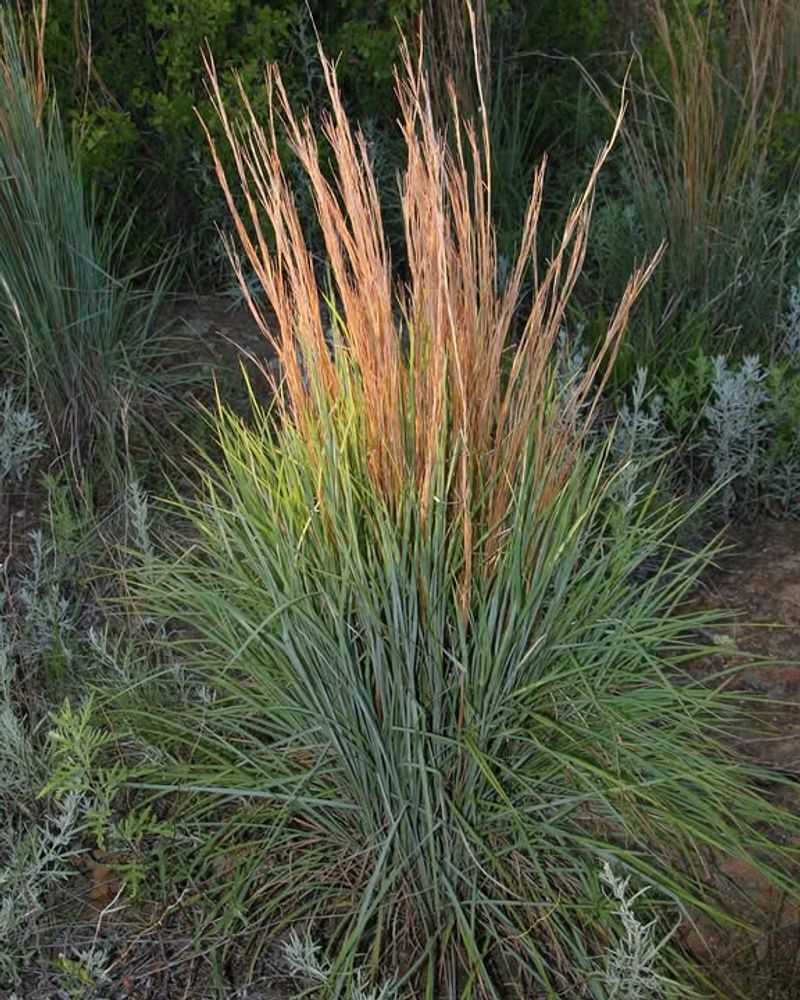
Every yard has a few spots that seem impossible to manage.
Maybe it is the strip along the fence where grass refuses to grow, or the dry edge of a garden bed that turns weedy and scraggly every summer.
Those neglected patches are exactly where little bluestem shines. Pet paths are worth paying special attention to.
Dogs and cats tend to follow the same routes through a yard day after day, and those worn trails can become problem zones if the surrounding vegetation gets overgrown, damp, and weedy.
Planting little bluestem along sunny fence lines, open bed edges, and dry transitional areas near those paths can genuinely improve the situation.
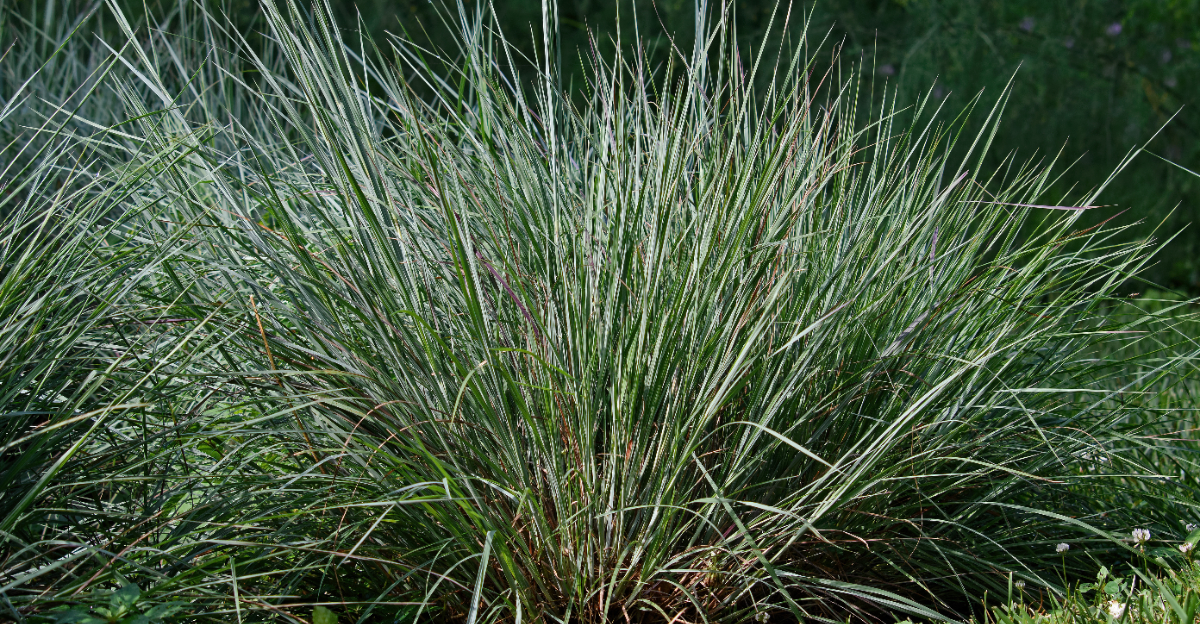
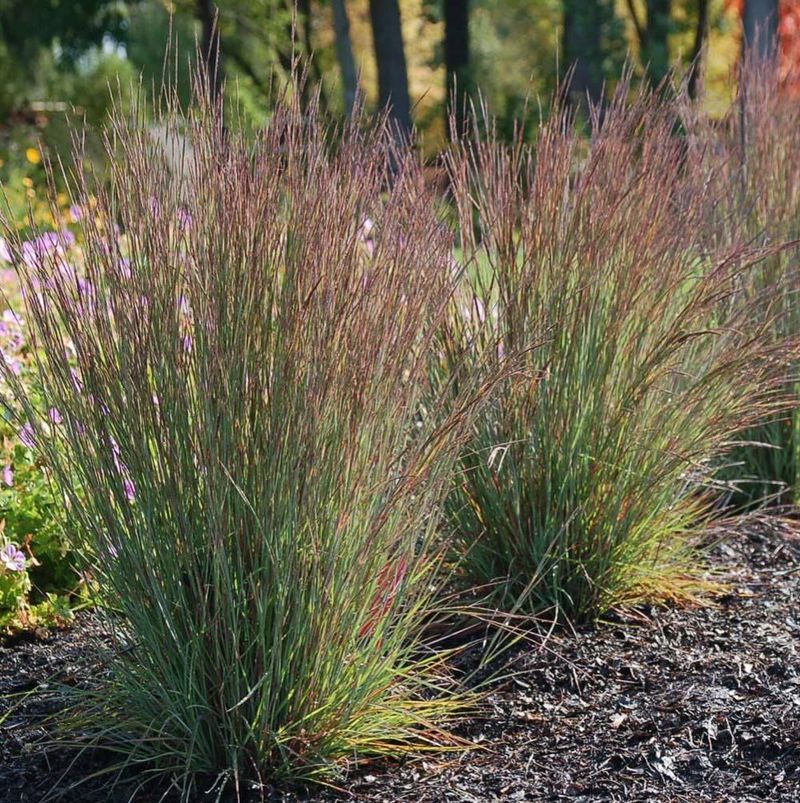
The grass grows in upright clumps that stay tidy and well-defined. It does not sprawl or creep aggressively, so it stays where you put it without crowding out neighboring plants.
That open, clumping habit means air can move freely around each plant, keeping the area drier and more exposed.
From a practical standpoint, replacing a messy weed-filled border with intentional little bluestem plantings also just makes your yard look better.
The space goes from feeling neglected to looking purposeful. Neighbors might even ask what you planted.
When pets move through areas surrounded by sunny, dry, open vegetation instead of dense, moist, weedy growth, the whole outdoor environment becomes easier to keep clean and manageable.
Little bluestem makes it possible to turn those tricky trouble spots into something that actually works in your favor while supporting smarter flea-aware yard planning.
5. It Still Needs To Be Managed
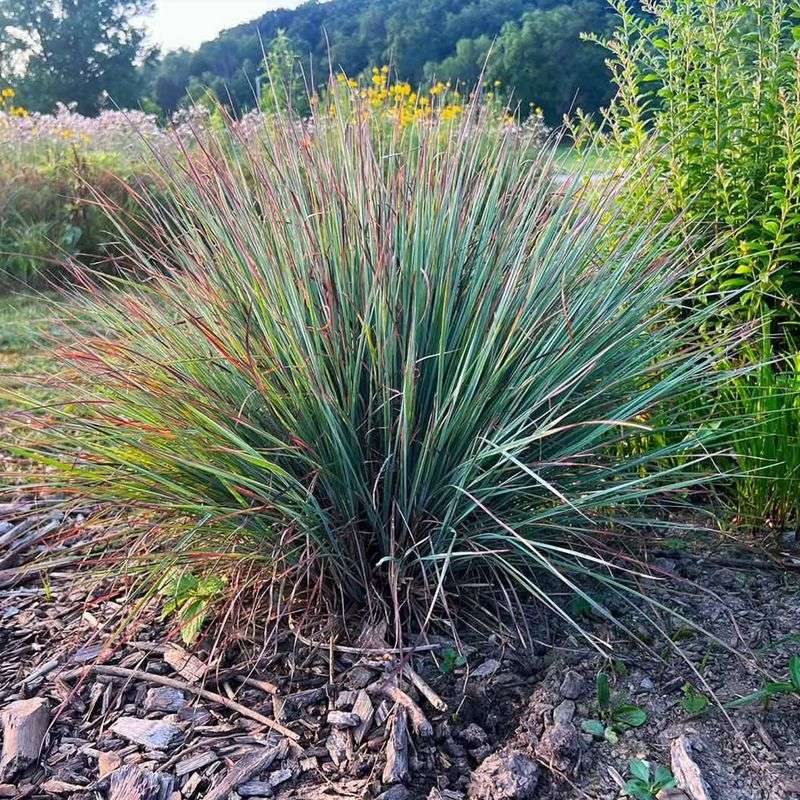
Little bluestem is low maintenance, but low maintenance does not mean zero maintenance.
Letting it grow into a thick, tangled clump without any attention could actually work against your goals in a pet-friendly yard, so staying on top of basic care really does matter.
The main task is cutting back old growth in late winter or early spring, before new shoots begin pushing up from the base.
Most gardeners cut the clumps down to about four to six inches from the ground. This removes the previous season’s dry stems and keeps the plant tidy, open, and healthy for the growing season ahead.
Beyond trimming, keeping the area around your little bluestem plantings clean is just as important.
Leaf litter, fallen debris, and accumulated organic matter near the base of any plant can create moist, sheltered microenvironments.
Those are exactly the kinds of spots that make fleas feel at home, so clearing that material regularly is a simple and effective habit.
Spacing also matters when you first plant. Clumps planted too close together can eventually merge into a dense mass that traps moisture and reduces airflow.
Giving each plant enough room to stand on its own keeps the planting open and well-ventilated, which supports the dry, sunny conditions you are trying to create.
Think of little bluestem management as a twice-a-year commitment with light seasonal cleanup in between.
That small amount of effort keeps the planting looking sharp and working the way you want it to in a thoughtfully designed pet-friendly yard.
6. It Does Not Replace Pet Flea Prevention
Planting little bluestem is a smart landscaping choice, but your pets still need real flea prevention.
No plant, no matter how well it fits your yard, can substitute for the kind of protection a veterinarian recommends for dogs and cats in North Carolina.
Fleas are persistent. They can hitch a ride into your yard on wildlife, neighboring animals, or even on clothing.
Once they find a suitable host or a shady, humid hiding spot, they multiply fast.
A sunny planting of little bluestem helps reduce favorable flea habitat in specific areas, but it cannot cover every corner of a yard or protect your pet directly.
Your flea management routine should include veterinarian-approved prevention applied on schedule, regular checks of your pet’s coat after outdoor time, clean and frequently washed bedding, and consistent yard cleanup.
Those habits work together to keep flea pressure genuinely low. The plant is one helpful layer in that larger plan, not the centerpiece of it.
It is also worth mentioning that North Carolina’s warm climate means flea season can stretch well beyond summer. Some years, fleas remain active into late fall.
Keeping up with prevention year-round is something worth discussing with your vet rather than assuming the problem stops when temperatures drop.
Little bluestem adds real value to your yard and supports a smarter outdoor environment.
Frame it as a thoughtful landscaping decision that complements your flea prevention routine, and you will get the most out of both. Together, they make a much stronger plan than either one alone.
7. It Is Better Than Overwatered Lawn Edges
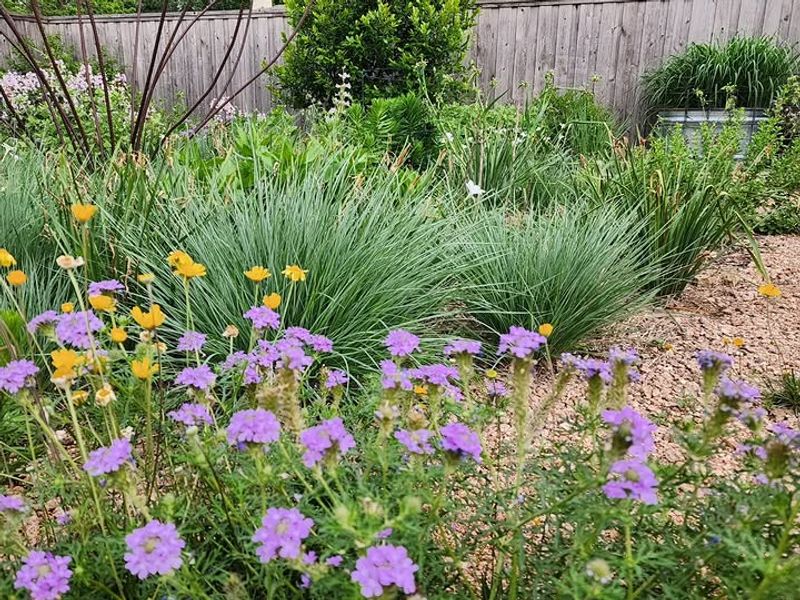
That narrow strip of lawn along a fence or path edge is one of the most frustrating spots in any yard.
Grass struggles there, so people water it more, which makes the soil soggy, which actually makes the problem worse.
Little bluestem offers a genuinely smarter alternative. Overwatering creates humid surface conditions that fleas find very comfortable.
Moist soil, low airflow, and struggling vegetation create a kind of microclimate that shelters fleas better than a well-maintained open bed ever would.
Swapping a chronically overwatered strip for little bluestem changes that dynamic completely.
Once little bluestem establishes its root system, which typically takes one full growing season, it handles dry stretches with ease.
It does not need supplemental watering in most North Carolina summers once roots are settled in.
That means you can stop fighting to keep a struggling lawn edge alive and let a tough, native plant do what it naturally does best.
There is one important note for new plantings, though. During the first season, little bluestem does need regular watering to help roots develop.
Skipping that step can stress the plant before it has a chance to get established. Once it is rooted in well, the need for regular water drops significantly.
Making the switch from a wet, weedy, overwatered edge to a dry, sunny little bluestem planting is one of the most practical improvements a North Carolina gardener can make.
Less water, less mess, and a yard that naturally supports cleaner, drier conditions right where your pets spend their time.
8. It Adds Beauty While Supporting A Cleaner Yard Plan
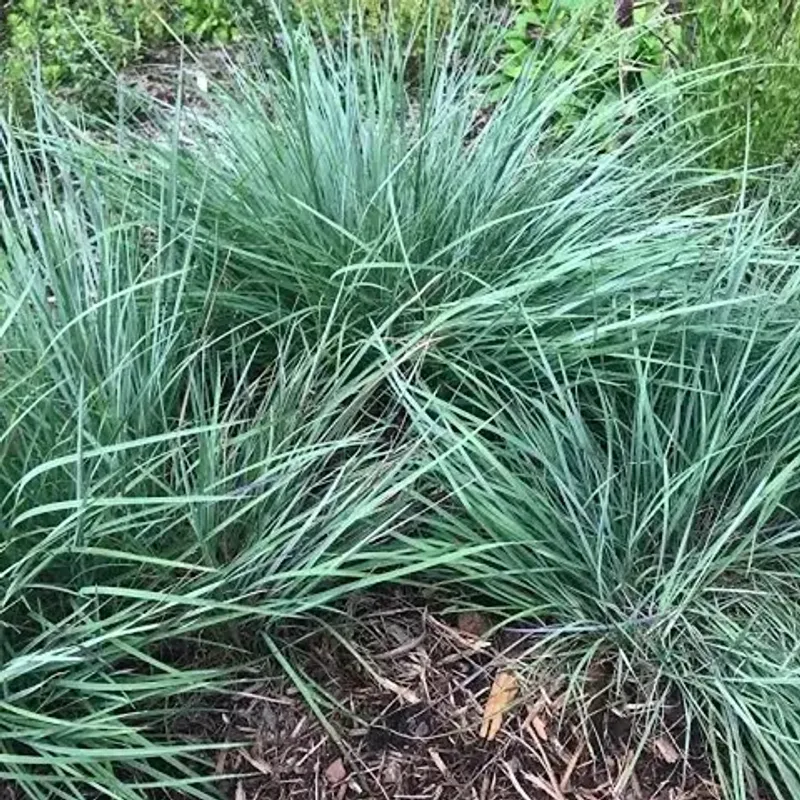
Beyond all the practical flea-awareness benefits, little bluestem is genuinely beautiful.
It is the kind of plant that earns its place in a yard through both function and appearance, which is a combination that does not come along as often as gardeners would like.
Through spring and early summer, little bluestem grows upright with a blue-green color that stands out against typical lawn grass.
By fall, it shifts into warm shades of copper, rust, and bronze that make a yard look rich and intentional.
The feathery seed heads catch the light in a way that feels almost magical on a sunny afternoon.
Birds appreciate those seeds too, so you get a little wildlife bonus along the way.
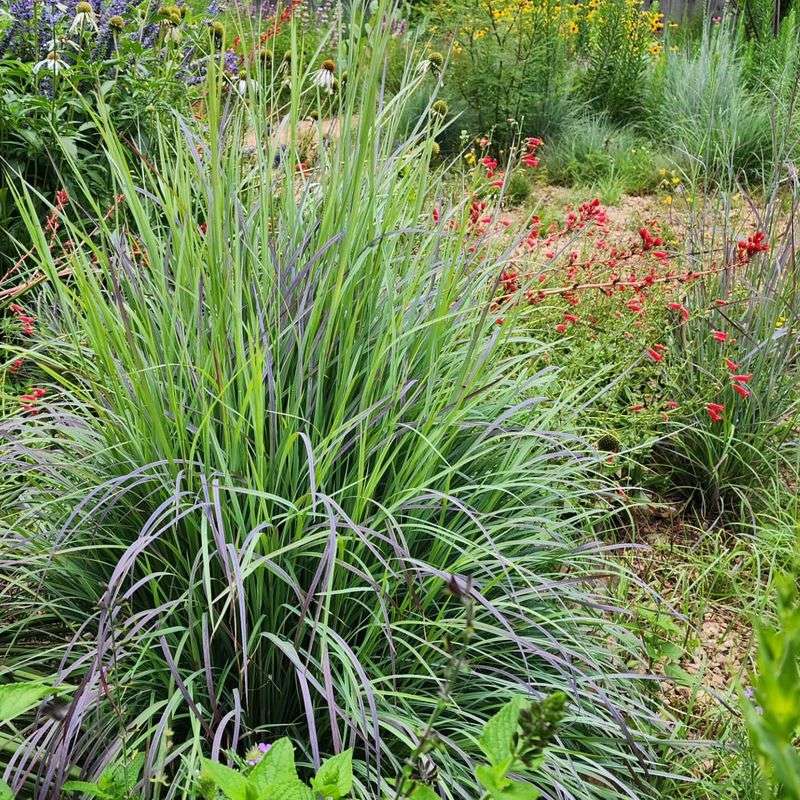
From a yard design perspective, little bluestem adds vertical texture and seasonal interest to areas that might otherwise just be flat, forgettable borders.
Planting it in open, sunny beds around pet areas helps build the kind of landscape that is both attractive and strategically smarter from a flea-awareness standpoint.
The broader lesson here is that building a cleaner, more manageable yard for your pets comes down to several habits working together.
Mowing regularly, removing leaf litter and debris, avoiding overwatering, managing shaded areas, and keeping pet resting spots clean are all part of the picture.
Little bluestem supports that plan by helping you create sunnier, drier, more open spaces naturally.
North Carolina gardeners who choose native plants like little bluestem are investing in a yard that works with the local environment rather than against it. That is always a win worth celebrating.