These Are The Pennsylvania Vegetable Garden Signs Flea Beetles Are Active Before Damage Peaks
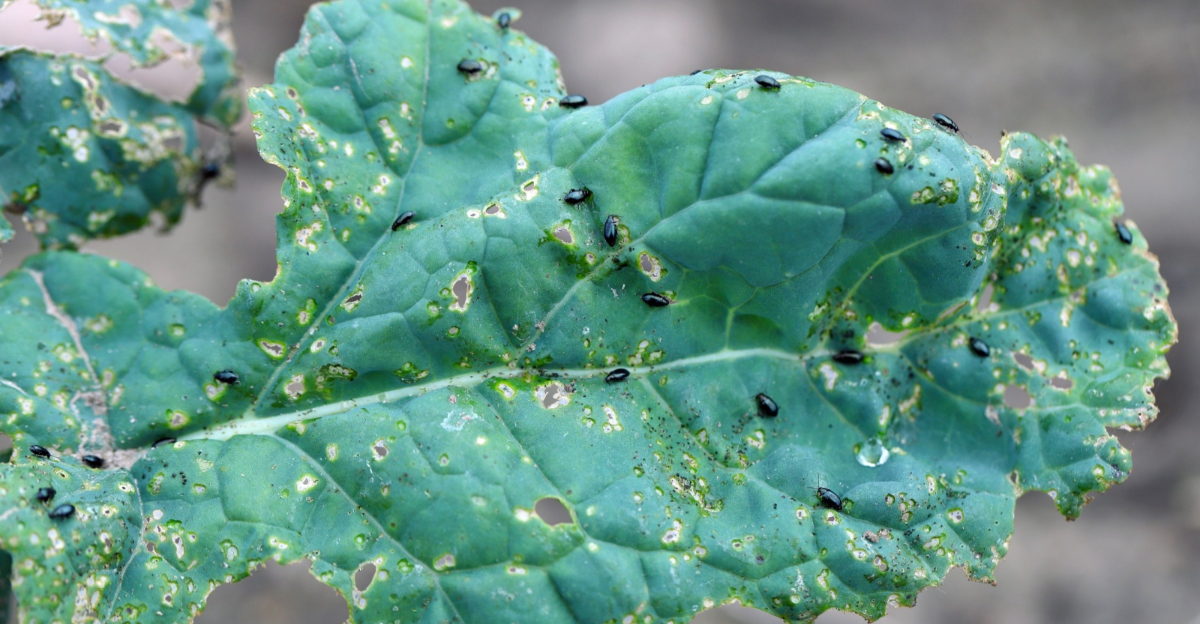
One of the more humbling experiences in a Pennsylvania vegetable garden is walking out one morning to find your seedlings looking like someone went through them with a tiny hole punch overnight.
No obvious culprit in sight, just a lot of small, scattered damage on leaves that looked perfectly fine the day before.
Flea beetles are very good at this. These small, jumping insects move through a vegetable bed fast, and they have a particular fondness for brassicas, eggplant, and fresh transplants that are still finding their footing.
The damage can look minor at first, which is exactly why a lot of gardeners underestimate it until things get noticeably worse.
Catching the early signs and knowing which plants to check first gives Pennsylvania home gardeners a real advantage during the busiest stretch of the growing season.
1. Tiny Shot Holes Appear On Young Leaves
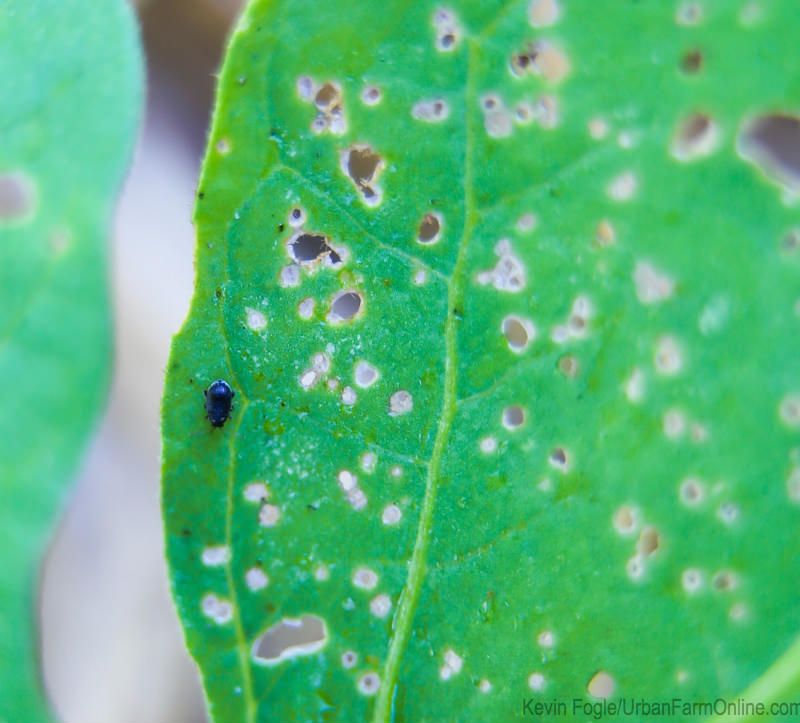
Kale leaves with what looks like a miniature hole punch scattered across the surface are one of the earliest clues that flea beetles may be active in a Pennsylvania vegetable garden.
These tiny holes are often called shot holes because they resemble the pattern left by a small-gauge shotgun blast.
Each hole is usually very small, sometimes no bigger than a pinhead, and easy to overlook if you are not actively scouting your plants.
Flea beetles feed by chewing through the leaf surface, leaving these characteristic pits and holes behind. On young plants, even a moderate amount of feeding can affect a significant portion of the leaf area because the leaves themselves are still small.
Older, more established plants tend to tolerate some feeding better than seedlings or recently set transplants.
In Pennsylvania gardens, spring-planted brassicas like arugula, turnips, and radishes are commonly among the first crops to show this type of damage.
Checking the upper and lower surfaces of young leaves during warm weather can help you catch early feeding before it progresses.
Not every tiny hole comes from flea beetles, so looking for the beetles themselves by gently brushing the foliage can help confirm what is happening in your garden beds.
2. Seedlings Show Damage First
After a warm spell in spring, seedlings emerging in Pennsylvania raised beds and garden rows can look noticeably different within just a few days.
Young plants at the seedling stage are especially vulnerable to flea beetle feeding because their leaves are tender, small, and still developing.
A seedling that loses a meaningful portion of its leaf surface early on may struggle to grow at the pace you expect.
Cotyledons, which are the very first leaves a seedling produces, are often the first to show feeding marks. These initial leaves are important for early photosynthesis, so damage to them can set a plant back during a critical growth window.
Gardeners who start vegetables from seed directly in the garden may notice that some seedlings seem to stall or look ragged even when weather conditions seem favorable.
Checking seedling rows carefully during warm, sunny stretches in Pennsylvania is a good habit to build into your routine.
Your Pennsylvania Garden Changes Every Week. Your Plan Should Too.
Gardening in Pennsylvania changes quickly throughout the season. Every Friday you’ll receive a simple weekly plan showing exactly what to plant, prune, fertilize, harvest, and protect so you never miss the right timing.
Flea beetles tend to be most active when temperatures are warmer, so seedlings that germinate during those periods may encounter heavier pressure than plants that emerge earlier in cooler conditions.
Row covers placed over seedling beds can help protect young plants while they establish, though it helps to have them in place before beetles arrive rather than after you first notice feeding signs.
3. Small Dark Beetles Jump When Disturbed
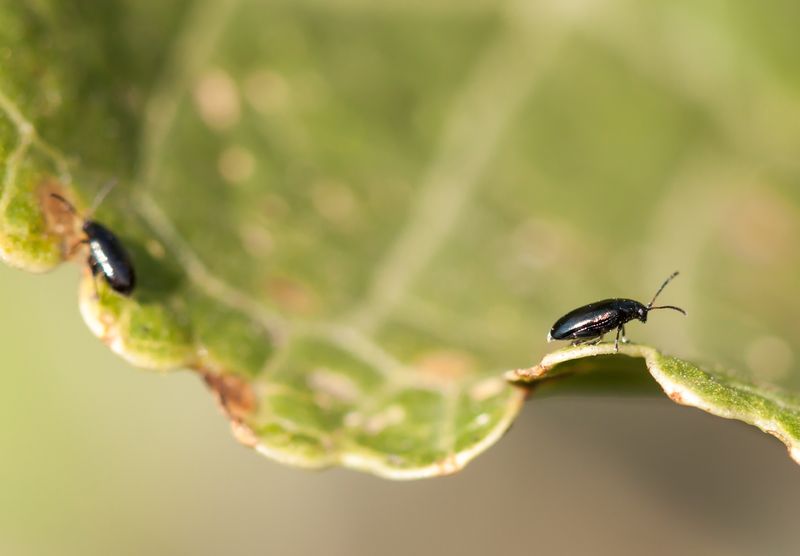
Brushing your hand across a row of young brassicas and watching tiny dark specks leap in every direction is a pretty clear signal that flea beetles are present in your Pennsylvania vegetable garden.
These small beetles get their common name from this jumping behavior, which they use as a quick escape response when something disturbs them.
Spotting the actual insects helps confirm that the holes you are seeing on leaves are likely from flea beetle feeding rather than another cause.
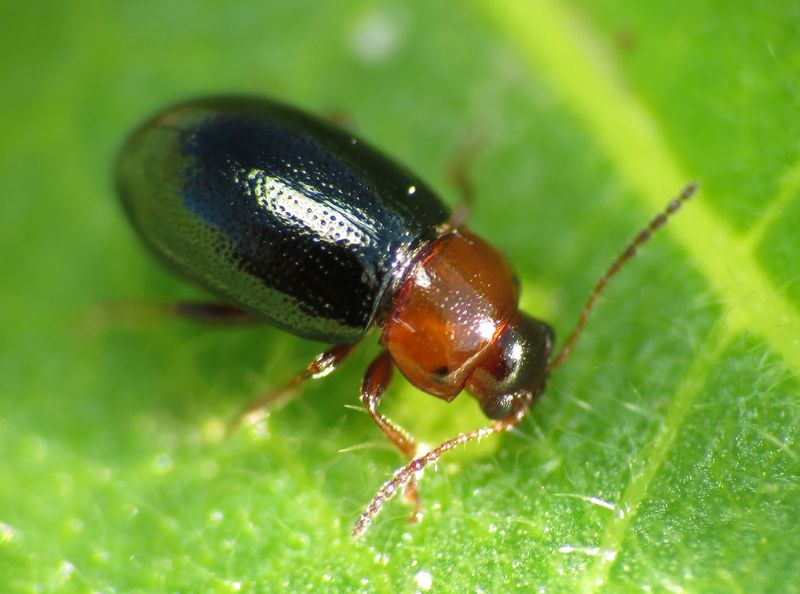
Flea beetles are generally quite small, often only a millimeter or two in length, and their dark, shiny bodies can make them easy to miss against soil or mulch.
Several species are common in Pennsylvania vegetable gardens, and they can vary slightly in color and markings, though the jumping behavior is a consistent trait across most of them.
Some species have a striped pattern, while others appear uniformly dark.
The best time to scout for jumping beetles is during warmer parts of the day when the insects tend to be more active. Early morning checks when temperatures are still cool may yield fewer visible beetles even if the population is present.
Running your hand gently along the tops of leaves and watching for movement is a simple and effective way to assess whether beetles are active in your garden beds before you start seeing heavier leaf damage accumulate on your plants.
4. Brassicas Start Looking Speckled Or Peppered
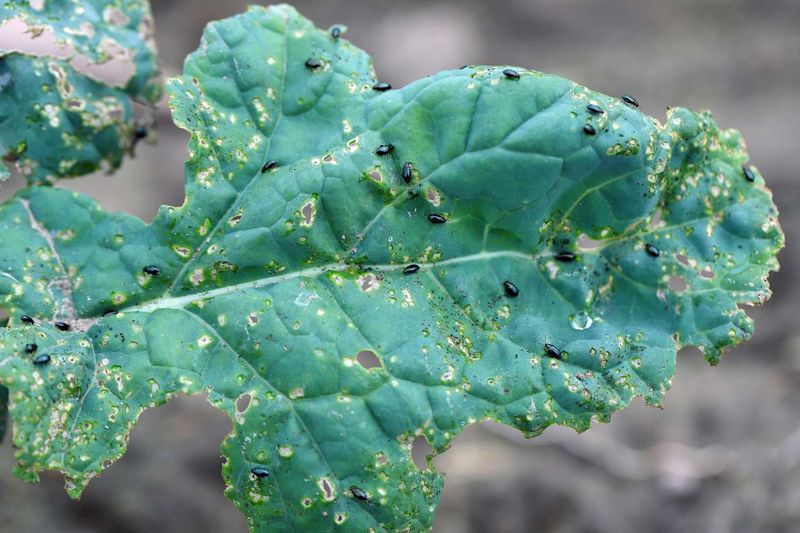
Spring brassica beds in Pennsylvania can develop a distinctive speckled or peppered look that gardeners sometimes mistake for a nutrient issue or disease at first glance.
The scattered pattern of tiny holes across cabbage, kale, broccoli, or mustard greens creates a visual texture that can make leaves appear spotted or stippled when viewed from a short distance.
Getting close enough to see the actual holes clearly helps separate flea beetle feeding from other possible causes.
Brassicas are among the preferred host plants for several flea beetle species found in Pennsylvania.
Young transplants and direct-seeded brassicas set out in spring are particularly likely to encounter these insects because flea beetle populations are often building during the same warm weeks when gardeners are establishing their spring crops.
The feeding tends to concentrate on the youngest, most tender leaves, which are often at the center or top of the plant.
A plant with a lightly peppered appearance may still be growing reasonably well, especially if it has several established leaves.
However, seedlings and small transplants with heavy speckling across most of their leaf area may need attention sooner.
Scouting brassica beds regularly during warm stretches, rather than waiting for obvious large holes to appear, gives Pennsylvania home gardeners a better picture of what is happening before feeding pressure builds further in the garden.
5. Eggplant Leaves Develop Early Pinholes
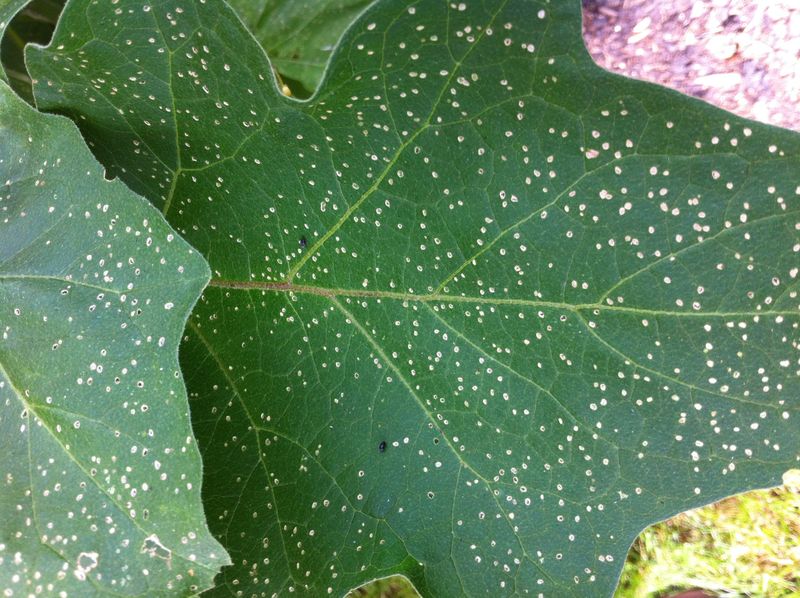
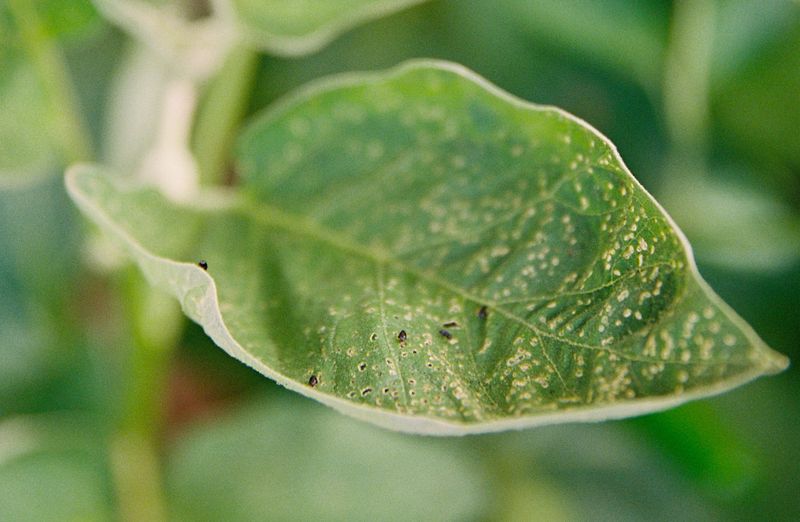
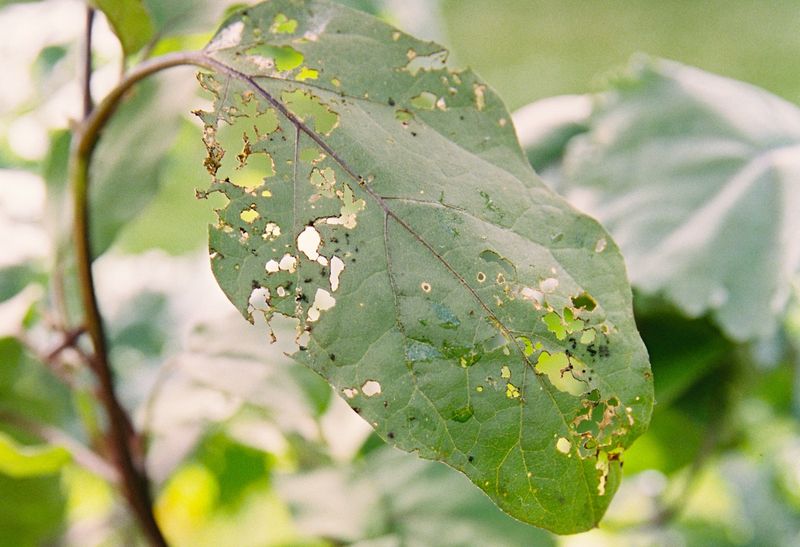
Peppered eggplant foliage is one of the more recognizable early signs Pennsylvania gardeners encounter when flea beetles move into a summer vegetable bed.
Eggplant is a well-known target for flea beetles, and young plants set out after the last frost can show feeding damage relatively quickly once beetles are active.
The first signs often appear as very small pinholes on the newest leaves, sometimes before gardeners have had a chance to notice the insects themselves.
These pinholes can be easy to overlook on eggplant because the leaves are dark green and the holes start out very small.
As feeding continues, individual holes may enlarge slightly or new holes may appear alongside existing ones, creating a more obviously damaged look over time.
Checking the undersides of eggplant leaves as well as the tops can give you a fuller picture of feeding activity.
Pennsylvania summers provide the warm temperatures that flea beetles prefer, making eggplant particularly worth monitoring from the time transplants go into the ground through early summer.
Younger eggplant plants tend to show more noticeable effects from feeding than larger, more established ones.
Keeping transplants healthy with adequate water and fertility may help them grow through moderate feeding pressure, though confirming beetle presence first is always a useful starting point.
Assessing how much leaf area is actually being affected gives you a clearer picture before deciding on any next steps for your specific garden situation.
6. Leaf Pitting Shows Before Larger Holes
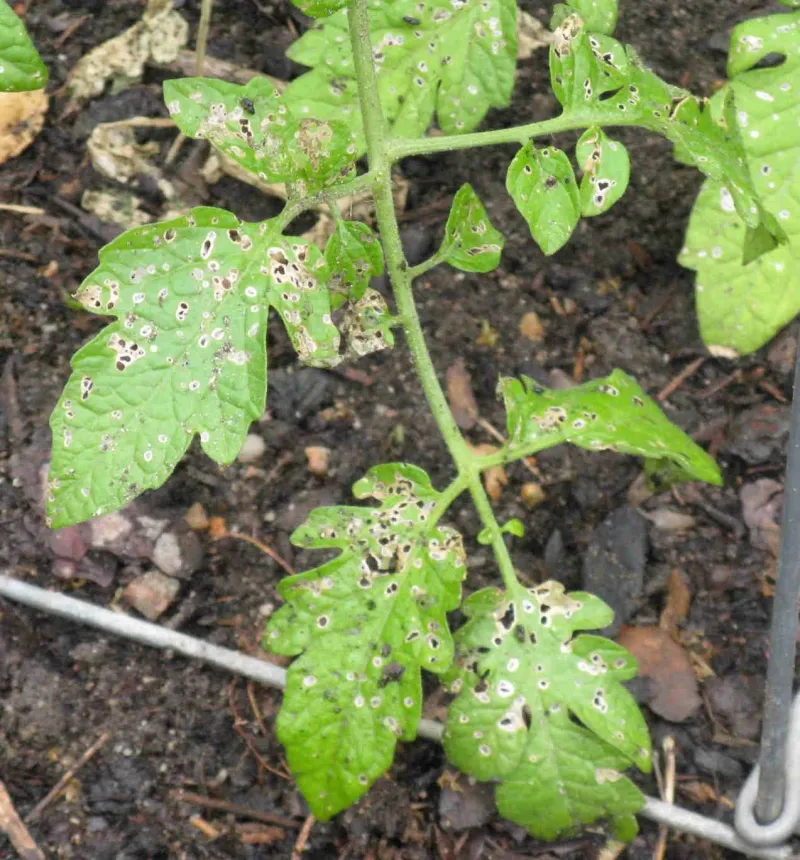
One of the subtler early signs that flea beetles are feeding in a Pennsylvania vegetable garden is a shallow pitting or dimpling on the leaf surface that appears before full holes develop.
Flea beetles sometimes feed on the outer layer of a leaf without immediately chewing all the way through, leaving small depressions or pale spots that can look almost like minor bruising or discoloration.
This stage of feeding is easy to miss unless you are examining leaves closely.
Gardeners who check their plants regularly during warm weather may notice this pitting on young leaves before any obvious holes appear.
It is a useful early indicator because it suggests beetles are present and feeding, giving you a chance to take a closer look and assess the situation while the damage is still light.
Running a finger gently over the leaf surface can help you feel the texture difference between healthy tissue and pitted areas.
This early pitting stage is particularly worth watching for on crops like radishes, arugula, and young pepper plants, which can also attract flea beetles in Pennsylvania gardens.
The transition from shallow pitting to visible holes can happen relatively quickly under warm conditions with active beetle populations.
Catching the pitting stage early means you have more time to consider options like row covers, trap crops, or other management approaches before feeding marks become more widespread across your garden plants.
7. New Transplants Stall After Feeding Starts
Young transplants that seem to sit still for days without putting on any visible new growth can be a frustrating sight for Pennsylvania home gardeners who are eager to see their spring or early summer beds take off.
While transplant shock is a normal part of moving plants from containers to garden beds, stalled growth that persists beyond the typical adjustment period can sometimes point to additional stress, including flea beetle feeding on tender new leaves.
When flea beetles are actively feeding on a transplant, the plant is spending energy responding to that leaf damage at the same time it is trying to establish roots in new soil.
This combination of stressors can slow visible growth and make transplants look less vigorous than you might expect.
Checking the leaves of stalled transplants for tiny holes, pitting, or the presence of jumping beetles can help clarify whether pest feeding is part of what is holding the plant back.
Pennsylvania gardeners who set out transplants of brassicas, eggplant, or other susceptible crops during warm stretches should plan to check them frequently during the first few weeks after planting.
Transplants that are still small and have limited leaf area are less able to compensate for feeding damage than larger, more established plants.
Protecting transplants with floating row covers immediately after planting is one approach some gardeners use to give new plants a better start during periods when flea beetles are likely to be active in the area.
8. Damage Shows Up During Warm Spring And Summer Weather
Pennsylvania vegetable gardens can change noticeably once warm weather settles in during spring and early summer, and flea beetle activity tends to pick up alongside rising temperatures.
These insects are generally more active and more visible during warmer parts of the day and during warmer stretches of the season, which lines up closely with the time when many home gardeners are setting out transplants and watching seedlings emerge.
Spring-planted crops like radishes, arugula, mustard greens, and early brassicas often face the heaviest flea beetle pressure because they are young and tender at exactly the time when beetle populations are building.
Summer crops like eggplant can then face continued pressure as temperatures stay warm through June and July.
The overlap between vulnerable young plants and active beetle populations is why warm-weather scouting matters so much for Pennsylvania gardeners.
Checking vegetable beds in the morning or midday during warm, sunny weather gives you the best chance of spotting both the feeding damage and the beetles themselves.
Cooler or overcast days may make beetles less active and harder to find, even if they are present.
Keeping a simple garden journal and noting when you first see small holes or jumping beetles can help you recognize patterns over the season and plan ahead for the following year.
That kind of record-keeping puts Pennsylvania vegetable gardeners in a better position to scout earlier when conditions favor flea beetle activity, rather than catching the problem after it is already underway.