Why More Arizona Gardeners Are Planting Damianita
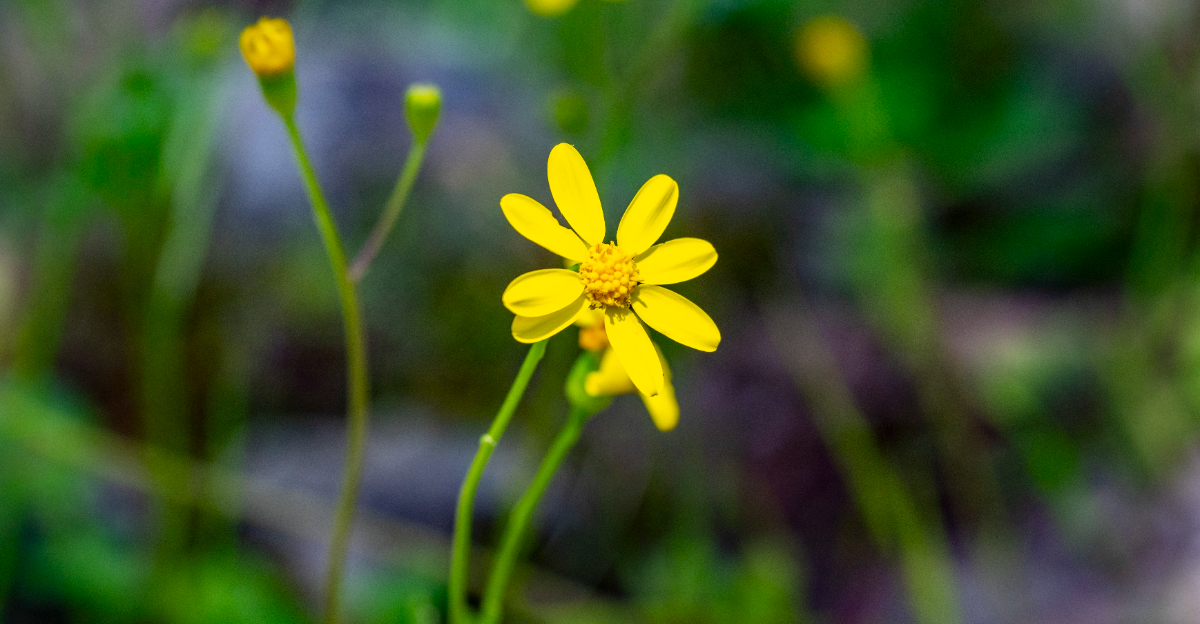
Garden trends come and go, but every now and then a plant earns attention for all the right reasons. It is not because it has the biggest flowers or the fastest growth.
It is because people discover it solves problems that many other plants cannot. Once word starts spreading, it begins showing up in more and more landscapes.
That is exactly what has been happening with Damianita. Its bright blooms catch your eye, but that is only part of its appeal.
Gardeners are also drawn to how well it handles challenging conditions that leave many other plants struggling through the season.
Arizona has never been an easy place for every plant to thrive, so dependable choices quickly stand out.
Damianita has quietly built a loyal following, and it is easy to see why more homeowners are giving this tough native a place in their landscape.
1. Bright Yellow Flowers Last Through The Heat
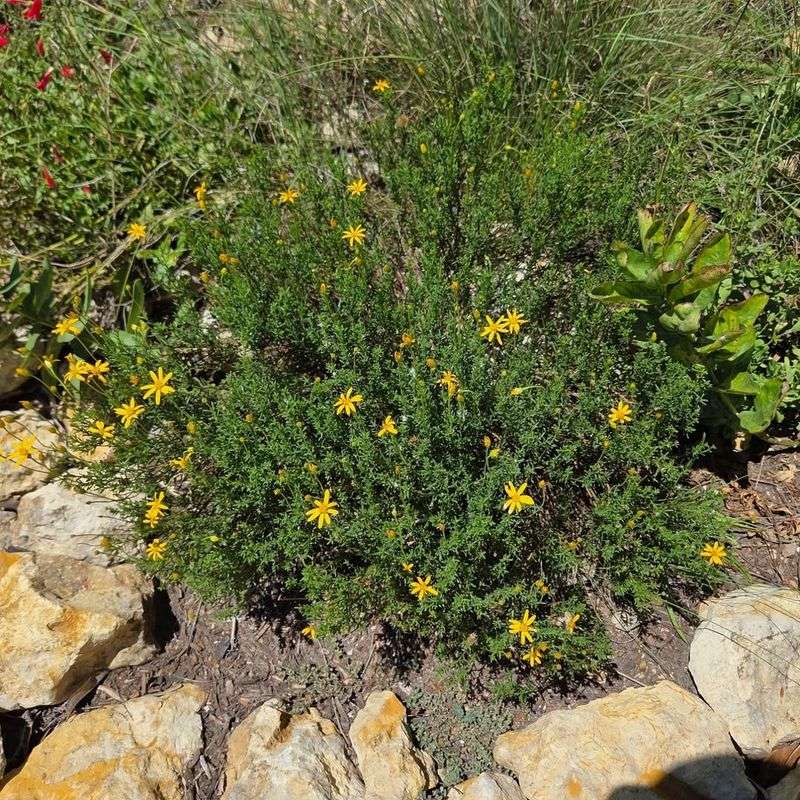
Damianita blooms when most other plants have already quit. Right in the middle of summer heat, those small golden flowers keep opening up like nothing is wrong.
That kind of toughness is rare in a flowering shrub.
Most yellow-blooming plants in dry climates put on a short show in spring and then go quiet. Damianita stretches that window out significantly.
Blooms often appear in both spring and fall, with some plants pushing flowers even during warm summer spells.
Heat above 100 degrees does not cause the flowers to drop or fade quickly. The blooms hold their color well, staying bright rather than bleaching out under intense sun.
That visual payoff lasts longer than most gardeners expect.
Planted along a walkway or near a patio, the yellow color pops against gravel mulch and light-colored walls. It gives yards a lived-in, cared-for look without requiring constant attention.
Few plants deliver that kind of visual return on such little investment.
Gardeners in hot desert regions often struggle to find flowering shrubs that perform reliably through summer.
2. Very Little Water Keeps It Looking Good
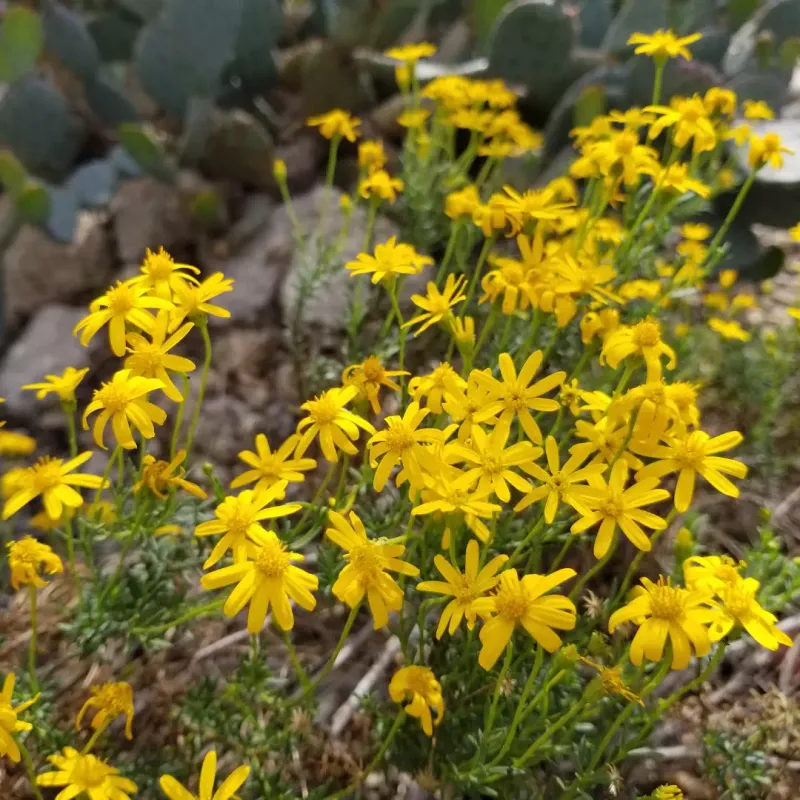
Water bills in desert cities are no joke. Keeping a yard green and colorful while also keeping water use reasonable is a real challenge.
Damianita makes that balance a lot easier to find.
Once established, this shrub gets by on natural rainfall in most years. Supplemental irrigation during the hottest and driest stretches helps it look its best, but it will not collapse without it.
That kind of resilience is genuinely useful in a dry climate.
Most desert gardeners water damianita deeply but infrequently. During cooler months, rainfall alone is usually enough.
In summer, a deep soak every two to three weeks keeps it healthy without encouraging weak, overly lush growth.
Overwatering is actually the bigger risk. Roots sitting in soggy soil will cause problems faster than drought stress will.
Well-drained soil and restrained irrigation are the real keys to keeping this plant looking sharp year after year.
Compared to traditional flowering shrubs that need regular watering schedules, damianita is refreshingly independent. It fits naturally into xeriscape designs where water conservation is the priority.
Your Arizona Garden Changes Every Week. Your Plan Should Too.
Gardening in Arizona changes quickly throughout the season. Every Friday you’ll receive a simple weekly plan showing exactly what to plant, prune, fertilize, harvest, and protect so you never miss the right timing.
3. Pollinators Regularly Visit The Bright Blooms
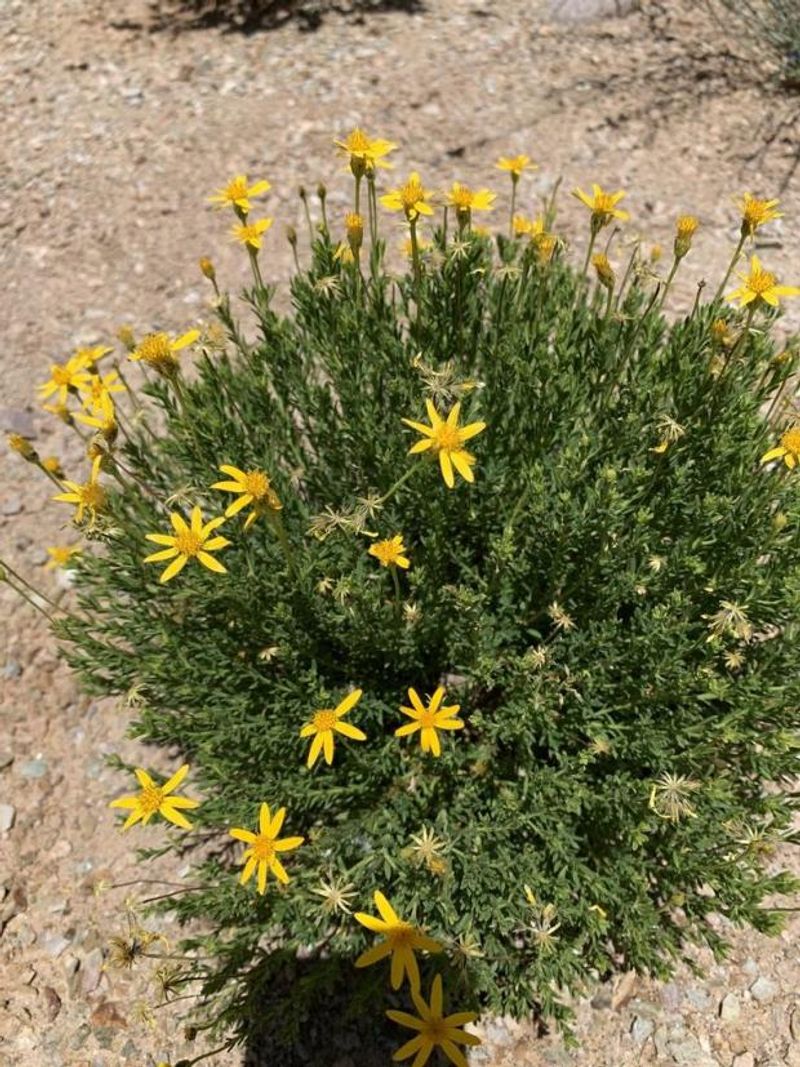
Watch a blooming damianita for five minutes on a warm afternoon. Chances are good you will spot at least one bee working the flowers.
Native bees especially seem drawn to those small yellow blooms.
Butterflies also stop by regularly. Painted ladies, skippers, and various sulphur species have been observed nectaring on damianita during bloom periods.
That kind of pollinator traffic adds real life to a garden space.
Supporting native pollinators has become a priority for many gardeners across the desert Southwest. Planting species that naturally attract bees and butterflies is one of the most practical ways to help.
Damianita fits that goal without requiring any extra effort.
Unlike some ornamental plants that look great but offer little ecological value, damianita pulls double duty. It feeds pollinators while also looking attractive in the landscape.
That combination matters to gardeners who care about more than just curb appeal.
Hummingbirds have also been spotted investigating the blooms occasionally, though they are not the primary visitors. Still, any plant that draws that kind of wildlife activity earns its place in a garden.
Pollinators need reliable food sources throughout the growing season, and a plant that blooms in both spring and fall helps cover important gaps in the local nectar calendar.
Damianita delivers that consistently.
4. Well-Drained Soil Helps It Thrive
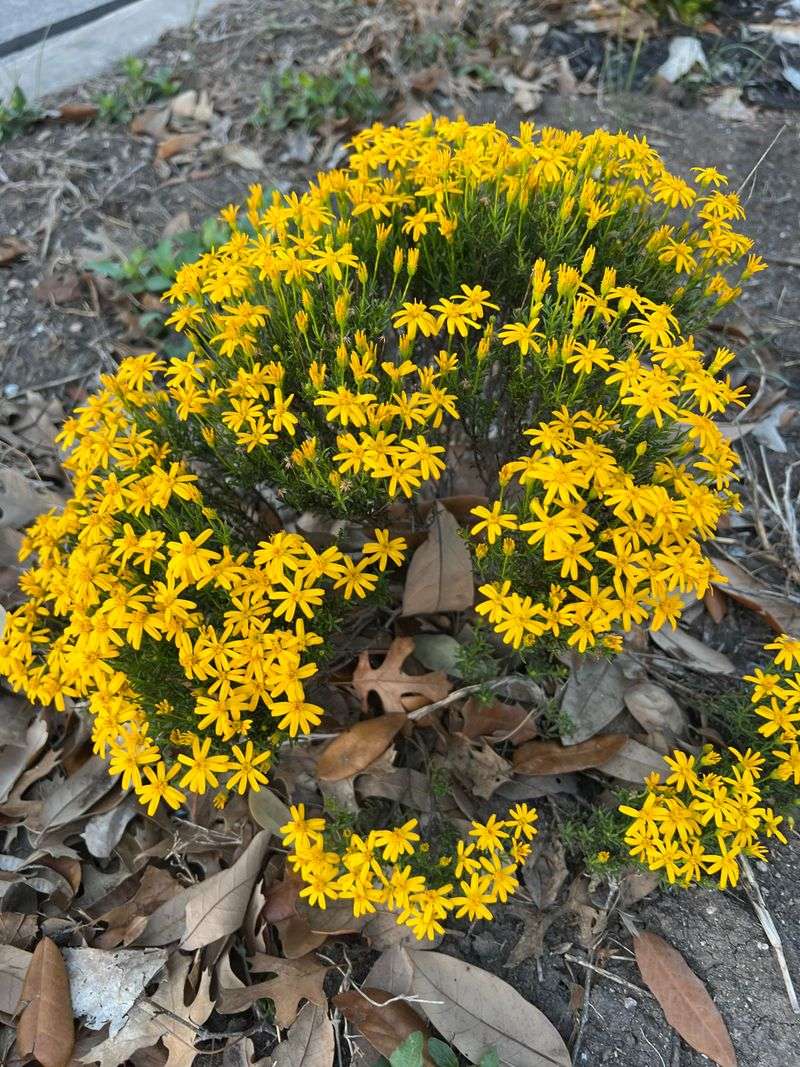
Soil matters more than most people realize. Damianita is proof that the right soil conditions can make or break a plant’s performance.
Get the drainage right, and this shrub practically takes care of itself.
Native to rocky slopes and gravelly desert flats, damianita evolved in conditions where water moves through quickly. Heavy clay soil that holds moisture is not its friend.
Planting it in compacted or poorly draining ground almost always leads to root problems over time.
Sandy loam, gravelly native soil, or amended beds with good drainage all work well. Raised planters and slopes are also solid options, especially in areas where the native soil is dense or slow to drain.
Elevation helps water move away from the root zone faster.
Adding decomposed granite or coarse gravel to the planting area improves drainage without much effort or expense.
Many desert gardeners already use these materials in their xeriscape designs, so incorporating damianita fits naturally into existing soil setups.
One thing worth knowing: damianita does not need rich, amended soil to perform well. Overly fertile soil can actually push excessive leafy growth at the expense of flowers.
Lean, gritty, well-drained ground is genuinely ideal.
5. Compact Growth Fits Smaller Spaces
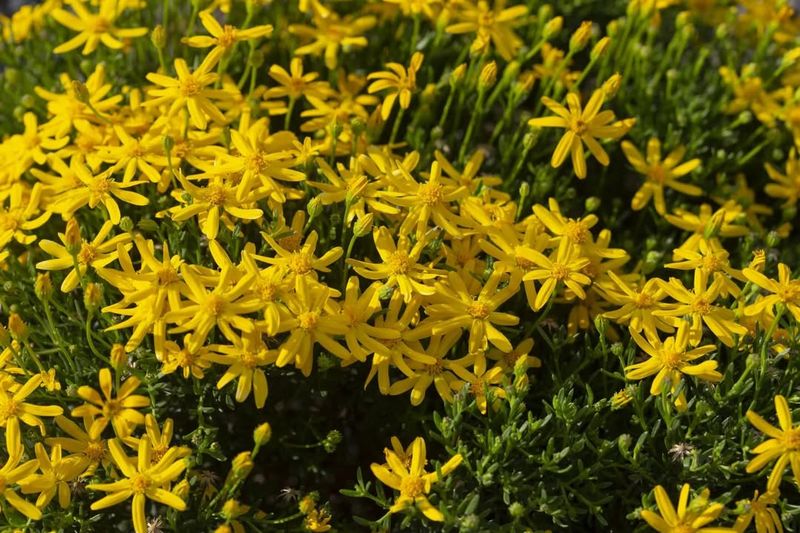
Not every yard has room for large sprawling shrubs. Damianita stays naturally small, typically reaching around one to two feet tall and two to three feet wide.
That tidy size opens up a lot of planting options.
Narrow beds along walkways, tight corners near walls, and small accent spots near entryways all work well for this plant. It fills space without overwhelming it.
That balance is genuinely hard to find in a flowering desert shrub.
Compact growth also means less pruning pressure overall. Damianita does not aggressively push outward or upward.
It tends to hold its shape fairly well on its own, which saves time and effort across the growing season.
Container planting is another option worth considering. In pots on a covered patio or courtyard, damianita performs well as long as drainage holes allow excess water to escape freely.
Terracotta pots work especially well in hot climates because they allow soil to breathe.
Grouping several plants together creates a low flowering hedge effect that looks intentional and polished. Spacing them about two to three feet apart gives each plant room to fill out without crowding.
6. Occasional Pruning Keeps It Looking Full
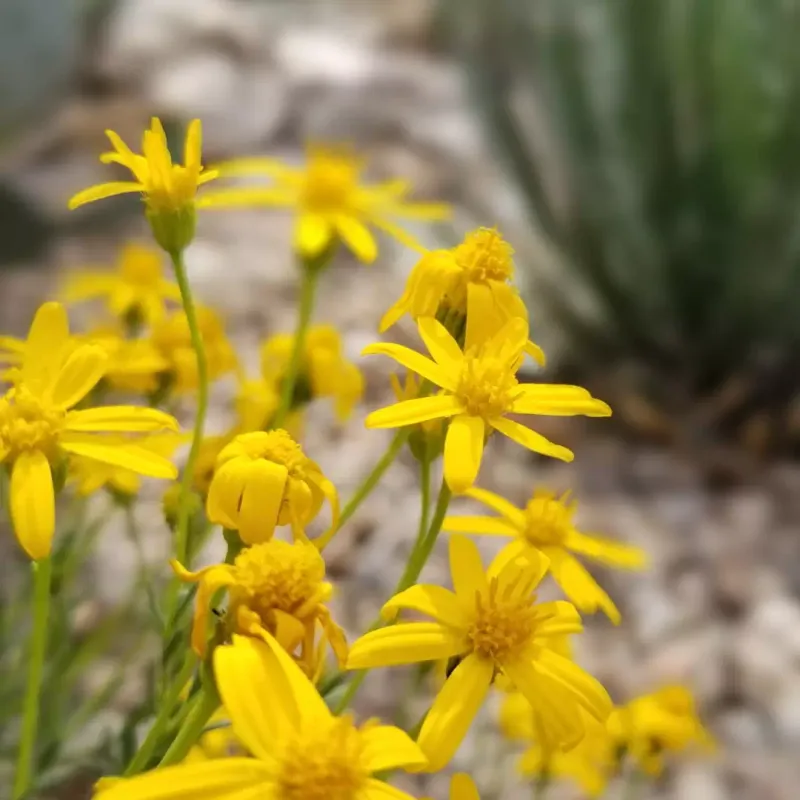
Pruning damianita is not complicated, and it does not take much time. A light trim once or twice a year is usually enough to keep the plant looking tidy and full rather than woody and sparse.
Late winter or early spring is the best window for a more significant cutback.
Removing about one-third of the plant at that point encourages fresh growth before the main bloom period begins.
Avoid cutting back too hard, as damianita responds better to light shaping than severe pruning.
After the first flush of spring blooms fades, a quick deadheading pass can encourage a second round of flowering later in the season.
Not all plants respond to this, but damianita often pushes new buds when spent flowers are removed promptly.
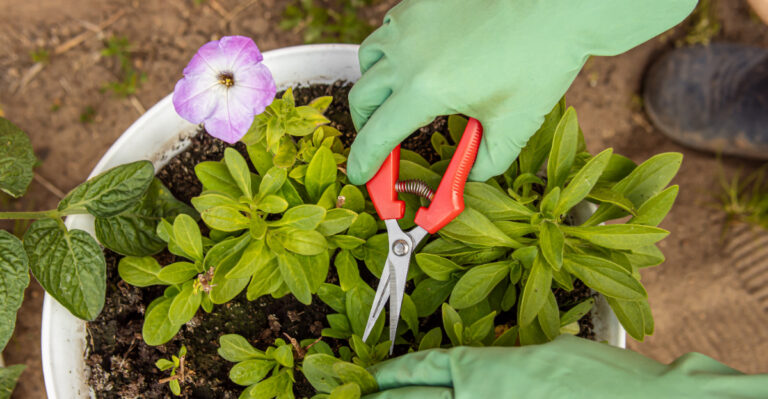
Sharp, clean pruning shears make the job easier and reduce the chance of tearing stems.
Cleaning tools between plants is a good habit, especially if any nearby plants have shown signs of fungal issues. Small steps like that protect the whole garden over time.
Gardeners who skip pruning for a year or two often notice the center of the plant becoming woody and less productive.
Getting ahead of that with light annual maintenance is far easier than trying to rejuvenate a badly neglected shrub.
7. Established Plants Handle Long Dry Spells
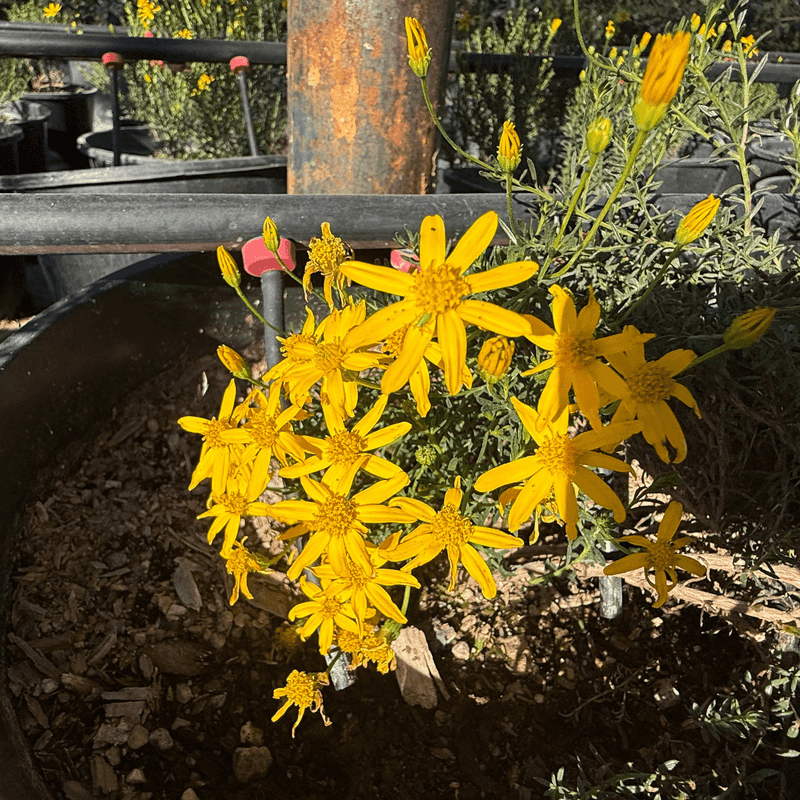
Getting a plant through its first summer in the desert is always the hard part. Once damianita puts down strong roots, the story changes completely.
Established plants handle extended dry periods with surprising composure.
Most gardeners find that after one to two full growing seasons in the ground, damianita needs very little hands-on help during dry stretches.
Roots dig deep enough to access soil moisture that surface-level plants simply cannot reach. That depth provides a real buffer against drought stress.
During a dry spell that would stress out other flowering shrubs, damianita may slow its growth slightly but typically holds its foliage and maintains decent appearance.
It does not look dramatic or distressed the way more water-dependent plants do under the same conditions.
Mulching around the base helps retain soil moisture longer between rain events.
A two to three inch layer of decomposed granite or organic mulch makes a noticeable difference, especially during the hottest months when evaporation rates are high.
Gardeners across the Sonoran Desert region who have dealt with irrigation system failures or water restrictions know how stressful those situations can be.
Having plants in the ground that can genuinely weather those gaps without suffering visible damage is a real advantage.