The Best Time Of Day To Pick Cucumbers In Michigan For The Crispest Harvest
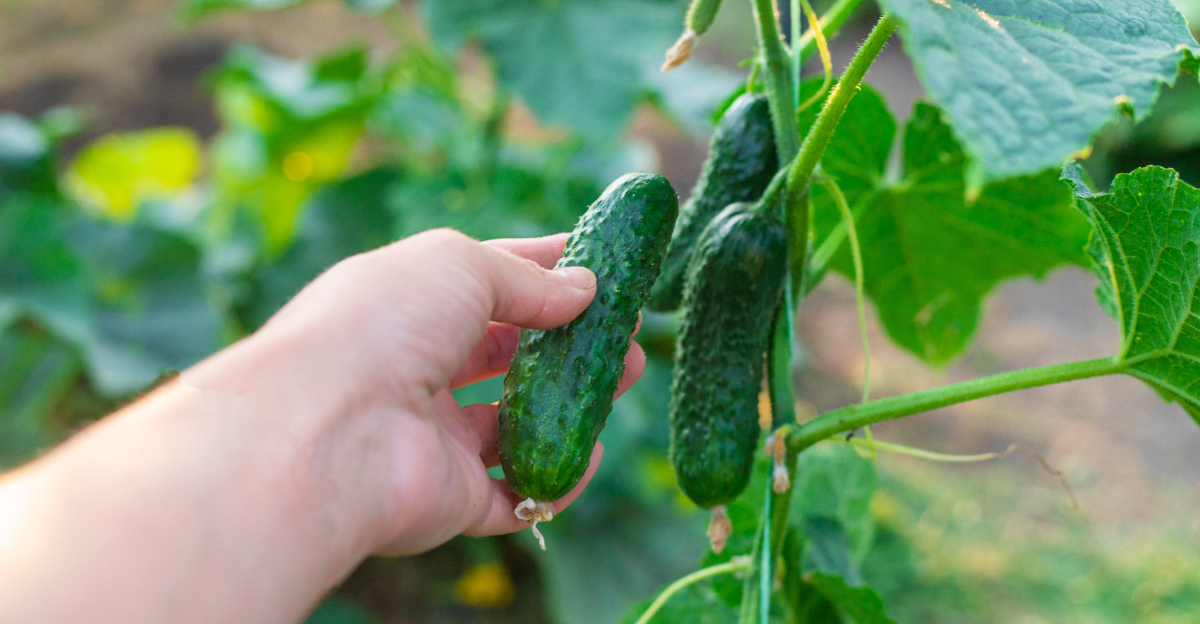
Cucumbers picked at the wrong time of day are still edible, but they are not the same vegetable.
The difference in texture, moisture content, and shelf life between a cucumber harvested at peak conditions and one pulled during the hottest part of a Michigan afternoon is noticeable the moment you cut into it.
Michigan’s summer temperature swings between night and midday are significant enough that the plant itself changes throughout the day in ways that directly affect what ends up on the cutting board.
Knowing exactly when to go out to the garden for cucumbers is one of those small timing adjustments that produces consistently better results with zero additional effort.
1. Early Morning After Dew Dries
There is something almost magical about a Michigan garden in the early morning.
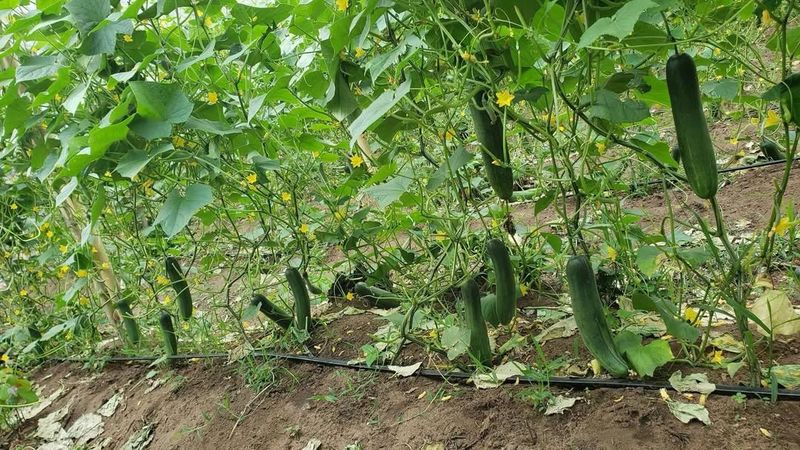
The air is still cool, the light is soft, and the cucumbers hanging on the vine are at their absolute firmest and freshest of the entire day.
Most experienced gardeners will tell you that morning is the golden window for picking, and they are absolutely right.
Cucumbers hold onto their moisture overnight as temperatures drop. By the time the sun comes up, the fruit is still cool and firm, which translates directly into that satisfying crunch everyone loves.
Once afternoon heat kicks in, cucumbers begin to lose some of that tightness, and the difference in texture is noticeable.
One important detail that many gardeners overlook is waiting until the dew actually dries before heading out to harvest.
Wet plant leaves and stems create a risky environment because moisture on the foliage can help spread fungal diseases from plant to plant.
Give the garden about an hour after sunrise, once the dew has evaporated, before you start picking.
Michigan summers can get surprisingly hot and humid, which makes early morning harvesting even more valuable here than in cooler climates.
The combination of cool fruit, dry plants, and calm morning conditions sets you up for a cleaner, safer, and more productive harvest session every single time.
Make it part of your summer morning routine and your cucumbers will reward you generously all season long.
2. Cool Fruit Keeps Better

Grab a cucumber picked at noon on a hot Michigan August day and compare it to one pulled from the vine at seven in the morning. The difference in how they feel in your hand is real, not imagined.
Morning-harvested cucumbers carry the cool of the night with them, and that internal temperature matters more than most people realize. When a cucumber is still cool from the night air, it is firm all the way through.
The cell walls inside the fruit are tight and full of water, which is exactly what creates that satisfying snap when you slice into one.
A cucumber that has been sitting in afternoon sun starts to warm up from the outside in, and those cells begin to relax and soften before you even pick it.
From a practical standpoint, a cool cucumber is also much easier to chill quickly after harvest.
Your Michigan Garden Changes Every Week. Your Plan Should Too.
Gardening in Michigan changes quickly throughout the season. Every Friday you’ll receive a simple weekly plan showing exactly what to plant, prune, fertilize, harvest, and protect so you never miss the right timing.
Refrigerators work best when they do not have to work overtime cooling down warm produce.
Putting a cool, morning-picked cucumber into the fridge means it reaches ideal storage temperature fast, which helps lock in the crispness you worked all season to grow.
Michigan summer gardens can reach scorching temperatures by midday, especially in raised beds and south-facing plots that soak up the sun.
Getting your cucumbers off the vine before that heat builds is one of the simplest and most effective tricks for improving your kitchen results.
Fresh, cool, crisp cucumbers from your own garden are absolutely worth setting the alarm a little earlier.
3. Pick Before The Day Gets Hot
Anyone who has gardened through a Michigan summer knows just how quickly the temperature can climb once the morning hours pass.
By ten or eleven in the morning, the sun is already doing serious work, and by early afternoon, raised beds and container gardens can feel almost oven-like.
Waiting until afternoon to harvest cucumbers is a habit worth breaking as soon as possible. Heat does real things to a cucumber still on the vine.
The fruit loses water through its skin faster than the vine can replace it, and that process softens the texture from the inside out.
Cucumbers growing on trellises or in containers are especially vulnerable because they have less soil mass around them to buffer temperature swings throughout the day.
Slicing cucumbers grown in sunny spots tend to suffer the most from afternoon heat exposure.
Their larger size means more surface area exposed to direct sun, and they can go from perfectly ripe to soft and slightly bitter in just a day or two if left in high heat.
Picking them before the hottest part of the day protects both the fruit you harvest and the developing fruit still on the vine.
A simple rule of thumb for Michigan gardeners is to finish all cucumber harvesting before ten in the morning whenever possible.
On especially hot days, even nine o’clock is a better target. The earlier you get out there, the firmer and more flavorful your cucumbers will be. Your salads, sandwiches, and pickle jars will all reflect that effort in the most delicious way.
4. Check Pickling Cucumbers Every Day
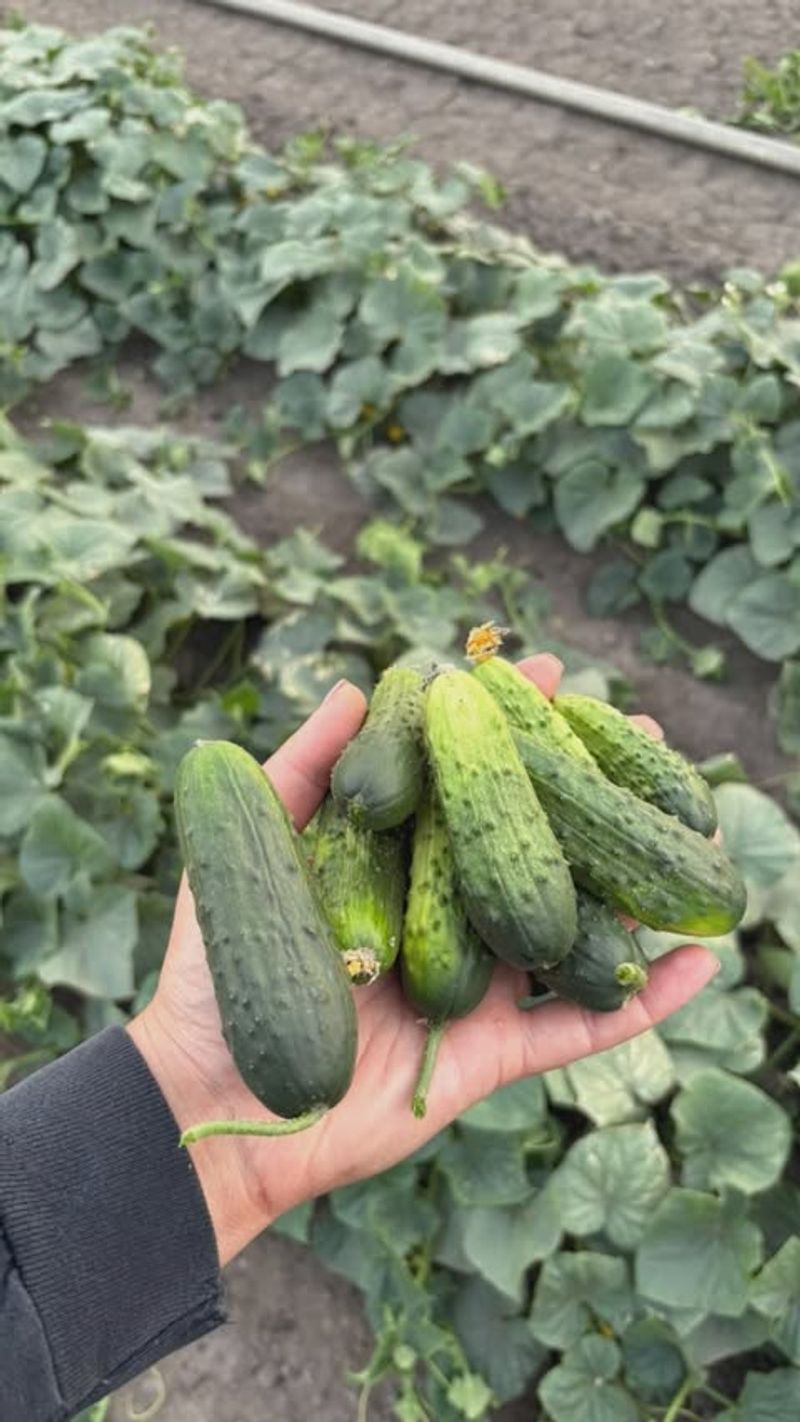
Pickling cucumbers are fast growers, and they have a way of sneaking up on you.
One morning they look like they need another day, and by the next morning they have already grown past the ideal size for crisp pickles.
Michigan State University recommends checking pickling cucumber plants every single day once they start producing, and that advice is worth taking seriously.
The sweet spot for pickling cucumbers is usually somewhere between two and four inches long, depending on the variety. At that size, the seeds inside are still small, the skin is thin, and the flesh is dense and firm.
Those qualities translate directly into the satisfying crunch that makes a great pickle, whether you are making refrigerator pickles or processing jars for the pantry.
Once a pickling cucumber grows past that ideal window, the seeds get larger, the flesh becomes waterier, and the skin toughens up.
The result in the jar is a softer, less flavorful pickle that does not hold up nearly as well through the brining process.
Oversized picklers are still edible, but they rarely produce the quality most gardeners are hoping for when they plan their pickle-making season.
Daily morning checks also give you a chance to spot any cucumbers hiding under leaves before they balloon into oversized fruit. Pickling vines tend to be bushy and dense, which makes thorough searching important.
Bring a small basket, check every corner of the plant carefully, and harvest anything that has reached your target size. Consistency is what keeps pickling cucumber plants productive all summer.
5. Harvest Slicing Cucumbers While They Are Dark Green
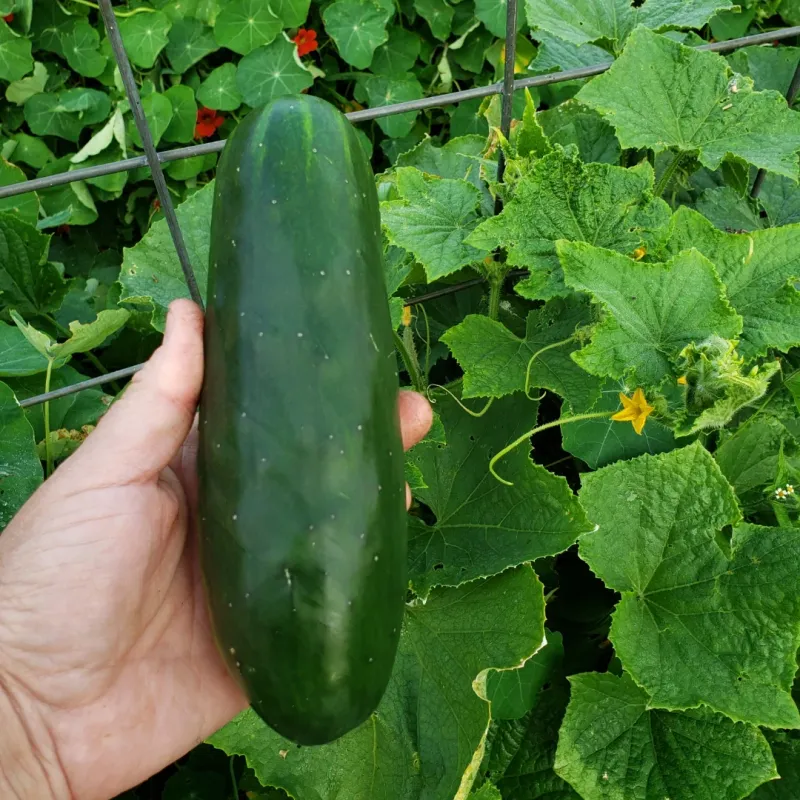
Color is one of the clearest signals a cucumber plant sends when it comes to readiness.
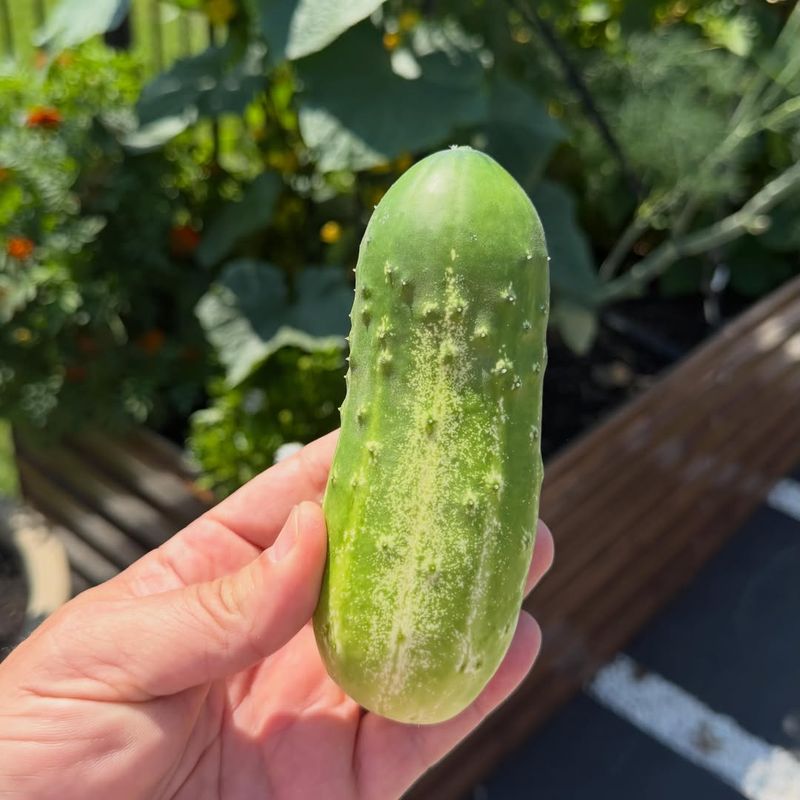
Michigan State University advises gardeners to pick slicing cucumbers while they are still slender and a deep, rich shade of green.
That dark color is a sign that the fruit is at peak quality, full of flavor, and perfectly firm for fresh eating. As a slicing cucumber matures past its prime, the color starts to shift.
The deep green begins to fade toward a lighter, more yellowish tone, and that color change is a warning worth heeding.
A cucumber that has started to turn light green or yellow has been on the vine too long, and the interior texture will reflect that, becoming softer, seedier, and less pleasant to eat raw.
Size matters just as much as color for slicing cucumbers. Most standard varieties are best harvested somewhere between six and eight inches long.
At that length, the skin is still smooth and tender, the seeds are small and barely noticeable, and the flavor is clean and refreshing.
Letting them grow to ten or twelve inches might seem impressive, but the eating quality drops noticeably at that stage. Firmness is the final check.
Before cutting a slicing cucumber from the vine, give it a gentle squeeze. A ripe, ready cucumber should feel solid and firm with no soft spots. If it gives slightly under pressure, it has already started to lose its best quality.
Catching slicers at the dark green, firm stage every morning is the key to enjoying truly excellent cucumbers straight from your Michigan garden.
6. Keep The Vines Picked Clean
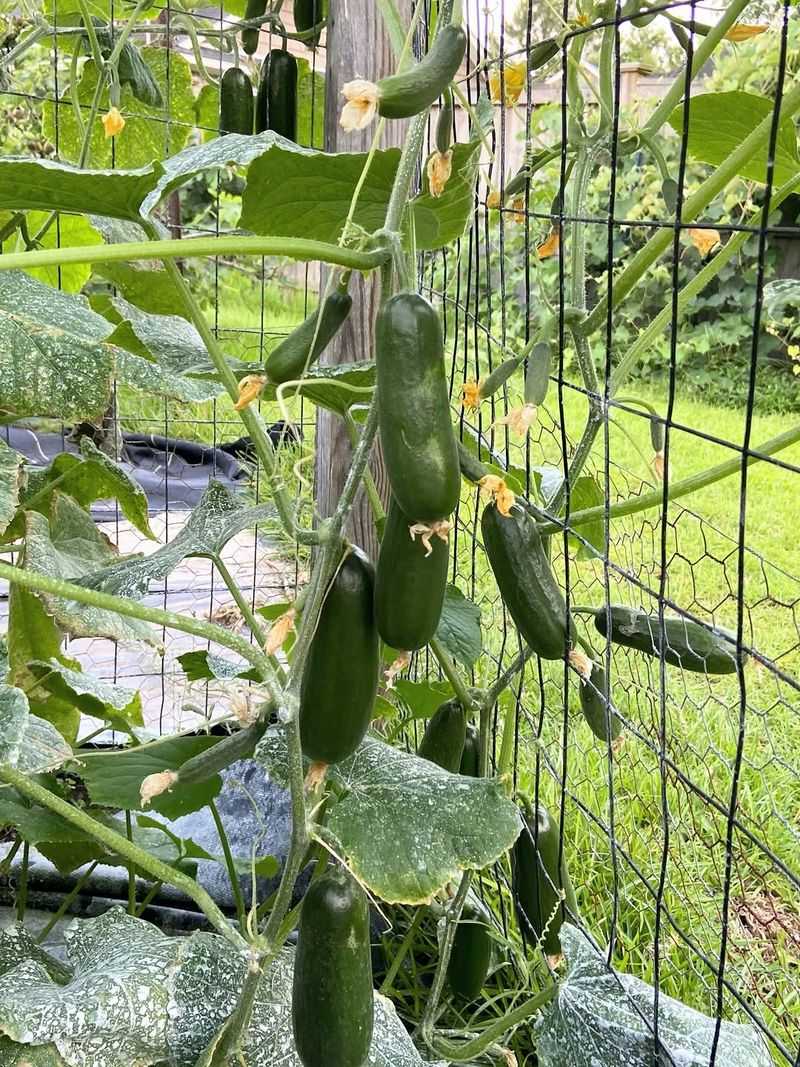
Cucumber plants are generous producers, but only when you give them a reason to keep going.
Michigan State University points out that leaving mature cucumbers on the vine sends a signal to the plant that its work is done.
Once the plant senses it has successfully grown fruit to full maturity, it naturally slows down or stops setting new fruit altogether. Regular morning harvesting breaks that cycle.
When you remove mature cucumbers consistently, the plant keeps putting its energy into flowering and setting new fruit instead of nurturing cucumbers that are already past their best.
The result is a longer, more productive season with more cucumbers coming off the vine week after week throughout the Michigan summer.
One habit that helps enormously is removing cucumbers even when they are not quite perfect.
A slightly oversized cucumber, a fruit with a small blemish, or one that got missed for a day or two should still come off the vine right away.
Leaving imperfect fruit on the plant does just as much harm as leaving a perfectly ripe one, because the plant cannot tell the difference between a prize cucumber and an ordinary one.
Think of picked clean vines as a simple form of plant communication. You are telling the plant to keep working, keep flowering, and keep producing.
Most Michigan gardeners who harvest consistently find their plants stay productive well into late summer and even into early fall.
A few minutes of thorough morning picking every day adds up to weeks of extra harvests that would otherwise never happen if the vines were left unchecked.
7. Use Clippers Instead Of Pulling
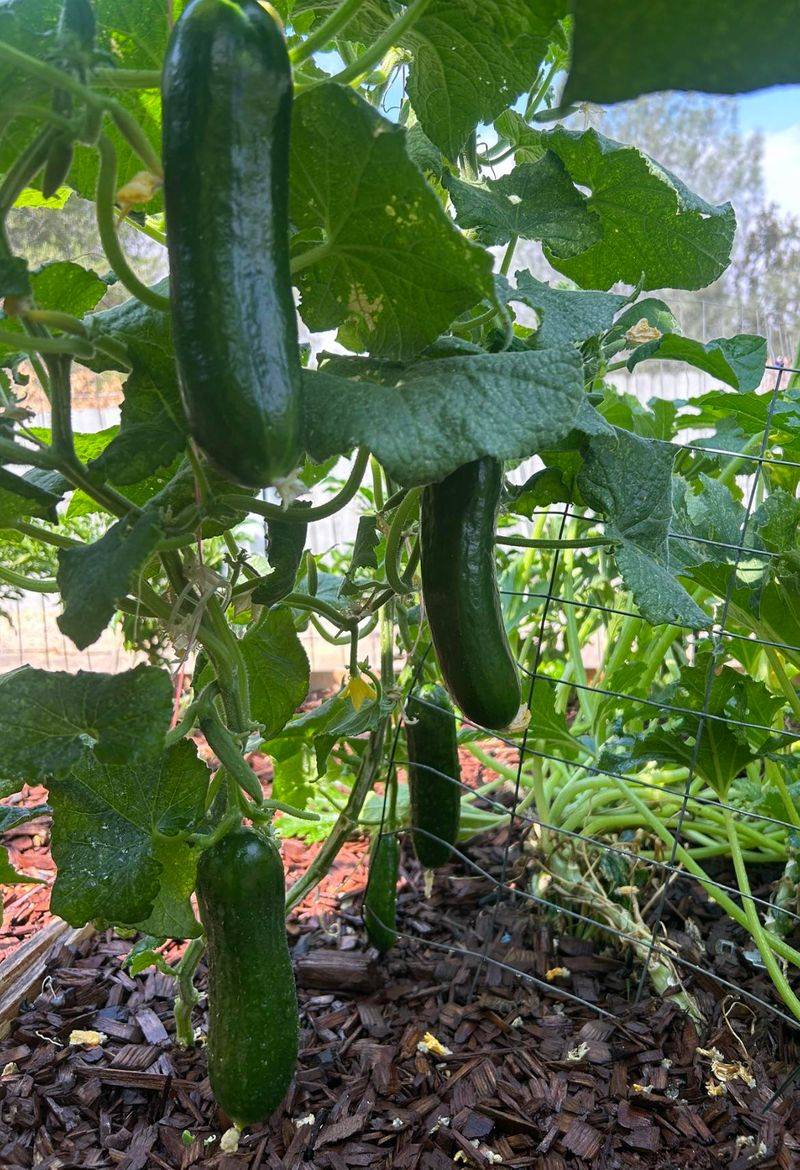
Yanking a cucumber off the vine might seem like the fastest way to harvest, but it creates more problems than it solves.
Pulling puts stress on the entire vine, and that sudden force can disturb small developing cucumbers nearby, loosen the plant from its support, or even snap a section of stem that was still supporting healthy growth elsewhere on the plant.
Using a pair of clean garden clippers or small pruning shears makes the job cleaner, faster, and safer for both the plant and the gardener.
A sharp cut leaves a clean wound on the vine that heals quickly and cleanly, rather than a ragged tear that can invite disease or slow recovery.
It takes just a second longer than pulling, and the benefit to vine health is well worth the extra moment.
Clippers also help protect the small cucumbers developing right next to the ones you are harvesting.
When you reach into a dense vine and pull, there is a real chance of bumping or bruising immature fruit that still needs another few days to grow.
A precise snip with clippers lets you remove exactly what you want without disturbing anything nearby. Keeping your clippers clean between uses is a small but important detail.
Wiping the blades with a cloth dampened with rubbing alcohol before and after harvesting reduces the chance of spreading any plant pathogens from one vine to another.
Morning harvesting with clean, sharp clippers is a practice that serious Michigan gardeners swear by, and once you try it, going back to pulling will feel like a step backward.
8. Chill Cucumbers Soon After Picking
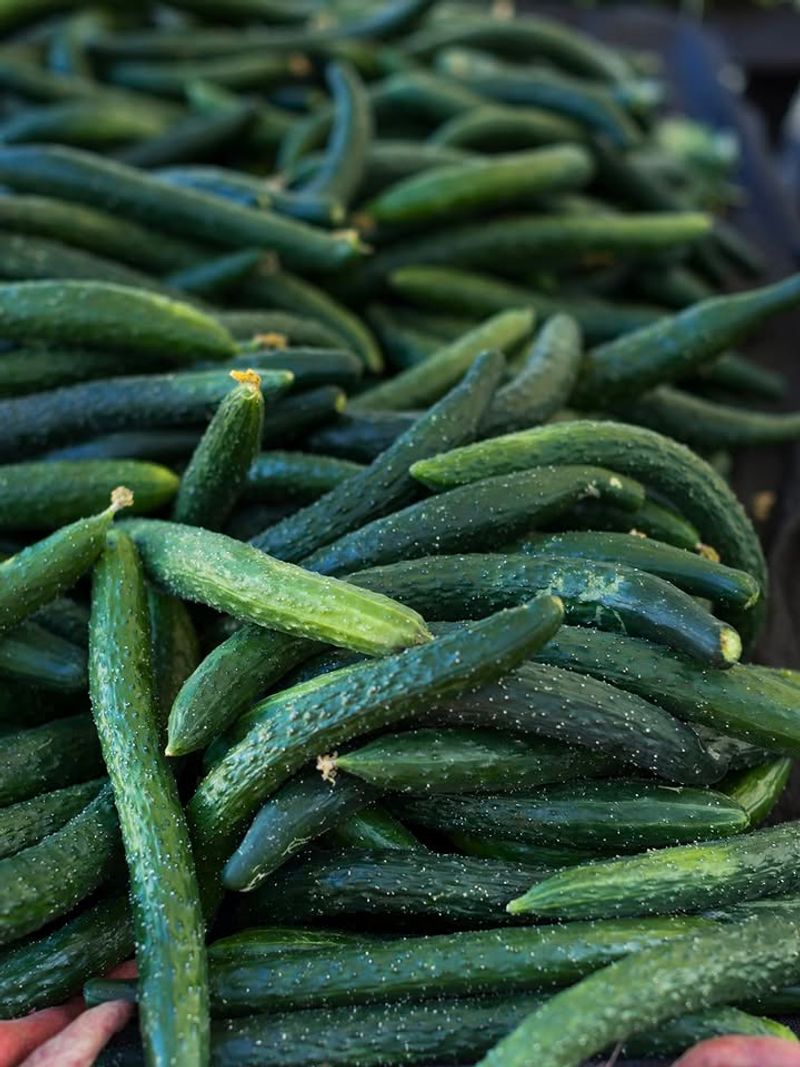
Getting cucumbers off the vine at the right time is only half the battle.
What happens in the first hour after harvest has a huge impact on how crisp and fresh those cucumbers will taste later in the day or later in the week.
Moving quickly from vine to cool storage is the step that locks in everything the morning harvest worked to preserve. After picking, keep cucumbers out of direct sun right away.
Even a few minutes sitting in a basket on a sunny porch or driveway can warm them up significantly and start softening the texture you just worked to protect.
Bring them inside or into a shaded area as soon as your harvesting session is finished, and handle them gently to avoid bruising.
Michigan State University notes that cucumbers store well in the refrigerator for about a week when handled properly.
The crisper drawer, which maintains slightly higher humidity than the rest of the fridge, is usually the best spot for them.
Wrapping them loosely in a dry paper towel before placing them in a bag or container helps absorb any excess moisture without drying them out. Pickling cucumbers are a slightly different story.
While they can be refrigerated briefly, MSU recommends using them as soon as possible after harvest for the very best pickle quality.
The fresher the pickling cucumber going into the brine, the crisper and more flavorful the finished pickle will be.
Morning harvest followed by same-day pickling is the combination that produces truly outstanding results for Michigan home canners every single season.