Arkansas Gardeners Should Stock Their Garden With These 8 Affordable Picks
Arkansas dirt has a reputation for a reason. The humid summers, the mineral-rich clay in the Delta, and a frost-free stretch longer than most states get.
This place practically begs you to grow something. Drop a seed in April. By July you’ll have more than you know what to do with.
The catch? Garden centers love to upsell fancy hybrids and pricey starter kits you don’t actually need.
Skip that. Arkansas gardeners have been pulling off massive harvests for generations. They use cheap, no-fuss picks that thrive in this exact soil and heat.
You don’t need a greenhouse or a trust fund. Just a patch of ground, a little know-how, and the right choices for this climate.
What follows is a lineup that might surprise you. Proof that a tiny budget and a little dirt can go a lot further than most people think.
1. Tomatoes
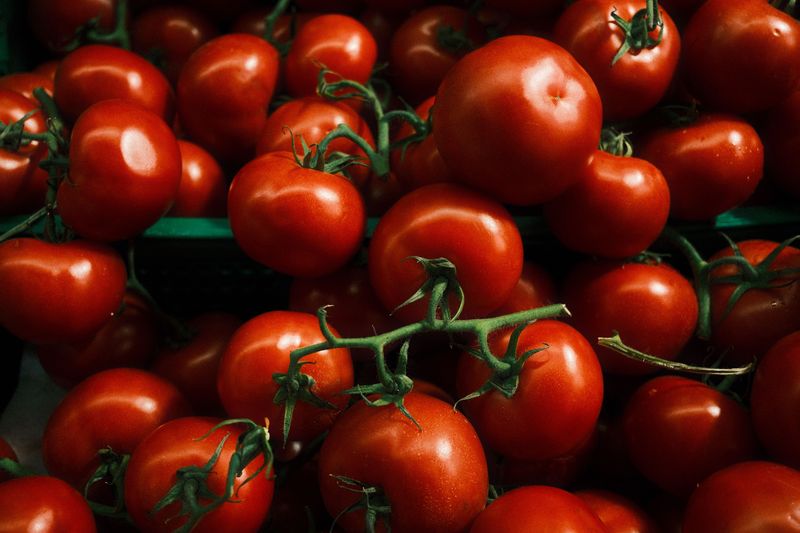
Nothing beats the smell of a sun-warmed tomato pulled straight from the vine. Tomatoes are one of the most popular crops in any Arkansas garden, and for good reason.
The state’s long, hot summers create ideal conditions for tomato plants to thrive. Varieties like Celebrity and Better Boy do especially well in the heat and humidity.
Start seeds indoors about six to eight weeks before the last frost date. Transplant them outside once nighttime temperatures stay above 50 degrees.
Tomatoes need at least eight hours of direct sunlight each day. Plant them in well-draining soil enriched with compost for the best harvest.
Water deeply and consistently, aiming for about one to two inches per week. Blossom end rot is caused by calcium deficiency, and inconsistent watering makes it worse by disrupting calcium uptake.
Stake or cage your plants early so they have strong support as they grow heavy with fruit. A little cage now saves a lot of heartbreak later.
Feed your tomatoes with a balanced fertilizer every two to three weeks during the growing season. Watch for hornworms and aphids, which love Arkansas summers just as much as you do.
One packet of seeds can cost less than two dollars and yield dozens of plants. Tomatoes are the ultimate affordable pick for any Arkansas gardener looking to grow big.
2. Green Beans
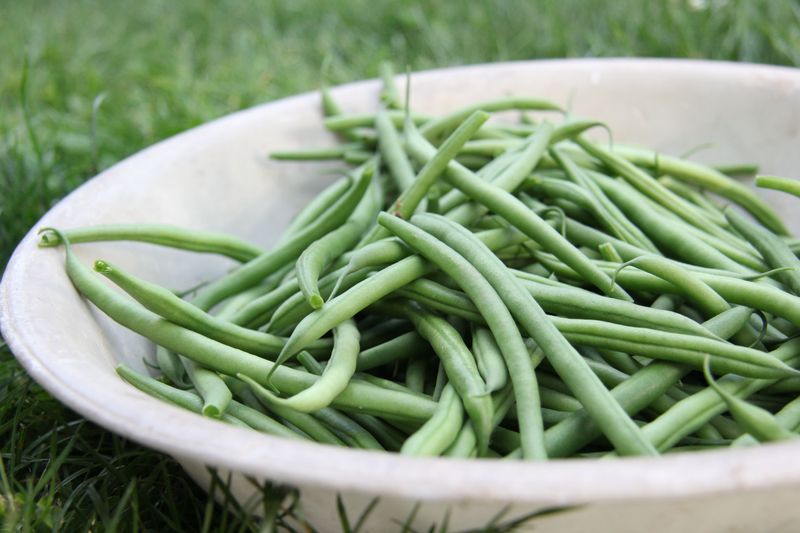
Crisp, snappy, and wildly productive, green beans are a reliable, low-maintenance crop that every Arkansas grower should plant. They ask for very little and give back in abundance.
Bush bean varieties like Contender and Blue Lake 274 are top choices for the region. Contender matures in about 50 days, while Blue Lake 274 typically needs closer to 60 days to produce a generous harvest.
Direct sow seeds into the ground after the last frost, spacing them about two inches apart. Green beans do not transplant well, so skip the seedling tray and go straight to the soil.
A full sun location with loose, well-drained soil is all they need to get going. Adding a bit of compost at planting time gives them an early boost.
Water regularly but avoid soaking the leaves, which can invite fungal problems in humid weather. Morning watering is always the smarter move in a southern garden.
Bush beans do not require staking, which makes them low-maintenance and budget-friendly. Pole bean varieties need a trellis but will reward you with a longer harvest window.
Pick the pods when they are slender and firm for the best flavor and texture. Leaving them on the plant too long causes the beans to get tough and stringy.
A single packet of seeds costs around one to two dollars and covers a generous row. Green beans are proof that the best things in the garden do not cost much at all.
3. Zucchini And Summer Squash
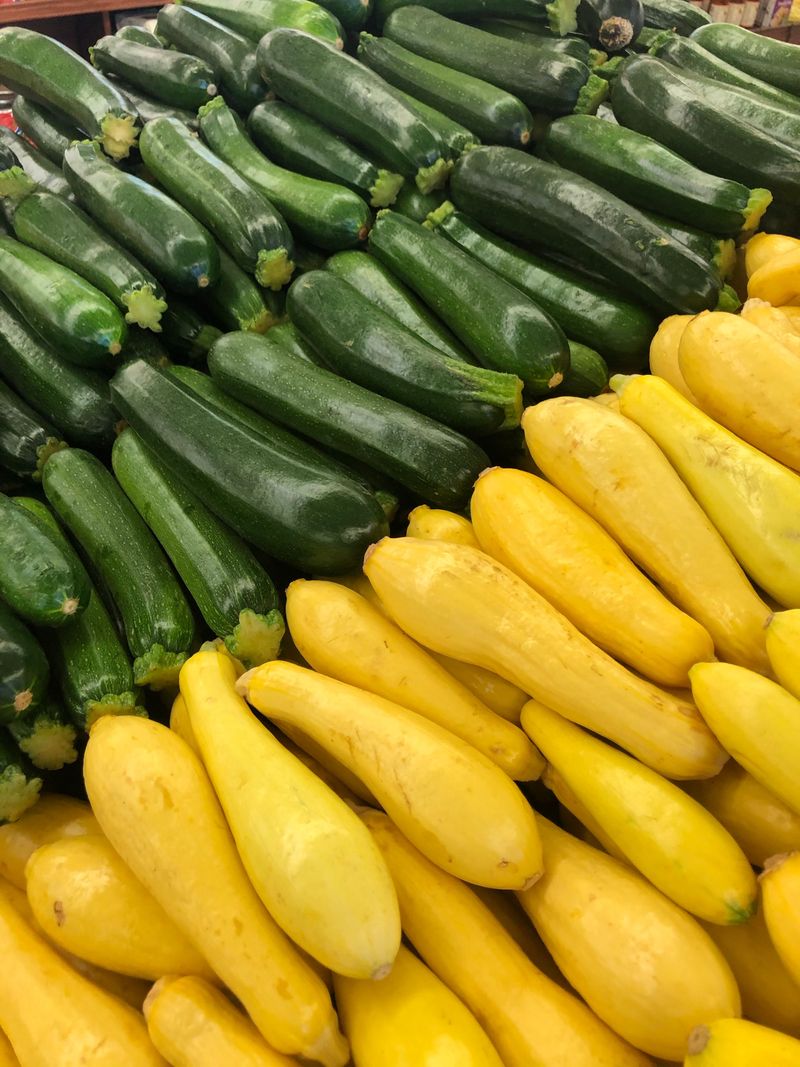
Plant one zucchini and you will be feeding the whole neighborhood by July. Summer squash is known for its high yields, and Arkansas gardens are no exception.
Both zucchini and yellow squash thrive in warm soil, making them a natural fit for the southern growing season. They grow fast, fruit early, and keep on producing all summer long.
Direct sow seeds after the last frost date, planting two to three seeds per hill. Thin to the strongest plant once seedlings reach a few inches tall.
These plants love full sun and rich, moisture-retaining soil. Mix in compost before planting to give roots a nutrient-packed start.
Water at the base of the plant to keep leaves dry and discourage powdery mildew. Squash leaves are wide and trap moisture easily, so overhead watering is not your friend here.
Harvest zucchini when it reaches six to eight inches long for the best taste. Smaller squash are more tender and flavorful than the giant ones hiding under leaves.
Check plants daily once fruiting begins because squash can go from perfect to oversized overnight. A quick daily scan keeps your harvest at peak quality.
Seeds are inexpensive and widely available at local feed stores and garden centers across the state. For an affordable pick that delivers serious garden results, summer squash belongs in every Arkansas backyard plot.
4. Sweet Potatoes
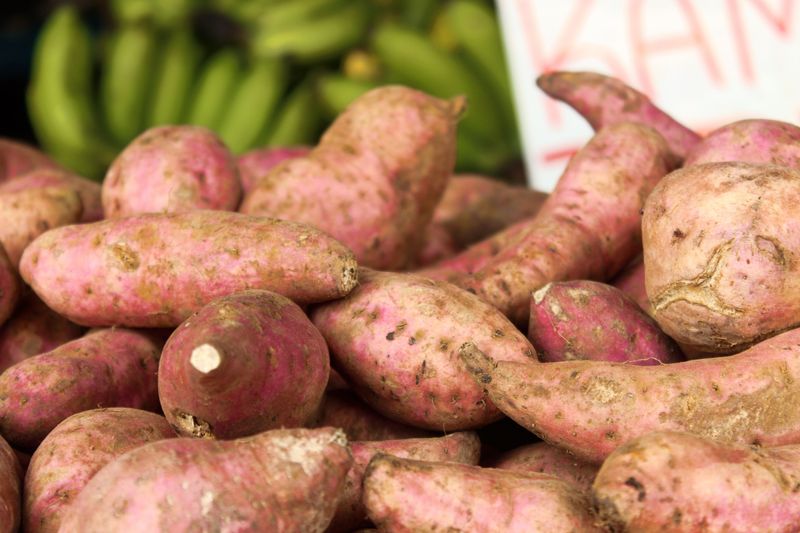
Sweet potatoes are especially well-suited to Arkansas’s long, hot summers. These starchy, sweet roots love long hot seasons and loose sandy soil, both of which this state has in generous supply.
Unlike regular potatoes, sweet potatoes are grown from slips, which are small rooted cuttings. You can buy slips at local nurseries or start your own from a store-bought tuber.
Plant slips after the soil warms to at least 65 degrees, typically in late April or May. Space them about 12 inches apart in rows that allow vines room to spread.
Sweet potatoes are drought-tolerant once established, which makes them a low-fuss crop for busy gardeners. They actually prefer slightly dry conditions over soggy ones.
Avoid heavy nitrogen fertilizers, which push leafy growth instead of root development. A phosphorus-rich fertilizer supports the underground tubers you are actually trying to grow.
The vines spread wide and act as a natural ground cover, blocking weeds without any extra effort. That is a two-for-one benefit that gardeners absolutely love.
Harvest in late September or October, about 100 days after planting. Cure the roots in a warm, humid spot for a week or two to boost their sweetness.
Slips are inexpensive and easy to find, making sweet potatoes one of the most affordable picks for an Arkansas garden with big culinary payoff. Your Thanksgiving table will thank you.
5. Peppers (Bell Or Banana)
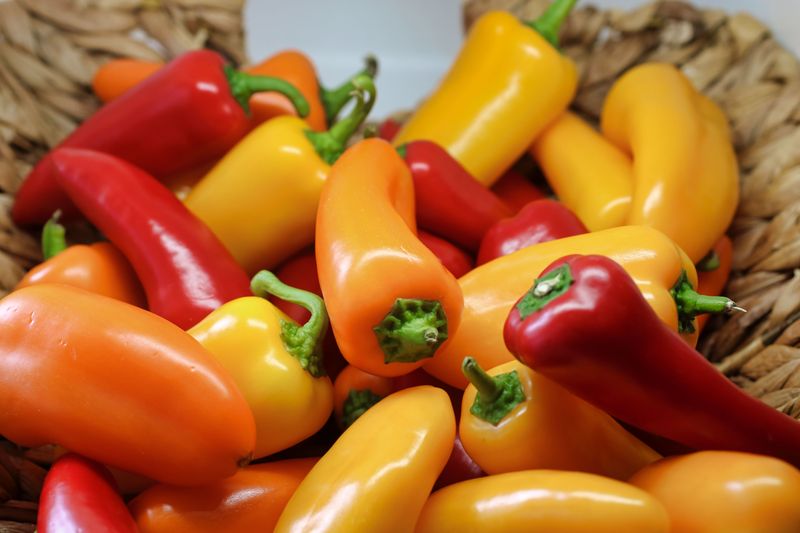
Few plants look as satisfying in a garden as a pepper plant loaded with glossy, colorful fruit. Bell and banana peppers are two of the most affordable and rewarding crops for Arkansas growers.
Both varieties love the heat, and Arkansas summers deliver plenty of it. They are compact plants that fit easily into raised beds, containers, or traditional rows.
Start seeds indoors eight to ten weeks before your last expected frost date. Transplant outdoors once nighttime temperatures stay consistently above 55 degrees.
Peppers need full sun and well-draining soil with good organic matter mixed in. A slightly acidic pH between 6.0 and 6.8 helps them absorb nutrients efficiently.
Water deeply once or twice a week rather than giving shallow daily sprinkles. Deep watering encourages roots to grow down and makes plants more heat-resistant.
Side-dress with a balanced fertilizer once plants begin to flower for a strong fruiting push. Too much nitrogen early on leads to lush foliage but fewer peppers.
Bell peppers start green and ripen to red, yellow, or orange depending on the variety. Banana peppers mature from pale yellow to bright red and have a mild, tangy flavor.
Both types freeze well, so a big harvest never goes to waste in your kitchen. For a colorful, productive, and budget-friendly addition, peppers are a standout Arkansas garden pick that delivers all season long.
6. Zinnias
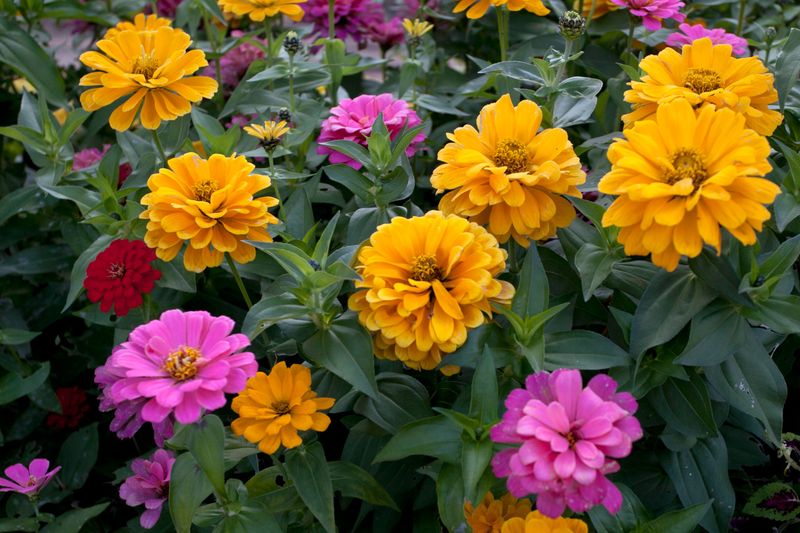
Zinnias are known for their bright, cheerful colors that are hard to miss in any garden. These heat-loving flowers were practically designed for Arkansas summers and cost almost nothing to grow from seed.
Direct sow zinnia seeds after the last frost in a sunny spot with well-draining soil. They sprout quickly, often showing their first blooms within six to eight weeks of planting.
Zinnias are sun worshippers that perform best with at least six to eight hours of direct light daily. More sun means more blooms and more vibrant color throughout the season.
Water at the soil level rather than overhead to prevent powdery mildew on the foliage. Good air circulation between plants also helps keep common fungal issues at bay.
Remove spent blooms regularly to encourage the plant to produce more flowers. The more you cut, the more zinnias reward you with fresh, colorful stems.
They attract butterflies and pollinators, which makes them a smart companion plant near vegetables. A row of zinnias near your tomatoes or peppers can boost overall garden health.
Zinnias come in single, double, and cactus-style blooms in nearly every color imaginable. From deep burgundy to neon orange, there is a variety to match any garden style or personality.
A packet of mixed zinnia seeds costs about one dollar and can fill an entire flower bed. For Arkansas gardeners who want big visual impact on a small budget, zinnias are the smartest affordable pick you can make.
7. Okra
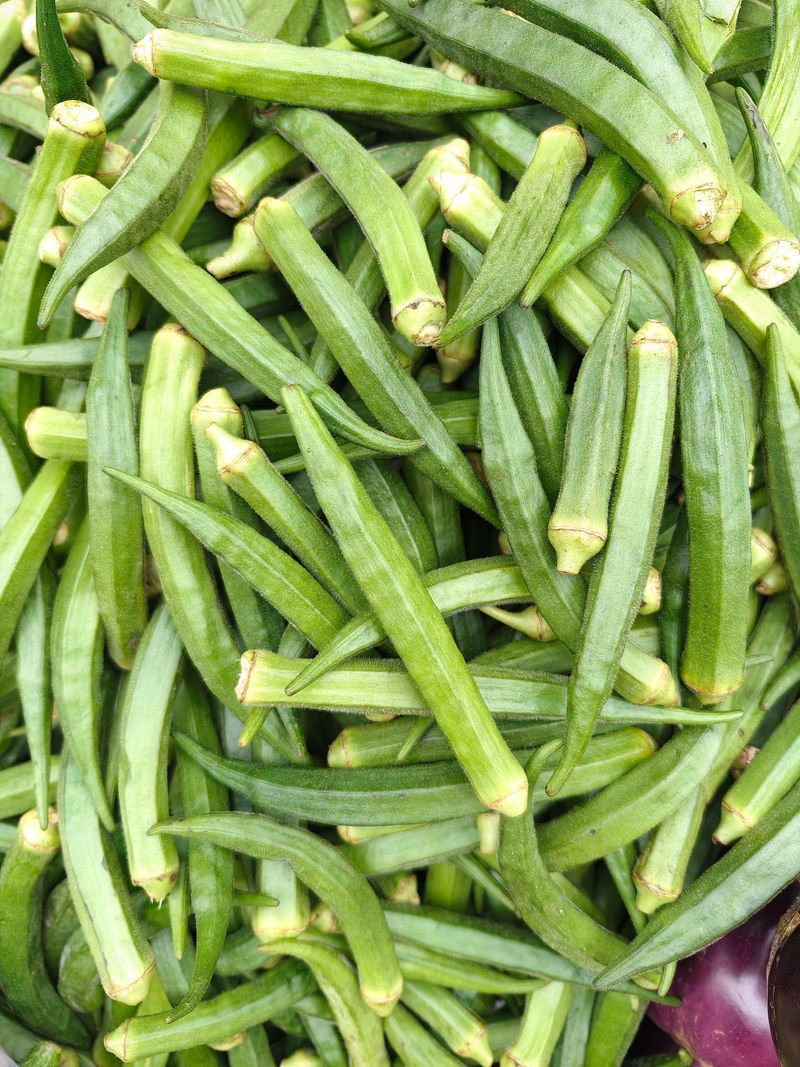
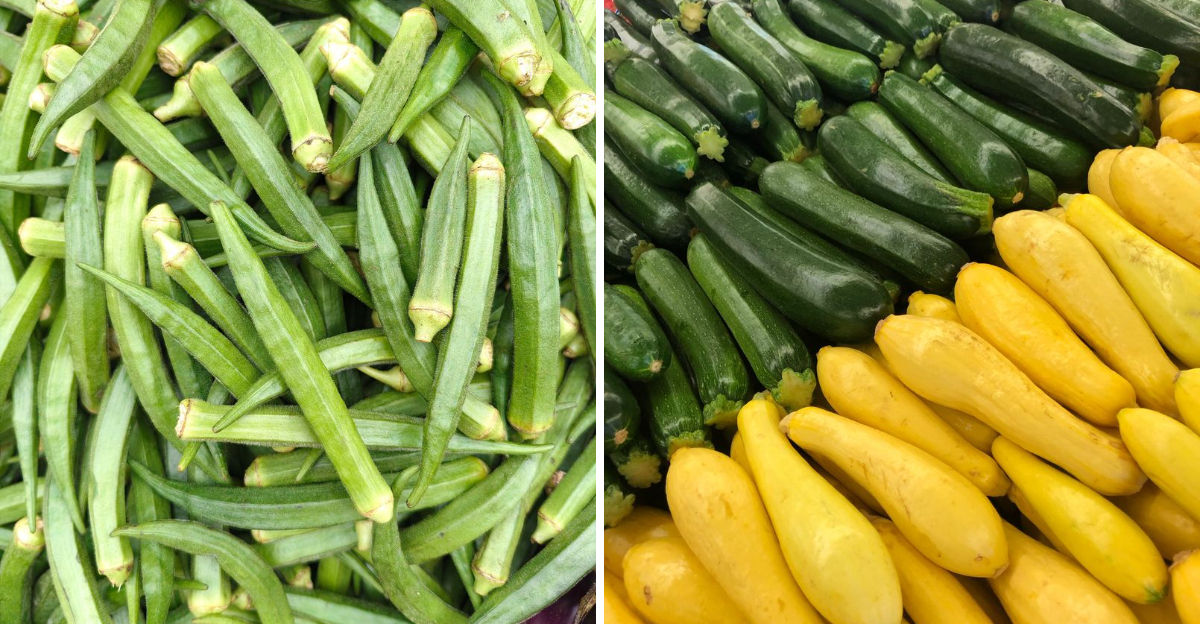
Okra is a Southern garden staple, and it thrives especially well in Arkansas’s summer heat. This heat-tolerant crop thrives in the kind of scorching July weather that makes other plants sulk.
Sow seeds directly in the ground after the last frost when soil temperatures reach at least 65 degrees. Soaking seeds overnight before planting speeds up germination noticeably.
Okra plants can grow four to six feet tall, so give them plenty of vertical space. Plant them along the north side of your garden to avoid shading shorter crops nearby.
Full sun is non-negotiable for okra. Even partial shade dramatically reduces pod production, so choose the sunniest spot in your yard.
Water consistently during the first few weeks after planting to establish strong roots. Once mature, okra is surprisingly drought-tolerant and requires minimal irrigation to keep producing.
Harvest pods when they are two to four inches long for the most tender texture. Pods left on the plant become woody and tough within just a day or two.
Wear gloves and long sleeves when harvesting because okra plants have tiny spines that irritate skin. A light pair of garden gloves makes the job much more comfortable.
Seeds are inexpensive and available at nearly every feed store and garden center across the state. Okra is a true Arkansas garden staple that earns its spot as an affordable pick every single growing season.
8. Nasturtiums
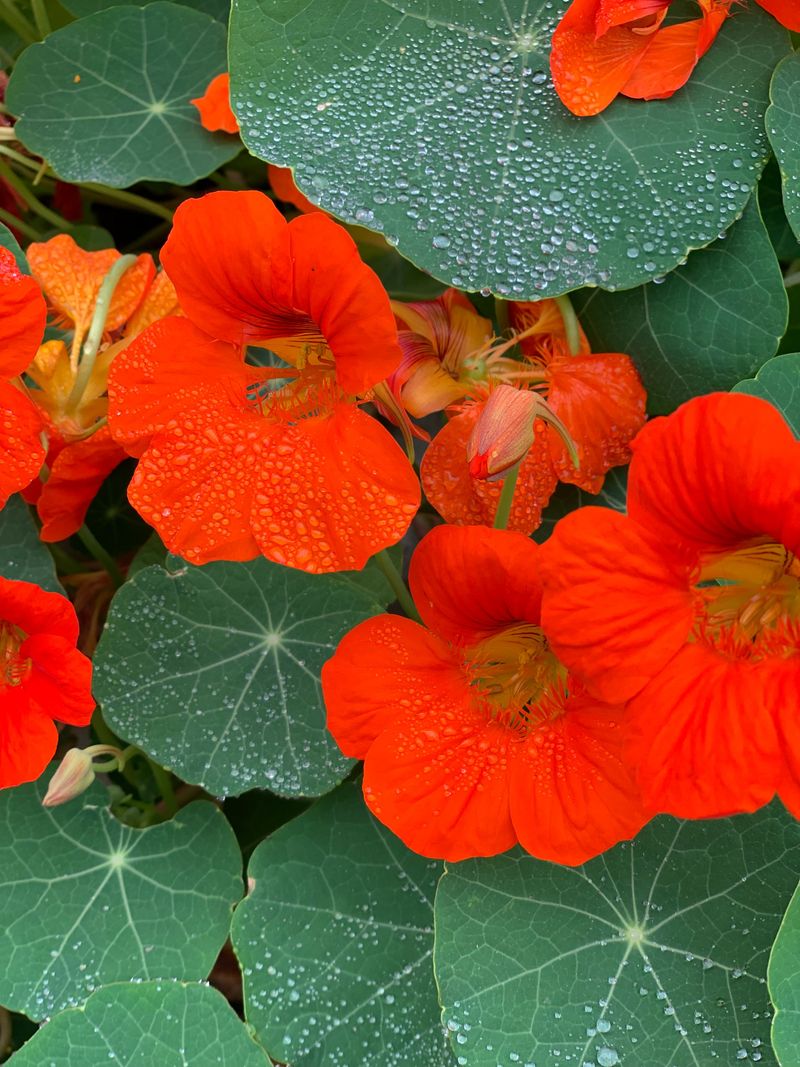
Nasturtiums are an underused option, and it is time more Arkansas growers discovered them. These cheerful, edible flowers are as useful as they are beautiful.
Both the blooms and the leaves are edible, offering a peppery, slightly spicy flavor that brightens up salads and garnishes. Growing a plant you can actually eat feels like a win on two levels.
Direct sow seeds after the last frost in a spot with full to partial sun. Nasturtiums actually prefer poorer soil, so skip the compost and let them do their own thing.
Rich soil causes nasturtiums to produce more leaves than flowers, which is the opposite of what most gardeners want. Lean, well-draining ground brings out their best blooms.
Some gardeners use them as a companion plant, believing they attract aphids away from more valuable crops like tomatoes and squash, though the evidence for this is more anecdotal than scientifically proven.
Planting them as a border around your vegetable beds is a low-cost, chemical-free experiment worth trying.
Nasturtiums also attract beneficial insects like hoverflies, which help with natural pest control throughout the garden. This makes them a hardworking companion plant, not just a pretty face.
They are heat-tolerant but appreciate some afternoon shade during the peak of an Arkansas summer. A little protection from the harshest sun keeps them blooming longer into the season.
A single seed packet costs around one dollar and covers a wide area easily. For an affordable pick that pulls double duty as food, flower, and pest control, nasturtiums are a versatile addition to any Arkansas garden.