How To Lightly Prune Mexican Honeysuckle In Arizona During July
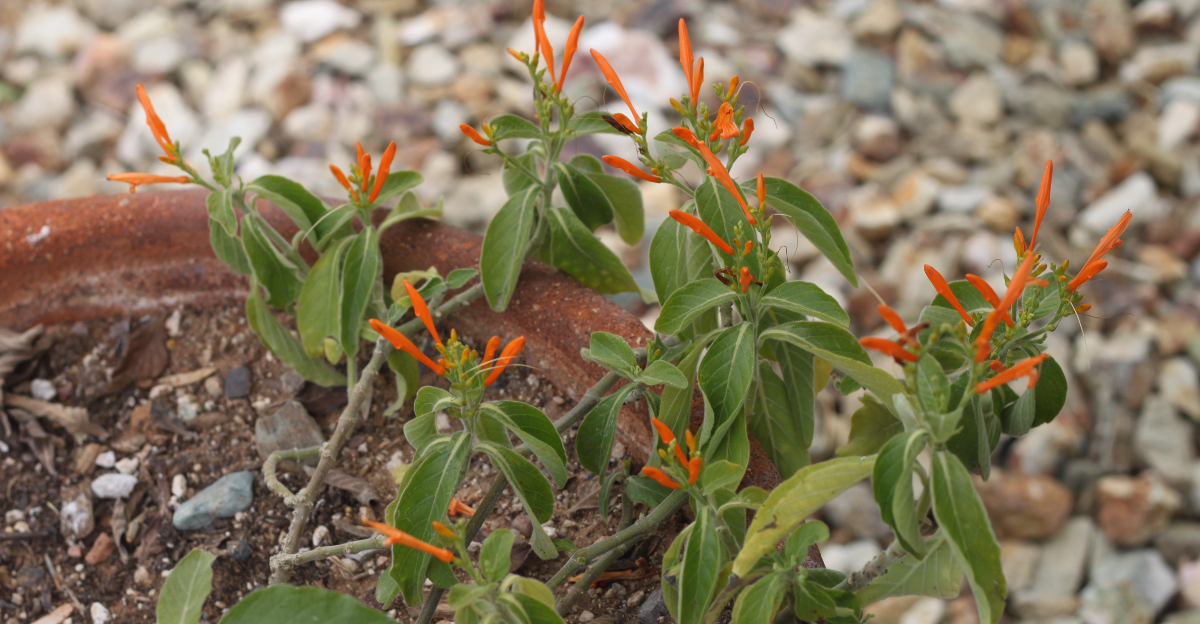
Pruning can feel like a guessing game once the hottest part of summer arrives. A shrub begins looking a little untidy, fresh stems stretch beyond the rest of the plant, and reaching for the pruners seems like the obvious next step.
The trouble is that July is not the right time for the kind of heavy trimming many gardeners are used to doing.
Arizona summers put extra pressure on every growing plant, and Mexican honeysuckle is no exception.
It still benefits from a little attention, but the goal is to keep it healthy instead of forcing it into a perfect shape. A careful approach helps the shrub stay full, attractive, and ready to keep blooming.
A few thoughtful cuts can make a noticeable difference without putting unnecessary stress on the plant. Sometimes the best pruning job is the one that removes only what truly needs to go.
1. Trim Only The Longest Stems First
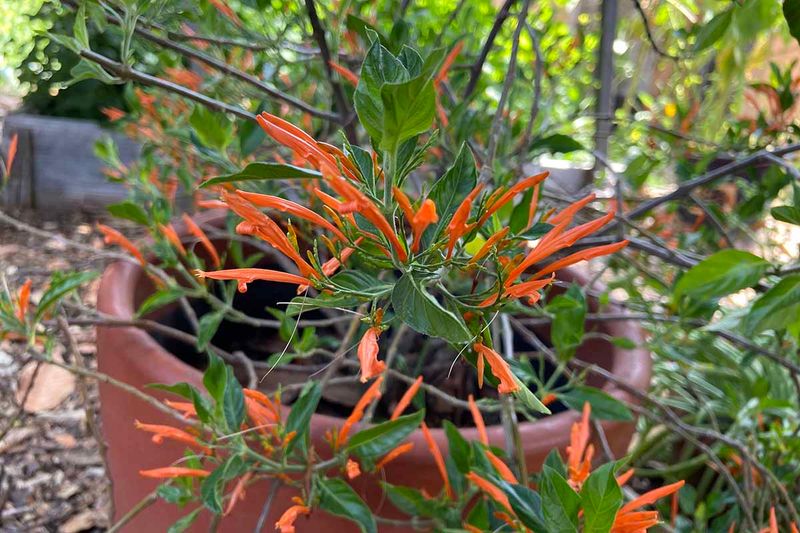
Long, floppy stems are usually the first sign that a Mexican Honeysuckle needs attention. Grab your bypass pruners and scan the plant before making a single cut.
Look for stems that stick out noticeably beyond the rest of the plant’s shape.
Start with the outliers. Cut just above a leaf node or side shoot to encourage branching.
Removing only the longest stems keeps the overall structure intact while tidying up the silhouette.
Cutting selectively like this avoids shocking the plant during peak summer heat. Each cut should feel intentional, not rushed.
Work slowly around the plant rather than cutting from one side to the other in a straight pass.
In July, the plant is still actively pushing growth, so it responds well to light trimming. Removing just a few inches from the longest stems is usually enough to make a visible difference without stripping the plant of its foliage.
Avoid cutting every stem to the same length. Uneven trimming actually looks more natural and gives the shrub a softer, fuller appearance.
Matching all stems to one height can make the plant look stiff and boxy.
Sharp pruners matter more than people realize. A clean cut heals faster and reduces the chance of stem damage in the heat.
Dull blades can crush tissue and slow recovery during an already stressful time of year.
2. Avoid Cutting Into Older Woody Growth
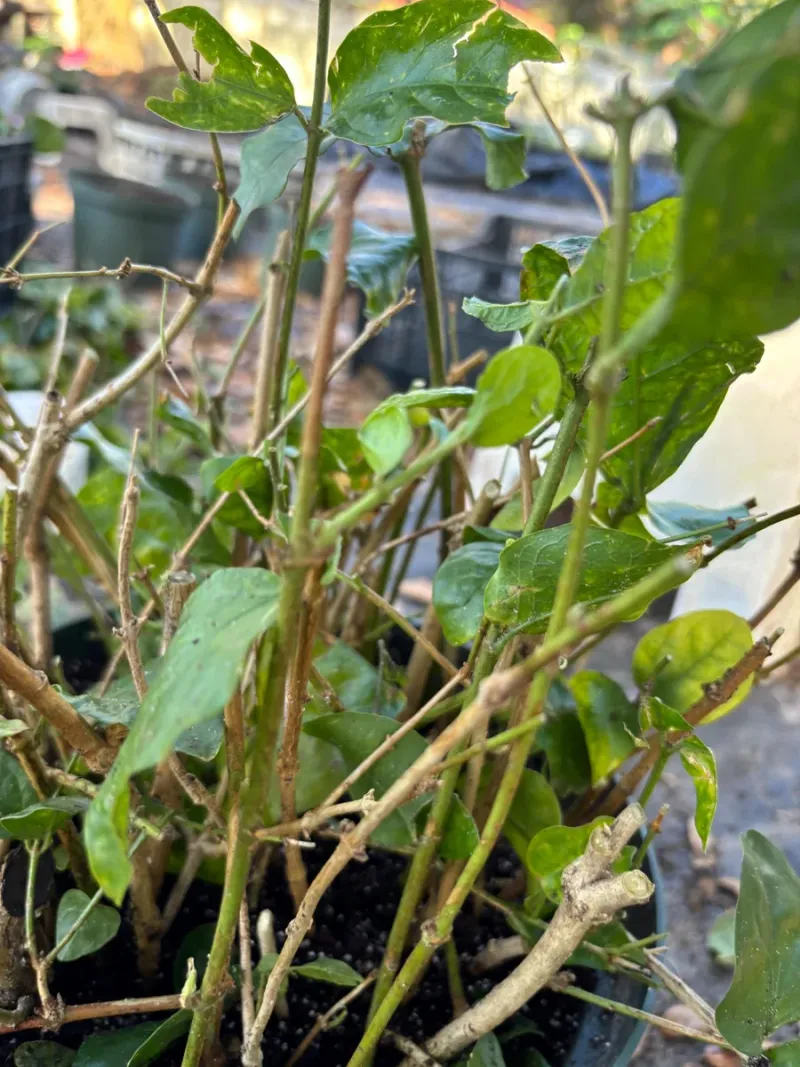
Older woody stems at the base of Mexican Honeysuckle are not meant to be trimmed in summer. Cutting into that woody growth during July can set the plant back significantly.
Those thick, brown lower stems store energy the plant relies on during extreme heat.
Stick to the green, flexible growth near the top and outer edges of the plant. Green stems bounce back quickly after a trim.
Woody sections take much longer to recover, especially when temperatures are well above 100 degrees.
A good rule of thumb: if a stem snaps when you bend it slightly, leave it alone. Pliable green stems are fair game for light pruning.
Rigid, bark-covered stems should stay untouched until fall or early spring when the plant is less stressed.
Your Arizona Garden Changes Every Week. Your Plan Should Too.
Gardening in Arizona changes quickly throughout the season. Every Friday you’ll receive a simple weekly plan showing exactly what to plant, prune, fertilize, harvest, and protect so you never miss the right timing.
Removing woody growth also changes the plant’s shape in ways that are hard to fix quickly. Once that structure is gone, it takes a full season or more to rebuild.
Protecting the woody base keeps the plant stable and full at the bottom.
Some gardeners accidentally cut too deep when trying to clean up a messy plant. Going slowly and checking your progress after each cut prevents over-trimming.
Step back every few minutes and look at the overall shape before continuing.
3. Shape The Plant Without Heavy Cutting
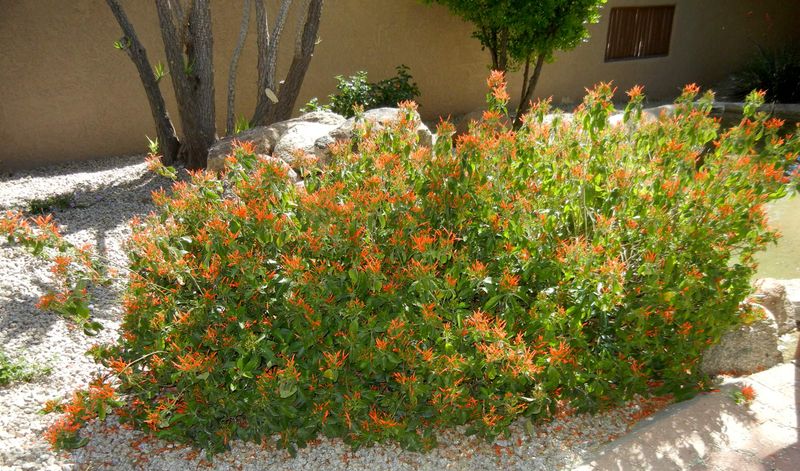
Shaping is different from heavy pruning. Heavy cutting removes large portions of the plant all at once.
Shaping means guiding the plant’s outline with small, thoughtful trims that maintain its natural form.
Stand back and look at the plant from a few feet away before picking up your pruners. Notice where it bulges out unevenly or where one side looks heavier than the other.
Those spots are where a few snips can make a big difference.
Work lightly around the outer edges. Trim just enough to smooth out any awkward bumps or lopsided areas.
Removing ten to fifteen percent of the outer growth is usually all it takes to refresh the plant’s appearance.
Avoid the urge to make the plant perfectly round or square. Mexican Honeysuckle has a naturally loose, arching form.
Fighting that shape takes more cutting than the plant can handle in July heat.
Use one hand to hold a stem gently while cutting with the other. This gives you better control and prevents stems from tearing.
Torn cuts are harder for the plant to seal off during hot, dry conditions.
Check for any stems that are growing straight up and outward at an odd angle. Those can be trimmed back to where they connect with a healthier branch.
4. Remove Stems That Cross Or Crowd Together
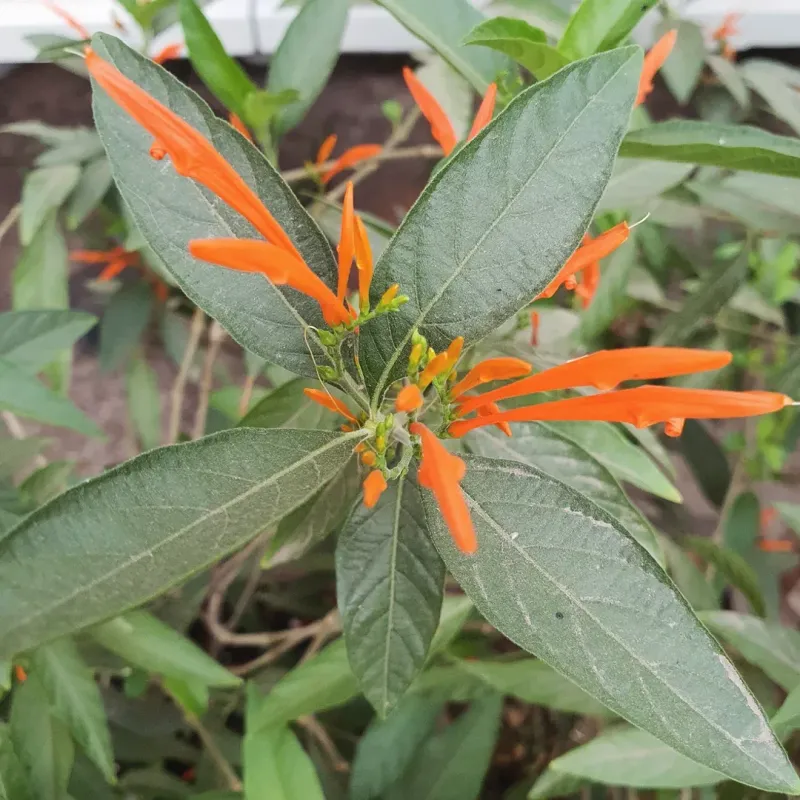
Crowded stems rub against each other and create wounds that are hard to heal in dry summer heat. Crossing stems also block airflow inside the plant, which can encourage fungal issues during the monsoon season.
Removing them is one of the most useful things you can do in July.
Look inside the plant, not just at the outer edges. Part the outer branches gently and check what is happening in the middle.
Stems that grow toward the center of the plant rather than outward are usually good candidates for removal.
Pick the weaker or thinner stem when two are crossing. Cut it cleanly at its base or just above a healthy side shoot.
Removing the weaker one lets the stronger stem continue growing without competition.
Do not pull or yank stems out. Always cut with sharp pruners to avoid tearing the plant’s tissue.
Ragged cuts take longer to close and leave the plant more vulnerable during heat stress.
Removing just two or three crossing stems can open up the center of the plant noticeably. Better airflow means lower risk of disease and a healthier overall structure heading into the rest of summer.
After removing crowded stems, step back and assess the shape again.
5. Water Deeply After Light Pruning
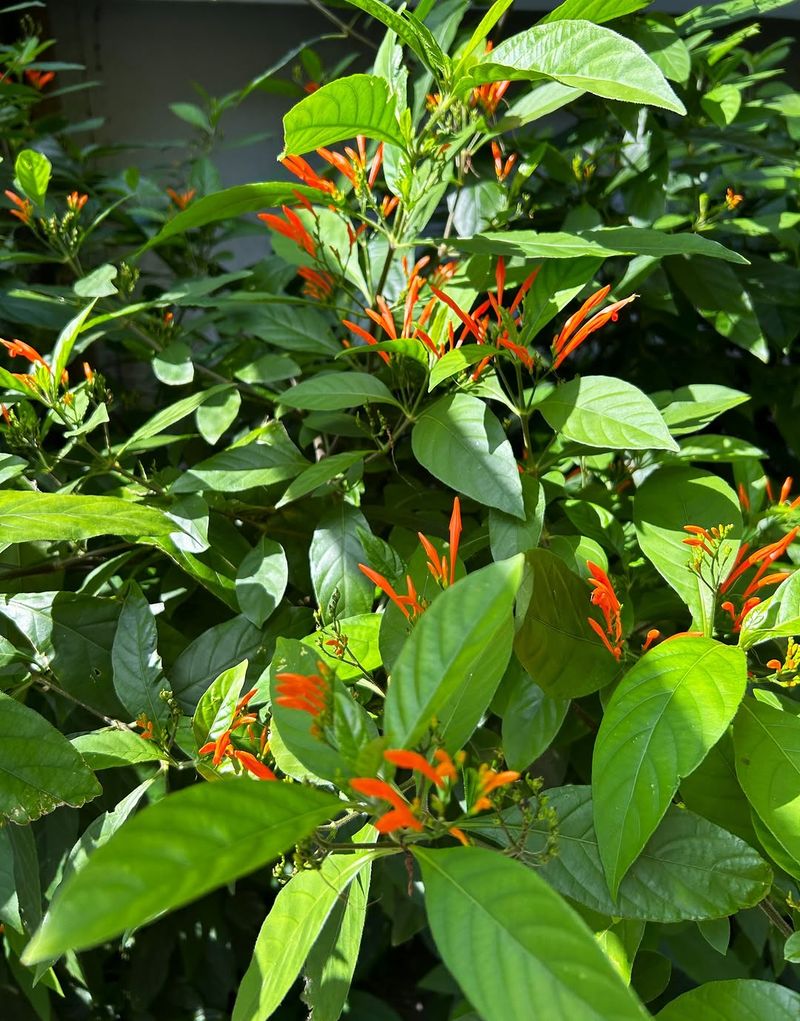
Pruning puts a small amount of stress on any plant, even when the cuts are light. Watering deeply right after you finish helps the plant recover faster.
Moisture supports new cell growth at the cut sites and helps the plant maintain its energy during summer heat.
Shallow watering after pruning is not enough. Water slowly and let it soak down into the root zone, which sits several inches below the surface.
A slow trickle for twenty to thirty minutes works better than a quick splash.
Avoid watering the stems or foliage directly. Wet leaves in intense afternoon sun can scorch.
Direct water at the base of the plant and let it move down into the soil naturally.
If you use drip irrigation, check that all emitters are working properly before and after pruning day. A clogged emitter means the plant may not get enough water when it needs it most.
Catching that early saves a lot of trouble.
In desert climates during July, the soil can dry out within a day or two even after a good watering. Check the soil moisture every couple of days by pressing a finger about two inches into the ground near the base.
If it feels dry, water again.
6. Watch For Fresh Growth Over The Next Few Weeks
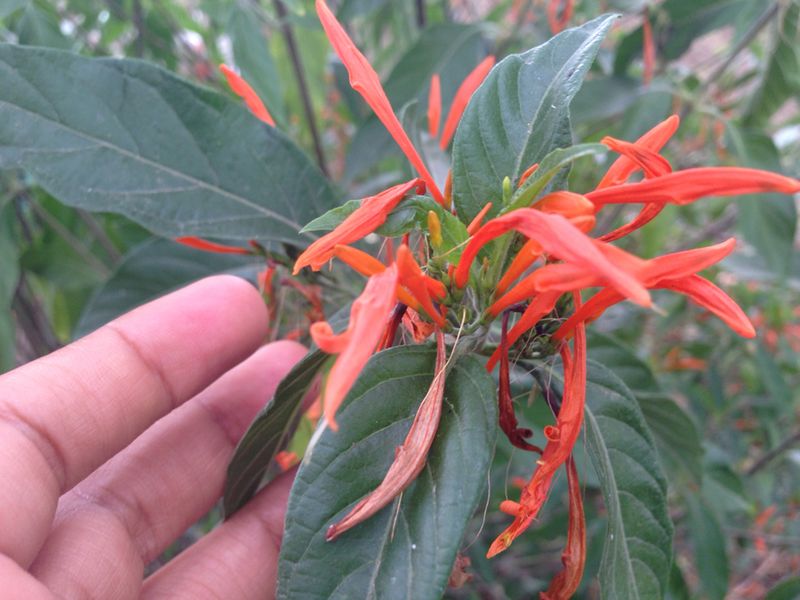
New growth after pruning is a good sign the plant is responding well. Watch for small, bright green leaves pushing out from the cut sites within one to two weeks.
That new growth shows the plant has enough energy to bounce back from the trim.
Do not rush to prune again if you see new growth appearing. Let those fresh stems develop for several weeks before considering another trim.
Cutting too soon after the first pruning can exhaust the plant during an already demanding season.
Slow or absent new growth after two weeks might mean the plant needs more water or is dealing with root stress. Check the soil moisture and look at the overall condition of the existing leaves.
Yellowing or wilting foliage can point to a watering issue rather than a pruning problem.
Healthy new growth should be firm and green. Soft, drooping new stems might mean the plant is getting too much direct afternoon sun on freshly cut areas.
A little shade cloth during the hottest part of the day can help in extreme heat situations.
Keep an eye out for pests during this period. New tender growth attracts aphids and whiteflies.
Catching a small infestation early is much easier than dealing with a large one later in the season.
7. Keep Pruning Light Until Cooler Weather Returns
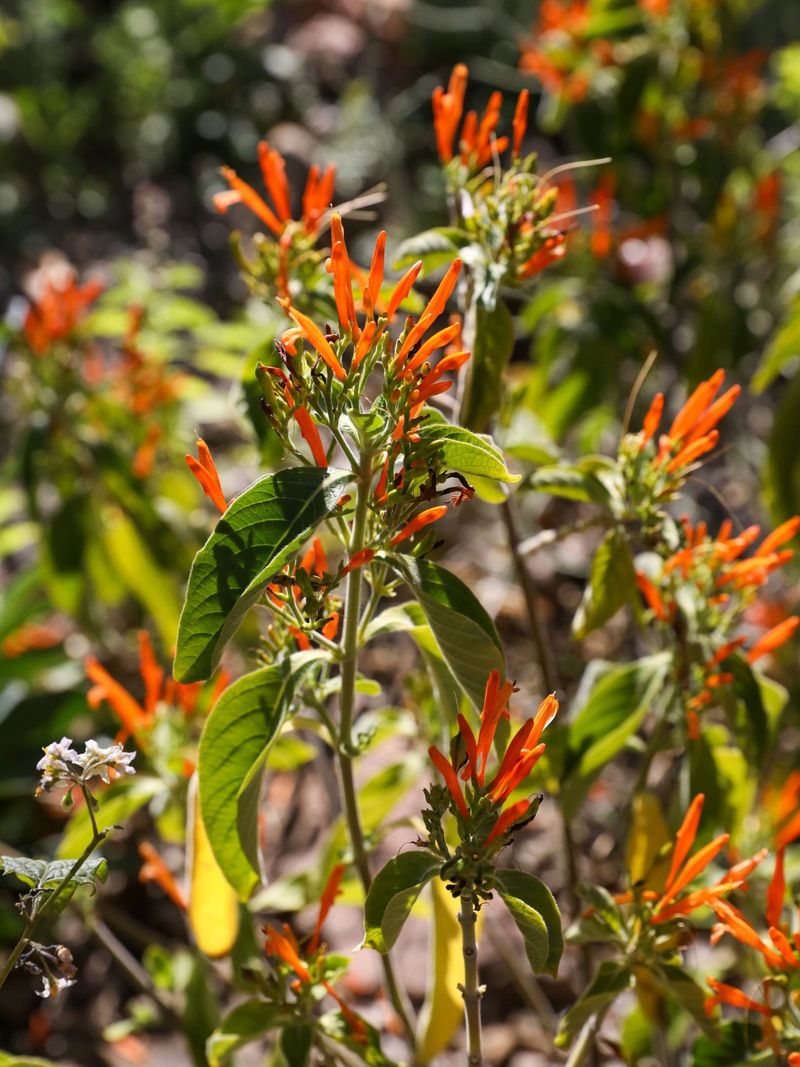
One good light session in July is usually all Mexican Honeysuckle needs until temperatures start dropping in the fall. Repeated heavy pruning through the hottest months puts continuous stress on the plant.
Light and infrequent is the right approach during peak summer.
If the plant looks overgrown again in late August, resist the urge to do a full cut-back. A few snips on the longest stems is enough.
Save the bigger shaping work for October or November when the plant can handle it without the added pressure of extreme heat.
Cooler weather brings a natural shift in the plant’s growth cycle. Root activity slows slightly, and the plant is better prepared to handle more significant pruning.
Waiting for that window gives you better results with less risk.
Monsoon rains in the Southwest often push a burst of new growth in late summer. That flush of growth can make the plant look fuller and more manageable without any pruning at all.
Let the rain do some of the work for you.
Keeping a simple garden journal helps track when you pruned, how much you removed, and how the plant responded. Over one or two seasons, patterns become clear and pruning decisions get easier and more accurate.