Pennsylvania Patio Plants That Can Take Full Sun And Concrete Heat
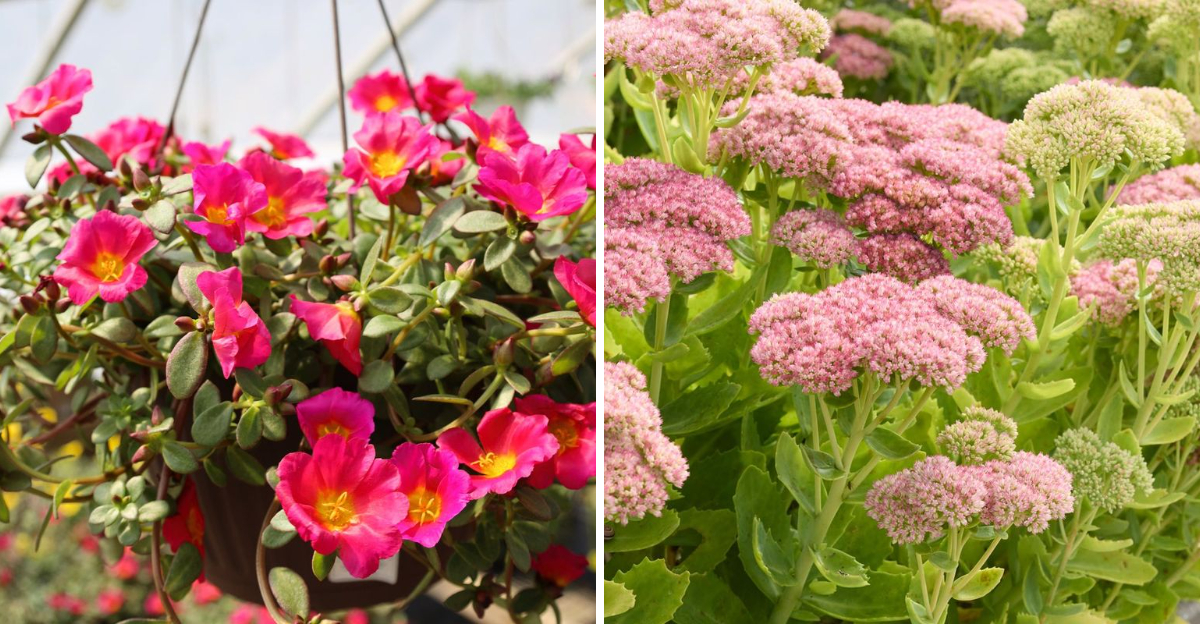
A south facing Pennsylvania patio in the middle of summer is a surprisingly harsh environment for plants.
The sun hits hard, the concrete soaks up heat all day and radiates it back well into the evening, and the temperature in that space can run noticeably hotter than the surrounding yard.
Most plants placed in these conditions struggle badly, wilting by midday and looking defeated by August. But some plants genuinely thrive in it.
There are patio plants that take full sun and reflected concrete heat without flinching. No crispy edges, no midday collapse, no giving up halfway through the season.
Just consistent, healthy growth and reliable color through the toughest stretch of summer. Finding them takes a little know how, because not everything labeled sun tolerant at the garden center is ready for what a concrete patio actually delivers.
Here are the patio plants that can handle everything a Pennsylvania summer throws at them and still look great doing it.
1. Lantana
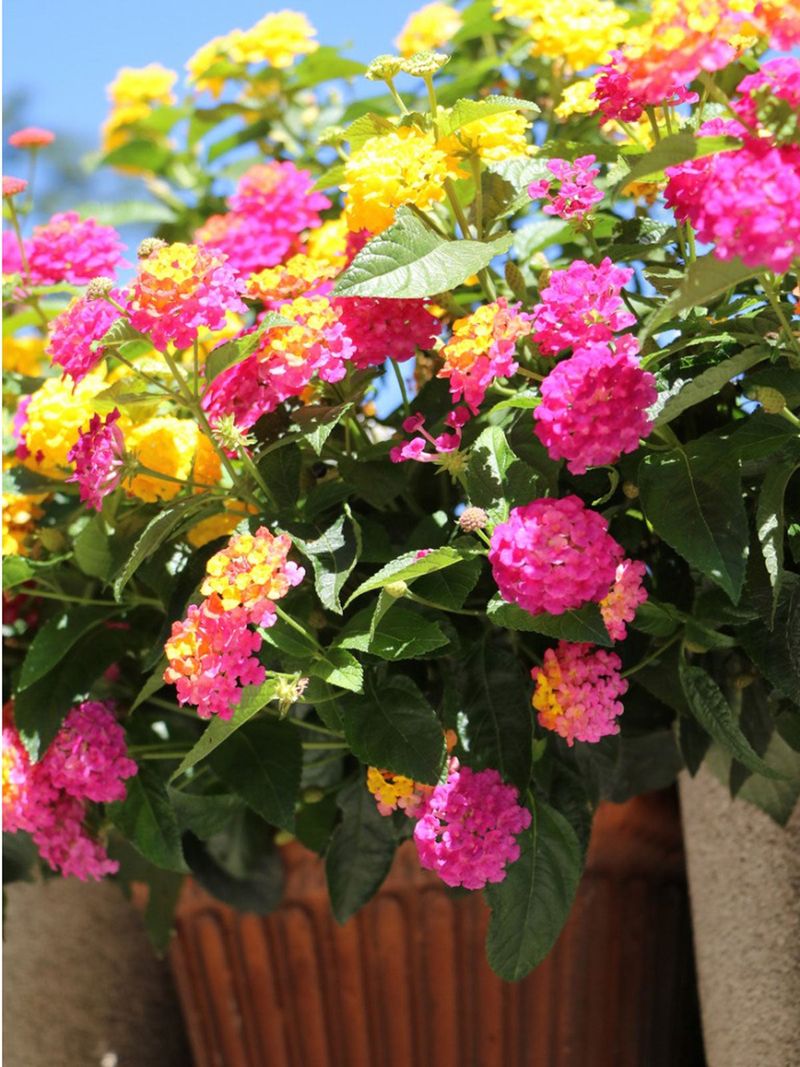
Few plants put on a show quite like lantana does on a blazing hot patio. This tropical beauty bursts into clusters of tiny flowers that blend shades of orange, red, yellow, and pink all at once.
Butterflies and hummingbirds cannot resist it, which means your patio becomes a little wildlife hotspot without much effort from you. Lantana handles full sun like a champ. The hotter and sunnier the spot, the more it blooms.
It also handles dry spells much better than most flowering plants, so if you forget to water for a day or two during a heat wave, lantana will not hold a grudge.
In Pennsylvania, lantana is grown as an annual because it cannot survive the cold winters here. Plant it in a container with good drainage holes and a well-draining potting mix.
Water it when the top inch of soil feels dry, and feed it with a balanced fertilizer every few weeks to keep the blooms coming strong.
One thing to watch out for is overwatering. Soggy soil makes lantana unhappy and can cause root problems fast.
Place the pot in the sunniest spot you have, ideally getting six or more hours of direct sun each day.
By midsummer, a well-cared-for lantana plant can grow quite large and full. Pinching back the tips now and then encourages even bushier growth and more flower clusters.
When fall arrives and temperatures drop, you can enjoy the last blooms before the season ends and plan to replant next spring.
2. Portulaca
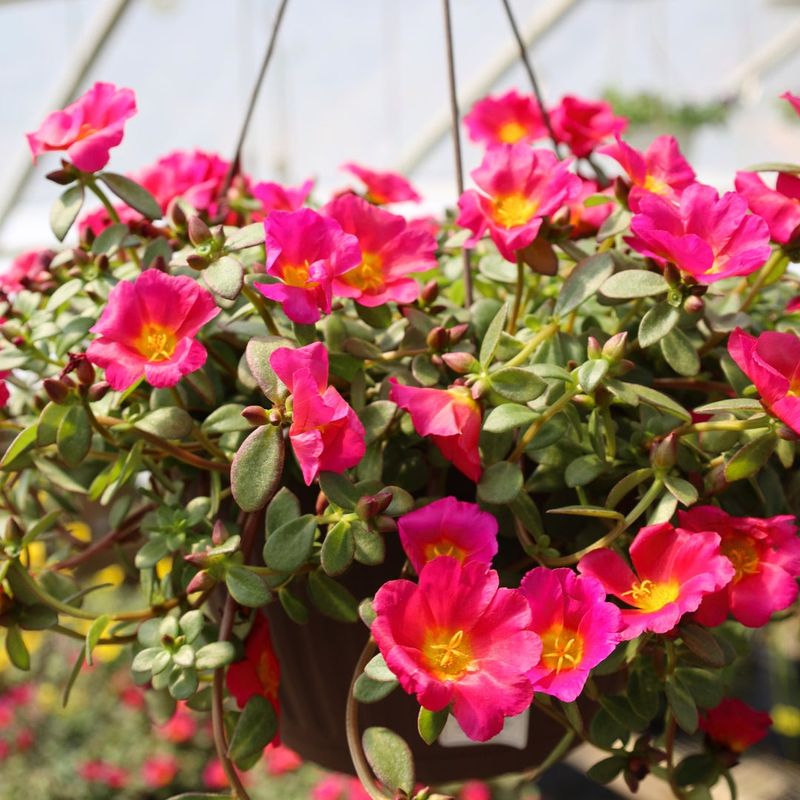
Portulaca, also called moss rose, is one of those plants that seems almost too cheerful for how little it asks of you.
Its jewel-bright flowers in shades of hot pink, yellow, orange, white, and red pop open in full sun and practically glow against a concrete patio background. If your patio bakes all day with no shade in sight, portulaca is your new best friend.
What makes this plant so special is its succulent-like nature. The thick, fleshy leaves and stems store water, which means portulaca can handle dry conditions that would stress most other flowering annuals.
Your Pennsylvania Garden Changes Every Week. Your Plan Should Too.
Gardening in Pennsylvania changes quickly throughout the season. Every Friday you’ll receive a simple weekly plan showing exactly what to plant, prune, fertilize, harvest, and protect so you never miss the right timing.
It actually prefers lean, sandy, or gritty soil over rich, moist potting mix. Overwatering is a bigger risk than underwatering with this one.
Portulaca is a perfect match for shallow pots, railing planters, and concrete edges where soil dries out fast.
Fill a wide, shallow container with a cactus or succulent mix, plant your portulaca starts, and set them in the sunniest spot on your patio. They will reward you with a carpet of color all summer long.
One quirky thing about portulaca is that its flowers close up on cloudy days and at night, then reopen when the sun comes back out. Some newer varieties stay open longer, so look for those if you want blooms visible in the evening.
Since portulaca is an annual in Pennsylvania, it will not return next year on its own. However, it sometimes self-seeds, so you might find little volunteers popping up in nearby pots next spring. That feels like a bonus gift after a long winter.
3. Sedum
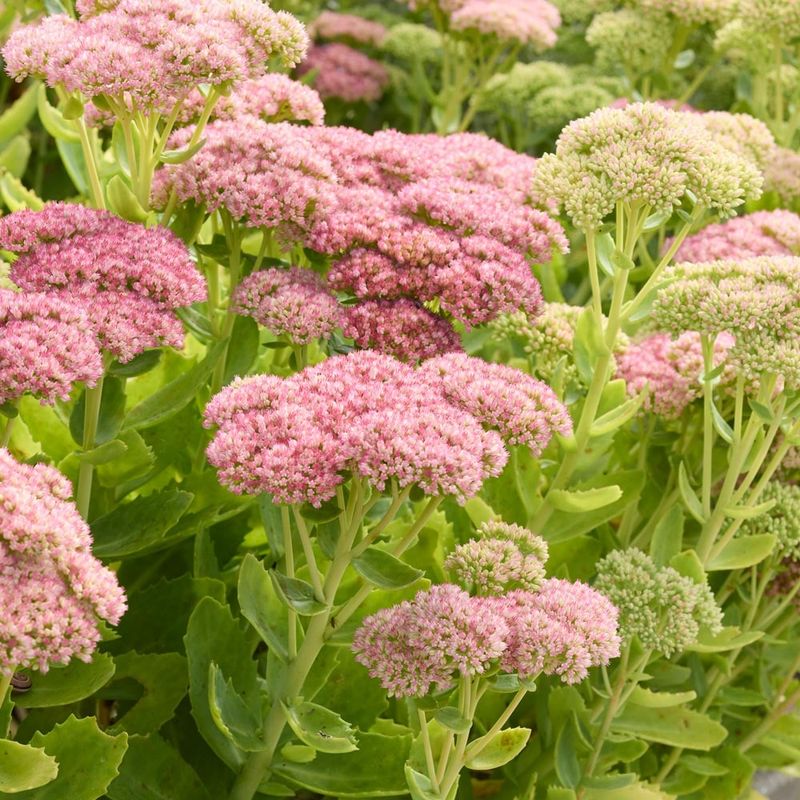
Sedum has a quiet kind of toughness that earns serious respect from patio gardeners. Also called stonecrop, this plant stores water right inside its thick, fleshy leaves, which means it can handle the kind of reflected heat that bounces off concrete and practically wilts everything else nearby.
If your patio gets punishingly hot in July and August, sedum shrugs it off. There are many types of sedum to choose from, ranging from low, creeping ground-huggers to upright clumping varieties that grow a foot or two tall.
For patio containers, low-growing types like Sedum spurium or Sedum rupestre work beautifully. They spill over the edges of pots with colorful foliage in shades of green, blue-gray, bronze, or deep red.
Plant sedum in a well-draining mix, ideally a cactus or succulent blend, and make sure your container has drainage holes. Water deeply but infrequently.
Let the soil dry out between waterings. Sedum roots sitting in wet soil for too long can cause problems, so less is more when it comes to watering frequency.
One of the best things about sedum in Pennsylvania is that many varieties are actually perennial here.
That means if you plant them in a large enough container and protect the pot from freezing solid in winter, you might enjoy the same plant for several years. That makes it a smart investment for a patio gardener on a budget.
Late summer brings bonus interest when upright sedum varieties produce flat-topped flower clusters in pink, red, or white. Pollinators love these blooms, and the dried seed heads look beautiful well into fall and early winter on the patio.
4. English Lavender
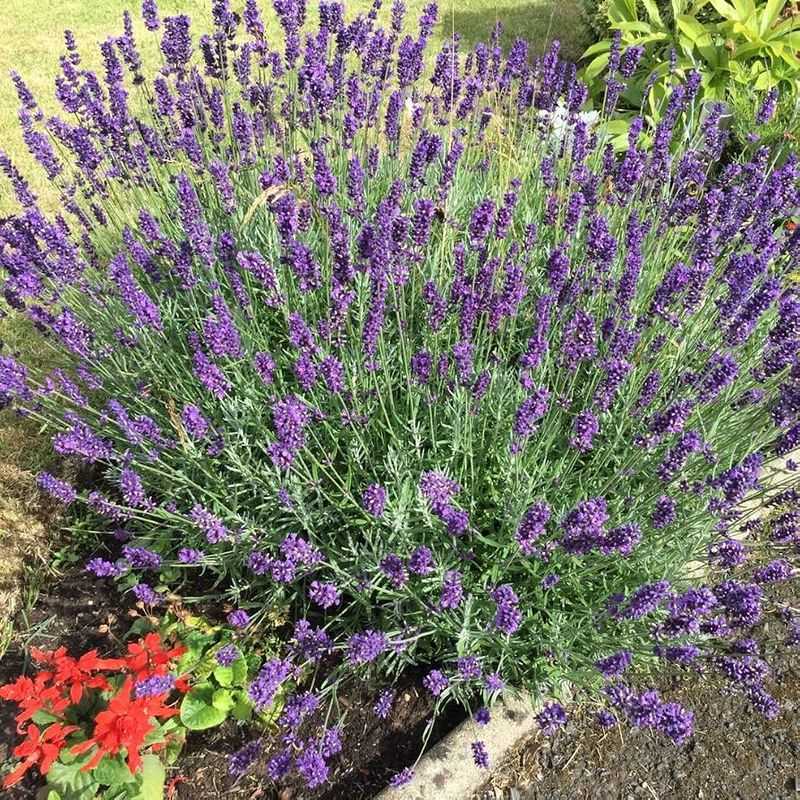
There is something almost magical about stepping onto a patio and catching the scent of lavender drifting through the warm summer air. English lavender brings that experience right to your outdoor space.
Its slender purple flower spikes rise above silvery-green foliage and look elegant in a simple terracotta or stone pot placed in a sunny corner.
English lavender genuinely loves full sun and heat. Give it at least six to eight hours of direct sun per day and it will reward you with a strong flush of blooms, usually in early to midsummer.
The key to keeping it happy is sharp drainage. Plant it in a terracotta pot with a gritty, well-draining mix, and never let water pool at the bottom of the container.
Pennsylvania summers are warm enough for lavender to thrive, but the real challenge comes in winter. Lavender hates wet, cold roots.
If you want to keep your plant alive year after year, bring the pot into an unheated garage or shed during the coldest months, or pack it with insulating material to protect the roots from freezing solid.
Trim the plant lightly after blooming to encourage a second flush of flowers and to keep the shape tidy. Avoid cutting back into old, woody stems since lavender does not always regrow well from very old wood.
Did you know that English lavender has been cultivated for over 2,500 years? Ancient Romans used it to scent their baths.
Today, it still makes a beautiful, fragrant, and surprisingly tough choice for a Pennsylvania patio that gets plenty of sun and heat all season.
5. Catmint
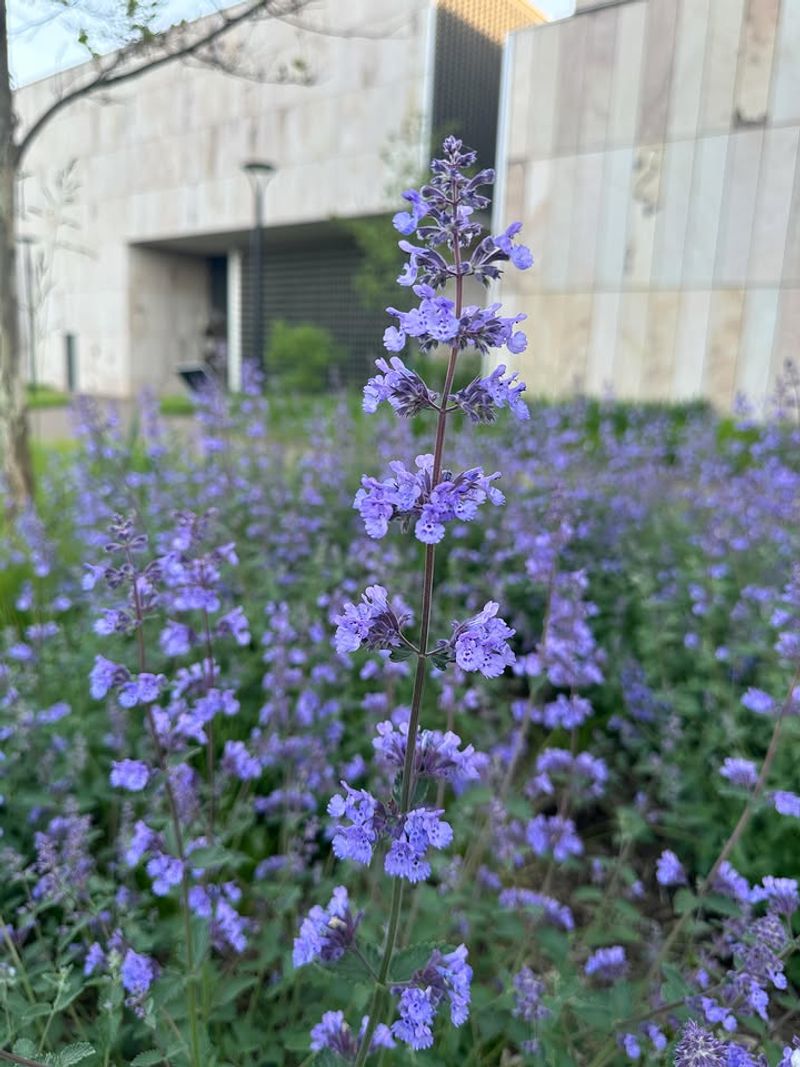
Walk past a catmint plant in full bloom and you will understand right away why gardeners love it. Clouds of soft purple-blue flowers hover above mounds of gray-green, slightly fuzzy foliage, giving off a gentle herbal scent that many people find calming.
It looks delicate, but catmint is one of the toughest perennials you can grow in a sunny Pennsylvania patio container.
Once established, catmint handles heat and drought with ease. It does not need rich soil or constant feeding.
In fact, overly fertile soil can make the plant flop open and lose its tidy mounded shape. A standard well-draining potting mix works well, and a light feeding once or twice during the season is plenty to keep it growing strong.
Catmint blooms heavily in late spring and early summer. After that first big flush of flowers fades, cut the whole plant back by about one-third.
This simple step triggers a second round of blooming that carries right through late summer and into fall. That is a long season of color for a patio container plant.
As a perennial, catmint can survive Pennsylvania winters if the pot is large enough and the roots do not freeze solid. Wrapping the pot in burlap or moving it to a sheltered spot near the house gives it a better chance of returning strong the following spring.
Bees absolutely adore catmint blooms. Planting it on your patio brings in pollinators all season, which benefits any nearby vegetable plants or other flowering containers you might have set up. It is a hardworking plant that earns every inch of patio space it takes up.
6. Purple Coneflower
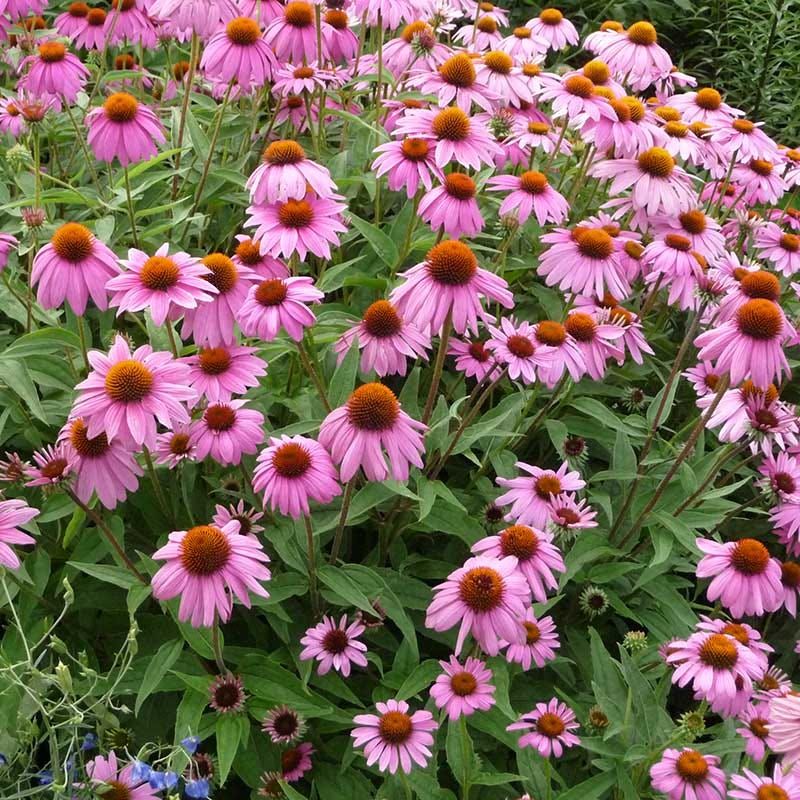
Purple coneflower, known botanically as echinacea, is a true Pennsylvania native that brings a bold, wildflower spirit right to your patio.
The large, daisy-like blooms with their drooping pink-purple petals and spiky orange-brown centers look like something straight out of a meadow.
Goldfinches, bees, and butterflies flock to these flowers, turning your patio into a lively nature scene from midsummer through early fall.
One of the best things about purple coneflower is its toughness. Once established, it handles heat, humidity, drought, and even poor soil without much complaint.
On a concrete patio where temperatures run hot and reflected heat is intense, a large container of echinacea holds up far better than more delicate perennials would.
For patio growing, choose a large pot, at least 12 to 14 inches wide and deep, to give the roots enough room to spread. Use a good quality, well-draining potting mix and water regularly during dry spells, since containers dry out faster than garden beds.
Echinacea in the ground is very drought-tolerant, but in a pot it still needs consistent moisture to stay healthy.
Purple coneflower is a perennial in Pennsylvania, which means it can return year after year if you protect the container from extreme freezing in winter. Move the pot to a sheltered spot or wrap it with insulating material once the growing season ends.
After the blooms fade, resist the urge to deadhead every flower. Leaving the seed heads in place through fall and winter gives birds a natural food source and adds interesting texture to your patio during the quieter months of the year.
7. Little Bluestem
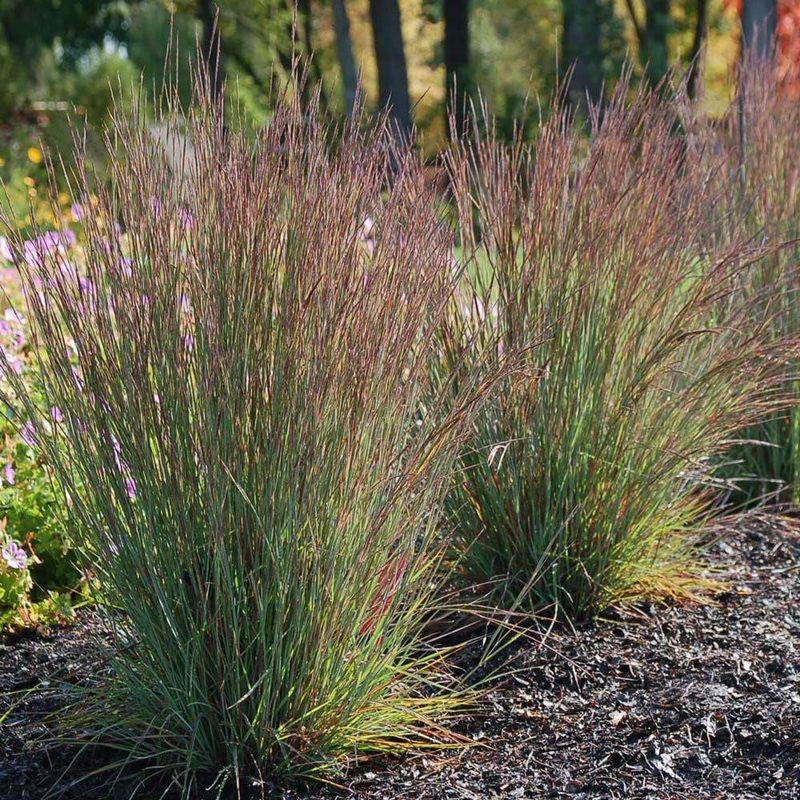
Most patio gardeners think of flowers first, but an ornamental grass like little bluestem can completely change the look and feel of an outdoor space.
This native Pennsylvania grass starts the season with upright blue-green blades that catch the breeze and add graceful movement to a patio setting.
By fall, the foliage turns a stunning copper, orange, and red, giving you a whole second season of visual interest.
Little bluestem is remarkably tough. It evolved on open prairies and meadows where summers are hot, dry, and relentless.
That background makes it perfectly suited to a baking patio container where reflected heat from concrete would stress most other plants. It handles drought once established and does not need rich soil or heavy fertilizing to stay healthy.
For patio growing, use a large, heavy container since little bluestem can reach two to three feet tall and needs a stable base to keep from tipping in wind. A well-draining potting mix works well.
Water regularly during the first season while the roots settle in, then ease back on watering as the plant matures.
One practical tip: little bluestem looks best when left standing through winter. The dried copper blades and fluffy white seed heads are genuinely beautiful against a backdrop of snow or frost.
Cut the whole plant back to about four inches in early spring before new growth begins. Choosing a native plant like little bluestem for your patio also supports local wildlife. Birds feed on the seeds through winter, and certain native insects rely on the grass for shelter.
It is a small but meaningful way to connect your urban or suburban patio to the broader Pennsylvania ecosystem.