When Arizona Bark Scorpions Are Most Active And What It Means For Your Yard Routine
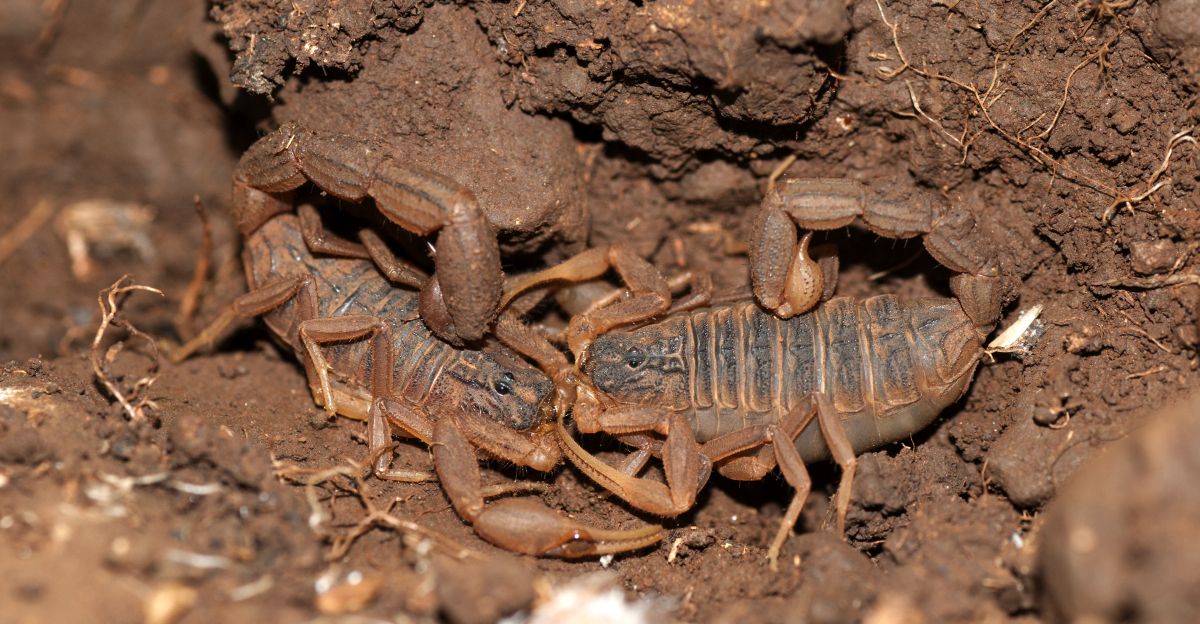
Bark scorpions are easy to forget about until one suddenly appears where you least expect it. That moment often leaves homeowners asking the same question.
Was it just a chance encounter, or is there a time when these scorpions are naturally more active? The answer can make a real difference if you spend time outside during summer.
Arizona’s warm weather creates the conditions bark scorpions prefer. They do not stay active at the same level throughout the day, and their habits change as temperatures rise and fall.
Paying attention to those patterns helps explain why sightings seem more common at certain times than others.
Planning your yard routine around those active hours is a simple way to reduce unexpected encounters.
A little awareness can make summer evenings outside feel much more comfortable without changing the way you enjoy your yard.
1. Warm Evenings Are Peak Scorpion Activity Time
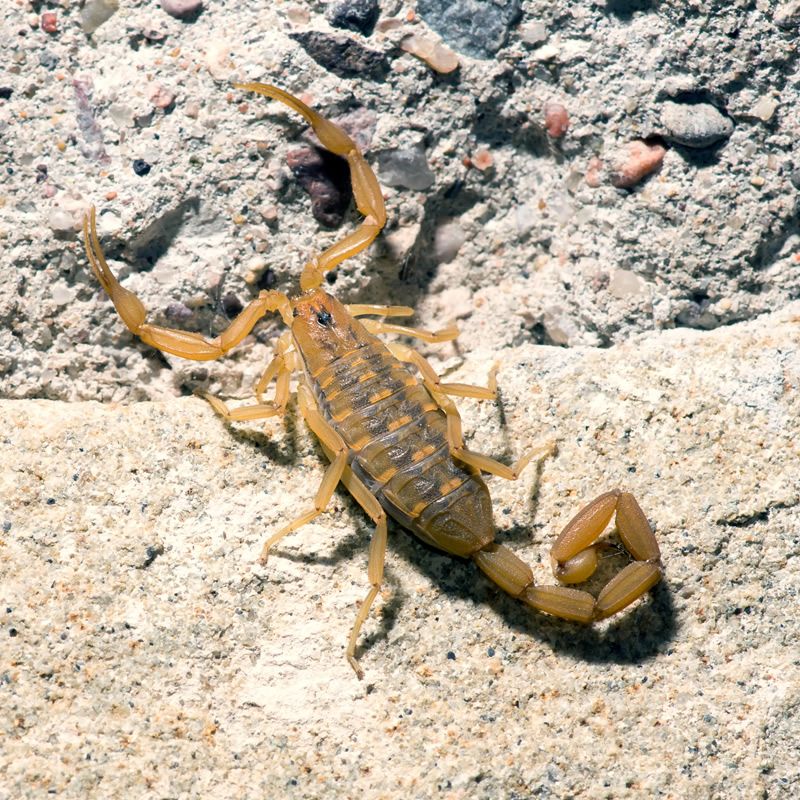
Summer nights in the desert are stunning, but they come with company. Bark scorpions are cold-blooded, which means their activity level is directly tied to temperature.
When the air stays warm well after sunset, they stay active for hours.
Temperatures above 70 degrees Fahrenheit are their sweet spot. During spring and summer months, nighttime rarely dips below that threshold across much of the region.
Scorpions use that warmth to hunt, move, and explore.
Yards with stone pathways, brick walls, or concrete surfaces hold heat long after the sun goes down. Those surfaces become highways for scorpions looking to cover ground.
If you plan to spend time outside in the evening, wear closed-toe shoes. Never walk barefoot on patios or grass after dark.
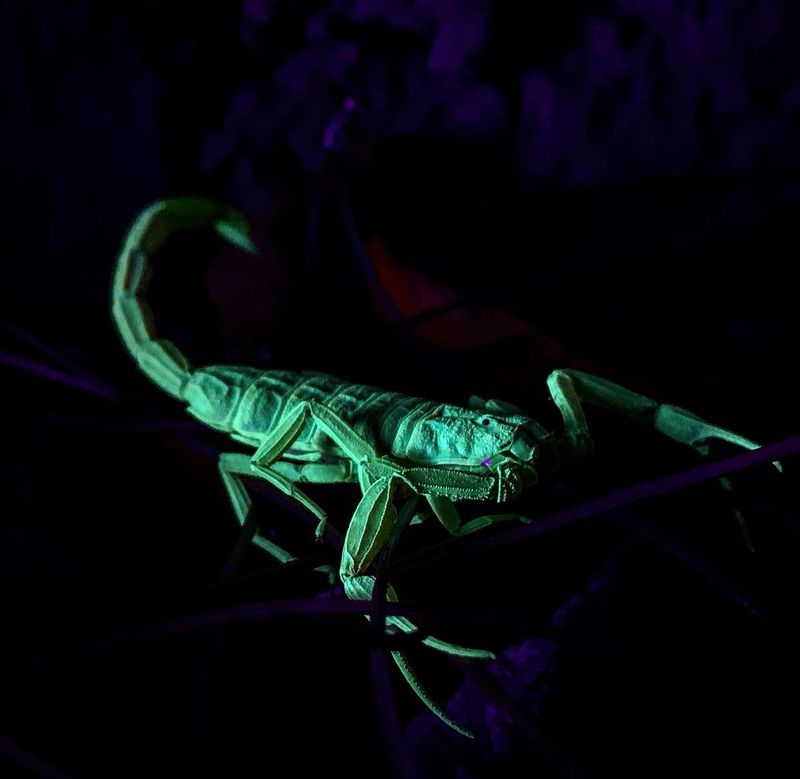
A quick scan with a UV blacklight flashlight can reveal scorpions you would never spot otherwise.
Blacklights cause their exoskeletons to glow a bright blue-green color. Picking one up at a hardware store is a smart move for any desert homeowner.
Evening walks around the yard with one can become a surprisingly useful habit.
Peak activity windows tend to run from late April through early October. During those months, treat every warm evening as scorpion territory.
2. Most Arizona Bark Scorpions Emerge After Sunset
Scorpions are not random wanderers. Bark scorpions are mostly nocturnal, becoming active after sunset as they begin hunting for prey.
Once daylight fades, they shift from resting to actively hunting for insects.
During the day, they press themselves into tight crevices, under rocks, or behind loose bark. Their flat bodies are built for exactly that kind of hiding.
Nighttime is when they come out to feed.
Most encounters happen after dark, especially during warm evening and overnight hours. That is when scorpions are most active and most likely to cross paths with people or pets.
Being aware of that timing helps you plan smarter.
Outdoor gatherings that run late into the night carry a higher chance of a surprise encounter. Setting up seating areas away from rock walls or wood piles reduces that risk noticeably.
Keeping seating areas well lit can help you spot scorpions more easily, but avoid bright lights that attract insects near doors and patios.
Your Arizona Garden Changes Every Week. Your Plan Should Too.
Gardening in Arizona changes quickly throughout the season. Every Friday you’ll receive a simple weekly plan showing exactly what to plant, prune, fertilize, harvest, and protect so you never miss the right timing.
Pets are especially vulnerable after dark. Dogs and cats that roam the yard at night may step on or disturb a scorpion without warning.
Keeping pets indoors after sunset during peak months is a reasonable precaution.
Checking around doorways and window frames at night is also worthwhile. Scorpions sometimes press against cool surfaces near entryways.
3. Outdoor Lights Can Attract More Insects
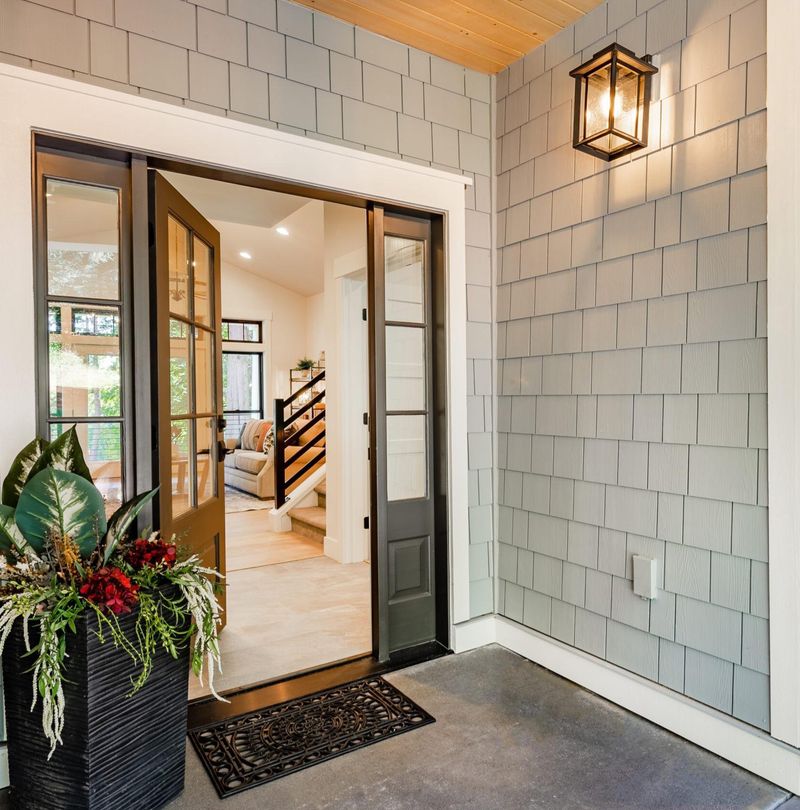
Bright porch lights are doing more than lighting your yard at night. Insects flock to artificial light sources, and wherever insects gather, scorpions follow.
It is a simple food chain playing out right on your patio.
Moths, beetles, and crickets are all common prey for bark scorpions. If your lights are pulling in large numbers of those insects, you are essentially setting out a buffet.
Scorpions learn quickly where reliable food sources are located.
Switching to yellow or amber LED bulbs can make a real difference. Those wavelengths are far less attractive to most insects compared to white or blue-toned lights.
Less insect traffic around your home means fewer reasons for scorpions to linger nearby.
Motion-activated lights are another practical option. Lights that only activate when needed reduce the number of hours insects spend clustering around your entryways.
It is a small change with a noticeable impact over time.
Consider the placement of lights as well. Fixtures mounted directly above doorways pull insects right to the entrance.
Moving lights slightly away from doors, or using downward-facing fixtures, can redirect insect activity away from high-traffic areas.
Keeping outdoor areas tidy also helps. Fallen fruit, standing water, and compost attract insects independently of lighting.
4. Dark Hiding Spots Keep Scorpions Cool During The Day
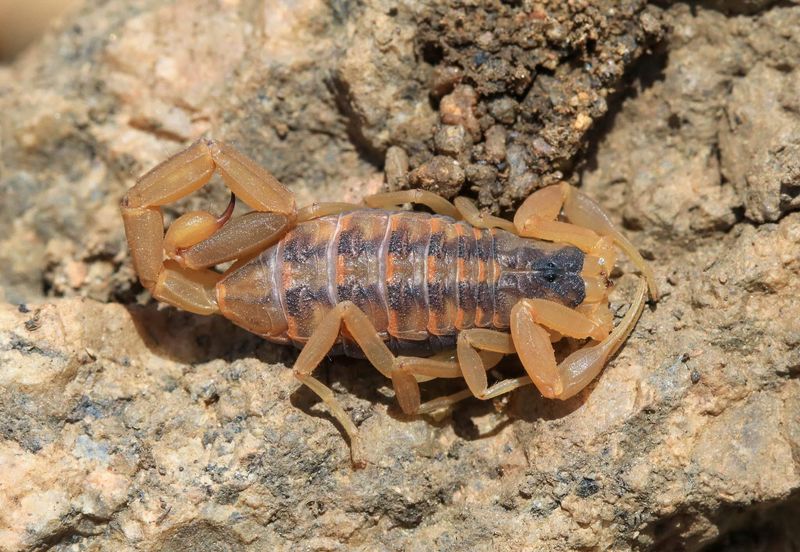
Scorpions are experts at disappearing in plain sight. During daylight hours, they tuck into any dark, sheltered spot they can find.
Your yard may have more of those spots than you realize.
Stacked firewood is a classic hiding place. So are piled-up bricks, old flowerpots turned upside down, and loose stones along garden borders.
Scorpions do not need much space, just enough to flatten themselves out and stay shaded.
Bark and mulch are particularly attractive. Decomposing wood stays moist and cool, which suits scorpions perfectly during hot afternoons.
If you use wood chip mulch in garden beds, be aware that it creates ideal daytime shelter.
Reducing clutter is one of the most effective steps a homeowner can take. Moving firewood away from the house and storing it elevated off the ground removes a major hiding spot.
Keeping garden tools stored in sealed containers also eliminates harborage areas.
Dense ground cover plants and low-growing shrubs pressed against the foundation create similar issues. Trimming plants back from the base of walls reduces the shaded zones scorpions rely on.
Even a few inches of clearance makes a difference.
Inspecting under patio furniture cushions before sitting down is a smart habit.
5. Wear Gloves Before Moving Pots Or Debris
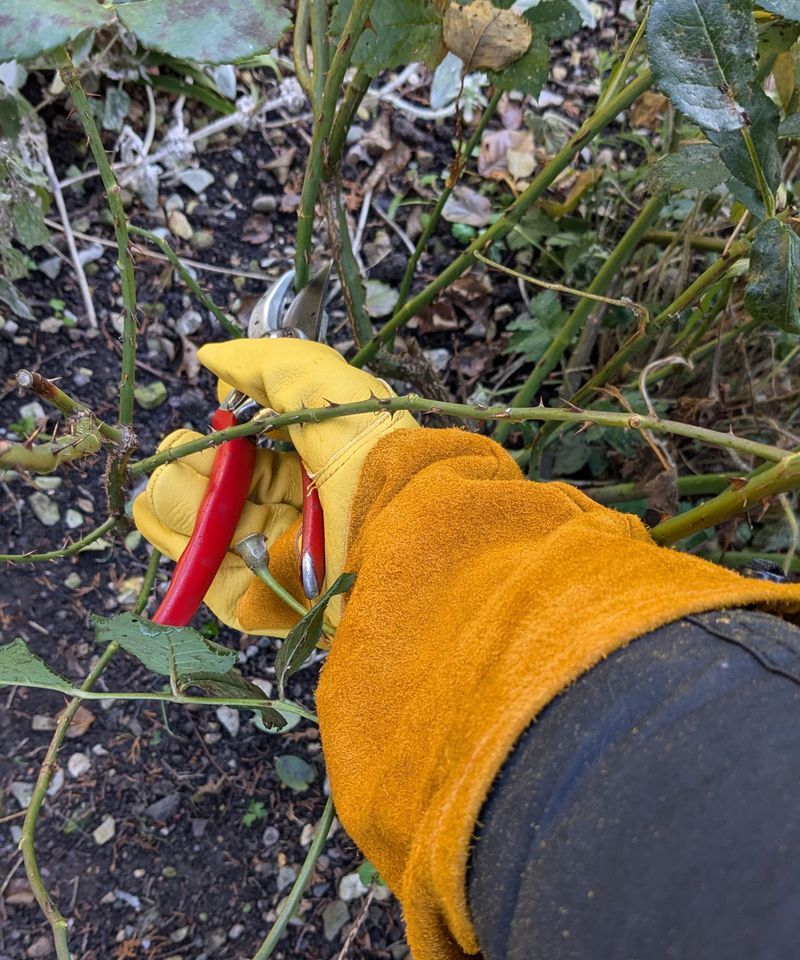
Grabbing a pot or moving a pile of garden debris with bare hands is a gamble in the desert Southwest. Scorpions wedge themselves into tight, dark spaces, and the underside of a heavy pot is exactly the kind of spot they prefer.
Leather gloves offer the best protection. Fabric gloves can be pierced more easily, so thicker material is worth the investment.
Keep a dedicated pair near your gardening tools and make wearing them automatic before any lifting or moving task.
Scorpion stings are not always immediately obvious. Sometimes the sting happens during the movement, and the scorpion drops before you even know it was there.
Gloves prevent contact before you can react.
Long sleeves add another layer of protection when working in areas with heavy ground cover or near rock walls.
Rolling up your sleeves might feel more comfortable in the heat, but it leaves your forearms exposed when reaching into shrubs or under ledges.
Garden beds near the base of walls are especially worth approaching carefully. Scorpions travel along walls and often rest where the wall meets the soil.
Moving rocks or bricks along those edges without gloves is where many stings happen.
After any yard work session, shake out your gloves before setting them aside. Scorpions can enter gloves left on the ground between uses.
6. Seal Entry Points Around Doors And Windows
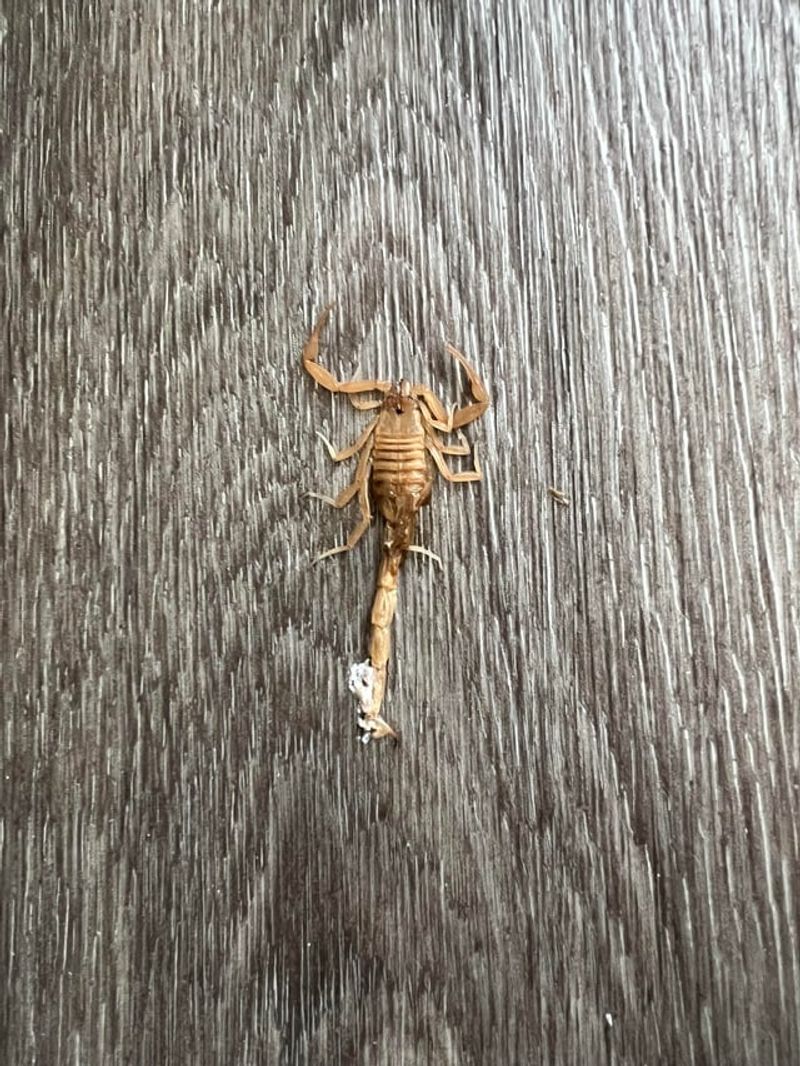
Keeping bark scorpions outside starts with blocking the places they use to get inside. They can squeeze through very small gaps around doors, windows, pipes, and foundation cracks.
Many homeowners never notice these openings until they find a scorpion indoors.
Walk around your home every few months and inspect the exterior closely. Look for worn weatherstripping, damaged door sweeps, torn window screens, and small cracks around utility lines.
Sealing these openings helps reduce the number of entry points around your home.
Garages deserve extra attention because gaps under garage doors are common. Storage rooms, laundry rooms, and side doors should also close tightly without leaving spaces along the bottom.
If you can see daylight under a closed door, it is probably large enough for a bark scorpion to enter.
Use an exterior-grade caulk to seal small cracks around the foundation and where pipes enter the house.
Replace weatherstripping that no longer seals properly, and install new door sweeps if they have become worn over time. These are simple home maintenance tasks that can make a noticeable difference.
Sealing entry points works best when you also keep your yard free of clutter and reduce the insects that attract bark scorpions around your home.
7. Schedule Yard Work Before Scorpions Become Active
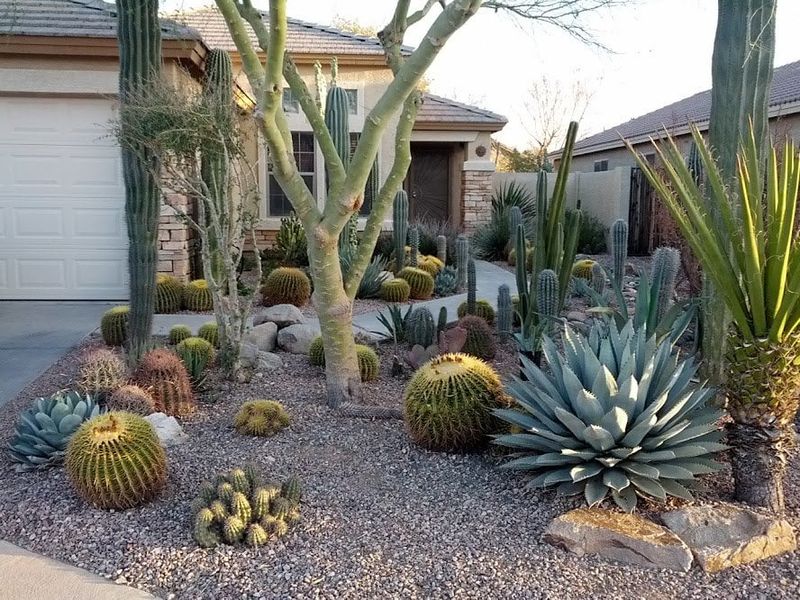
Timing your yard work is one of the simplest ways to lower your risk of a scorpion encounter.
Early morning hours, before temperatures climb and well before evening, are the safest window for getting things done outside.
Scorpions are typically settled into their daytime hiding spots by mid-morning. Working in the yard between 7 AM and 10 AM keeps you active during a window when they are least likely to be moving around.
That gap is worth using.
Watering, weeding, pruning, and hauling materials are all tasks better completed in the morning. Not only does it reduce scorpion contact, but the cooler temperatures also make the work more comfortable during summer months.
Both benefits stack nicely.
Avoid scheduling heavy landscaping tasks at dusk. That is exactly when scorpions begin emerging, and disrupting their hiding spots at that hour increases the chances of a close encounter.
Finishing outdoor projects before late afternoon is a practical rule to follow.
If evening yard work is unavoidable, use a UV blacklight to scan the area before starting. Checking surfaces like walls, soil edges, and plant bases takes only a few minutes.
That quick scan can reveal activity before you start moving things around.