7 Plants That Give New Florida Homeowners The Best Possible Start In The Garden
Moving into a new Florida home is exciting, but the garden can feel like a total mystery.
The heat, the sandy soil, the afternoon thunderstorms, and the wildlife all make Florida gardening unlike anything most people have experienced before.
Plants that thrived back home may struggle here, and the ones that look beautiful at the nursery sometimes fall apart by August.
What if a handful of plants could do the heavy lifting for you?
The right choices look great from day one, support wildlife without any extra effort, and practically take care of themselves once the roots settle in.
A few of them are probably not what you would expect, and some of the most reliable performers are plants many new homeowners have never heard of.
This guide covers a few native plants that thrive in Florida’s tough conditions plus two sections that help you put everything together into a garden that actually functions as a whole.
Each plant on this list is practical and genuinely beautiful, whether you have a big yard, a small patch of ground, or a few bare sunny spots that need solving fast.
1. Start With Firebush For Instant Wildlife
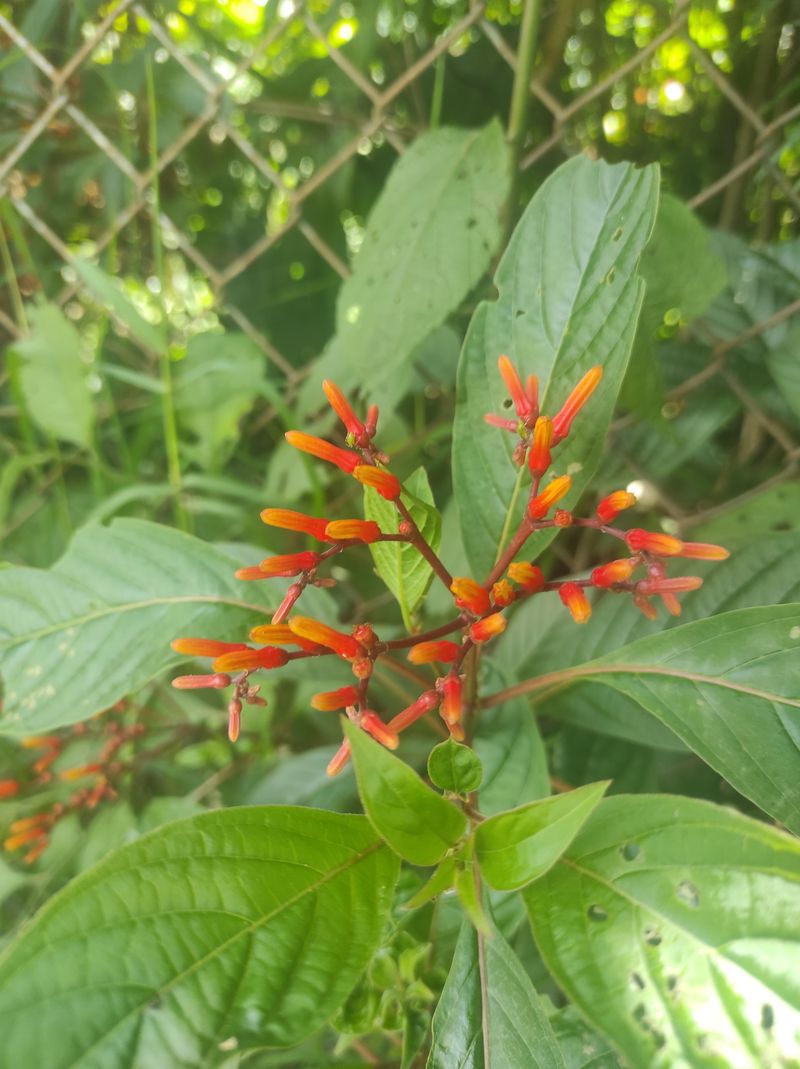
Few plants announce themselves quite like firebush.
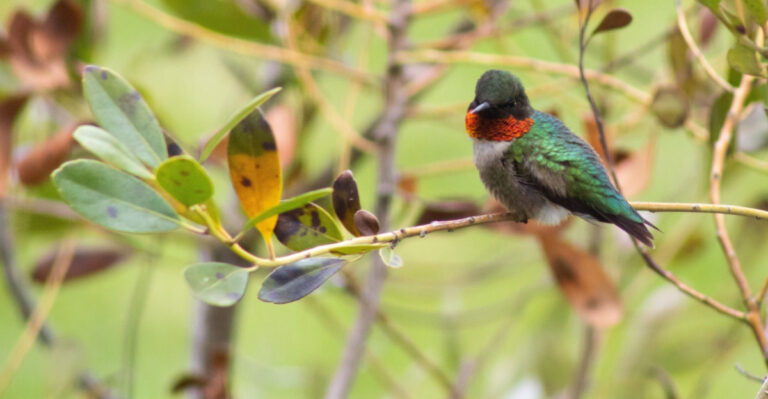
The moment it blooms, hummingbirds show up like they received a personal invitation, and butterflies follow close behind. This shrub earns its keep fast, which is exactly what a new homeowner needs when the yard still feels unfamiliar.
Firebush, known scientifically as Hamelia patens, is a Florida-friendly native that handles heat, humidity, and occasional drought without complaint.
It grows quickly, reaching six to ten feet tall, and produces clusters of bright red-orange tubular flowers nearly year-round in South Florida and from spring through fall in Central and North Florida.
Plant it in full sun to partial shade and give it well-drained soil.
Once established, it needs very little supplemental watering, which is a significant bonus during Florida’s dry season. Mulching around the base helps retain moisture and keeps roots cool during summer heat spikes.
Wildlife value is one of firebush’s biggest selling points.
Ruby-throated hummingbirds, zebra longwing butterflies, and gulf fritillaries are frequent visitors. Small dark berries follow the flowers and attract songbirds too, so your yard becomes a busy, beautiful ecosystem almost immediately after planting.
Firebush works well as a specimen plant, a colorful hedge, or a backdrop for smaller native plants.
It can be pruned to stay compact or allowed to grow into a full, lush shrub. For new Florida gardeners, firebush is one of the most rewarding first choices possible.
2. Add Coontie For Low-Care Structure
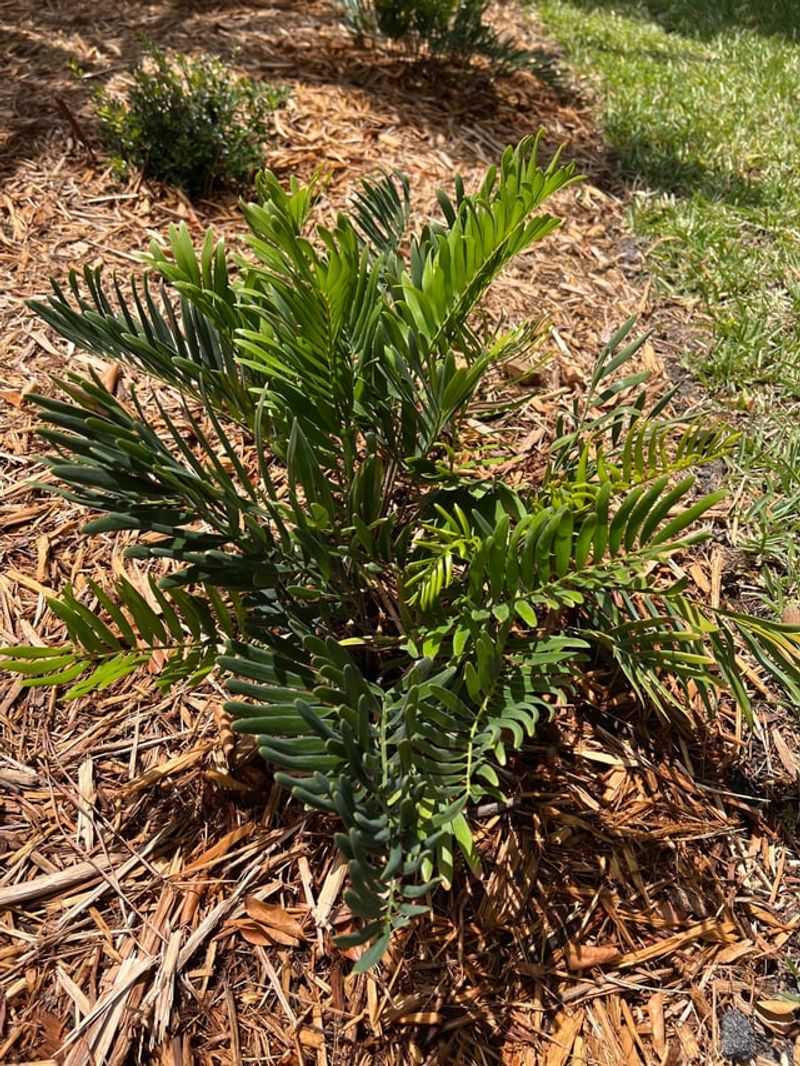
Not every garden plant needs to show off. Coontie proves that quiet reliability is its own kind of superpower.
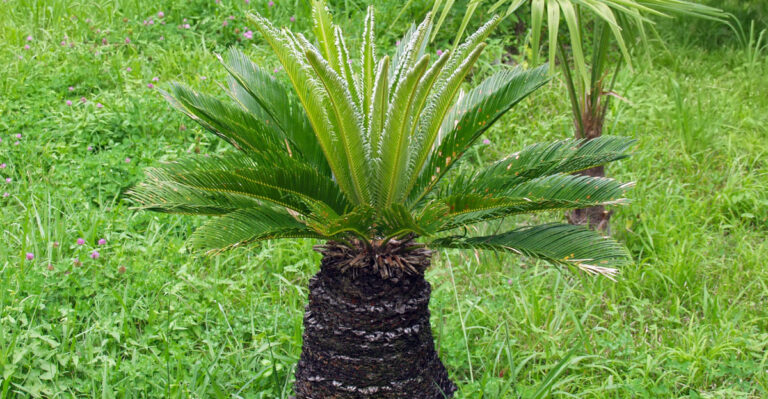
This compact, glossy native cycad has been growing in Florida for thousands of years, and it asks almost nothing in return for looking great season after season.
Coontie, or Zamia integrifolia, is Florida’s only native cycad.
It grows slowly to about two to four feet tall and wide, forming a tidy, symmetrical mound of dark green, feathery fronds.
Your Florida Garden Changes Every Week. Your Plan Should Too.
Gardening in Florida changes quickly throughout the season. Every Friday you’ll receive a simple weekly plan showing exactly what to plant, prune, fertilize, harvest, and protect so you never miss the right timing.
That tidy habit makes it a natural fit for foundation plantings, borders, or any spot where structure matters but maintenance time is limited.
Once established, coontie tolerates drought, poor sandy soil, and deep shade, though it also thrives in full sun with some extra moisture.
It also plays a critical ecological role as the only host plant for the atala butterfly, a stunning native species that was once considered locally gone from much of Florida. Planting coontie actively helps bring atala populations back.
New homeowners love coontie because it requires almost no pruning, rarely needs fertilizer, and stays green year-round.
The occasional removal of old fronds keeps it looking fresh. Plant it in groups of three or five for a natural, layered look that immediately gives any yard a polished, intentional feel without constant upkeep.
3. Plant Muhly Grass For Movement And Color
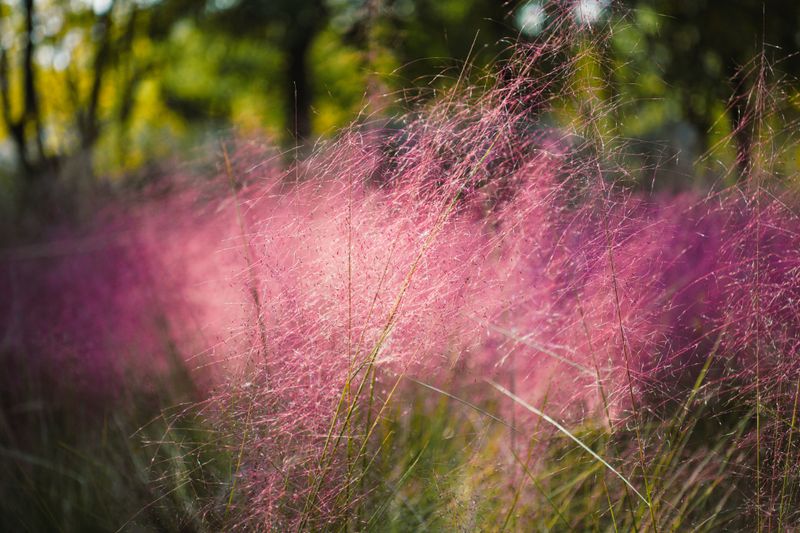
Muhly grass does something no other Florida native quite manages: it turns a garden into something that moves.
When the fall breeze hits those soft pink plumes, the whole bed comes alive in a way that is genuinely hard to replicate with any other plant in the Florida native palette.
Pink muhly grass, Muhlenbergia capillaris, is a clump-forming native ornamental grass that grows two to three feet tall and erupts into a cloud of rosy-pink plumes from September through November.
That fall color show is genuinely spectacular, especially in mass plantings where the pink haze effect is most dramatic. It thrives in full sun and well-drained soil, making it a natural fit for Florida’s sandy conditions.
Drought tolerance is excellent once the plant establishes, and it handles Florida’s intense summer heat without flinching.
It needs no supplemental fertilizer and very little water after the first growing season.
Maintenance is refreshingly minimal.
Cutting clumps back to about six inches in late winter encourages fresh, healthy growth for the next season. Beyond that one annual task, muhly grass largely takes care of itself.
In the landscape, it works beautifully as a border plant, a transition between taller shrubs and groundcovers, or a mass planting along a driveway or fence line.
Birds and small pollinators also visit the seed heads, adding extra ecological value throughout winter.
4. Use Simpson’s Stopper For A Small Evergreen Screen
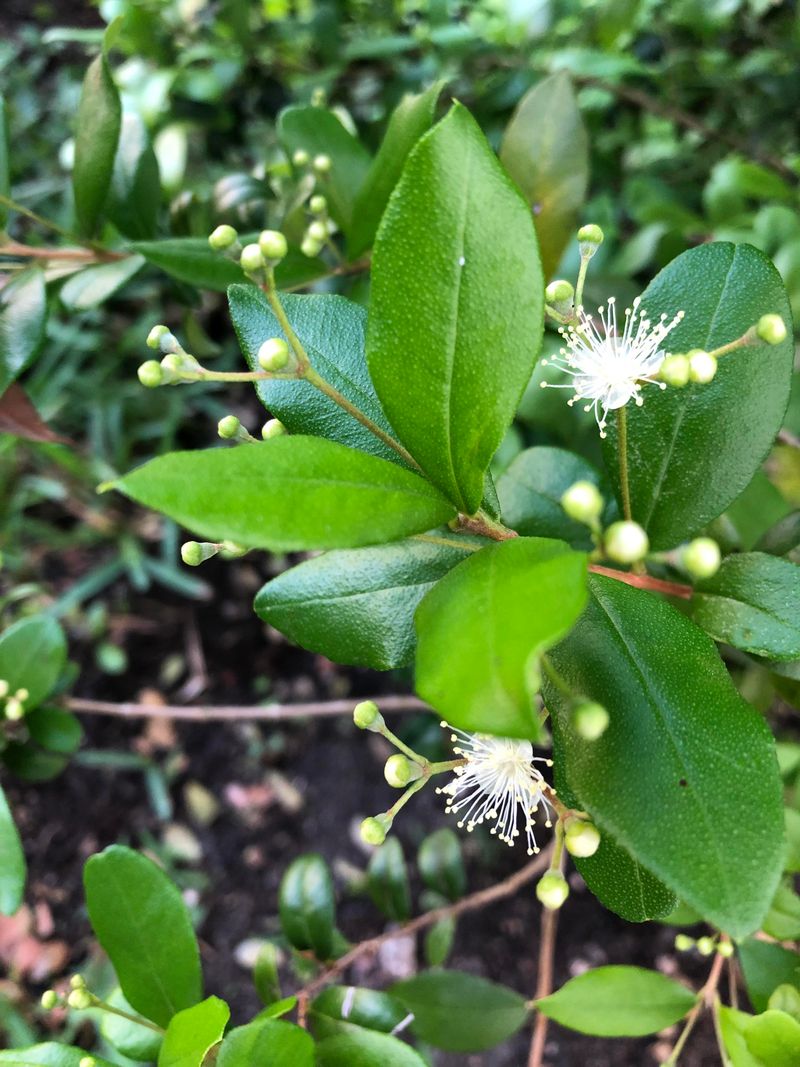
Privacy matters, especially when you are new to a neighborhood and still getting settled.
Simpson’s stopper is the plant that solves that problem beautifully, quietly, and without ever losing its leaves or its charm.
Simpson’s stopper, Myrcianthes fragrans, is a Florida native shrub or small tree that can reach eight to fifteen feet tall, making it a perfect choice for a natural privacy screen or a specimen plant near a patio.
Its bark has a distinctive cinnamon-colored, flaking texture that adds visual interest even when the plant is not in bloom. The fragrance of its small white flowers is genuinely lovely, earning it bonus points in any yard.
This plant grows in full sun to partial shade and tolerates a range of soil types, including the sandy, nutrient-poor soil found in many Florida neighborhoods.
Drought tolerance is solid once it establishes, and it handles salt spray reasonably well, making it useful in coastal areas too.
Red berries follow the flowers and attract a wide variety of birds, including mockingbirds, robins, and cedar waxwings.
This makes Simpson’s stopper a fantastic choice for homeowners who want to bring more wildlife into the yard without planting something high-maintenance.
It responds well to pruning and can be shaped into a formal hedge or left to grow naturally.
For new Florida homeowners who want a screen that also feeds wildlife and looks beautiful year-round, this plant delivers on every count.
5. Choose Beach Sunflower For Hot Open Ground
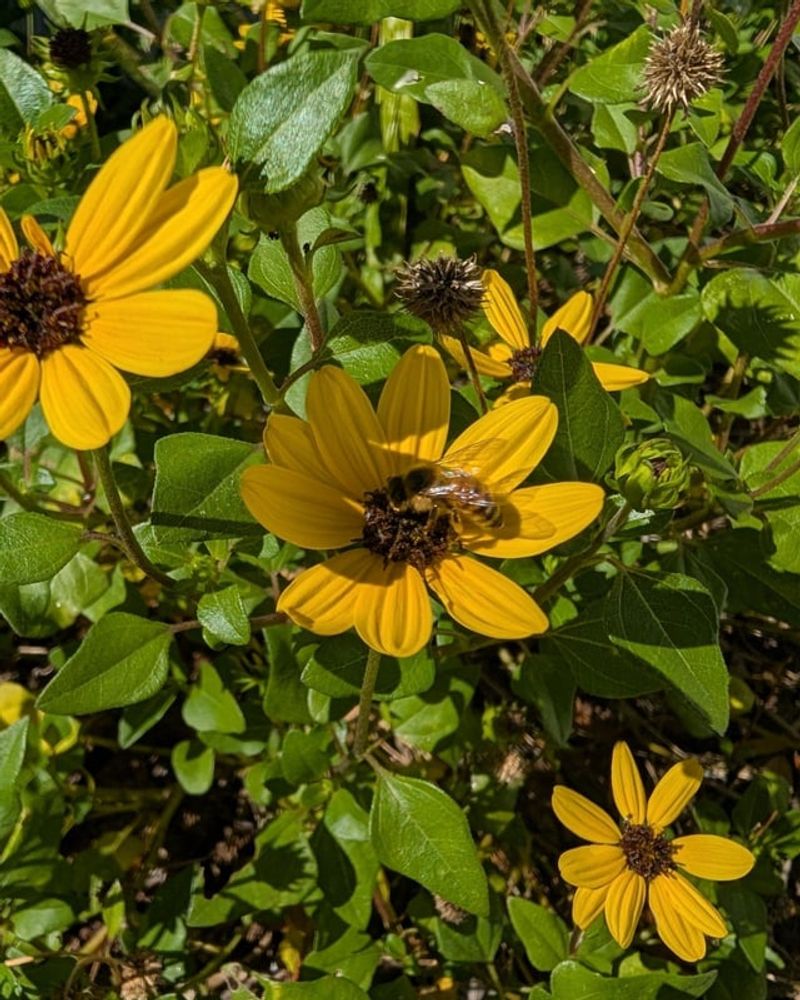
Open, sunny ground in a Florida yard can be a real challenge.
Grass struggles, mulch blows away, and bare soil bakes in the summer heat. Beach sunflower steps in and covers that ground with cheerful yellow flowers and almost zero fuss.
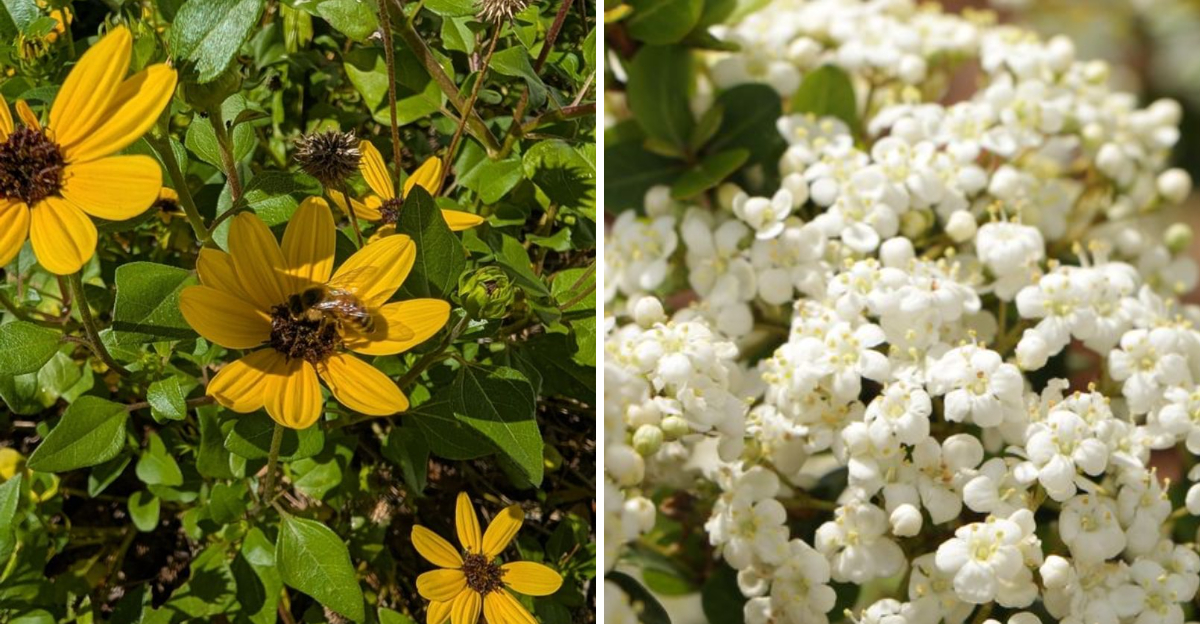
Beach sunflower, Helianthus debilis, is a low-growing, spreading native groundcover that reaches one to two feet tall and spreads several feet wide.
Its bright yellow, daisy-like flowers bloom almost continuously, giving the yard a colorful, lively look through most of the year. Bees absolutely love it, and the seeds attract small finches and sparrows too.
Sandy, dry soil is where beach sunflower truly shines.
It was built for Florida’s coastal and inland sandy conditions, and it handles full sun and intense heat better than almost any other groundcover option. Watering needs are minimal once established.
The plant spreads naturally by runners, filling in bare spots and creating a dense mat that helps suppress weeds.
Occasional trimming keeps it tidy and encourages fresh blooming cycles.
Beach sunflower works especially well along driveways, at the base of mailboxes, in parking strips, or anywhere else that gets blasted by afternoon sun.
It pairs nicely with muhly grass and coontie for a layered, Florida-native planting scheme. For new homeowners with tough, sunny spots to fill, beach sunflower is a quick and genuinely rewarding fix.
6. Grow Walter’s Viburnum For Year-Round Interest
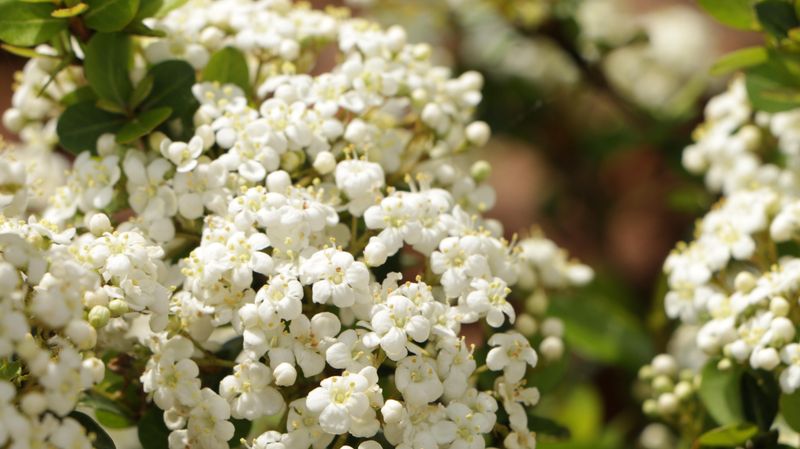
Walter’s viburnum is one of those plants that earns a place in the garden by delivering something every single season.
White flower clusters appear in late winter and early spring, small dark berries follow through summer and fall, and the dense evergreen foliage stays attractive year-round without any dramatic intervention from you.
Viburnum obovatum is a Florida native shrub that grows naturally along stream banks and woodland edges throughout the state.
In a home landscape, it adapts readily to a wide range of conditions, including full sun, partial shade, sandy soil, and occasional wet periods. That flexibility makes it genuinely useful in new yards where the growing conditions are still being figured out.
Left to grow naturally, Walter’s viburnum can reach ten to twelve feet tall, making it a solid choice for a privacy screen or a background shrub in a larger bed.
It also responds extremely well to pruning and can be kept as low as three to four feet for a more formal hedge. New Florida homeowners who want versatility in a single plant will find a lot to appreciate here.
Birds are drawn to the berries in large numbers throughout fall and into winter.
Cedar waxwings, robins, and bluebirds all visit regularly when the fruit is ripe.
Combined with its low maintenance requirements and year-round structure, Walter’s viburnum fills a role in the Florida garden that few other natives can match quite as reliably.
7. Try Sunshine Mimosa As A Lawn Alternative
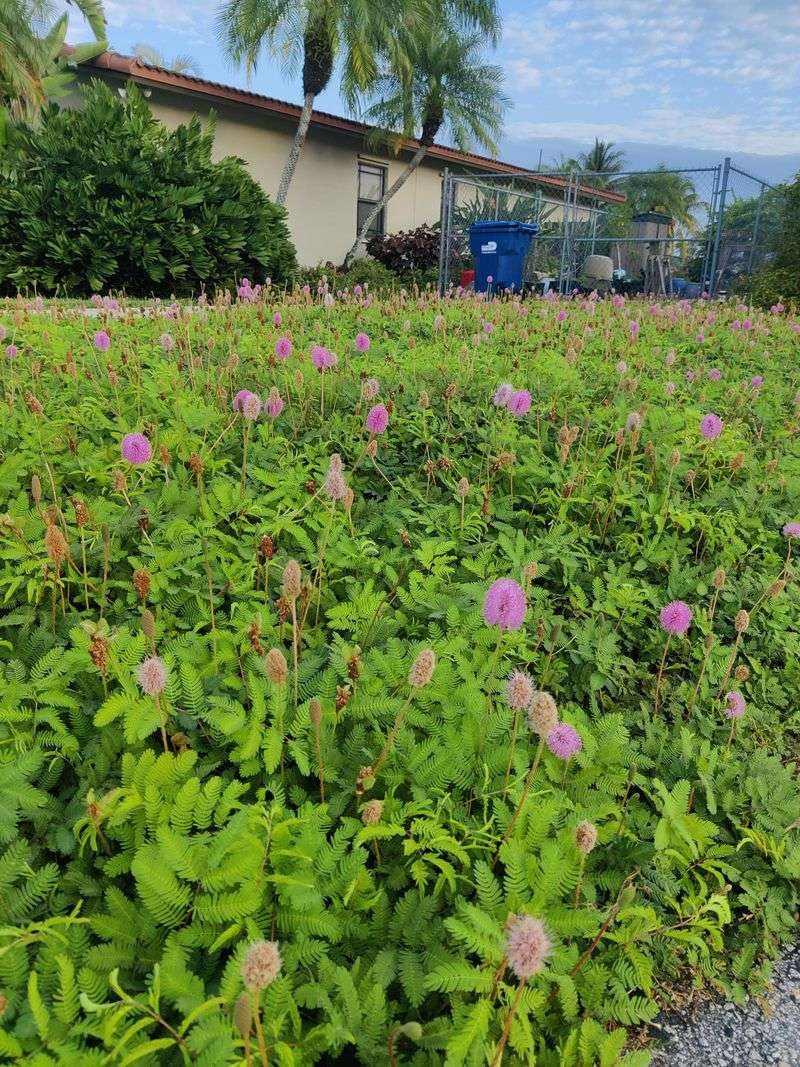
Bare patches of ground between established plants are one of the most common frustrations for new Florida homeowners, and sunshine mimosa is one of the most satisfying solutions available.
This low-growing native groundcover spreads quickly across open sunny areas, forms a dense mat that suppresses weeds, and produces cheerful pink powder-puff flowers that pollinators find absolutely irresistible.
Mimosa strigillosa stays low, rarely exceeding six inches in height, which makes it a genuine lawn alternative in areas that see light foot traffic.
It handles Florida’s sandy soils and full sun without complaint, and once established it gets by on rainfall alone through most of the year. Mowing it occasionally keeps it tidy and actually encourages denser, healthier growth.
The foliar response that gives sunshine mimosa part of its charm is worth mentioning.
Touch the leaves and they fold up almost instantly, a response called thigmonasty that never gets old regardless of how many times you see it. Children find it endlessly entertaining, which is a bonus in any family yard.
Native bees and small butterflies visit the flowers consistently from spring through fall.
The plant also fixes nitrogen into the soil, quietly improving soil quality for every other plant growing nearby.
For new Florida homeowners who want to cover ground fast, add pollinator value, and spend very little time on maintenance, sunshine mimosa is one of the smartest choices available in the Florida native plant palette.