The Iowa Gardener’s Approach To Moving Plants Without Setting Them Back
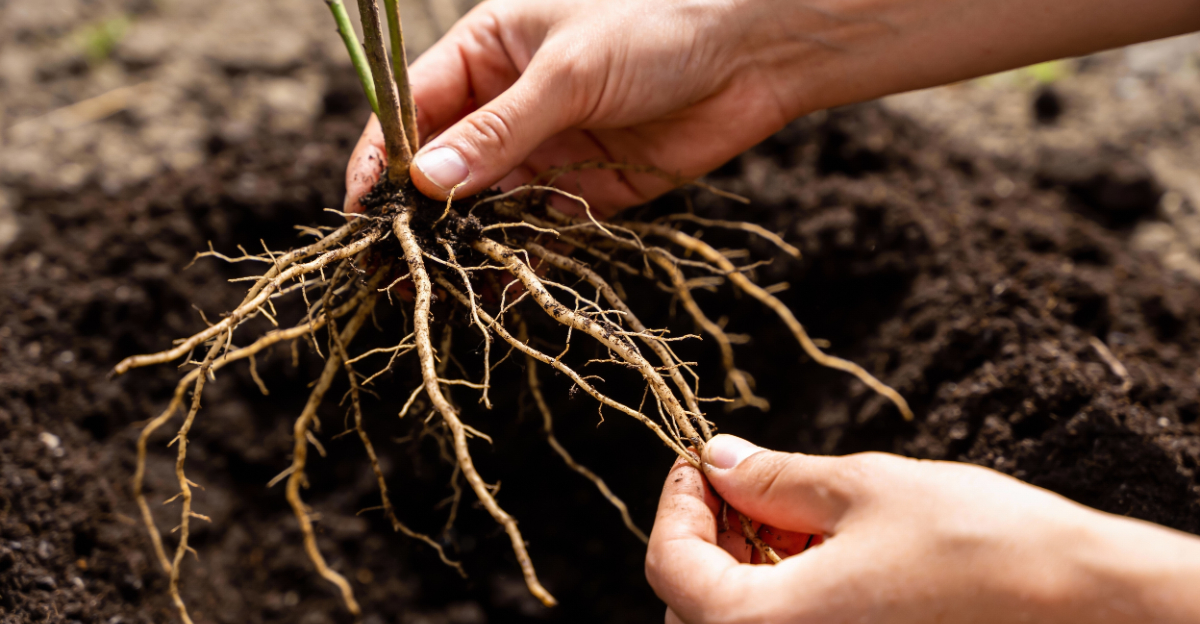
Transplant shock is real, and your plant will let you know if you rushed the job. Iowa’s clay soil grips roots like cement once it dries, spring temperatures can swing dramatically within days, and July heat often arrives without warning.
A plant moved at the wrong hour, in the wrong soil, or without root protection can sit there sulking for weeks, sometimes longer. Timing matters more than most gardeners assume. So does the fifteen minutes before you even touch a shovel.
Get the sequence right, from digging to settling roots into their new spot, and the plant barely registers the change. Skip a step, and you’re nursing a stressed, wilting mess through August.
Your garden won’t just survive the move. It’ll barely blink.
The Iowa Gardener’s Golden Rule Is All About Timing
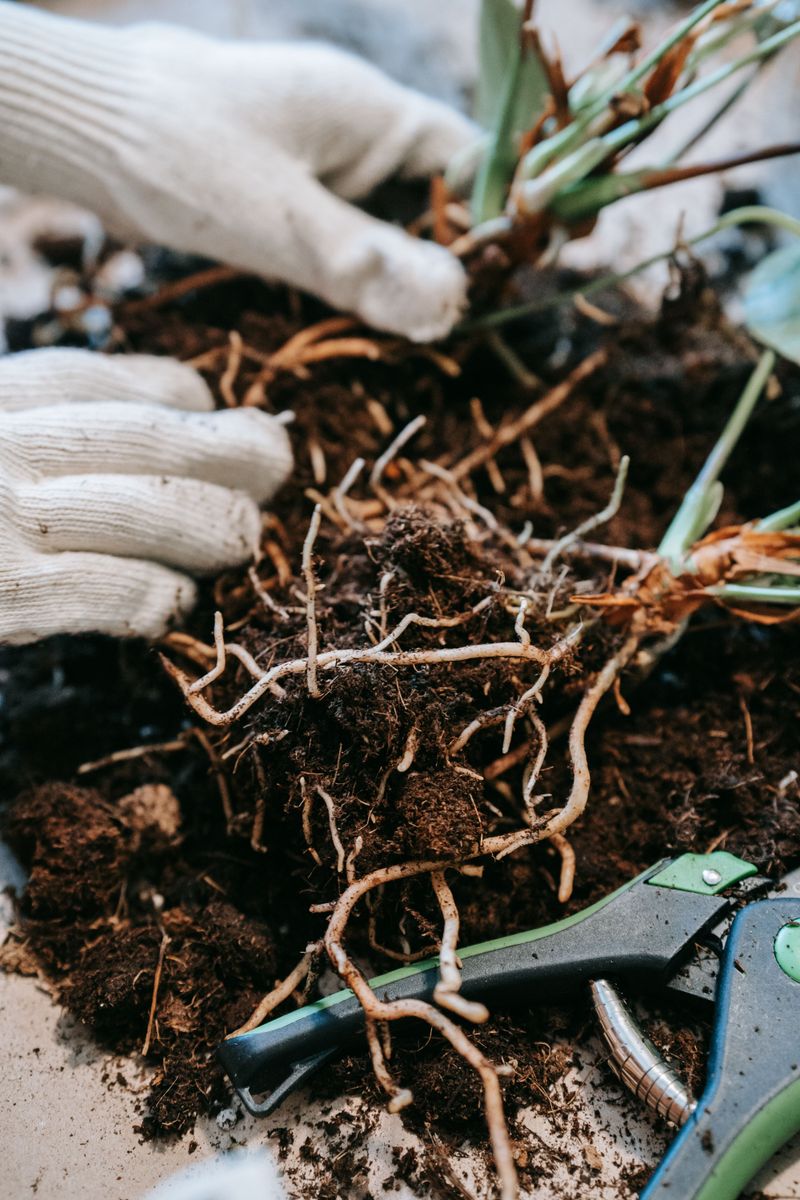
Timing a transplant wrong is like showing up to a party three hours late. The plant gets stressed, wilts fast, and spends weeks just trying to survive.
The best window for moving plants in the Midwest is early spring or early fall. Soil is workable, temperatures are mild, and roots can settle without fighting heat or frost.
Cool mornings are your best friend on moving day. Afternoon sun can wilt a freshly dug plant quickly, especially in late spring when Iowa temperatures climb fast.
Overcast days are even better than sunny ones. Cloud cover keeps soil moisture stable and reduces the shock a plant feels when its root system is disturbed.
Avoid moving plants when a heat wave is in the forecast. Even a well-watered transplant can struggle badly when temperatures push past 85 degrees the next day.
Fall transplanting works beautifully for perennials and shrubs. Cooler air slows top growth, which lets roots focus energy underground where the real recovery work happens.
Spring movers should generally aim to transplant a couple of weeks before the last frost date, though timing can shift depending on the plant. That window gives roots time to anchor before summer heat arrives in full force.
Pick the right moment and the hardest part is already behind you.
Reading Your Iowa Soil Before You Dig
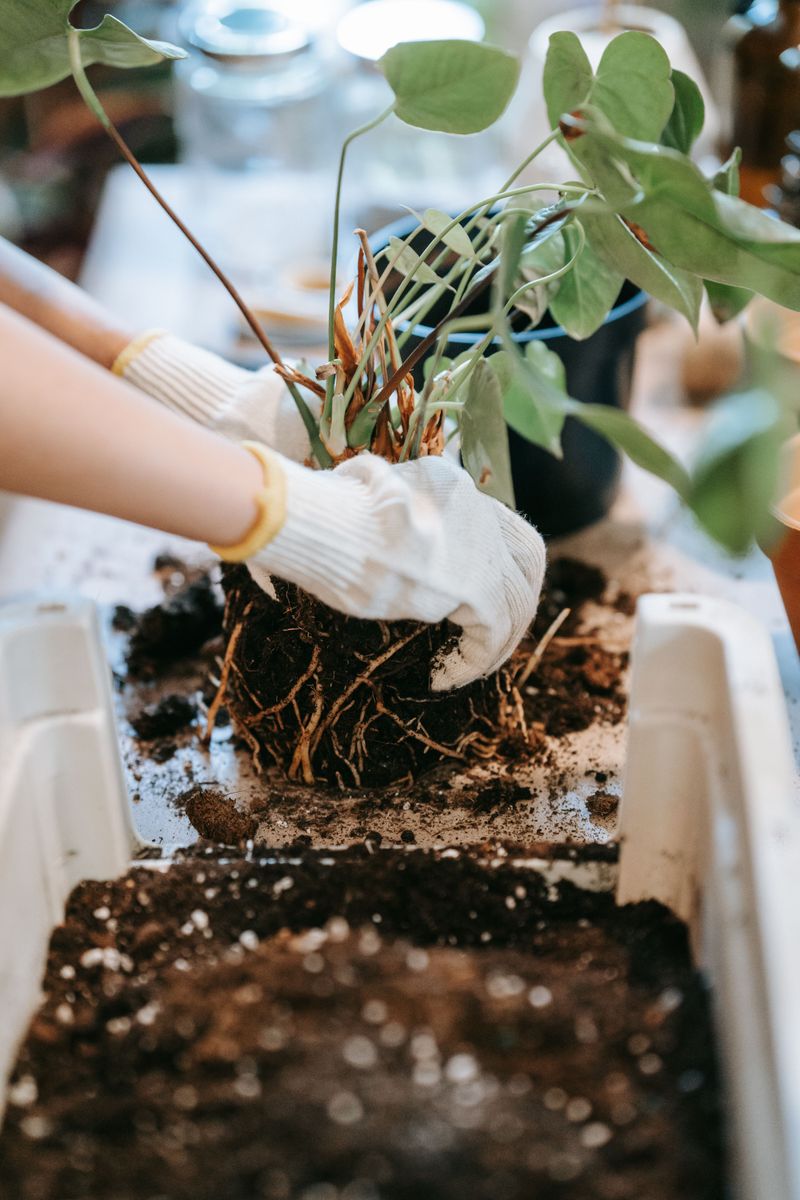
Iowa soil has a personality all its own, and it does not always play nice with transplants. Heavy clay holds water long after rain, which can drown freshly moved roots before they even settle.
Before you dig anything up, squeeze a handful of your garden soil. If it clumps tight and stays that way, you are working with clay-heavy ground that needs extra attention.
Sandy soil on the other end of the spectrum drains fast, sometimes too fast. A transplant moved into sandy ground needs more frequent watering in the first week to avoid drying out completely.
Loamy soil is the sweet spot most Iowa gardeners aim for. It holds moisture without drowning roots and breaks apart easily, which makes digging cleaner and less damaging to root systems.
Amending your soil before the move makes a big difference. Work in compost or aged manure to loosen clay and boost drainage without stripping the natural nutrients already present.
Your Iowa Garden Changes Every Week. Your Plan Should Too.
Gardening in Iowa changes quickly throughout the season. Every Friday you’ll receive a simple weekly plan showing exactly what to plant, prune, fertilize, harvest, and protect so you never miss the right timing.
Check soil temperature too, not just texture. Cold soil below 50 degrees slows root growth significantly, meaning a transplant will just sit there struggling instead of reaching outward.
Soil thermometers are cheap and take the guesswork out of timing. Knowing your ground is ready makes the Iowa gardener’s approach to moving plants without setting them back far more effective.
Prepared soil welcomes roots quickly, and that warm reception is exactly what a freshly moved plant needs most.
The Root Ball Rule Iowa Gardeners Swear By
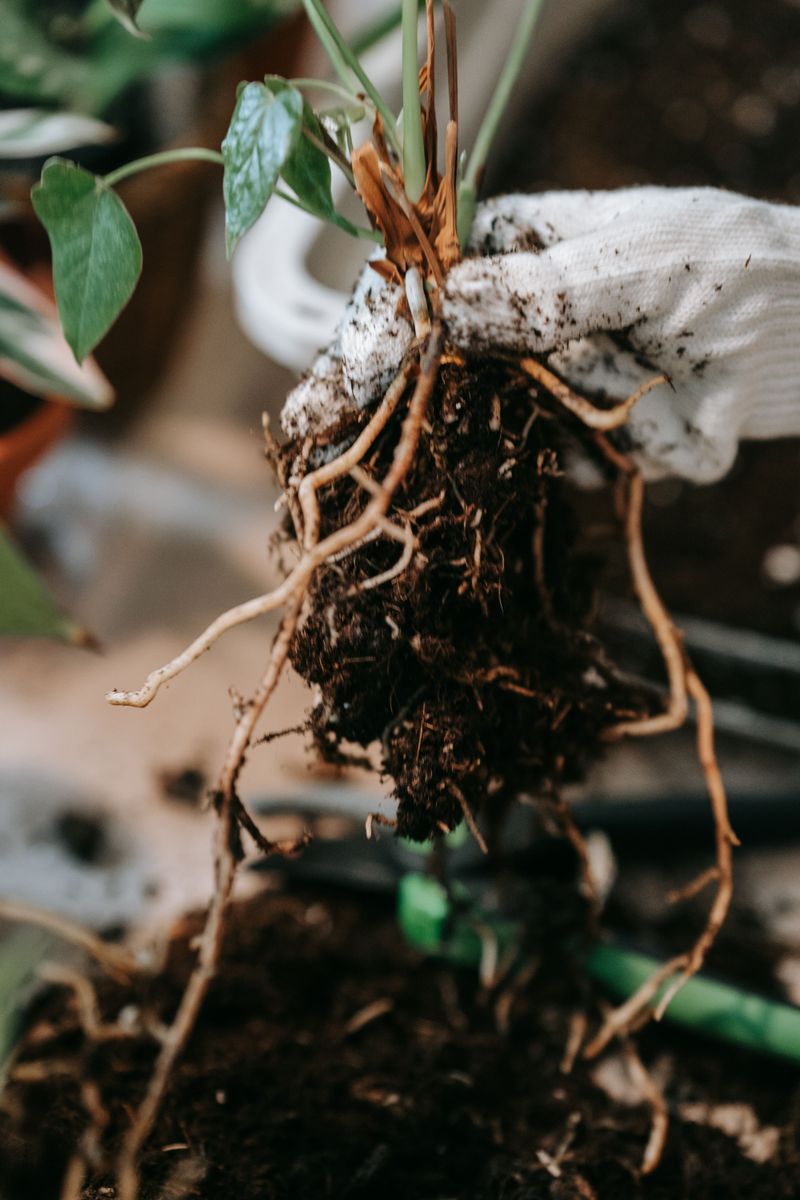
Roots are the engine of any plant, and protecting them during a move is non-negotiable. Tear them up carelessly and even a tough perennial will struggle for months.
The general rule Iowa gardeners follow is simple: dig a root ball at least as wide as the plant’s canopy. For a shrub two feet across, that means a two-foot-wide root zone at minimum.
Go deeper than you think you need to. Most feeder roots sit in the top twelve inches of soil, but anchor roots can stretch much further down in well-established plants.
Keep as much soil around the root ball as possible during the move. That surrounding soil acts like a cushion, protecting delicate root hairs from air exposure and physical damage.
Burlap is a classic tool for good reason. Wrapping the root ball before lifting keeps it intact and gives you something to grip without squeezing the roots directly.
Move quickly once the plant is out of the ground. Every minute the roots sit exposed to air, they lose moisture and the transplant clock starts ticking against you.
Never set a bare-rooted plant down in the sun while you prepare the new hole. Keep it in the shade, covered with a damp cloth if needed, until the new spot is ready.
A respected root ball means a plant that rebounds fast, which is exactly the outcome every Iowa transplanter is working toward.
Shock-Proofing Plants Through Iowa’s Unpredictable Spring Weather
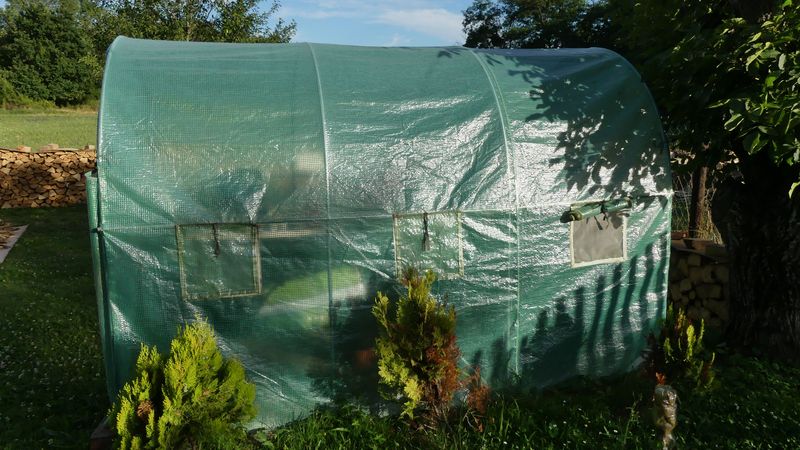
Spring in Iowa is basically a mood ring that cannot make up its mind. One day it is 70 degrees and sunny, and three days later there is frost on the windshield.
Transplant shock gets worse when weather swings happen right after a move. A plant already stressed from being dug up does not need a cold snap piling on top of that stress.
Watch the ten-day forecast before scheduling your transplant day. If temperatures are likely to drop below 40 degrees within a week, hold off and wait for a more stable stretch.
Row covers and frost cloth are inexpensive insurance against surprise cold nights. Draping one loosely over a fresh transplant can mean the difference between survival and a full setback.
Wind is another underrated enemy of new transplants in spring. Iowa winds can be relentless, pulling moisture from leaves faster than roots can replace it in newly disturbed soil.
A simple windbreak made from burlap or even a few staked boards helps enormously. Block the prevailing wind direction and your transplant gets a much calmer environment to recover in.
Mulching right after the move also stabilizes soil temperature around the roots. A two-inch layer of wood chips or straw keeps the ground from swinging between warm days and cold nights.
Shock-proofing is not about being overprotective, it is about giving a vulnerable plant a fighting chance in unpredictable Midwestern conditions.
Watering And Aftercare That Matters Most In The First Two Weeks
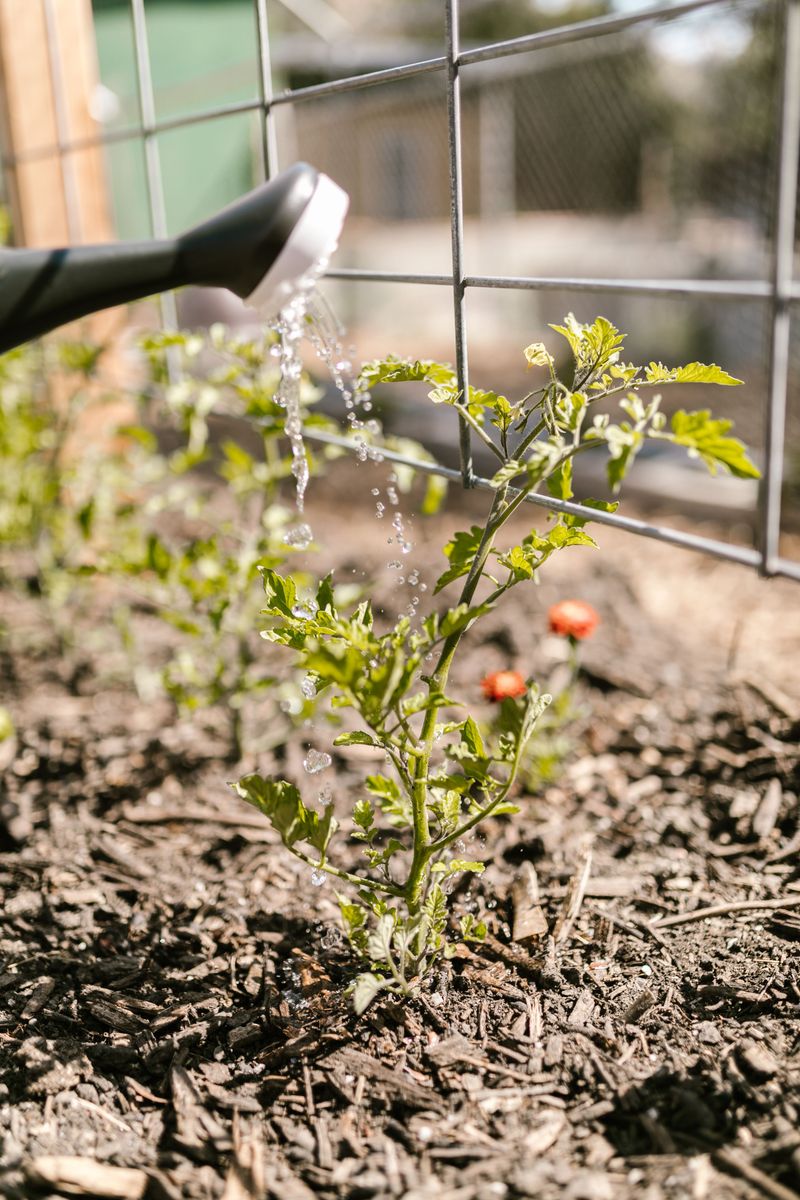
The first two weeks after a transplant are a critical window for recovery. Roots are finding their footing, and consistent moisture is the single most important thing you can provide right now.
Water deeply on moving day before you even put the plant in the ground. Soaking the root ball ahead of time means roots start their new home already hydrated and ready to grow.
After planting, water slowly and deeply rather than giving a quick surface rinse. Shallow watering encourages roots to stay near the top, which leaves them vulnerable to heat and drought later.
Check soil moisture every day for the first week. Stick your finger two inches into the ground near the plant base and feel whether it is moist or starting to dry out.
Overwatering can be just as harmful as underwatering for fresh transplants. Soggy soil cuts off oxygen to the roots, which slows recovery and can cause rot in heavy Iowa clay.
A diluted liquid fertilizer applied one week after transplanting gives roots a gentle nutritional boost. Avoid high-nitrogen blends at first since they push top growth before roots are strong enough to support it.
Pull any competing weeds from around the transplant during these two weeks. Weeds steal water and nutrients that a recovering plant desperately needs to establish itself.
Consistent care in this critical window sets the foundation for a thriving plant, and skipping steps now means a longer recovery road ahead.
Signs Your Transplant Is Settling In Or Struggling
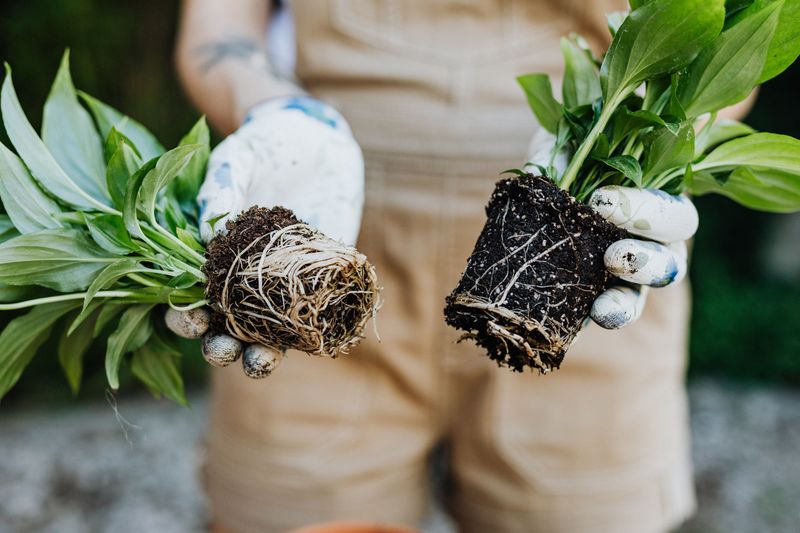
Not every transplant tells you right away how it feels about the move. Some plants play it cool for a few days before showing signs of stress or recovery.
New leaf growth within a few weeks is the clearest sign a plant is settling in. It means roots have anchored and the plant is back in business.
Slight wilting in the first couple of days is normal and not a reason to panic. Roots need time to reconnect with their water supply, and a little droop is just the plant catching its breath.
Yellowing leaves that persist past the first week are a warning sign worth taking seriously. That color shift usually points to root damage, overwatering, or soil that is not draining properly.
Leaf drop on shrubs and woody plants can look alarming but is sometimes a healthy stress response. The plant sheds leaves to reduce water demand while roots are still getting established.
Brown crispy edges on leaves often mean the plant is losing moisture faster than roots can replace it. Check your watering schedule and consider adding a layer of mulch to slow evaporation.
If a plant shows no new growth after four weeks, gently check for root firmness by tugging lightly on the stem base. A plant with established roots will resist the pull, a struggling one may shift easily in the soil.
Knowing these signals puts you in control of the Iowa gardener’s approach to moving plants without setting them back for good.