Why Hydrangeas Suddenly Stop Producing Flowers In Your Garden
You babied that hydrangea from a scrawny nursery start into a full, blooming showpiece. Friends asked for cuttings.
Strangers paused on their walks just to stare. Then, without warning, the show stopped. The plant came back green and healthy, but the flowers never showed up.
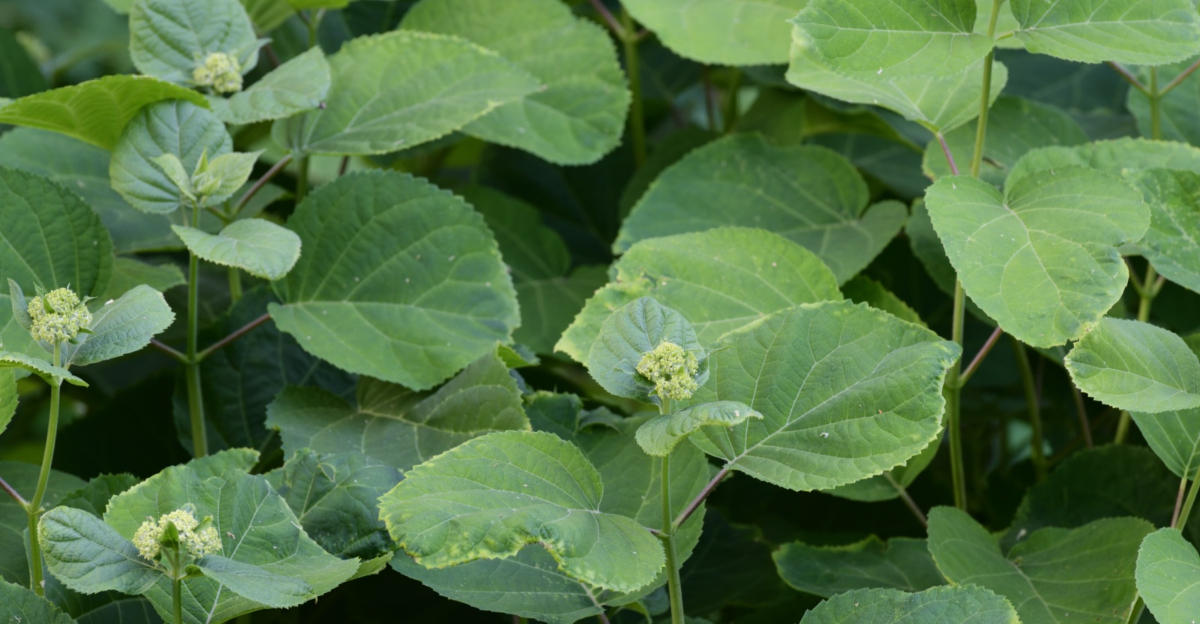
No buds, no color, nothing but leaves swaying like they’re mocking you. Here’s the strange part: nothing about the plant looks wrong. No pests, no wilting, no obvious distress.
Just silence where the blooms used to be, and a nagging feeling that you missed something small along the way.
The truth is, hydrangeas don’t stop flowering for no reason. Something shifted, quietly, somewhere between last season and this one.
Once you know where to look, the mystery unravels fast, and those show-stopping blooms are closer than you think.
1. Late Frost Damaged The Buds
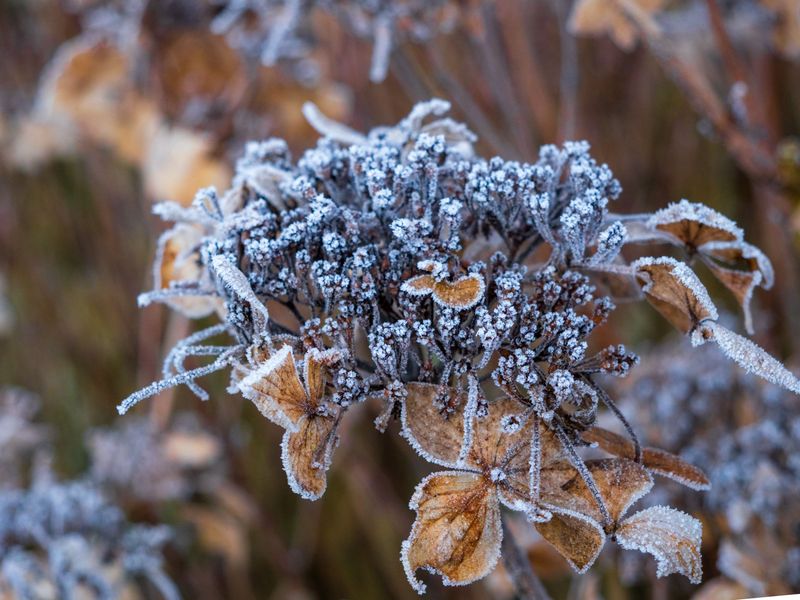
A sneaky frost is one of the cruelest tricks nature plays on gardeners. Your hydrangeas may have started pushing out tender buds in early spring, only to get hit by a surprise freeze overnight.
One warm afternoon fools the plant into action, and one cold night undoes that progress before you even notice.
Frost damage is especially common with bigleaf hydrangeas, which set their buds earlier than other varieties.
When temperatures dip below freezing after bud break, those delicate tissues turn brown and mushy almost immediately.
You might not notice the damage right away. The plant still looks green and alive, but the buds that were supposed to become flowers gave out quietly inside.
Checking your local frost dates is a smart first step every season. If a late freeze is in the forecast, cover your plants with burlap or a frost cloth the night before to protect those buds.
Gardeners in zones 5 and 6 deal with this problem more than anyone else. Variety selection matters too, since smooth hydrangeas and panicle types bloom on new wood and bounce back faster after frost events.
Planting near a south-facing wall can also buffer cold snaps. That small microclimate difference of a degree or two can mean the difference between a stunning floral display and another flowerless summer in your yard.
2. Pruning Happened At The Wrong Time
Grab those pruning shears at the wrong moment and you will accidentally cut off every bloom before it even gets a chance. It’s such a common mistake that even seasoned gardeners fall for it season after season.
Bigleaf and oakleaf hydrangeas bloom on old wood, meaning the buds for next year form on stems that grew this season. If you trim those stems in fall or early spring, those buds are gone.
The timing mistake usually comes from good intentions. People see a scraggly shrub and reach for the shears without thinking about what type of hydrangea they have.
Smooth hydrangeas and panicle varieties are more forgiving because they bloom on new wood.
You can prune those in late winter or early spring without losing a single flower. For old-wood bloomers, the window for safe pruning is narrow.
Wait until right after the plant finishes flowering, typically midsummer, and make your cuts then so new buds have time to form before fall arrives.
A simple plant tag or a scribbled note in a garden journal can save you from years of guessing.
Knowing whether you have an Endless Summer, Annabelle, or Limelight changes everything about when you should reach for those shears.
3. Too Much Nitrogen Fertilizer Promoted Leaves Over Flowers
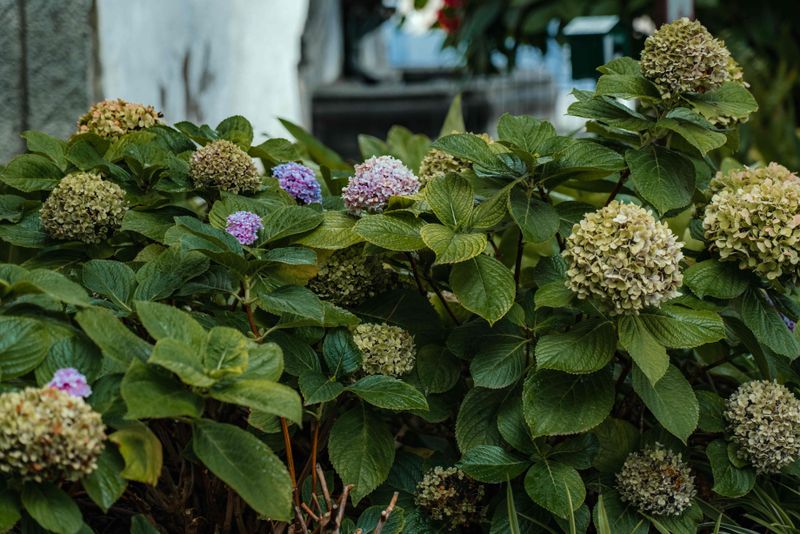
Your hydrangea is absolutely thriving, the leaves are enormous and a deep rich green, and yet there is not a single bloom in sight.
Sound like your backyard right now? Chances are, too much nitrogen is the problem. Nitrogen is the nutrient that drives leafy, green growth.
When plants get an excess of it, they put all their energy into producing foliage rather than flowers.
Many all-purpose fertilizers are high in nitrogen because they are designed to make lawns and vegetables look lush.
Applying those blends near your hydrangeas sends the wrong signal to the plant entirely. A soil test from your local extension office can reveal exactly what is in your ground.
That small investment of about fifteen dollars tells you whether your soil already has enough nitrogen before you add anything at all.
For hydrangeas, look for a fertilizer with a lower first number on the label. Something like a 10-30-10 formula encourages blooming rather than leafy excess, giving the plant what it actually needs to flower.
Timing matters too, not just formula. Feed your hydrangeas in early spring and again in midsummer, then stop completely.
Late-season fertilizing pushes out tender new growth that has no time to toughen up before the cold moves in.
4. Insufficient Sunlight Reached The Plant
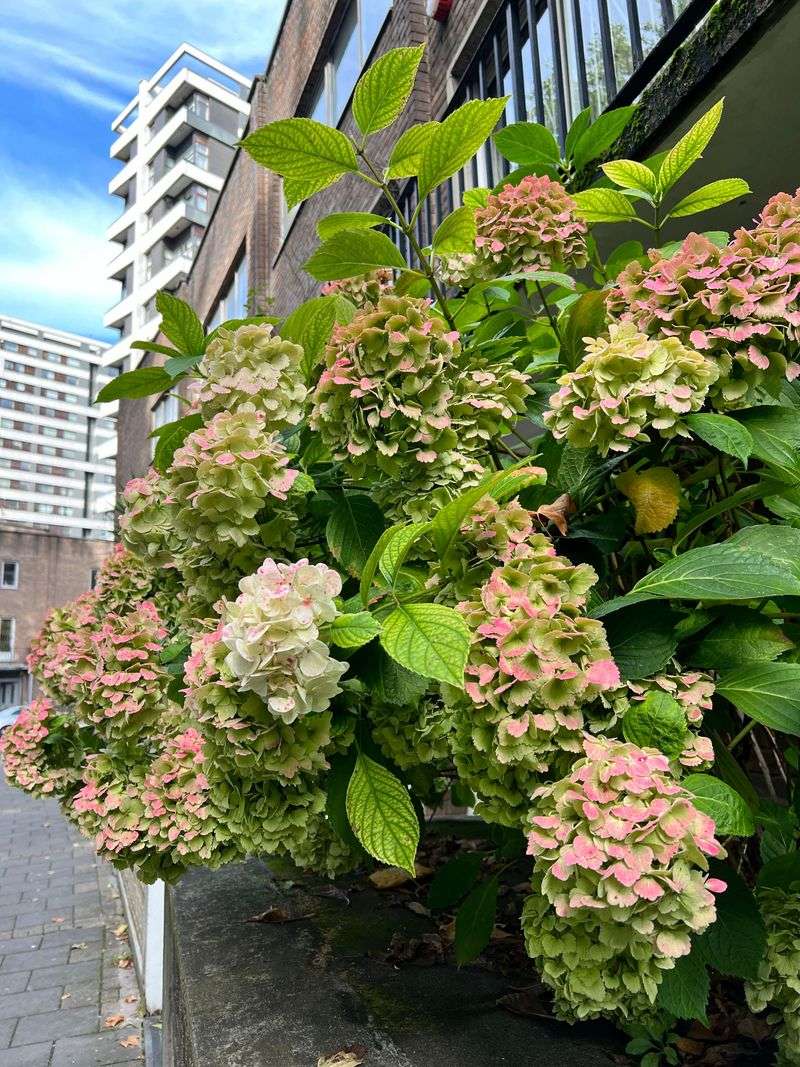
Shade is sneaky. A spot that got plenty of sun three years ago might now be under a thick tree canopy that grew in fast. Your hydrangea did not move, but its light situation changed completely.
Most hydrangeas need at least four to six hours of sunlight daily to produce a strong flush of flowers. Without that light, the plant survives but never really thrives or blooms with any confidence.
Panicle hydrangeas are the most sun-tolerant of the group and actually prefer full sun conditions. Bigleaf types appreciate morning sun with afternoon shade, especially in warmer southern climates where afternoon heat can be intense.
Walk around your garden at different times of day and watch where the shadows fall. A new fence, a home addition, or a neighbor’s growing tree can quietly steal more light than you’d ever guess.
Pruning nearby trees to let more light through is often the simplest fix available. Even opening up the canopy by twenty percent can dramatically change how much energy your hydrangea has to put toward producing blooms each season.
If the spot is simply too dark and pruning is not an option, transplanting in early spring before new growth starts is worth considering.
Hydrangeas move surprisingly well when handled carefully, and a sunnier location might unlock blooms you have been waiting years to see.
5. Winter Cold Took Out Last Year’s Growth
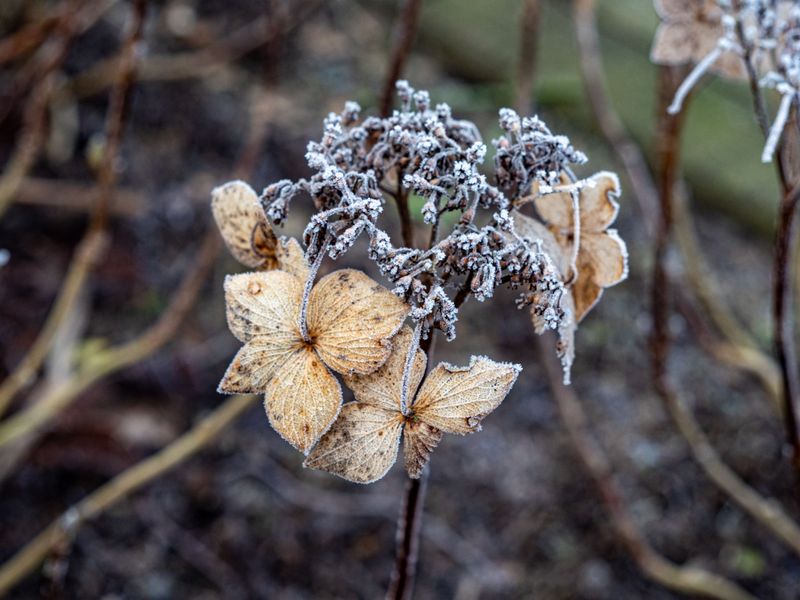
Some winters just hit harder than expected. When temperatures plunge well below average, the above-ground stems of your hydrangeas can suffer serious cold damage even if the roots survive just fine underground.
Old-wood bloomers are most vulnerable here because next season’s flower buds are already sitting on those exposed stems all winter long. A sudden cold snap can wipe out an entire year of potential blooms in one night.
You will know winter damage happened when stems look hollow, brittle, or fail to leaf out in spring. Scratch the bark lightly with a fingernail and look for green tissue underneath as a quick health check.
Mulching around the base of your plant in late fall helps insulate the roots. Some gardeners in colder zones also wrap their hydrangeas loosely in burlap to protect the stems and the buds sitting on them.
Choosing cold-hardy varieties from the start saves you this headache entirely. Endless Summer is bred to handle zone 4 winters and still push out blooms even after stem damage.
Better yet, switching to a new-wood bloomer like Incrediball sidesteps the whole problem, since its flowers form fresh each season regardless of what the winter did to last year’s stems.
If your plant lost most of its old wood, do not panic or give up on it. Cut back the damaged stems, give the shrub a balanced slow-release fertilizer in spring, and wait patiently.
New growth will emerge from the base, and your hydrangeas may still surprise you with blooms that same season.
6. Drought Stress Weakened Bud Development
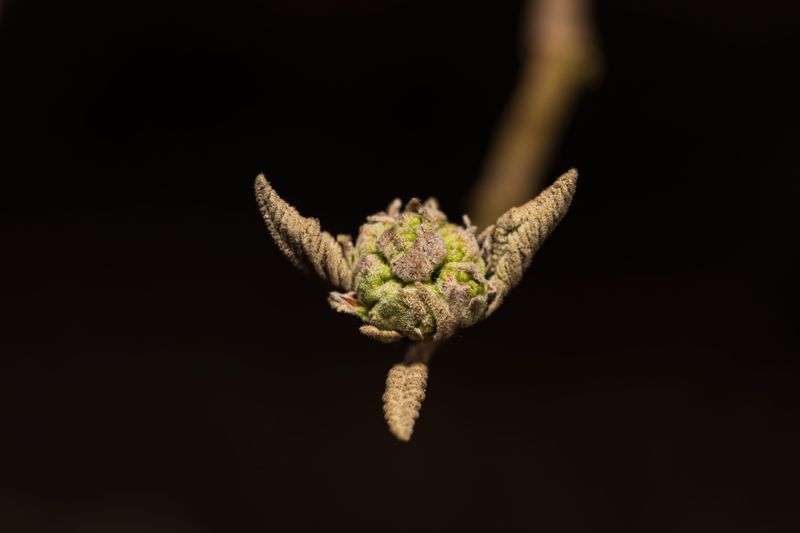
Hydrangeas are thirsty plants, and they are not shy about showing it. Those big floppy leaves on a hot afternoon are a dramatic signal that the plant is not getting enough water to keep up with demand.
What many gardeners miss is that drought stress during late summer and early fall disrupts bud formation for the following year.
The plant is quietly building next season’s flowers right now, and water shortages interrupt that process at a critical moment.
Sandy soils drain fast and dry out quickly, leaving roots scrambling for moisture between watering sessions.
Adding compost or aged bark mulch to the bed improves water retention and keeps the root zone cooler during heat waves.
A two to three inch layer of mulch around the base of your shrub earns its keep in two ways at once.
It slows evaporation from the soil surface and also keeps weeds down so they are not competing for the same limited moisture supply. Deep, infrequent watering builds stronger roots than shallow daily sprinkles.
Aim to water slowly at the base of the plant for a long session once or twice a week rather than a quick daily rinse that barely reaches the root zone.
Drip irrigation is the kind of upgrade serious hydrangea growers eventually swear by. It delivers water exactly where the roots can use it and reduces fungal issues from wet foliage.
It also keeps your plants consistently hydrated through the dry months when blooms are quietly being built.
7. Old Wood Got Cut Back Too Hard
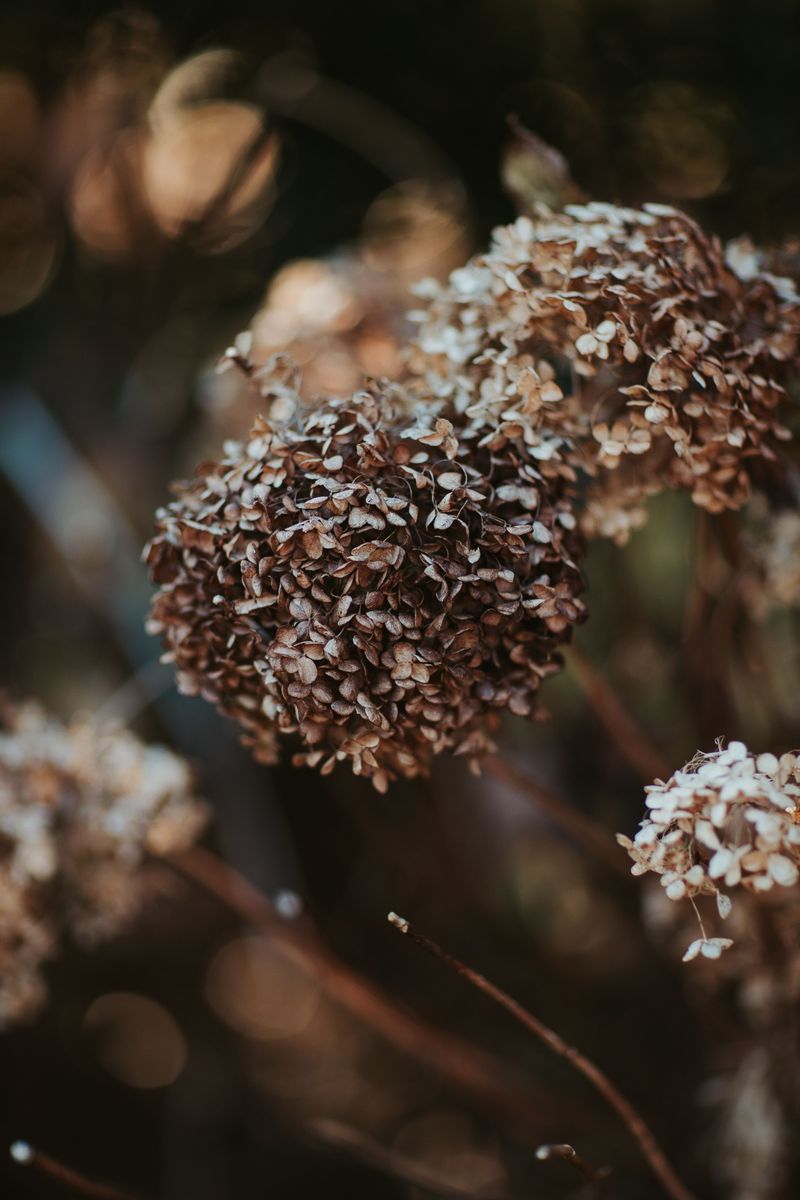
There is a difference between a light trim and a hard chop, and your hydrangea knows which one you gave it.
Cutting old-wood bloomers back to the ground is essentially erasing an entire season of potential flowers in one afternoon.
Old wood on bigleaf and oakleaf hydrangeas carries the dormant buds that become next summer’s blooms. Aggressive pruning removes that wood entirely, leaving the plant with nothing to flower from when warm weather arrives.
This mistake happens most often in fall when gardeners want to tidy up their beds for winter. The shrub looks messy and overgrown, so the instinct is to cut it down hard and start fresh in spring.
Resist that instinct completely. Leave the old canes standing through winter, even if they look ragged.
Those ugly brown stems are protecting precious buds from wind and cold exposure all season long.
If the plant is overgrown and genuinely needs reshaping, take a gradual approach. Remove no more than one-third of the oldest stems each year, cutting them right at the base.
This encourages fresh new growth without sacrificing the buds on younger wood. A plant that got cut back too hard will likely skip flowering for a full season or two while it rebuilds its structure.
Be patient, skip the aggressive pruning for a while, and the blooms will come back stronger once the shrub finds its shape again.
8. Aging Shrub Simply Needs Rejuvenation
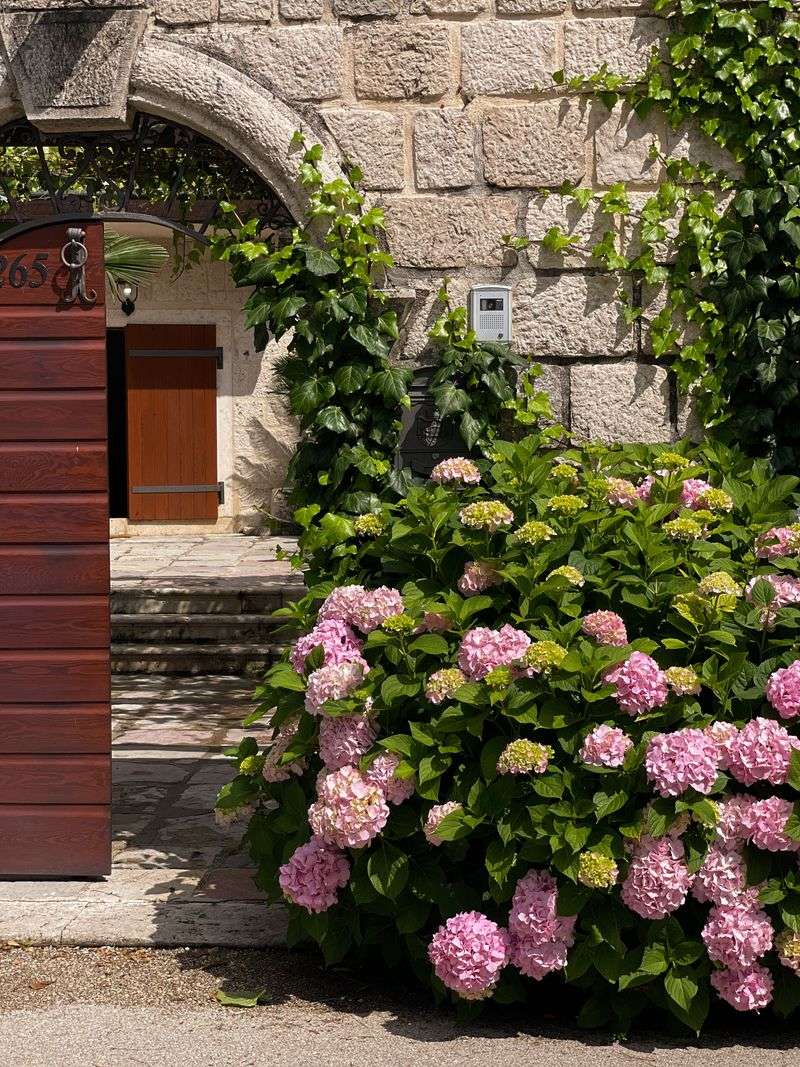
Like anything alive, hydrangeas slow down as the years pile on. A shrub that has been in the same spot for fifteen or twenty years may simply be running low on the energy it needs to produce a strong flowering display each season.
Older stems become thick, woody, and less productive over time. The plant puts more effort into maintaining that heavy structure than into generating the fresh growth where flowers actually form and develop.
Rejuvenation pruning is the reset button for aging hydrangeas. Over three years, gradually remove the oldest and thickest canes at ground level each spring, encouraging a steady flush of vigorous new stems to take their place.
Soil nutrition also matters more for older plants than many gardeners realize. Years of rain and root activity can deplete the surrounding soil.
A fresh layer of compost worked gently into the bed gives the shrub a meaningful nutritional boost. For a shrub that’s outgrown its space, dividing it might be the fresh start it needs.
Digging up a section of the root mass in early spring and replanting it in a fresh location gives both halves renewed access to nutrients, moisture, and space to spread out.
Hydrangeas that stop producing flowers are not finished, they are asking for attention. With the right combination of smart pruning, fresh soil, and consistent care, even an aging shrub can bounce back.
Give it time, and it’ll deliver the kind of blooms that made you fall in love with hydrangeas in the first place.