8 Drought-Proof Native Plants Every Massachusetts Gardener Should Know
By mid-July, your lawn looks defeated and your hose bill tells the whole story. Anyone gardening through a Massachusetts summer knows this cycle.
Plant something lovely in May, watch it struggle by August, repeat every year like a bad habit.
There’s a smarter way to garden. It starts with paying attention to what already grows wild along Massachusetts roadsides and dune grasses without a single drop of help from you.
Native plants spent thousands of years figuring out how to handle sandy soil, real heat, and inconsistent rain. So why keep fighting that logic with thirsty imports?
Switch to species built for this exact climate, and your garden stops being a chore and starts being an ecosystem. Pollinators show up. Birds follow. Your water bill quietly settles down.
Best part? You get all of this without babysitting a single bed through a heat wave, because these plants were never waiting on you to get by.
1. Little Bluestem
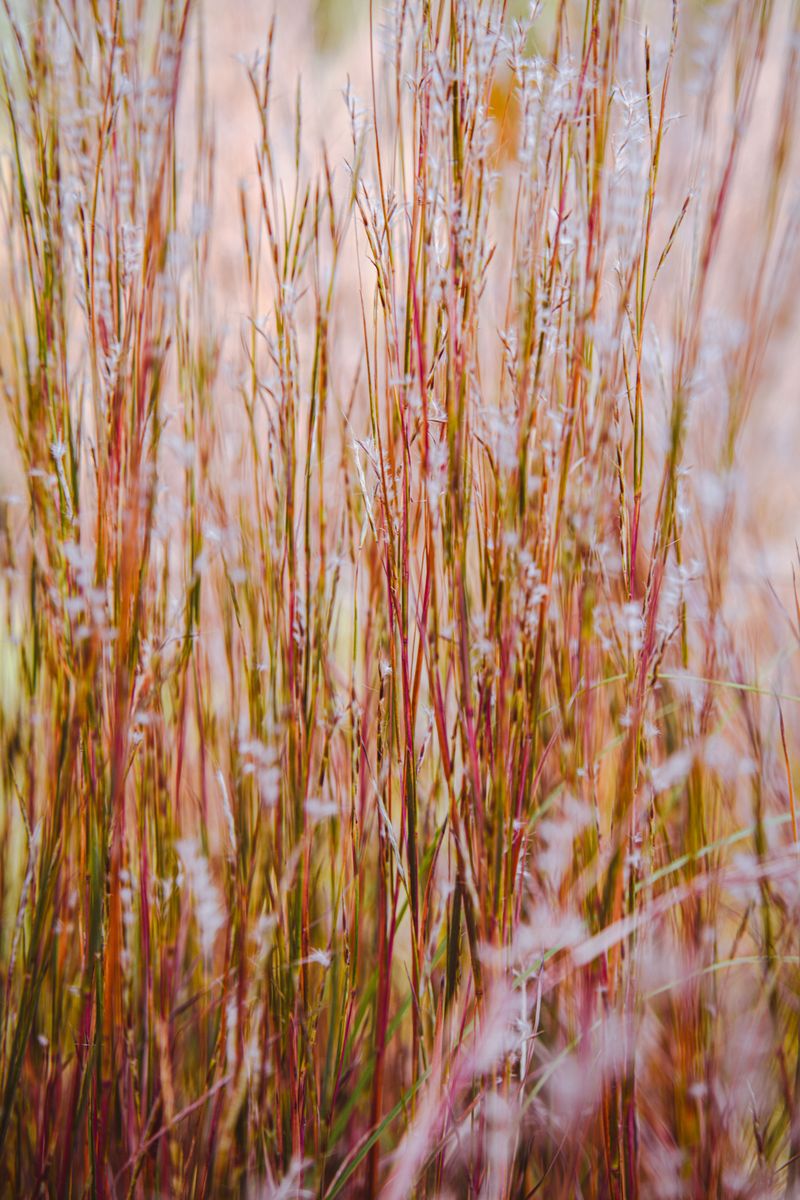
Walk past a patch of Little Bluestem in October and you will stop in your tracks. The grass turns a deep, burnished copper-red that glows like fire in the afternoon light.
This native grass is one of the most drought-proof native plants you can grow in a New England yard. It thrives in poor, sandy, or rocky soil where most ornamental grasses would sulk and give up entirely.
Little Bluestem grows two to four feet tall, forming upright clumps that stay tidy without any pruning. The feathery silver seed heads catch morning frost and shimmer beautifully in late autumn.
Birds flock to it eagerly. Sparrows, juncos, and finches feast on the seeds all winter long, turning your garden into a lively feeding station without any effort from you.
Planting it is almost laughably easy. Choose a sunny spot, loosen the soil slightly, and give it one good watering to get started.
After that first season, Little Bluestem is almost entirely self-sufficient. It handles dry spells, cold snaps, and even coastal winds without missing a beat.
The only real maintenance task is cutting it back to about four inches in late winter. That single annual chore is all this plant ever asks of you.
If you want year-round beauty, wildlife value, and total drought resilience, Little Bluestem belongs in your yard. Once it settles in, it quickly becomes one of the easiest plants in your yard.
2. Butterfly Weed
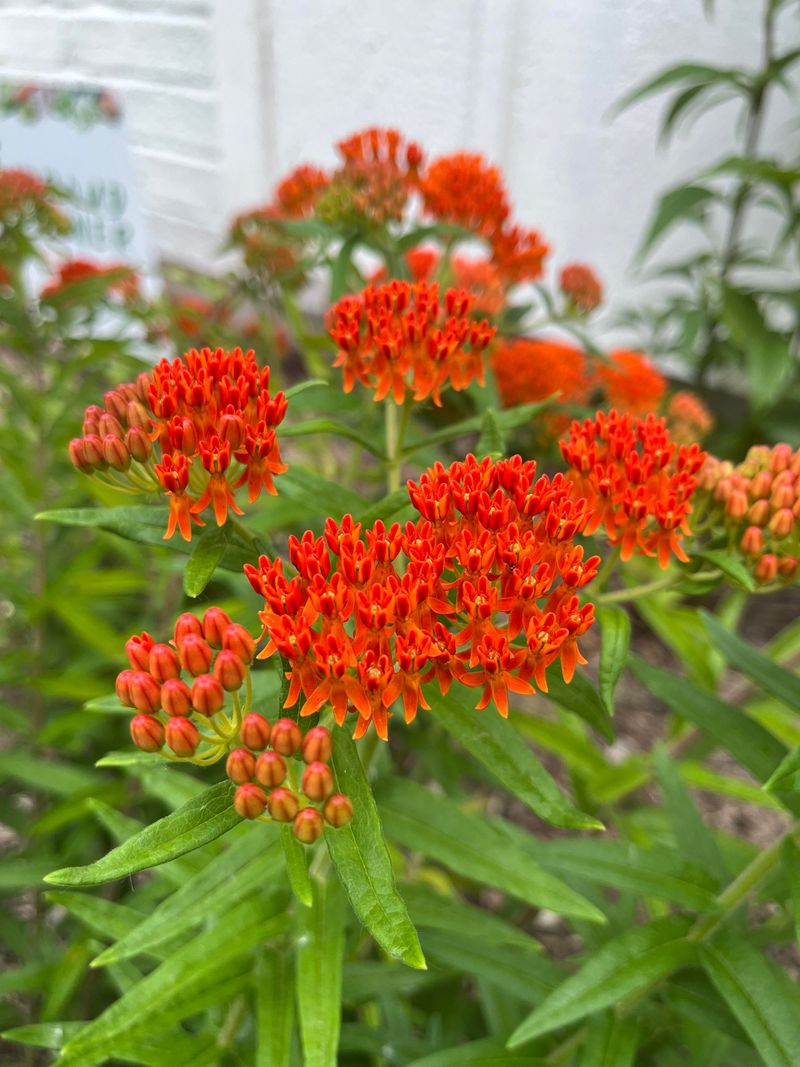
Imagine a plant so vivid that neighbors slow their cars to stare at your yard. That is exactly what Butterfly Weed does every single summer.
The blooms are a shocking, traffic-cone orange that practically vibrates in full sunlight. Monarch butterflies find it irresistible, and you will often see three or four nectaring at once on a single plant.
Butterfly Weed is a type of milkweed, which makes it critical for monarch caterpillars as well. The larvae feed exclusively on milkweed foliage, so growing this plant is genuinely helping a struggling species.
Unlike many milkweeds, this one stays compact and upright at about two feet tall. It fits neatly into a perennial border without flopping over or taking up too much space.
Your Massachusetts Garden Changes Every Week. Your Plan Should Too.
Gardening in Massachusetts changes quickly throughout the season. Every Friday you’ll receive a simple weekly plan showing exactly what to plant, prune, fertilize, harvest, and protect so you never miss the right timing.
The drought tolerance here is exceptional, even by native plant standards. Butterfly Weed has a deep taproot that pulls moisture from far below the surface during dry summer stretches.
That taproot does mean one important thing: plant it where you want it to stay permanently. Transplanting an established Butterfly Weed rarely goes well, so plant it where it can stay.
Seedpods form in late summer and split open to release silky, wind-carried seeds. You can collect them before they scatter if you want to start new plants in other spots.
Give it full sun and well-drained soil, and this powerhouse will reward you for decades. Not many plants give you this much color for so little effort.
3. New Jersey Tea
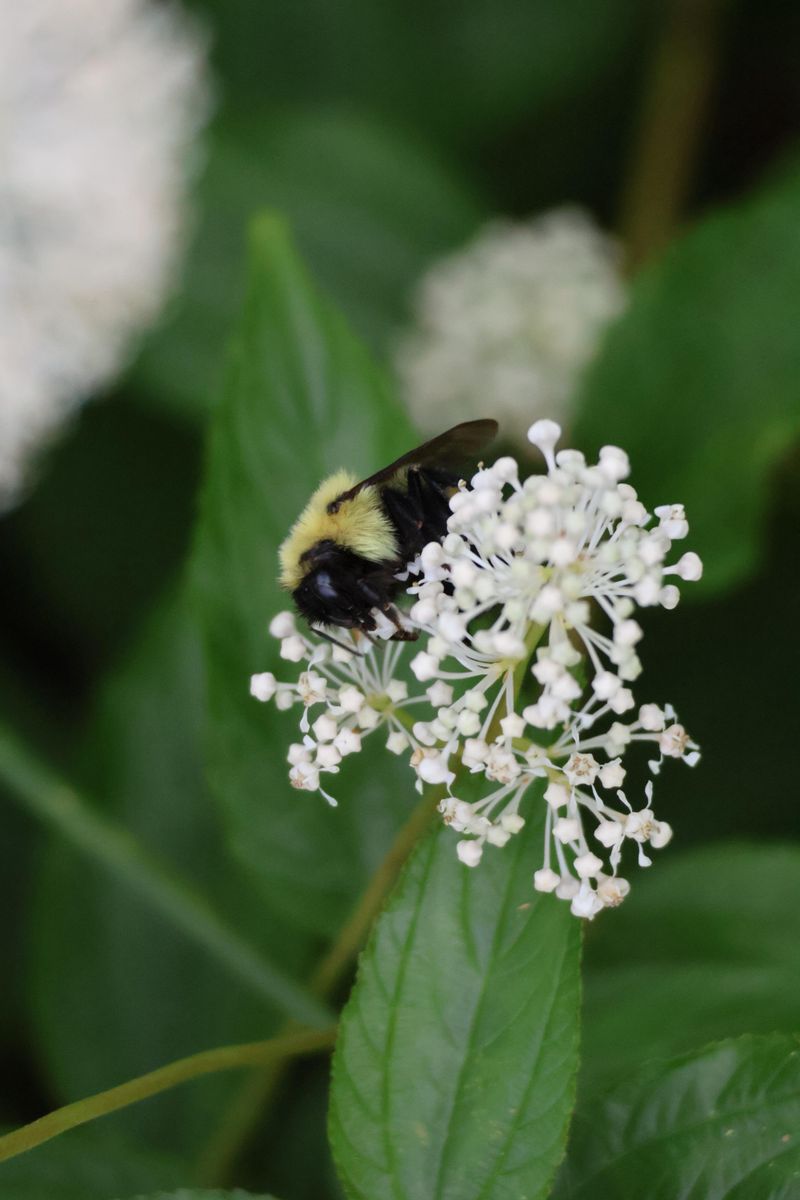
Do not let the name fool you. New Jersey Tea grows just as happily in a dry Massachusetts garden as anywhere else in the Northeast.
This compact native shrub tops out at about three feet tall, making it a perfect choice for foundation plantings or sunny slopes. The fluffy white flower clusters appear in early summer and attract an impressive parade of native bees and butterflies.
During the American Revolution, colonists actually brewed the dried leaves as a tea substitute when British imports were unavailable. That little history nugget makes it a genuinely fun plant to grow and share with curious visitors.
The drought resilience comes from an extraordinarily deep root system that anchors firmly into dry, rocky, or sandy soils. Once established, this shrub can handle weeks without rain without showing any stress at all.
It also fixes nitrogen in the soil through a symbiotic relationship with certain soil bacteria. That means it actively improves the ground around it, benefiting nearby plants as a bonus.
New Jersey Tea prefers full sun to light shade and absolutely demands good drainage. Soggy soil is its one true weakness, so avoid low spots or clay-heavy areas.
The foliage is clean, dark green, and remains attractive all season long even after the flowers fade. Fall brings no particular color show, but the plant holds its tidy shape well.
This tough, history-rich, wildlife-friendly shrub deserves a spot in more gardens than it currently gets.
4. Eastern Red Cedar
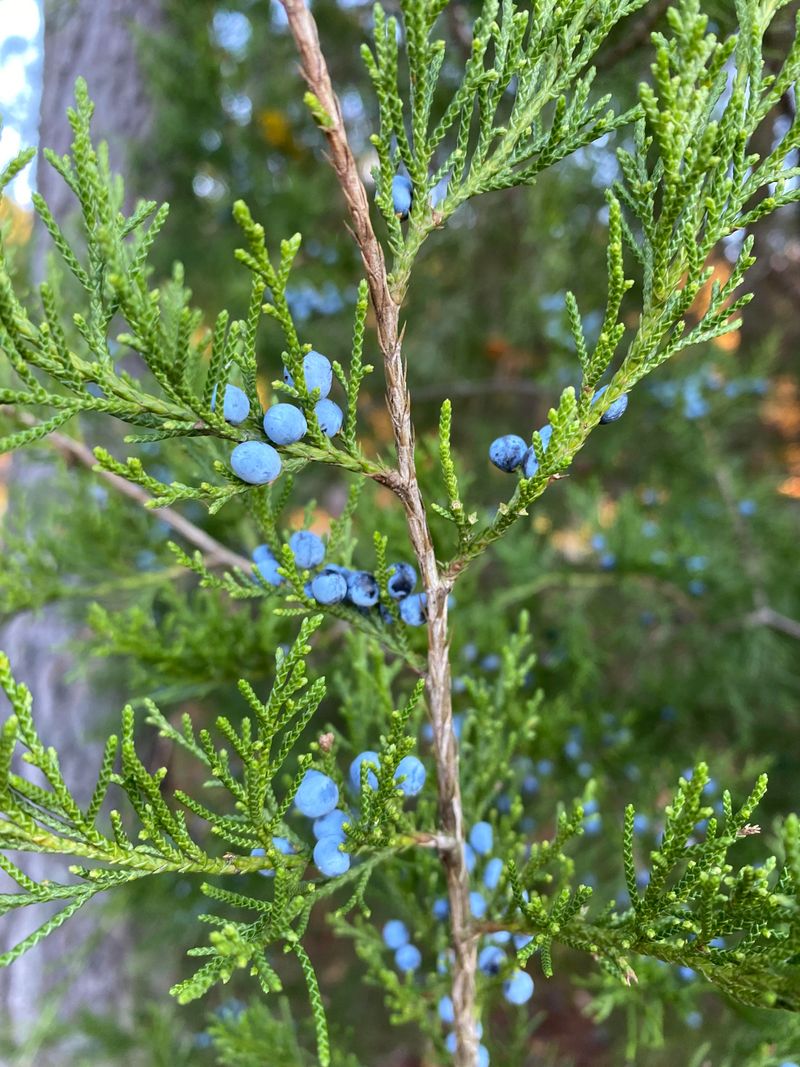
Eastern Red Cedar is not technically a cedar at all. It is actually a juniper, and it is one of the toughest native trees in the entire eastern United States.
This evergreen grows in conditions that would overwhelm most trees. Thin rocky soil, exposed ridgelines, salty coastal winds, and months of summer drought barely faze it.
It simply shrugs off hardship, which is exactly the attitude a low-maintenance gardener wants in a tree.
The blue-gray berries that appear on female trees are a critical winter food source for cedar waxwings, bluebirds, and dozens of other bird species. Planting one near a window gives you a spectacular wildlife-watching experience from November through March.
Growth rate is moderate, reaching anywhere from fifteen to forty feet depending on soil quality and sun exposure. The dense, columnar form makes it excellent for privacy screens or windbreaks along property lines.
The aromatic reddish wood has been used for centuries to line cedar chests, repelling moths and keeping stored clothing fresh. Breaking a small twig releases that iconic, sharp, clean scent that immediately triggers memory.
Eastern Red Cedar tolerates full sun and poor soil better than almost any other native tree option. Established trees need no supplemental watering, no fertilizing, and no fussing.
One caveat worth knowing: it can host cedar-apple rust, a fungal disease affecting nearby apple trees.
Keep it at least a few hundred feet from any orchard or apple planting. For resilience and wildlife value, this rugged native tree is hard to match.
5. Bearberry
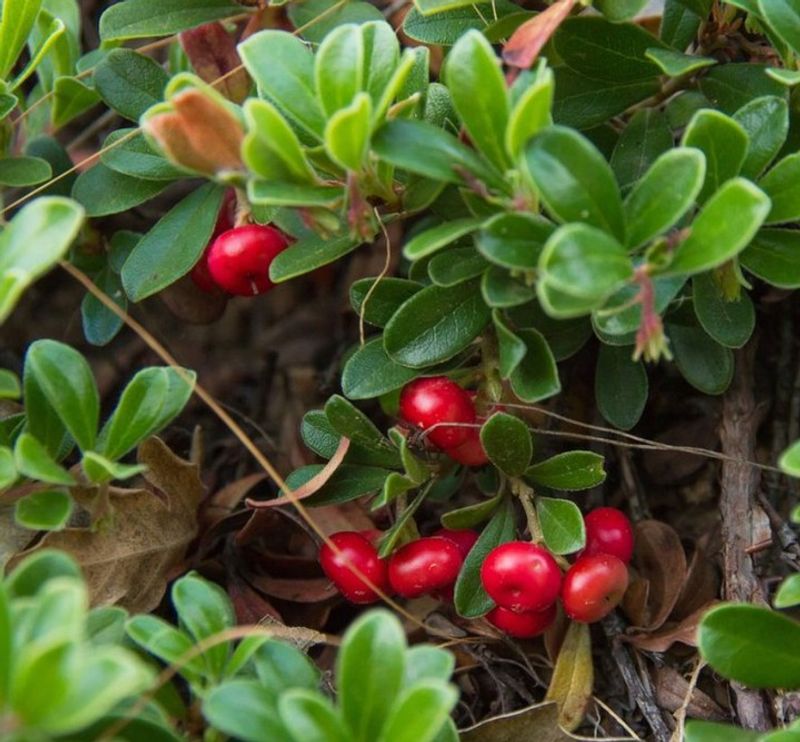
Picture a tough little ground cover hugging a sandy Cape Cod hillside, staying green through winter, and asking for absolutely nothing. That is Bearberry in a nutshell.
This low-growing native spreads slowly into dense mats just six to twelve inches tall. It is one of the best choices for covering dry, sandy, or rocky slopes.
Grass has a hard time taking hold there, and erosion is a real concern. The small, waxy leaves stay evergreen through New England winters, turning slightly bronze in cold weather before greening back up in spring.
That year-round coverage makes it genuinely useful in ways that summer-only ground covers simply cannot match.
Pink, urn-shaped flowers appear in early spring, followed by bright red berries that persist well into winter. Bears eat them enthusiastically, which is obviously how the plant earned its memorable name.
Bearberry thrives in infertile, acidic, sandy soils with excellent drainage and full sun. Rich garden soil actually causes problems, encouraging weak, floppy growth that looks messy and performs poorly.
Establishment takes patience. The plant grows slowly for the first two seasons while it develops its root system, so do not expect quick coverage.
After that slow start, though, it spreads reliably and requires almost no care at all. Skip the fertilizer, skip the irrigation, and let it do its own thing entirely.
Bearberry is a native plant that truly rewards hands-off gardening. The less you interfere, the better it performs, which is a refreshing change from most garden plants.
6. Wild Lupine
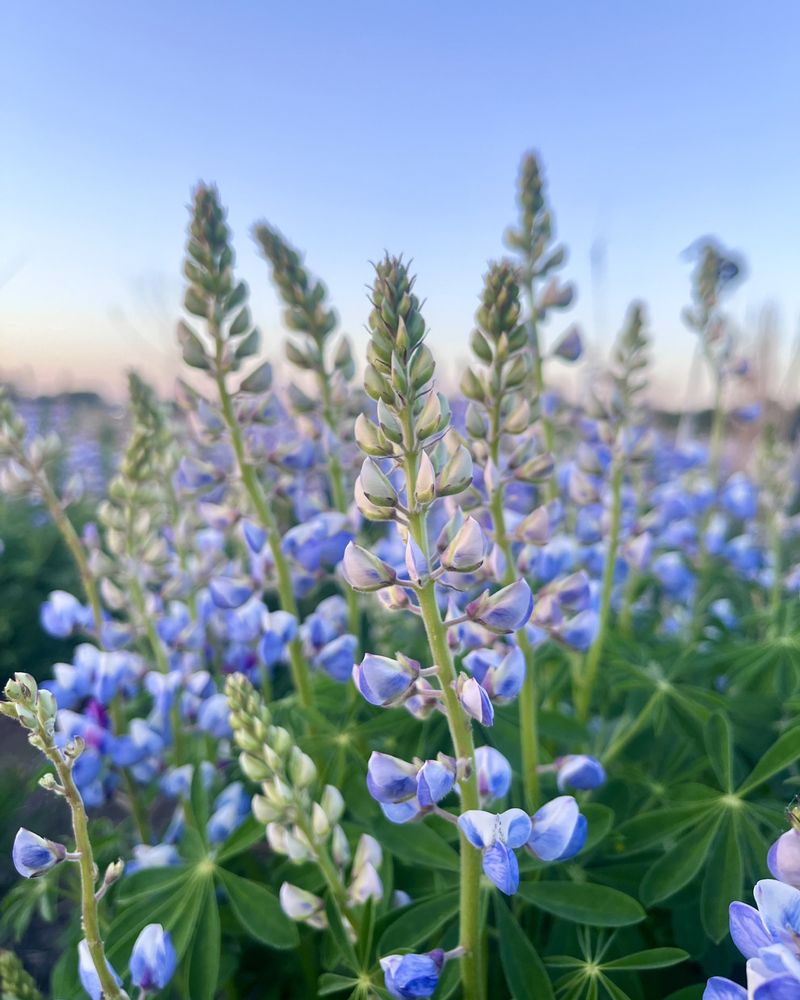
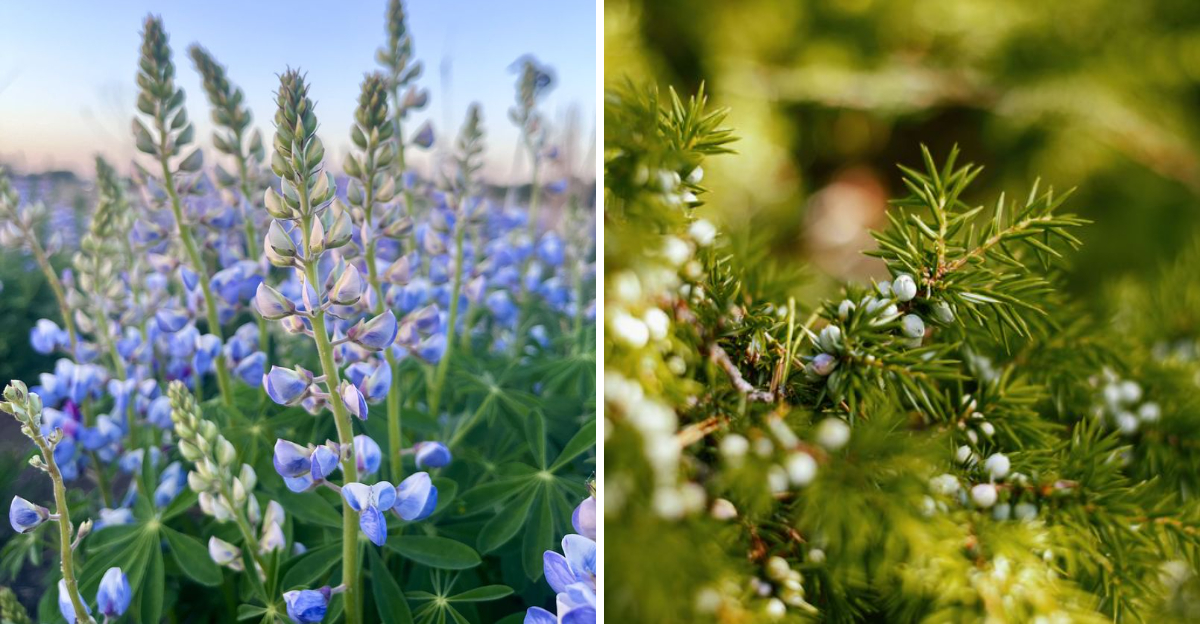
There is something almost magical about a field of Wild Lupine in bloom. Those tall, candle-like spikes in shades of purple, blue, and lavender make a patch of sandy ground look like a fairy tale illustration.
Wild Lupine is the sole host plant for the Karner blue butterfly, a federally endangered species that once thrived across New England but is now gone from Massachusetts.
Growing Wild Lupine still matters, since restoring its habitat here supports the broader effort to bring pollinators like this one back to the region.
Sandy, acidic, nutrient-poor soil is exactly what Wild Lupine wants. It grows happily in the kind of dry, depleted ground that leaves most garden perennials disappointed.
Like New Jersey Tea, Wild Lupine fixes atmospheric nitrogen through root bacteria. This natural fertilization enriches the surrounding soil over time, making neighboring plants healthier as a side effect.
Plants grow to about two feet tall and bloom spectacularly in late spring, usually May through June. The show lasts a few weeks, and then the foliage remains attractive through the rest of the growing season.
Reseeding happens readily when conditions are right, so one plant can gradually become a generous colony. Thin seedlings if the patch gets overcrowded to keep airflow healthy.
Wild Lupine does not transplant well once established, so start with small nursery plants or direct-sow seed in fall. Patience pays off enormously with this species.
Once a colony establishes itself in your garden, you have created a living refuge for rare wildlife. That is something worth planting for.
7. Sweetfern
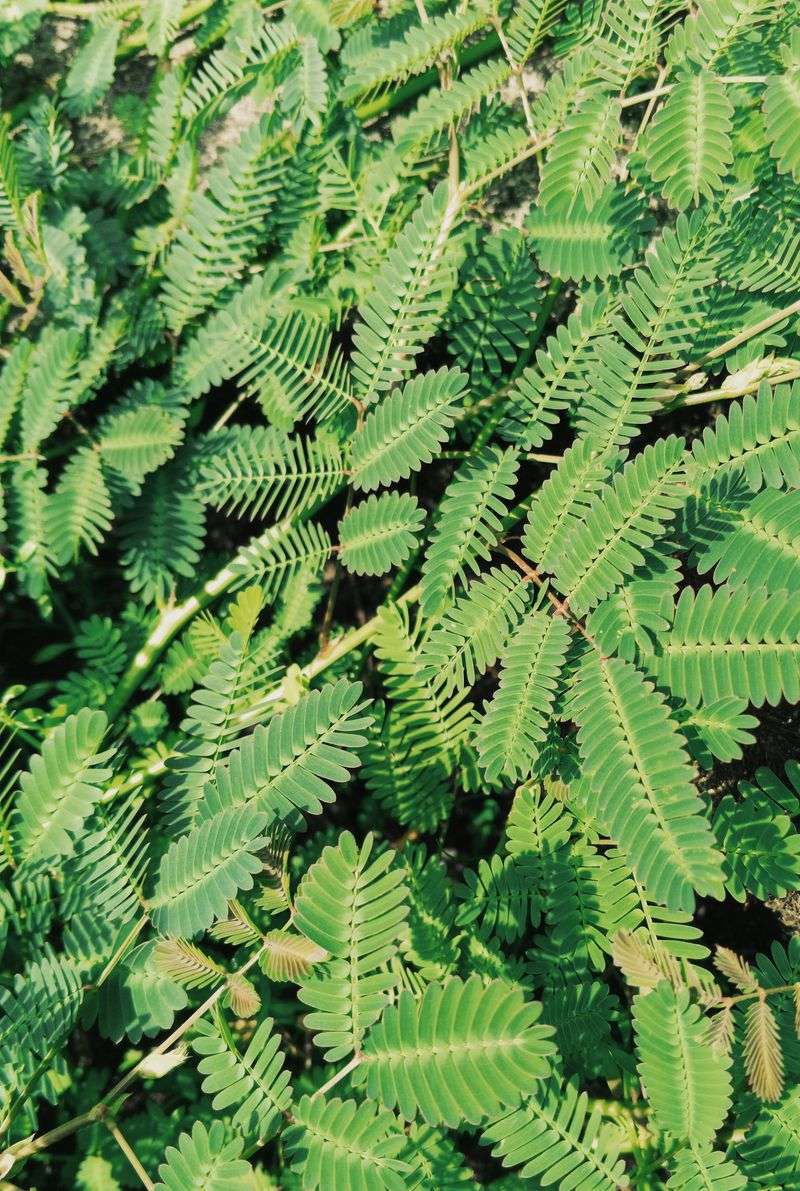
Crush a leaf of Sweetfern between your fingers and you get an unforgettable smell. It is earthy, spicy, and deeply wild, like the forest floor after a summer rain.
Despite the name, Sweetfern is not actually a fern. It is a native shrub in the bayberry family, growing two to four feet tall with deeply lobed, fragrant leaves that resemble fern fronds.
Few native shrubs handle dry, infertile, acidic soil as gracefully as this one does. You will find it naturally colonizing roadsides, sandy banks, and open pine woodlands where the soil is thin and nutrients are scarce.
Sweetfern spreads through underground runners, forming thickets over time that provide excellent erosion control on slopes. That spreading habit is an asset on bare banks but worth knowing about before planting near a formal border.
The plant fixes nitrogen in the soil, improving conditions for surrounding vegetation. It is essentially a generous neighbor, enriching the ground while asking for nothing in return.
Wildlife value is solid but understated. Grouse and other ground-nesting birds use Sweetfern thickets for cover, and the aromatic foliage reportedly deters deer browsing.
Full sun and sharp drainage are the two non-negotiable requirements. Shade and wet soil are the only conditions that cause this otherwise bulletproof plant to struggle.
Sweetfern rarely appears in mainstream garden centers, but specialty native plant nurseries carry it regularly. Seek it out deliberately, because this fragrant, tenacious shrub is well worth the extra effort to find.
8. Common Juniper
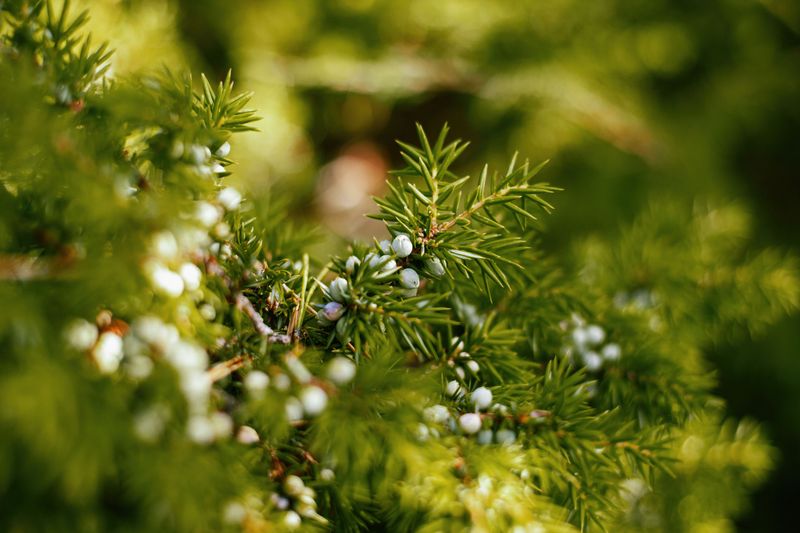
Common Juniper is the plant equivalent of a stoic New Englander: tough, no-nonsense, and unbothered by difficult conditions. It shrugs off drought, ice, and salty gusts year after year without any extra care from you.
This low-growing native shrub spreads horizontally to form broad, prickly mats one to four feet tall. The sharp, needle-like foliage discourages foot traffic and unwanted animal digging, making it a surprisingly effective barrier plant.
Blue-gray berries develop on female plants and are the key flavoring ingredient in gin. That makes Common Juniper one of the few garden plants with a legitimate connection to cocktail culture, which is a genuinely fun fact to share.
These drought-proof native plants thrive on rocky hillsides, coastal bluffs, and exposed sunny slopes where other shrubs simply cannot manage. The root system grips into thin, dry soil with impressive tenacity, preventing erosion on challenging sites.
Planting is straightforward, but establishment requires one full season of occasional watering. After that first year, supplemental irrigation becomes completely unnecessary in most New England climates.
The evergreen foliage stays blue-green through winter, providing year-round structure and color when the rest of the garden goes dormant. That consistent presence is genuinely valuable in a cold-climate landscape design.
Pruning is rarely needed unless you want to shape the plant or control its spread. Left alone, it forms a naturally attractive, irregular mound that looks right at home in a naturalistic setting.
For gardeners who want beauty, wildlife habitat, and total resilience, Common Juniper delivers reliably, year after year.