7 Old Garden Roses That Handle California Heat Better Than Modern Varieties
Triple-digit temperatures, dry winds, and relentless sunshine push most modern roses to their limits, leaving gardeners frustrated with scorched petals and stressed plants by the middle of July.
But tucked inside the history books of horticulture is a secret that savvy California gardeners have known for generations: old garden roses were built for tough conditions long before air conditioning or drip irrigation ever existed.
These ancient beauties evolved over centuries without the coddling that many modern hybrids demand to look their best.
They tend to have deeper root systems, thicker petal substance, and a natural resilience that helps them shrug off heat waves that would leave a hybrid tea gasping by midday.
Not every old rose is right for every California yard, though. Climate varies wildly from the foggy Bay Area coast to the scorching Inland Empire, so choosing the right variety for your specific conditions still matters quite a bit.
Some are climbers, some are shrubs, and a few are so easygoing they practically grow themselves without asking for a thing.
Get ready to meet roses that genuinely love the heat.
1. Mutabilis Keeps Changing Color
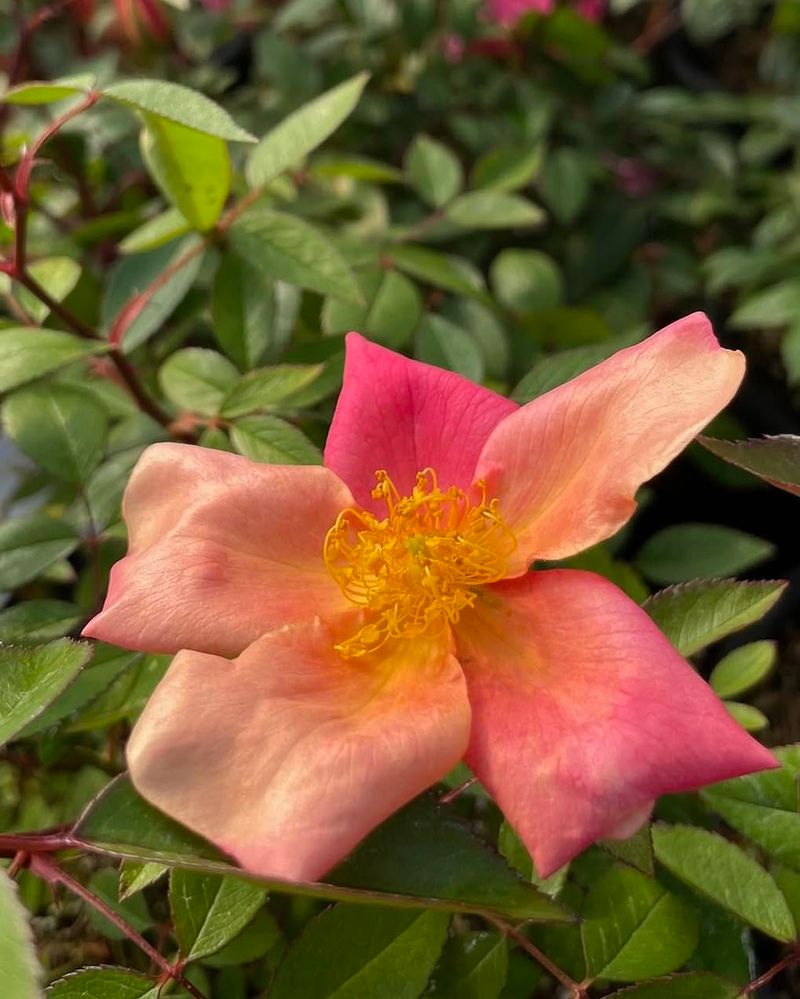
A rose that wakes up yellow in the morning and blushes pink by afternoon sounds like something from a fairy tale, but that is exactly what Mutabilis does, and it has been doing it for centuries.
This China rose is believed to have originated before 1894, and it has been thriving in warm climates ever since.
In California, it is practically a showstopper from spring through fall, putting on a constant parade of single-petaled blooms in shades of yellow, salmon, pink, and deep crimson, all at the same time.
The color shift happens as each bloom ages, which means the bush always looks like it is wearing several outfits at once.
Gardeners in the Central Valley and Southern California especially love it because it handles heat without flinching. It does not need babying.
Give it full sun, decent drainage, and occasional deep watering during dry spells, and it rewards you generously for the modest effort.
Mutabilis grows into a large, arching shrub that can reach six to eight feet tall and wide, sometimes taller against a warm wall.
It benefits from good airflow to reduce fungal issues, which matter more in humid coastal areas than in dry inland zones where the air does most of the work for you.
Light pruning after each bloom flush keeps it tidy without sacrificing future flowers.
Skip the heavy winter cutback that modern roses often need. This one prefers a gentler approach, and honestly, with blooms this beautiful, who would want to cut it back hard anyway?
2. Lady Banks Handles Heat With Grace
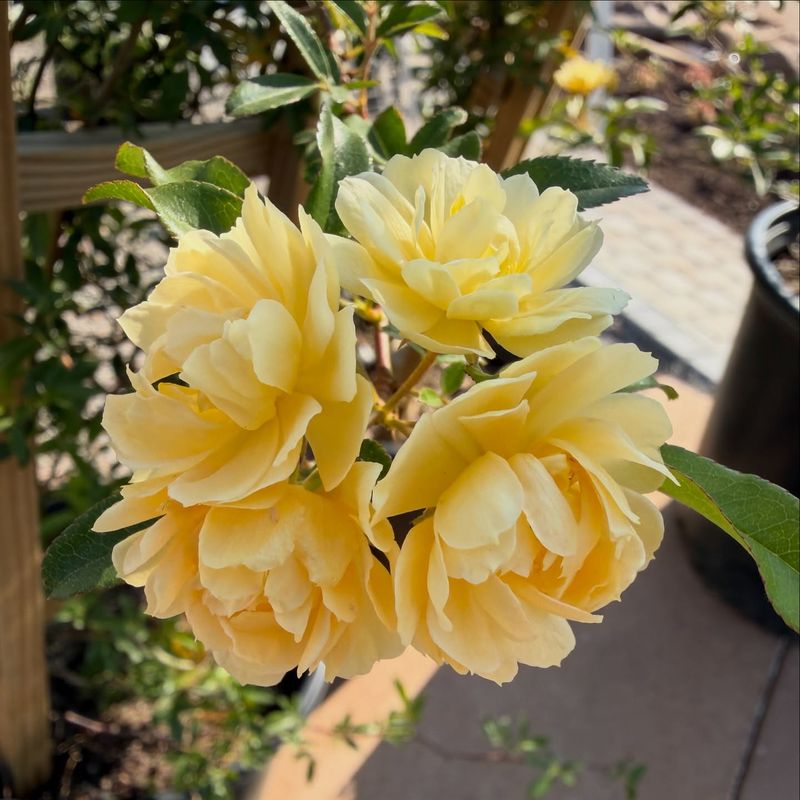
Few sights in a California spring garden match a Lady Banks rose in full bloom.
Thousands of tiny, pale yellow or white rosettes cascade over fences, pergolas, and walls in a waterfall of delicate flowers.
Rosa banksiae lutea, the yellow form, is the one most commonly planted across warm California gardens, and for very good reason.
Your California Garden Changes Every Week. Your Plan Should Too.
Gardening in California changes quickly throughout the season. Every Friday you’ll receive a simple weekly plan showing exactly what to plant, prune, fertilize, harvest, and protect so you never miss the right timing.
Lady Banks is nearly thornless, which makes it a pleasure to work around.
It is also one of the most vigorous climbers in the rose world, capable of reaching twenty or even thirty feet when given something sturdy to climb.
In Southern California, specimens have been growing for well over a hundred years, with the famous Tombstone, Arizona plant nearby serving as a legendary example of just how tough this rose can be.
The bloom period is concentrated in spring rather than repeat blooming through summer, so manage your expectations there.
But what it lacks in repeat performance it more than makes up for in sheer spectacle. During those few glorious weeks, the display is unforgettable.
Once established, Lady Banks is remarkably drought tolerant, needing little supplemental water in most California climates.
It thrives in full sun and handles reflected heat from walls and pavement without complaint.
Pruning should happen right after bloom, since the plant sets next year’s flower buds on old wood. Give it space, give it sun, and then mostly just stand back and watch it soar.
3. Cécile Brünner Brings Classic Charm
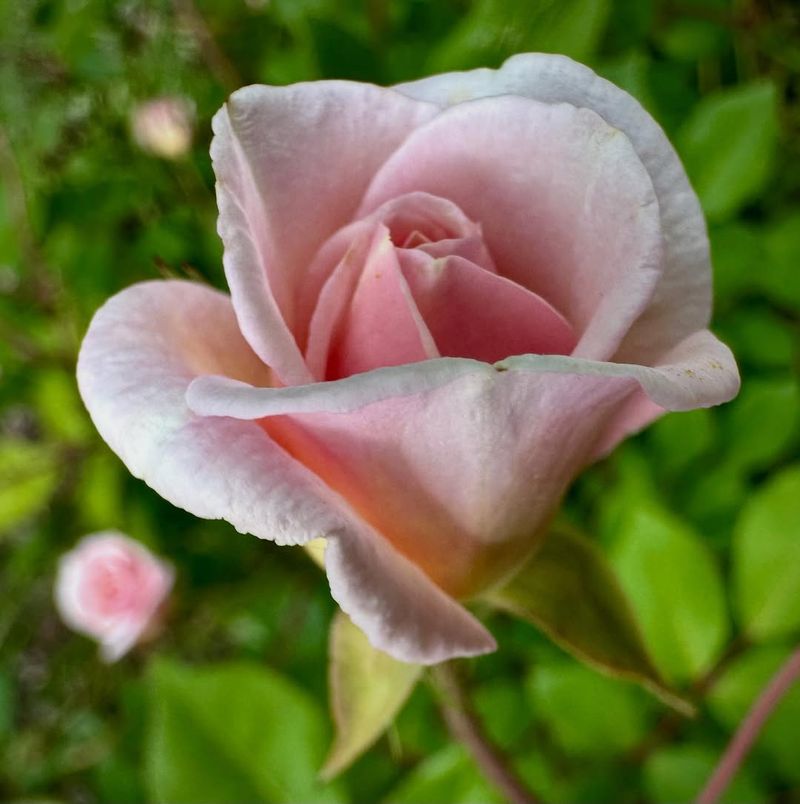
Sometimes called the Sweetheart Rose, Cecile Brunner has been winning hearts since its introduction in 1881.
Its tiny, perfectly scrolled blush-pink buds look like a miniature hybrid tea, which is part of the charm.
Florists loved it for buttonholes and corsages in the Victorian era, and home gardeners still love it today for the exact same reason: it is simply adorable and surprisingly tough.
The climbing form of Cecile Brunner is especially popular in California.
It can cover a large fence or the side of a house with remarkable speed, and it blooms with enthusiasm from spring into fall.
The shrub form stays more compact, topping out around four feet, making it a good choice for smaller yards or mixed borders.
Water needs are moderate. Deep, infrequent watering encourages the strong root system that helps this rose push through summer heat without stress.
Good airflow matters, particularly in coastal areas where morning fog can linger longer than expected. Powdery mildew can be an occasional nuisance, but it rarely causes serious problems worth losing sleep over.
Pruning the shrub form lightly after each bloom flush encourages fresh growth and more flowers.
The climbing form needs minimal pruning beyond removing weak or crossing canes.
For gardeners who want old-fashioned beauty without a complicated care routine, Cecile Brunner is a genuinely satisfying choice year after year, asking for very little in return.
4. Duchesse De Brabant Loves Warm Gardens
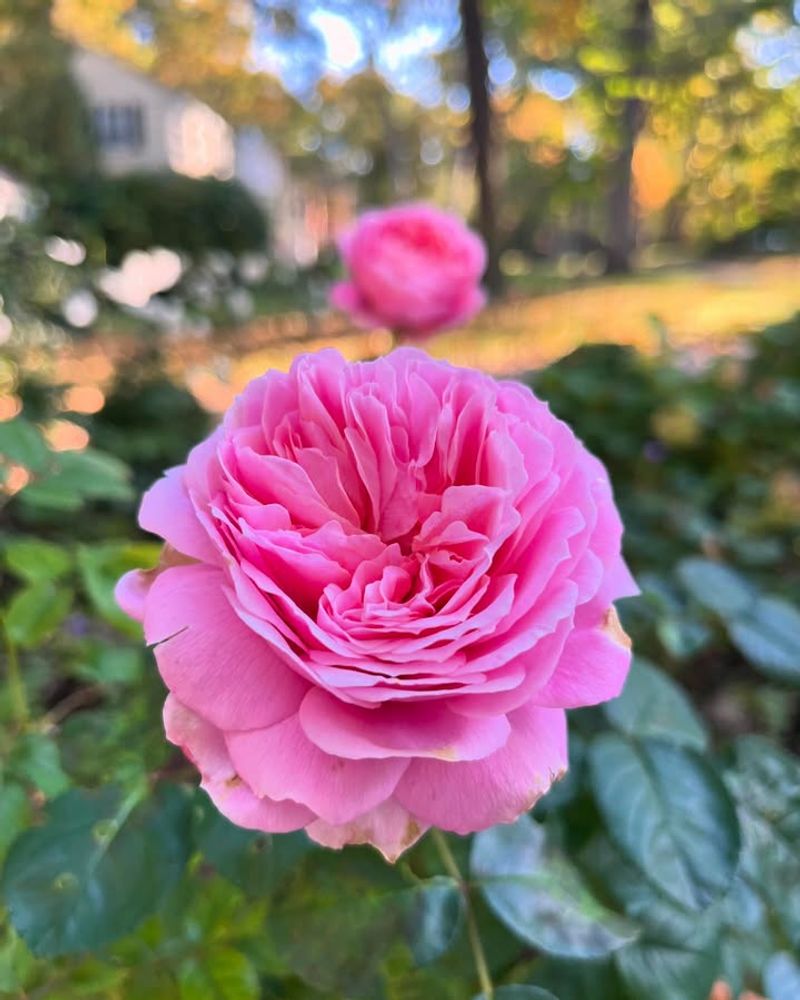
President Theodore Roosevelt reportedly wore a Duchesse de Brabant bloom in his buttonhole so often that it became his signature flower. That alone says something about this rose’s lasting appeal.
Introduced in 1857, Duchesse de Brabant is a tea rose that was practically designed for warm climates. It thrives where summers are long and hot, which makes it an excellent match for much of California’s growing conditions.
The blooms are soft, cupped, and a warm rosy pink with a hint of lilac at the edges.
They carry a light, pleasant fragrance that drifts through the garden on warm evenings.
Unlike some old roses that bloom only once, Duchesse de Brabant is a reliable repeat bloomer, pushing out fresh flushes of flowers from spring through late fall in most California regions.
Inland gardeners in areas like the Sacramento Valley and Inland Empire consistently report strong performance from this variety, even through the most punishing stretches of summer heat.
It grows into a rounded shrub about four to five feet tall and wide, which fits nicely into most garden beds without overwhelming the space.
Tea roses as a group tend to prefer warmth over cold, so they actually perform better in California than in many other parts of the country.
Minimal pruning keeps Duchesse de Brabant blooming freely. Remove spent blooms to encourage the next flush, and do a light shaping in late winter.
Water deeply but not constantly, and provide good drainage to keep the roots healthy through the long California dry season.
5. Souvenir De La Malmaison Adds Fragrance
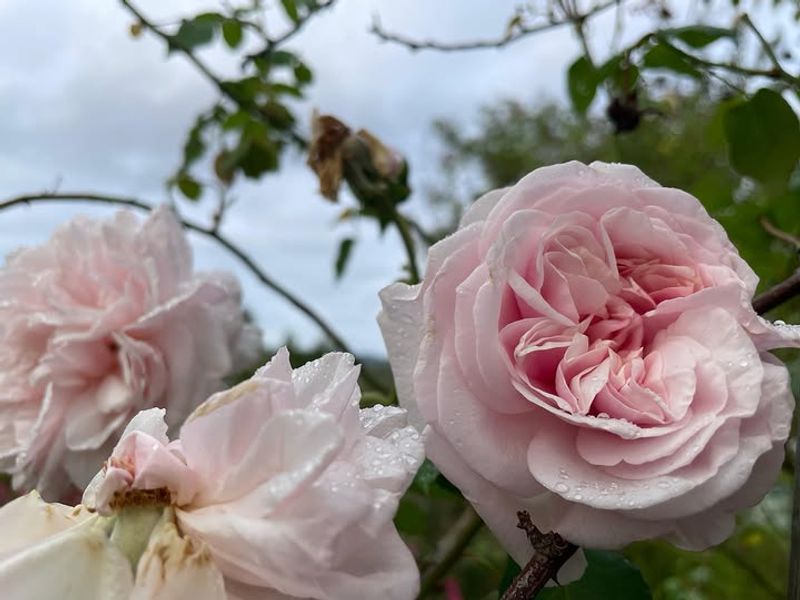
Named after Empress Josephine’s legendary rose garden outside Paris, Souvenir de la Malmaison carries a fragrance so rich and full it practically announces itself from across the yard.
Introduced in 1843, this Bourbon rose produces some of the largest, most sumptuous blooms in the old garden rose world.
The flowers are creamy blush, deeply quartered, and packed with petals in a way that feels almost excessive in the best possible sense.
Here is the honest part: Souvenir de la Malmaison has one notable quirk.
Its densely packed blooms do not open well in humid or rainy conditions, and the petals can ball up rather than unfurl properly.
This means it performs best in California’s drier inland regions and is less reliable in foggy coastal microclimates where marine layer moisture lingers longer than you would like.
In a sunny, sheltered inland garden, though, it is absolutely spectacular.
Plant it in a spot with full sun and excellent air circulation to get the best blooms and reduce any fungal pressure.
It grows to about four feet as a shrub, and there is also a climbing form that can reach eight to ten feet, ideal for a warm south-facing wall.
Water needs are moderate once established. Feed it during the growing season to support its generous bloom production.
The fragrance alone justifies finding just the right spot for this rose, since few plants in any garden category can match the sensory experience it delivers on a warm California evening.
6. Old Blush Blooms With Little Fuss
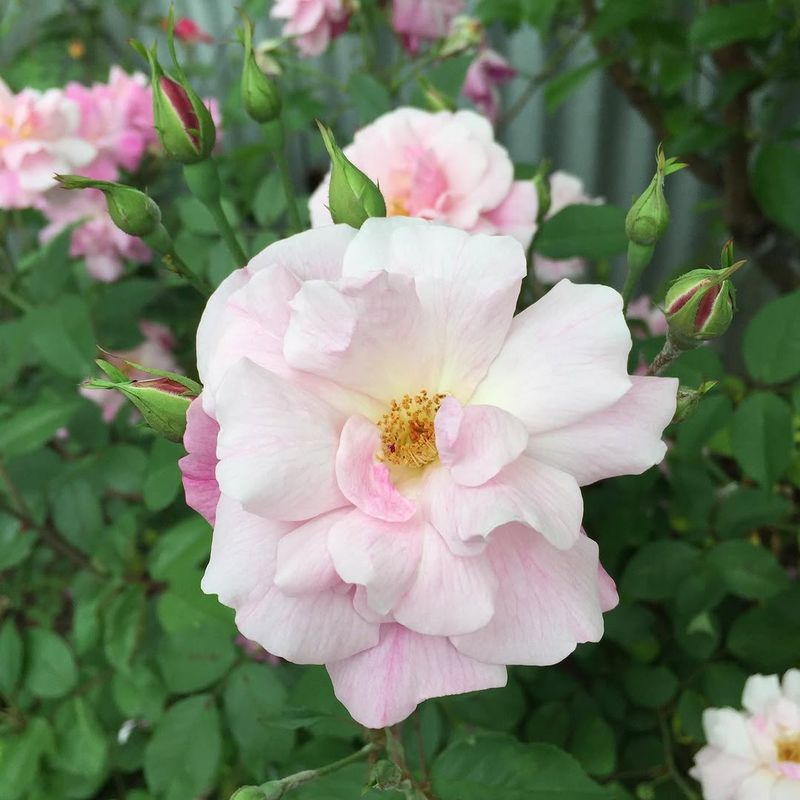
Long before plant breeders started engineering roses for size and disease resistance, Old Blush was already doing its thing.
This China rose has been grown in Western gardens since the late 1700s, and it is one of the parents responsible for giving modern roses their repeat-blooming ability.
In other words, a lot of today’s garden roses owe their best trait to this unassuming pink shrub.
Old Blush blooms nearly year-round in mild California climates, which is a remarkable achievement for any plant.
The flowers are medium pink, semi-double, and carried in clusters. They are not the biggest blooms in the rose world, and they do not have the strongest fragrance, but what they lack in drama they make up for in sheer reliability.
Even during summer heat waves, Old Blush keeps producing flowers when other roses have essentially given up for the season.
It grows to about four to six feet tall and wide as an unpruned shrub, and it can be trained lightly against a fence or wall.
Water requirements are low to moderate once established, making it a smart choice for water-conscious California gardeners watching their summer bill closely.
Pest and disease pressure tends to be minimal, especially in dry inland areas.
Pruning needs are simple: remove crossing canes, deadhead spent blooms to encourage more flowers, and do a light shaping in late winter if needed.
For gardeners who want a rose that truly earns its keep without constant attention, Old Blush is almost unfairly easy to grow.
7. Lamarque Climbs Through Hot Spots
Warm walls, sunny pergolas, and baking south-facing fences are the kinds of spots that challenge most roses.
Lamarque, a Noisette climbing rose introduced in 1830, looks at those conditions and essentially says bring it on.
Noisette roses as a class were developed partly in the American South, which means warmth and humidity are built into their DNA. California’s dry heat suits them beautifully.
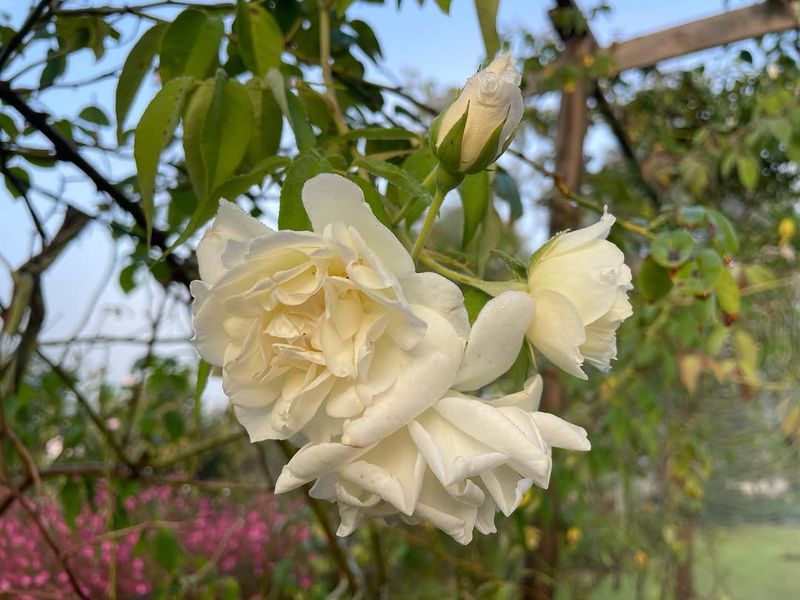
Lamarque produces clusters of large, creamy white blooms with a soft lemon center and a sweet, pleasant fragrance.
The flowers nod slightly on their stems, giving the plant an elegant, slightly romantic look that works well on arches and pergolas.
It is a repeat bloomer, pushing out multiple flushes from spring through fall, with the heaviest show happening in spring and again in autumn when temperatures cool slightly.
Growth is vigorous. Lamarque can reach fifteen to twenty feet under good conditions, so give it something substantial to climb.
It prefers full sun but can manage with light afternoon shade in the hottest inland valleys, where that brief relief actually helps petal quality hold up better through the day.
Water needs are moderate, and deep watering every week or two during summer keeps it performing well without wasting resources.
Prune lightly after each bloom cycle to shape and encourage new flowering wood. For gardeners with a big, hot wall to fill, Lamarque is a genuinely inspired choice that rewards patience with beauty.