Native Michigan Shrubs That Outperform Hydrangeas In Full Shade Without Extra Water
Hydrangeas have a devoted following in Michigan gardens, and in the right conditions that devotion is earned. Full shade without supplemental watering is not one of those conditions.
Gardeners who have pushed hydrangeas into deeply shaded spots and then watched them produce weak growth and almost no bloom despite careful attention know exactly how that frustration compounds over multiple seasons.
Several native Michigan shrubs perform genuinely better in full shade than hydrangeas ever will, staying full, healthy, and visually interesting without any supplemental irrigation once established.
They are not substitutes in the consolation prize sense. In deep shade conditions, they are simply the better plant for the situation.
1. Mapleleaf Viburnum
Few shrubs can match Mapleleaf Viburnum when it comes to putting on a show in a shady spot.
Found naturally in dry Michigan forests, this native shrub handles low light and dry soil conditions with ease, making it one of the best alternatives to hydrangeas when moisture is limited.
It grows at a steady, manageable pace and rarely needs much attention once it finds its footing.
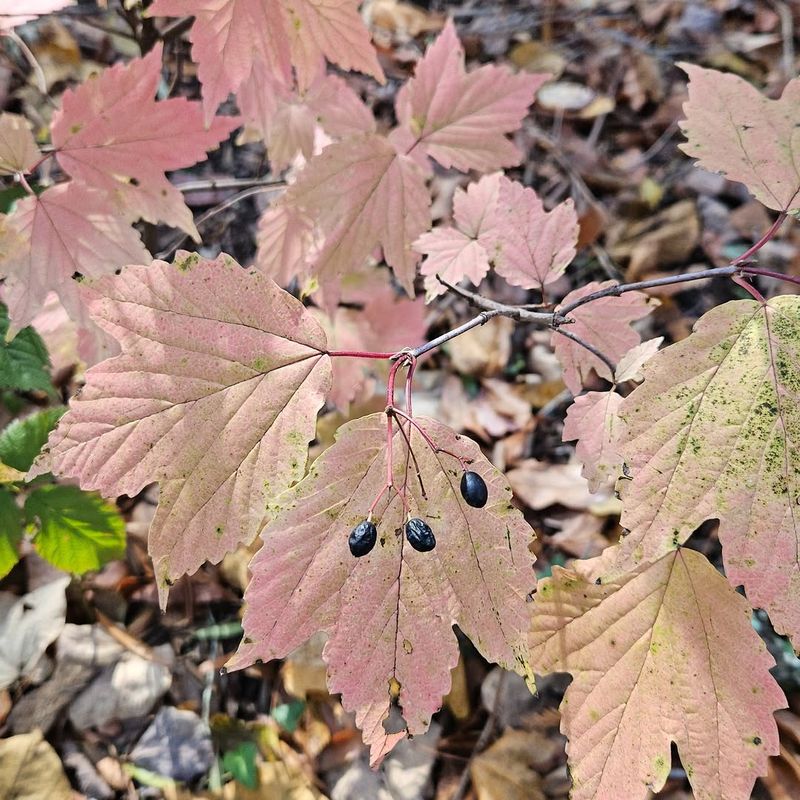
Spring brings clusters of small white flowers that attract pollinators and add a soft, fresh look to shaded garden beds. By late summer, dark bluish-black berries appear, which birds absolutely love.
Then fall arrives, and the show really begins. The leaves shift into rich shades of red, purple, and burgundy, creating a striking display that most people never expect from a shade-tolerant shrub.
Mapleleaf Viburnum typically grows between four and six feet tall, making it a solid mid-size choice for woodland borders or natural garden edges. It works especially well under large trees where the soil tends to stay dry and compacted.
One honest reminder worth keeping in mind: even though this shrub handles dry conditions well once established, newly planted shrubs still need regular watering during their first one to two growing seasons.
After that, nature does most of the work. If you want a plant that rewards patience with gorgeous color, reliable berries, and season-long interest without demanding constant moisture, Mapleleaf Viburnum is absolutely worth adding to your landscape plan.
2. Northern Bush Honeysuckle
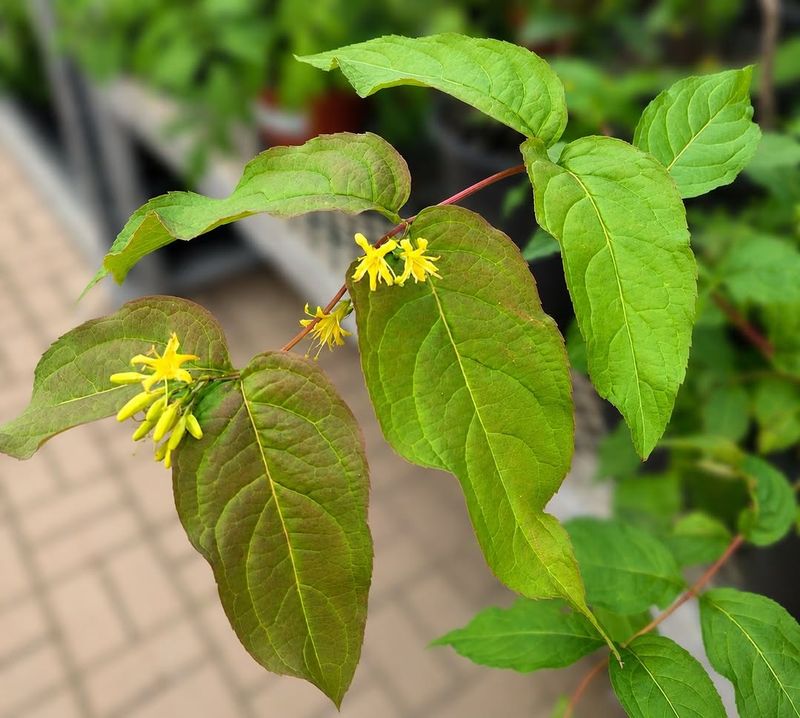
Not every shrub can hold its own in dry, sandy soil under a canopy of trees, but Northern Bush Honeysuckle does exactly that without complaint.
Unlike the invasive Asian honeysuckles that have caused problems in Michigan ecosystems, this is a true native with a responsible, well-behaved growth habit.
It stays relatively compact, usually reaching two to four feet tall, which makes it a practical choice for spots where larger shrubs would feel out of place.
The tubular yellow to orange flowers bloom in early summer and bring in hummingbirds and native bees looking for a reliable nectar source.
Even after flowering, the shrub maintains a tidy, attractive appearance with fine-textured green foliage that fills in nicely along woodland edges and natural borders.
It handles slopes surprisingly well, making it useful for erosion-prone areas where other plants tend to wash out or dry up.
Northern Bush Honeysuckle thrives in sandy and well-drained dry soils, which are common across much of Michigan, especially in the northern Lower Peninsula and the Upper Peninsula.
Your Michigan Garden Changes Every Week. Your Plan Should Too.
Gardening in Michigan changes quickly throughout the season. Every Friday you’ll receive a simple weekly plan showing exactly what to plant, prune, fertilize, harvest, and protect so you never miss the right timing.
It adapts well to part shade but truly shines in spots that get a bit more filtered light. For gardeners hoping to use it in deeper shade, be aware that flowering performance may be reduced.
The plant will still grow and look good, but blooms may be fewer and farther between. Overall, this shrub is a dependable, wildlife-friendly option that fits naturally into low-maintenance native landscapes.
3. Common Snowberry
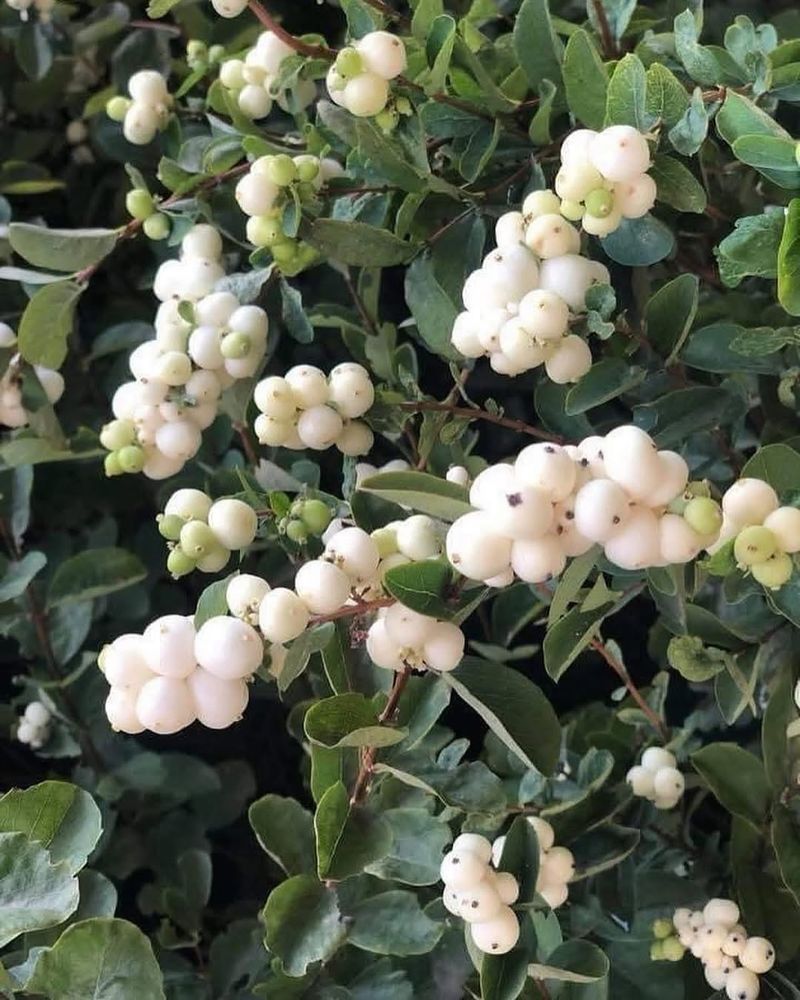
There is something genuinely magical about a shrub that produces bright white berries in late summer, almost like little pearls hanging from arching green stems.
Common Snowberry is exactly that plant, and it brings something unique to shaded garden spaces that most ornamental shrubs simply cannot offer.
Native to Michigan and much of the eastern United States, it grows naturally in dry open forests, forest edges, and even jack pine stands, proving its toughness across a wide range of conditions.
The small pink flowers that appear in early summer are subtle but charming, and pollinators appreciate them. Once those flowers fade, the real attraction takes over.
The clusters of pure white berries develop through late summer and persist well into fall, adding visual interest long after most other shrubs have gone quiet for the season.
Birds and small wildlife make use of the berries too, so planting Snowberry adds genuine ecological value to your yard.
One practical thing to know before planting: Common Snowberry spreads through underground stems and can gradually expand into a wider colony over time.
In a naturalized area or a larger landscape, that spreading habit is actually a bonus because it creates a fuller, more established look without any extra effort. In a smaller or more formal bed, occasional shaping or root pruning will keep it tidy.
Dry to moderately moist soil works fine, and it handles shade far better than hydrangeas ever could without extra watering. It earns its place every single season.
4. Alternate-Leaved Dogwood
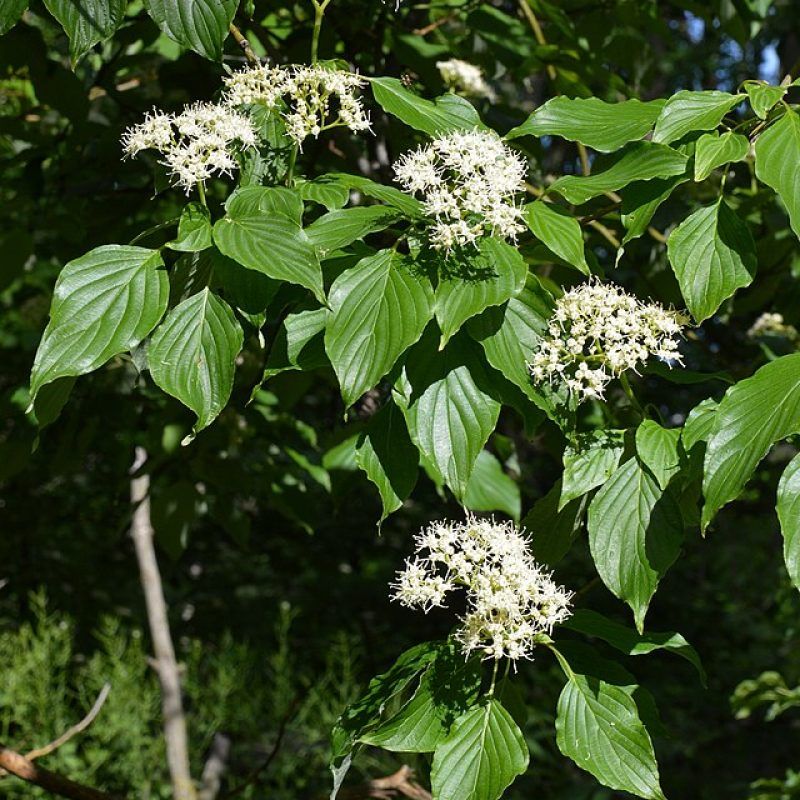
Walk through almost any mature Michigan woodland and you will likely spot Alternate-Leaved Dogwood doing its thing quietly and confidently in the understory.
Its most distinctive feature is the way its branches spread out in flat, horizontal layers, creating a sculptural, architectural silhouette that looks intentional even in a completely natural setting.
That layered branching habit alone makes it a standout choice for shaded garden spaces where visual structure matters.
In spring, flat-topped clusters of creamy white flowers cover the branches and attract a wide variety of native bees and butterflies.
By midsummer, dark bluish-black berries ripen and quickly disappear, snapped up by birds that rely on native fruiting shrubs as a key food source during migration.
The foliage is attractive throughout the growing season, and fall brings a flush of reddish-purple color that adds one more layer of seasonal interest to the landscape.
Alternate-Leaved Dogwood can grow quite large, sometimes reaching twelve to fifteen feet tall and equally wide, so it is not the right pick for a tight foundation bed or a small urban garden.
It genuinely needs space to show off its branching structure without being crowded or constantly pruned back.
A woodland edge, a large naturalized border, or an open shaded corner of the yard is where it truly belongs. It tolerates both moist and moderately dry shaded sites, making it more adaptable than many people realize.
For gardeners who have the room, this is a spectacular and genuinely rewarding native to grow.
5. Common Witch Hazel
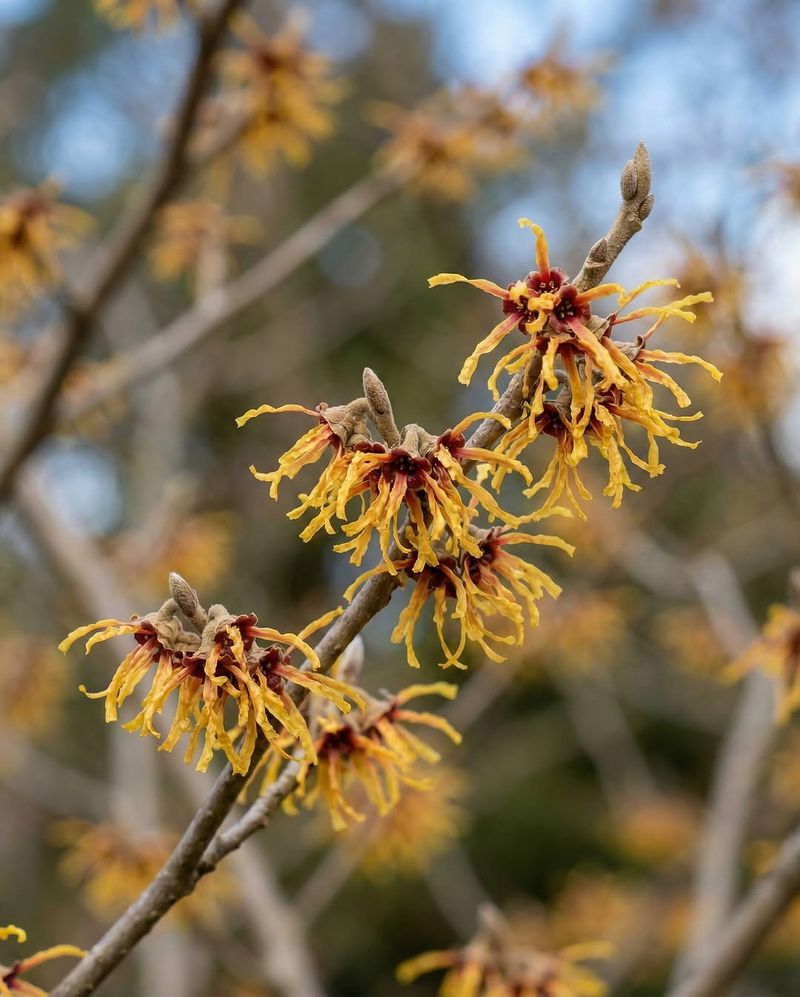
Imagine stepping outside on a cool October afternoon and finding a shrub bursting into bloom while everything else in the garden has already shut down for the year. That is exactly what Common Witch Hazel does, and it never gets old.
The spidery, ribbon-like yellow flowers appear on bare branches in late fall, sometimes even into November in Michigan, making this native shrub one of the most unexpected and delightful plants you can grow in a shaded landscape.
Common Witch Hazel grows naturally in woodland understories across Michigan, so it is genuinely adapted to lower light conditions. It can reach eight to fifteen feet tall over time, developing into a large, multi-stemmed shrub with a graceful, open form.
The fall foliage color is solid too, shifting into warm shades of yellow and orange before the leaves drop and the flowers take center stage. It is a plant that keeps surprising you right up until winter.
One thing worth being straightforward about: Witch Hazel is not a true drought warrior. It prefers soil that holds at least some moisture and does best in natural shade settings where the ground does not dry out completely.
Extremely dry or compacted soil will stress the plant and reduce its vigor over time. For a woodland-style garden with reasonable soil moisture, though, it outperforms thirsty hydrangeas without any extra irrigation needed.
If you want a shrub that blooms when nothing else dares to and attracts late-season pollinators, Common Witch Hazel belongs in your garden.
6. American Hazelnut
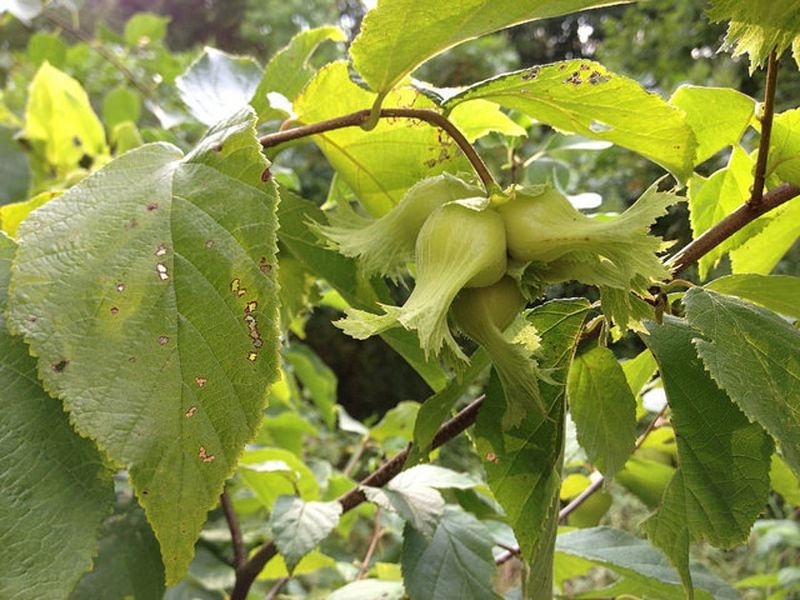
Before the last snow even melts, American Hazelnut is already waking up and getting to work.
The long, dangling yellow catkins that appear in late winter and very early spring are one of the first signs of life in a Michigan woodland, and they are genuinely beautiful in a quiet, understated way.
This shrub has been growing across the state for thousands of years, feeding wildlife and stabilizing soil long before anyone thought to put it in a garden bed.
American Hazelnut grows best in open shade or along bright woodland edges where it gets some filtered sunlight through the day. It can handle dry to moderately moist soil, which makes it far more flexible than most ornamental shrubs.
Fall color ranges from yellow to orange-red, adding seasonal warmth to the landscape.
The hazelnuts that develop in late summer attract squirrels, deer, turkeys, and a wide range of other wildlife, so planting one is essentially setting out a buffet for the local ecosystem.
For gardeners who want a natural, slightly wild look rather than a perfectly manicured hedge, American Hazelnut fits that vision beautifully.
It can spread slowly over time by sprouting new stems from the base, which creates a fuller, more naturalistic colony in larger spaces.
One honest note: if your garden spot is deep, dark shade with very little light reaching the ground, this shrub may grow slowly and produce fewer catkins and nuts.
Bright filtered shade or a woodland edge with good indirect light will give you the strongest, most rewarding results.
7. Lowbush Blueberry
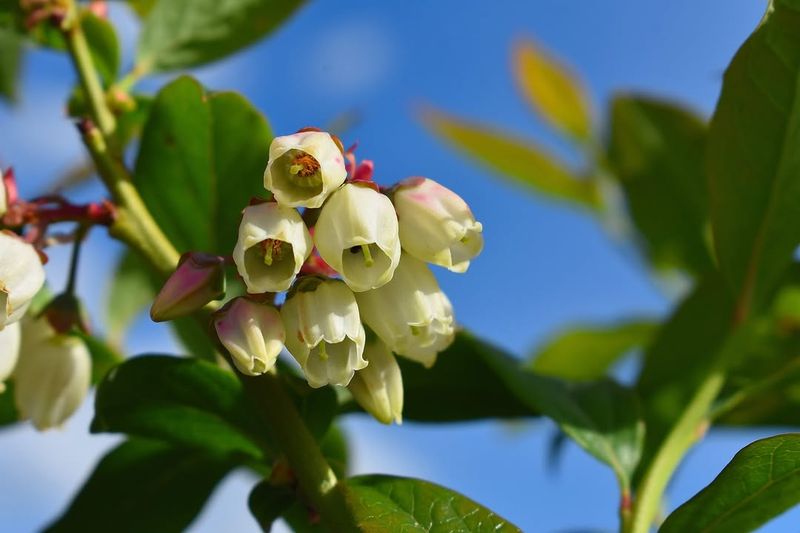
Sandy, acidic soil under the partial shade of pine trees is exactly the kind of spot that stumps most gardeners, but Lowbush Blueberry was practically made for it.
This low-growing native shrub is a Michigan original, found naturally across the state in sandy barrens, open pine woodlands, and rocky slopes where the soil is lean, acidic, and well-drained.
It stays short, usually under two feet tall, and spreads slowly to form a dense, attractive ground layer that looks right at home in a naturalistic garden setting.
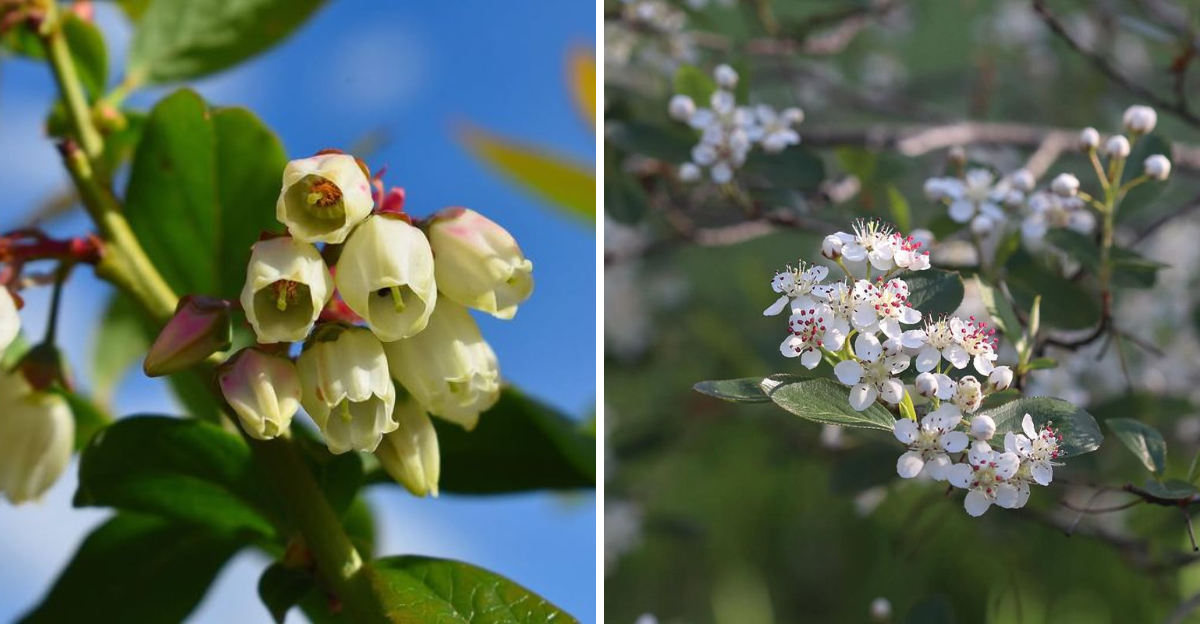
Spring brings tiny white bell-shaped flowers that are delicate and charming, followed by wild blueberries that ripen in midsummer.
The berries are smaller than store-bought varieties but pack a punch of flavor, and birds and other wildlife compete enthusiastically for them every season.
Fall color is where Lowbush Blueberry truly steals the show, with foliage turning brilliant shades of crimson, scarlet, and orange that rival almost any ornamental plant on the market.
Getting the soil right matters more for this shrub than anything else. Lowbush Blueberry needs acidic soil with a pH between 4.5 and 5.5 to thrive, and adding fertilizer will not fix a pH problem.
If your soil is not naturally acidic, amending it with sulfur or planting in a dedicated acidic bed is the smart approach before putting this shrub in the ground. Once the conditions are right, it asks for very little in return.
For shaded acidic spots where hydrangeas simply do not belong, this native is a genuinely excellent and rewarding alternative.
8. Black Chokeberry
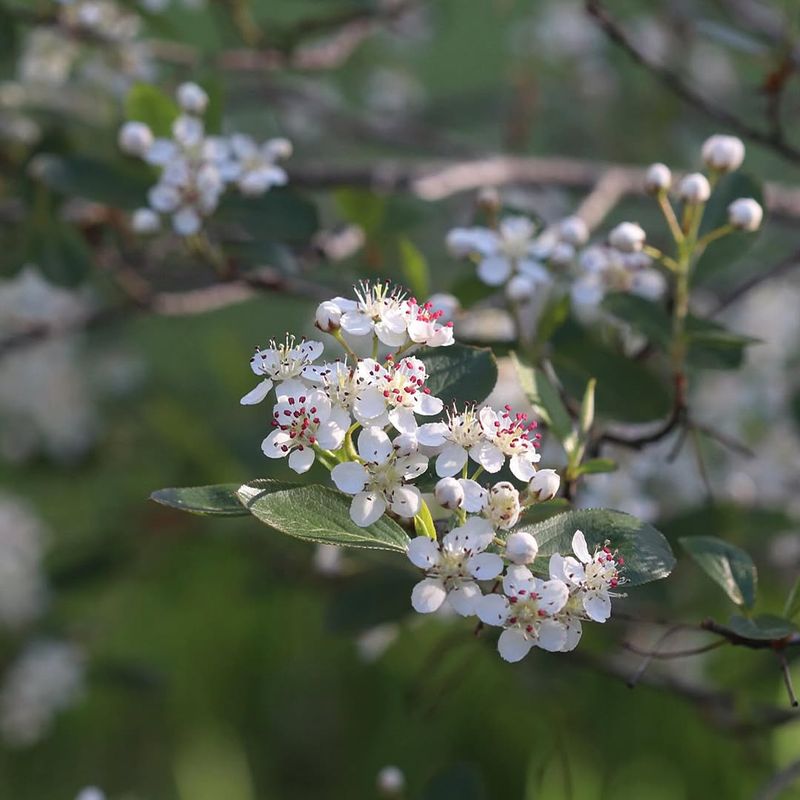
Versatility is not always easy to find in the shrub world, but Black Chokeberry brings it in abundance.
This native Michigan plant handles a surprisingly wide range of soil conditions, from wet areas near rain gardens to moderately dry spots in part shade, and it keeps performing beautifully across all of them.
That kind of adaptability is rare and genuinely valuable for gardeners who do not want to obsess over perfect soil conditions before planting something new.
White flower clusters appear in spring and attract native pollinators reliably every year. By late summer, glossy dark berries develop in heavy clusters, creating a dramatic contrast against the green foliage.
The berries are not sweet enough for most people to enjoy fresh off the branch, but birds and other wildlife consume them eagerly once the first frosts arrive and soften the flavor.
Fall foliage color is outstanding, shifting into rich shades of red, orange, and burgundy that make this shrub look almost on fire when the light hits it right.
Black Chokeberry typically grows three to five feet tall and spreads at a manageable rate, making it practical for both naturalized areas and more structured garden borders.
One thing to keep in mind when choosing a planting spot: it performs best in bright shade or part shade rather than deep, dense full shade.
In very low light conditions, flowering and berry production will decrease noticeably. For most Michigan shade gardens with reasonable light levels, though, Black Chokeberry is a dependable, multi-season performer that delivers far more than it demands.